The Sarajevo Film Festival — a guide for film lovers
| Where | central Sarajevo — Raigad Square, National Theatre, Cinema Meeting Point |
| Cost | around 5–8 BAM per screening |
| Time needed | the festival runs about 9 days; 3–4 days gives a solid taste |
| Best time to book | 2–3 weeks ahead for accommodation, as early as possible for popular screenings |
For nine days every August, Sarajevo transforms into one of the more unusual film festival settings in the world. The open-air cinema at Raigad — 2,500 seats below the night sky — fills with an audience that includes filmmakers from across the former Yugoslavia, international cinema professionals, and local residents for whom the SFF has been part of summer for thirty years.
The Sarajevo Film Festival (SFF) was founded in 1995, during the war. The first edition ran while the city was still under siege. That founding context — cinema as an act of defiance against the forces trying to erase a city’s cultural life — still shapes the festival’s identity, even as it has grown into a genuinely major international event.
What the festival is
The SFF is the largest and most prestigious film festival in Southeast Europe. It runs in competition (with a Heart of Sarajevo award for best feature, documentary, and short), plus major industry sections, retrospectives, and an in-competition focus on European cinema.
What distinguishes it from many festivals is the combination of professional industry programme and genuine popular engagement. The outdoor screenings at Raigad Square (near the National Theatre) are open to the public at modest ticket prices and routinely sell out. The atmosphere — open air, summer evening, often warm enough to sit in shirtsleeves — is genuinely special.
Past competition juries have included directors and actors of international standing. The festival regularly premieres films that go on to major awards consideration.
Dates
The SFF typically runs in early-to-mid August (specific dates vary year to year; check sff.ba for current scheduling). The 2024 edition runs according to the usual early-August timing.
August in Sarajevo is warm and mostly sunny — the valley retains heat, with temperatures of 25–32°C during the day. Evenings cool slightly. Perfect outdoor cinema conditions.
Venues
The main venues are concentrated in the city centre:
Raigad Square (Sarajevo City Hall): The main outdoor competition screen, 2,500 seats. Evening screenings of competition features. Book ahead — these sell out, especially on weekends.
National Theatre: Indoor competition screenings and major retrospectives.
Cinema Meeting Point: The festival’s dedicated cinema, near Ferhadija street. Year-round arthouse programming; during SFF, competition and sidebar screenings.
Various satellite venues: Side sections and special screenings at venues across the city, some free.
Getting tickets
Tickets are available at SFF box offices (which open during the festival period) and increasingly through the online booking system at sff.ba. Single screening tickets are very affordable by Western European festival standards — in recent years around 5–8 BAM per screening.
For competition screenings at Raigad, booking in advance is strongly recommended. Popular documentaries and opening/closing night films can be sold out days ahead.
Attending as a regular visitor
You do not need press credentials or industry accreditation to attend SFF screenings. The public programmes are open to anyone who buys tickets. The industry events (the CineLink market, the Talents Sarajevo programme) are for credentialed professionals.
As a regular visitor, the best approach is to book a few specific screenings you want, arrive with flexibility for whatever else is happening, and enjoy the festival atmosphere as much as the films. The outdoor screenings at Raigad are memorable for the setting regardless of what’s on screen.
Accommodation during SFF
Sarajevo accommodations book up during SFF, particularly the options closest to the old town. Book at least two to three weeks in advance, ideally more. Prices rise somewhat during the festival period.
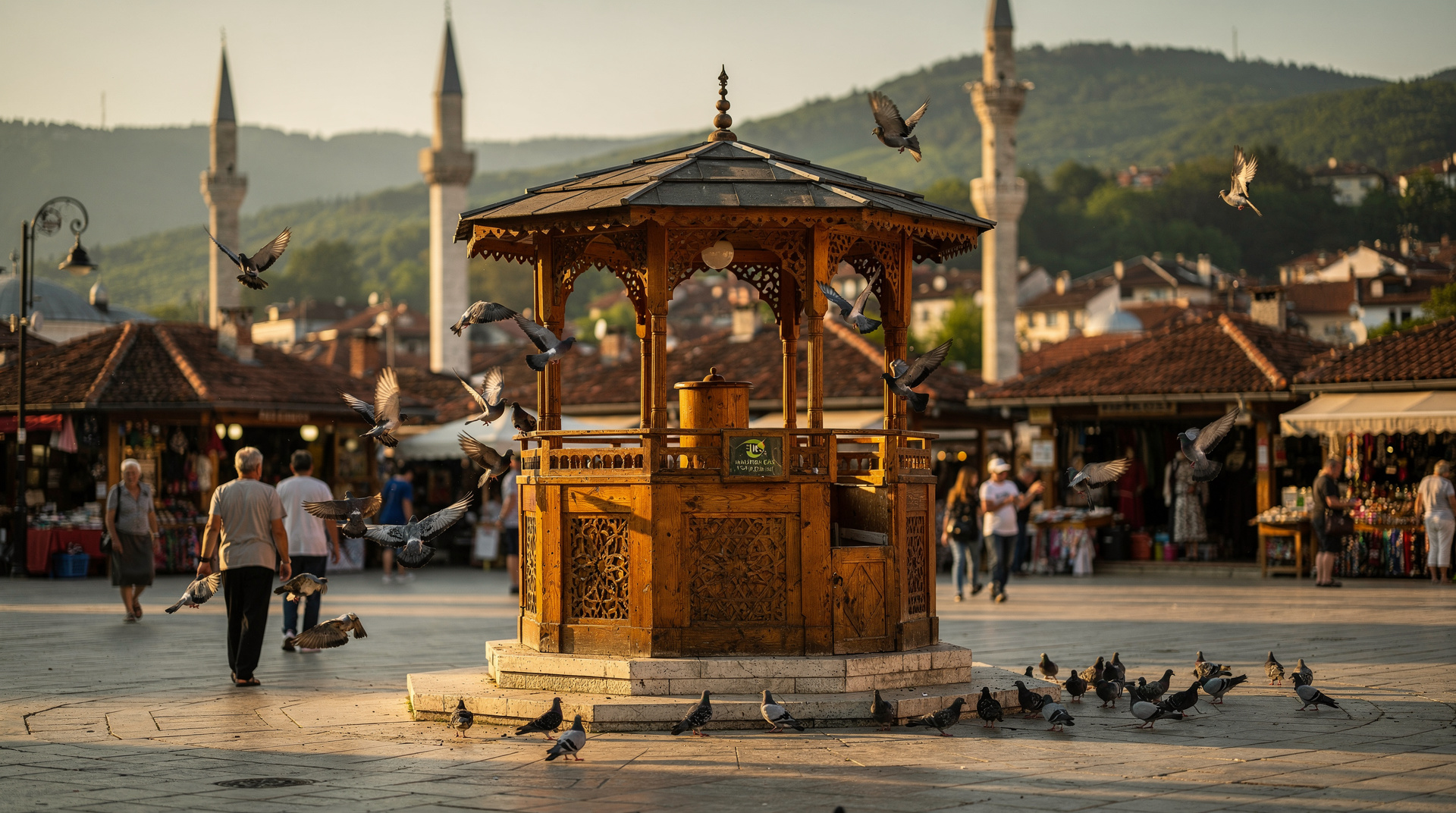
The Sarajevo where to stay guide covers the best neighbourhoods and typical price ranges. Staying in or near Baščaršija puts you within walking distance of all main venues.
Combining with city sightseeing
August in Sarajevo is warm; the film festival means the city is livelier than usual but also more crowded around the festival venues. Balance festival screenings with morning sightseeing (the historical sites are best in the cooler morning hours) and evenings at screenings or at cafés and restaurants.
The first-time in Sarajevo guide covers the essential city sights. A day at the Tunnel of Hope, a morning in Baščaršija, an afternoon at the War Childhood Museum — plus festival screenings in the evenings — makes an excellent three-day programme.
Building a festival trip around SFF
Because SFF runs in August, it lines up naturally with the busiest and warmest stretch of Bosnia’s travel calendar — see the Bosnia in summer guide for what else that means for planning. If you want to extend the trip beyond Sarajevo, Mostar makes a natural add-on; Mostar day trips from Sarajevo fit well either before the festival starts or on a rest day between screenings. For city context beyond the festival, the Sarajevo meeting of cultures guide explains why the city’s layered religious and cultural history makes such a fitting backdrop for a festival founded as an act of cultural defiance.
Seeing the city with a guide on a free morning
Festival days reward a little structure in the daytime, because the evenings are unstructured by design. If you would rather not plan a route yourself, a guided walk is an easy way to cover the centre before the first screening. a walking tour of the old town with a local guide keeps you close to the festival venues, and a local can explain how the streets around Baščaršija connect to the cinemas you will be visiting at night.
If the festival’s wartime origins are what drew you, a tour on the start of the First World War adds the earlier chapter of the city’s story, and the Franz Ferdinand assassination guide gives the background in advance. For a wider overview, a full-day tour covering history, tradition, war and gastronomy suits a day when no screening is on your list.
Pair any of these with a look at the Sarajevo war tour guide and the museums of Sarajevo so you can choose what matters most to you. If you are staying longer, the Sarajevo 4-day deep dive shows how to fit the festival around the rest of the city, and the Sarajevo in winter and Christmas guide is a useful contrast if you want to know how different the city feels outside festival season.
Whatever you choose, leave the evening free. The point of the festival is that the best plan is often the one you make over coffee that afternoon, once you have seen which films people are talking about.
Frequently asked questions about Sarajevo Film Festival — a guide for film lovers
Do I need to book SFF tickets far in advance? For competition screenings at Raigad Square, especially opening night, closing night, and weekend slots, yes — book as soon as the schedule and ticketing system open. Weekday screenings at smaller venues are often available closer to the date.
Is the Sarajevo Film Festival only for film industry professionals? No. The vast majority of screenings are open to the general public with standard tickets. Industry accreditation is only required for the CineLink co-production market and the Talents Sarajevo programme, not for watching films.
Making the most of your days between screenings
Festival evenings run late, so the days work best with a slow start. A few ideas that pair well with a film-heavy schedule:
- Wander the old town. The Baščaršija guide suggests an easy way to spend a morning, and the Sarajevo food tour guide helps you plan a long lunch before the evening programme.
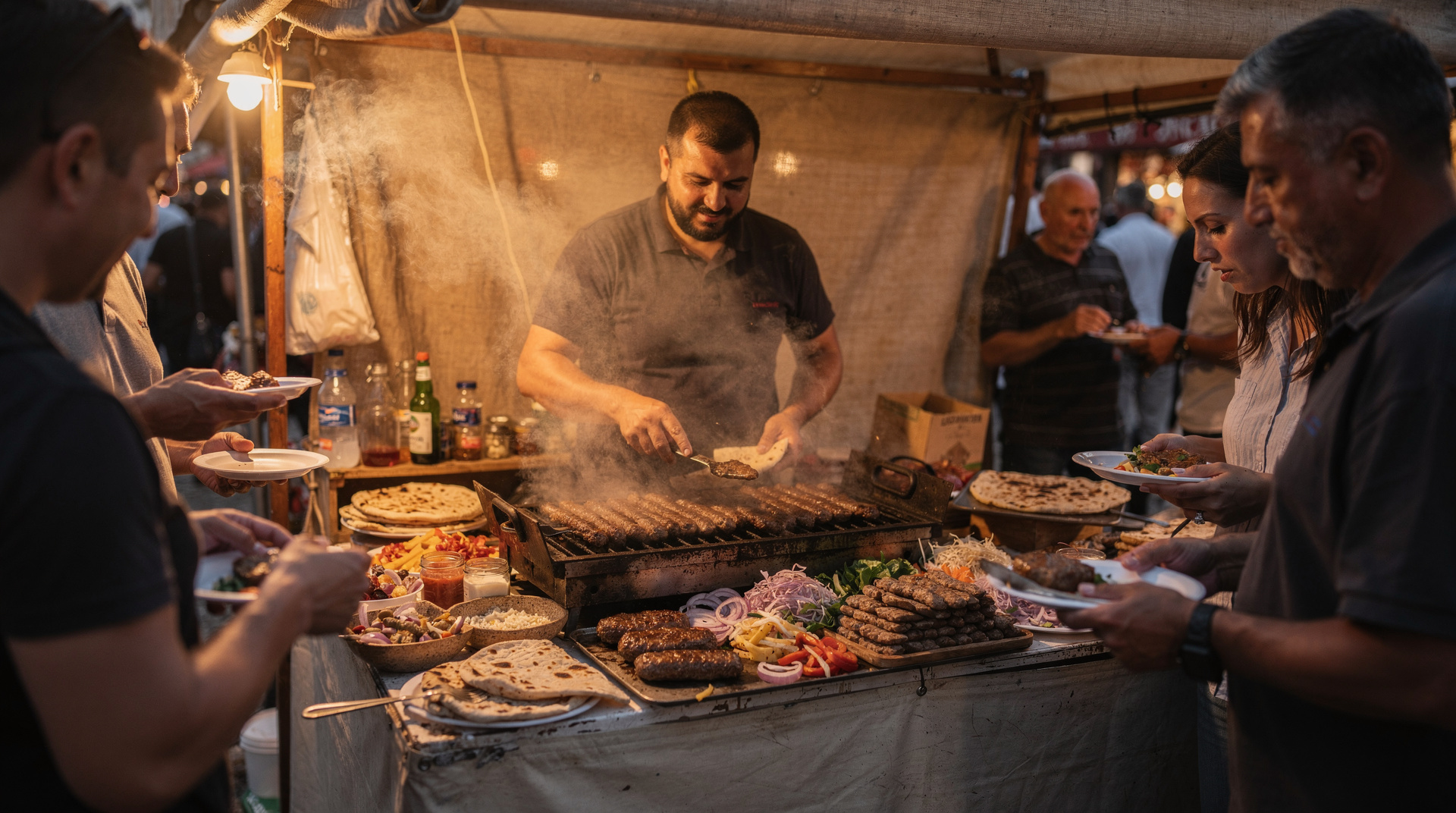
- Eat well between films. The best restaurants in Sarajevo are a handy shortlist, and the ćevapi guide covers the quick, cheap option when a screening starts soon.
- Take a coffee break. The Bosnian coffee culture guide explains the ritual, and the Sarajevo cafés we love post is a good place to find somewhere to talk over what you just watched.
- Add some history. The festival’s wartime origins make the Sarajevo siege remembered essay and the Sarajevo siege and Tunnel of Hope guide natural companions to a trip built around cinema.
- Get around easily. Most venues are close together, but the Sarajevo public transport guide helps when you want to reach something further out.
If you are travelling with a partner or friends who care less about film, the things to see in Sarajevo page gives them plenty to do while you are in a screening.
The broader cultural moment
The SFF arriving in the month of August is a good reminder that Bosnia is not only a history-and-war tourism destination. Sarajevo has a living cultural scene — cinema, music, literature, theatre — that the festival makes visible to the international audience that arrives each August.
Attending the SFF is a way of experiencing a side of the city that most short-stay visitors miss: Sarajevo as a functioning, creative, culturally engaged European capital rather than a repository of difficult history. Both versions are true and both matter.
Top experiences
Bookable activities with verified prices and instant confirmation on GetYourGuide.