Best time to visit Bosnia — month by month guide
Sarajevo: Best of Sarajevo Full-Day Tour
When is the best time to visit Bosnia?
May-June and September-October are ideal — pleasant temperatures (18–26°C), green landscapes, manageable crowds. July-August is the busiest and hottest season (Herzegovina can hit 38°C). December-March suits skiers but many day-trips and outdoor activities run reduced schedules.
Bosnia and Herzegovina spans dramatically different landscapes — from the 2,386 m summit of Maglić to the sub-tropical coast of Neum — and its climate reflects that range. Getting the timing right depends on what you want to do. Here is an honest, month-by-month assessment.
| Where | Nationwide, with regional variation (Sarajevo, Herzegovina, mountains) |
| Cost | Accommodation 20-40% cheaper outside July-August |
| Ideal window | Late April-June and September-October |
| Getting there | Same year-round; day trips reduce November-March |
| Best time | May or September for the widest mix of activities |
The four seasons at a glance
| Season | Months | Sarajevo temp | Herzegovina temp | Best for |
|---|---|---|---|---|
| Spring | Apr–May | 12–22°C | 15–26°C | Hiking, waterfalls, rafting |
| Summer | Jun–Aug | 22–30°C | 28–38°C | Coast combos, cities early/late, mountains |
| Autumn | Sep–Oct | 14–22°C | 18–26°C | Everything — best overall window |
| Winter | Nov–Mar | -2–8°C | 5–15°C | Skiing, quiet Sarajevo, very limited day trips |
Month by month
January and February
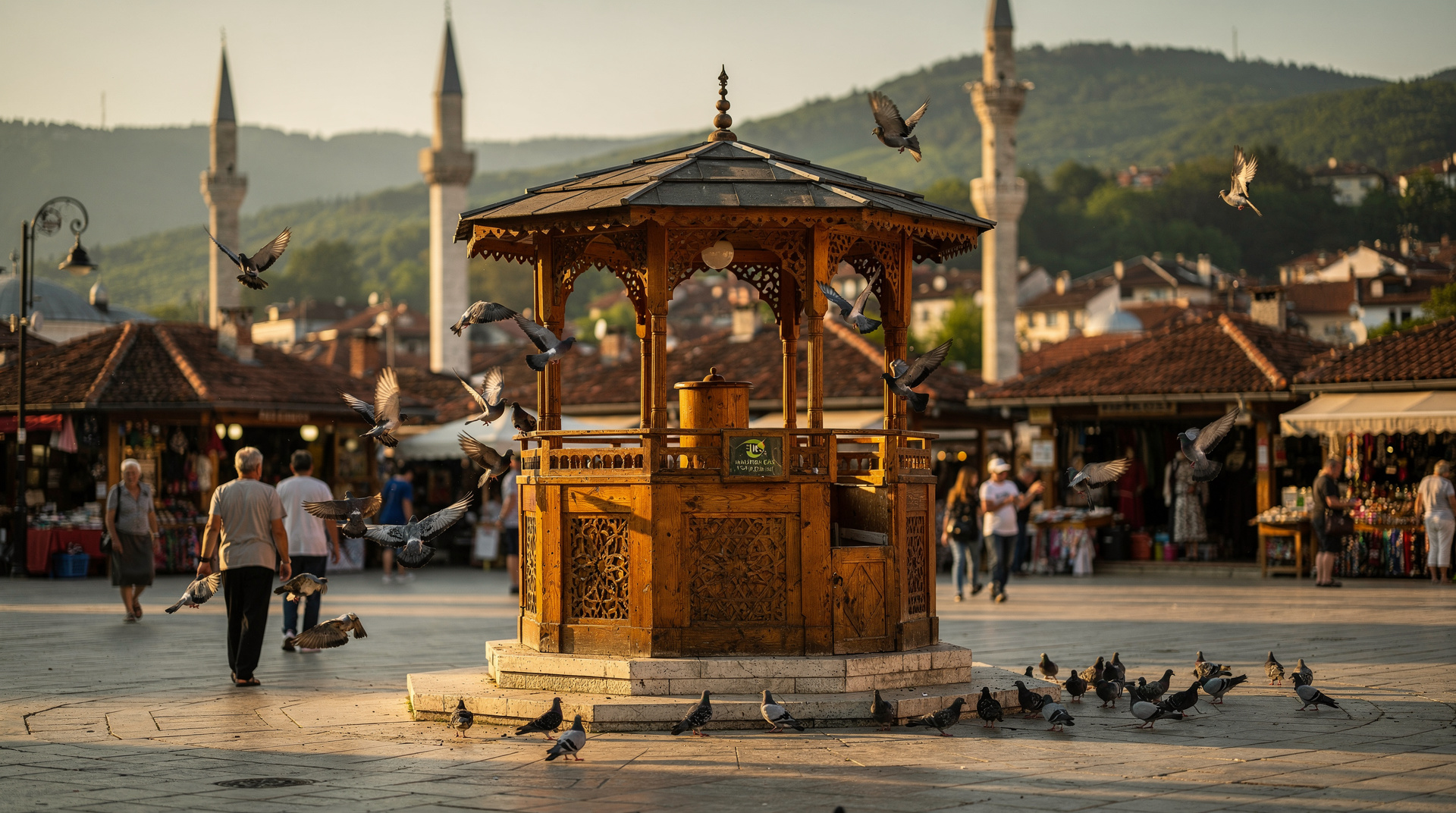
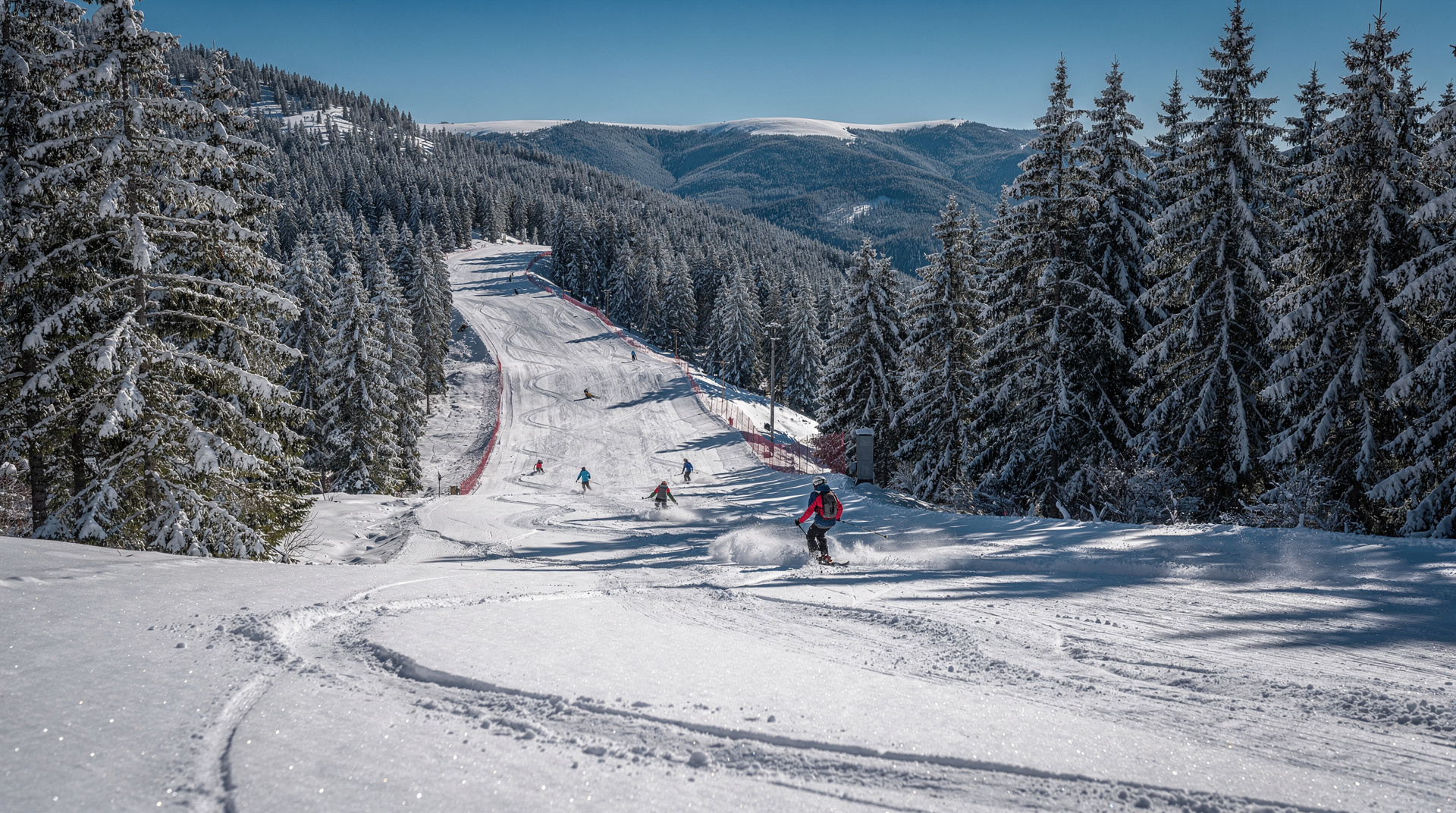
Winter proper. Sarajevo is cold (average lows around -4°C) and frequently snow-covered. The old town under snow is genuinely beautiful, and the Baščaršija cafés are cosy. The ski resorts of Jahorina and Bjelašnica are in full operation — this is their peak season, with good snow cover through February.
Most day trips from Sarajevo to Herzegovina are not running or run irregularly. Kravice Falls is accessible but not swimmable. The Neretva and Una rafting seasons have not begun. Fewer tourists means authentic access to Sarajevo’s everyday life — you will share restaurants with locals, not other travellers.
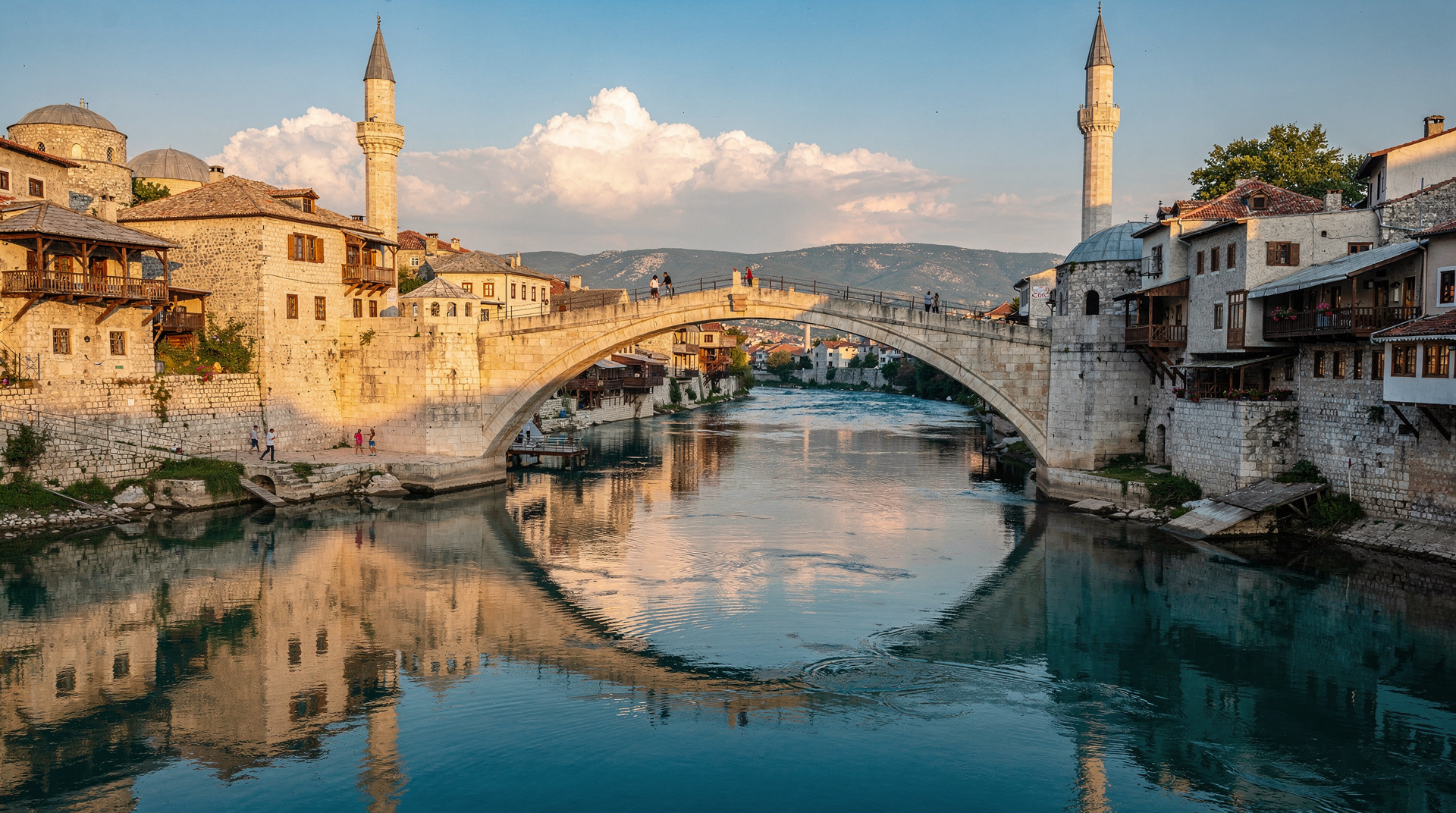
Mostar is quieter and perfectly pleasant to visit, but the famous Old Bridge atmosphere is reduced without the summertime energy.
March
The shoulder of shoulder seasons. Snow lingers in the mountains; the karst lowlands are already green. Rafting operators begin tentatively opening for the spring high-water season. Waterfalls (Kravice, Pliva, Strbacki Buk) are at their most dramatic as snowmelt feeds the rivers.
March is a good time to visit if you are drawn to powerful waterfalls and empty tourist sites. Budget accommodation is at its cheapest.
April
Reliably one of the most beautiful months. Herzegovina blooms — citrus flowers, pomegranate blossoms, wildflowers along the Neretva. The Una National Park is at its greenest and most dramatic. Hiking on Bjelašnica and around Lukomir becomes possible on southern slopes, though higher elevations still carry snow.
Tour operators are warming up; more guided day trips become available from Sarajevo. Weather is comfortable (12–20°C) without the summer heat. Occasional heavy rain is possible.
May — one of the two best months
May is arguably the best single month to visit Bosnia. Everything is open, temperatures are ideal (18–26°C), the landscapes are at peak green, and the July-August crowds have not arrived. Spring rafting is at its peak on the Una and Neretva rivers — higher water, faster currents, more exciting grades.
Book a full-day Sarajevo highlights tour in May and you will have the city’s best sights in perfect walking weather without competing with peak-season crowds.
May is also good for hiking: Lukomir village becomes accessible, the Sutjeska beech forests are in fresh leaf, and the Via Dinarica hiking season opens. Lukomir village hike guide for details.
June
June is excellent — especially the first three weeks. Post-June-24 (the Medjugorje apparition anniversary), pilgrim crowds in the Medjugorje area peak and Herzegovina begins warming. Sarajevo Film Festival preparations pick up pace. The Buna at Blagaj is in summer-green mode.
Temperatures in Mostar reach 32–34°C in the second half of June. Kravice Falls starts getting very busy. Evening visits are the solution: the heat breaks, the tour buses leave, and the Herzegovinian evening is golden.
July and August — peak season
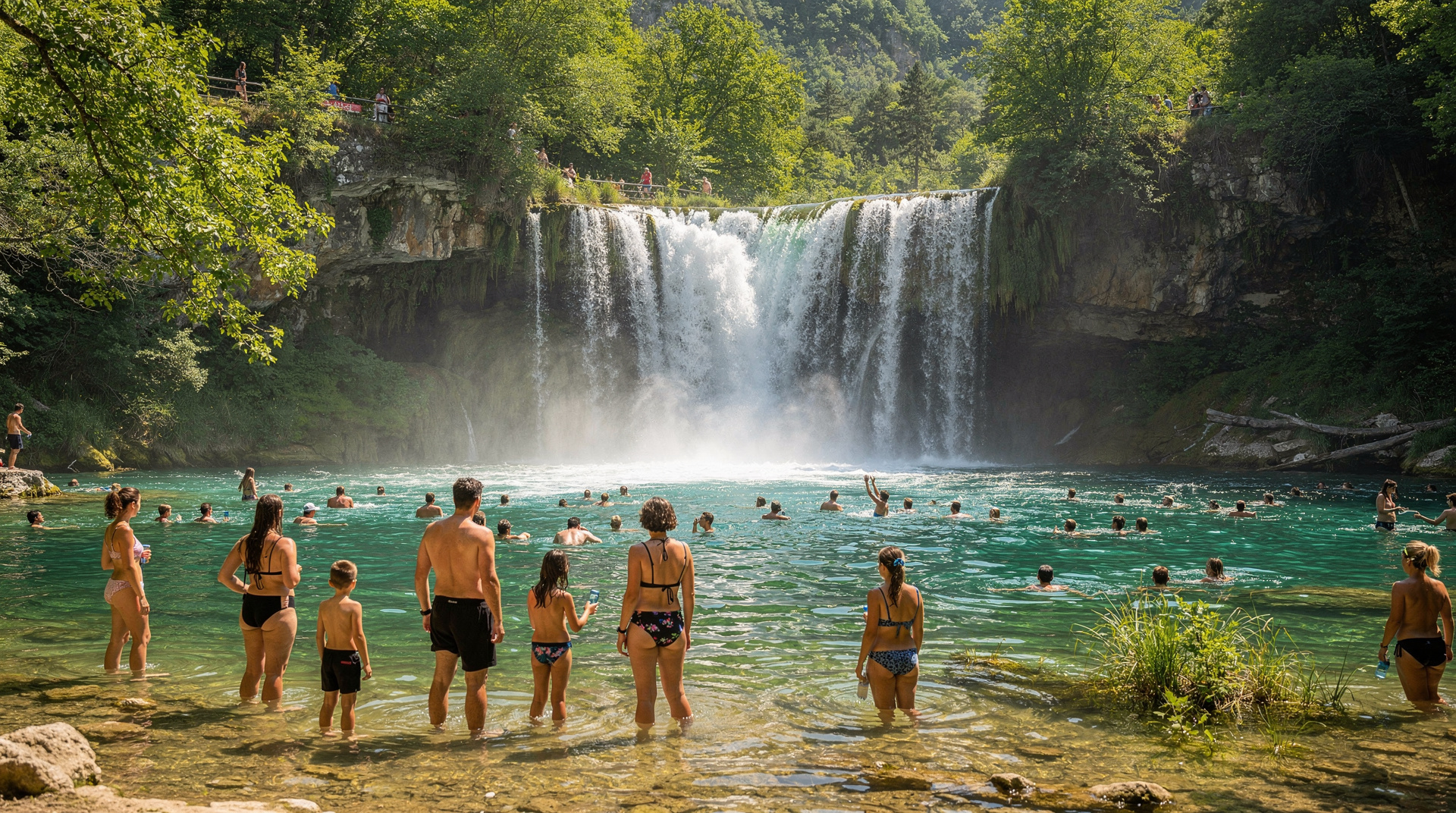
The highest visitor numbers and the most extreme heat. Mostar old bridge in the midday sun can feel like a sauna with selfie sticks. Kravice Falls is Croatia-beach levels of crowded on summer weekends. Accommodation prices are 20–40 percent above shoulder season rates.
This does not mean July-August is bad. The Sarajevo Film Festival (August) brings an electric atmosphere to the city. Mostar at dawn is spectacular and near-empty. Mountain destinations — Sutjeska, Bjelašnica, Prenj, Maglić — are delightfully cool even when Herzegovina bakes. Rafting is still running, though lower summer water levels change the character.
The coastal day-trip logic from Dubrovnik and Split also means this is when the most organised tour options run. If you are combining Bosnia with a Croatian holiday, the summer works perfectly well — just plan your Herzegovina sights for early morning or late afternoon.
If you are staying on the Croatian coast, a guided day trip to Mostar from Dubrovnik takes the driving and border logistics off your hands, which is a real relief in the hottest weeks.
September — the other best month
September is the joint favourite alongside May. The summer heat recedes (25–28°C in Herzegovina, 20–23°C in Sarajevo), the tourist crowds thin markedly after the August peak, and the light turns golden and autumnal. Wine harvest begins in the Trebinje and Mostar vineyards — an excellent reason to visit. See the Herzegovina wine guide.
Hiking in the mountains is ideal: stable weather, clear views, no ice on the high trails. Rafting continues on the Una and Neretva. Day tours from Dubrovnik and Split are still fully operational.
October
Still very much viable, particularly the first half. Autumn colours in Sutjeska National Park and the forested mountains are spectacular. Herzegovina cools to pleasant walking temperatures (18–22°C). After mid-October some tour operators begin reducing schedules.
Late October brings the first mountain frosts and occasional fog in Sarajevo’s valley. A beautiful time to visit, but book accommodation — October is popular with European walkers and cultural tourists.
November
Transition to winter. Many outdoor attractions and guided tours scale back. Sarajevo in November is grey but not cold; first snowfalls on the mountains. Mostar is quiet and genuine — the tourist veneer is almost entirely absent. A good time if you want real contact with local life and are not dependent on day trips.
Grey, wet days are also when indoor sights shine. A visit to the Cold War nuclear bunker near Konjic is a sensible way to spend a day when the weather rules out hiking, and the Tito bunker guide explains what to expect.
December
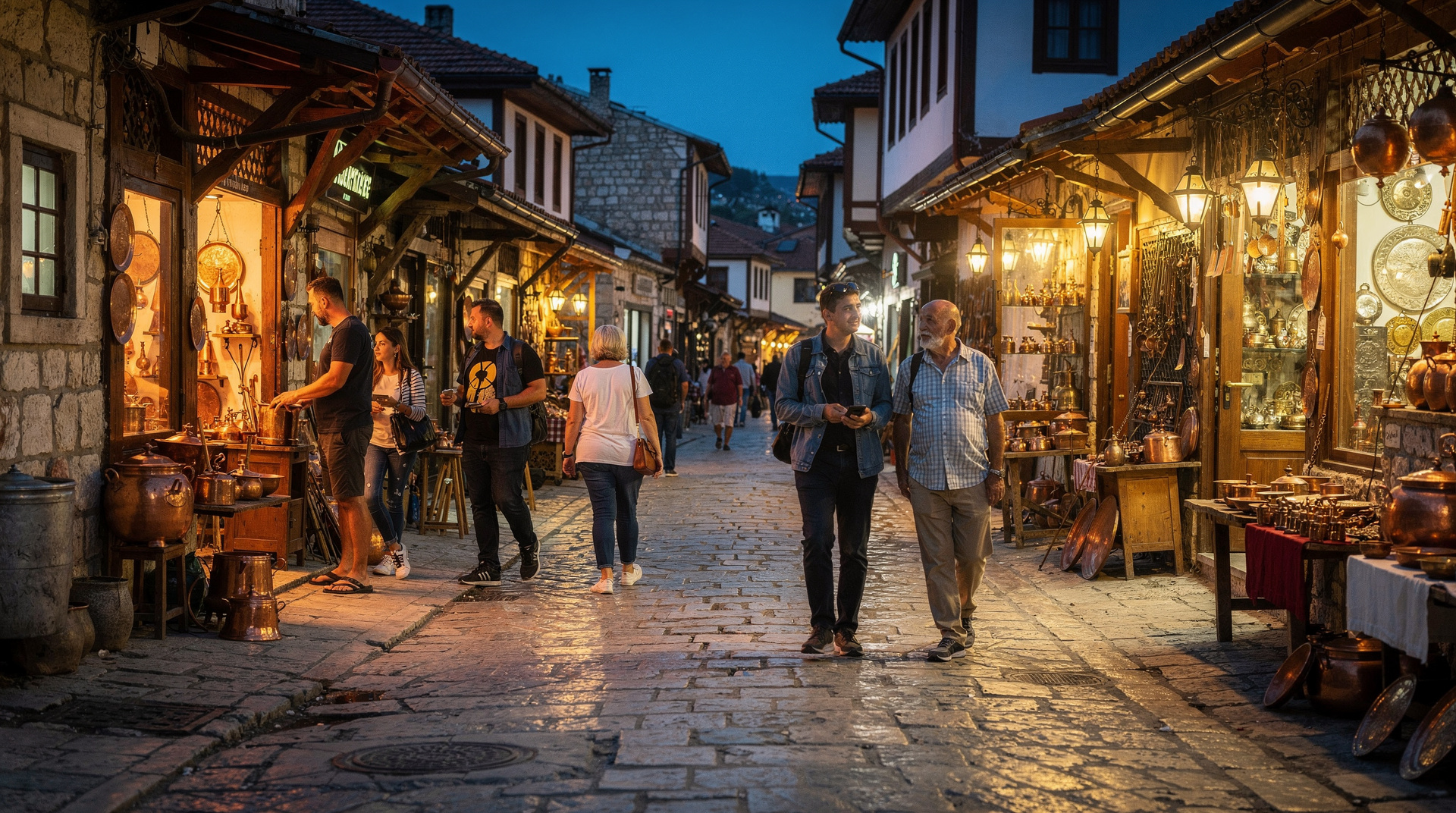
Sarajevo in December is one of the Balkans’ lesser-known pleasures. The old bazaar fills with Christmas-adjacent decorations (Christmas and Eid-al-Adha sometimes overlap in the same December); the city feels festive and intimate. Hot burek from a pekara, Bosnian coffee in a kafana, snow on the cobblestones. Jahorina and Bjelašnica ski areas open in late December in good snow years.
Herzegovina in December is quiet, mild (10–15°C) and not particularly interesting for outdoor sightseeing. Most tour operators have stopped running.
Matching the season to your route
The calendar matters less than the route you build around it. A trip that stays in Sarajevo and Mostar is forgiving in almost any month, while a trip that adds the mountains, the rivers and the Herzegovinian villages needs more care. If you are still shaping the plan, the Bosnia travel itinerary planning guide and the how many days in Bosnia guide help you decide how much to fit in, and the Bosnia 7-day itinerary shows a balanced loop that suits May or September particularly well.
In spring and autumn, build in slack for weather. A rainy morning is easily swapped for a museum or a long coffee, and the museums of Sarajevo are a sensible fallback. In summer, do the opposite: front-load outdoor sights and keep the hot middle of the day for shade, a slow lunch or a drive. The avoiding crowds in Bosnia guide goes deeper on how to time the busiest places.
Getting around also changes with the season. Mountain roads are slower in winter and the bus network is thinner outside the main months, so read the getting around Bosnia guide before you commit to a tight schedule. If you plan to drive, the driving in Bosnia guide covers what to expect on mountain roads, and it is worth taking seriously from late autumn onwards.
Think too about what you want your photographs and memories to look like. Fresh green and roaring water belong to spring, golden light and wine harvests to September, copper forests to October, and snow-covered rooftops to the depths of winter. Each is a different Bosnia, and none is a wrong choice as long as your expectations match the month. Travellers who care about autumn colour will enjoy the Bosnia in autumn guide, while those drawn to blossoms and waterfalls should read the Bosnia in spring guide.
A few practical habits help in every season. Check opening arrangements for smaller sights before you travel, keep a flexible day in your plan for weather, and talk to your host about local conditions on the day. Bosnian hosts are usually generous with advice about which road is open, which trail is dry and which café has the best view, and that kind of local knowledge is worth more than any forecast. Keep in mind that rural areas still carry wartime hazards, so stay on marked paths whatever the month; see the landmine safety guide before any hike.
Climate zones in brief
Sarajevo and central Bosnia: Continental climate. Distinct four seasons; cold winters with snow; warm summers (26–30°C); reliable autumn and spring.
Herzegovina (Mostar, Trebinje, Kravice, Medjugorje): Mediterranean-influenced, despite being inland. Very hot, dry summers (regularly 35–38°C, occasionally 40°C). Mild winters (rarely below 5°C). Wonderful spring and autumn.
Mountain zones (Bjelašnica, Sutjeska, Prenj, Maglić): Alpine. Snow November to May at higher elevations. Cool summers even in July (15–22°C at altitude). Unpredictable weather; afternoon thunderstorms common in summer.
Una National Park (Bihać): Continental with slightly more moisture from the west. Milder winters than Sarajevo; lush, green spring and summer; excellent autumn colours.
Quick recommendation by interest
| Interest | Best time |
|---|---|
| City sightseeing | May, September-October |
| Rafting | April-June (high water) or September |
| Hiking | May-June, September-October |
| Skiing | December-March |
| Waterfalls | March-May |
| Wine | September-October |
| Pilgrimage (Medjugorje) | Avoid 24-25 June unless crowds are your thing |
| Photography | May (green), October (autumn), January (snow) |
Frequently asked questions about when to visit
How does Bosnia compare to neighbouring Croatia for timing?
Very similarly. May and September-October are ideal for both. The key difference: Bosnia’s mountains stay cool all summer, making it a viable escape from Croatia’s August coast heat.
Do I need to book in advance for peak season?
Yes, for July-August: accommodation in Sarajevo and Mostar can sell out weeks ahead. Guided tours and multi-day tours also fill up. May, June and September are popular but generally bookable a week in advance. Winter and early spring: book-when-ready.
Is there a rainy season in Bosnia?
Bosnia does not have a defined rainy season like tropical destinations. Precipitation is spread across the year. Herzegovina has the most dry days (its semi-Mediterranean climate). Spring and autumn bring more rain than summer but rarely in the form of extended grey weeks. Mountain thunderstorms are common in summer afternoons — start hikes early.
How Bosnia’s timing compares by traveller type
First-time visitors focused on Sarajevo and Mostar get the best return in May or September — everything is open, prices have not peaked, and the two cities’ compact old towns are pleasant to walk without midday heat. Hikers should target June through September, when the hiking in Bosnia guide routes on Bjelašnica, Prenj and Sutjeska are fully snow-free. Rafters get the most exciting water in April-June on the Una and Neretva; see the rafting in Bosnia guide for river-by-river detail.
Skiers should aim for January-February for the most reliable snow on Jahorina and Bjelašnica — see skiing in Bosnia. Travellers combining Bosnia with a Croatian coastal holiday will naturally visit in summer; the trade-off is worth it if Herzegovina’s heat is managed with early starts, as covered in the Bosnia in summer guide.
Top experiences
Bookable activities with verified prices and instant confirmation on GetYourGuide.