Sarajevo
Plan Sarajevo: Baščaršija old town, the Tunnel of Hope, cable car, food tours and easy day trips to Mostar and Konjic.
Sarajevo: Old Town to Modern City Walking Tour
Quick facts
- Region
- Sarajevo Canton
- Days needed
- 2-3
- Currency
- BAM (1 EUR = 1.95583 KM)
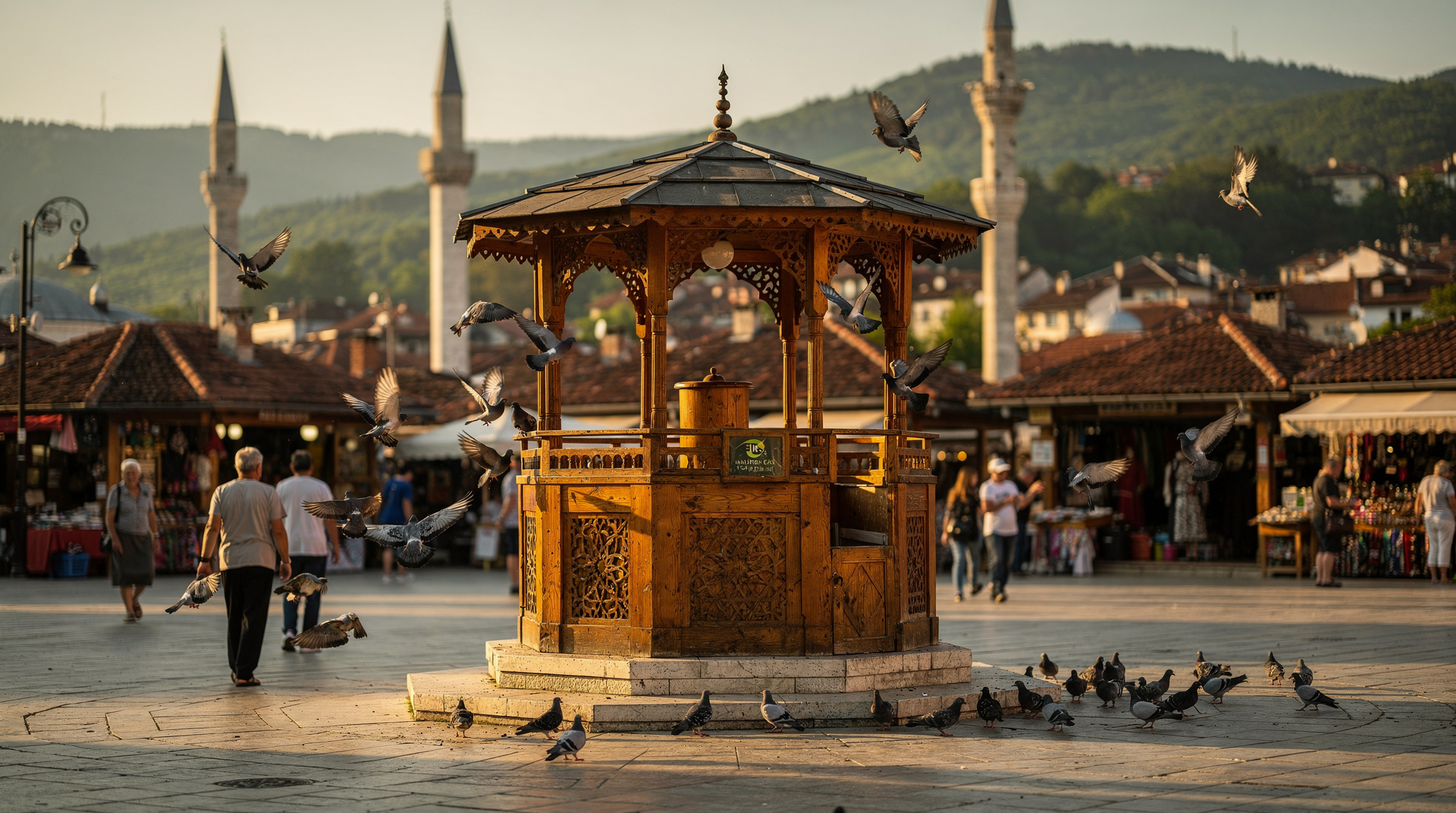
Sarajevo is where East meets West: Ottoman bazaars, Austro-Hungarian boulevards and the scars of the 1990s siege sit within a few walkable blocks. Start in Baščaršija, the old Ottoman quarter, then trace the city’s modern history at the Tunnel of Hope.
At a glance
| Region | Sarajevo Canton |
| Days needed | 2-3 |
| Best time to visit | May-June & September-October |
| Currency | BAM (1 EUR = 1.95583 KM) |
| Getting in | Sarajevo Airport (SJJ), or drive/bus from Dubrovnik, Split or Mostar |
| Getting around | Old town is walkable; tram and trolleybus cover the rest of the centre |
Getting your bearings
The compact centre runs from Baščaršija west along Ferhadija. A good first move is a guided old town walk to understand the layers of history before exploring on your own.
Sarajevo sits in a valley, and that shapes everything about how you move through it. The old town lies at the eastern end, the Austro-Hungarian districts spread out to the west, and the hills rise on both sides. Orienting yourself is easy: if you are walking uphill you are heading away from the river and toward the residential neighbourhoods, and if you follow the river you will pass most of the sights worth seeing. For a closer look at the old quarter itself, the Baščaršija guide covers the lanes, courtyards and workshops street by street, and the Austro-Hungarian Sarajevo guide explains why the western half of the centre feels so different from the Ottoman east.
The contrast is the whole point. Within a short walk you can pass from coppersmiths hammering in a lane to a boulevard of grand façades that would not look out of place in central Europe. Take your time over it. Visitors who treat the old town as a quick photo stop tend to leave without really feeling the city, while those who sit down, order a coffee and watch the street usually understand it within an afternoon.
War history, told honestly
The Siege of Sarajevo (1992-1996) shaped the city. A war and Tunnel of Hope tour is the most respectful way to understand it, led by guides who lived through it.
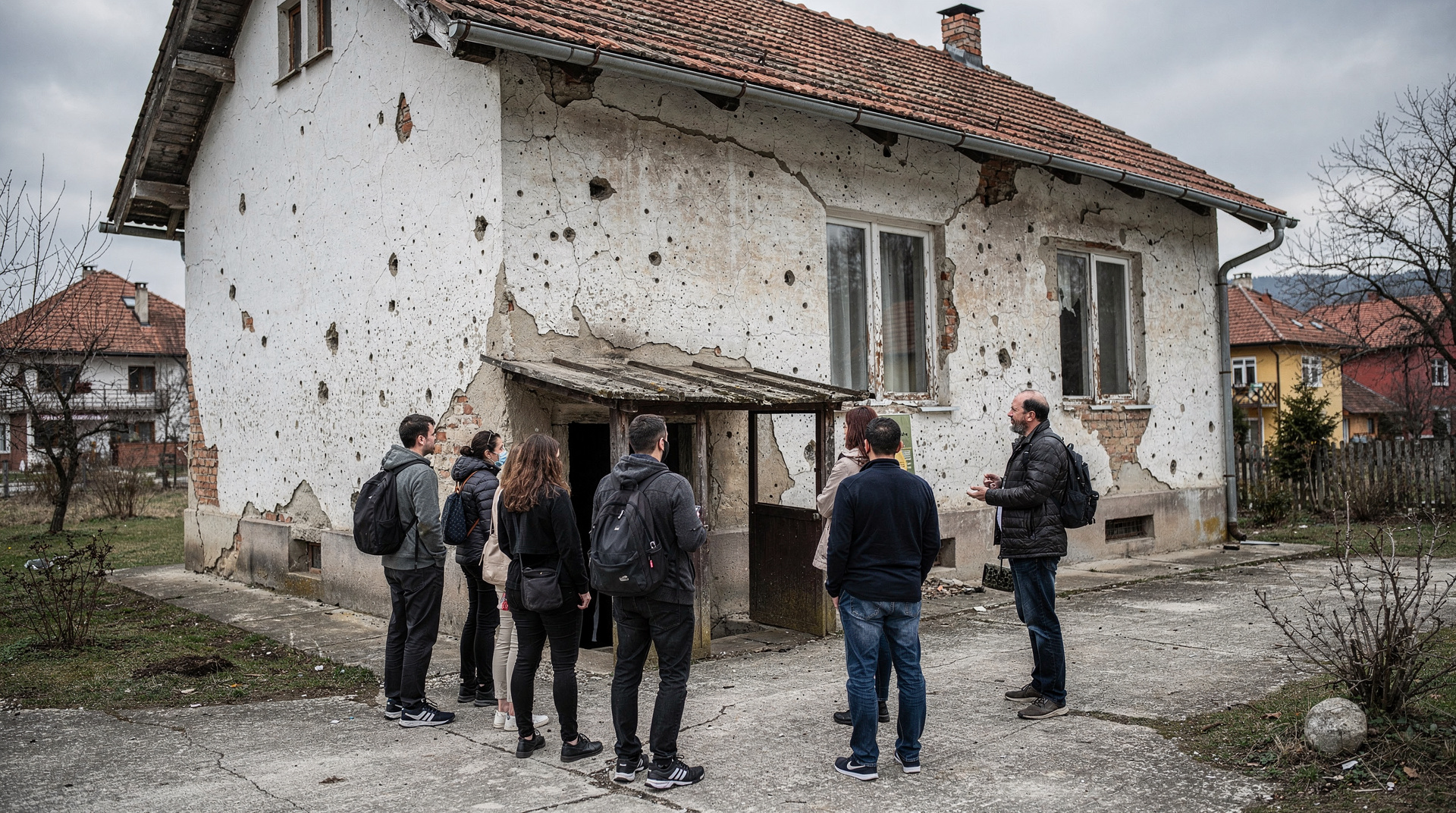
The siege is not a distant episode here. You will see it in the patched façades, in the memorial plaques and in the conversations you have with locals, many of whom are happy to talk if you ask with respect and listen more than you speak. The Sarajevo siege and Tunnel of Hope guide explains what the tunnel was and why it mattered, and the Sarajevo war tour guide helps you choose between the different ways of covering the period, from guided half-days to a self-paced route. The Sniper Alley guide follows the main avenue that became a daily danger zone, and the War Childhood Museum guide looks at the siege through the objects and memories of those who were children at the time.
If you want the wider background first, the Yugoslav wars explained and Bosnia history for travellers give enough context that the sites make sense rather than simply shock. The blog’s Sarajevo siege remembered is a more personal account and a good companion read.
Earlier history matters too. The city is also known as the place where the assassination of Archduke Franz Ferdinand set off the First World War, and the Franz Ferdinand assassination guide walks you through that story and the spot where it happened. Pairing this with a siege-era site in the same day gives a rare sense of how often this city has found itself at the centre of events far larger than itself.
A few practical habits make these visits easier. Wear comfortable shoes, because many sites involve a fair amount of walking and some uneven ground. Leave room in the day afterwards; most people find that a heavy morning calls for a slow, quiet lunch rather than another museum. And treat memorials as places of mourning rather than backdrops, which means keeping voices low and thinking twice before posing for photos.
Planning your time
Two or three days is the sensible window, and the page’s own guidance on this holds up: one day for the old town and the Austro-Hungarian centre, one for the war history and museums, and one for either a slower neighbourhood day or an excursion. If you have a little longer, the Sarajevo 4-day deep dive lays out a fuller structure, and the Sarajevo and Mostar in three days route suits travellers who want both cities without rushing.
Do not pack every hour. Sarajevo is a city of long coffees and unhurried conversations, and the evenings are where much of its character shows up. Leave at least one evening free to wander the old town after the day-trippers have gone, when the lanes quiet down and the cafés fill with locals. The blog’s first time in Sarajevo is a useful honest account of how a first visit tends to unfold.
Getting there and getting around
Most visitors arrive by air, by bus or by car. The Sarajevo airport guide explains how to get from the terminal into town, and the buses in Bosnia guide covers the intercity network. If you are coming overland from the coast, the Dubrovnik to Sarajevo route and the Split to Sarajevo route set out the options, and the Sarajevo to Mostar transport guide is the one to read before heading south.
Once you are in the city, the centre is best done on foot, with trams and trolleybuses filling the gaps. The Sarajevo public transport guide explains how the system works and what to do about tickets. Keep some small change handy and check the Bosnia money and currency guide if you are unsure how cash and cards are handled.
When to go
The seasons change the city’s mood considerably. Late spring and early autumn are the most comfortable for walking and for sitting outside, as the page’s quick facts suggest. Summer brings a livelier, busier old town, and winter brings a quieter, atmospheric city with a very different charm. The best time to visit Bosnia page compares the seasons across the country, while Sarajevo in winter and at Christmas and the blog’s winter in Sarajevo describe what the cold months feel like if you are tempted to come then.
Around the city
The surrounding hills are one of the best things about Sarajevo, and you do not need to travel far to leave the streets behind. Trebević mountain looks down over the city and is the setting for the old Olympic sites covered in the 1984 Winter Olympics guide. To the south-west, Ilidža and Vrelo Bosne offer a gentle green escape, and the Vrelo Bosne guide explains how to enjoy the park. Further out, Bjelašnica and Igman bring real mountain scenery, and the best day hikes from Sarajevo will help you choose a route that fits your fitness and the season.
When you walk anywhere outside the built-up area, stay on marked paths and follow local advice. The landmine safety guide explains the reasoning and is worth reading before any hike, and the is Bosnia safe guide puts day-to-day safety in proportion.
Day trips
Sarajevo is the best base for Herzegovina: Mostar, Konjic’s Tito bunker and the Kravice waterfalls are all reachable in a day. A Tunnel of Hope tour combines well with a half-day trip to Konjic’s ARK D-0 bunker, while a full day out lets you see Mostar’s Old Bridge and the Herzegovina villages of Blagaj and Počitelj. For a fuller comparison of the two cities, see Sarajevo vs Mostar.
Food and where to eat
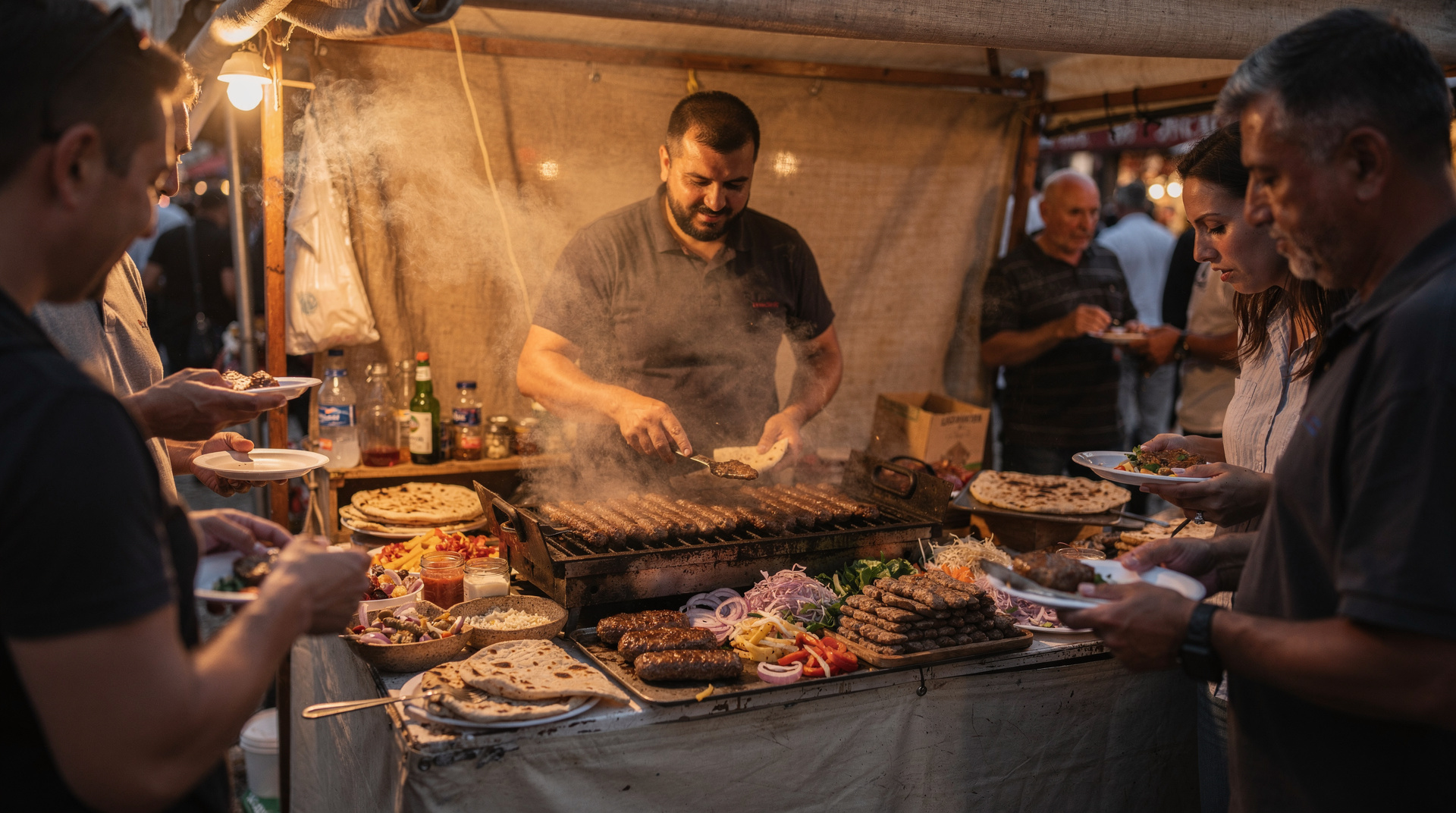
Baščaršija is the obvious place to start eating, but the best ćevapi and burek spots are not always the ones directly on the main tourist strip. A local food tour through the Grbavica neighbourhood shows a more residential side of the city’s food scene, away from the postcard views. For self-guided eating, the best restaurants in Sarajevo guide and the ćevapi guide are the most useful references, and no visit is complete without learning the Bosnian coffee ritual properly — see Bosnian coffee culture.
Eating well here is as much about habits as about venues. Bosnian food rewards simple, honest dishes done properly: grilled meat in a soft flatbread, savoury pastries, rich stews and sweet desserts to finish. The Bosnian food guide and the burek and pita guide explain what to order and what the names actually mean, so you are not guessing at a menu. A guided food walk is a good way to sample several places in one outing, and the blog’s Sarajevo cafés we love is a friendly shortlist for the slower part of the day.
Where to stay
Baščaršija puts you in the middle of the old town action but can be noisy in summer; the streets just west, toward Ferhadija and Marijin Dvor, offer a quieter base within easy walking distance. The Sarajevo where to stay guide breaks down neighbourhoods by budget and by what you want to prioritise — nightlife, quiet, or proximity to the war history sites.
Museums and mosques
Beyond the Tunnel of Hope, Sarajevo has a dense cluster of museums covering everything from the 1984 Winter Olympics to the Ottoman and Austro-Hungarian eras — the museums of Sarajevo guide rounds up the best of them, including the War Childhood Museum. The Gazi Husrev-beg Mosque and the city’s other Ottoman-era mosques are covered in the Sarajevo mosques guide, and the city’s unusual multi-faith character — mosques, an Orthodox cathedral, a Catholic cathedral and a synagogue within walking distance of each other — is the subject of the Sarajevo meeting of cultures guide.
Travelling with family and other tips
Sarajevo works well for families who are happy with a mix of walking, food and a little history, and the Sarajevo with family guide suggests how to pace the days and which stops suit younger visitors. For a wider look at the faith traditions that make the city unusual, the Sarajevo faiths guide and the Ottoman heritage in Bosnia guide add depth, and the best day trips from Sarajevo round out a longer stay.
A few small habits make the visit smoother. Dress modestly when entering religious buildings, carry a little cash for small cafés and market stalls, and ask before photographing people. Locals are generally welcoming to visitors who show a little curiosity, and a few words of greeting in the local language go a long way. Above all, give the city time: it is a place that opens up slowly, and the most memorable moments are often unplanned ones, like a conversation over coffee or an unexpected view from a hillside street.
Top experiences
Bookable activities with verified prices and instant confirmation on GetYourGuide.