Počitelj
Visit Počitelj: a perfectly preserved Ottoman hilltop village with a hexagonal tower, mosque and river views. 25 km south of Mostar.
From Mostar: Herzegovina Full-Day Tour
Quick facts
- Region
- Herzegovina-Neretva Canton
- Distance from Mostar
- 25 km / 30 min by car
- Days needed
- 1-2 hours (combine with Blagaj/Kravice)
- Currency
- BAM (1 EUR = 1.95583 KM)
- Entry
- Free to enter; mosque ~3 BAM
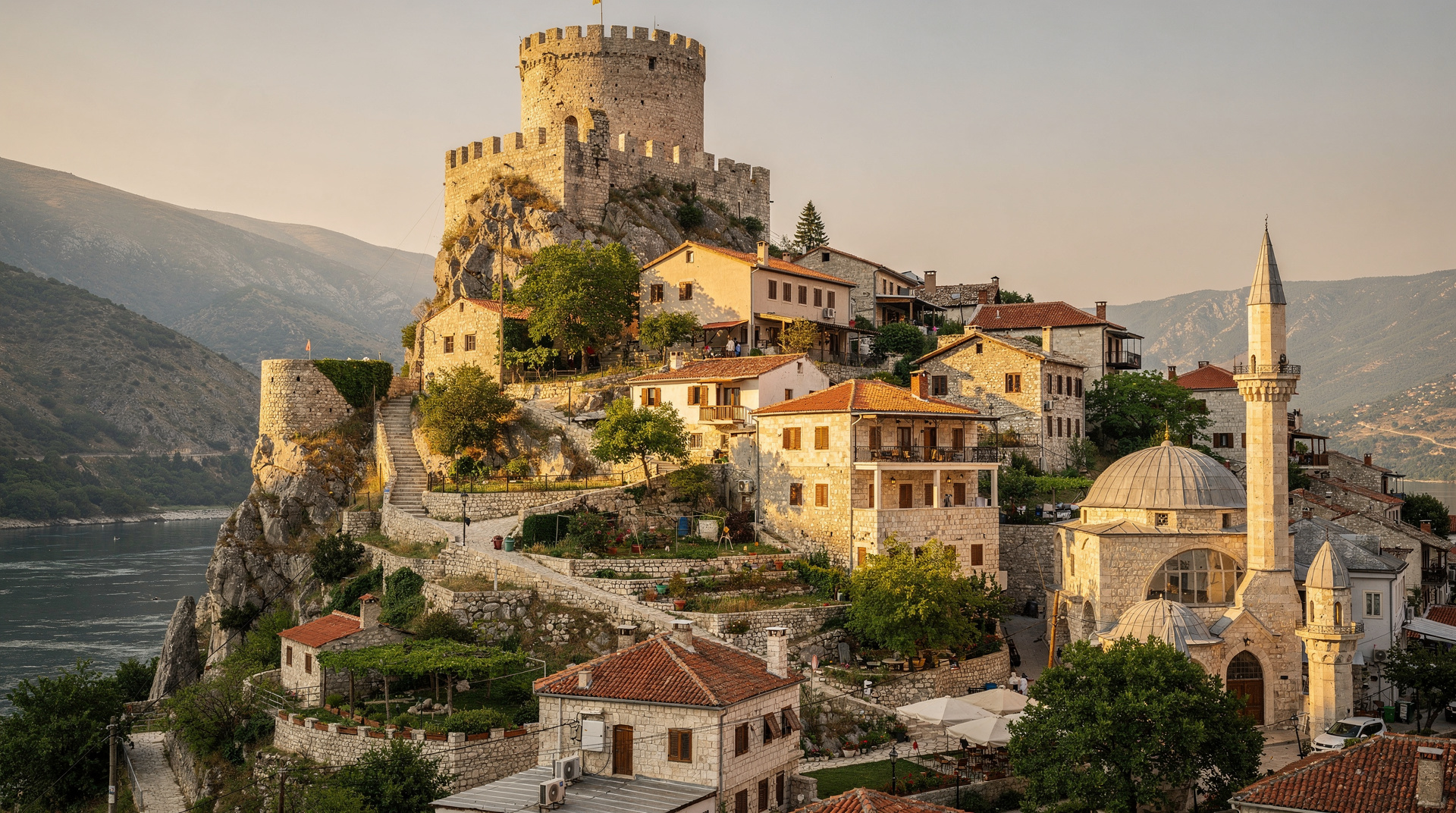
Počitelj is often described as the best-preserved Ottoman village in the western Balkans — and it is hard to argue with that. Clinging to a steep hillside above the Neretva River about 25 km south of Mostar, the village is a tightly packed cluster of honey-coloured stone houses, a sixteenth-century mosque, a hamam (bathhouse), and a distinctive hexagonal defensive tower at the summit. It takes one to two hours to see properly, and the views from the top are outstanding.
| At a glance | |
|---|---|
| Where | On the M-17, 25 km south of Mostar toward the Croatian border |
| Cost | Free to walk the village; mosque around 3 BAM; tower climb free |
| Time needed | Around 1.5-2 hours |
| Getting there | Self-drive, taxi from Mostar, or as a stop on a Herzegovina day tour |
| Best time | Early morning or late afternoon, April-October |
Getting there
Počitelj sits just off the main M-17 road that follows the Neretva south toward Čapljina and the Croatian border. From Mostar, it is 25 km and about 30 minutes by car. There is roadside parking at the base of the village.
Public transport does not serve Počitelj directly; most independent travellers drive or take a taxi from Mostar (around 35-40 BAM return with waiting time). Most visitors come as part of an organised tour that combines Počitelj with Blagaj and Kravice. A full-day Herzegovina tour including Počitelj is a practical option if you do not have a car.
The village on foot
The stone path from the car park climbs steeply through the main residential area. Most buildings are private homes, some in good repair and some still showing war damage from the early 1990s — the village was heavily damaged in 1993 and restoration has been ongoing but uneven.
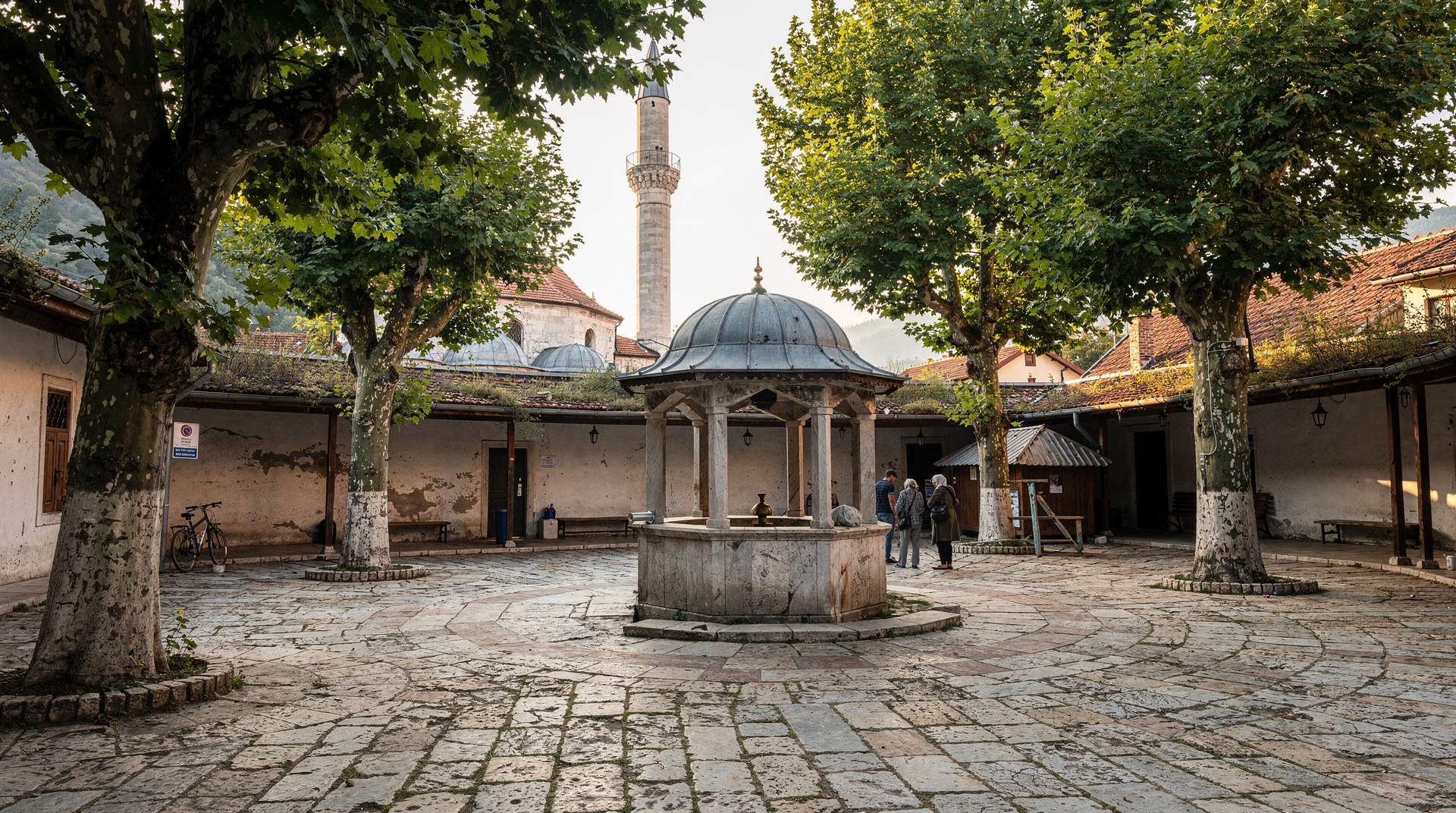
The Šišman Ibrahim-pasha Mosque (also known as the Hadži Alija Mosque), dating from 1563, is the centrepiece of the lower village. It has been restored and is open to visitors for a small fee (around 3 BAM). Remove shoes; modest dress is appropriate. The interior is simple and beautiful.
The Gavrankapetanović Tower at the top is an unusual hexagonal fortification from the 16th century. The climb is about 10-15 minutes from the mosque; the last section involves a steep, stepped path. From the top there are unobstructed views over the Neretva gorge, the village rooftops, and the surrounding hills.
The hamam (Ottoman bathhouse), now disused, sits between the mosque and the tower. It is visible from outside; entry is not typically possible.
Practical tips
Time needed: Allow 1.5-2 hours to see the village properly — mosque, tower summit, and a wander through the stone lanes. Do not rush the climb; the path is uneven and steep in places.
Shoes: Proper footwear matters here. The cobblestones are polished smooth and become slippery when wet or when worn by summer sandals. Trainers or walking shoes are strongly advised.
Heat: In July and August, the south-facing stone village bakes. The temperature can be several degrees hotter than Mostar. Start early (before 10am) or come in the late afternoon. Bring water — there are one or two small cafés/gift shops but no restaurants within the village.
Photography: Počitelj is a photographer’s location. The best light is early morning (east-facing walls lit warm) or late afternoon (west-facing terraces golden). The view from the tower is best before midday.
What to combine it with
Počitelj fits naturally into a Herzegovina circuit:
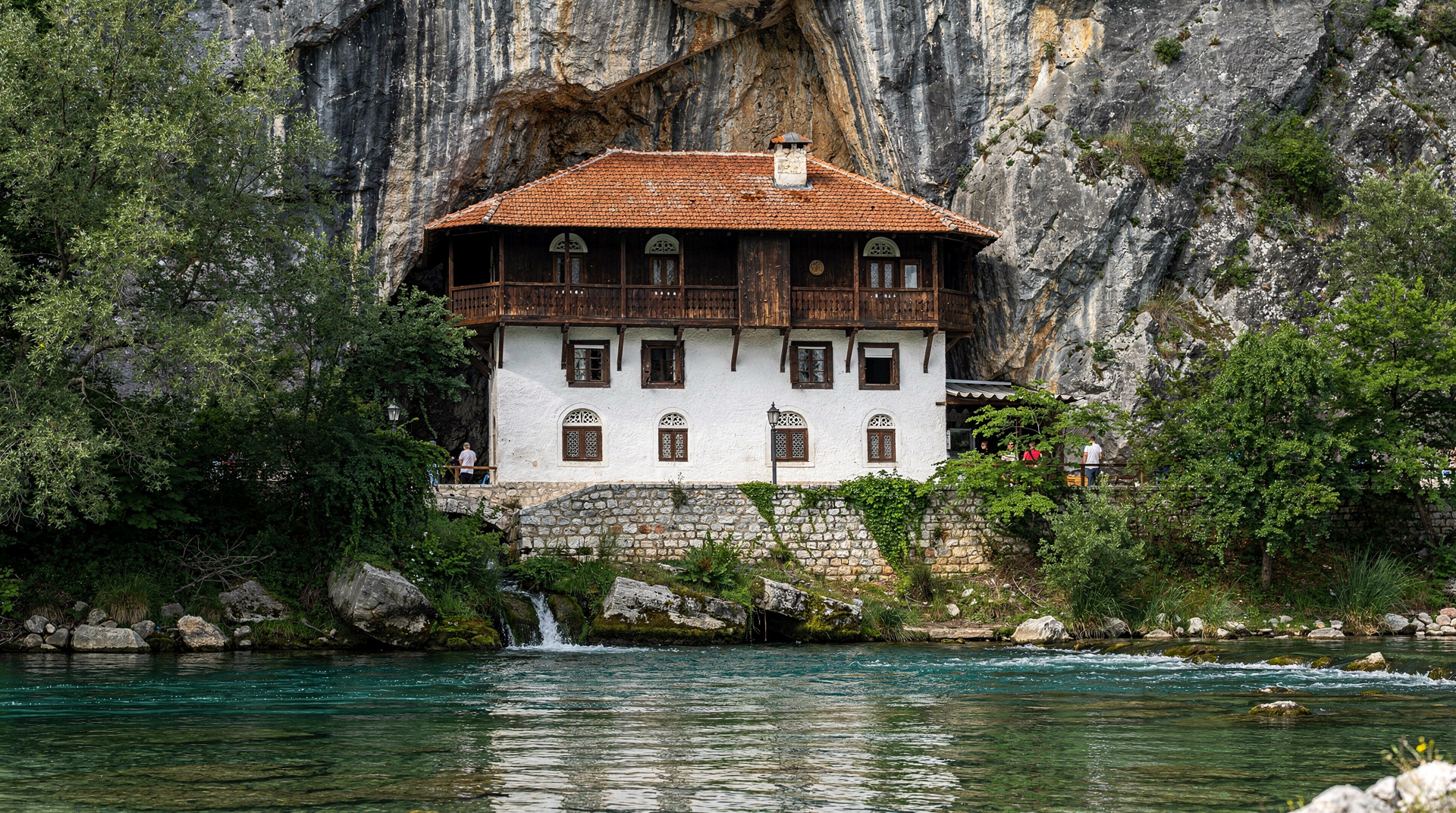
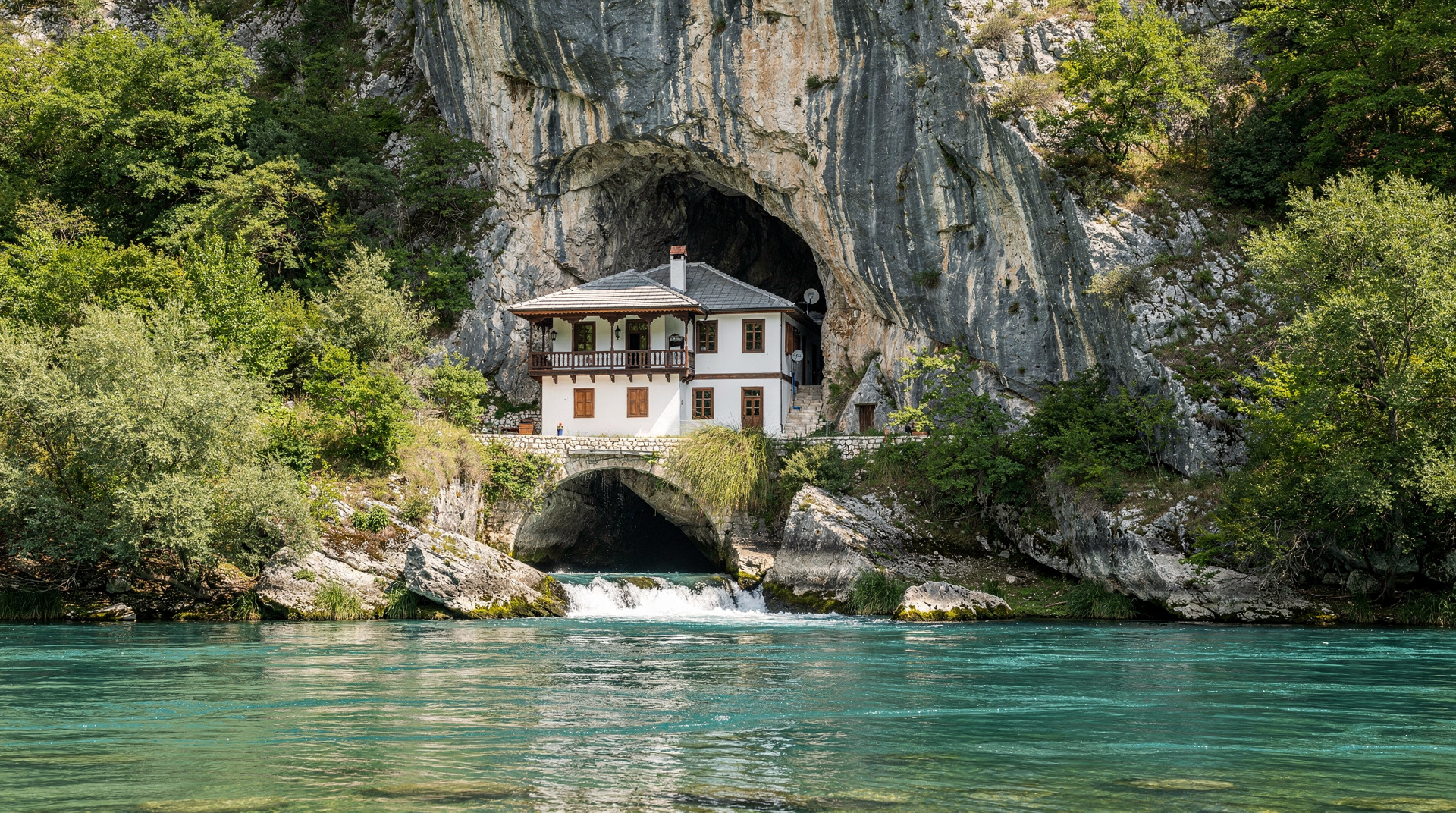
- Blagaj Tekija (13 km north): the Dervish monastery at the Buna spring — roughly 1.5-2 hours.
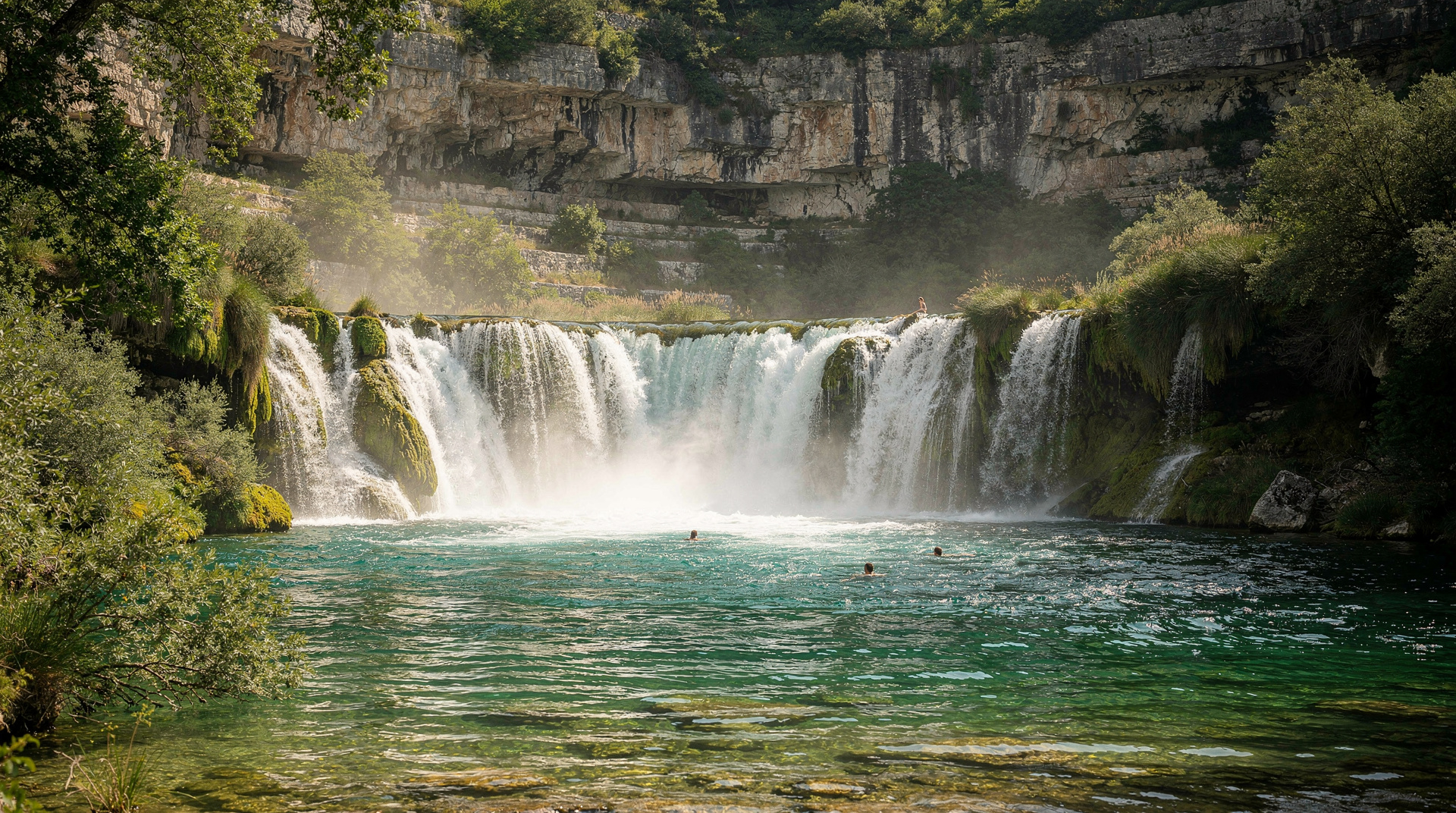
- Kravice Waterfalls (35 km west): a short detour off the main road toward Ljubuški — swimming possible April through October.
Together, these three sites form the classic Blagaj, Počitelj and Kravice day tour from Mostar, taking roughly 7-8 hours in total.
The Počitelj Ottoman village guide has more detail on the architecture and history, and the best day trips from Mostar guide covers how to combine all three sites efficiently.
A short history
Počitelj’s strategic position above the Neretva made it a fortified settlement long before the Ottomans arrived, but its present form dates mostly from the 16th and 17th centuries, when it grew into a small administrative and trading centre under Ottoman rule. The mosque, tower, madrasa and hamam that survive today were largely built in this period.
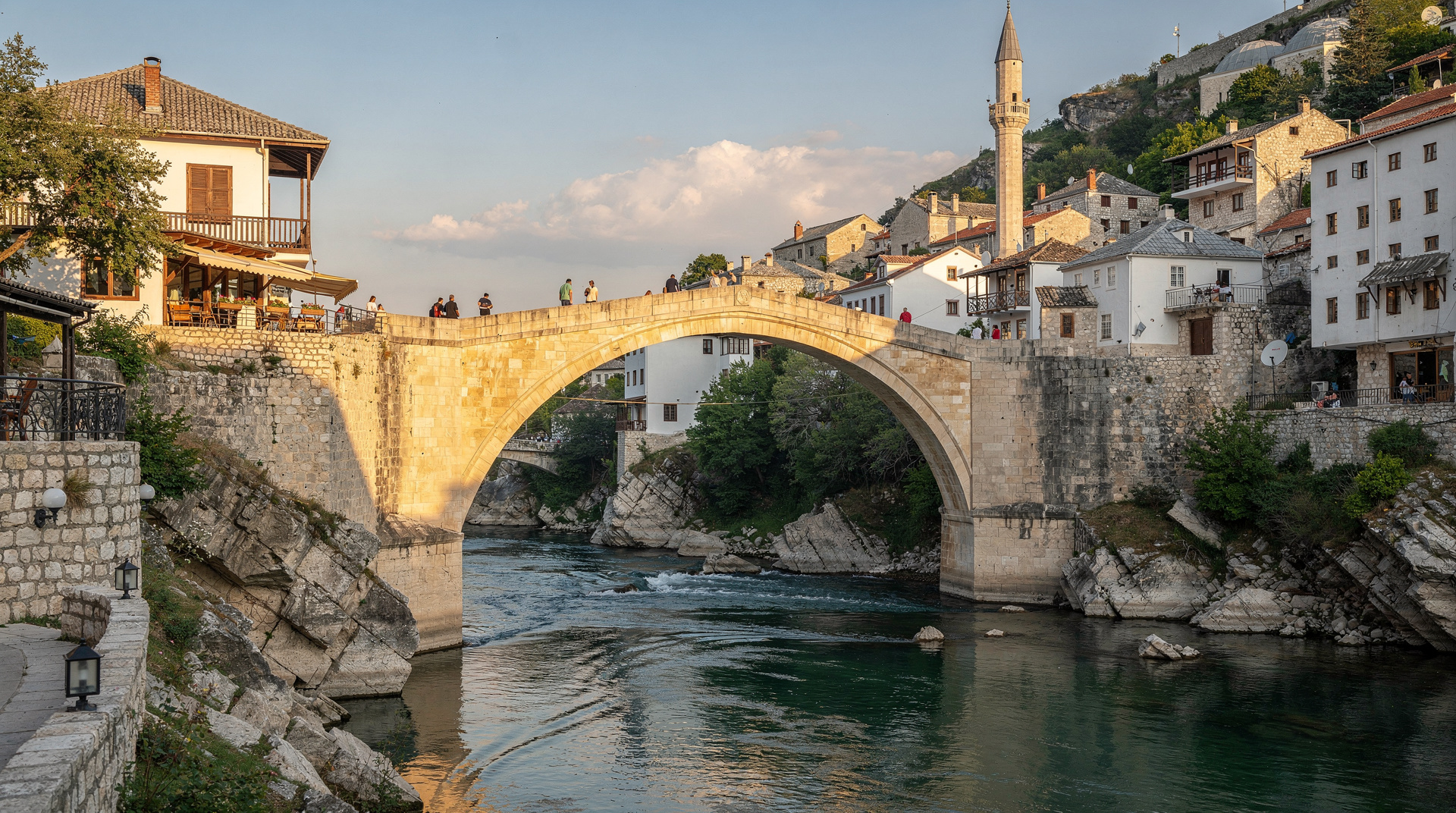
The village fell into decline in the 20th century as trade routes shifted, and it was recognised as a national monument for its unusually intact Ottoman-era streetscape well before the 1990s war. Heavy fighting in 1993 damaged many buildings; UNESCO and international donors have supported ongoing restoration, though some houses remain shells. Počitelj is on Bosnia’s tentative list for UNESCO World Heritage status, alongside Stari Most in Mostar, which is already inscribed.
Craft stalls and the artists’ colony
Since the 1960s, Počitelj has hosted an informal artists’ colony, and the tradition survives in a scaled-down form today: a handful of stalls along the main path sell paintings, pomegranate products (the village is known for its pomegranates, sold fresh or as juice in season), and small souvenirs. Prices are not fixed — a light haggle is normal and expected, though margins are thin for the small number of vendors who still work here.
Where Počitelj fits with Blagaj and Mostar
If you are driving yourself rather than joining a tour, the most efficient loop from Mostar is Blagaj first (cooler in the morning, and the Buna spring is at its best before the crowds), Počitelj around midday when the sun is already high, and Kravice last for a swim to end the day. Doing Počitelj at the very end of a hot day is also workable since the west-facing terraces catch attractive late light. For a wider view of how these Herzegovina sites connect, see the Mostar guide and Blagaj destination page.
Walking the village at a good pace
The best way to experience Počitelj is to resist the urge to head straight for the summit. Start at the lower lanes and let the village reveal itself in layers: a doorway framed in pale stone, a courtyard wall with a fig tree leaning over it, a sudden gap between two houses that opens onto the river valley. The village was built for defence and for trade, not for tourists, so the paths bend and double back, and every turn changes the view. Pausing often is not a sign of poor fitness, it is simply how the place works.
Because most houses are private homes or empty shells, a quiet and respectful manner goes a long way. Keep voices low near the residences, do not step through doorways that look open but are clearly not meant for visitors, and ask before photographing anyone who lives or works here. The stalls on the main path are the exception: vendors are used to visitors and happy to chat, even if you only buy a small souvenir or a glass of pomegranate juice.
When you reach the mosque, take a moment on the terrace before going in. The setting, with the minaret rising out of a mass of stone roofs and the river far below, is as memorable as the interior. From there the climb to the tower is a natural second act, and the rooftops you passed on the way up look completely different from above.
Why Počitelj feels different from other Herzegovina stops
Herzegovina has no shortage of places with an Ottoman past, but most of them have been absorbed into busy modern towns. Počitelj is different because it never grew beyond its hillside. There is no modern centre swallowing the old one, no wide road cutting through the lanes. What you see is a settlement frozen in the shape it took centuries ago, which is exactly why it rewards a slow visit.
Compared with Mostar, the atmosphere is calmer and far less commercial. Mostar offers the famous bridge, restaurants and nightlife; Počitelj offers silence, stone and a long view. Compared with Blagaj, which is built around a single spectacular spring and monastery, Počitelj is a whole village to explore on foot. If you want to understand how the wider Ottoman legacy shaped the country, the Ottoman heritage in Bosnia guide places the village in context alongside towns such as Travnik and Višegrad.
Planning the visit around your trip
How Počitelj fits into your plans depends mostly on how you travel and how many days you have in the region.
- Short on time in Mostar: Treat Počitelj as an optional extra rather than a priority. The Mostar day trip from Sarajevo guide is a useful reminder of how little time a single day really gives you.
- Based in Mostar for a few days: Počitelj makes an easy half-day, ideally paired with one other stop. The Herzegovina day trip guide lays out the options.
- Driving between the coast and Bosnia: The village sits on the road you are probably already using, so a short stop costs little. This is especially handy if you are arriving from the Croatian side, as covered in the driving from Croatia to Bosnia guide.
- Building a longer route: The Herzegovina weekend itinerary shows how Počitelj slots in with the other sites of the region without feeling rushed.
If you have a car, the flexibility is a real advantage: you can arrive when the village is quiet and leave when the light starts to fade. Without one, a tour or a taxi from Mostar takes the stress out of parking and timing, though it means you follow someone else’s schedule.
Etiquette and small courtesies
Počitelj is a living place with a religious building at its heart, so a few habits make the visit smoother for everyone.
- Dress modestly, especially if you intend to go into the mosque. Shoulders and knees covered is the safe choice.
- Take your shoes off at the mosque entrance and keep your voice down inside.
- Do not climb on ruined walls or enter damaged houses. The stone can be unstable, and some of these buildings are unsafe.
- Carry your rubbish with you. Bins are scarce, and a village this small cannot easily cope with litter.
- Be patient on the narrow stepped paths, and let others pass at the tight spots. In busy periods the lanes can feel crowded when a tour group arrives.
For a wider sense of what to expect on the road and how to behave as a visitor, the Bosnia travel guide and the getting around Bosnia guide cover the basics that apply to this stop as much as any other.
Pairing Počitelj with food and rest
Since the village itself offers little more than small cafés and stalls, plan your meals around the visit rather than hoping to find something on the spot. A light snack and a cold drink at one of the small cafés is perfectly pleasant after the climb, but anyone wanting a proper sit-down lunch should eat before or after, in Mostar or in the nearby towns along the river road. The best restaurants in Mostar guide is a good starting point if you want to finish the day with a proper meal, and the Bosnian food guide will help you order with confidence.
If you are travelling with children or with anyone who finds steep steps difficult, be honest about what the village demands. The lower lanes and the mosque are manageable for most people, while the tower climb is the demanding part. There is no shame in enjoying the lower village and the view from partway up, and leaving the summit to those who want it. The Bosnia with kids guide has more general advice for family travel in the country.
Leaving with a better picture
Many visitors tick Počitelj off in a rush and move on, and then remember it more fondly than sites they spent far longer at. The reason is simple: it asks little of you and gives a lot back. A slow walk, a climb to the tower, a pause on the terrace above the river and a few photographs in good light are enough to make it one of the most memorable stops on a Herzegovina trip. Go early or late, wear proper shoes, bring water, and give the village the unhurried attention that its stone lanes seem to ask for.
Frequently asked questions about Počitelj
Is Počitelj worth visiting if I only have one day in Mostar? If your Mostar time is limited to a single day, prioritise Stari Most and the old bazaar first. Počitelj is a worthwhile half-day add-on for a second day or as part of a combined tour with Blagaj and Kravice, rather than a must-see on a very short visit.
Can you stay overnight in Počitelj? There is no hotel accommodation within the village itself; nearly all visitors base themselves in Mostar, which has a full range of pensions and hotels, and see Počitelj as a half-day trip.
Top experiences
Bookable activities with verified prices and instant confirmation on GetYourGuide.