Blagaj Tekija — the dervish monastery at the source of the Buna
Mostar: Guided Cycling Tour to Blagaj
What is the Blagaj Tekija?
The Blagaj Tekija is a 15th-century dervish lodge (tekke) of the Bektashi Sufi order, built into a cliff face at the source of the Buna river, 12 km from Mostar. It is one of the most beautiful and least-crowded religious sites in the Balkans.
Twelve kilometres from the chaos of Mostar’s tourist strip, a 15th-century dervish lodge clings to the base of a two-hundred-metre limestone cliff. The Buna river explodes from a cave at the cliff’s foot in a torrent of cold, crystal-clear water. In the world of Balkan travel, Blagaj Tekija is one of the few genuinely unmissable sights — and one of the few that delivers more than the photograph suggests.
| At a glance | |
|---|---|
| Where | Blagaj, 12 km south of Mostar, Herzegovina |
| Entrance fee | Paid at the door; current price on the official site of the Tekija / Islamic Community in Mostar |
| Time needed | 1.5–2 hours; add an hour for canoeing |
| Getting there | Taxi from Mostar (around 15–20 BAM one way) or a day tour; no reliable public bus |
| Best time | Early morning (before 10:00) or after 16:00, May–September, to beat tour-group crowds |
What the Tekija is
A tekke (also tekija in Bosnian) is a lodge used by Sufi Muslim brotherhoods for prayer, meditation and communal life. The Blagaj Tekija was built in the 15th century — some accounts suggest construction began shortly after the Ottoman conquest of Bosnia in 1463 — and served the Bektashi order, a syncretic Sufi tradition with roots in Anatolia.
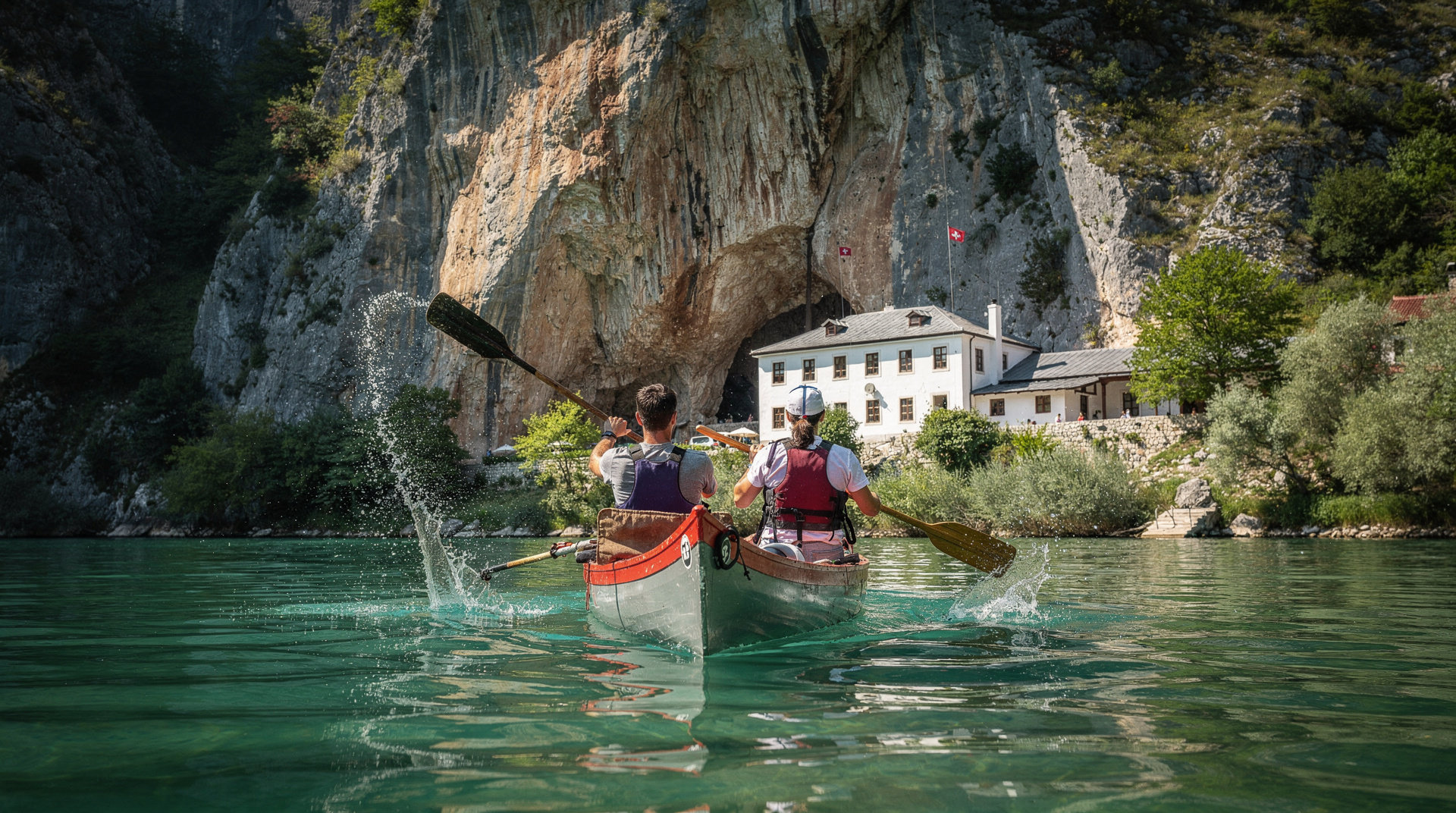
The building itself is modest in scale: two stories of whitewashed stone with a wooden balcony extending over the water. What makes it extraordinary is the setting. The cliff behind it rises almost vertically, streaked white and grey, while the Buna bursts from a cave opening directly behind the lodge with such force that the river surface is perpetually agitated. Willows and plane trees shade the bank. Ducks drift on the turquoise shallows. In spring, swifts wheel overhead.
The Tekija remained in continuous use through the Ottoman period, the Austro-Hungarian administration, Yugoslavia, and is still an active place of worship today. A caretaker (and in busy seasons, a small team) manages the site and offers guided explanations in Bosnian, English and German.
Inside the Tekija
The ground floor is open to visitors. Remove shoes before crossing the threshold — a rack and bag are provided — and cover bare shoulders and knees. Women receive a headscarf at the entrance if needed. An entrance fee is collected at the door; check the current price on the official site of the Islamic Community.
Inside, the main prayer room (semahane) has a low wooden ceiling, cushioned seating around the walls, and the subdued light of a room that has been used for contemplation for five centuries. Small framed calligraphic texts, prayer beads and oil lamps are the main decorations. The atmosphere is genuinely peaceful; most visitors lower their voices instinctively.
Upstairs, sealed from the public, are the tombs of the sheikhs who led the lodge. A small window sometimes allows a glimpse.
The source of the Buna
The spring at the base of the cliff is among the strongest in Europe. The Buna emerges from an underwater cave at a measured rate of 43 cubic metres per second at average flow — rising substantially after winter rains. The water temperature stays at 10–11°C year-round, explaining the extraordinary transparency and the distinctive turquoise colour that makes every photograph of Blagaj look slightly unreal.
A short path runs along the cliff face from the Tekija to the cave mouth, where you can lean over the railing and watch the water surge from the rock. The cave itself is not accessible beyond the first few metres.
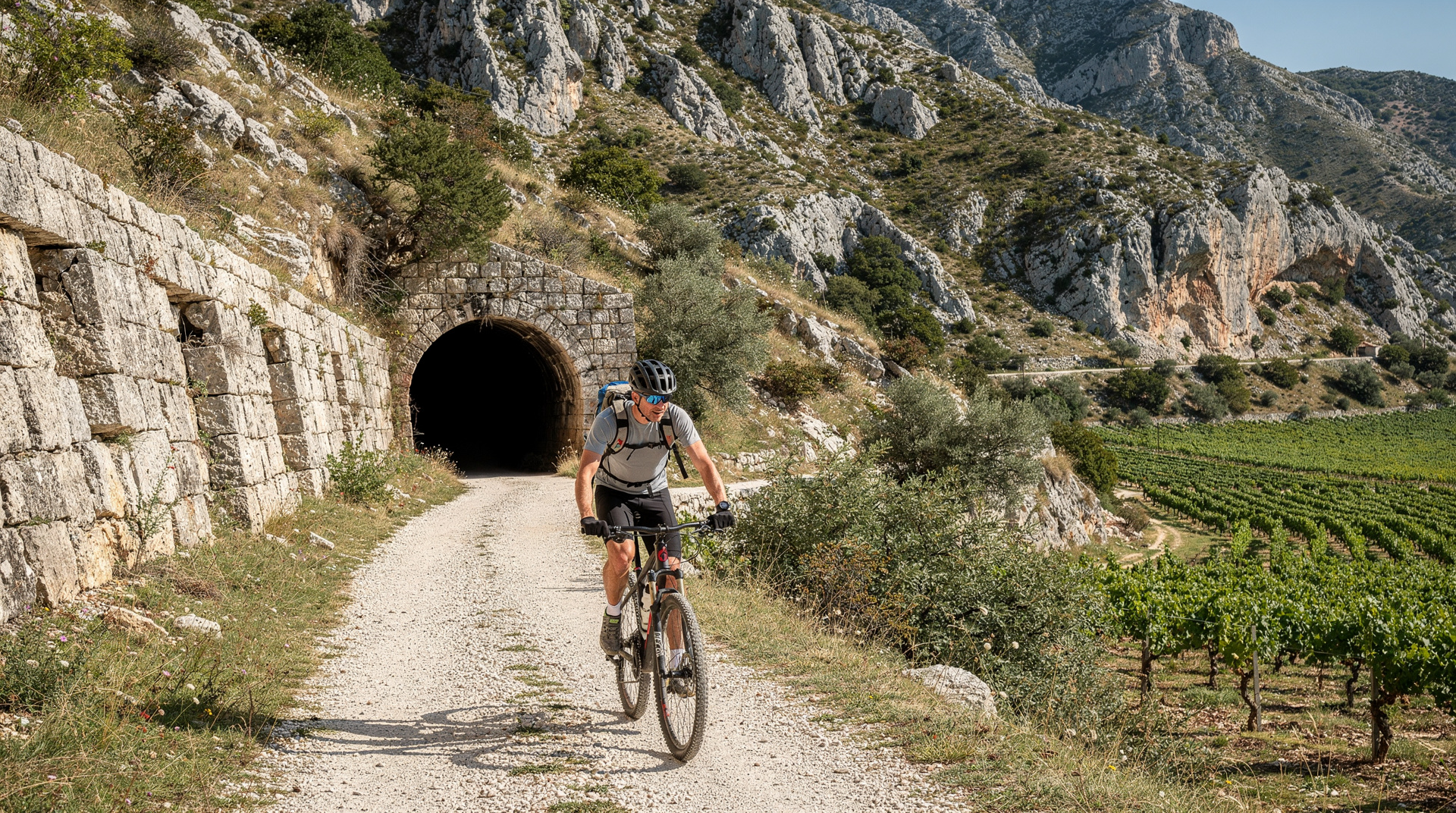
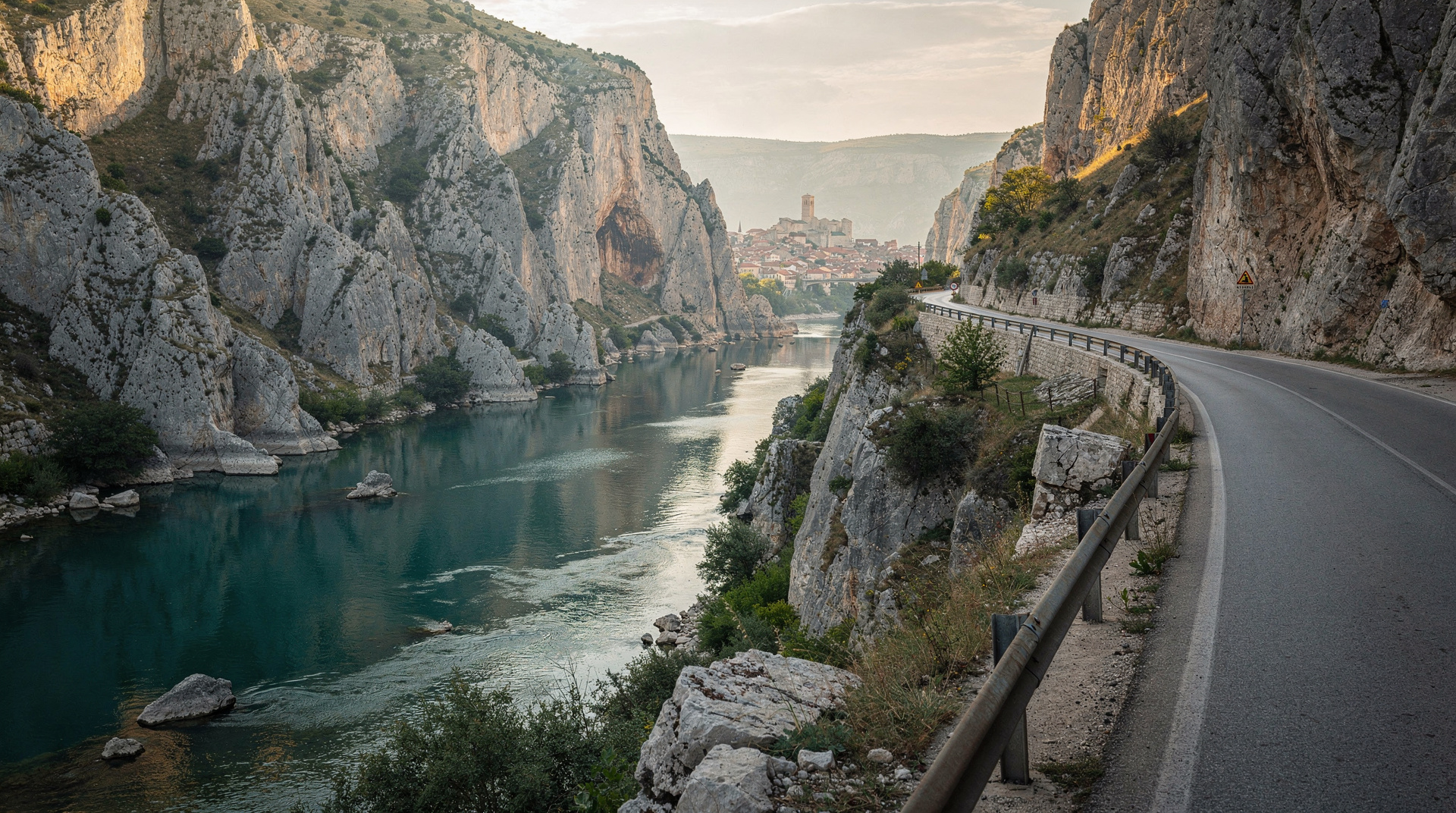
For a closer and more active experience, join the guided cycling tour from Mostar to Blagaj, which traces the river valley on two wheels before ending at the Tekija.
The restaurant terrace
Several restaurants have expanded their terraces out over the river directly in front of the Tekija, building on wooden piles above the water. This is simultaneously one of the most atmospheric and most commercial elements of Blagaj — you will be eating lunch ten metres from a sacred site with a hundred other tourists. The food (grilled trout, roast lamb, Bosnian pita, local cheese) is reliable rather than outstanding. The setting more than compensates. Expect 15–30 BAM (8–15 EUR) for a main course.
If you prefer a quieter option, walk five minutes downstream to the smaller restaurants that have fewer day-trippers.
Canoeing the Buna
The stretch of river between Blagaj and the old Ottoman bridge can be explored by canoe. The current is gentle here, the water is clear to the riverbed, and the cliff-and-willow scenery is striking. Several operators in Blagaj rent canoes (two-person, self-guided) for approximately 20–30 BAM (10–15 EUR) per hour.
For a longer canoeing experience on the Buna with lunch and a local guide, see our canoeing on the Buna guide. If you would rather have everything arranged, a guided paddle on the Buna that includes a meal keeps the logistics simple.
Ottoman and medieval heritage around Blagaj
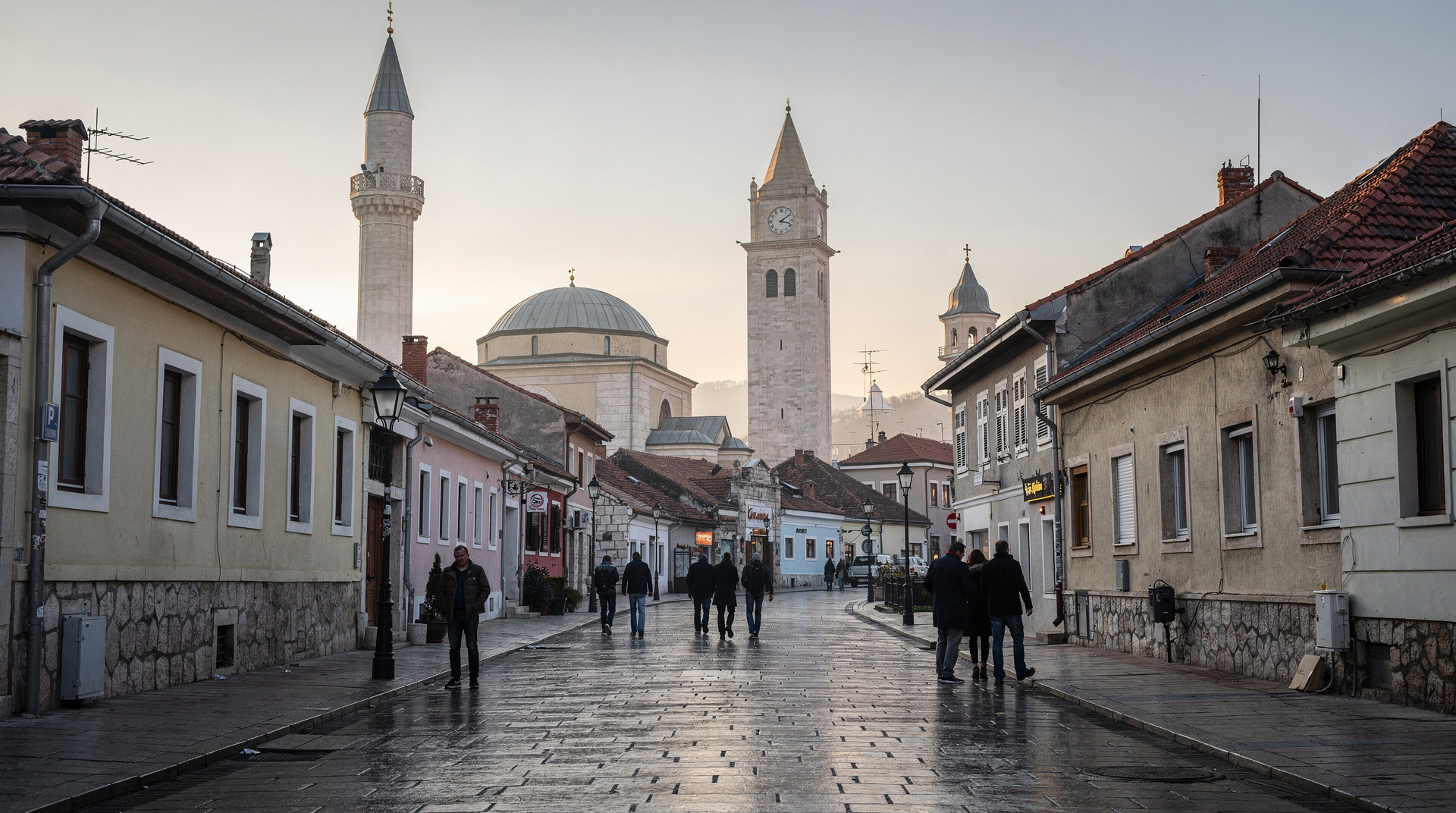
The old Ottoman bridge that crosses the Buna just downstream from the Tekija is a small but elegant single-arch structure, far quieter than Mostar’s Stari Most. Above the town, the ruins of Stjepan-grad (Duke Stephen’s fortress) crown a rocky promontory — a reminder that Blagaj was a medieval royal residence and capital of the Duchy of Saint Sava before the Ottoman conquest.
The fortress is accessible on foot via a steep path (30–40 minutes), but parts of it are unstable. The view of the Buna valley from the walls is worth the climb.
How to visit — practical information
Getting there: Blagaj is 12 km from Mostar. The easiest option is a taxi (15–20 BAM / 8–10 EUR one way). There is no reliable public bus. Most visitors include Blagaj as part of a day tour from Mostar, Dubrovnik or Split that also takes in Počitelj, Kravice Falls or both.
Opening hours: The Tekija is generally open from 8:00 to 20:00 in summer (May–September), with shorter hours in winter. There are no fixed closing days, but arrival before 10:00 or after 16:00 avoids the midday tour-group rush.
Dress code: Conservative clothing required. Shorts and sleeveless tops must be covered before entering the Tekija. Scarves available at the door.
Entrance fee: Paid at the door. The price changes, so check the current rate with the Islamic Community in Mostar before you go.
Time needed: Allow 1.5–2 hours for a relaxed visit including the Tekija, the riverbank and a coffee or meal. Add an hour if you canoe.
Money: Paid at the door. The price changes, so check the current rate with the Islamic Community in Mostar before you go.
Combining Blagaj with other Herzegovina sights
Blagaj works best as part of a half-day or full-day loop. Standard combinations:
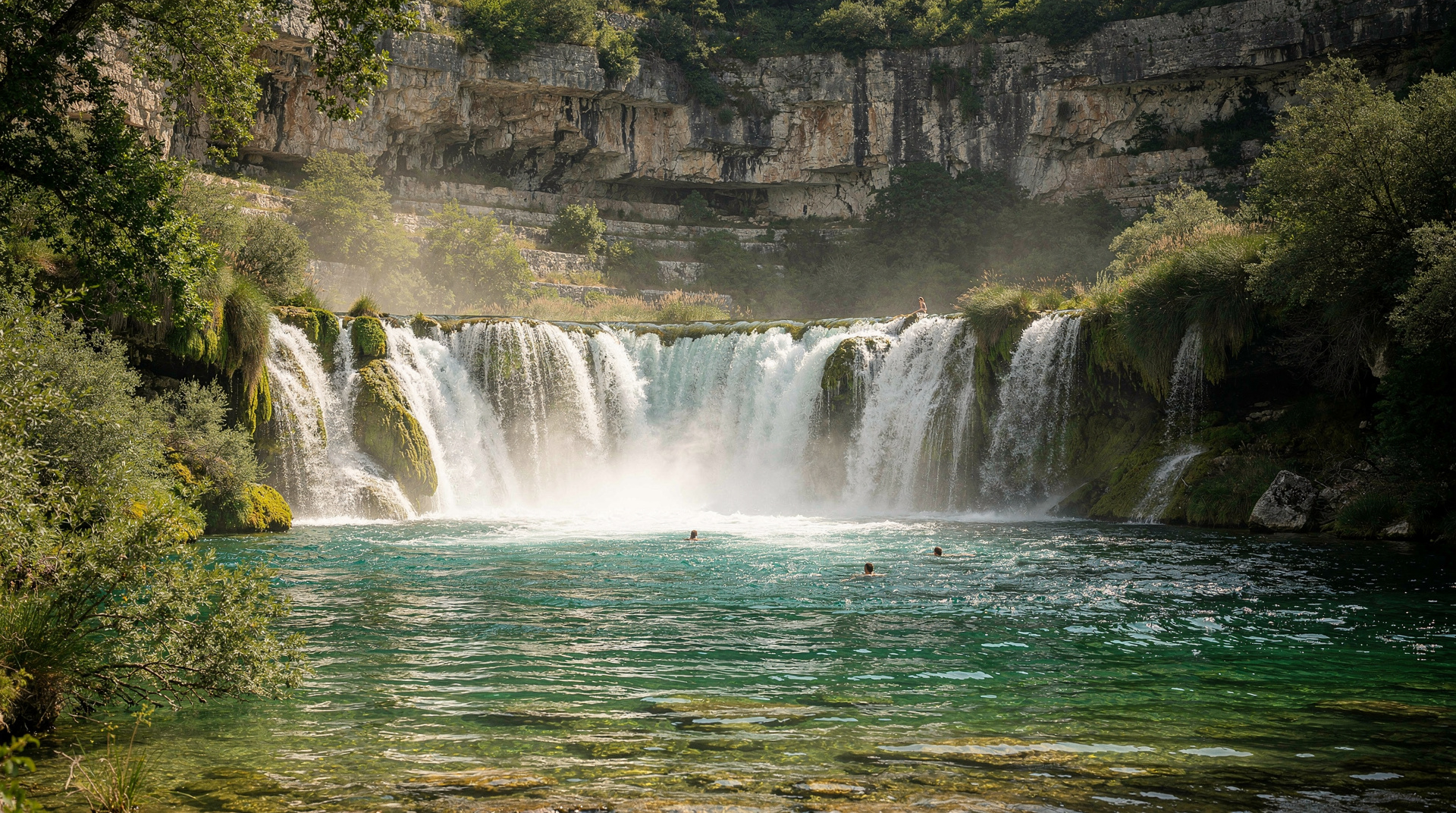
- Blagaj + Počitelj + Kravice Falls — the classic Herzegovina triangle, doable in a full day from Mostar or as a day trip from Dubrovnik or Split. See the Herzegovina day trip guide. If you prefer not to organise transport yourself, a guided day tour from Mostar covering the waterfalls, the Tekija and the old hillside town follows this loop.
- Blagaj + Mostar — a natural half-day pairing. Start with Blagaj in the morning before the day-trip buses arrive, then head to Mostar for the afternoon.
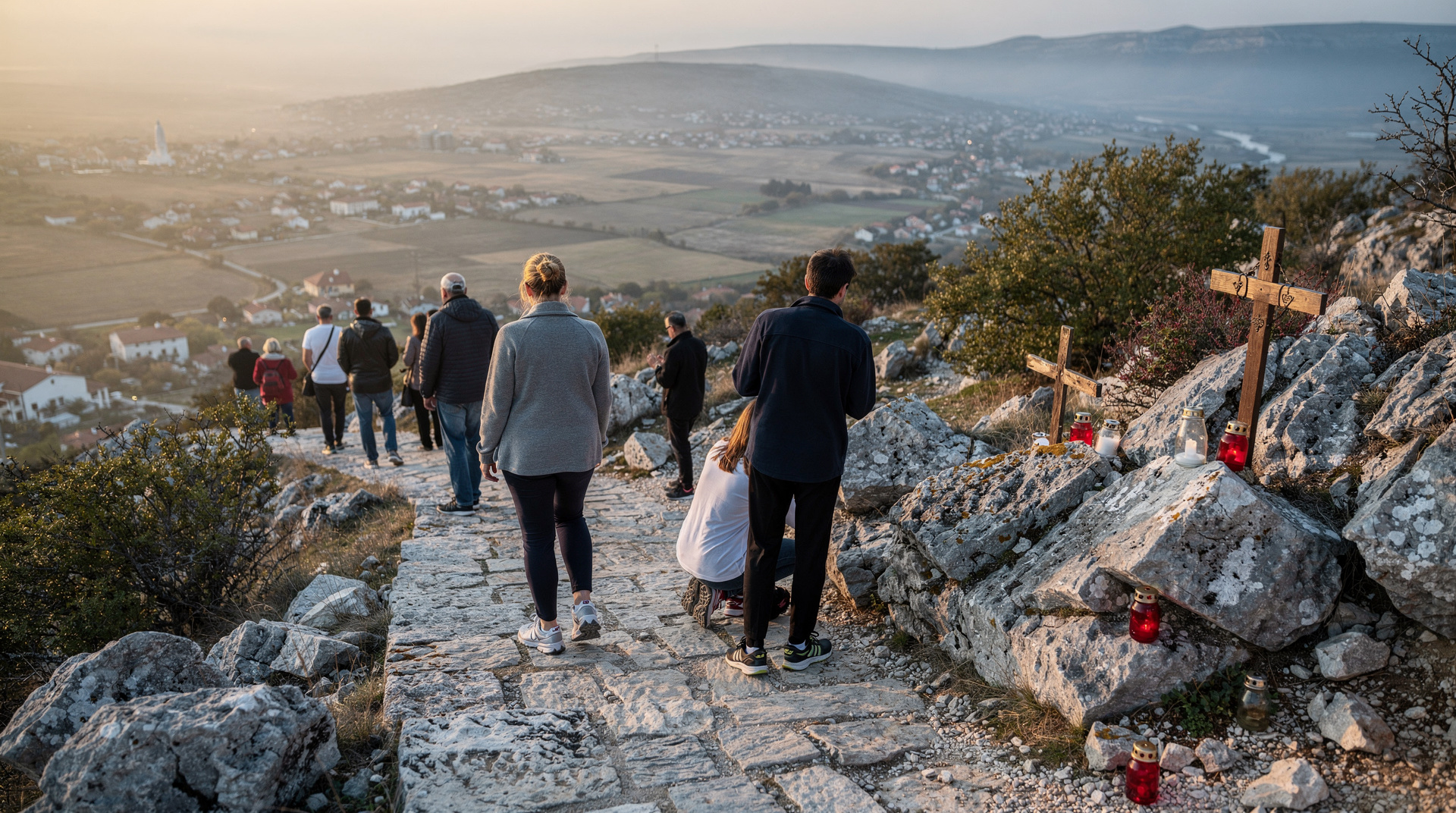
- Blagaj + Medjugorje — both religious sites in one day, about 40 km apart. Sensible if your interest is specifically in sacred heritage rather than natural landscapes.
For travellers coming from the Dalmatian coast, Blagaj sits conveniently on the route between Mostar and the Neretva delta. From Dubrovnik, a full-day tour to Mostar, Blagaj and Počitelj is one of the most rewarding Bosnia day-trips available. See the Mostar from Dubrovnik guide for details.
Which Blagaj combination fits your trip?
| Combination | Duration | Best for |
|---|---|---|
| Blagaj + Mostar only | Half day | First-timers with limited time in Herzegovina |
| Blagaj + Počitelj + Kravice Falls | Full day | Travellers who want the classic Herzegovina “greatest hits” loop |
| Blagaj + Medjugorje | Full day | Pilgrims or those focused on sacred/religious heritage — see the Medjugorje pilgrimage guide |
| Blagaj as a Dubrovnik or Split day trip | Full day, long | Coastal-based travellers without a Bosnia base — see Mostar from Split guide |
Blagaj beyond the day-trip crowd
Most visitors see Blagaj as a 30-minute photo stop wedged between Mostar and Kravice Falls, and that rush is the single biggest reason people come away underwhelmed. The Tekija rewards a slower visit: arrive at opening, sit by the water while the terrace tables are still empty, and the site feels closer to what it was built for — a place of quiet retreat — than a stop on a minibus itinerary.
Locals in Blagaj still treat the Tekija as a living religious site, not a museum. Friday prayers and religious holidays can mean parts of the complex are closed to sightseers or the atmosphere is more subdued than a typical weekday visit; if you have flexibility, a Tuesday-to-Thursday morning visit is the quietest window of all. Compare this to nearby Sarajevo’s mosques, which see far heavier daily footfall simply because of the city’s size.
If you’re building a wider itinerary around Herzegovina’s Ottoman-era sites, Blagaj pairs naturally with Počitelj’s fortified old town and the deeper dive in our Ottoman heritage of Bosnia guide, which places the Tekija in the context of five centuries of Ottoman rule.
Making the most of a slow visit
The best way to understand Blagaj is to treat it as a place to sit rather than a checklist item. Once you have been through the prayer room and walked to the cave mouth, find a spot by the water and stay a while. Order a small Bosnian coffee and let the sound of the river do its work; our guide to Bosnian coffee culture explains the ritual of the džezva and the rahat lokum that usually comes alongside it. If you are hungry afterwards, the Bosnian food guide will help you read a menu in Herzegovina, where trout, lamb and local cheese appear again and again.
Blagaj is also a good lens on the wider region. The Tekija belongs to the same Ottoman story that shaped Mostar and its Stari Most, and a visit here makes more sense if you have a little background from the Bosnia history guide for travelers. For the village itself, the Blagaj destination page collects everything else worth knowing in one place.
Planning around the crowds and the season
Because the Tekija is small, timing matters more than almost anything else. Our general advice on avoiding crowds in Bosnia applies strongly here, and the best time to visit Bosnia will help you choose between the green shoulder seasons and the busier summer months. Spring brings the river at its most vigorous, while a calm autumn morning can leave you almost alone on the bank.
If you want freedom to arrive at opening and leave when you like, consider renting a car in Bosnia rather than relying on a group tour; the driving in Bosnia guide covers the basics for first-timers. Travellers with a few days to spare can fold Blagaj into the Herzegovina weekend itinerary, or browse the best day trips from Mostar to see where else the same base can take you. Pair the Tekija with a tasting stop from the Herzegovina wine guide if your day allows, and read about Počitelj and Kravice Falls to decide which of the neighbouring sights deserve your remaining hours.
Frequently asked questions about the Blagaj Tekija
Is Blagaj Tekija a UNESCO site?
It is on Bosnia’s tentative UNESCO list but has not yet received full World Heritage status. Visitors should be aware that the site is small and can feel crowded with large tour groups; an early morning visit offers a more respectful and atmospheric experience.
Is Blagaj safe?
Entirely. It is one of Bosnia’s most visited heritage sites and is completely safe for tourists of all backgrounds. The modest entrance fee funds conservation of the building.
Can I visit Blagaj without a car?
Yes, though it takes more planning. Taxis from Mostar are the simplest option. Some operators run cycling tours. Shared day-trip minibuses occasionally pick up at Mostar bus station — ask locally.
What is the difference between a tekija and a mosque?
A mosque is a place of communal Islamic prayer following orthodox Sunni practice. A tekija is a lodge for Sufi brotherhoods — mystical Islamic orders that practice forms of meditation, chanting (dhikr) and sometimes whirling dance (sema). Sufism has deep roots in Bosnia, where it arrived with the Ottoman administration and has persisted through centuries of political change.
Top experiences
Bookable activities with verified prices and instant confirmation on GetYourGuide.