Mostar from Dubrovnik — the complete day trip guide
From Dubrovnik: Mostar and Kravica Waterfall Day Trip
How do I do a Mostar day trip from Dubrovnik?
Mostar is 130 km from Dubrovnik — about 2h30-3h by road depending on border queues at the Neum corridor (two Croatian-Bosnian border crossings). Dozens of organised day tours run from Dubrovnik to Mostar daily, often including Kravice Waterfalls and Blagaj. This is one of the most popular day trips in the region.
The Dubrovnik to Mostar day trip is one of the most popular excursions in southeastern Europe — and for good reason. From Croatia’s most famous walled city, you are less than three hours from the Ottoman heartland of Bosnia & Herzegovina: the iconic Stari Most bridge, the tekke of Blagaj, the medieval village of Počitelj, and the turquoise pools of Kravice Waterfalls. Hundreds of tour buses and private vehicles make this crossing every day in summer. This guide covers everything you need to know — the route, the border crossings, the tours, and how to make the most of a long and rewarding day.
At a glance
| Distance | Around 130 km each way |
| Drive time | Around 2h30-3h, more with border queues |
| Border crossings | 2 (Neum corridor) or 0 via the Pelješac Bridge bypass |
| Tour cost | Roughly 60-100 EUR per person for a full-day tour |
| Best time | Late spring or early autumn for comfortable sightseeing; July-August for Kravice swimming |
| Documents | Passport or EU national ID card |
The route from Dubrovnik to Mostar
Distance and journey time
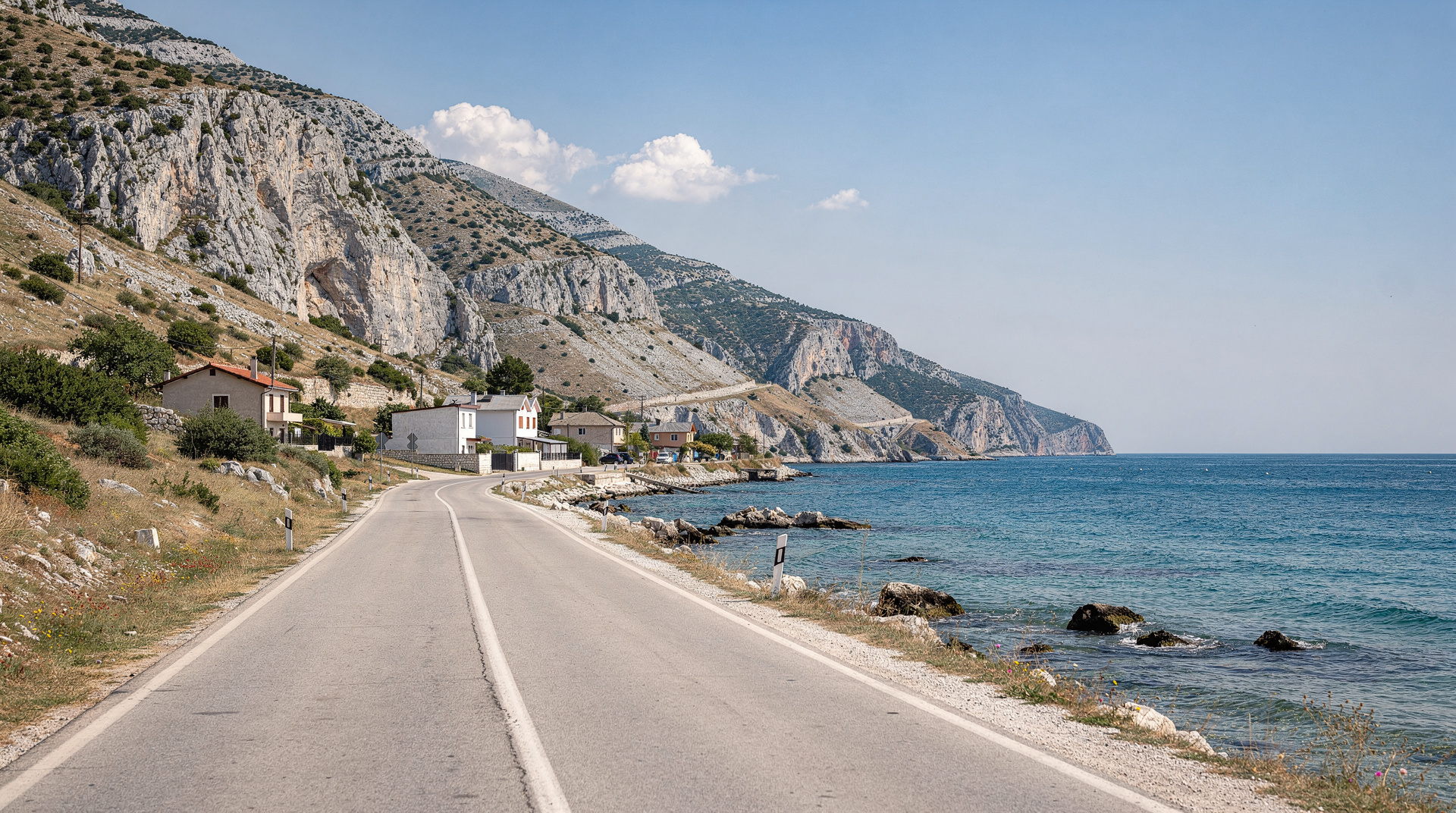
Mostar is approximately 130 km from Dubrovnik by road. Under normal conditions the drive takes about 2h30. In summer, factor in an additional 20-45 minutes for border queues at the Neum corridor — the 9 km stretch of Bosnian coastline that interrupts the Croatian coast road between Split and Dubrovnik.
The Neum corridor explained
The Neum corridor is one of the more unusual geographical quirks in Europe. A narrow strip of Bosnia & Herzegovina reaches the Adriatic at the town of Neum, dividing the Croatian mainland from the Dubrovnik peninsula. As a result, the main coastal road between Split and Dubrovnik — and therefore the road from Dubrovnik to Mostar — passes through two Croatian-Bosnian border crossings within a few kilometres.
At each border crossing, all passengers must present a valid travel document: a passport for most nationalities, or a national ID card for EU citizens. In July and August, queues at the Neum crossing can reach 30-60 minutes on peak days. Tours from Dubrovnik factor this in.
Alternative route: The Pelješac Bridge, which opened in 2022, allows drivers to bypass the Neum corridor entirely via a new bridge to the Pelješac peninsula and a longer coastal route. The bypass avoids Bosnia but adds approximately 30-40 km.
For independent drivers: using the Neum corridor is faster and more direct to Mostar. See the Neum corridor guide for full details on the crossing procedure.
Organised tours from Dubrovnik to Mostar
Why take a tour
An organised tour handles the border crossings, parking, entrance fees and navigation — all of which can consume significant time and mental energy on a long day trip. Guides provide context at Stari Most, Blagaj, Počitelj and Kravice that transforms a sightseeing trip into a genuinely educational experience. And the group dynamic — fellow travellers sharing a spectacular day — adds to the pleasure.
Standard day tours
The typical Dubrovnik-to-Mostar day tour departs at 07:30-09:00 from central Dubrovnik (usually from the old town cable car area or Pile Gate). It covers:
- Mostar old town and Stari Most (2.5-3 hours)
- Blagaj Tekke at the source of the Buna river (45-60 minutes)
- Kravice Waterfalls swimming and walking (1.5-2 hours)
- Return to Dubrovnik around 20:00-21:00
For a smaller, more intimate experience:
From Dubrovnik: Mostar and Kravice Falls semi-private tourFor a tour that also includes Počitelj:
Dubrovnik: Kravica Waterfalls, Mostar and Počitelj day tripBlagaj sits at the foot of a cliff where the Buna emerges fully formed from a cave, and Kravica lies half an hour further along the same valley, so both fit a Mostar day only with a driver: a private Dubrovnik, Mostar, Kravica and Blagaj tour makes the three-stop version possible in one day.
What to see in Mostar
Stari Most
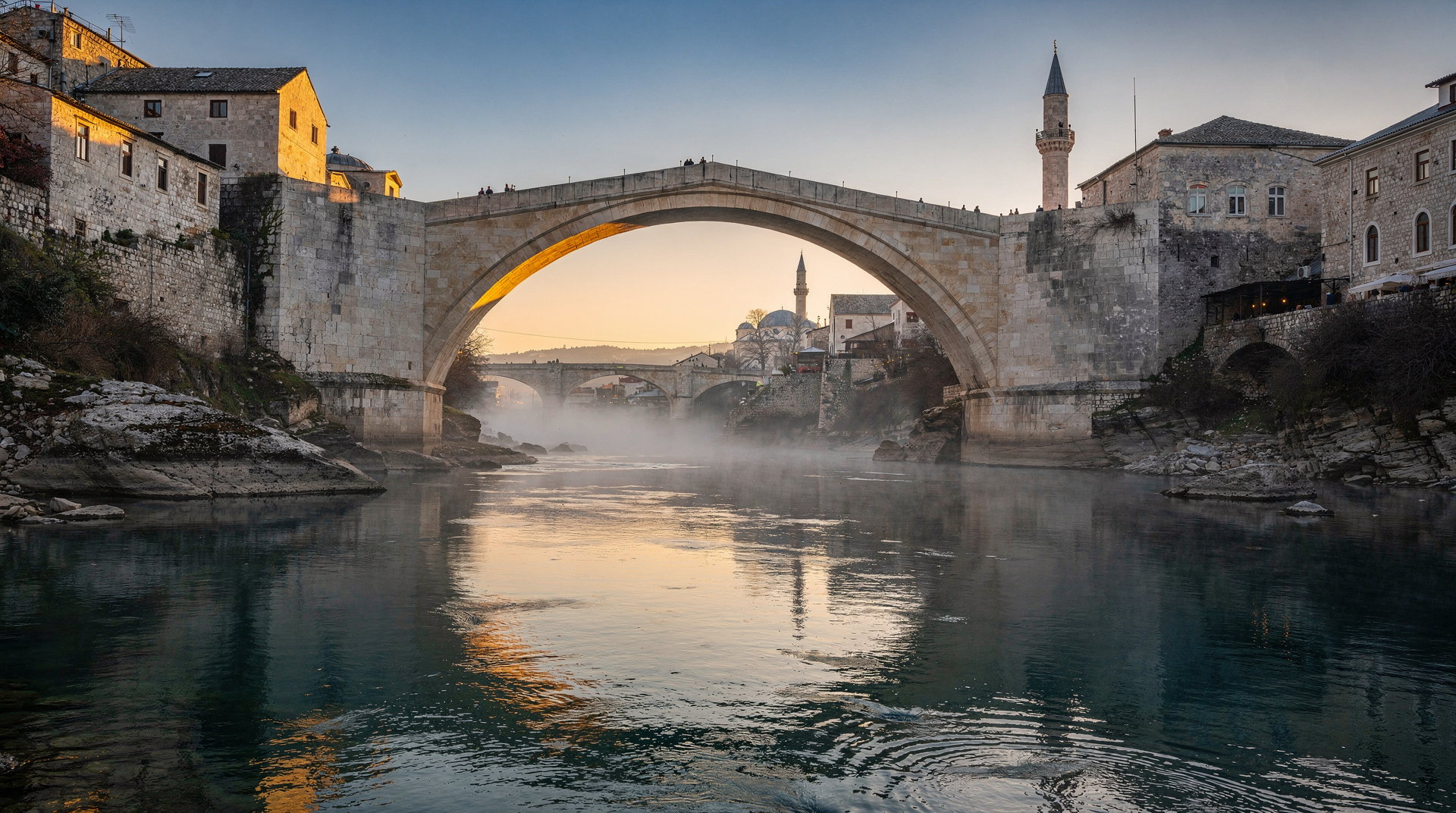
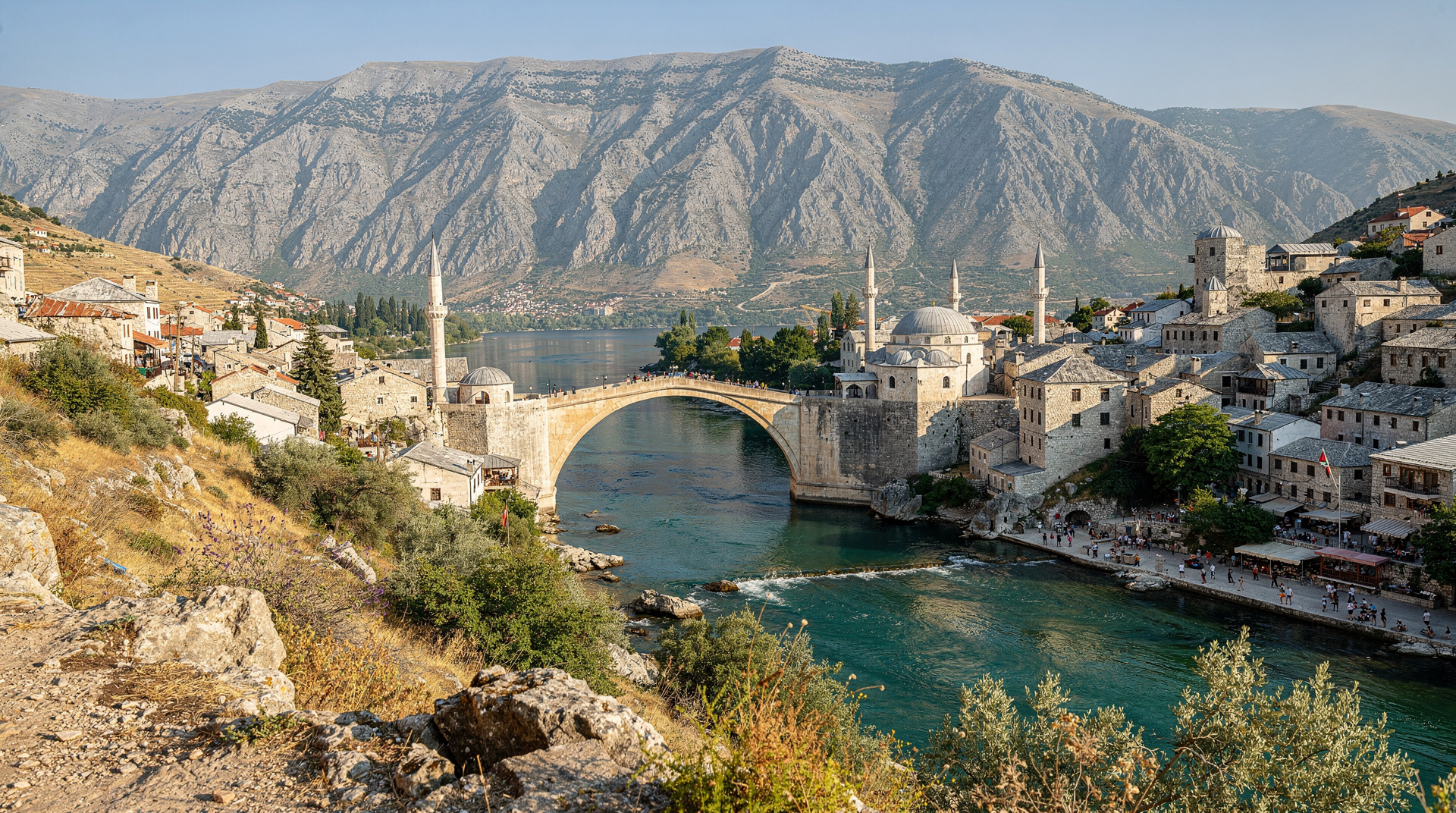
The Old Bridge is Mostar’s defining image and one of the most emotionally charged structures in Bosnia. The 16th-century Ottoman arch, destroyed by artillery in 1993 and rebuilt stone by stone reopening in 2004, spans the Neretva river between the Bosniak west bank (Hum) and the mixed east bank (Bjelusine). Its perfect arc of white Tenelija limestone is best seen from the water level — walk down the riverbank stairs for the classic view.
Allow at least 2.5 hours in Mostar. Cross the bridge multiple times. Walk north from the tourist core into the quieter residential streets. Have lunch at a waterside konoba — Herzegovinian trout, lamb under the sac, and local wine cost 15-30 BAM per main course.
The old town
The Kujundžiluk (coppersmith’s alley) is the main tourist street, lined with Ottoman-era merchants’ houses converted to souvenir stalls. It is undeniably commercialised, but the architecture of the houses — bay windows projecting over the lane, carved stone doorways — is authentic. Beyond the tourist core, the neighbourhoods of Bjelusine and Cernica on the east bank have largely Ottoman-era housing and are much quieter.
Adding Blagaj and Kravice
Blagaj Tekke
Twenty minutes from Mostar, the Dervish monastery at the source of the Buna river is one of the most beautiful sites in Herzegovina. See the full description in the Herzegovina day trip guide.
Kravice Waterfalls
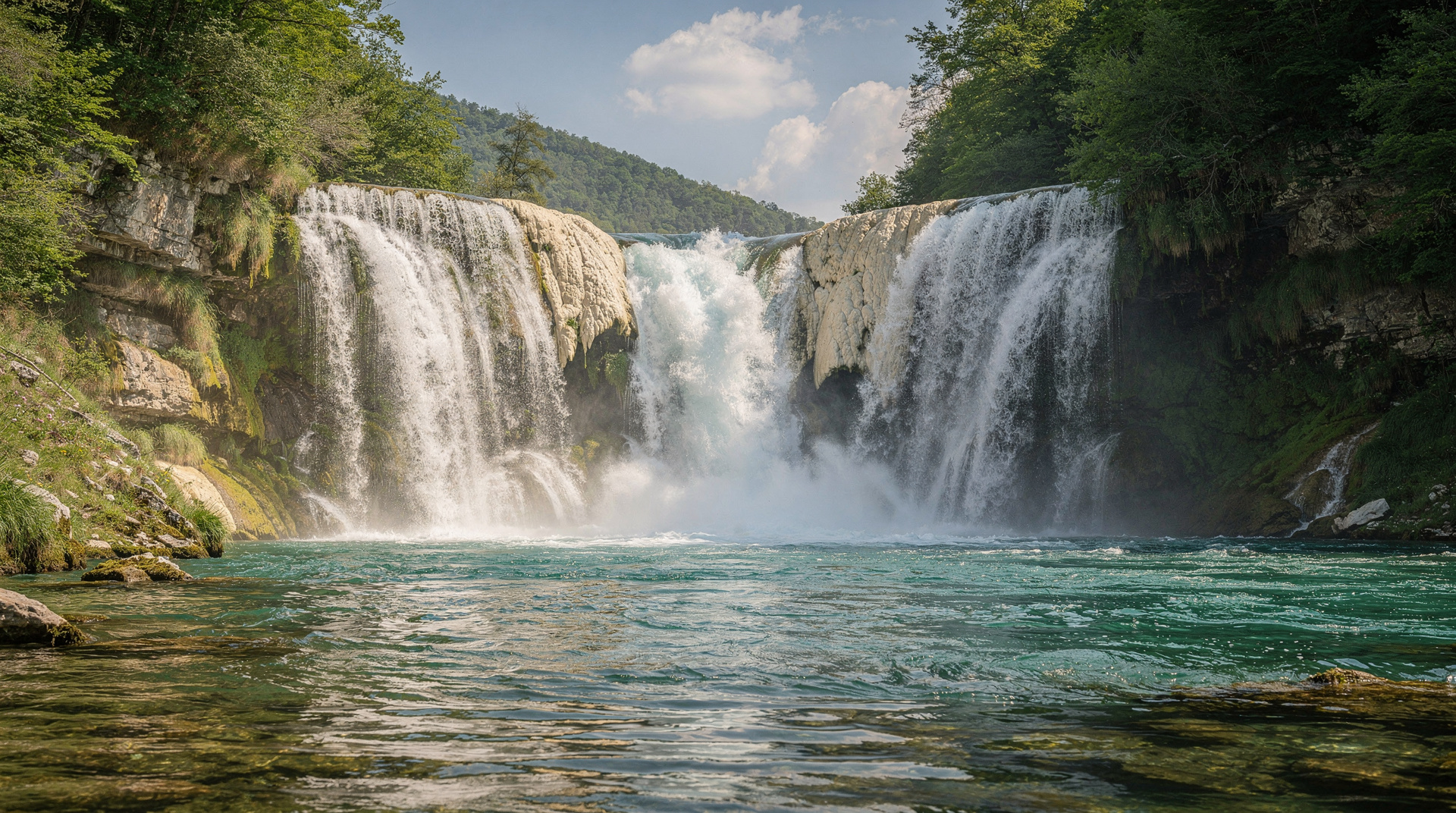
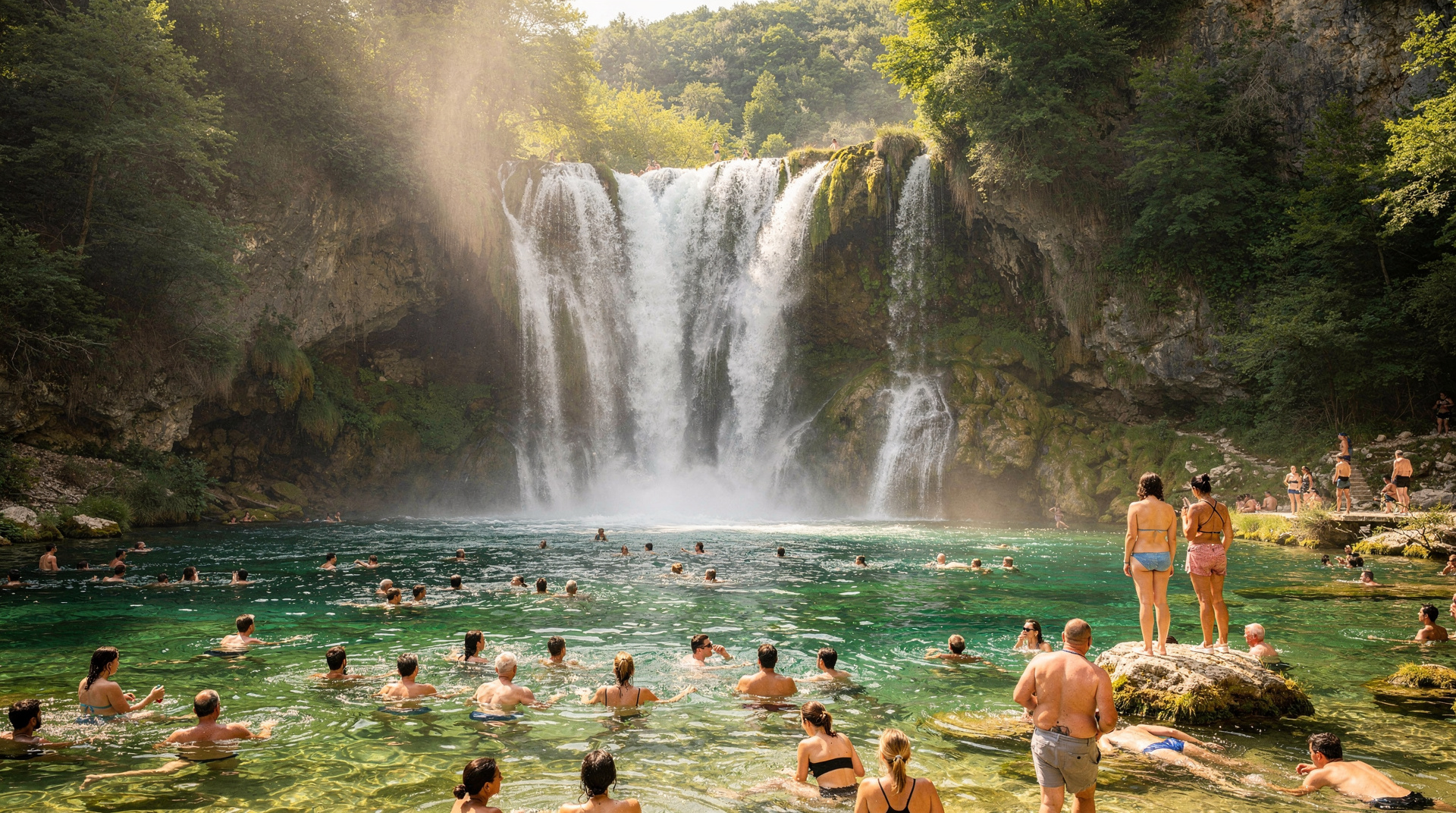
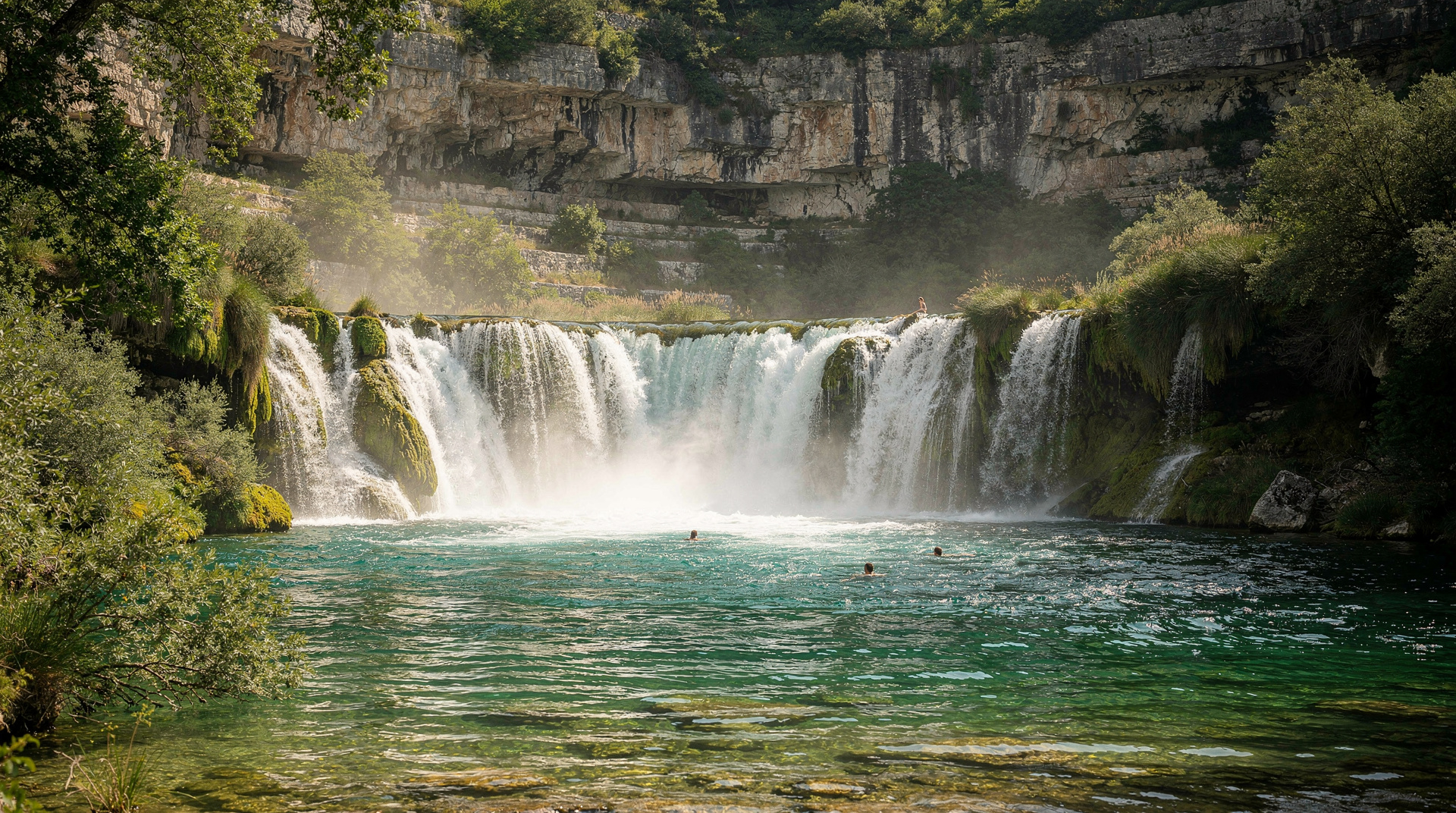
Forty minutes from Mostar and approximately 90 minutes from Dubrovnik via Mostar, Kravice offers a perfect ending to a long day: a swim in turquoise waters under a 25-metre limestone waterfall. Entry is 20 BAM. In summer, the pools are warm enough for extended swimming. See the Kravice Waterfalls guide for full information.
Driving from Dubrovnik to Mostar independently
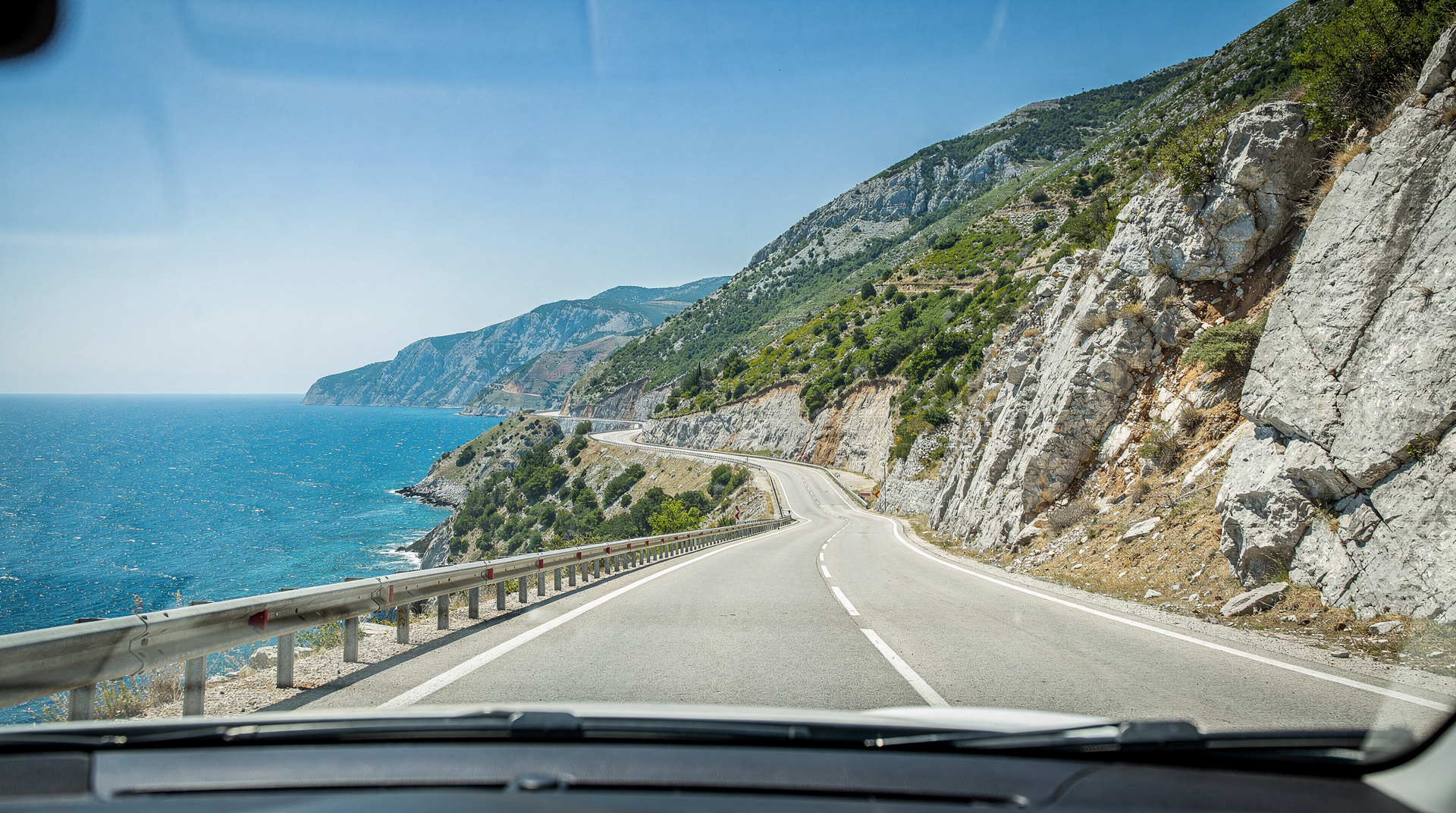
If you prefer independence, the route is: Dubrovnik north on the A1 toward Neum (cross the border, pass through Neum, cross back into Croatia at Klek), continue north through Ploče, then take the road inland toward Čapljina and Mostar. Total: approximately 130 km.
Parking in Mostar’s old town area costs 2-3 BAM/hour. Take BAM cash for entry fees and restaurants — Croatian kuna is not accepted in Bosnia and euro is taken at a poor rate.
Insurance note: If renting a car in Croatia, check that your rental contract permits crossing into Bosnia. Most do, but some budget rental companies restrict cross-border travel. You will need a Green Card (Zelena karta / international insurance certificate) which most rental cars include automatically — verify before you cross.
Making the most of your hours in Mostar
Whatever format you choose, the time on the ground is the scarce resource, so it helps to arrive with a plan. Start with the bridge itself while the light is good, then move away from it. The Stari Most guide explains the structure, its rebuilding and the best vantage points, and it is worth reading on the bus rather than standing in a crowd trying to take it in.
Once you have seen the bridge, give some time to the history that sits behind it. The city carries the marks of the 1990s conflict in many of its streets, and the Mostar war history guide puts the ruined buildings and memorials into context. Many visitors say this is what turns Mostar from a pretty photo stop into a place they remember.
Food is the other reason to slow down. A proper sit-down meal is far more rewarding than a quick snack from a stall, and the best restaurants in Mostar list is a good place to choose from before you arrive, so you do not waste your limited time wandering and comparing menus. If you want to understand what you are eating, the Bosnian food guide covers the dishes you are most likely to meet.
Things to know before you go
Mostar is a popular stop and, like any popular stop, it has its share of pressure points. Read about the tourist traps in Mostar and the truth about the bridge divers so that nothing catches you off guard. Neither is a reason to avoid the city; they are simply easier to handle when you have been warned.
Money is the next practical matter. The Bosnia money and currency guide explains how the Convertible Mark works and what to carry, which matters because card acceptance can be patchy at smaller places along the way, particularly at the waterfalls and in the villages.
Think, too, about how you are travelling. If you are driving rather than taking a tour, the driving from Croatia to Bosnia guide goes through the paperwork and the road conditions in more detail than this page can. Tour passengers have none of that to worry about, which is a large part of why the organised option is so popular.
Choosing a pace that suits you
Not everyone wants the same day. If you like to linger, drop one of the stops rather than rushing through all of them: Mostar and Kravice make a comfortable pair, while adding Blagaj and Počitelj turns the day into a sampler. The Počitelj village guide and the Blagaj Tekke guide will help you decide which of the two is worth the extra time for you.
If the trip leaves you wanting more, the Mostar destination page and the best day trips from Mostar show what a longer stay could add. Travellers who start in Dubrovnik and then decide to continue inland can also fold this day into a wider route such as the Croatia and Bosnia two-week itinerary, which spreads the same sights over a much calmer schedule.
Practical tips
- Documents: Passport or EU ID card for all passengers
- Currency exchange: Exchange to BAM at Neum or Mostar; 1 EUR = 1.956 BAM
- Tour cost: Organised day tours from Dubrovnik typically cost 60-100 EUR per person
- Best season: May-June and September-October for comfortable temperatures; July-August is hot but Kravice swimming is excellent
- Return time: Budget for a long day — most tours return to Dubrovnik at 20:00-21:00
For those planning to continue to Sarajevo rather than returning to Dubrovnik, the Dubrovnik to Sarajevo route guide covers the full one-way journey.
Choosing Dubrovnik over Split as your base
If you are deciding between the two Croatian coastal bases for this trip, Dubrovnik has the shorter drive and heavier tour competition, which usually means better prices and more departure slots. It is not, however, automatically the better choice for everyone — Split’s route runs through scenic interior Dalmatia and sets up a natural continuation into Bosnia if you plan to keep travelling inland. The full Mostar from Split vs Dubrovnik comparison weighs both routes side by side.
Is a day trip enough, or should you stay overnight?
A single long day covers Mostar’s headline sights well, but it means seeing the old town at its most crowded, in the middle of the day, surrounded by tour groups on the same schedule as yours. If your itinerary allows it, sleeping one night in Mostar — arriving mid-afternoon on the tour bus’s schedule and staying behind as everyone else leaves — gives a completely different, quieter experience of the bridge at dusk and after dark. See where to stay in Mostar for options if you want to build that into a longer Bosnia itinerary rather than a single day trip.
Frequently asked questions about Mostar from Dubrovnik — the complete day trip
How long does it take to get from Dubrovnik to Mostar?
What is the Neum corridor and how does it affect the trip?
What tours from Dubrovnik to Mostar are available?
Is it worth visiting both Mostar and Kravice on a day trip from Dubrovnik?
Do I need a visa for Bosnia on a day trip from Dubrovnik?
Top experiences
Bookable activities with verified prices and instant confirmation on GetYourGuide.