Driving from Croatia to Bosnia — the complete guide
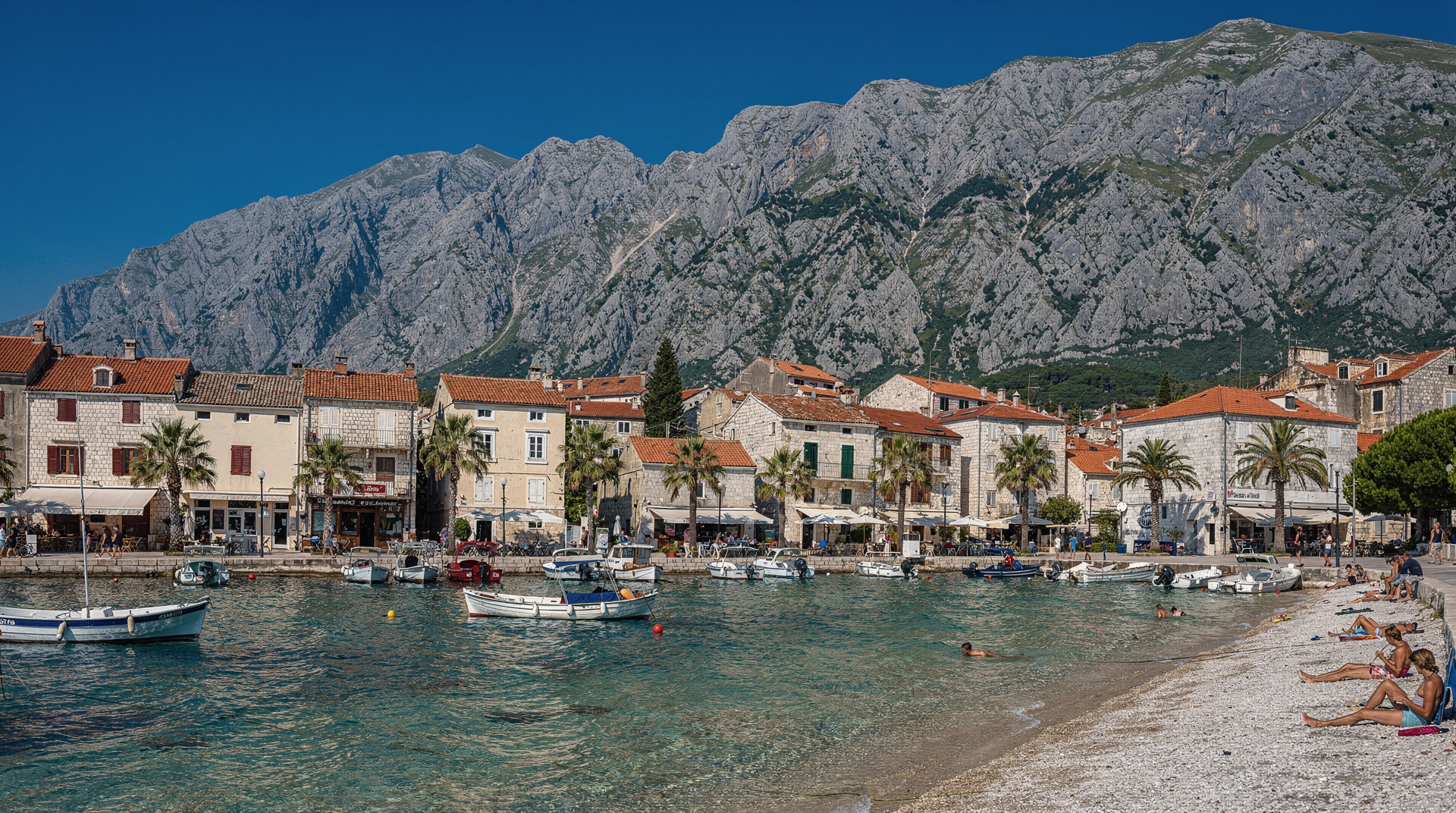
From Makarska: Mostar Day Trip
What do I need to drive from Croatia to Bosnia?
To drive from Croatia into Bosnia you need: a valid passport (or EU ID card), your vehicle's registration documents, a Green Card international insurance certificate (check your rental agreement includes it), and a valid driving licence. The main crossings are Kamensko-Vinjani (on the Split-Mostar road) and the Neum corridor crossings (on the Split-Dubrovnik coastal road). Most EU, UK, US and similar nationals do not need a visa.
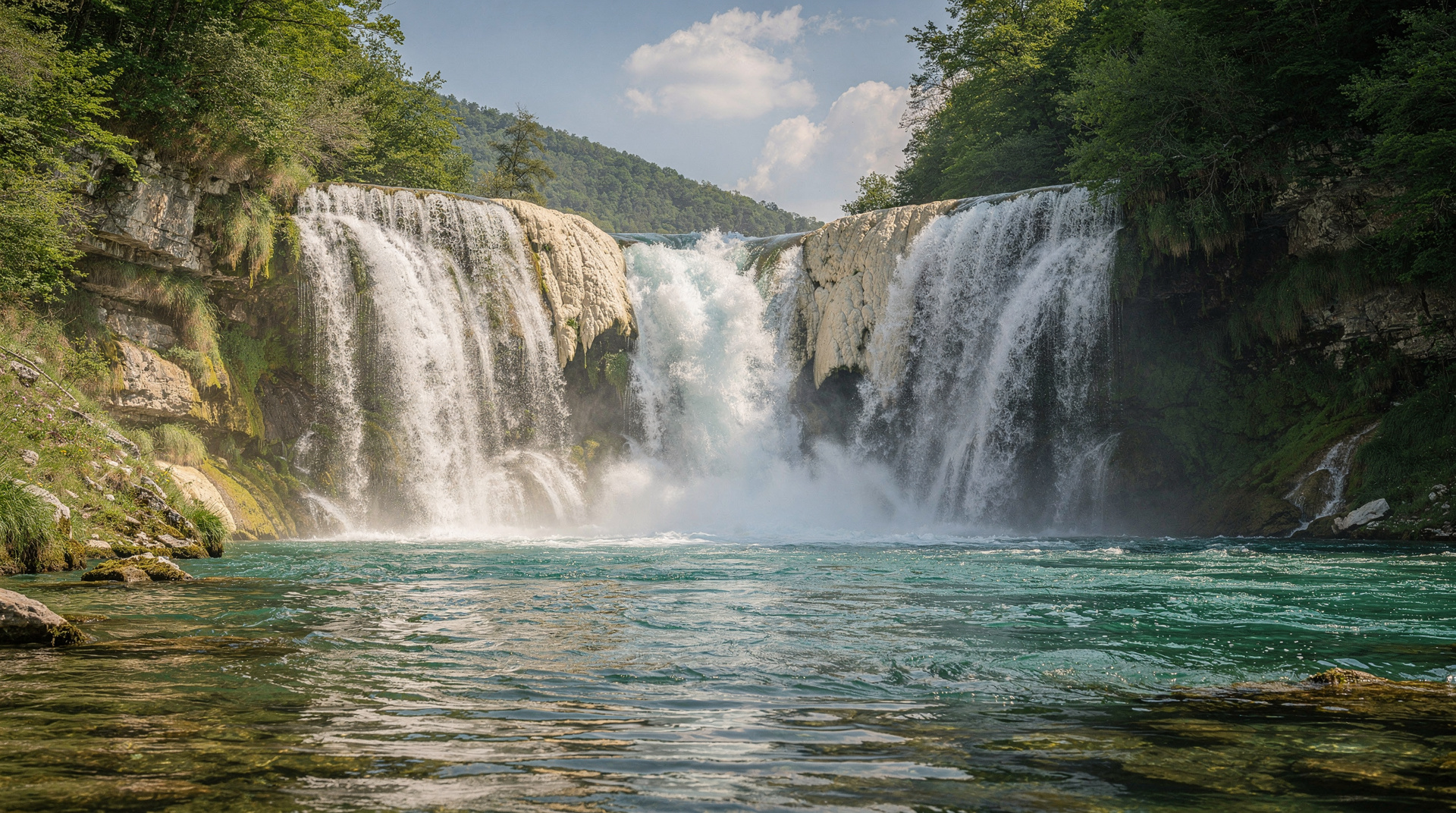
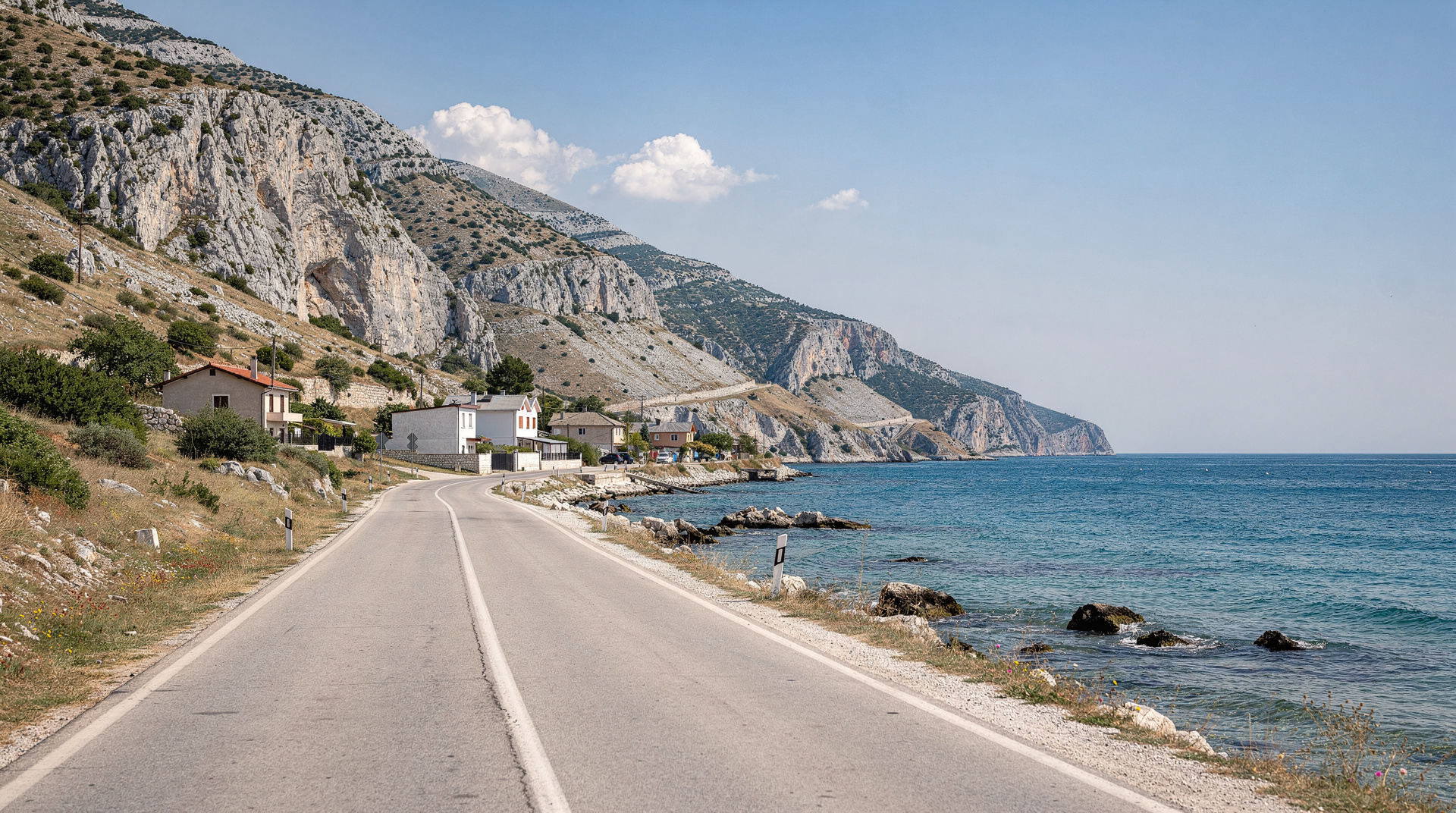
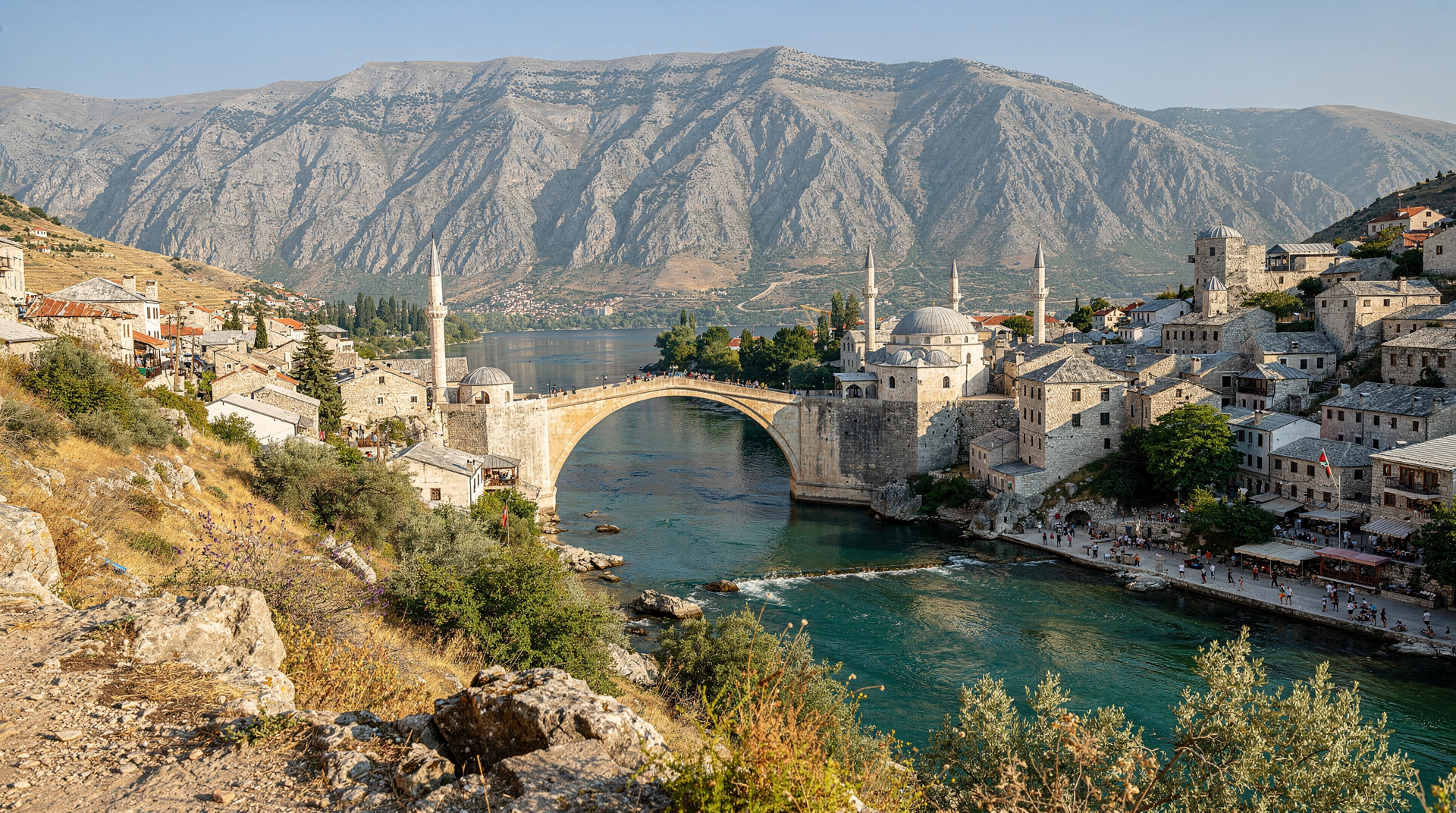
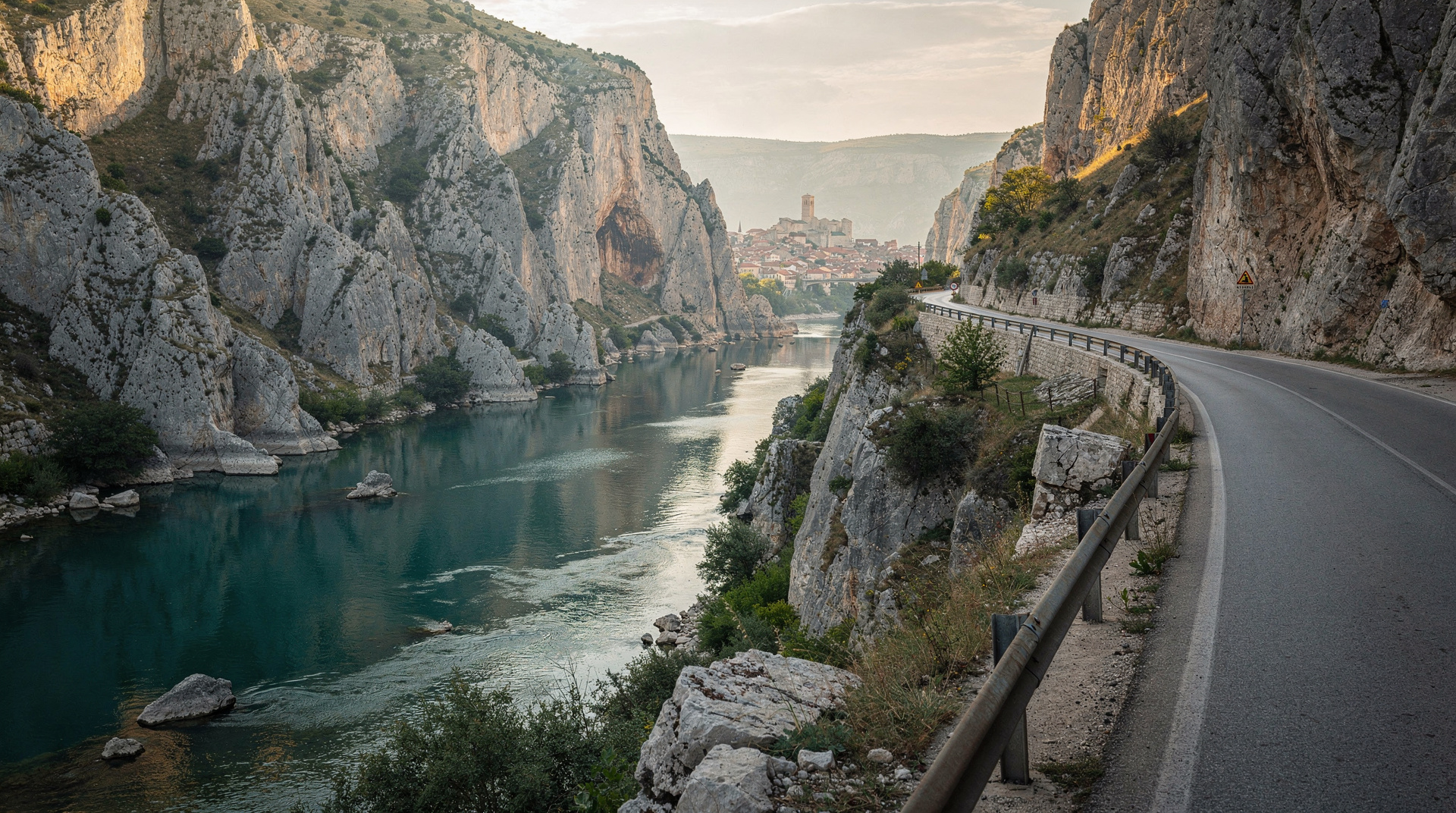
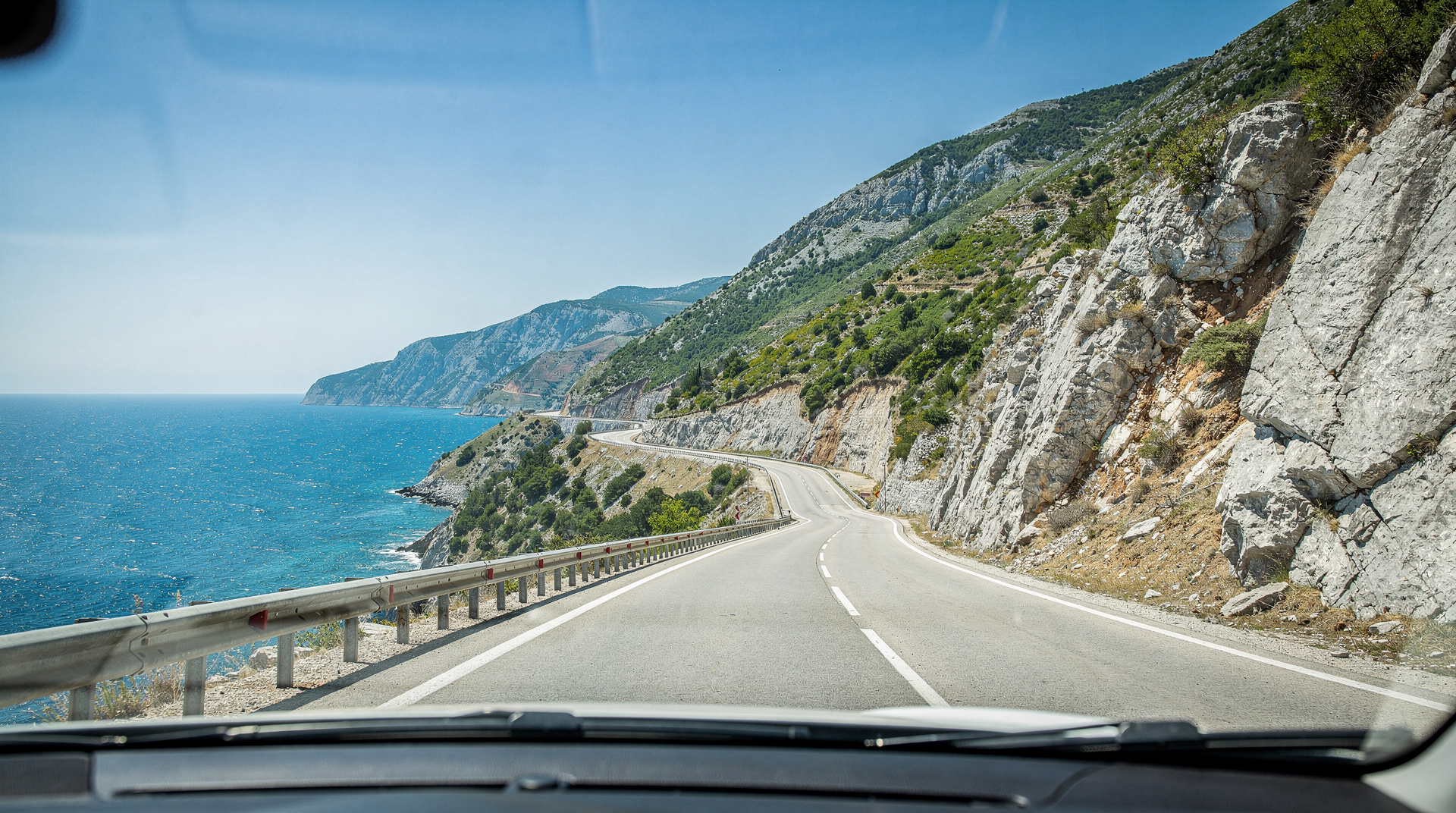
Driving from Croatia into Bosnia & Herzegovina is one of the simplest and most rewarding cross-border journeys in Europe — provided you have the right documents and know what to expect at the border. The transition from Croatian coastal roads to Bosnian limestone valleys is dramatic, the distances are short, and the reward — Mostar, Sarajevo, the Neretva canyon, Kravice Waterfalls — is substantial. This guide covers everything: documents, insurance, border crossings, road conditions and the practical details that make or break a cross-border road trip.
| Where | Neum corridor or Kamensko-Vinjani crossings, from the Croatian coast |
| Cost | Green Card usually included in rental; on-the-spot insurance around 30-50 EUR if not |
| Time needed | 5-20 minutes per crossing off-season; up to 45-60 minutes each in July-August |
| Getting there | Self-drive rental, or a guided day tour from Split/Makarska/Dubrovnik |
| Best time | Shoulder season (spring/autumn) avoids the worst peak-summer border queues |
What you need to cross from Croatia into Bosnia
Essential documents
Passport or national ID card: All passengers need a valid travel document. EU citizens can use a national ID card at most Croatian-Bosnian crossings. Non-EU travellers must have a passport. Carry your passport regardless — some crossings are stricter with ID cards, and having your passport avoids any uncertainty.
Vehicle registration document (prometna dozvola / Fahrzeugschein): The vehicle’s registration certificate must be in the car at all times. In a rental car, this is usually in the glovebox — check before you go.
Valid driving licence: Your home country licence is sufficient. An international driving permit is not required for UK, EU, US, Canadian or Australian licence holders. Check your specific licence country if in doubt.
Green Card insurance certificate: This is the critical document for Bosnia. See below.
Green Card insurance — the most common oversight
The Green Card (Međunarodna potvrda o osiguranju / Grüne Karte) is the international motor insurance certificate confirming that your vehicle has third-party liability cover valid in Bosnia. Bosnia is not in the EU, so EU-market vehicle insurance does not automatically extend there — you need explicit Green Card coverage.
For rental cars: Most major rental companies (Hertz, Avis, Sixt, Europcar, Enterprise) include Bosnia in their standard international coverage and provide a Green Card in the rental documents. Read your rental agreement carefully and call the company to confirm if you are not sure. Some budget companies and local Croatian rental firms do not include Bosnia — this is a deal-breaker.
For private cars: Check with your insurance company. Most comprehensive policies include Bosnia coverage; add it if it is not included. The cost is minimal.
At the border without a Green Card: You will be directed to a desk where you can purchase compulsory Bosnia liability insurance on the spot. This typically costs 30-50 EUR and covers the legal minimum. It is not ideal (you want comprehensive cover) but it allows you to cross.
The main border crossings
1. Neum corridor crossings (coastal road, Split to Dubrovnik direction)
The coastal highway between Split and Dubrovnik passes through the Neum corridor — 9 km of Bosnian territory at Neum. This creates two border crossings within a few kilometres:
- Klek crossing — entering Bosnia from Croatia (northbound approach)
- Zaton Doli crossing — re-entering Croatia from Bosnia
Both require full document checks. Queue times: 5-20 minutes per crossing in low season; up to 45-60 minutes per crossing in July-August peak. See the Neum corridor guide for detailed timing advice.
2. Kamensko-Vinjani (inland road, Split to Mostar)
If you are heading from Split to Mostar on the inland route (via Vrgorac, not via the coast), you cross at Kamensko-Vinjani. This is a single crossing, typically quick (5-20 minutes). The route is the standard approach for Split-Mostar day trips and the Split-Sarajevo overland journey. No Neum corridor complications.
3. Izačić-Ličko Petrovo Selo (northern crossing, Zadar/Knin to Bihać)
For travellers heading to northern Bosnia (Una National Park, Bihać), the crossing at Izačić is the standard route from the Dalmatian hinterland. Used by fewer tourists but straightforward.
At the border: what to expect
Pull up to the booth. The officer will ask for passports (or ID cards) for all passengers. For a rental car, have the rental agreement and Green Card accessible. The officer may ask how long you plan to stay in Bosnia (standard up to 90 days, no visa required). The vehicle may be briefly inspected but rarely searched in depth for tourist day trips.
Be polite, answer questions straightforwardly, and have documents ready before you reach the booth. Do not leave documents in bags in the boot.
Road conditions in Bosnia
Main roads
The M17 highway (Sarajevo to Mostar via the Neretva valley) is the main tourist route and is good quality — two lanes in each direction for much of the route, well-maintained, clearly signed. The A1 motorway (Sarajevo to Zenica and north) is motorway standard. The road from Čapljina to Mostar via the E65 is also excellent.
Mountain secondary roads
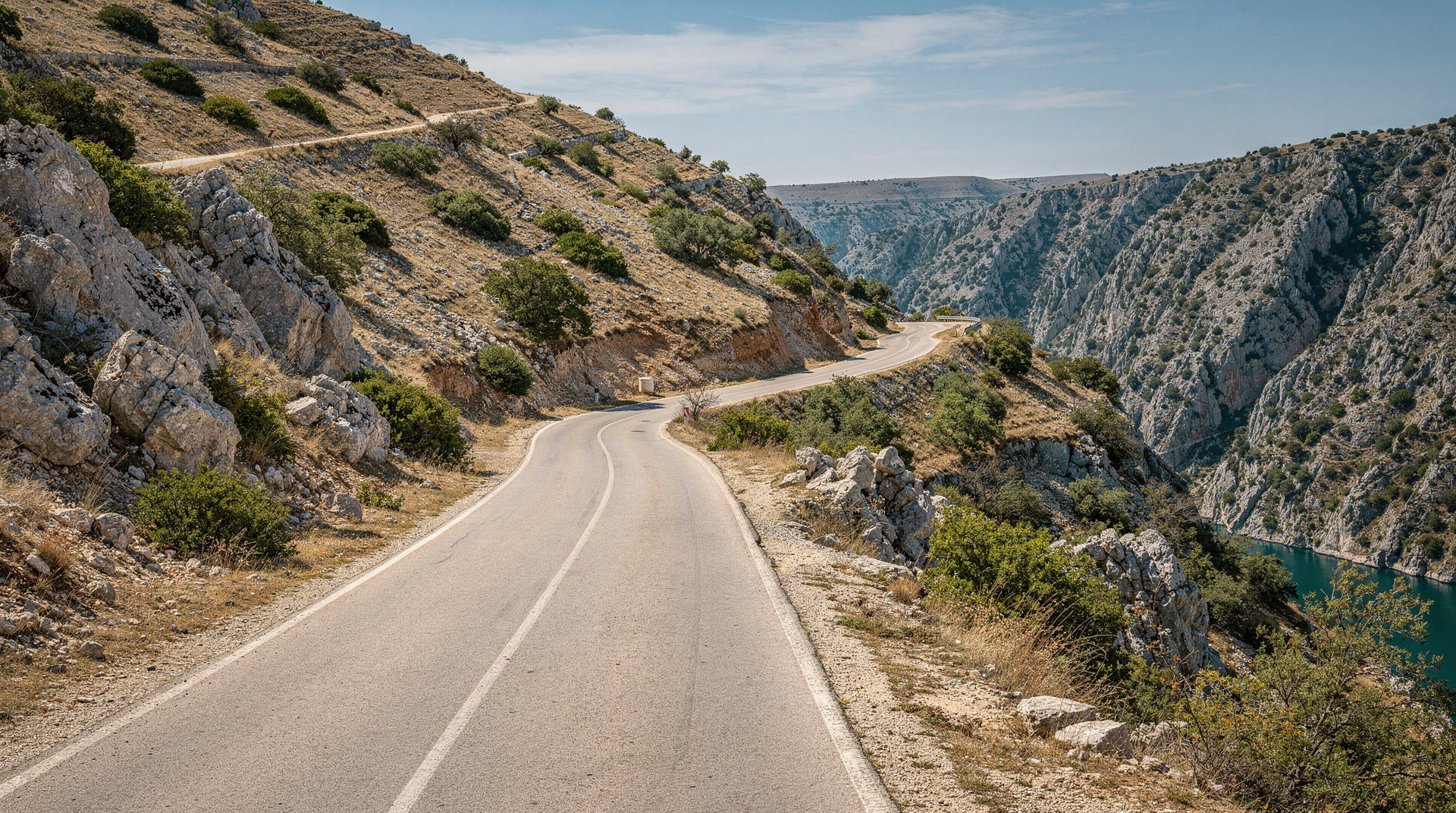
Secondary roads in the mountains (to Lukomir, in Sutjeska National Park, through the Prenj massif, on the Una valley back-roads) are often single-track, sometimes unpaved, and can be challenging in wet weather or after rain. A standard rental car handles the main tourist routes; a higher-clearance vehicle is preferable for off-the-beaten-track destinations.
Speed limits in Bosnia
- Motorway (autocesta): 130 km/h
- Open road outside settlements: 80 km/h
- Built-up areas: 50 km/h
- Speed cameras: Increasingly common on main routes; fines are enforced
Fuel
Petrol stations are available on all main routes in Bosnia. Prices are generally slightly lower than in Croatia. Neum (on the coastal route) is a particularly cheap fuel stop as duty-free applies. Pay in BAM or by card.
Landmine safety (for off-road driving)
This is a specific Bosnia caution: do not drive off marked roads or park in unmarked off-road areas in rural parts of the country, particularly in the east, along the former front lines, and in mountain areas. Residual landmine contamination affects some rural zones; all marked roads and tourist sites are safe. The risk is to off-road drivers and walkers who leave marked paths, not to road travellers.
Choosing your route into Bosnia
The crossing you pick shapes the whole trip, so decide it before you book anything. If your base is Dubrovnik or Split and you want Mostar as the first stop, the choice is mostly between the coastal road through the Neum corridor and the inland road via Kamensko-Vinjani. The coastal option is scenic and passes through Neum, but it adds two checks to a single journey. The inland option is plainer, yet it keeps the paperwork to one crossing.
Travellers starting from Dubrovnik will find the Mostar from Dubrovnik guide useful for the route logic, while those starting in Split can read the Mostar from Split guide. If you cannot decide between the two bases, Mostar from Split vs Dubrovnik compares them side by side. Bases further along the coast work too: Makarska and Trogir are both convenient starting points, and Kotor is the natural launch pad if you are coming up from Montenegro, as explained in the Bosnia from Kotor guide.
Planning the drive itself
A cross-border drive is easier when you treat it as a day with a fixed shape: leave the coast early, cross while queues are light, give yourself generous time at the first stop, and keep the return leg simple. Border waits are the one variable you cannot control, so never schedule a tight ferry, flight or hotel check-in right after a crossing.
Think about what you want to see before you commit to a loop. A first-time visitor often heads for Mostar and its Stari Most, then adds a stop at Kravice Waterfalls or the Ottoman village of Počitelj. Each of these suits a self-drive trip because you can stop for as long as you like, park, and leave when the crowds arrive. If you want a fuller list of ideas from the same base, the best day trips from Mostar is a good place to look.
Driving habits that help
- Keep your documents together in one easy-to-reach folder, not scattered across bags.
- Fill the tank before the border if the fuel gauge is low, so you are never hunting for a station in an unfamiliar area.
- Download offline maps before you leave the coast, because mobile coverage and roaming rules change once you leave Croatia.
- Drive defensively on narrow mountain bends: local drivers know the road and often overtake confidently.
- Avoid long night drives on rural roads, where animals and unlit vehicles are more of a hazard than the road surface.
For a wider look at what to expect once you are on the road, the driving in Bosnia guide goes into traffic habits, parking and police checks. If you have not yet chosen a car, renting a car in Bosnia explains how to compare rental terms before you sign.
Where the road can take you next
Once you are across, the border is the easy part. The real question is how far you want to go. Many visitors stop at Mostar and return to the coast the same evening, which keeps the trip simple and avoids a second crossing the next day. Others continue to Sarajevo and treat the journey as a one-way road trip, in which case the Dubrovnik to Sarajevo route and the Split to Sarajevo route lay out the stops in sensible order.
If you want more than a quick visit, a longer loop is worth the extra time. The Croatia and Bosnia in two weeks itinerary shows how to combine coast and interior without constant backtracking, and the Herzegovina weekend itinerary suits a shorter break based around Mostar and the nearby villages. Whatever you choose, remember that the road network inside Bosnia is slower than the map suggests, so plan fewer stops rather than more.
Peace of mind on a first cross-border drive
Most problems on this route come from small oversights, not from the border officers. A missing document, an unconfirmed rental permission or a tight schedule causes more stress than any queue. Do the checks at home, keep the paperwork where you can reach it, and treat the first crossing as a routine step rather than an obstacle. After that, the drive is simply a good road trip through a very different landscape.
It also helps to remember that the people you meet are generally welcoming to visitors who arrive prepared and relaxed. A few words of greeting in the local language go a long way at a petrol station or a roadside café, and drivers who keep their patience at the border usually find the rest of the trip equally easy. If you would like to know more about the overall safety picture before you set off, read is Bosnia safe, and for the wider picture of how to move around the country without a car, see getting around Bosnia.
If you prefer not to drive
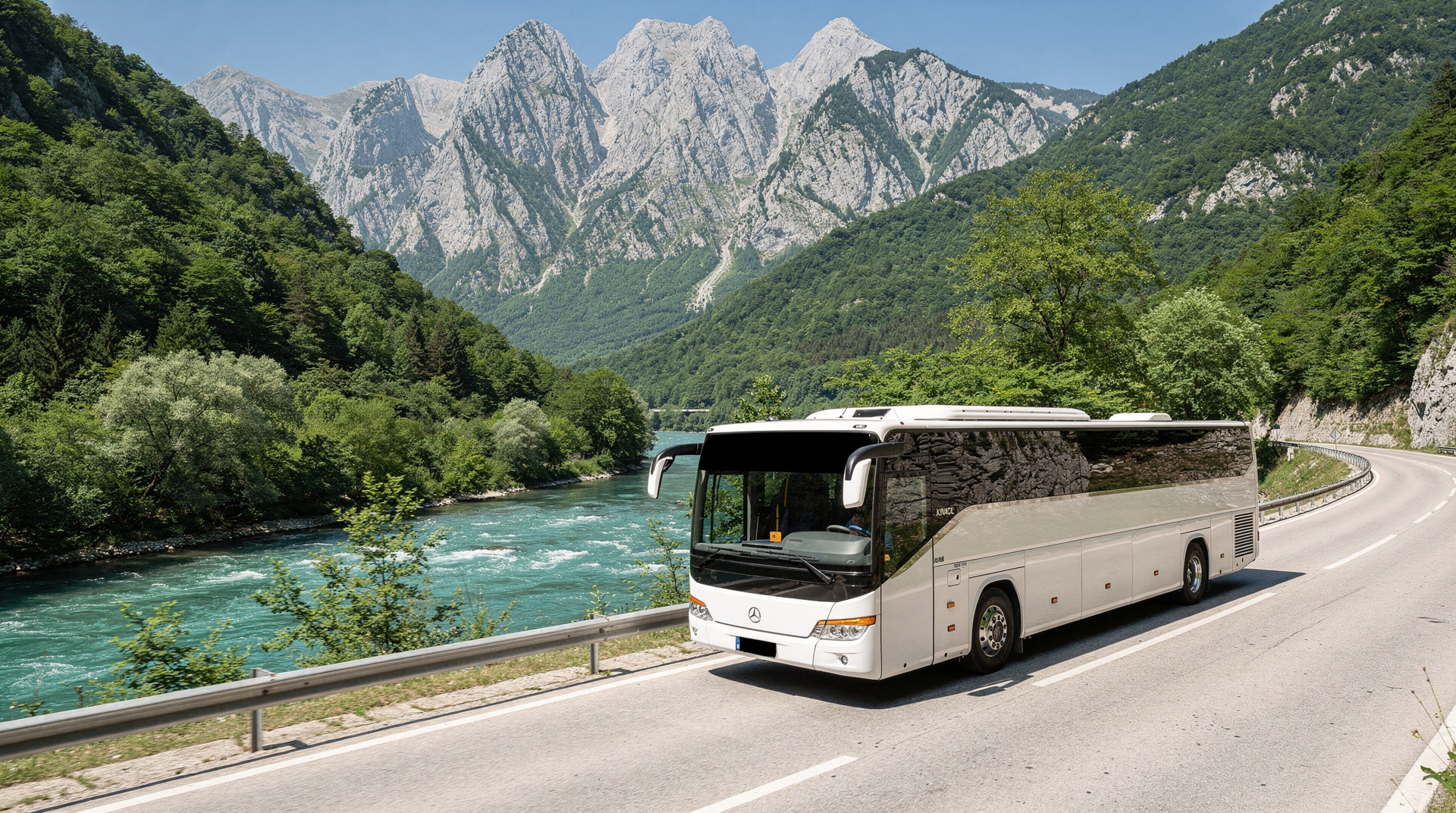
If the documentation or logistics feel overwhelming, an organised tour handles everything. The guide and driver manage all border crossings, insurance and navigation.
From Dubrovnik: Mostar and Kravica Waterfall day trip From Makarska: Mostar day tripPractical checklist before crossing
- Passport (all passengers)
- Vehicle registration documents (in glovebox)
- Green Card insurance certificate (confirm with rental company)
- Valid driving licence
- BAM cash for entrance fees and konobas (ATMs in Mostar and Sarajevo; Neum has exchange)
- Rental agreement if applicable
- Confirmed cross-border permission in rental contract
The Neum corridor guide covers the timing and queue situation in detail. For planning the full road trip, see the Dubrovnik to Sarajevo route guide and the Split to Sarajevo route guide.
Currency and cash at the border
Bosnia uses the convertible mark (BAM/KM), not the euro — Croatia’s currency. Euros are widely accepted informally in border-area shops and some Mostar tourist businesses, but change is often given in BAM, and official prices (parking, museum tickets, restaurants) are quoted in BAM. Withdraw BAM from an ATM in Mostar, Sarajevo or Čapljina soon after crossing rather than relying entirely on euros. The Bosnia money and currency guide covers exchange rates and card acceptance in more detail.
Frequently asked questions about Driving from Croatia to Bosnia — the complete
Do I need a Green Card to drive into Bosnia?
What are the main border crossings from Croatia to Bosnia?
What are road conditions like in Bosnia compared to Croatia?
Can I use my rental car from Croatia in Bosnia?
Is it safe to drive in Bosnia?
Top experiences
Bookable activities with verified prices and instant confirmation on GetYourGuide.