Bosnia war history itinerary
Sarajevo: Bosnian War & Fall of Yugoslavia Tour with Tunnel
Bosnia’s 1990s war left visible and invisible marks across the country. This 5-day itinerary approaches the subject with the seriousness it deserves — not as dark tourism, but as an attempt to understand one of the worst atrocities in post-WWII Europe. Sarajevo’s Tunnel of Hope, Srebrenica’s memorial, Konjic’s Cold War bunker and Mostar’s divided city together form a coherent picture of a country still reckoning with its past.
| At a glance | |
|---|---|
| Where | Sarajevo, Srebrenica, Konjic, Mostar |
| Cost | mid-range — guided tours (~30–60 EUR each) plus standard accommodation and transport |
| Time needed | 5 days; can extend with a 4-day Sarajevo deep dive beforehand |
| Getting there | fly into Sarajevo; onward travel by bus, organised tour, or private transfer (no self-drive needed) |
| Best time | any season — this is indoor/memorial-focused, though Bosnia in winter means shorter daylight for the Srebrenica day |
For background before you go, Bosnia’s history for travellers and the Yugoslav Wars explained give useful context that makes each site land harder.
A note on approach: speak to local guides rather than relying solely on written accounts. The best guides in Sarajevo and Srebrenica are often survivors or children of survivors. Their versions of events are the most important ones.
Day 1: Sarajevo — siege and survival
Arrive in Sarajevo. The 1992–1996 siege of Sarajevo was the longest siege of a capital city in the history of modern warfare — 44 months, roughly 11,000 people killed, a million shells fired. The scars are everywhere if you know where to look.
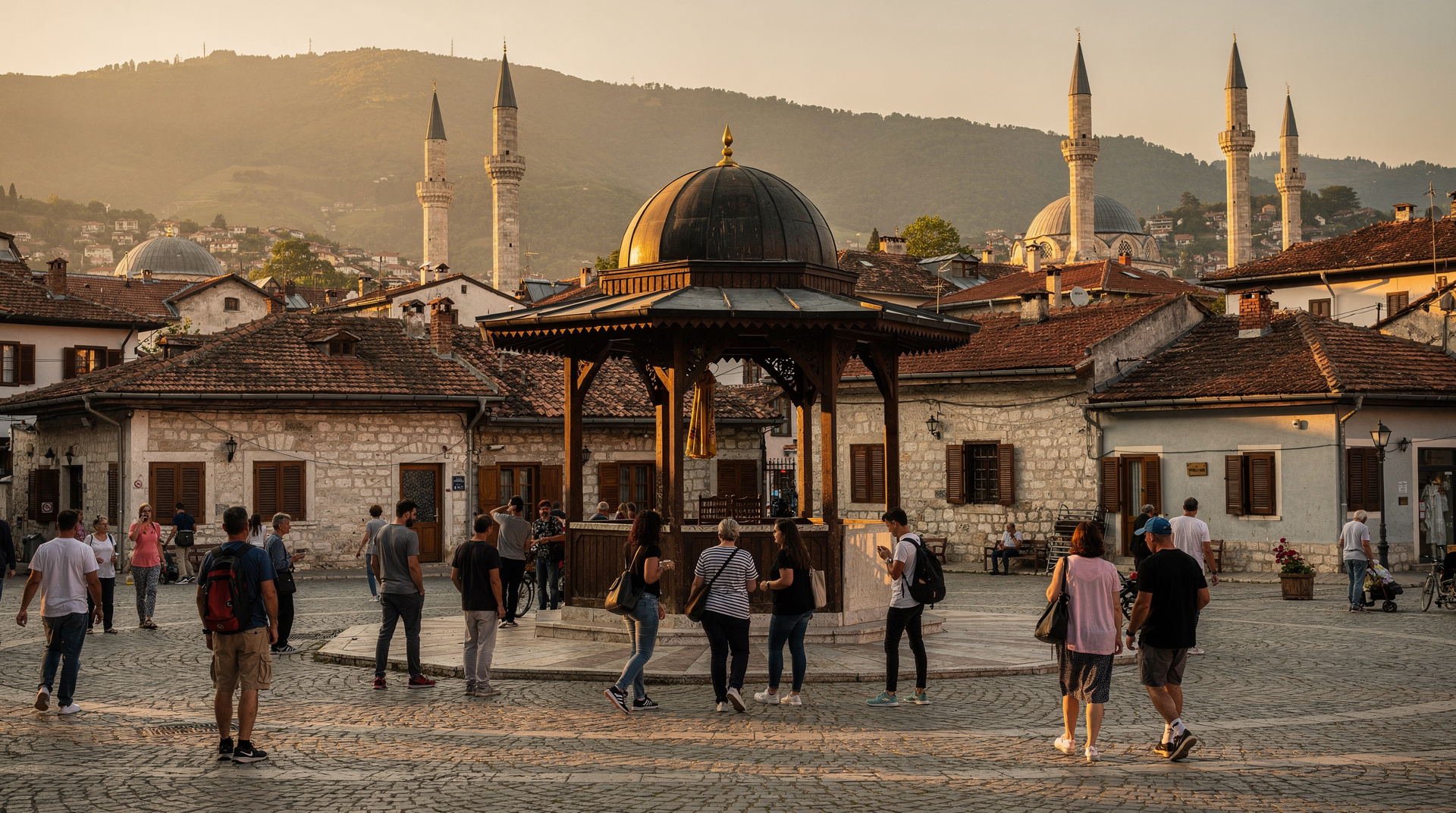
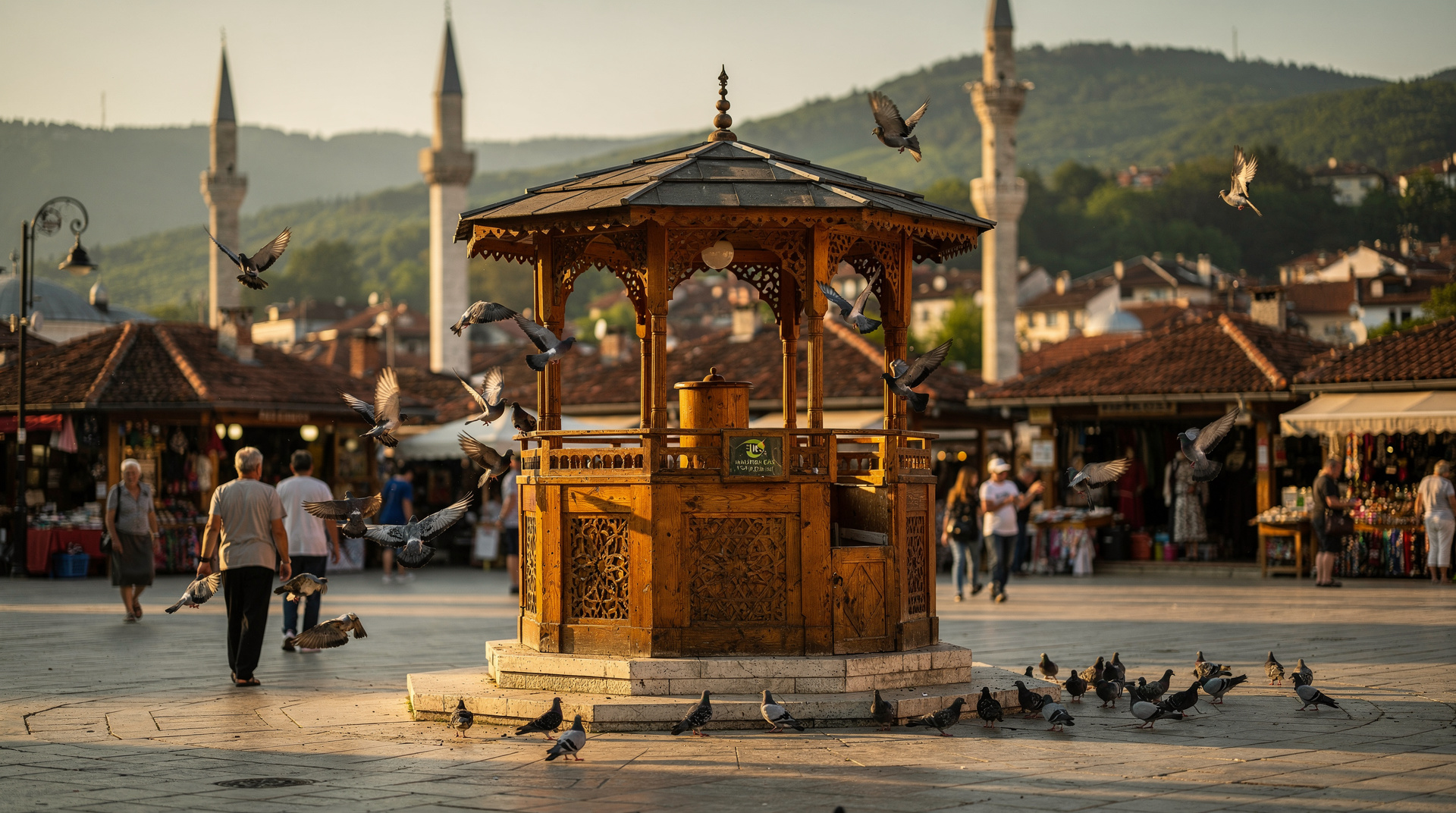
Check into a guesthouse in Baščaršija and take the afternoon at your own pace: walk Ferhadija and spot the Sarajevo Roses — hardened red resin poured into shell craters in the pavement, now a city-wide memorial scattered across the centre. The Jewish Cemetery on Trebević hill was used by snipers during the siege and contains some of Europe’s oldest Sephardic grave inscriptions. It is worth the 20-minute walk from the old town.
Day 2: War tours and the Tunnel of Hope
Join the Bosnian War and Fall of Yugoslavia tour — a 4-hour morning programme that connects the political collapse of Yugoslavia to the specific events of the Sarajevo siege. Good guides avoid both Serb and Bosniak nationalist narratives and try to explain how ordinary people became killers or victims within months of living as neighbours.
The Tunnel of Hope (Tunel spasa) in the Butmir suburb was dug by hand in 1993 to breach the UN-controlled airport perimeter — the only route in and out of the besieged city for food, weapons and people. The surviving section is 25 metres; the museum above includes original film footage and survivor testimony. Entry is 20 BAM, photography permitted.
Afternoon: the War Childhood Museum (Muzej ratnog djetinjstva) near Marijin Dvor — the city’s most intimate war memorial, built around personal objects donated by people who were children during the siege. Admission 7 BAM.
Day 3: Srebrenica — genocide memorial and testimonial
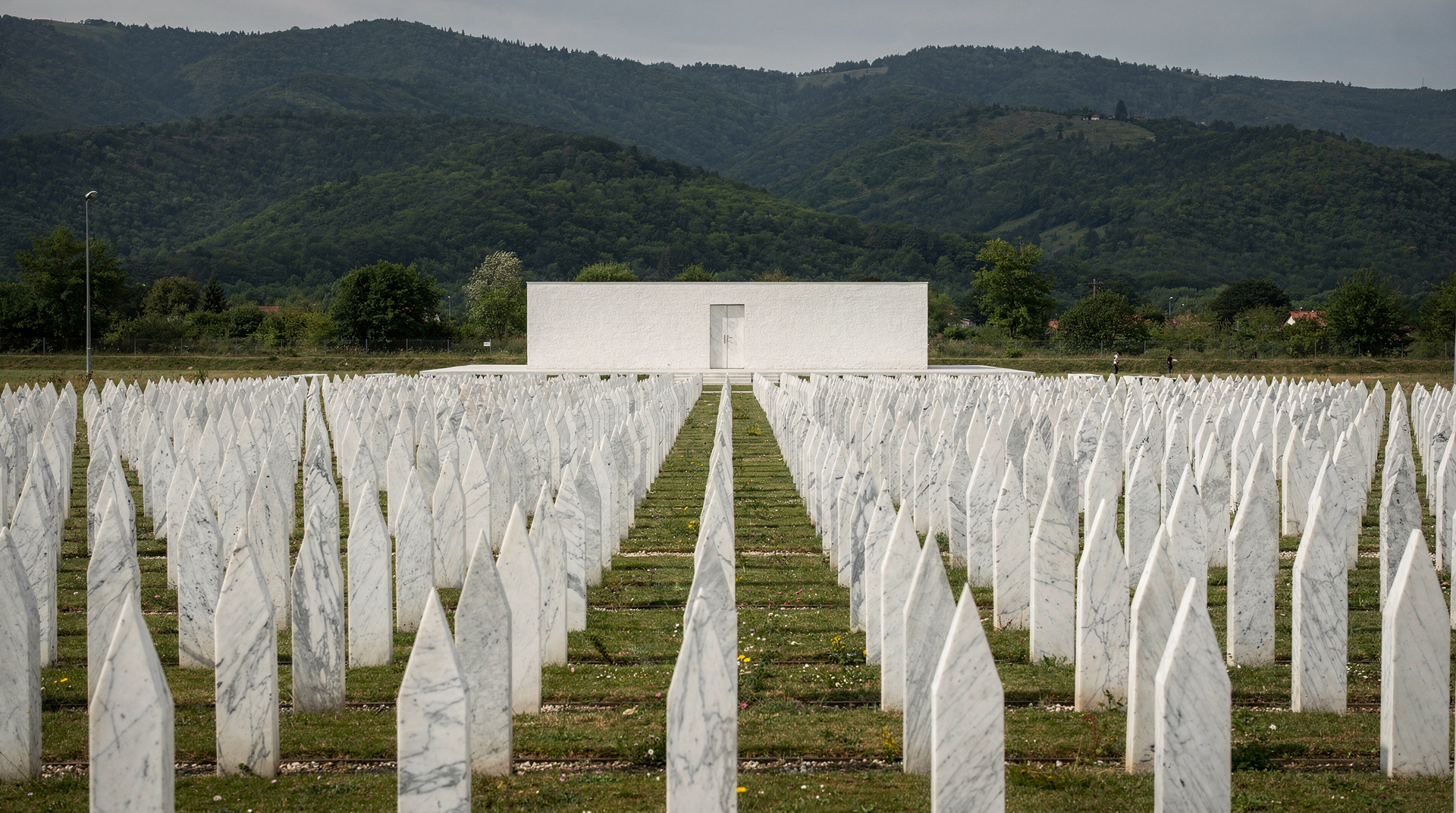
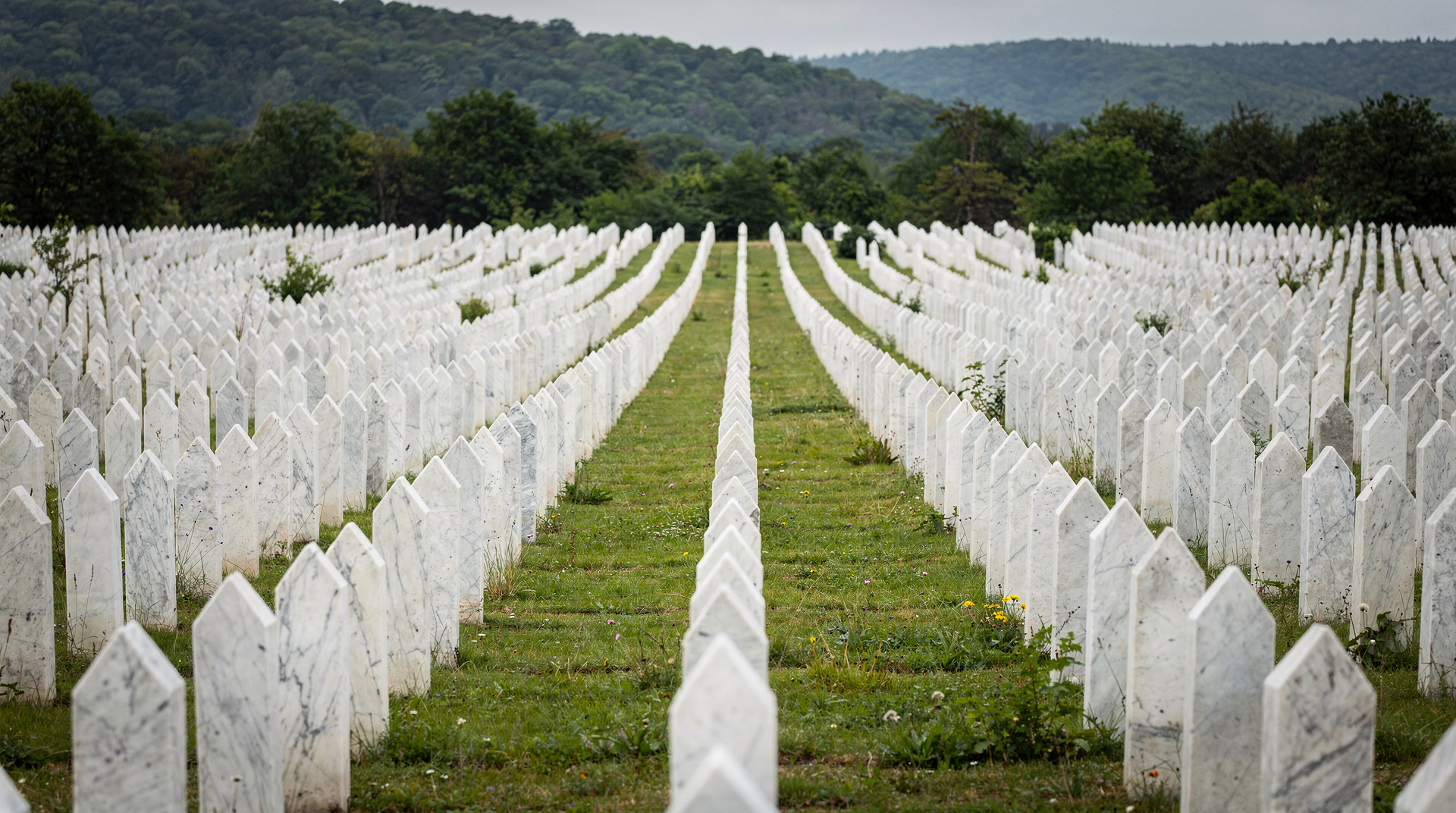
This is the hardest day. Srebrenica is 2 h 30 min from Sarajevo by car or organised tour. In July 1995, Bosnian Serb forces systematically executed approximately 8,000 Bosniak Muslim men and boys in and around Srebrenica — an act judged by the International Court of Justice to be genocide. The Srebrenica-Potočari Memorial Centre contains the white grave markers of victims identified by DNA analysis, a small but devastating museum, and survivors available to speak with visitors.
The Srebrenica Genocide Memorial study tour from Sarajevo includes return transport, an expert guide and time at both the memorial and the Dutchbat (Dutch UN peacekeepers) former base — now the memorial centre. The guide’s framing is crucial: this tour is conducted by organisations committed to honest historical accounting, not to any political narrative.
Practical notes: The memorial closes on Fridays (Islamic observance). Dress modestly. Photography is permitted but treat the graves with respect. The day involves significant emotional weight — plan a quiet evening.
Return to Sarajevo. Simple dinner; early night.
Day 4: Konjic — the Cold War bunker and a bridge rebuilt
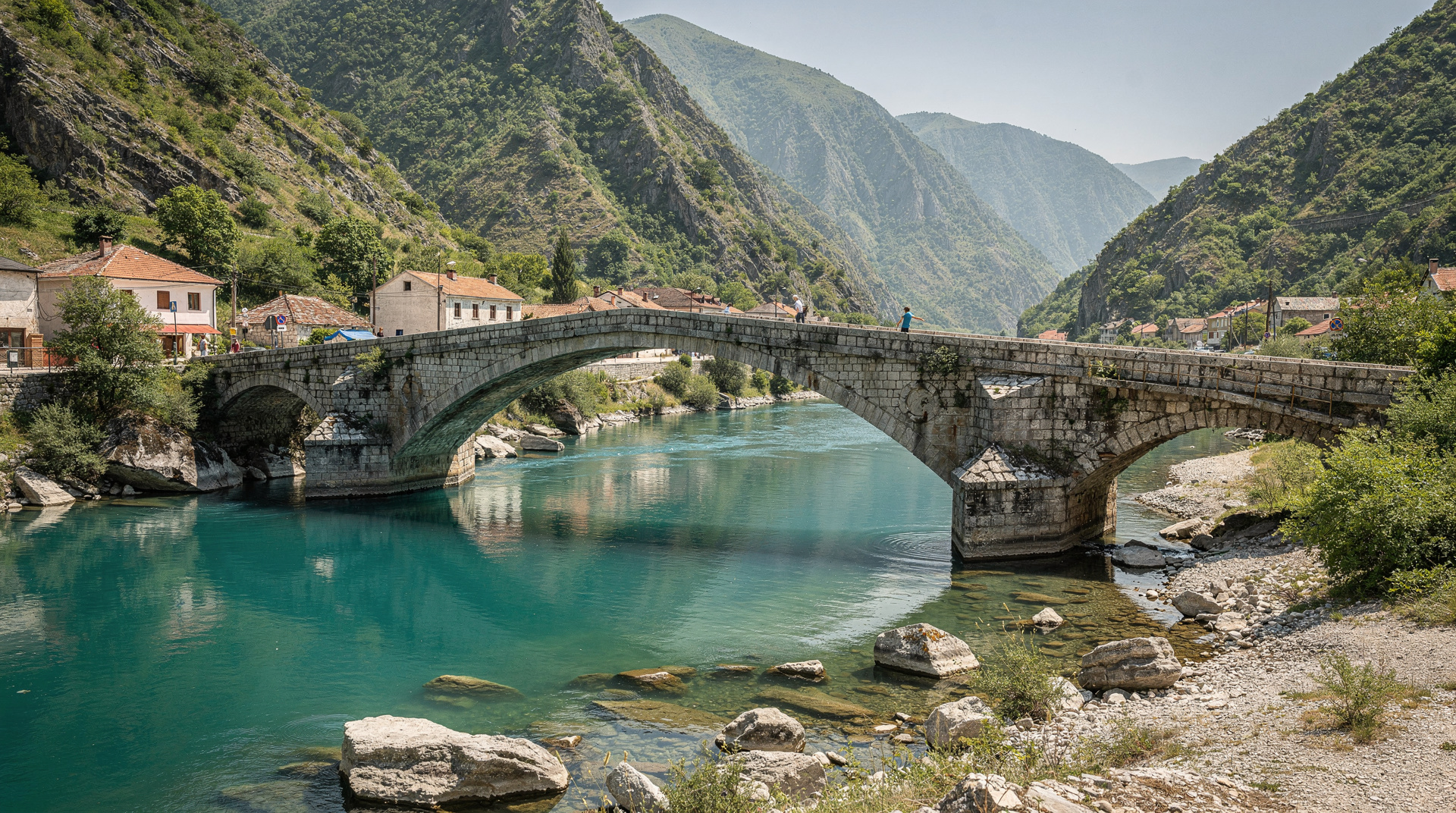
Drive 60 km south to Konjic, about 1 hour. Konjic’s covered wooden bridge over the Neretva was destroyed in the 1993 war and rebuilt stone by stone — a quiet symbol of reconstruction that appears unremarkable until you know the history.
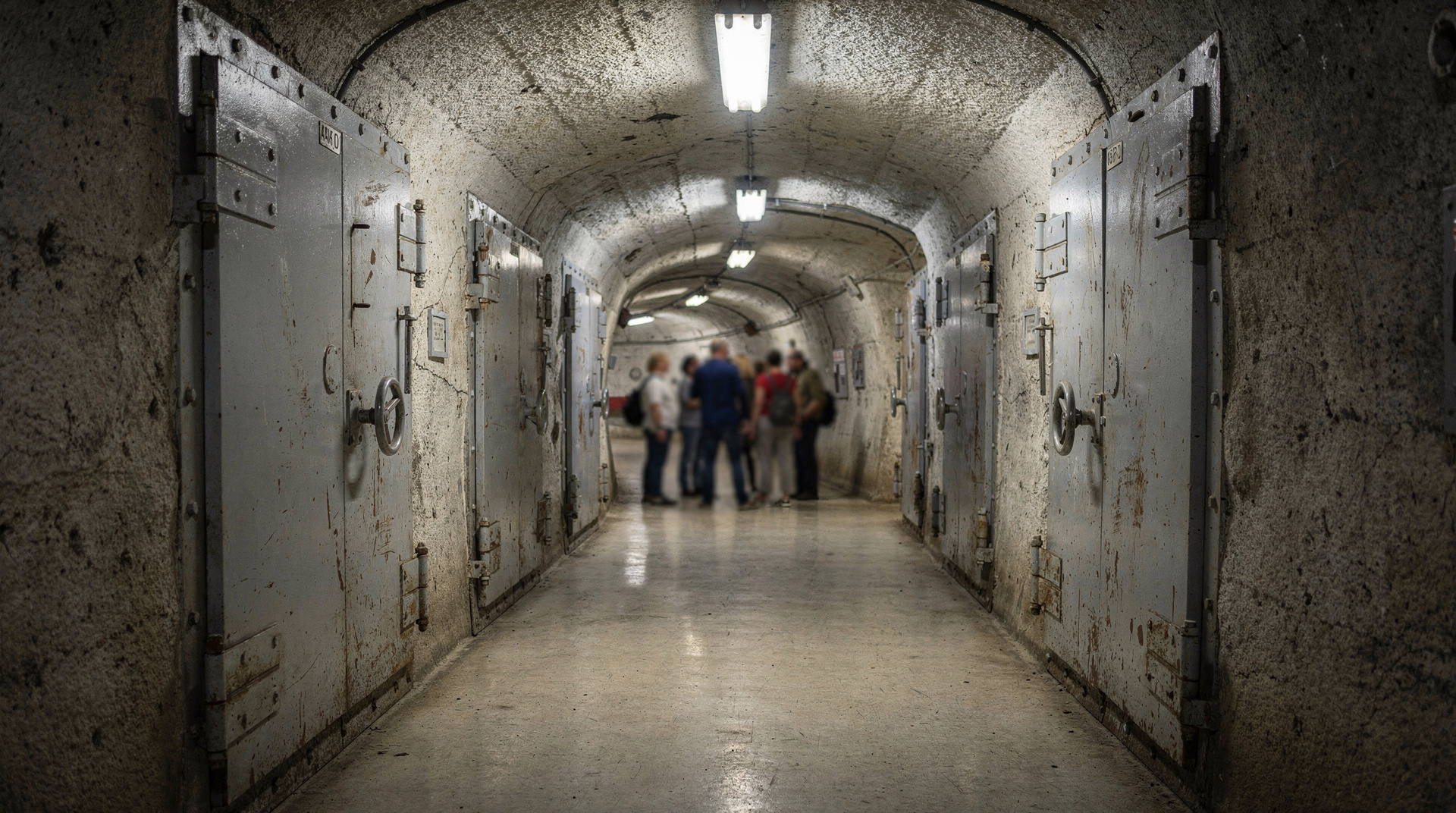
ARK D-0 — Tito’s nuclear bunker — was built in the 1950s to shelter 350 key Yugoslav functionaries from nuclear attack for six months. The complex of 12 objects carved into the Zlatar mountain was so secret that even most government ministers did not know it existed. After Yugoslavia’s dissolution it was declassified; it is now open for guided tours. The ARK D-0 guided visit takes 2 hours and includes the main corridors, command rooms, communications centre and the presidential suite. Admission ~30 BAM; booking ahead recommended.
Overnight in Konjic or continue to Mostar (50 min south on the M17).
Day 5: Mostar — the bridge destroyed and rebuilt
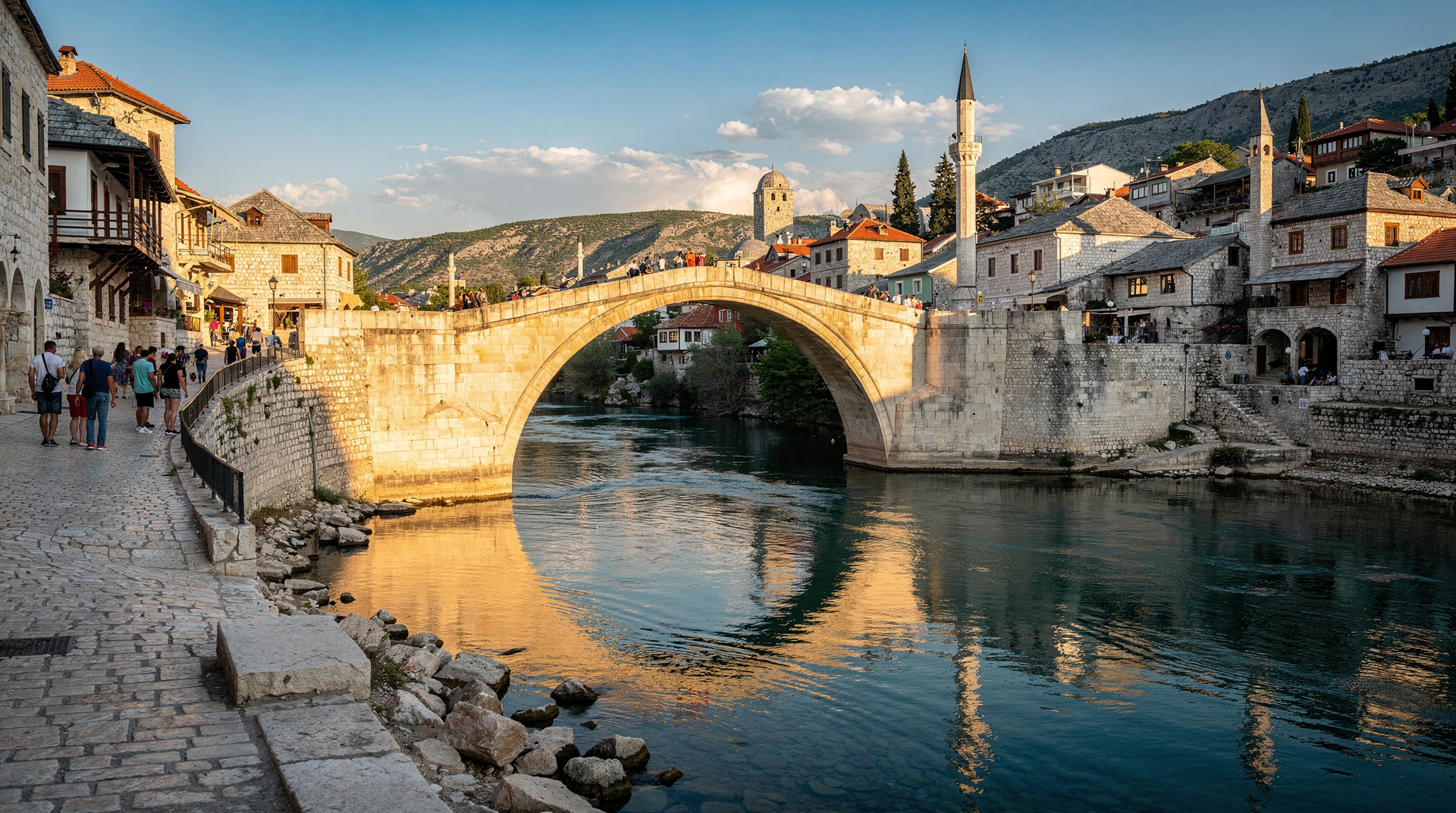
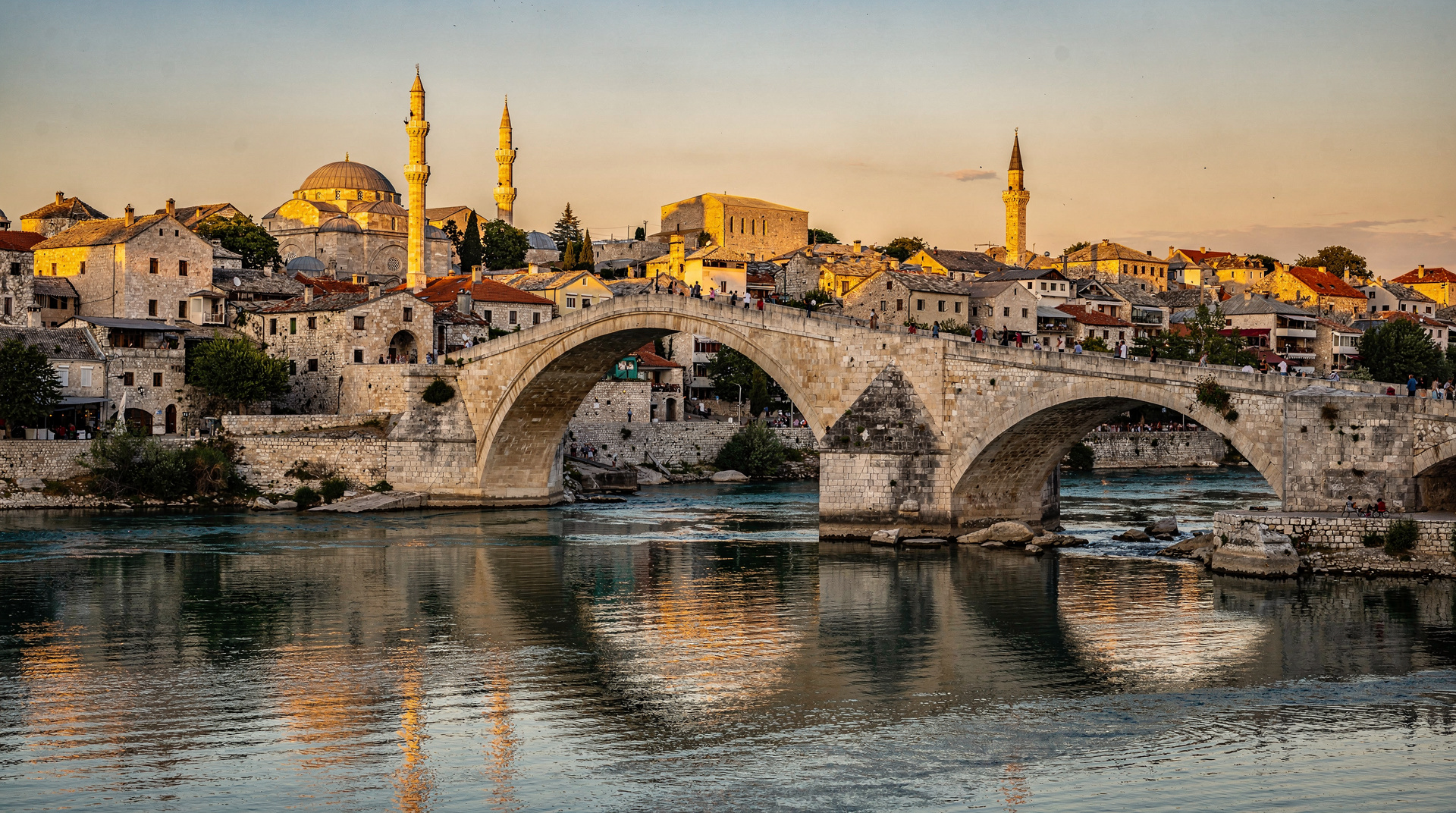
Mostar is both a war history and a reconciliation story. The original Stari Most, built by Mimar Hayruddin in 1566, was deliberately targeted and destroyed by Croatian Defence Council artillery in November 1993. Its rebuilding — using original stone quarried from the same Tenelija limestone, by craftsmen who had to relearn medieval construction techniques — was completed in 2004. It is one of the most complex heritage reconstruction projects ever undertaken.
A private walking tour with a Mostar local guide provides the wartime context that plaques alone cannot convey: the frontline that ran through the middle of the city, the buildings that remain bullet-scarred, the Muslim east and Croatian west division that persists, quietly, in the city’s economic and social geography.
The Stari Most Museum on the eastern bank documents the original bridge’s history and the reconstruction process — 45 minutes well spent. The war-era photo exhibition in the old town is raw and graphic.
Evening: take the bus back to Sarajevo (2 h 30 min) for a departure flight, or spend a final night in Mostar before heading to Dubrovnik or Split the following morning.
Approaching war history responsibly
Hire local guides: The best guides in both Sarajevo and Srebrenica are people with personal connections to these events. Their insight is irreplaceable.
Read before you go: The Bridge Betrayed by Michael Sells (Mostar and religion), Love Thy Neighbour by Peter Maass (siege reporting), and A Long Way from Sarajevo by various survivor testimonies.
Use verified tour operators: The Srebrenica memorial foundation is a reliable starting point. For Sarajevo, look for operators that explicitly provide balanced accounts.
Photography: Ask before photographing people; be discreet at memorials and grave sites.
Landmine safety note: In rural areas away from established towns and marked trails, do not venture off paths. Wartime contamination persists in some mountain and rural zones — see landmine safety in Bosnia before any off-trail hiking on this route.
Day-by-day summary
| Day | Base | Focus | Emotional weight |
|---|---|---|---|
| 1 | Sarajevo | Siege sites, Sarajevo Roses, Jewish Cemetery | moderate |
| 2 | Sarajevo | War tour, Tunnel of Hope, War Childhood Museum | high |
| 3 | Srebrenica | Genocide memorial and testimonial | highest |
| 4 | Konjic | Tito’s bunker, rebuilt bridge | moderate |
| 5 | Mostar | Stari Most history, war-era photo exhibition | moderate |
Pacing this trip so it does not overwhelm you
Five consecutive days of war history is heavy, and day 3 in particular is genuinely difficult. If you are travelling with others who are not sure they can handle the full itinerary, consider splitting Srebrenica onto its own dedicated day trip with a rest day either side, rather than sandwiching it between two other intense days. Sarajevo alone has enough sobering sites — the Sniper Alley memorials and the Sarajevo war tour guide — that days 1–2 could reasonably be split across three days if pace matters more than covering everything.
Frequently asked questions about Bosnia war history itinerary
Is the Bosnia war history itinerary appropriate for teenagers? Older teenagers (roughly 14+) generally handle it well, especially with preparation — reading a short background piece like Bosnia’s history for travellers beforehand helps. It is not recommended for young children.
Do I need a car for this itinerary? No — every stop (Sarajevo, Srebrenica, Konjic, Mostar) is reachable by organised tour or bus, and the itinerary is written assuming no rental car.
Top experiences
Bookable activities with verified prices and instant confirmation on GetYourGuide.