Bosnia 7-day itinerary
Sarajevo: Mostar, Konjic, Blagaj Tekke, Pocitelj & Waterfall
This classic loop covers Bosnia’s headline sights at a relaxed pace, starting and ending in Sarajevo.
Who this route suits and how to use it
This itinerary is built for people who want to see the best of Bosnia and Herzegovina without turning the trip into a race. Each stop gets enough time to feel like a place rather than a checklist item, and the longest drives are kept to the legs where the scenery justifies them. If you have never been to the region, it is a sensible first visit; if you have already seen Sarajevo, the Mostar and Trebinje sections still stand on their own. The how many days in Bosnia guide helps you decide whether a week is the right length for you, and the Bosnia travel guide gives the wider picture before you commit to dates.
Treat the day numbers as a skeleton rather than a contract. Weather, energy levels and the opening hours of individual sights will shift things, and nothing here breaks if you swap a morning and an afternoon. What matters is the order: Sarajevo first, to understand the country’s layered history, then south through the Neretva valley toward the warmer, stonier Herzegovina. Seen in that sequence, the changes in architecture, food and landscape make sense as you travel rather than feeling like random contrasts.
If you want a longer trip, the same backbone stretches naturally into the Bosnia 10-day itinerary or the Bosnia 14-day grand tour, which add the north and west of the country.
At a glance
| Route | Sarajevo → Konjic → Mostar → Herzegovina day trip → Trebinje → back to Sarajevo |
| Duration | 7 days / 6 nights |
| Best for | First-timers, couples |
| Difficulty | Easy |
| Budget | Mid-range (€60-110/day for two, mid-range hotels) |
| Getting around | Rental car recommended for the Konjic-Mostar-Trebinje leg; buses cover the same route more slowly |
| Best time to go | May-June or September-October |
Days 1-2: Sarajevo
Settle into Baščaršija and take a walking tour on day one; spend day two on war history and the cable car.
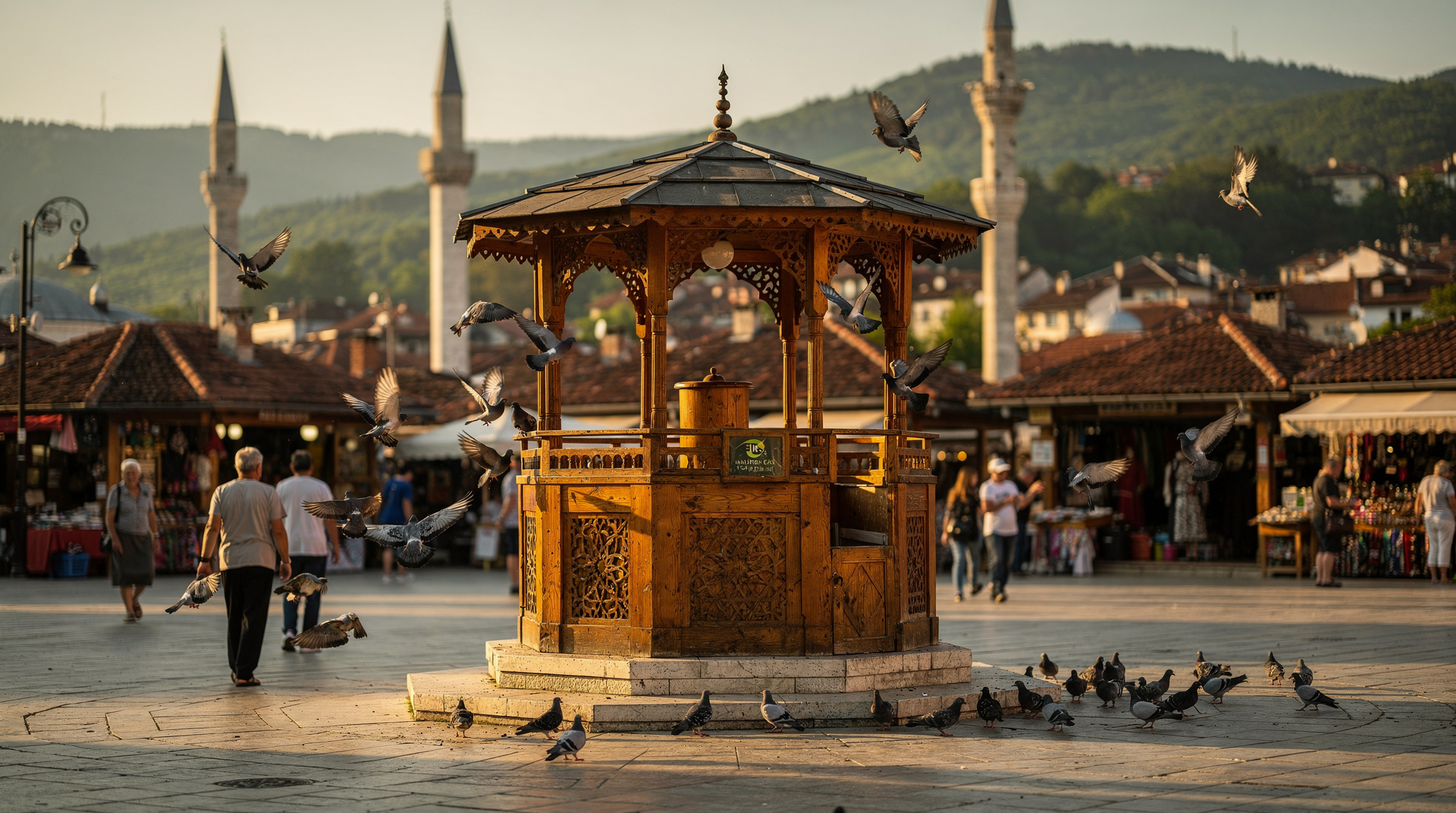
Day one is best spent on foot: the Ottoman old town, the Sebilj fountain, the Latin Bridge where Franz Ferdinand was assassinated, and a slow coffee break to learn the ritual properly (see the Bosnian coffee culture guide). Day two shifts to more recent history — a war history tour covering the siege and, for those with time, the Tunnel of Hope — followed by the Trebević cable car for a view over the city and the old bobsled track from the 1984 Winter Olympics.
If you would rather see the assassination story and Austro-Hungarian architecture in more depth first, the Franz Ferdinand assassination guide and the Austro-Hungarian Sarajevo guide are good pre-reading. For where to stay, see Sarajevo where to stay.
Eating and pacing in Sarajevo
Sarajevo rewards slow eating. Between the sights, leave room for a proper meal rather than grabbing something on the move: grilled meat in a small bread, pastries filled with cheese or meat, and sweet desserts all belong to the local repertoire. The Sarajevo restaurants guide and the čevapi guide will point you to places worth the detour, and the Bosnian food guide explains what you are ordering if the menu is unfamiliar.
The old town is compact, so you rarely need transport between day-one stops. For a deeper look at the main quarter, the Baščaršija guide walks through its lanes and craft streets. On day two, the siege and Tunnel of Hope guide and the Sniper Alley guide give context that makes the war history tour land harder. These are heavy subjects, so it helps not to pack the rest of the afternoon too tightly. Keep the cable car for the end of the day, when you can sit with the view and let the morning settle.
Like any popular city, Sarajevo has a few places that trade on tourists’ unfamiliarity. The Sarajevo tourist traps guide is short and worth reading before you arrive.
Day 3: Konjic
Break the journey south at Konjic for Tito’s Cold War bunker and the emerald Neretva.
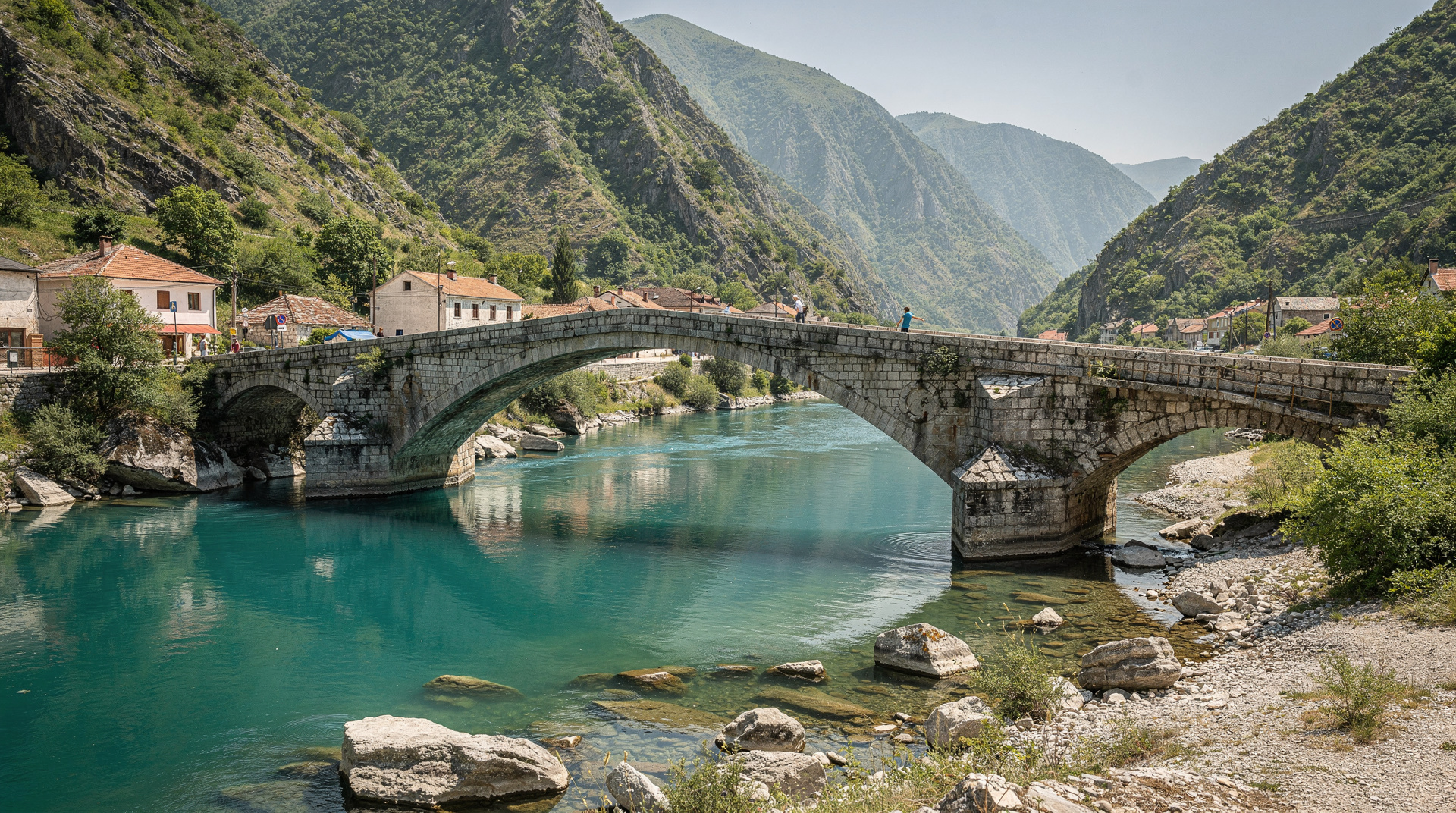
Konjic is a comfortable 1-hour drive from Sarajevo and makes a natural stopover rather than a dedicated overnight for most itineraries — though staying the night lets you add rafting the next morning. The ARK D-0 bunker tour runs 2-2.5 hours underground and is one of Bosnia’s most unusual sights; see the Tito’s Bunker guide for what to expect. If you have an extra half-day, the Neretva rafting guide covers the Class III-IV whitewater section nearby, and the Konjic day trip guide rounds up the town’s Ottoman bridge and old bazaar.
Days 4-5: Mostar & Herzegovina
Base in Mostar for the Old Bridge, then take a Blagaj, Počitelj and Kravice day tour.
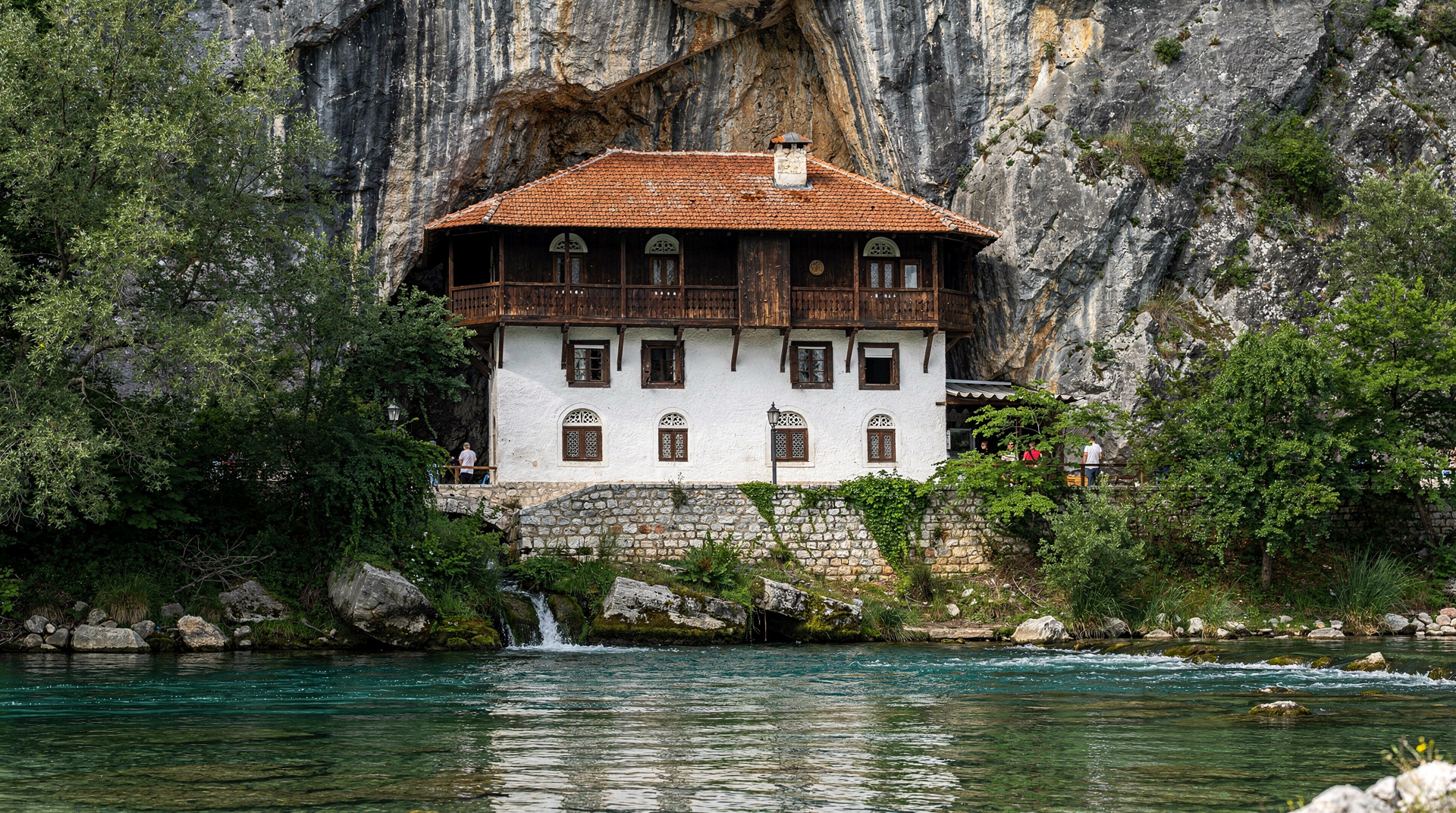
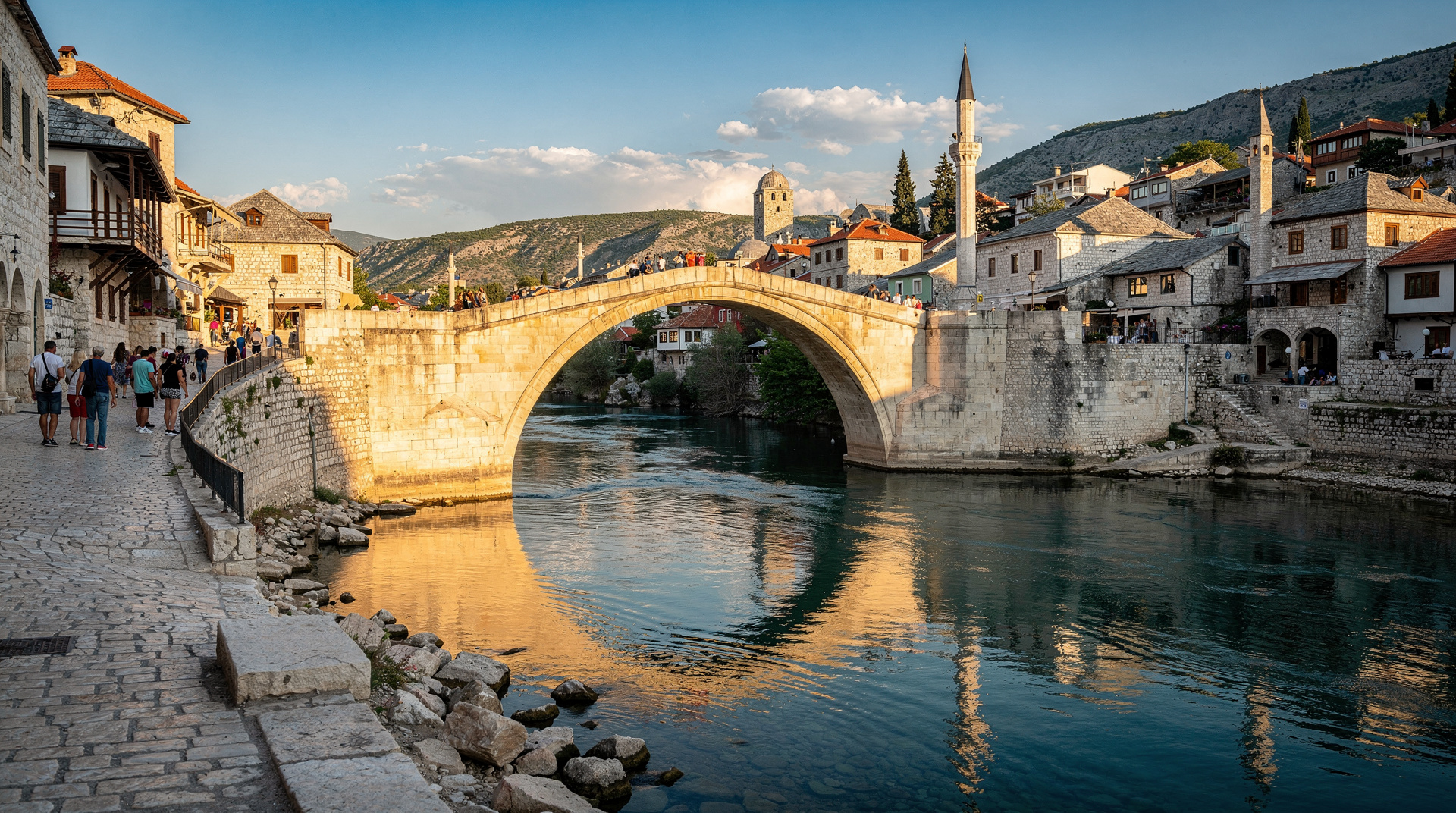
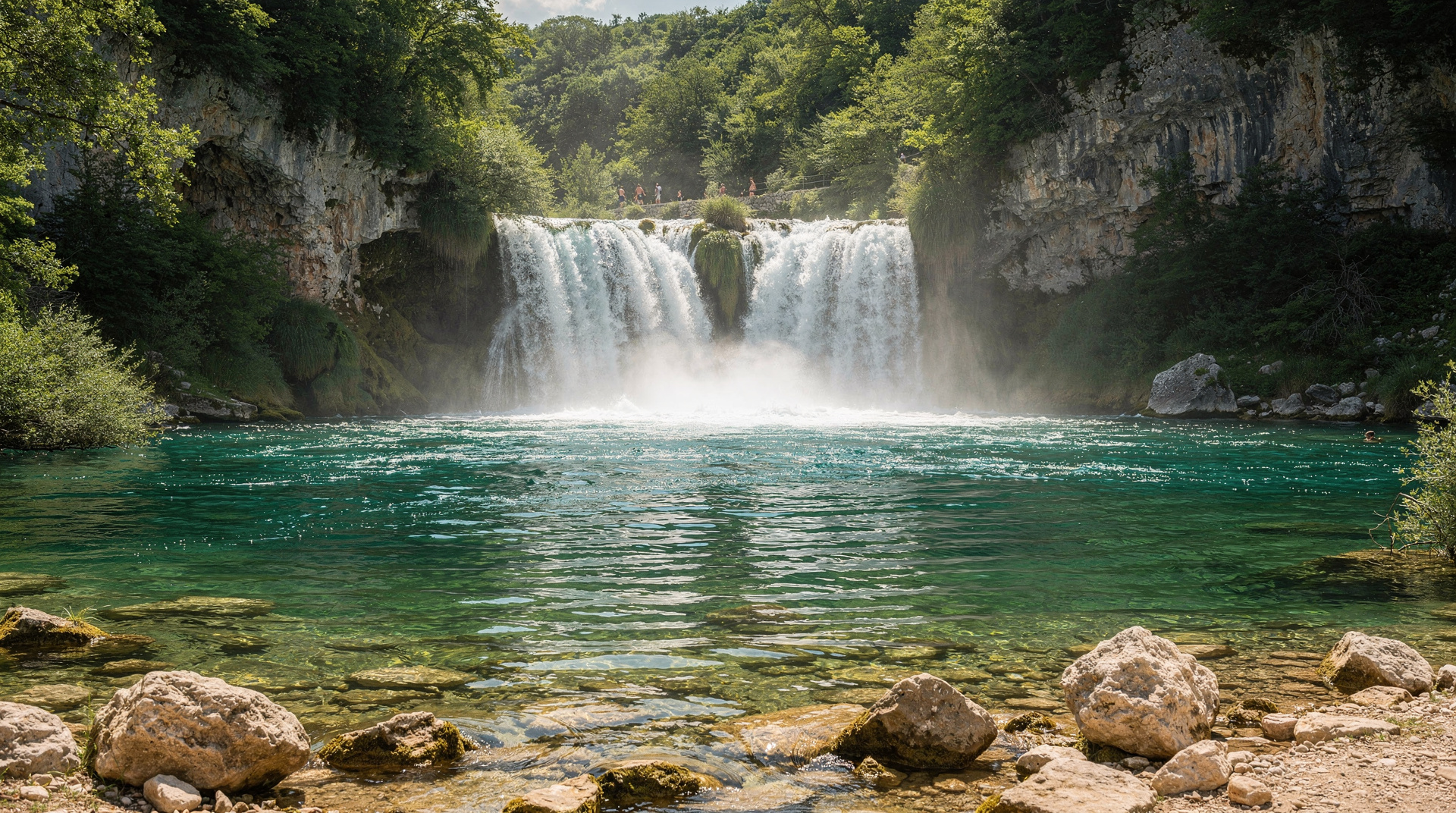
Two nights in Mostar gives you enough time to see the Stari Most bridge divers, walk the old bazaar in both the early morning quiet and the evening buzz, and still have a full day for the Herzegovina loop. The Blagaj Tekke Dervish monastery, the fortified village of Počitelj and the Kravice waterfalls all sit within roughly an hour of Mostar and combine naturally into one day.
For deeper reading, the Stari Most guide covers the bridge’s history and reconstruction, Blagaj Tekke and Počitelj each have dedicated guides, and Kravice waterfalls explains the best swimming spots and when to avoid the coach-tour crowds. For accommodation, see Mostar where to stay.
Making the most of Mostar
Mostar changes character through the day. Early in the morning the bazaar is quiet and the stone lanes feel almost private; by midday the coach groups arrive and the bridge area fills; in the evening the crowds thin again and the lights come on over the Neretva. Plan your walking around that rhythm and keep the middle of the day for the Herzegovina loop, so you are away from town when it is busiest. The Mostar destination page gives an overview of the town, and the Mostar war history guide explains why the bridge you see today is a reconstruction.
Two honest reads are worth your time here. The bridge divers guide explains how the diving tradition really works, and the Mostar tourist traps guide helps you spend money where it counts. For meals, the Mostar restaurants guide is a good starting point.
If you are coming to this leg from the capital without your own car, the Sarajevo to Mostar transport guide lists the options, though the Konjic stop on this route is easiest by car.
Practical notes for the Herzegovina day
The loop through Blagaj, Počitelj and Kravice is easy to enjoy and easy to rush. Start early so the first stop is calm, keep the waterfalls for the warmest part of the day if you plan to swim, and leave time at Počitelj to climb through the village rather than only photograph it from below. Bring cash for small purchases and check the Bosnia money and currency guide so you know what to expect at cafés and car parks. If you would rather not drive yourself, the guided day tour linked above removes the logistics, and the best day trips from Mostar guide shows other ways to use the same day.
Stay on marked paths whenever you leave the villages and towns. The landmine safety guide explains why this matters in some rural areas, and the Is Bosnia safe guide puts the risk in proportion for ordinary visitors.
Days 6-7: Trebinje
Finish in sunny Trebinje for wine, the old town and a slower pace before heading home.
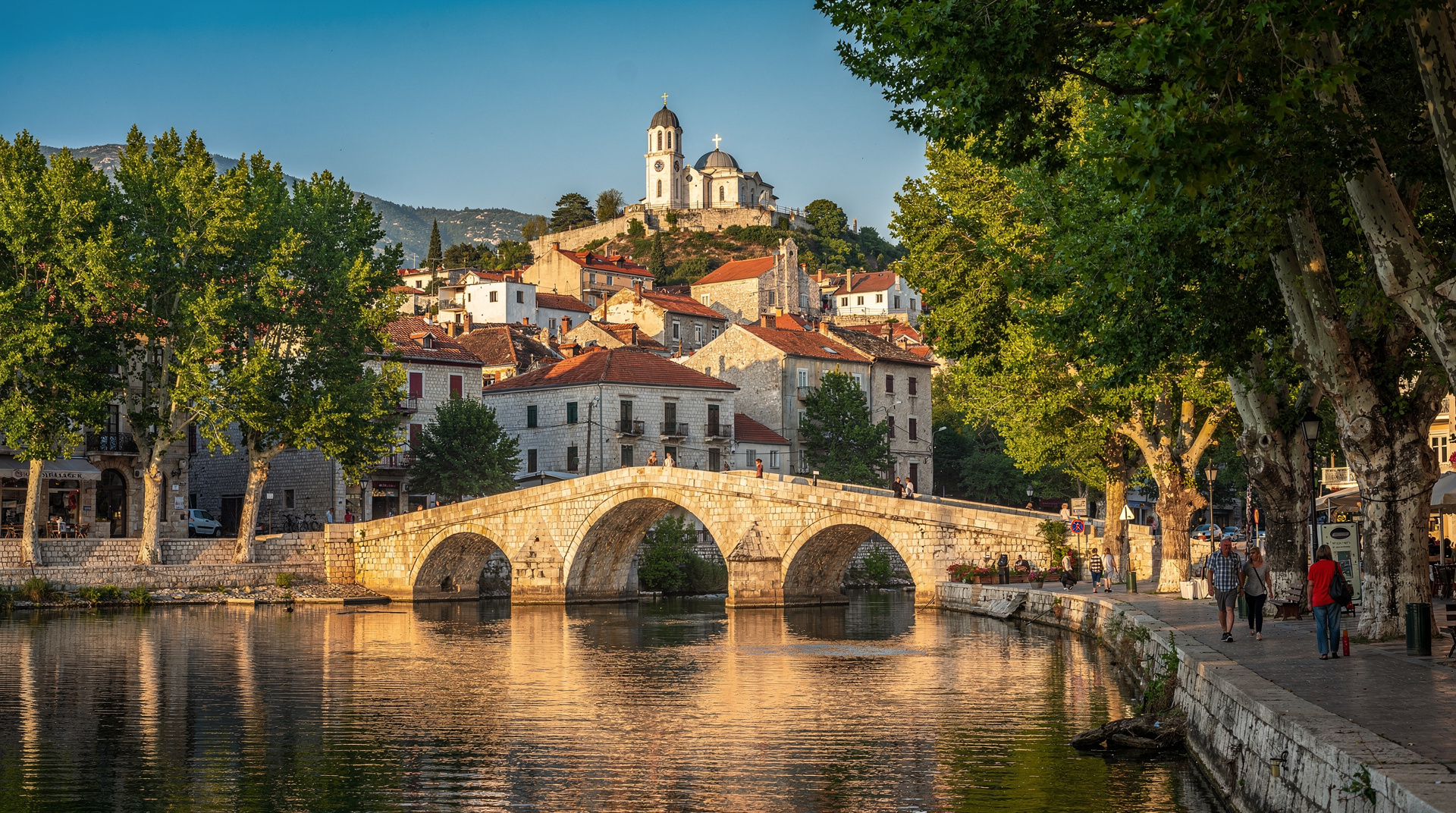
Trebinje sits close to the Montenegrin border, about 90 minutes from Mostar, and feels noticeably different — more Mediterranean, with plane-tree-shaded squares and a growing wine scene. Spend an afternoon in the old town around the Arslanagić Bridge, then head out to the wineries for tastings; the Trebinje wine region guide lists the best cellars to visit. The Hercegovačka Gračanica monastery above town is worth the short climb for the view alone — covered in the Hercegovačka Gračanica guide. From here it is roughly 2.5-3 hours back to Sarajevo to close the loop, or you can exit via Dubrovnik if that suits your flights.
Wine, rakija and the slow end of the trip
The last stretch is the one most travellers underplan. Trebinje is where this itinerary lets you stop moving: sit in the shaded squares, wander the old town without a list, and spend a long afternoon among the vineyards. The Herzegovina wine guide explains the grapes and styles of the wider region, and the rakija guide is useful if you are offered a glass by a host and want to know what you are drinking. Drivers should arrange a designated driver or a taxi for tastings. The Trebinje destination page gives a short orientation for planning the stay.
Getting around and choosing your exit
A rental car makes this route far easier, and the renting a car in Bosnia guide covers the paperwork and what to check at pickup. Mountain roads are slower than the map suggests, so avoid scheduling anything fixed on the afternoon of a long driving day. If you decide to leave through Croatia, the Dubrovnik to Sarajevo route guide describes the journey in the other direction, and the Neum corridor crossing guide explains the short stretch of Bosnian coast you may cross on the way.
When to go
The route works best in late spring and early autumn, when walking is pleasant and the waterfalls and rivers are at their best. Summer brings heat in Herzegovina and larger crowds at the headline sights, while winter closes or shortens some of the outdoor activities. The best time to visit Bosnia guide breaks down each season in more detail.
Top experiences
Bookable activities with verified prices and instant confirmation on GetYourGuide.