Konjic
Guide to Konjic: the secret ARK D-0 bunker, Neretva River rafting, the Ottoman bridge, and the dramatic canyon between Sarajevo and Mostar.
Tito's Cold War Bunker (ARK D-0) Visit
Quick facts
- Region
- Herzegovina-Neretva Canton
- Distance from Sarajevo
- 55 km / 50 min by car
- Distance from Mostar
- 75 km / 1h by car
- Tito's Bunker entry
- ~45 EUR / person
- Rafting season
- April-September
- Currency
- BAM (1 EUR = 1.95583 KM)
| At a glance | |
|---|---|
| Where | Herzegovina-Neretva Canton, roughly midway between Sarajevo and Mostar |
| Cost | ARK D-0 tour around 45 EUR; rafting day around 80-120 BAM; town itself is free to explore |
| Time needed | A full day, or a half-day stop if only doing the bunker or the old town |
| Getting there | Self-drive or intercity bus from Sarajevo (~1h) or Mostar (~1h) |
| Best time | April-October; rafting season runs April-September |
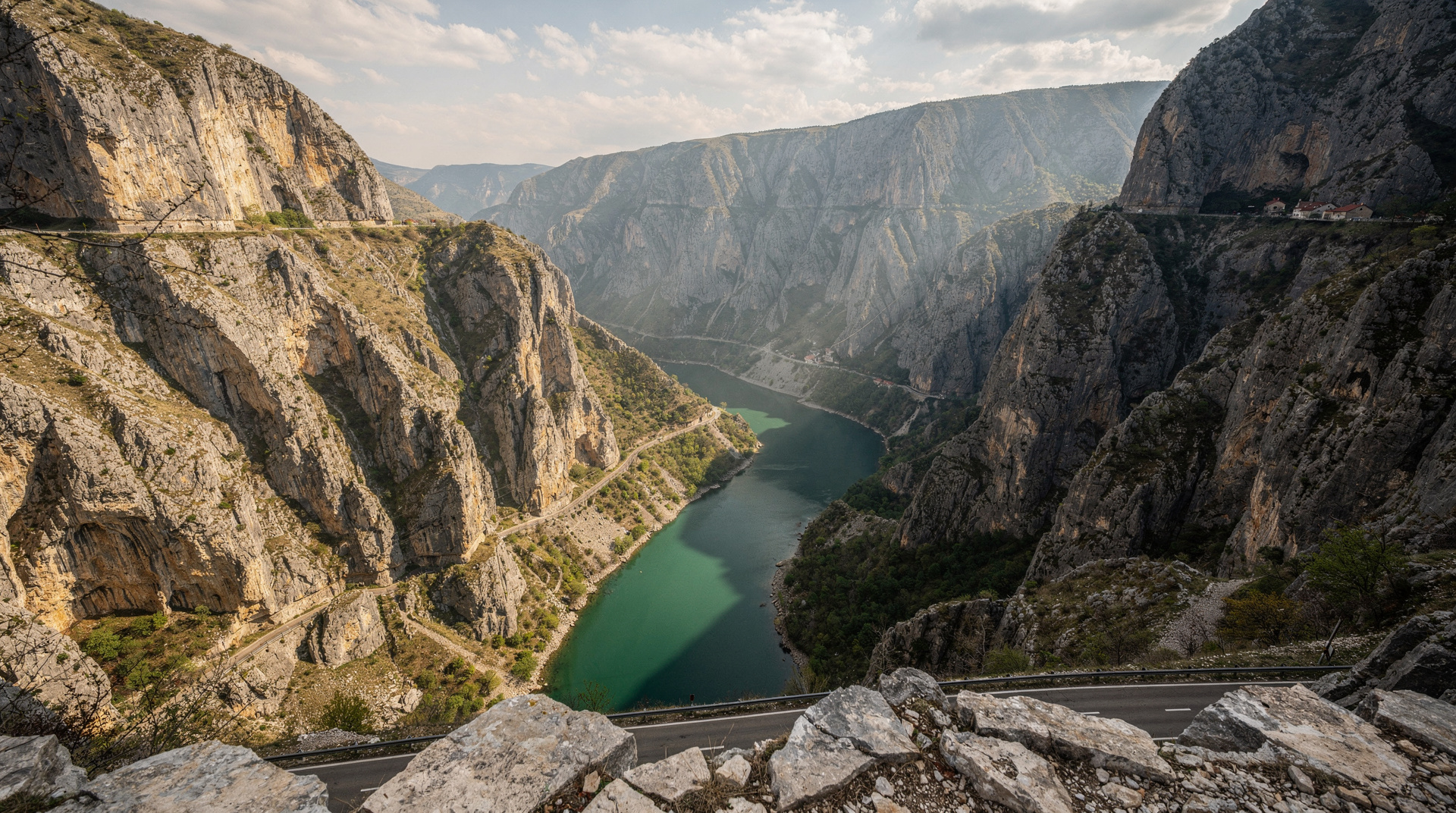
Konjic punches well above its weight for a town of 25,000 people. Sitting at the northern entrance to the Neretva canyon, roughly midway between Sarajevo and Mostar, it offers one of Bosnia’s most extraordinary attractions (Tito’s secret nuclear bunker), some of the country’s best whitewater rafting, a well-preserved Ottoman bridge, and a dramatic alpine backdrop courtesy of the Prenj and Bjelašnica massifs.
For most travellers, Konjic is a day trip from Sarajevo or a stop on the road south to Mostar. But it deserves more time than it typically gets.
Getting to Konjic
From Sarajevo, Konjic is 55 km south on the M-17, about 50 minutes by car. Buses run several times daily from Sarajevo’s main bus station (about 8-10 BAM; journey ~1h). The bus drops you in the town centre.
From Mostar, the distance is 75 km north along the Neretva gorge, about 1 hour by car. The route through the canyon is spectacular.
No train currently runs this section of the old Sarajevo-Mostar line. If you want to experience the canyon by rail, the scenic train from Sarajevo to Mostar crosses the northern part of the gorge but does not stop at Konjic station in a practical way for tourists.
ARK D-0: Tito’s nuclear bunker
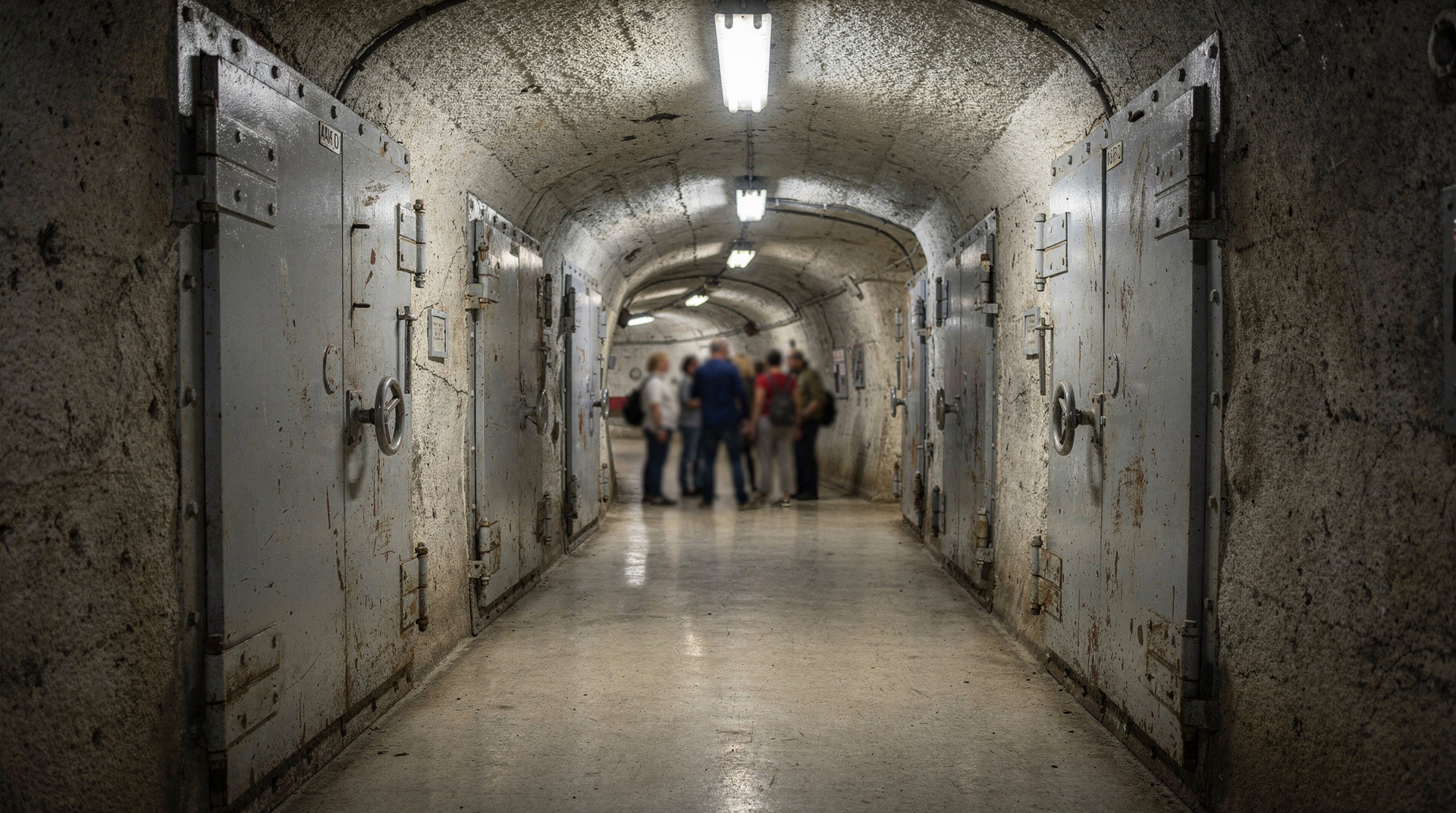
ARK D-0 is the single most unusual attraction in Bosnia and Herzegovina. Built between 1953 and 1979 at a cost of approximately 4.6 billion USD in today’s terms, the bunker was designed to shelter Yugoslav President Josip Broz Tito and 350 staff members during a nuclear attack. Located in the Bjelašnica mountain above Konjic, it remained a classified Yugoslav military secret until the 1990s.
The complex is enormous: 6,500 square metres of tunnels, meeting rooms, bedrooms, offices, a communications centre, and air filtration systems bored deep into solid rock. The scale of the paranoia — and the expenditure — that went into building it is staggering. Today it operates partly as a museum and partly as a contemporary art space (Konjic holds an international art biennial inside the bunker).
A guided tour of ARK D-0 is the standard way to visit; independent entry is not available. Tours run several times daily and last about 90 minutes. Entry costs approximately 45 EUR (around 88 BAM) per person — expensive by Bosnian standards but entirely justified by the spectacle. Bring a jacket; the underground temperature is a constant 13°C regardless of season.
A combined ARK D-0 and Konjic city tour pairs the bunker with the old town and Ottoman bridge, making efficient use of a full day.
Neretva River rafting
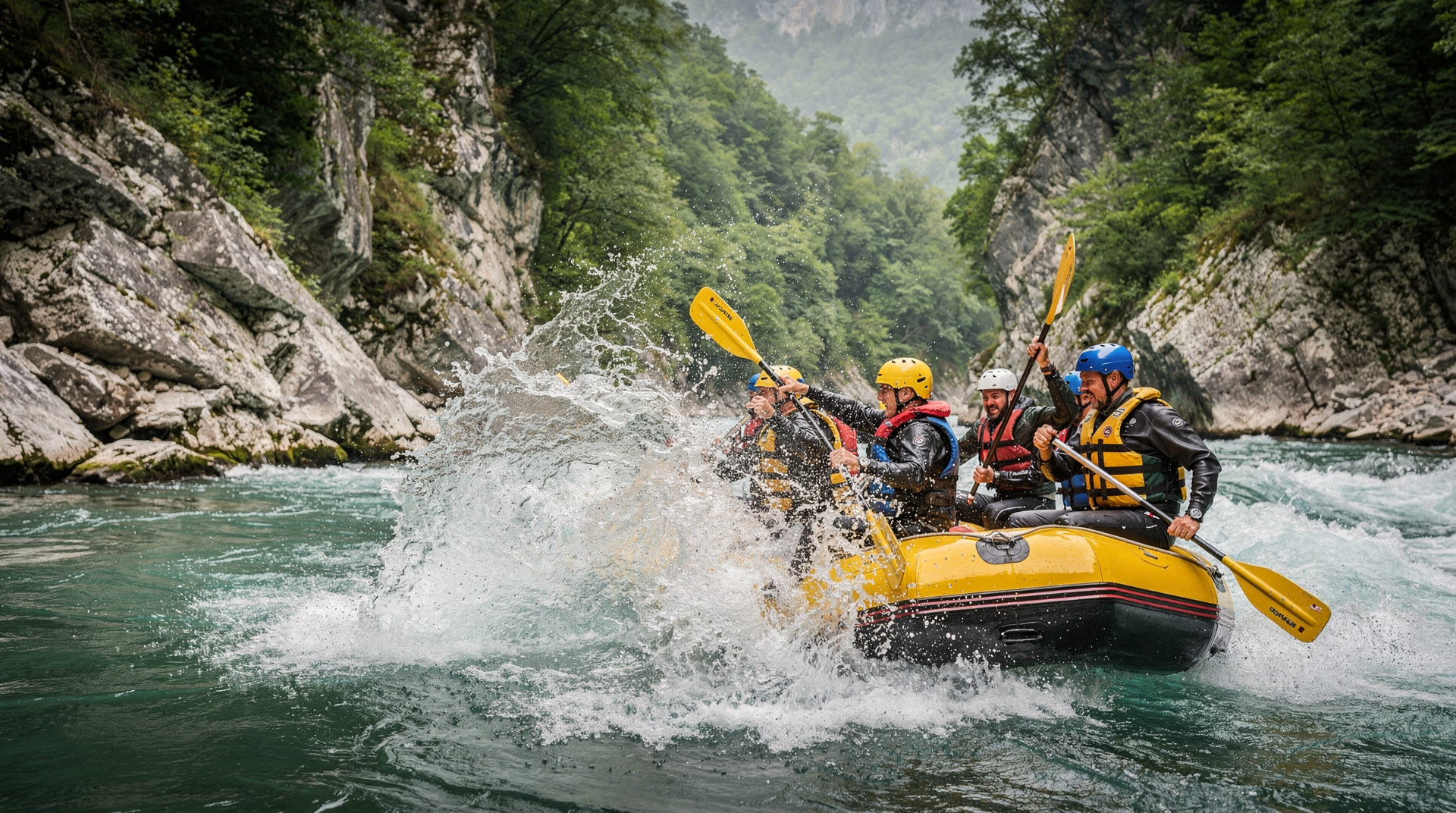
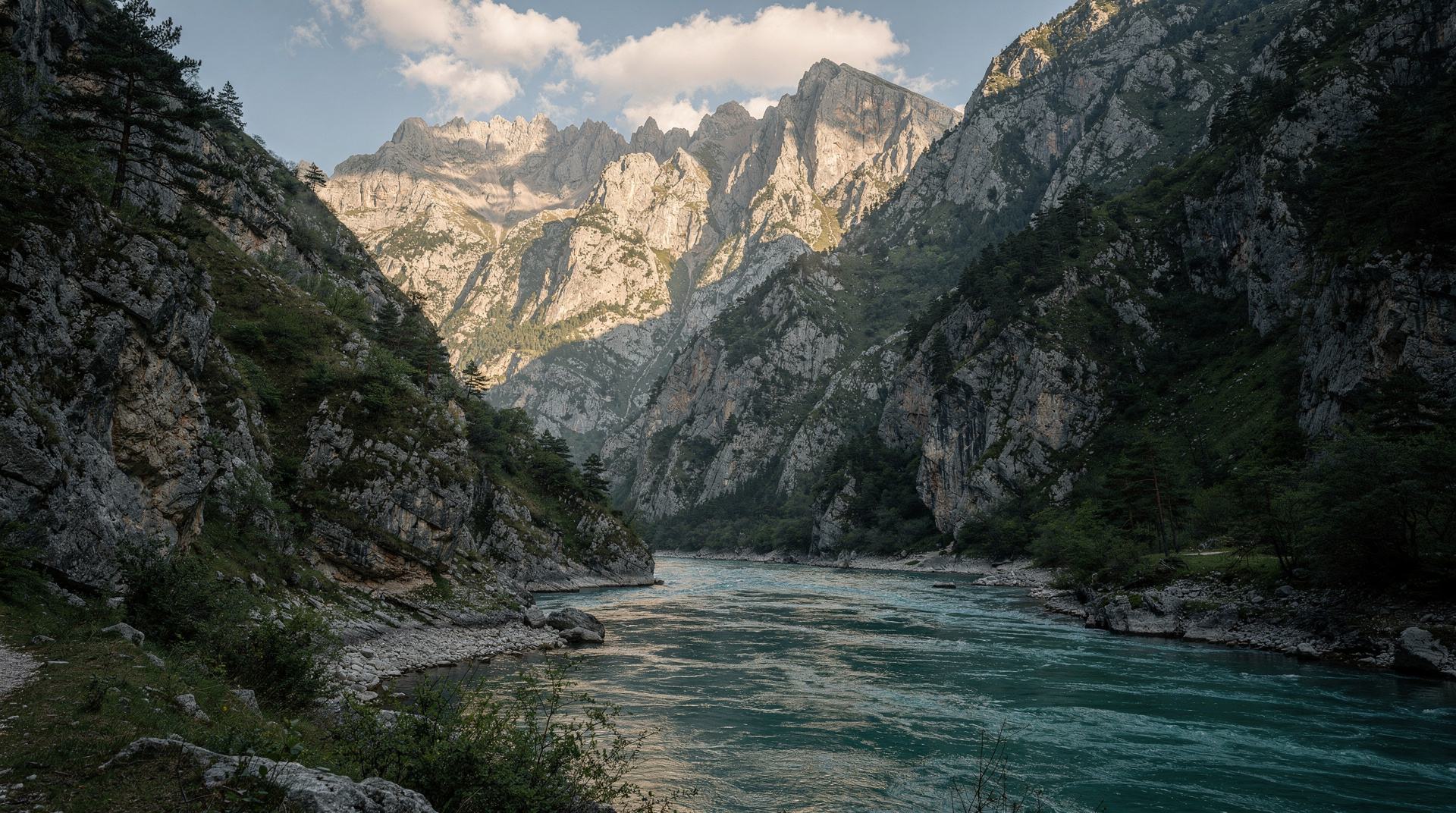
The Neretva cuts a deep, green canyon between Konjic and Jablanica — one of the most scenic stretches of river in the Balkans. The whitewater on this section is Grade II-III, making it accessible to beginners while still being exciting. The rafting season runs from April through September; the river is most powerful in spring (April-May) when snowmelt is high.
Most commercial rafting trips put in near Konjic and run downstream for 10-14 km through the canyon. The water is emerald green, cold and clear. A full rafting day including gear, guide, transport and lunch costs around 80-120 BAM per person with local operators.
A Neretva rafting tour from Konjic is bookable in advance and is strongly recommended in peak season (June-August) when local operators fill up quickly. The tour includes all equipment and a guide; no prior rafting experience is necessary.
The old town and Ottoman bridge
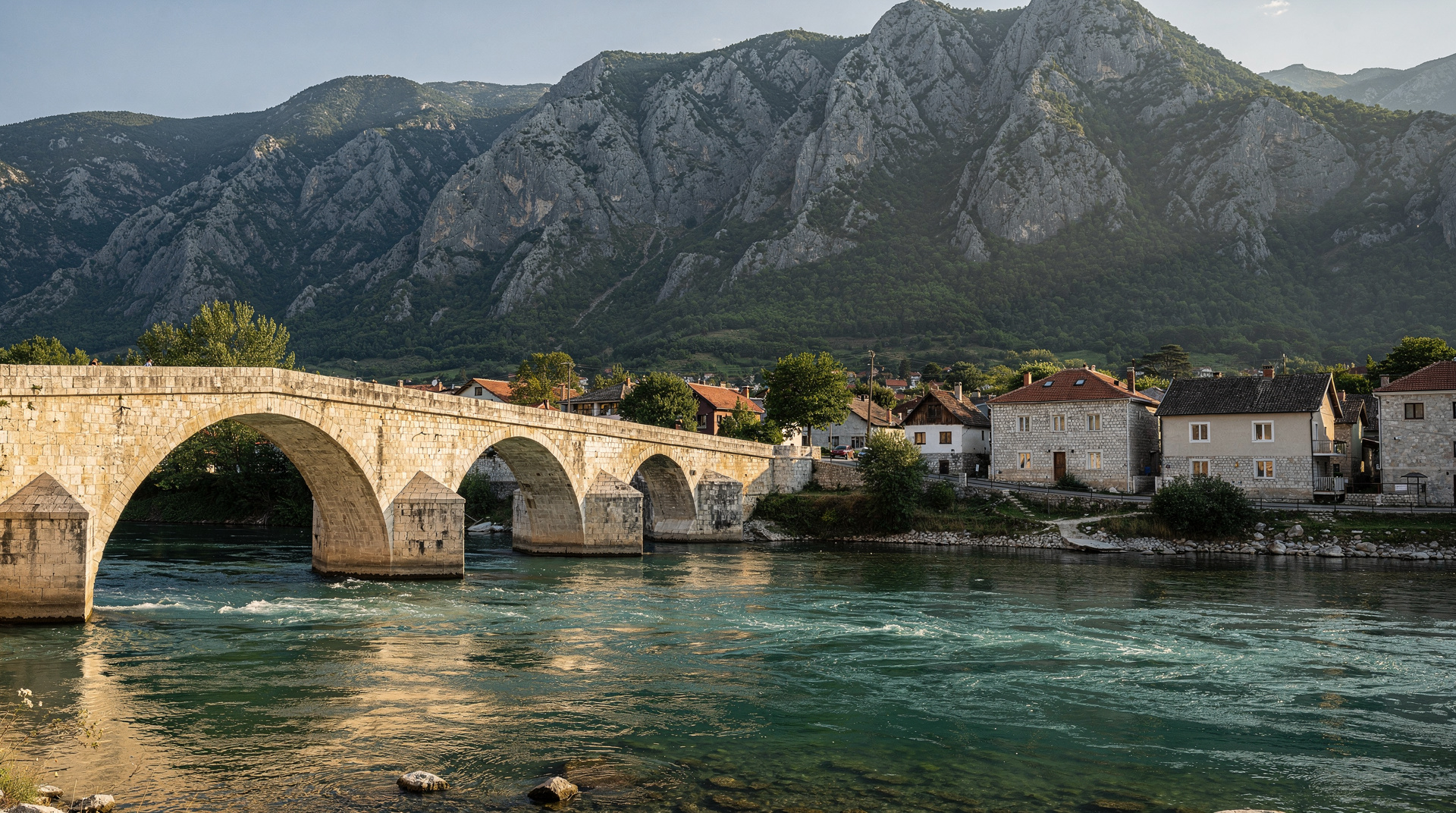
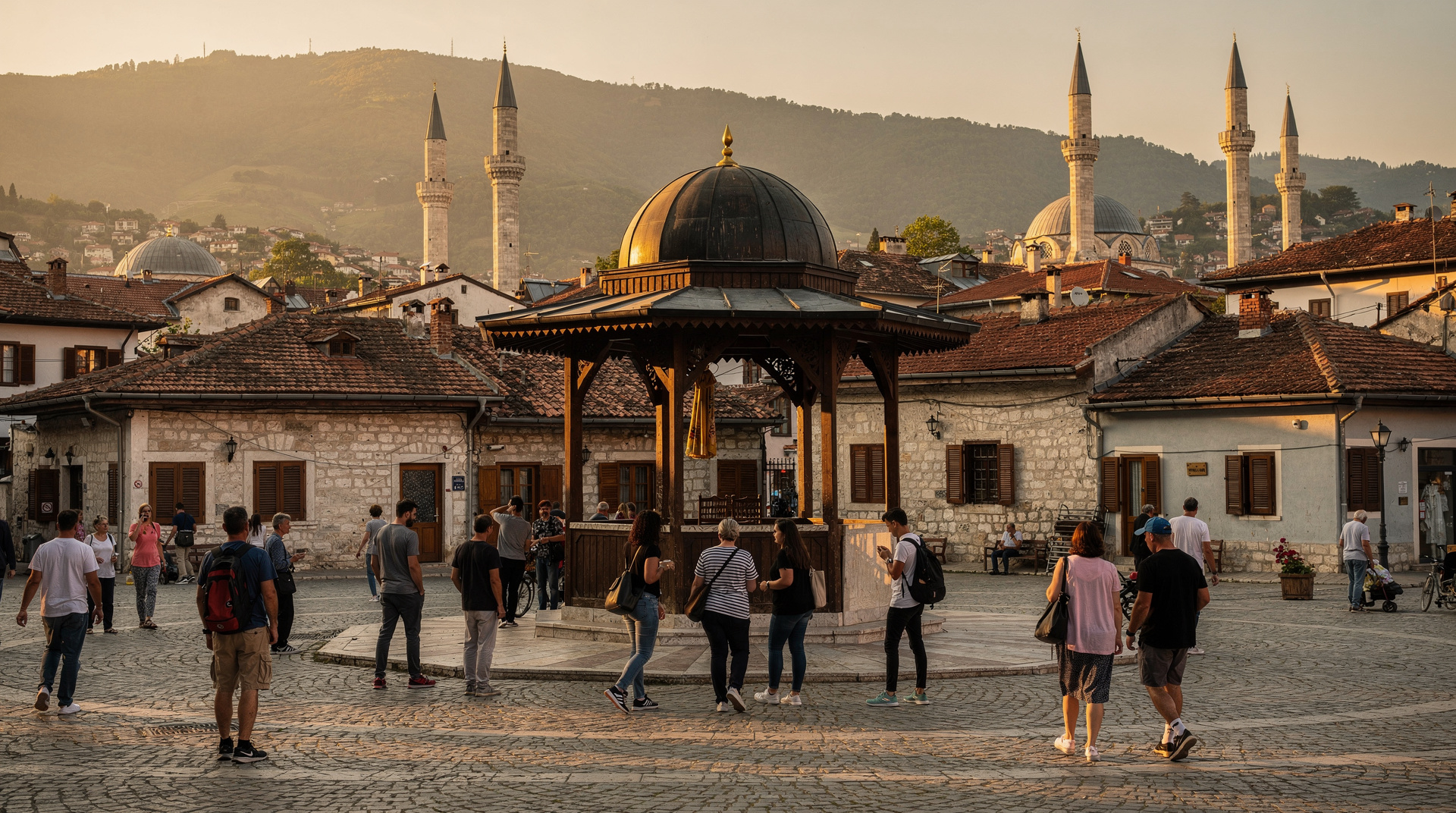
Konjic’s old town is small but genuinely appealing. The Stara Ćuprija (Old Bridge), built in 1682 during the Ottoman period, spans the Neretva in a graceful single arch. It was destroyed in World War II and rebuilt in 2009, making it younger-looking than its Mostar counterpart but no less elegant. The surrounding kafanas (coffee houses) and craft workshops along the riverbank are unhurried and local in atmosphere.
The town also has a small museum covering the Yugoslav resistance, wartime history, and regional geology. Entry is modest (around 3-4 BAM).
Prenj and Bjelašnica: the mountain backdrop
For hikers, Konjic is a gateway to two major mountain massifs. Prenj, sometimes called the “Bosnian Himalaya” for its rugged ridgeline, rises directly south of Konjic to peaks over 2,100 metres. It is a serious mountain — trails require proper equipment and navigation skills. See the Prenj mountain guide for details.
Bjelašnica to the northeast (also home to the ARK D-0 bunker) is more accessible, with trails from the village of Umoljani connecting to the highland shepherd village of Lukomir and the former 1984 Olympic downhill course.
Where to eat and stay
Restaurants: Local eateries around the old town bridge serve solid Bosnian standards (ćevapi, grill, trout from the Neretva) for 12-20 BAM per meal. Restaurant Stara Ćuprija (by the bridge) and Restoran Ideja are frequently recommended.
Accommodation: Konjic is most commonly visited as a day trip from Sarajevo, but a handful of guesthouses operate in and around town (from 50-80 BAM per person). For a longer adventure stay, several whitewater operators have riverside camps with accommodation.
Practical details
- ARK D-0 booking: Reserve in advance online, especially for weekends and summer months. The tour must be booked; there is no walk-up option.
- Rafting booking: Can sometimes be arranged on arrival with local operators in the off-peak months; book ahead for July-August.
- Getting around: Konjic town centre is walkable; the bunker and rafting put-in require a car or tour transport.
- Mines: As with all non-urban areas of Bosnia, stay on marked paths if hiking outside the town. The Prenj and Bjelašnica ranges have areas still being cleared of wartime landmines.
See the full Tito’s Bunker guide and the Neretva rafting guide for more detail on both major attractions, or read the Konjic day trip guide to plan a single day from Sarajevo efficiently.
Shaping your day in Konjic
The simplest way to use Konjic well is to decide early which of its two headline experiences you want, then fit the rest around it. The bunker is a fixed-time, indoor visit, so it works on any weather day and anchors a morning or an afternoon. Rafting depends on the river and the season, and it leaves you pleasantly tired, so it suits a slower second half of the day with a long lunch by the water. Trying to squeeze both into a single day trip from the capital is possible, but it turns a relaxed stop into a schedule; if you have a spare night, take it. The Konjic day trip guide lays out a single-day version for anyone who has to go back the same evening.
If you are coming from Sarajevo, an early start pays off. The road south is easy to drive, and arriving ahead of the tour groups gives you the old town to yourself for a first coffee. Travellers without a car should read the guide to buses in Bosnia before relying on a particular departure, and anyone tempted by the freedom of their own wheels will find the practicalities in the car rental guide and the driving in Bosnia guide. For the wider picture of moving around the country, see getting around Bosnia.
Konjic in the story of the country
Konjic is a good place to feel how many layers Bosnia carries. The Ottoman bridge belongs to the same world as the bridges and bazaars that fill Ottoman heritage in Bosnia; the bunker belongs to the Yugoslav decades of Cold War anxiety and state secrecy; and the surrounding mountains remember the 1990s. If these threads interest you, Bosnia history for travellers gives the short version, and the Yugoslav wars explained puts the later chapter in context before you go. Seeing a place like ARK D-0 first, and then Sarajevo or Mostar afterwards, makes the museums and memorials there land harder.
Visitors who enjoy that kind of connected reading often pair Konjic with Sarajevo at one end and Mostar at the other, treating the town as the hinge of the route rather than a detour. The Sarajevo and Mostar in three days itinerary is built around exactly that kind of flow.
Making the most of the Neretva
The river is the real reason Konjic feels different from a typical inland town. Even if you never step into a raft, the colour of the water and the steepness of the valley walls are worth a slow look from the bridge or a riverside terrace. If rafting appeals but you are unsure how it compares with the country’s other rivers, the rafting in Bosnia guide compares the main options, and the Neretva rafting guide covers this stretch in more detail. Those who prefer paddling at their own pace may also like the kayaking guide.
A few habits make the day go better. Wear clothes that dry quickly, bring a change for afterwards, and leave valuables in the car or at your guesthouse rather than in a pocket. Listen to the guide’s briefing even if you have rafted before, because conditions change from one week to the next with the snowmelt and the rain. Rafting in the cold, clear water is refreshing in summer and decidedly bracing in spring, so dress for the season you chose.
Pairing Konjic with other stops
Konjic sits in the northern part of Herzegovina, and many of the region’s best sights are within reach if you keep going south. A natural next stop is Mostar and its famous bridge, and from there the villages of Blagaj and Počitelj and the cascades at Kravice waterfalls fill out a rewarding loop. The Herzegovina weekend itinerary strings several of them together, and the best day trips from Mostar shows how they fit around a base in that city.
If you are staying in the capital instead, the best day trips from Sarajevo puts Konjic alongside other options so you can judge how it compares. Travellers building a longer journey can slot it into the 7-day Bosnia itinerary, and those who care about the highlands can look at Bjelašnica and Igman as a companion to the bunker visit.
Seasons and timing
Konjic works across the year, but each season gives it a different character. Spring brings the strongest river and a green valley, autumn brings gentler light and thinner crowds, and summer is the busiest and warmest time for the water. Winter is quieter, with the bunker still open to visit as an indoor activity and the old town at its most peaceful, though rafting is out of season. The best time to visit Bosnia helps you weigh these trade-offs against the rest of your itinerary.
Hiking and safety around Konjic
The mountains above the town reward careful walkers. For ideas beyond Prenj, the hiking in Bosnia guide surveys the country’s main routes. Whatever you choose, read the landmine safety guide first, keep to marked paths, and tell your host or guide where you are heading. Mountain weather can turn quickly, so carry layers and water even on a day that begins sunny, and turn back early rather than late if conditions change.
Choosing what to prioritise
| Activity | Time needed | Who it suits | Booking |
|---|---|---|---|
| ARK D-0 bunker tour | ~90 min visit | History and Cold War curiosity, anyone regardless of fitness | Must be booked in advance, no walk-up |
| Neretva rafting | Half a day | Adventure travellers, Grade II-III suits beginners | Book ahead June-August, easier off-peak |
| Old town & Ottoman bridge | 1-2 hours | Anyone passing through, no planning needed | None |
| Prenj/Bjelašnica hiking | Half to full day | Experienced hikers with proper gear | Self-guided or local guide recommended |
If you’re building a longer route rather than a single stop, Konjic slots naturally into the leg between Sarajevo and Mostar — see the Sarajevo to Mostar transport guide for how it fits, or the Sarajevo 4-day deep dive itinerary for a slower-paced trip that leaves room for a Konjic day. Hikers heading up onto Bjelašnica from this side sometimes connect toward Lukomir village via the Lukomir village hike guide, though that route is a separate full-day undertaking.
Frequently asked questions about Konjic
Can you visit Tito’s bunker without booking a tour in advance? No — ARK D-0 has no walk-up or independent entry option. Tours must be reserved ahead of time, and this is especially important on weekends and during the summer season when slots fill quickly.
Is Konjic worth a stop if I’m only driving between Sarajevo and Mostar? Yes, even a short stop for the old town and Ottoman bridge is worthwhile given it’s directly on the route, but to get real value — the bunker or rafting — plan for at least half a day rather than a quick photo stop.
Top experiences
Bookable activities with verified prices and instant confirmation on GetYourGuide.