Sarajevo 4-day deep dive
Sarajevo: Old Town to Modern City Walking Tour
Four days in Sarajevo is not too many. This is one of the most layered cities in Europe — simultaneously Ottoman, Austro-Hungarian, Yugoslav and post-war — and it rewards time spent slowly. This itinerary also ventures to the plateau above the city and to Konjic, close enough for a comfortable day trip without a rental car.
At a glance
| Where | Sarajevo old town, Bjelašnica plateau, Konjic |
| Cost | Around 250–400 EUR/person for 4 days mid-range, tours included |
| Time needed | 4 full days, no rental car required |
| Getting there | Sarajevo Airport, bus line 36 into town |
| Best time | Late spring to mid-October for the Lukomir hike; year-round for the city itself |
Day 1: Baščaršija, the four faiths and the river
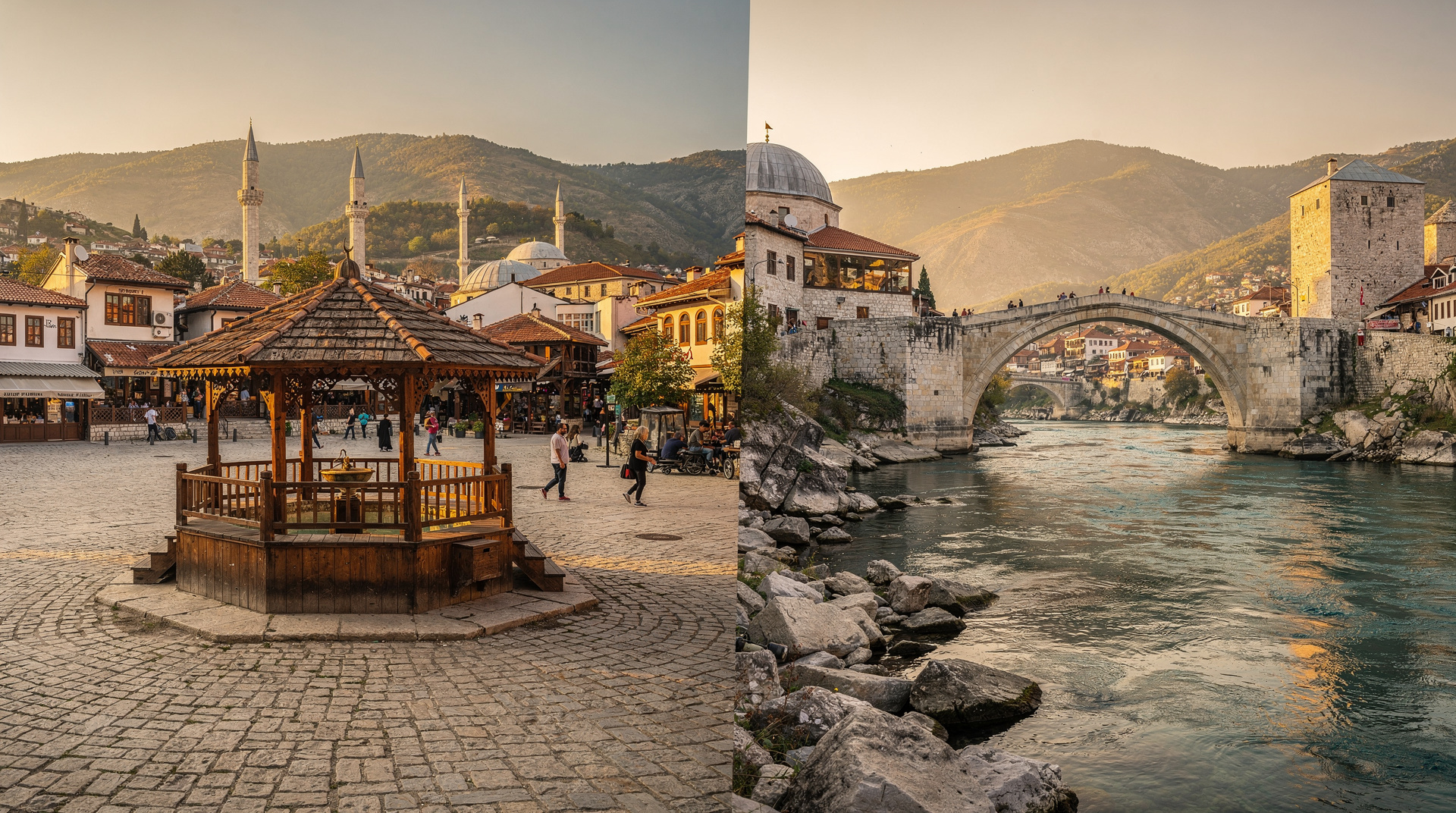
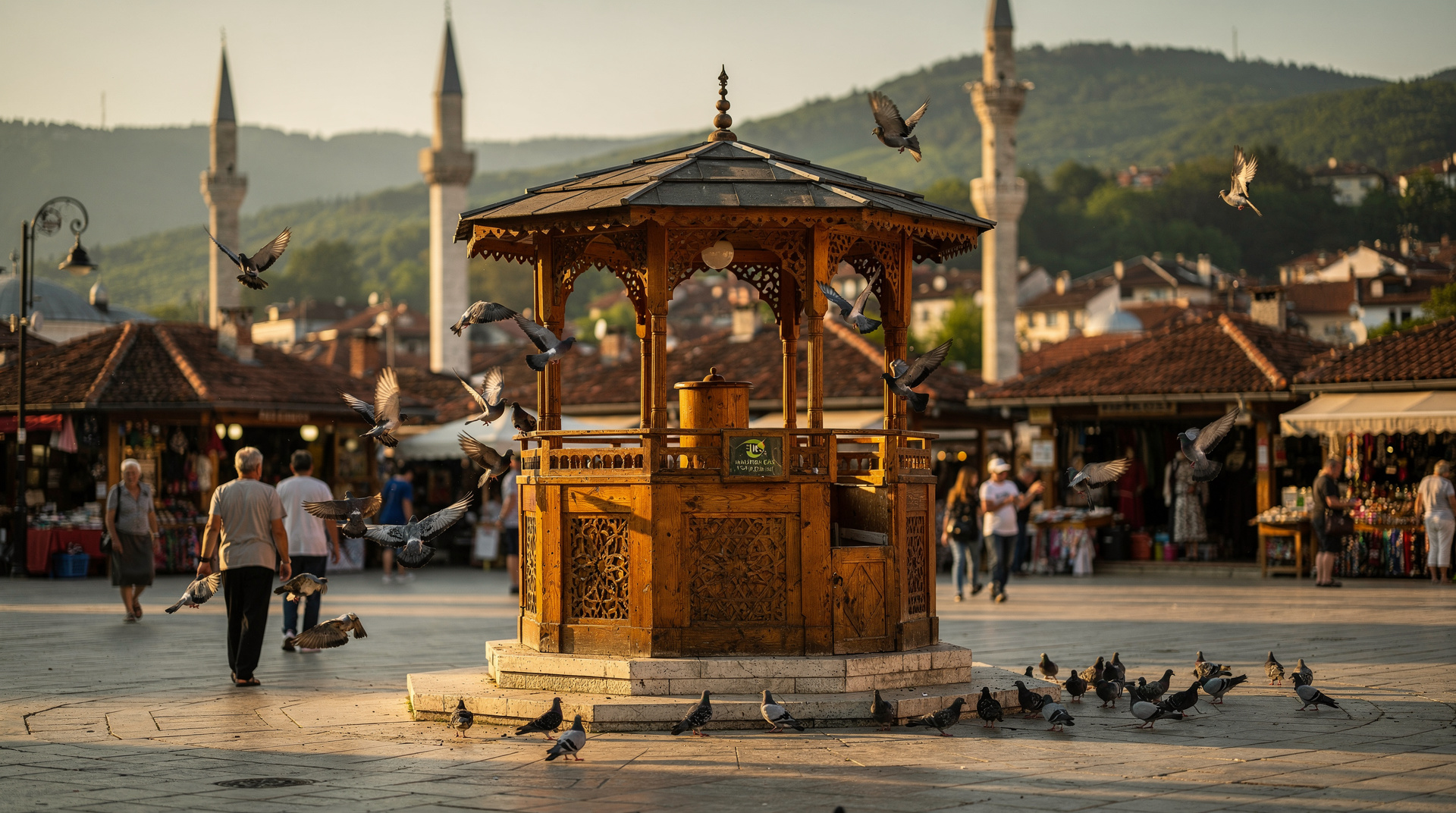
Arrive in the morning if possible. Take the airport bus (line 36, 5 BAM) to the main bus station and tram to Baščaršija — total cost under 7 BAM. Check into a guesthouse or hotel in the old quarter; the streets around Sebilj fountain are the most atmospheric.
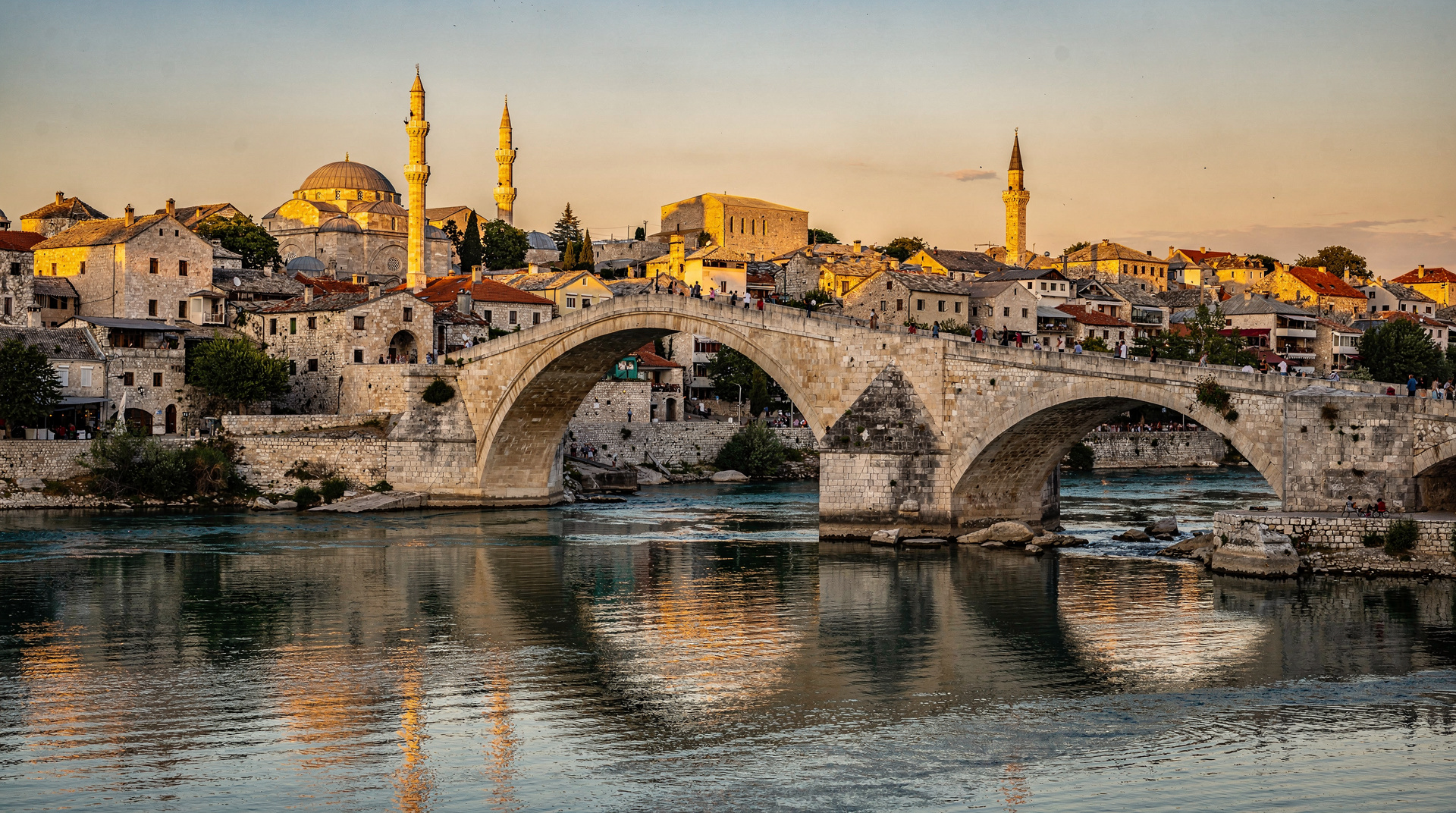
Spend the afternoon on a guided Old Town walking tour. A good guide takes you through the Ottoman quarter, the Catholic and Orthodox cathedrals visible from each other across the Ferhadija pedestrian street, the 16th-century Gazi Husrev-beg Mosque and Bezistan, and the Austro-Hungarian ring boulevards beyond. The crossing point where East meets West is marked by a single pavement tile on Ferhadija — famous and genuinely fascinating.
Evening: eat ćevapi. The dish is Sarajevo’s own — minced beef sausages (cevapi) served in a warm somun flatbread with raw onion, ajvar and kaymak cream. Aščinica Tima-Irma in Čobanija is consistently excellent; expect to pay 12–18 BAM (~6–9 EUR) for a full portion.
Day 2: War history, the Tunnel of Hope and yellow fortress
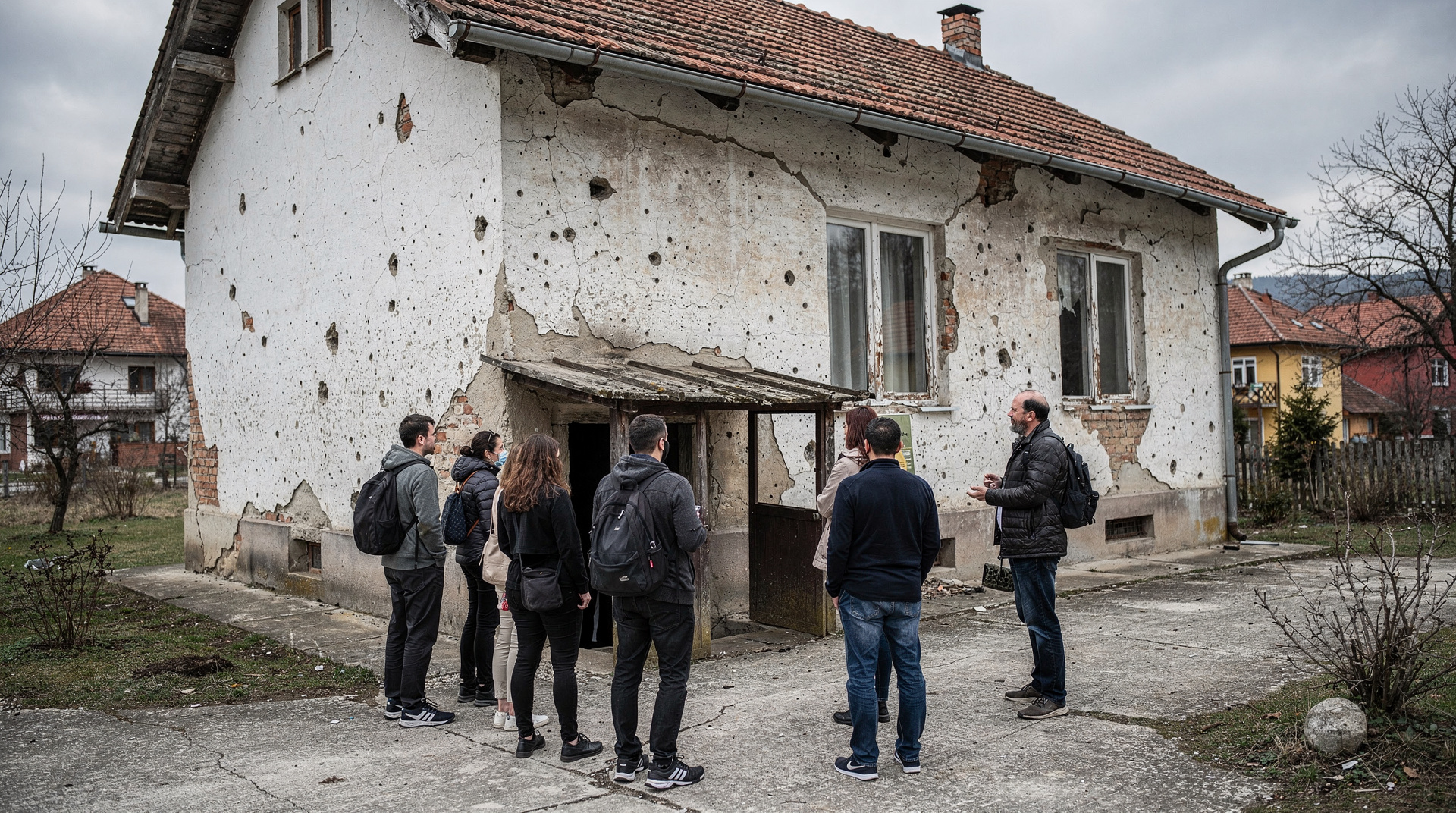
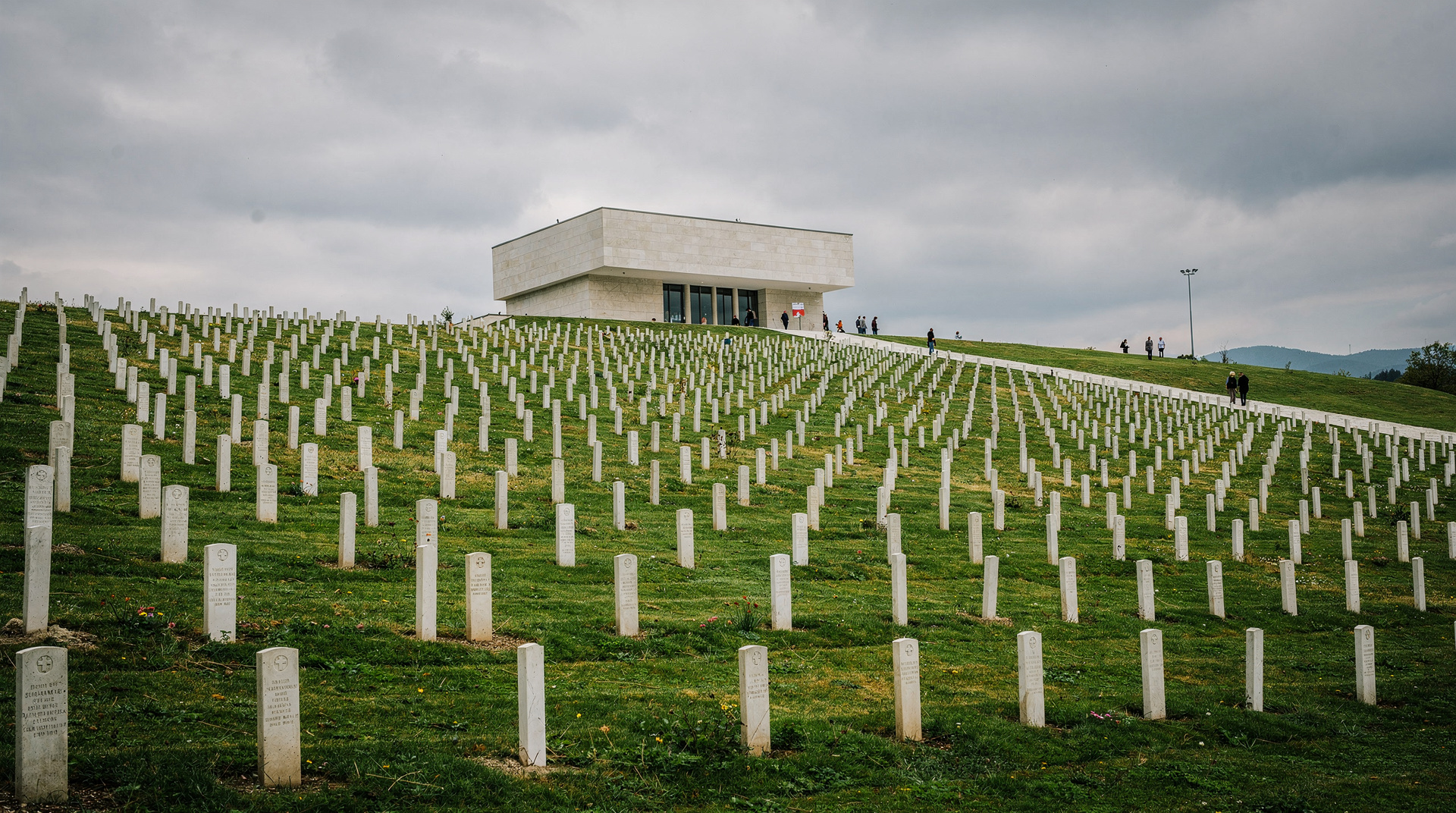
Join the Bosnian War and Fall of Yugoslavia tour. This ~4-hour guided experience covers the political context of the 1990s disintegration of Yugoslavia, the specific events of the 44-month Sarajevo siege, and ends at the Tunnel of Hope Museum (Muzej Tunel) in the Butmir suburb. The tunnel — hand-dug beneath the UN airport runway, completed in 1993 — was the only lifeline into the besieged city. The tour includes transport.
Afternoon: the Yellow Bastion (Žuta tabija) above the old town is a 10-minute walk from Baščaršija and provides the best panoramic view of the city. The path to the bastion runs through the old town’s residential quarter — narrow lanes, garden walls, local life. No entrance fee.
Evening: wander Skenderija and the New Town for a different face of Sarajevo — the tram-lined Ferhadija gives way to a Yugoslav-era city of broad boulevards, department stores and riverside cafés.
Day 3: Lukomir and the Bjelašnica plateau
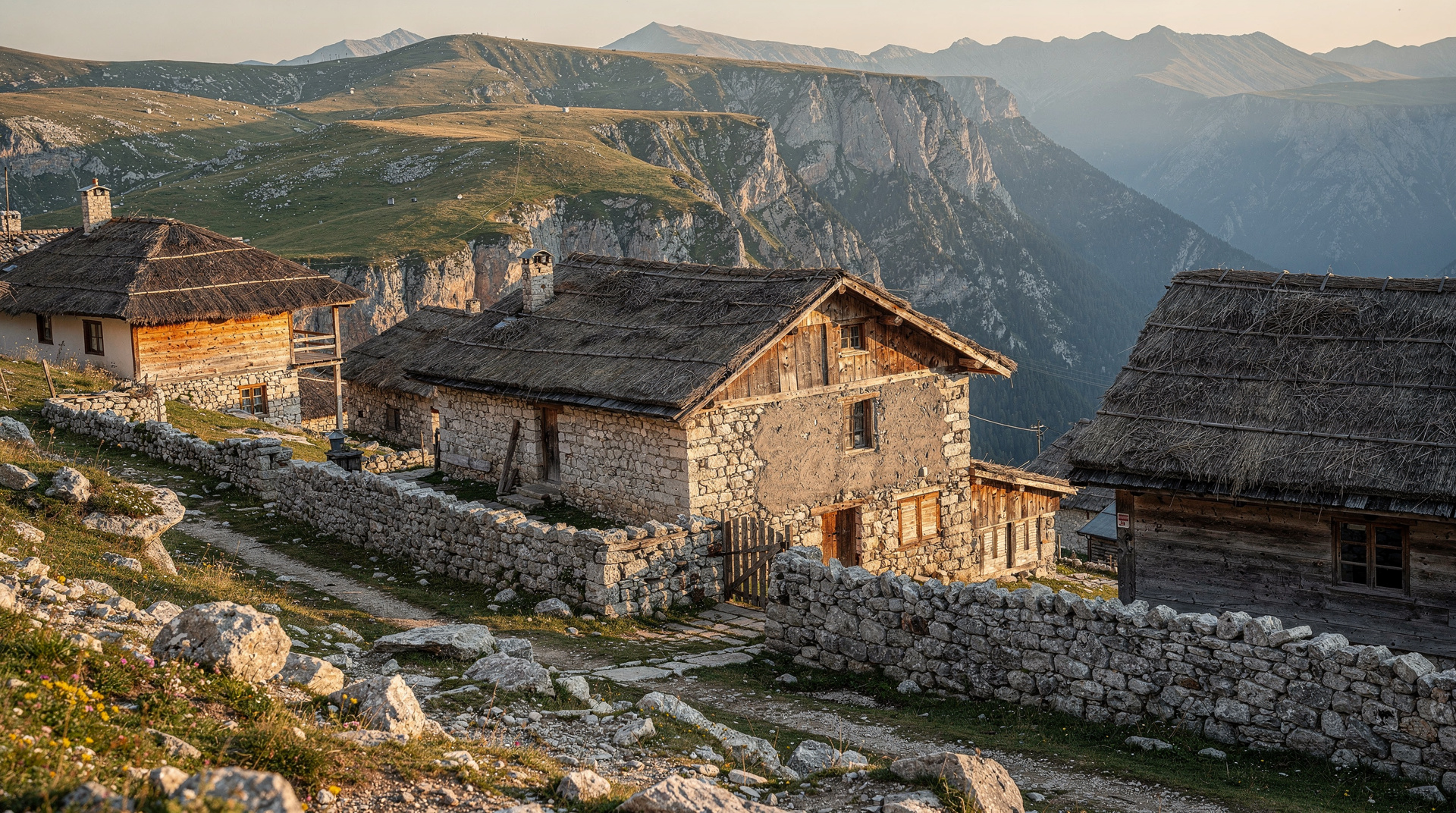
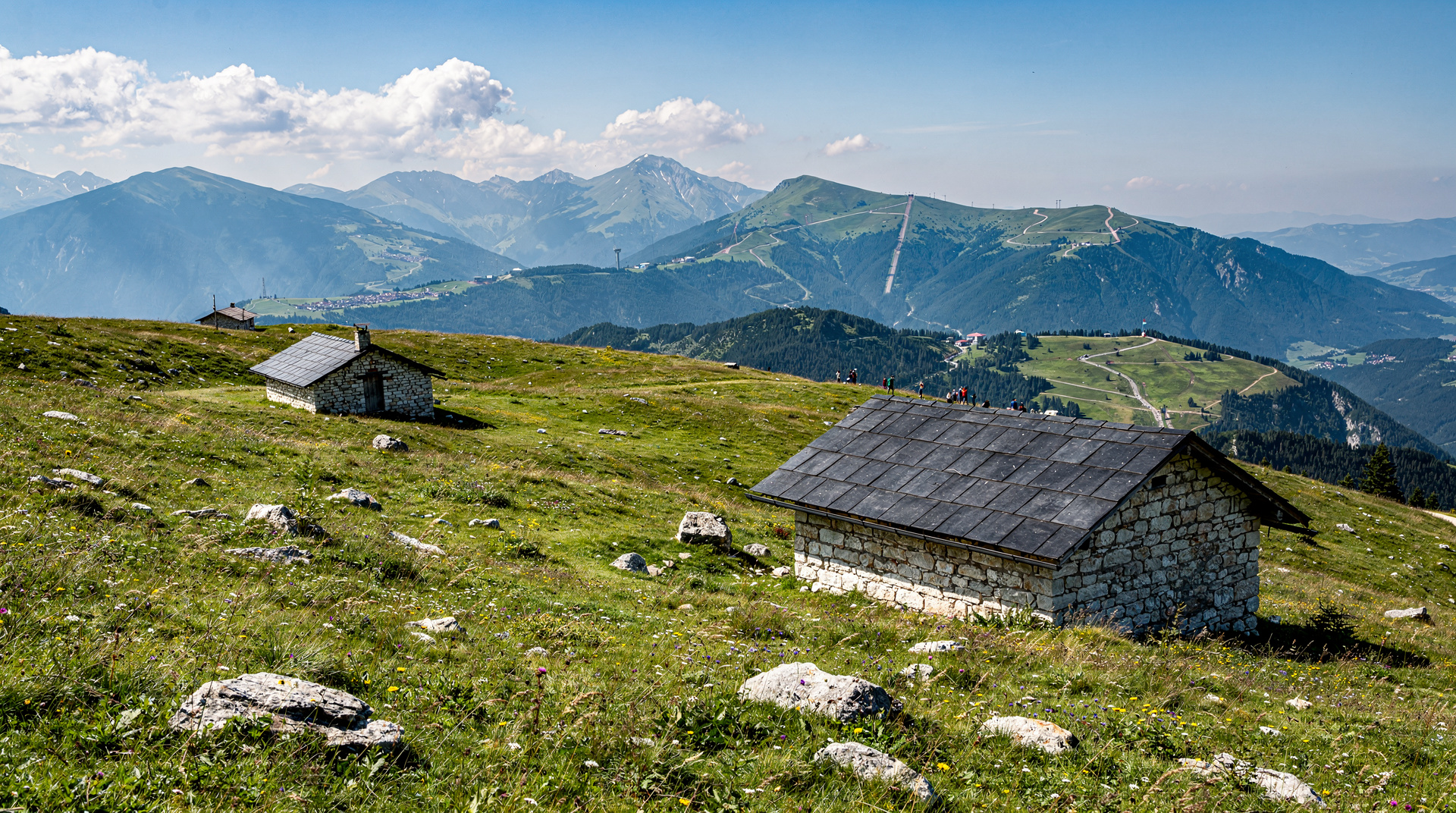
This is the outdoor day. A guided full-day hike to Lukomir departs from the old town by minibus (no private car needed) and climbs to the Bjelašnica plateau above 1,400 m — the site of the 1984 Winter Olympics alpine events. The ridge walk above the Rakitnica canyon offers one of the most dramatic views in Bosnia, with the limestone canyons of Herzegovina falling away to the south.
Lukomir village (1,469 m) is inhabited only from June to October by a community that still herds sheep in stone-and-wood houses. There are no shops, no phone signal and almost no other tourists. The return hike descends through pine forest back to the transfer point.
Season: late May to mid-October (snow on the plateau outside this window). Footwear: proper hiking boots strongly recommended. Distance: ~14 km, 5–6 hours including stops.
Day 4: Konjic — Tito’s bunker and the Neretva canyon
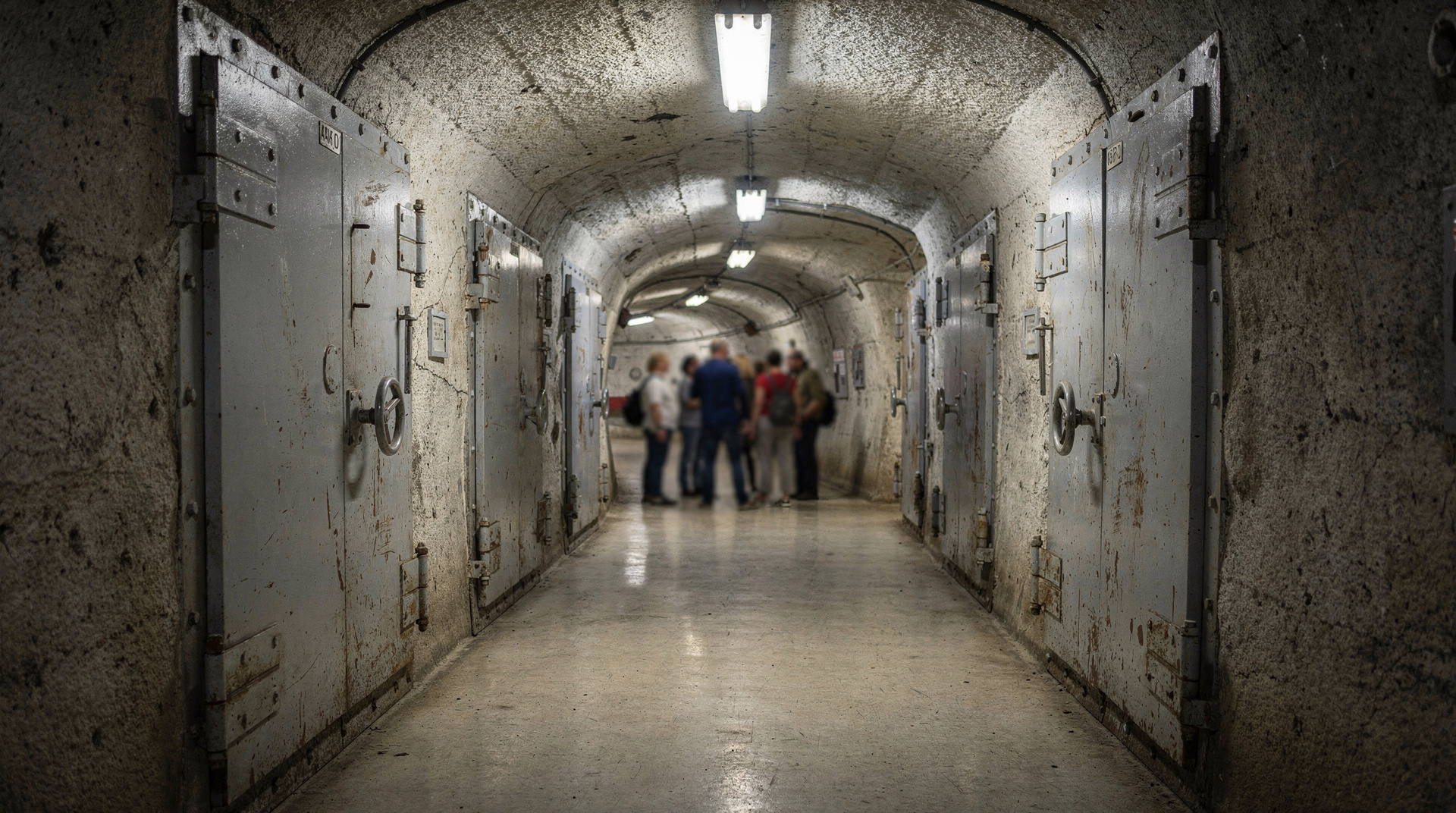
Take an early organised day tour to Konjic — departs from Sarajevo around 09:00, return by 18:00, no car needed. Konjic is 60 km south on the M17, 1 hour from the city. The ARK D-0 Tito’s Cold War bunker is the main draw: 280 metres inside the Zlatar mountain, 6,000 square metres of command rooms, presidential suite, communication centres and dormitories built in the 1950s to shelter 350 senior Yugoslav officials from nuclear attack for six months. It was so secret that most ministers did not know it existed; declassified in 1992.
The 2-hour guided tour inside the bunker is one of the most extraordinary experiences in the Balkans — eerie, immense and surprisingly well-preserved. The official tour includes a model of the mountain showing the complex’s extent.
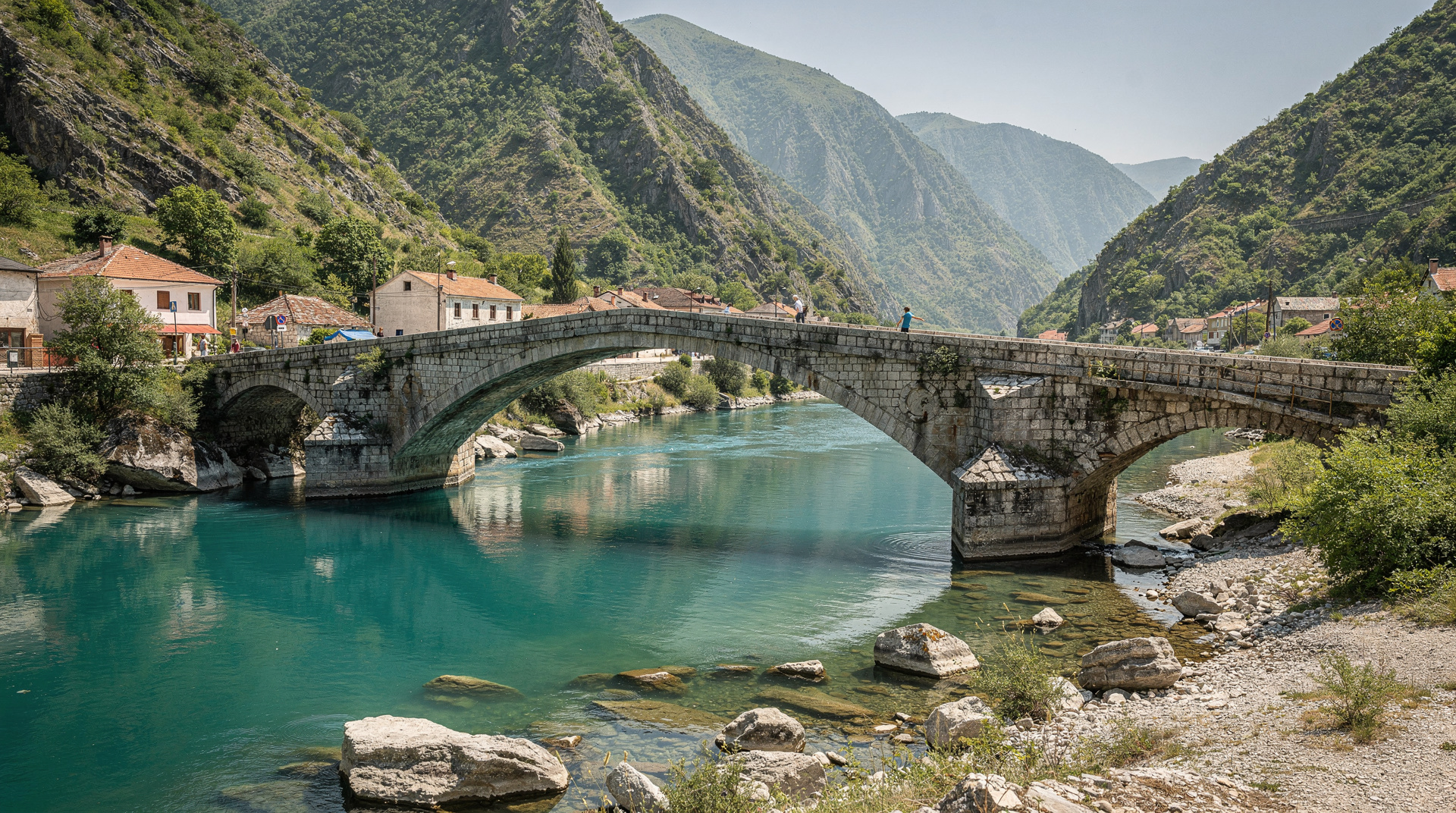
After the bunker, walk Konjic’s reconstructed wooden covered bridge over the Neretva and have lunch by the river before the return drive to Sarajevo.
Returning to the airport: Airport bus line 36 from Ilidža tram terminus runs for 5 BAM; a taxi from Baščaršija to the airport costs 30–35 BAM. Allow 35–40 minutes for the airport bus in normal traffic.
Making the most of each day
Day 1 in more depth. Resist the urge to tick off sights. Baščaršija is best absorbed slowly, and the Baščaršija guide explains how the old bazaar streets are organised by craft. If you want to understand why the city looks the way it does, the Ottoman heritage guide and the piece on Austro-Hungarian Sarajevo make good background reading the night before. Coffee is part of the rhythm of the day, so sit down for a proper one: Bosnian coffee culture covers how it is served and how long you are expected to linger. For something more substantial, the best restaurants in Sarajevo and the Sarajevo food tour guide will help you eat beyond the first plate of ćevapi.
Day 2 in more depth. This is the emotionally heaviest day, so leave the evening unplanned. If the tour whets your appetite, the Sarajevo siege and Tunnel of Hope guide and the Sniper Alley guide give more context, and the Sarajevo Roses memorials are easy to spot on pavements as you walk the city afterwards. Travellers who want the earlier chapter of the story can read about the Franz Ferdinand assassination, which sits a short walk from the river. Pace yourself: a museum visit after the tour is optional, not obligatory, and the museums of Sarajevo will still be there tomorrow.
Day 3 and Day 4 in practice. The mountain day is about being unhurried. Read the Lukomir village hike guide for a sense of the terrain, and pack for changeable weather on the plateau even if the city below is warm. On the Konjic day, the bunker is the headline, but the town itself rewards a slower look; the Konjic day trip guide and the Tito bunker guide explain what you will see and how to plan the hours around the tour.
How to pace the four days
The plan alternates heavy and light days on purpose. A relaxed arrival day, a day of difficult history, a physical day in the mountains and a calmer day trip leave you with energy at the end rather than a blur. If you arrive late on Day 1, simply shift the walking tour to the following morning and keep the evening for a slow dinner. Travellers who prefer a lighter schedule can drop the Yellow Bastion walk into the free hours between tours rather than treating it as a separate outing.
Before you go, it also helps to read where to stay in Sarajevo so you book a base close to the tram and the old town, and Sarajevo public transport so the first tram ride is not a puzzle. For the bigger picture of the trip, the Bosnia travel guide ties the city to the rest of the country. Keep an eye out for the Sarajevo tourist traps too, so a friendly offer near the main square does not cost you time or money.
Sarajevo logistics
Getting around: The tram network covers the entire valley east–west (Ilidža to Baščaršija) for 2.20 BAM per journey. Trolleybuses cover the northern slopes. Taxis are metered and affordable (5–10 BAM for most old-town journeys). Walking is fastest for everything inside the old town itself.
Money: ATMs are plentiful in the centre. Cards widely accepted at hotels and larger restaurants; carry BAM cash for smaller cafés and market stalls.
Accommodation: Mid-range guesthouses in Baščaršija: 60–100 BAM (~31–51 EUR) for a double. Boutique hotels with in-house hammam or rooftop terrace: 130–200 BAM (~66–102 EUR).
Food and drink: Exceptionally affordable. Budget ~25–40 BAM/day for food without trying.
What to extend with: A fifth day could cover the Srebrenica memorial (2 h 30 min each way; join an organised tour), the Visoko pyramids (30 min; controversial but interesting as a phenomenon), or the Trebević cable car and bobsled track if you missed them on the first days. If four days feels tight, the Bosnia 7-day itinerary folds this exact route into a longer trip that adds Mostar.
Day-by-day summary
| Day | Focus | Pace |
|---|---|---|
| 1 | Baščaršija old town, four faiths walk, ćevapi | Relaxed |
| 2 | War history tour, Tunnel of Hope, Yellow Bastion | Moderate, emotionally heavier |
| 3 | Lukomir hike, Bjelašnica plateau | Active, full day outdoors |
| 4 | Konjic day trip, Tito’s bunker, Neretva | Moderate |
Should you rent a car for these four days?
No. Every element of this itinerary — the old town, the war history tour, the Lukomir hike, and the Konjic day trip — runs on foot, tram or organised transfer. A car adds parking hassle in the old town without saving meaningful time. If you plan to continue on to Mostar or further into Herzegovina afterwards, see the Sarajevo to Mostar transport guide for the options — bus, train or transfer.
If the weather turns
Sarajevo’s Day 3 hike depends on clear weather on the Bjelašnica plateau — fog or heavy rain makes the ridge walk unsafe and the views pointless. If the forecast is poor, swap Day 3 with a visit to the Sarajevo mosques and the War Childhood Museum, both fully indoor, and push Lukomir to the next clear day — most operators will rebook without a fee if you ask 24 hours ahead.
Frequently asked questions about Sarajevo 4-day deep dive
Is four days enough for Sarajevo? Yes, if you want the city plus one outdoor day and one day trip. Four days lets you see the old town properly, do the war history tour without rushing, hike to Lukomir, and still fit in Konjic. Less than three days means dropping either Lukomir or Konjic.
Do I need a car for this itinerary? No. Every day in this plan runs on foot, tram, or an organised transfer/minibus — see the “should you rent a car” section above for details on continuing beyond Sarajevo.
Top experiences
Bookable activities with verified prices and instant confirmation on GetYourGuide.