Bjelašnica & Igman
Discover Bjelašnica and Igman, Sarajevo's Olympic mountains — ski runs, 4x4 quad tours and the gateway to Lukomir village.
Sarajevo: Quad Adventure to Bjelasnica & Lukomir Village
Quick facts
- Region
- Sarajevo Canton
- Summit (Bjelašnica)
- 2,067 m
- Distance from Sarajevo
- 30 km southwest
- Currency
- BAM (1 EUR = 1.95583 KM)
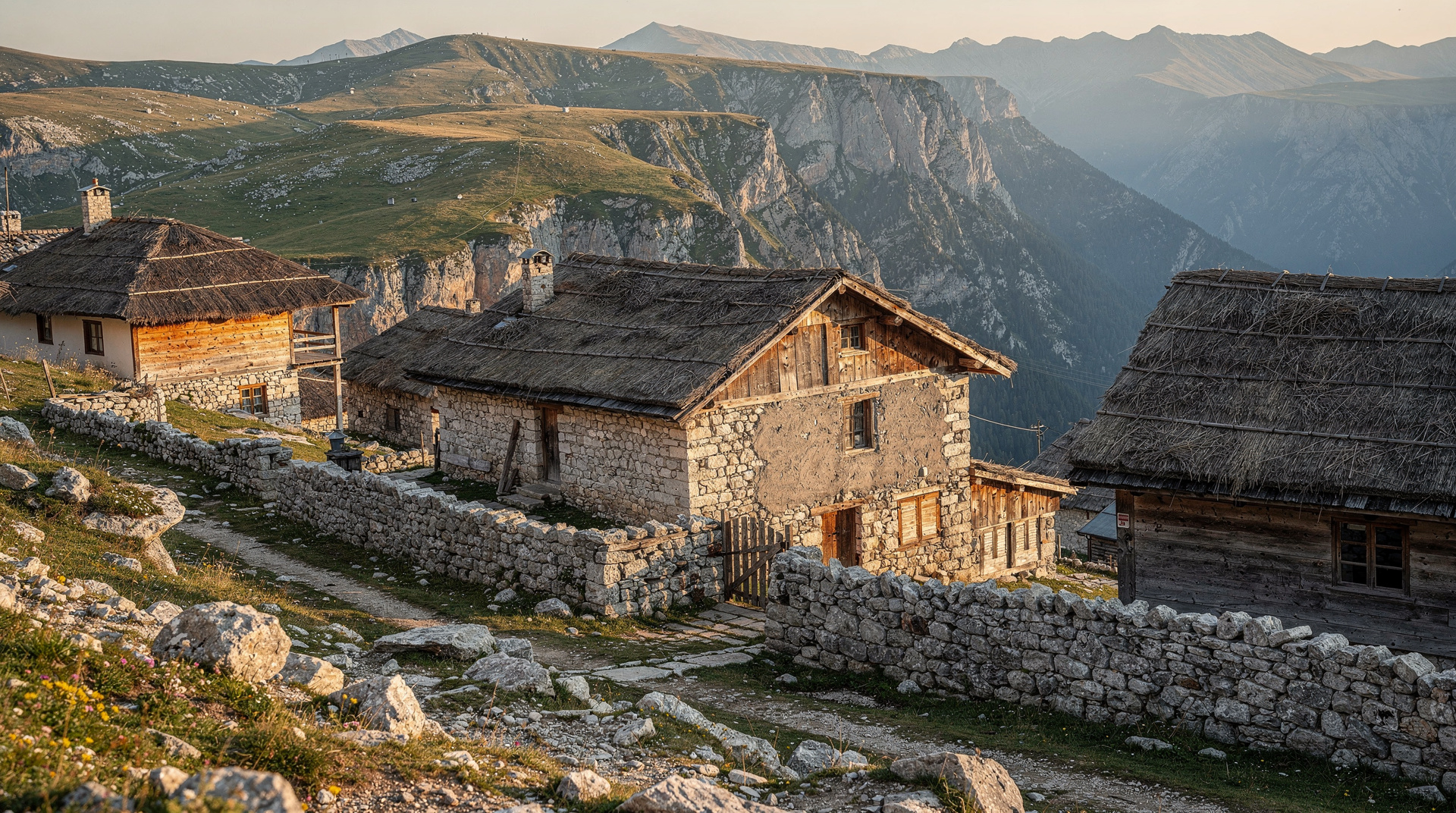
Thirty kilometres southwest of Sarajevo, the twin massifs of Bjelašnica and Igman form the city’s backyard mountain playground. They hosted the alpine and Nordic events of the 1984 Winter Olympics — a fact that still shapes the area’s identity — and today offer the closest skiing to any Balkan capital, some of the most accessible high-plateau hiking in Bosnia, and the paved road that leads ultimately to Lukomir, the highest permanently inhabited village in the country.
| At a glance | |
|---|---|
| Where | 30 km southwest of Sarajevo, Sarajevo Canton |
| Cost | Ski day pass around 40-50 BAM; mountain hut bed around 20-30 BAM |
| Time needed | 1 day; longer if combining with Lukomir |
| Getting there | Around 45 minutes by car from central Sarajevo |
| Best time | December-March for skiing; June-September for hiking |
Getting to Bjelašnica and Igman from Sarajevo
By car, the drive from the city centre to Bjelašnica ski resort takes about 45 minutes on a clear road, climbing steeply through the village of Hadžići and past the wartime memorial sites on Igman. In winter, snow chains or winter tyres are mandatory above 1,200 metres; the road is ploughed but can ice overnight.
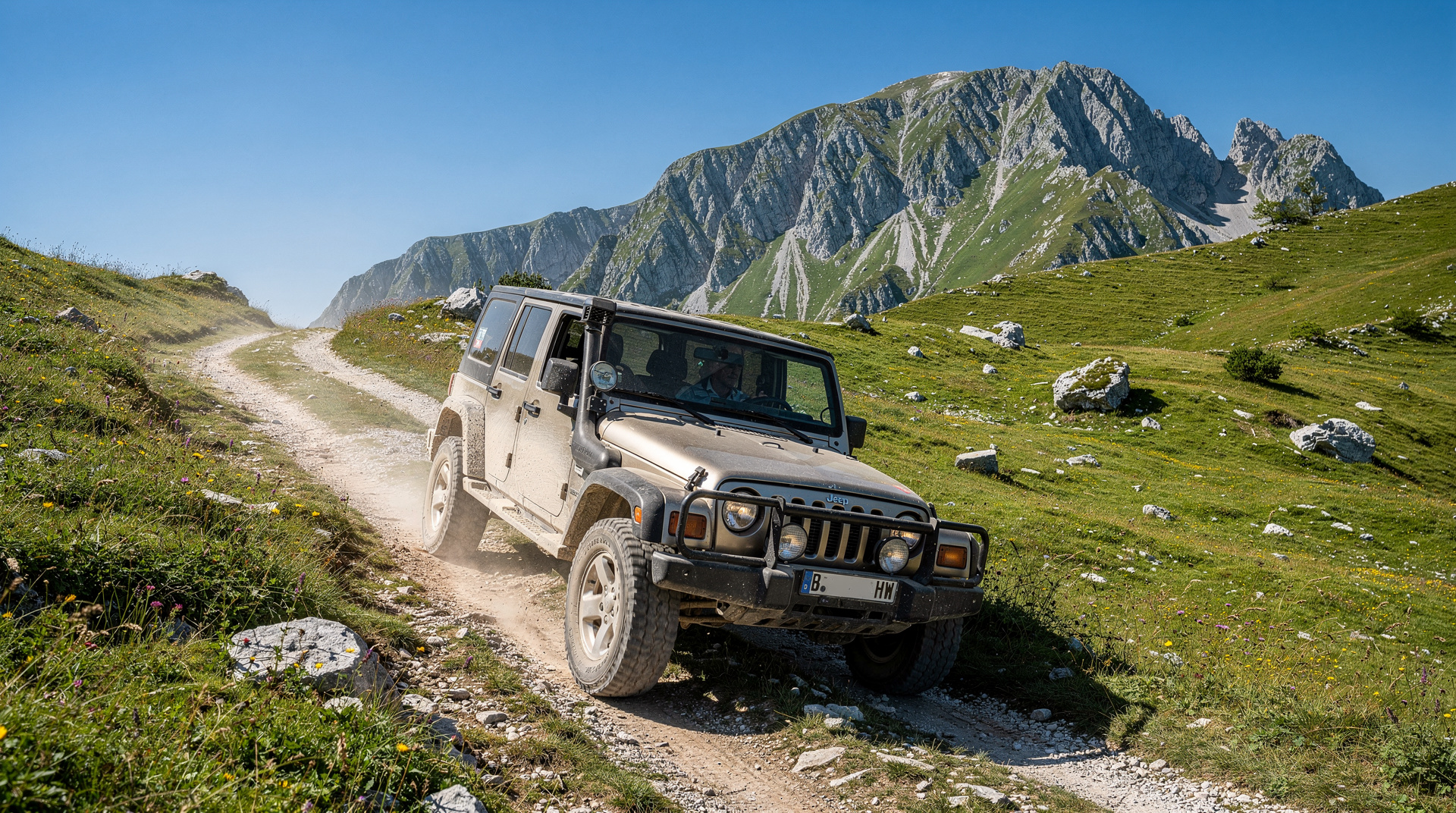
Public transport is limited. Seasonal ski buses run from the Sarajevo main bus station during the ski season (December to March), but outside that period a rental car or a tour is by far the easiest option. A guided 4x4 tour of the Olympic mountains covers both the historical sites on Igman and the Bjelašnica plateau in a single day without the worry of navigating mountain tracks alone.
Skiing in winter
Bjelašnica ski centre has 20 kilometres of groomed pistes spanning beginner greens to a couple of black runs dropping from the summit plateau. Day passes cost roughly 40-50 BAM (20-25 EUR) and equipment rental is available on site at 25-35 BAM per day. The village at the base has several konobas (taverns) serving lamb stew, pita and hot tea — the classic mountain combination. Conditions are usually reliable from December to March, though the altitude means occasional wind closures on the upper runs.
Jahorina, south of Sarajevo on the other side of the valley, is the larger and more developed resort; see the comparison in our skiing near Sarajevo guide.
Hiking and 4x4 touring in summer
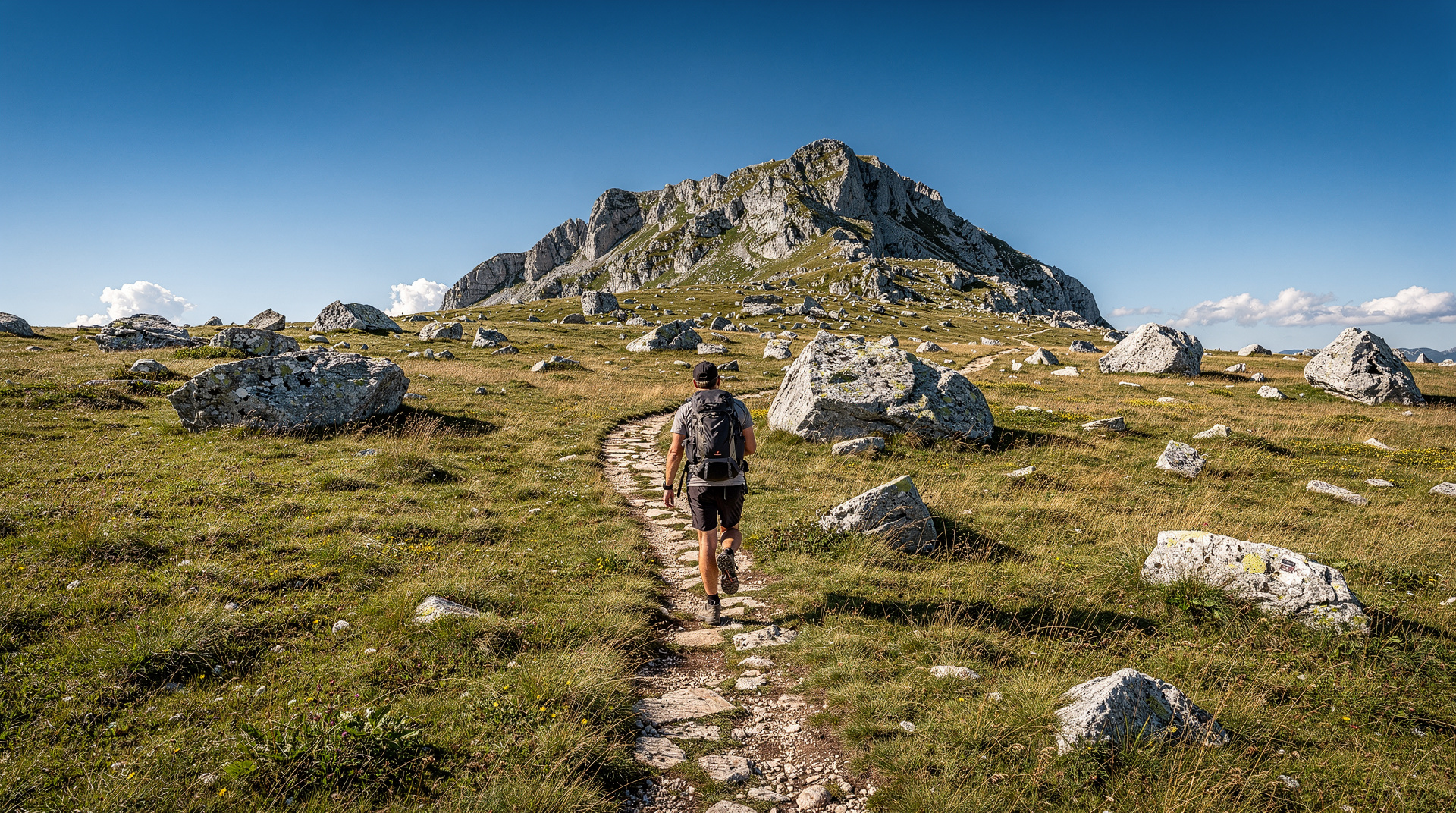
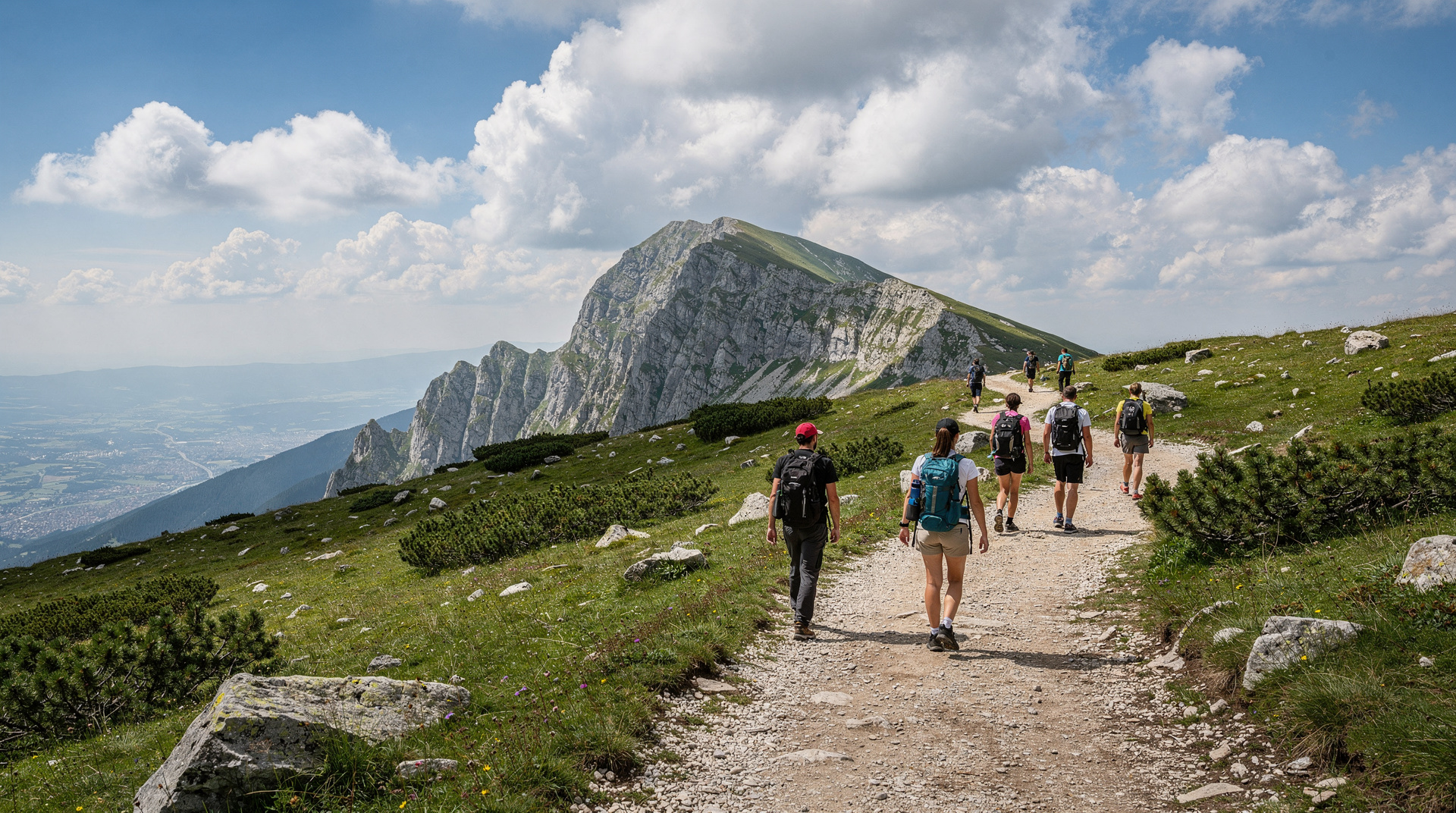
The plateau above 1,800 metres is genuinely alpine: open grassland, limestone outcrops, wildflowers in June and clear views to Prenj and Visočica on the horizon. The Bjelašnica-Lukomir quad bike excursion is a popular way to cover the high terrain quickly, pairing the plateau with a visit to Lukomir village (1,469 m) in the same morning.
For hikers on foot, the trail from Bjelašnica summit to Lukomir takes about 2.5 hours one way across open terrain, with modest elevation change once you reach the plateau. Bring a wind layer even in July — the plateau gets cold gusts even on warm valley days.
The separate Lukomir hiking guide covers the village approach in detail.
The 1984 Olympics legacy on Igman
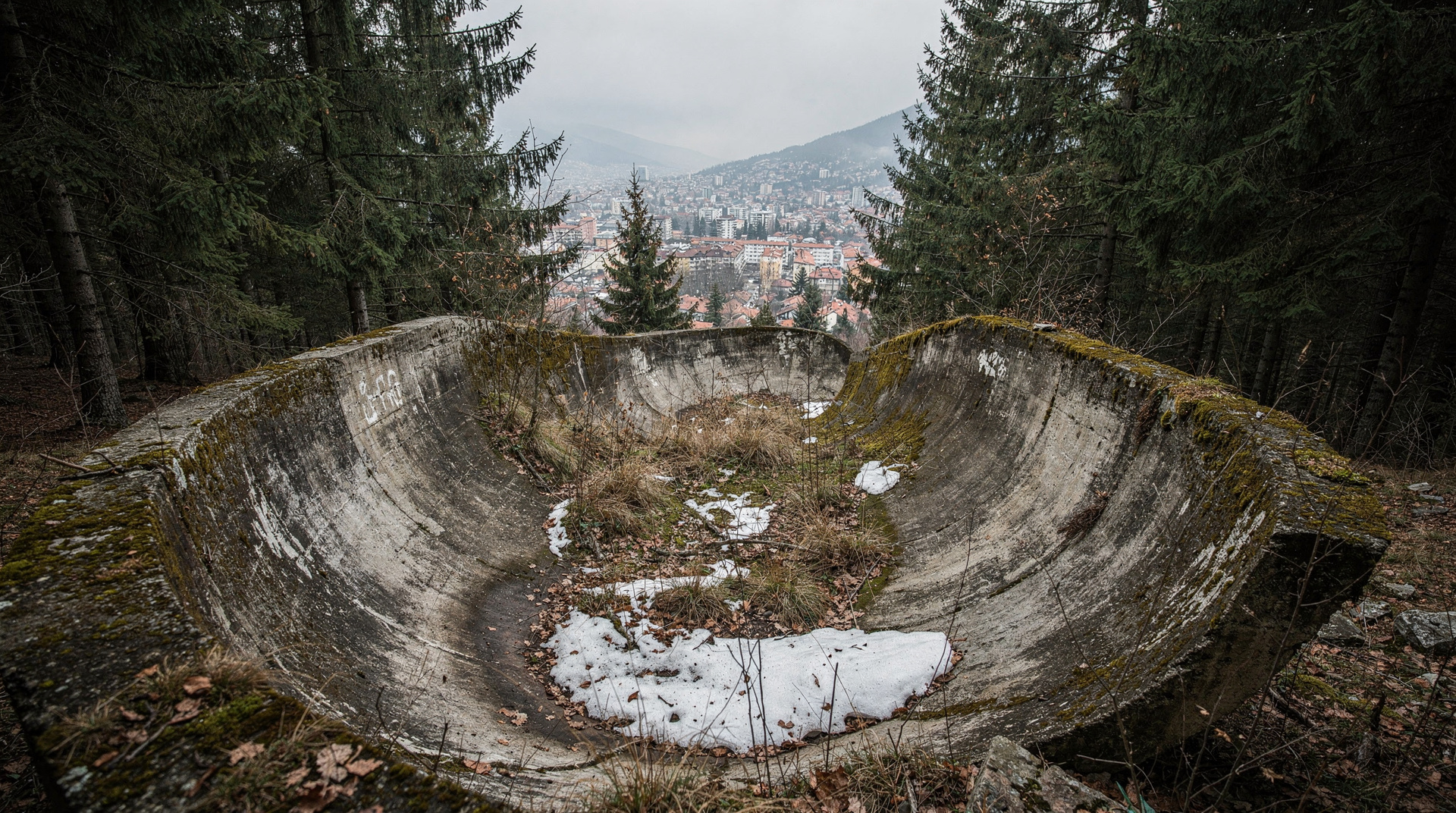
The Igman ski jump complex on the lower plateau is now partly ruined, having been a target during the siege. The giant slalom course used in 1984 runs down from a ridge that was a frontline position in 1992. Walking here is sobering: the view encompasses a pastoral plateau, the ruins of a sporting venue, and Sarajevo spread in the valley below. Several tours include a stop at the jump complex as part of a broader 1984 Winter Olympics narrative.
Where to eat and sleep
There are several mountain huts (planinarski dom) on both massifs serving simple food and offering dormitory beds for 20-30 BAM per person. The most comfortable option for a day visit is to base yourself in Sarajevo and drive up, eating lunch at one of the piste-side restaurants before returning in the afternoon.
For an overnight, the Bjelašnica Olympic Hotel was recently renovated and offers en-suite rooms from around 80-120 BAM (40-60 EUR) per night, half-board available in ski season.
How the day usually unfolds
Most visitors leave Sarajevo in the morning, when the road is quiet and the light on the plateau is at its best. The first stop is usually on Igman, where the history is concentrated: the ruined jump complex, the open meadows and the lookout over the city. From there the road continues towards Bjelašnica, where you can choose between a ski session in winter, a plateau walk in summer, or a slow lunch at a piste-side restaurant. The return drive in the late afternoon gives you the valley lights of Sarajevo as a reward.
If you want the city context before you go, spend an evening reading about the Olympic legacy in Sarajevo and the siege-era story of the city. The mountains make far more sense once you know that the same slopes that hosted the Games were later a frontline. Our Yugoslav wars explained guide gives the wider background in plain language.
Seasons on the mountain
Winter is the busiest time, with skiers from Sarajevo filling the slopes at weekends. Weekday visits are calmer, and the village konobas are warm and unhurried. The broader picture of the season is covered in Bosnia in winter and in the dedicated skiing in Bosnia guide.
Spring is a transitional season: snow lingers on the upper plateau while the lower meadows turn green, and trails can be wet. Check conditions before you set out, and read Bosnia in spring for what to expect across the country.
Summer is the season for walking, quad tours and picnics, with cooler air than in the valley and wide horizons. See Bosnia in summer if you are planning around the heat elsewhere.
Autumn brings clear air, golden grass on the plateau and very few other visitors. It is an excellent time for a quiet walk, and Bosnia in autumn explains why the shoulder season suits the whole country.
Walking options for different levels
Not everyone wants a long trek, and the plateau suits several kinds of walker. A short stroll from the upper parking area gives wide views without much effort and is a good choice for families with older children. A longer loop across the open grassland rewards those who like to be alone with the landscape. The long crossing towards Lukomir is the serious option and deserves an early start, enough water and a charged phone.
For more ideas, the Bjelašnica hiking guide lists routes in detail, while best day hikes from Sarajevo places them alongside other options close to the capital. If you are building a longer hiking plan, the hiking in Bosnia guide and the Via Dinarica guide show how these mountains fit into the wider trail network.
Footwear matters more than most visitors expect. The limestone is uneven, grass can be slick after rain, and the weather changes quickly. Sturdy shoes with grip, a waterproof layer and a hat are the sensible baseline, and trekking poles help on the descent.
Combining the mountains with other stops
Bjelašnica and Igman sit comfortably in a wider Sarajevo plan. A common pairing is a morning on the mountain followed by an evening in the old town, where you can finish the day over coffee; the Bosnian coffee culture guide explains the ritual, and the Baščaršija guide shows where to go. If you prefer a food-focused evening, the Sarajevo food tour guide is a good companion to a day of mountain air.
For those with more time, the mountains fit into a longer stay such as the Sarajevo four-day deep dive or the 7-day Bosnia itinerary. Nature lovers who like the high country can continue to Lukomir and, further south, Konjic and the Neretva valley. Those who prefer city time can look at Sarajevo itself, or the green valley of Vrelo Bosne, or the nearby Trebević mountain, which offers another view over the city.
Practical tips before you go
- Fill the fuel tank in Sarajevo before you start climbing; the mountain roads are slow and you will not want to be searching for a station.
- Carry cash in BAM for huts, parking and small cafés, since card payment is not guaranteed everywhere. The money and currency guide explains how to handle cash in Bosnia.
- Download offline maps in advance, because mobile signal can be patchy on the plateau.
- Tell someone your route if you plan a long walk, and turn back early if cloud rolls in.
- If you are renting a car, the car rental guide and the driving in Bosnia guide cover insurance, road conditions and local habits.
- Travelling with children is perfectly possible on the gentler parts of the plateau; see Bosnia with kids for the broader picture.
Why the mountains are worth your time
What makes Bjelašnica and Igman memorable is the combination of things that rarely sit together: a working ski area, genuine alpine grassland, Olympic ruins and a living village culture at the end of the road. A visitor can feel the contrast between a quiet meadow and the history written into it. For travellers who want more than the city, but have no time for a multi-day expedition, it is the most convenient way to feel the scale of the Bosnian mountains.
Safety note
Trails above Igman village and on the eastern slopes of Bjelašnica pass through areas that were part of wartime defensive lines. Always hike on marked trails and do not venture off-path in the forested lower slopes near the villages of Igman and Trnovo. This area has residual mine risk outside cleared recreational corridors.
Bjelašnica versus Jahorina — which mountain first?
Travellers with only one mountain day from Sarajevo often ask whether to choose Bjelašnica or Jahorina. Jahorina has more pistes and a bigger apres-ski scene; Bjelašnica has the stronger Olympic-history angle, the plateau hiking, and easier onward access to Lukomir. In summer, Bjelašnica is the clear choice since Jahorina offers little beyond a chairlift ride. The full comparison is in the Jahorina vs Bjelašnica guide.
Is it worth a full day, or a half-day?
A half-day covers the ski slopes or a short walk to a viewpoint and back; a full day is needed to properly combine the Igman Olympic sites with the Bjelašnica plateau, or to walk as far as Lukomir. Given the 45-minute drive each way, most visitors find the full day better value than two separate half-day trips. For those short on time in Sarajevo, see the best day trips from Sarajevo guide for how this fits among other options.
Frequently asked questions about Bjelašnica & Igman
Can I visit Bjelašnica and Igman without a car? It’s possible with a guided 4x4 tour, which is the easiest option outside ski season. Seasonal ski buses run from Sarajevo’s main bus station in winter, but there is no year-round public transport link.
Is it safe to hike off the marked trails? No — avoid it. Parts of Igman and Bjelašnica’s lower forested slopes retain wartime mine contamination outside cleared paths; always stay on marked trails.
Bjelašnica and Igman together make one of Bosnia’s most rewarding full-day excursions from Sarajevo — a destination that works in every season and rewards multiple visits as you peel back its Olympic history and mountain wilderness.
Top experiences
Bookable activities with verified prices and instant confirmation on GetYourGuide.