Jajce and Travnik Day Tour from Sarajevo
Sarajevo: Jajce Waterfall, Travnik & Pliva Lake Tour
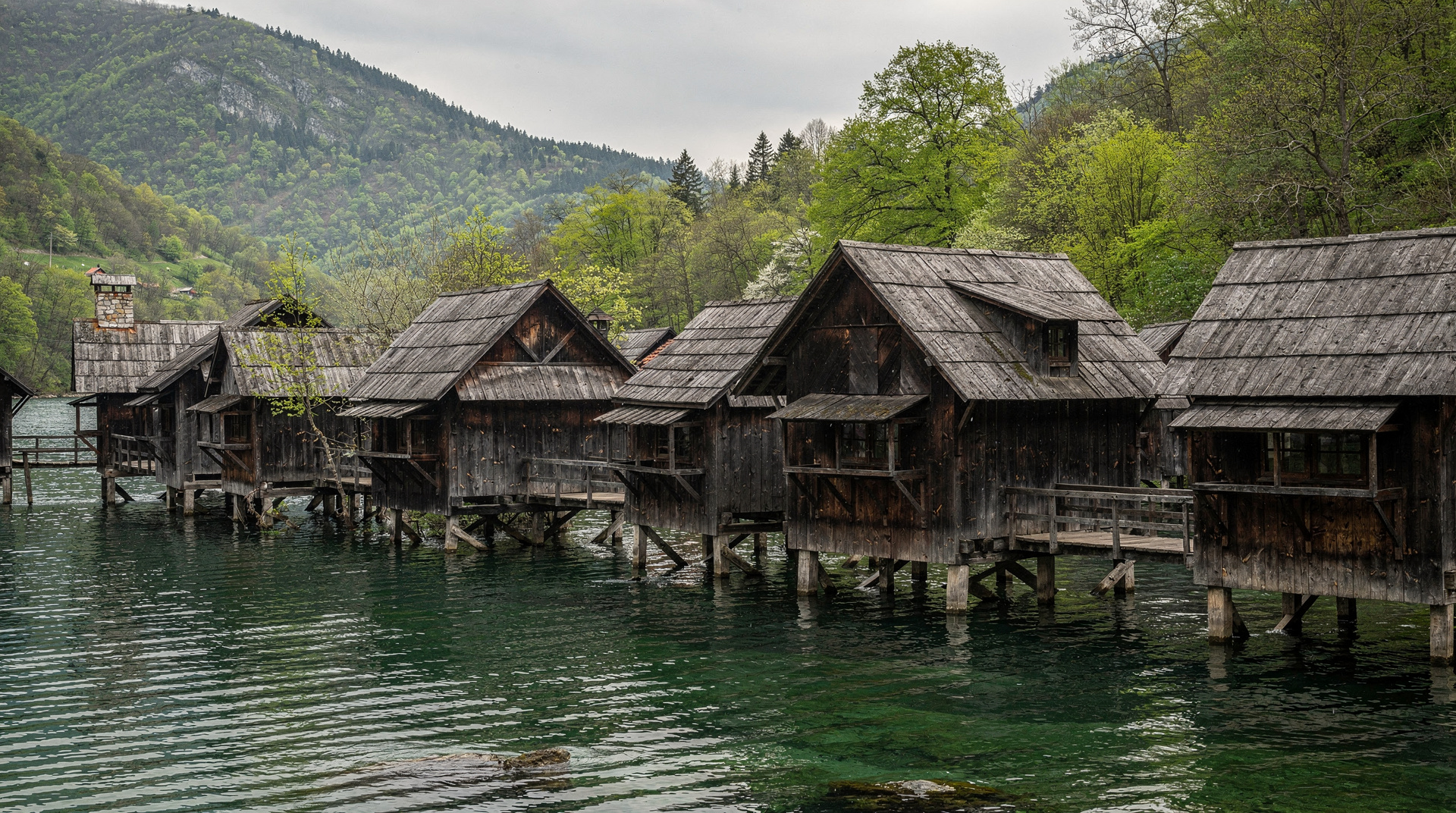
Jajce and Travnik are central Bosnia’s two most compelling towns, and they sit 25 km apart on the same route northwest of Sarajevo. The combination makes a natural day trip: Travnik for Ottoman bazaar streets and a well-preserved fortress, Jajce for a waterfall that drops 21 metres through the middle of a medieval town, and the Pliva Lakes for the photogenic cluster of wooden watermills that has appeared on every Bosnia travel poster since independence.
| At a glance | Details |
|---|---|
| Distance from Sarajevo | Travnik ~90 km (1.5h); Jajce a further ~60 km (2.5h total) |
| Distance Travnik–Jajce | ~25 km |
| Total tour length | 10–11 hours from Sarajevo |
| Entry: Travnik fortress | ~4 BAM |
| Entry: Jajce fortress & catacombs | ~8–10 BAM |
| Best season | April–October; watermills photograph well year-round |
| Independent access | Straightforward with a rental car |
Why both towns in one day
Most tours combine both towns because each rewards 2–3 hours of exploration but neither fully justifies a standalone day trip from Sarajevo. Together they form a coherent picture of central Bosnia’s layered history: Travnik as a long-time Ottoman administrative capital (it served as the seat of the Ottoman Bosnian pashas for 150 years), and Jajce as the seat of the medieval Bosnian kingdom before the Ottoman conquest in 1463.
Travnik: what to see
Travnik’s old town (čaršija) is compact and well-preserved. The main sights:
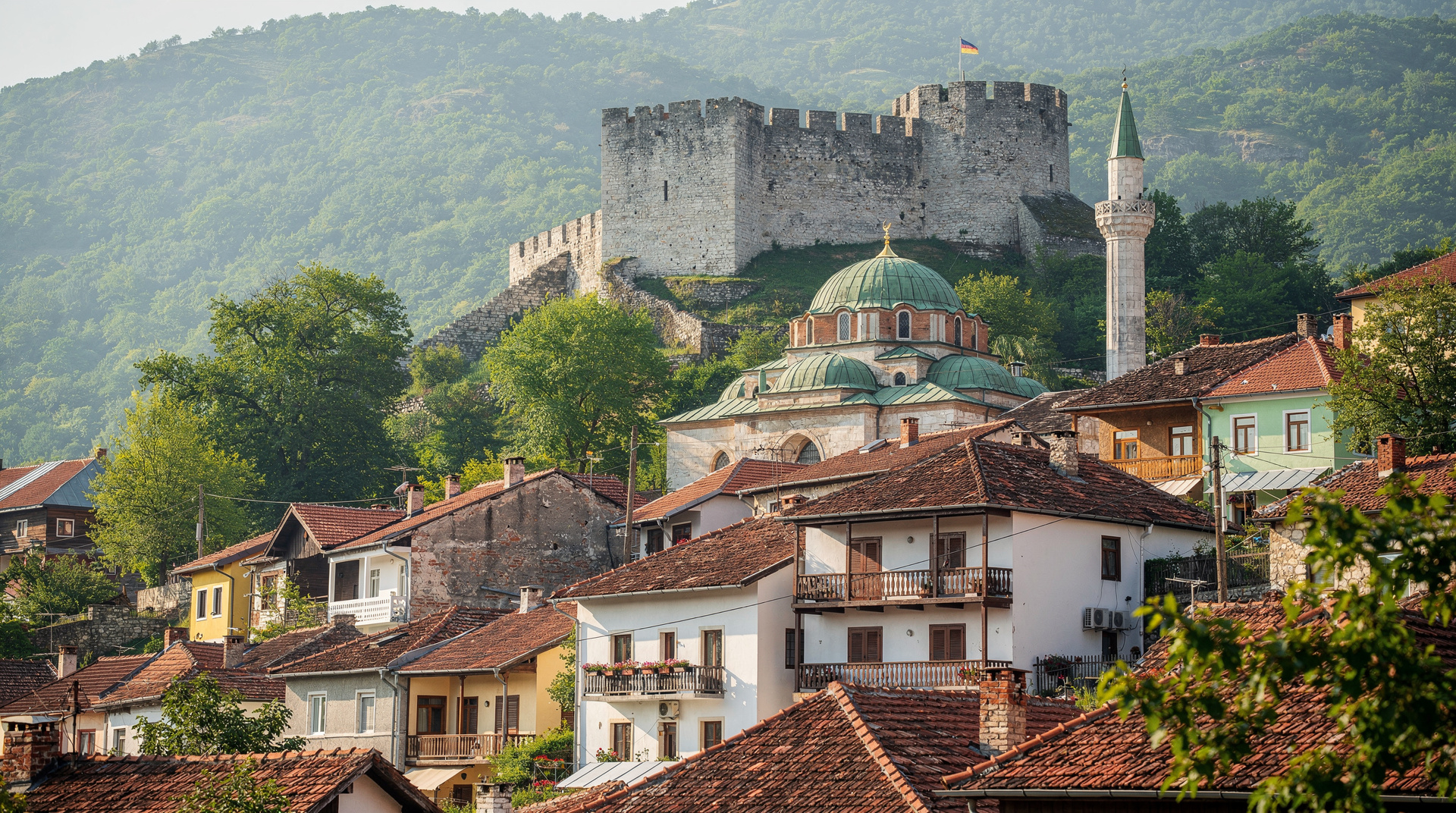
Stari Grad fortress — a medieval fortification on the hill above town, significantly expanded by the Ottomans. The views from the walls over the Lasva valley are excellent. Entry is around 4 BAM.
Šarena džamija (Many-Coloured Mosque) — one of the most visually distinctive mosques in Bosnia, with a distinctive painted facade and two beautiful fountains in the courtyard. The nickname comes from its ornate decoration.
Ivo Andrić birthplace — the author of The Bridge on the Drina (Nobel Prize, 1961) was born in Travnik in 1892. His childhood home is now a small museum. The Travnik Chronicles, his novel set in early 19th-century Travnik, is worth reading before the visit.
The čaršija bazaar — not as busy as Sarajevo’s Baščaršija but more authentic in places. Old craft workshops survive alongside cafes.
Jajce: what to see
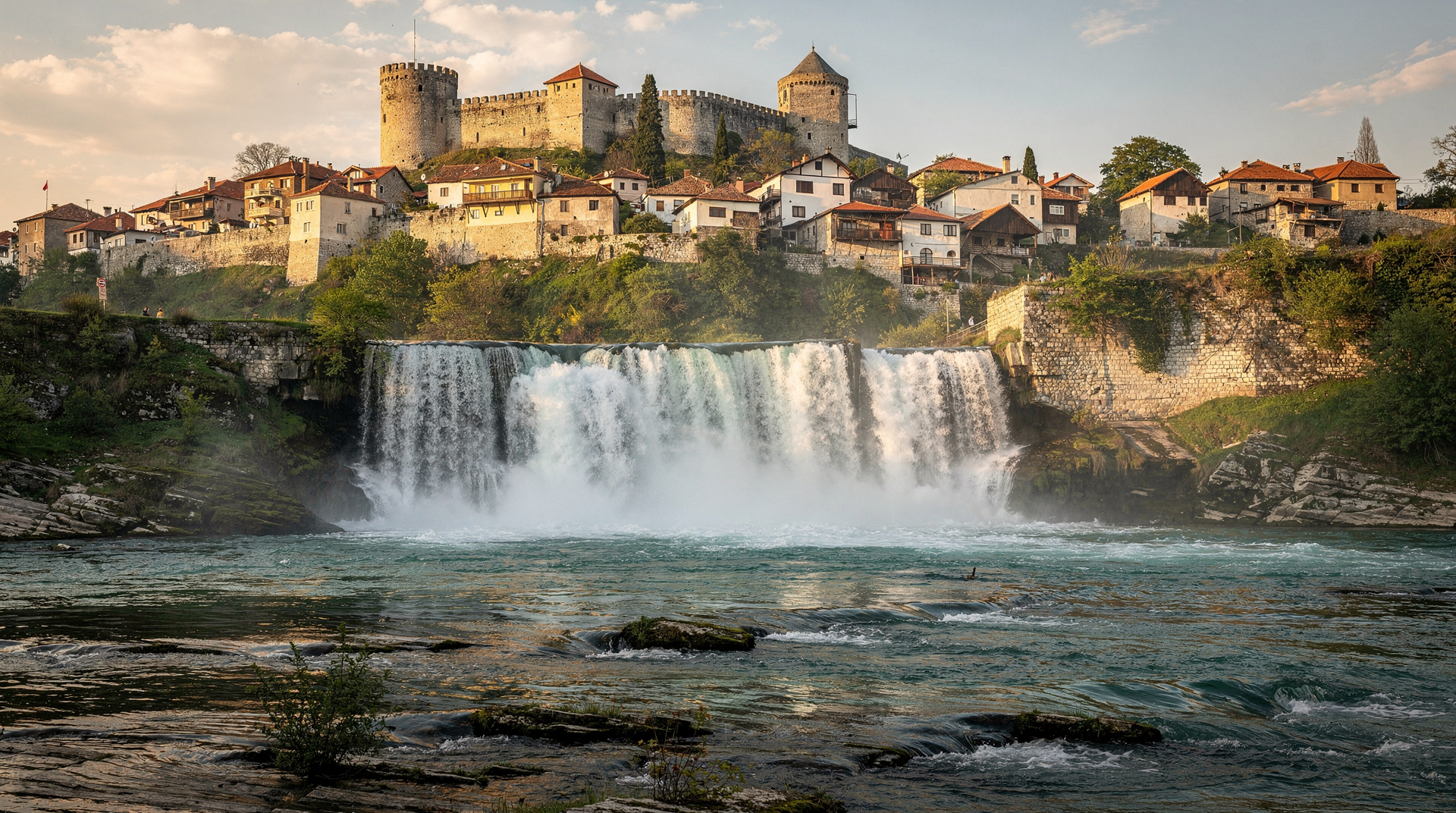
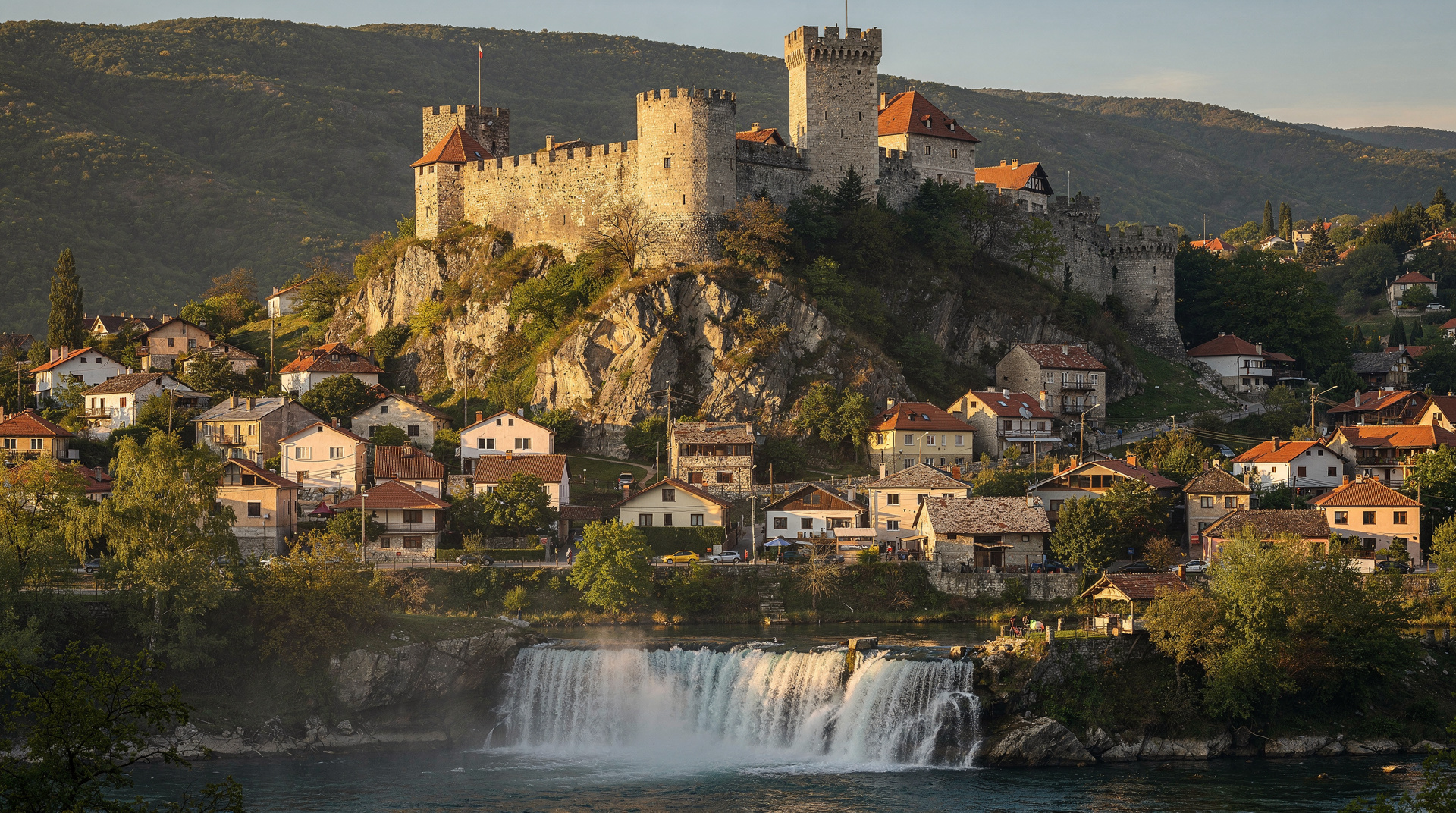
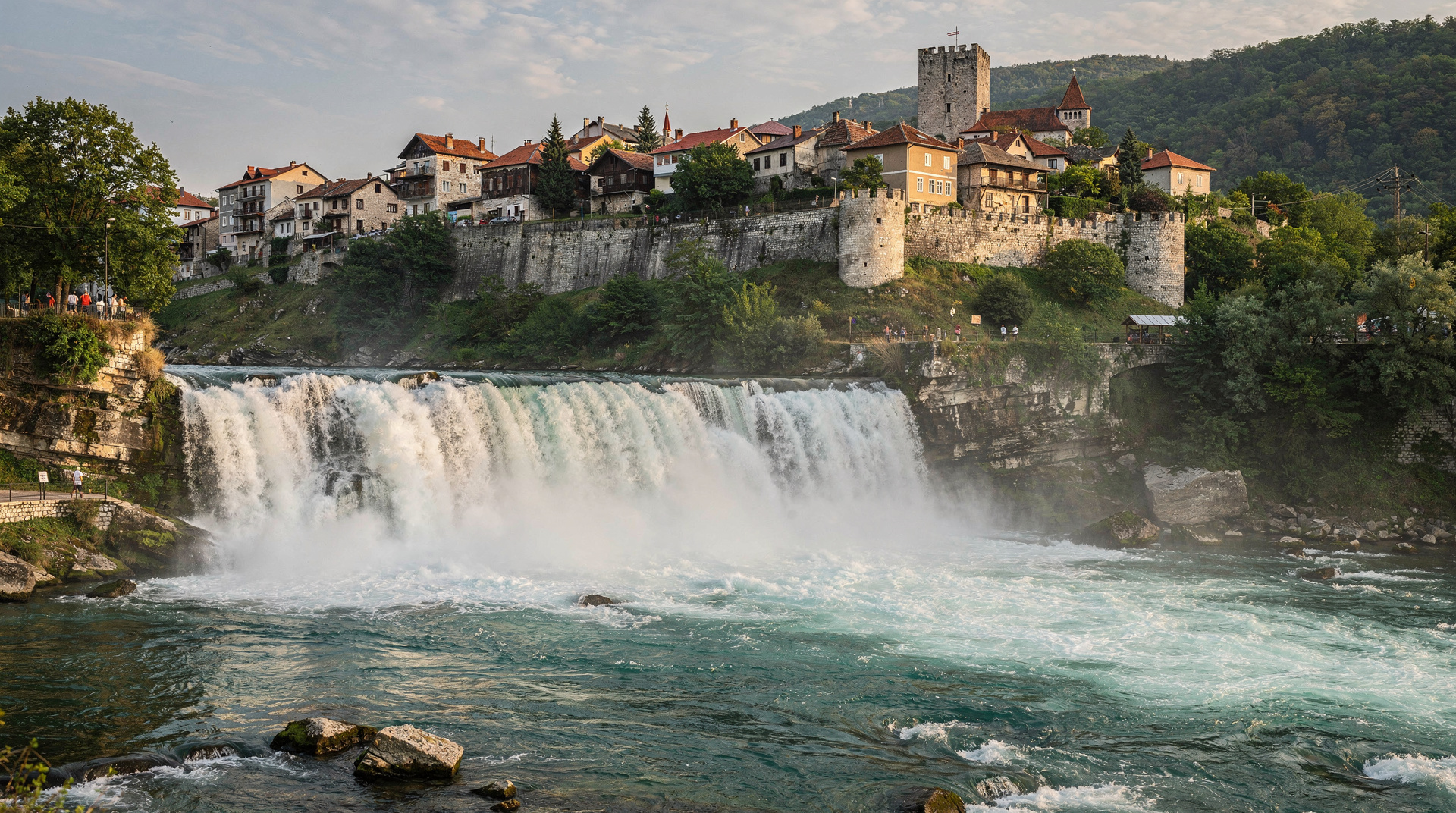
The Pliva Waterfall — the visual centrepiece of the town. The cascade is easily accessible on foot from the old town centre, and the framing of the falls against Jajce’s medieval townscape is genuinely dramatic. Best photographed in morning light from the lower viewing area.
Jajce Fortress and Catacombs — the fortress crowns the hill above town, with the old walls enclosing the town below. Beneath it are the Jajce Catacombs, a pre-Christian Mithraic temple complex partially carved into the rock. One of the stranger sights in central Bosnia. Entry combined with the fortress costs around 8–10 BAM.
The Pliva Lakes and watermills — 3 km from the town centre, the two Pliva Lakes drain through a cluster of 17 wooden watermills in a classic central-European landscape. This is the scene on many Bosnian postcards. The walk around the lower lake is easy and pleasant.
Tour formats compared
The Jajce Waterfall, Travnik and Pliva Lake tour (jajce-waterfall-travnik-pliva) is based in Jajce and covers both towns in a structured sequence, with a guide for the main sights. It departs from Jajce and is suited to travellers already in the area or those arriving by rental car.
The private guide option (jajce-travnik-private-guide) provides a licensed local guide for the full day, with more flexibility in timing and depth of interpretation. Better for travellers who want to go deeper into the Ottoman history or who have specialist interests (architecture, WWI, Andrić).
The Sarajevo-departure tour (sarajevo-travnik-jajce-watermills) includes coach transport from Sarajevo and is the easiest option for travellers without a car. The drive is 2.5 hours each way, making it a full day (10–11 hours total), but the logistics are fully handled.
Who this trip suits
The day trip works well for:
- Travellers in Sarajevo for 3+ nights who want to explore beyond the capital
- History enthusiasts interested in Ottoman and medieval Bosnia
- Families — Jajce’s waterfall and the Pliva Lakes are naturally appealing to children
- Travellers who have done Mostar and want a different style of Bosnian destination
The distance and driving time (2.5 hours from Sarajevo) makes it a committed day. If you have a rental car, leaving at 8 am and returning by 7–8 pm is comfortable. Tour departures are typically 8–9 am.
For background reading, the Jajce fortress guide, Travnik Ottoman town guide, and Pliva waterfall guide all cover the individual sights in detail.