Sarajevo Food Tour
Sarajevo Food Tour: Eat where the locals eat
At a glance
| Duration | 3-4 hours |
| Distance walked | 3-5 km |
| Stops | 6-10 food and drink spots |
| Group size | Typically 8-12 people |
| Cost | 40-60 BAM (€20-30) per person |
| Book ahead | 2-3 days, more in peak summer |
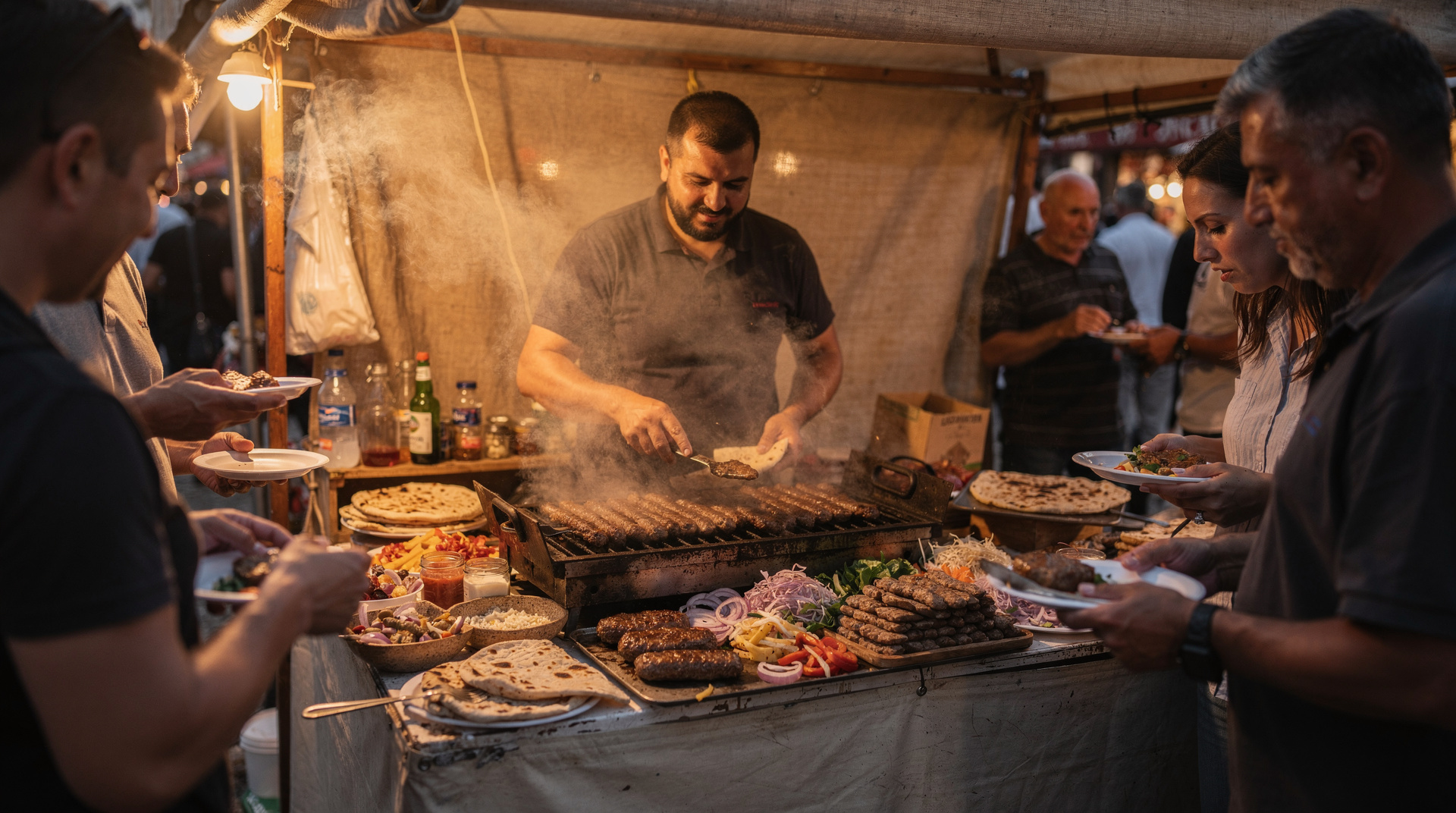
Sarajevo’s food scene is a genuine reflection of the city’s history: Ottoman-influenced sweets, Austro-Hungarian pastry traditions, Yugoslav-era snack culture, and a contemporary restaurant scene that is increasingly ambitious. A food tour is one of the best ways to navigate all of it with a local guide who knows where the real food lives — not the tourist-facing restaurants around Stari Čaršija, but the spots where Sarajevans actually eat.
What makes Sarajevo food tours different
The standout feature of Sarajevo’s food tours compared to similar experiences elsewhere in the Balkans is the quality of the guides. Many are food writers, chefs, or people who grew up in these neighbourhoods. They explain not just what you are eating but why it exists: the Ottoman coffee house culture, the Austro-Hungarian influence on pastries, and how the 1992–95 siege affected food culture (humanitarian aid rations, survival recipes, the creativity born from necessity).
The Grbavica neighbourhood tour
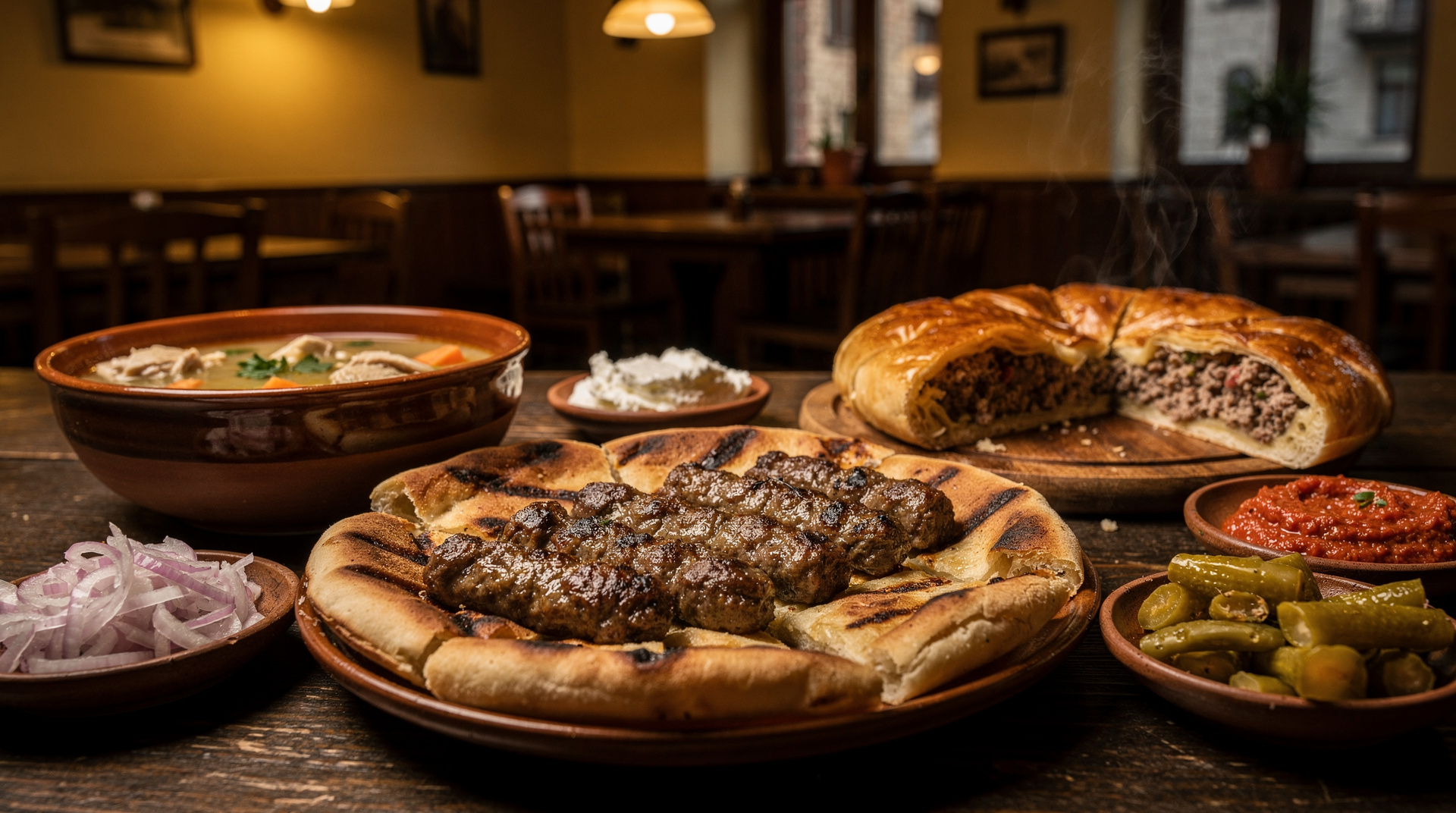
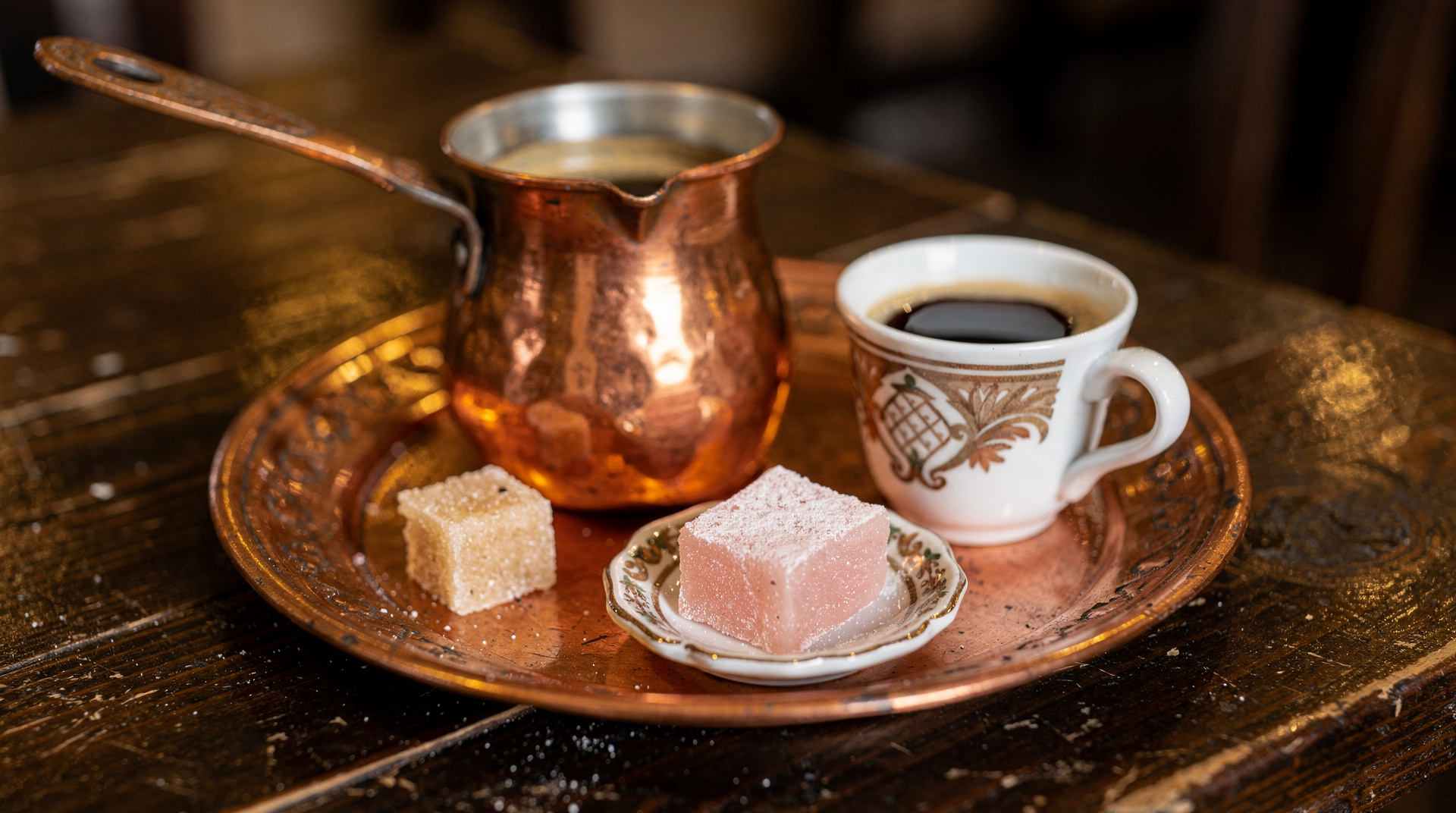
The main featured tour (sarajevo-food-tour-grbavica) is built around the Grbavica neighbourhood — a residential area across the Miljacka River from the old town that is largely ignored by tourist itineraries. The tour visits local food markets, a traditional burek bakery, a sogan-dolma specialist, and a Bosnian coffee shop where you learn how to prepare and drink Bosnian coffee correctly (it is a ritual, not a caffeine delivery mechanism).
This tour has earned its reputation for authenticity: you visit places where the guide’s parents shop, not places designed to photograph well for Instagram. The group size is small — typically 8 people — which allows for conversation and questions.
The old town market and food tasting variant
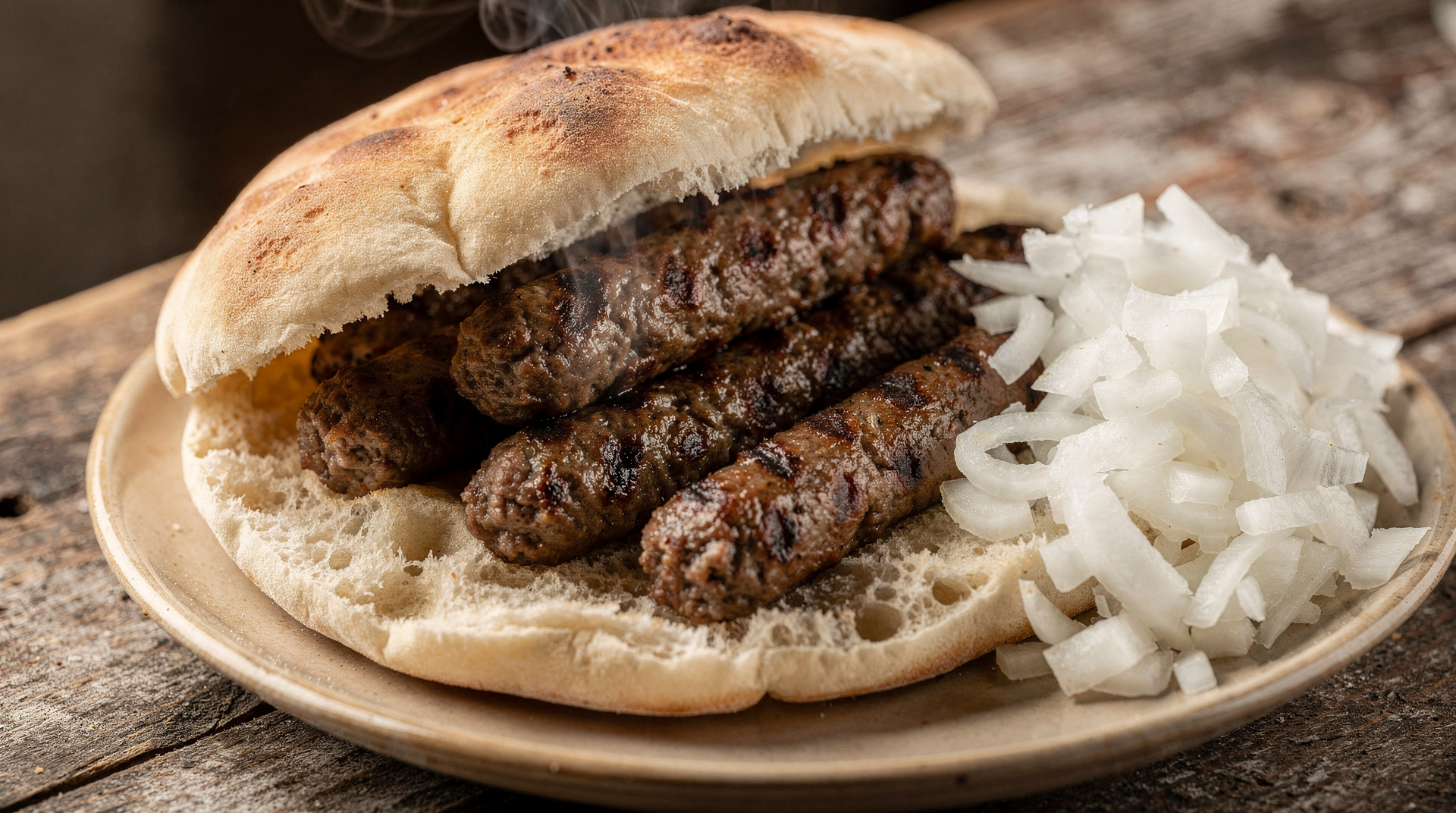
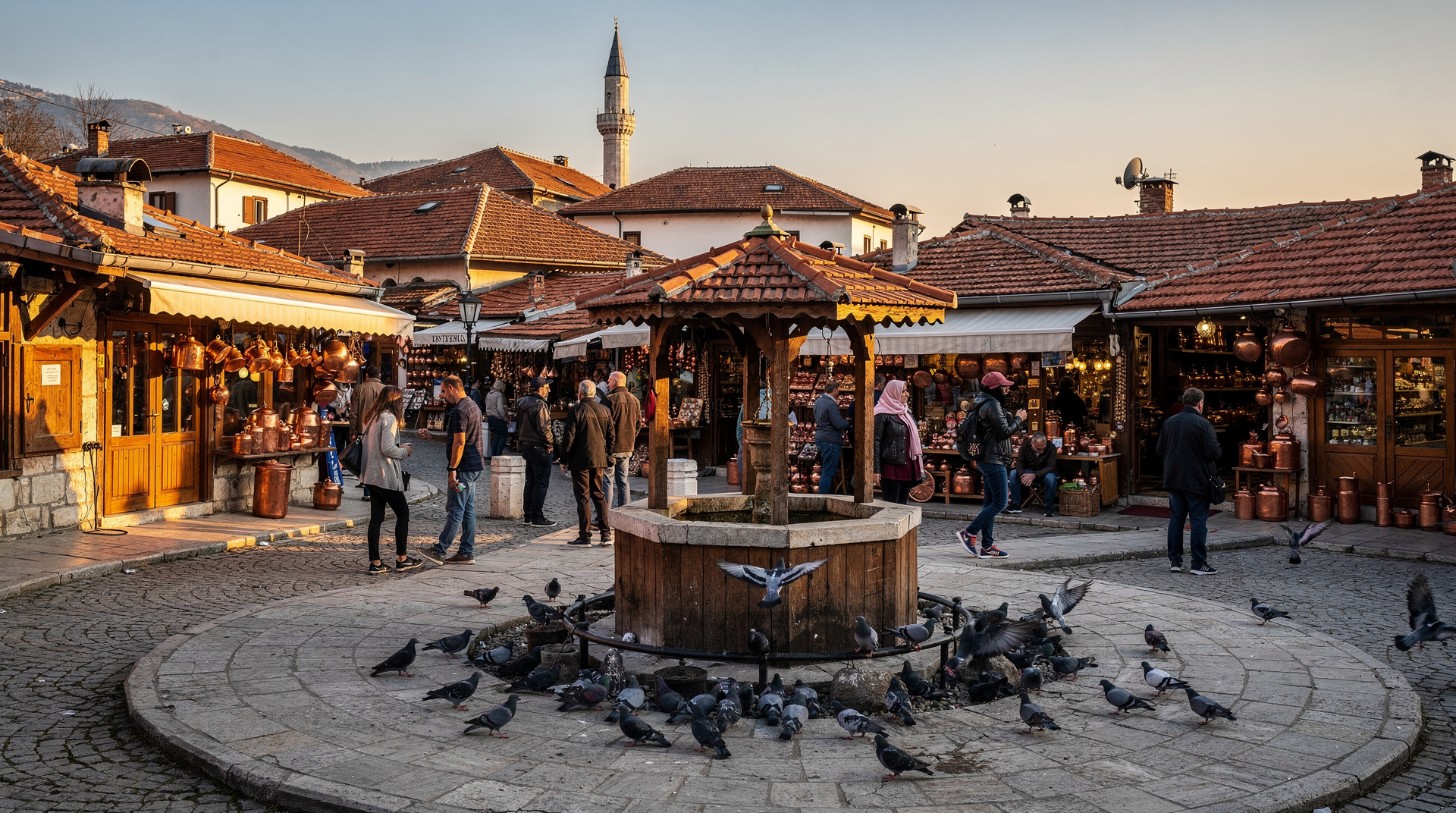
The sarajevo-city-market-food-tasting tour focuses on Baščaršija and the old market area, combining the visual experience of the bazaar with food stops. You visit the covered market at Markale (with appropriate sensitivity — this was the site of two devastating mortar attacks during the siege), sample produce from stall-holders, try lokum (Turkish delight), and stop at a traditional copper workshop before ending with ćevapi.
This format is better for travellers who want to combine food with the cultural sights of the old town in one go.
The ethnic food and coffee tour
The sarajevo-ethnic-food-coffee variant focuses specifically on the multi-ethnic food traditions of the old town: Bosniak, Sephardic Jewish, Orthodox Christian, and Catholic traditions that once coexisted in Sarajevo’s market streets. This is the most historically contextualised of the three options — the food is the vehicle for a story about coexistence and culture.
Honest assessment: what is and is not included
All three tours include the food tastings at each stop — this is not a tour where you pay for everything separately. Drinks (coffee, water, juice) are usually included or provided for a small additional cost. Alcohol is not a feature of these tours.
You will not eat at famous restaurants or highly photographed spots. That is the point. The value is in the local knowledge, the informal atmosphereof the places you visit, and the stories that come with each dish.
Budget around 40–60 BAM (€20–30) per person for the tour itself. This is excellent value for 3–4 hours with a knowledgeable local guide and food included.
Who this tour is for
Food tours are genuinely for everyone — not just food obsessives. The pacing is leisurely, the routes are mostly flat, and the conversations that develop around shared meals are some of the most revealing you will have about the city. Families are welcome; children generally love ćevapi.
The Grbavica tour is the strongest recommendation for travellers who already know the old town from other visits and want to see a different side of Sarajevo. The old town tasting variant is better for first-timers who want food integrated with sightseeing.
For deeper reading on Bosnian food before or after the tour, the Bosnian food guide and the ćevapi guide are the best starting points. For the coffee side of things, Bosnian coffee culture explains the ritual in full.
Pairing the food tour with the rest of Sarajevo
A food tour works well early in your trip, since it acts as an orientation to the city’s neighbourhoods as much as its cuisine. Follow it with a walk through Baščaršija to see the old bazaar in daylight, or dig deeper into the wider restaurant scene with the best restaurants in Sarajevo guide for evenings when you want to eat without a guide. If burek specifically becomes an obsession — it tends to — the burek and pita guide covers the different fillings and where to find the best versions across the city.