Sarajevo food tour guide
Sarajevo: Food And Crafts Tour
Are food tours in Sarajevo worth it?
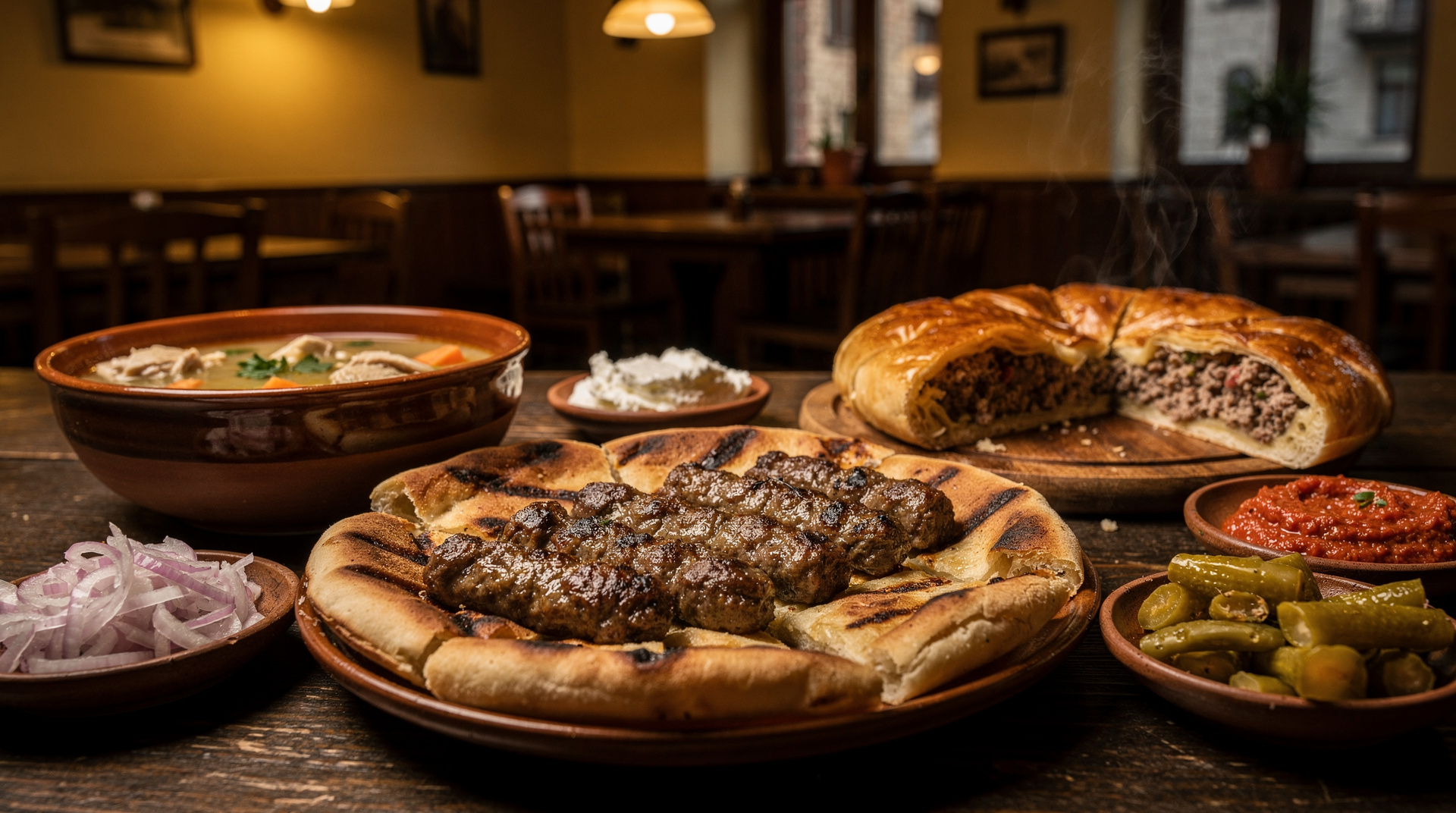
Yes. Sarajevo's best food tours visit neighbourhood spots that tourists rarely find alone, cover 6-10 dishes for 60-100 BAM, and give real cultural context for dishes like ćevapi, burek, begova čorba, and Bosnian coffee.
Sarajevo is a serious food city, but its best eating happens off the tourist trail — in neighbourhood ćevabdžinicas, covered markets where locals shop, and kafanas that have no English signage. A guided food tour bridges the gap, giving you access to places you would not stumble into alone and the cultural context to understand what you are eating.
| At a glance | |
|---|---|
| Where | Grbavica, Baščaršija and Markale market, central Sarajevo |
| Cost | Around 40-160 BAM per person depending on format |
| Time needed | 2-5 hours depending on tour |
| Getting there | Most tours meet near Baščaršija, walkable from old-town hotels |
| Best time | Book 24-48 hours ahead in June-September; Saturday mornings for the market-based tours |
Why take a food tour in Sarajevo
The challenge with eating independently in Sarajevo is that the best spots are not where visitors tend to concentrate. The Baščaršija tourist strip has good food, but it also has tourist pricing and a pace that does not reflect how Sarajevans actually eat. A guided tour takes you into Grbavica, Kovači, Iza Hrida, and other residential neighbourhoods where the ćevapi are more consistent, the kajmak is hand-made, and a full lunch costs 12 BAM.
Beyond logistics, Bosnian food carries a lot of cultural and historical weight — the Ottoman legacy in the sweets and coffee, the Austro-Hungarian influence in certain pastry traditions, the wartime improvisations that became permanent fixtures on the menu. A good guide makes all of this legible.
The best food tours in Sarajevo
Eat Where the Locals Eat (Grbavica food tour)
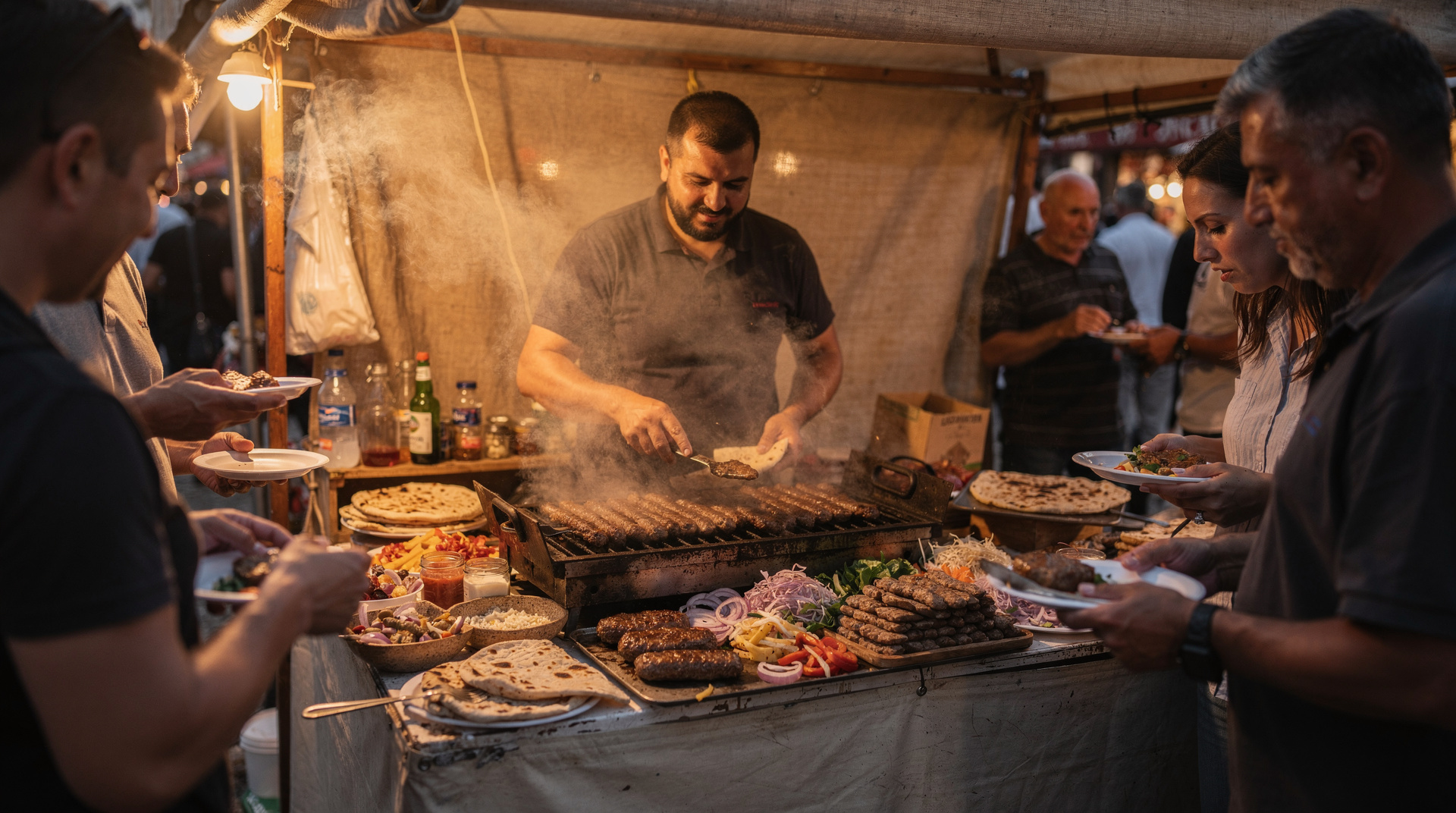
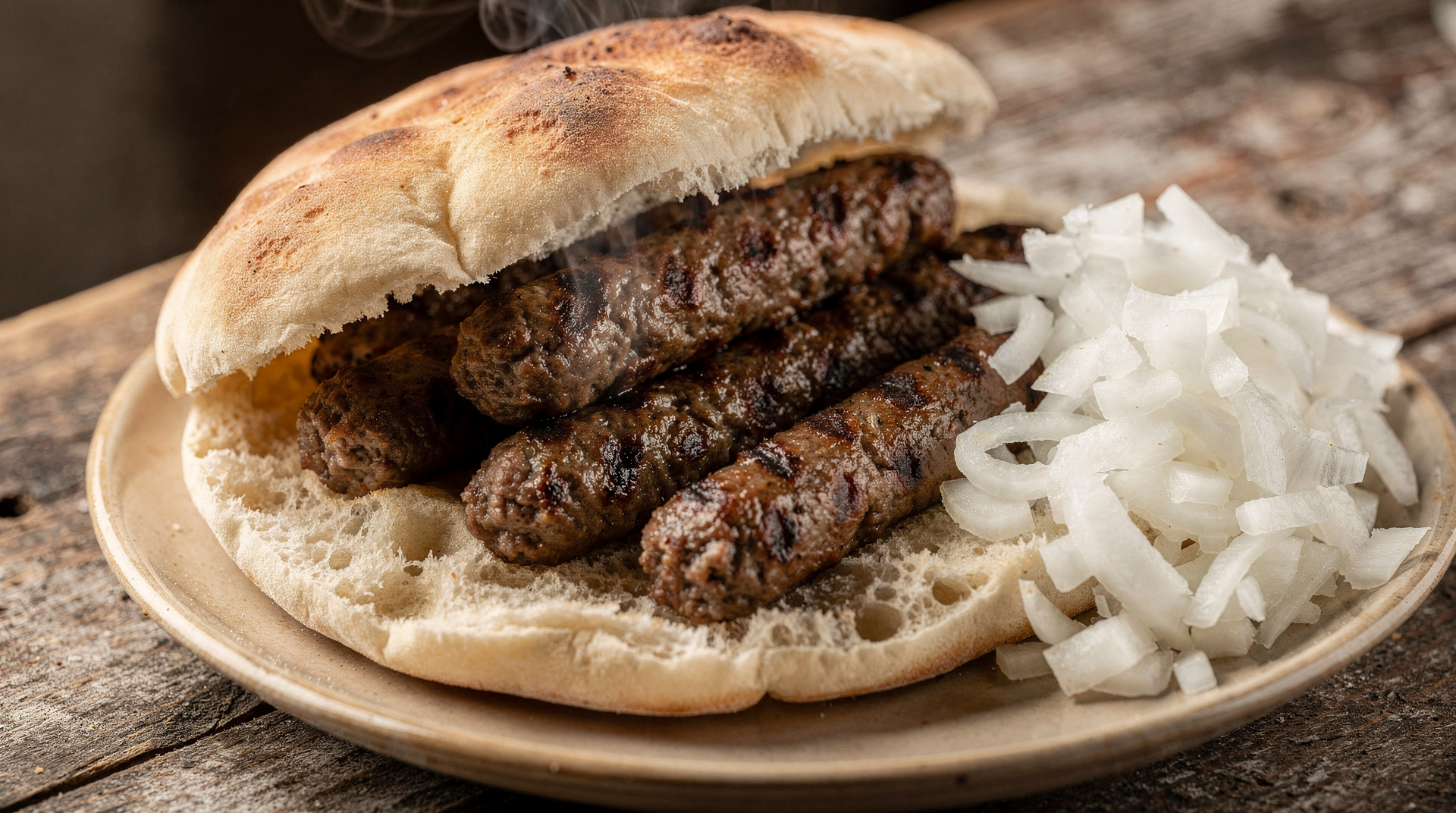
This local-led food tour is the most highly rated option for travellers who want to eat like a Sarajevan rather than a tourist. The route covers the Grbavica neighbourhood — a residential area on the south side of the Miljacka River — with stops at a family ćevabdžinica, a neighbourhood bakery (pekara), and a kafana for coffee and sweets. You will eat 6-8 dishes, all accompanied by explanation of the food culture.
Duration: 3-4 hours. Group size: small (max 8-10). Includes food costs. Meeting point near Baščaršija.
City Market and Old Town Food Tasting
The Sarajevo city market food tasting tour starts at Markale, the covered market in the city centre where locals buy fresh produce, dairy, and cured meats. You taste Travnički sir (local white cheese), smoked meats, fresh bread, and seasonal vegetables before moving into Baščaršija for ćevapi and traditional sweets.
The Markale market carries particular historical weight — it was the site of two notorious artillery attacks during the 1992-95 siege. Many guides acknowledge this without dwelling on it, creating a thoughtful context.
Duration: 2.5-3 hours. Good for morning visits when the market is fullest.
Food and Crafts Tour
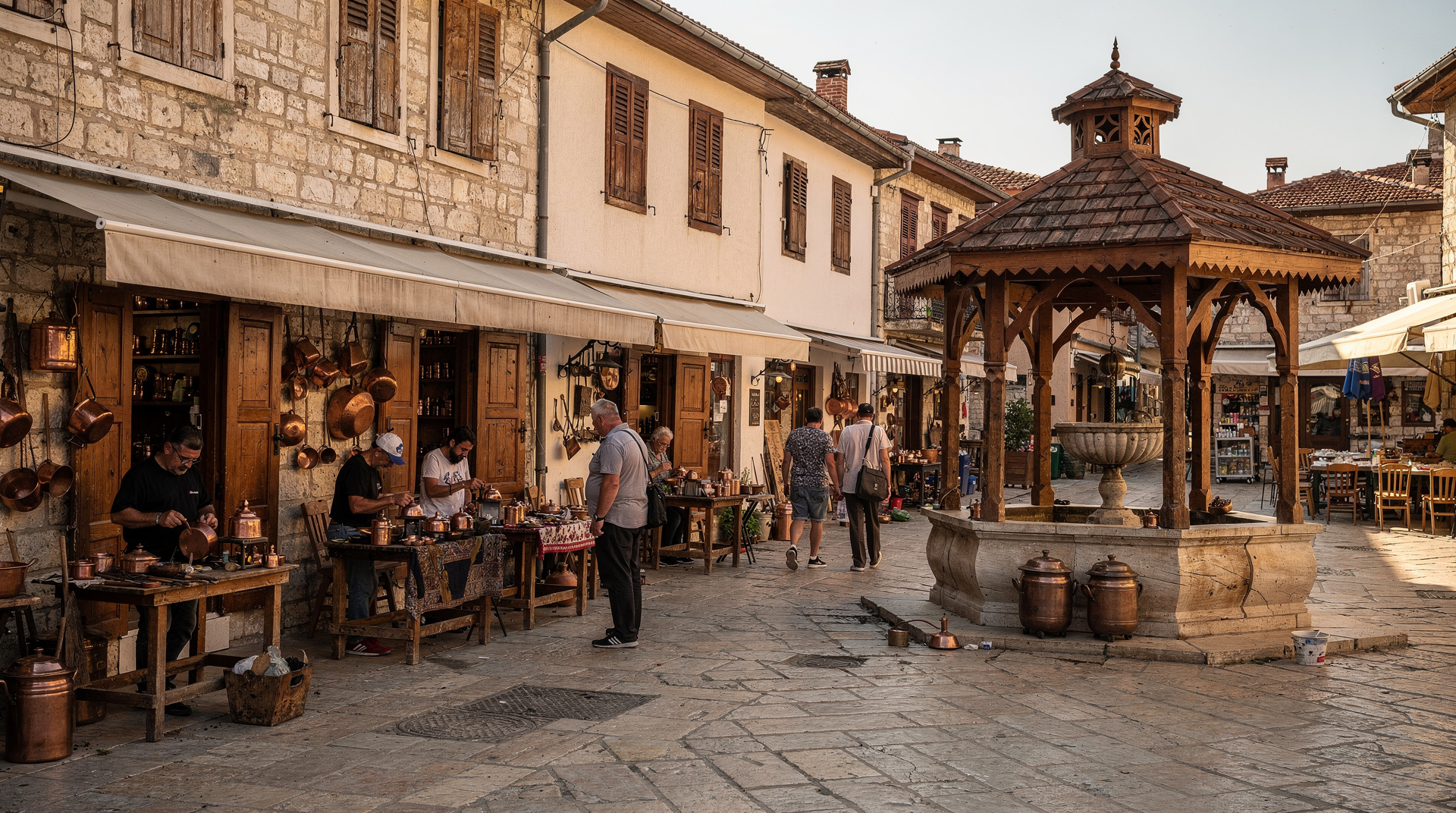
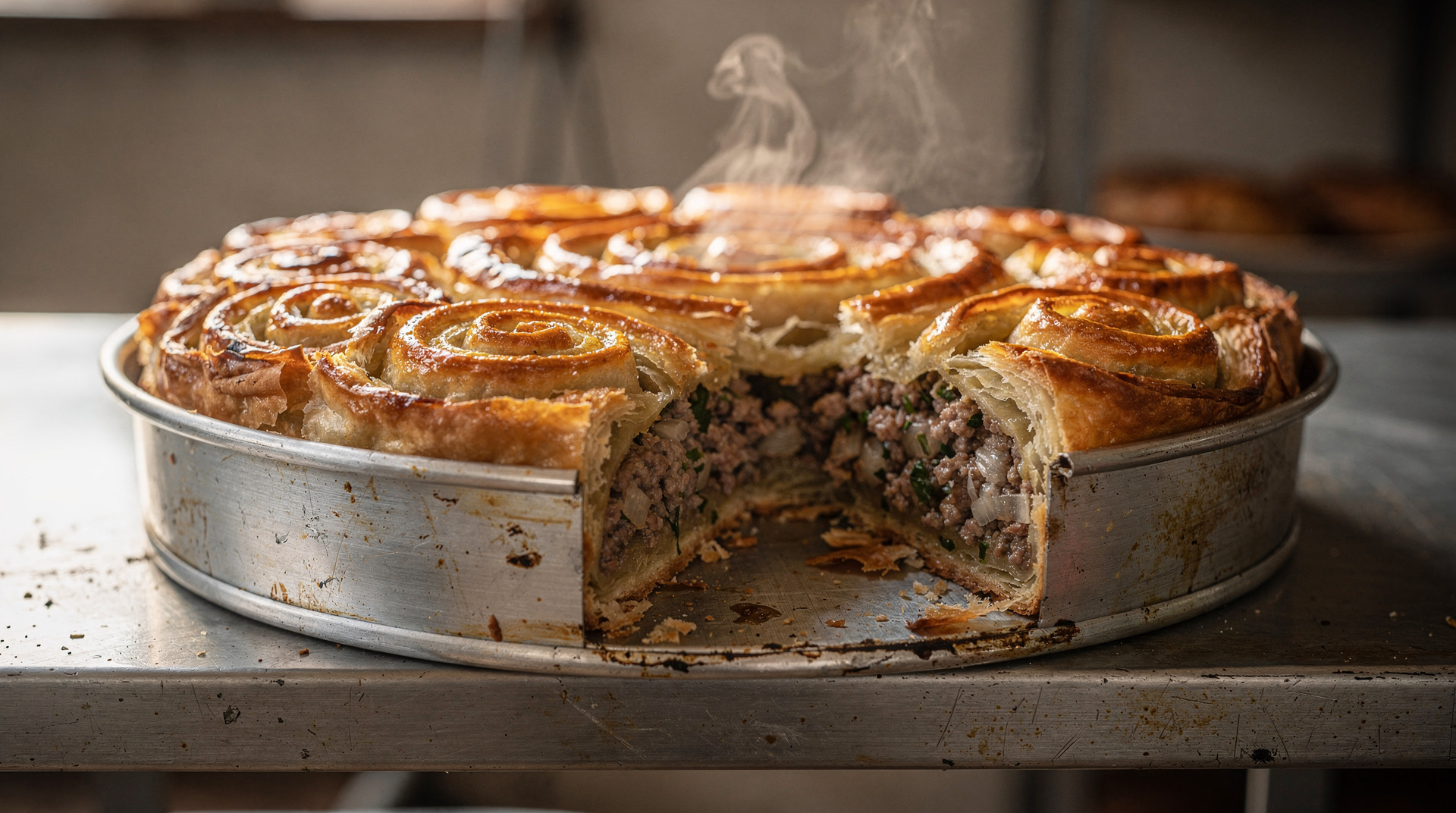
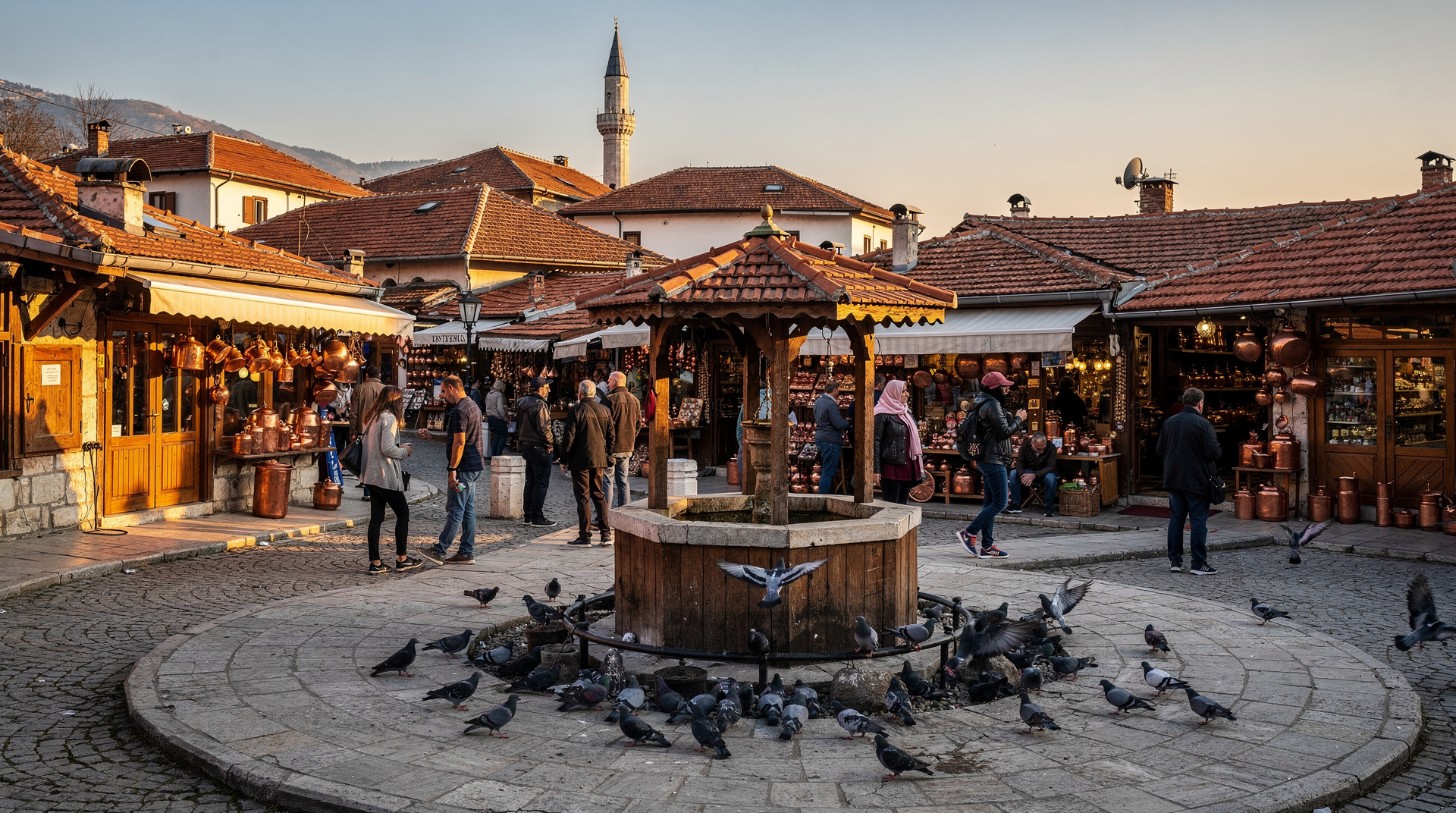
The Sarajevo Food and Crafts Tour combines traditional Bosnian eating with a visit to the artisan workshops (čaršija) of Baščaršija — coppersmiths, leatherworkers, jewellers. Food stops include burek, ćevapi, and a coffee ceremony. A good option if you want to combine the food experience with an introduction to the old town’s craft tradition.
Duration: 3.5-4 hours.
Ethnic Food and Coffee Walking Tour
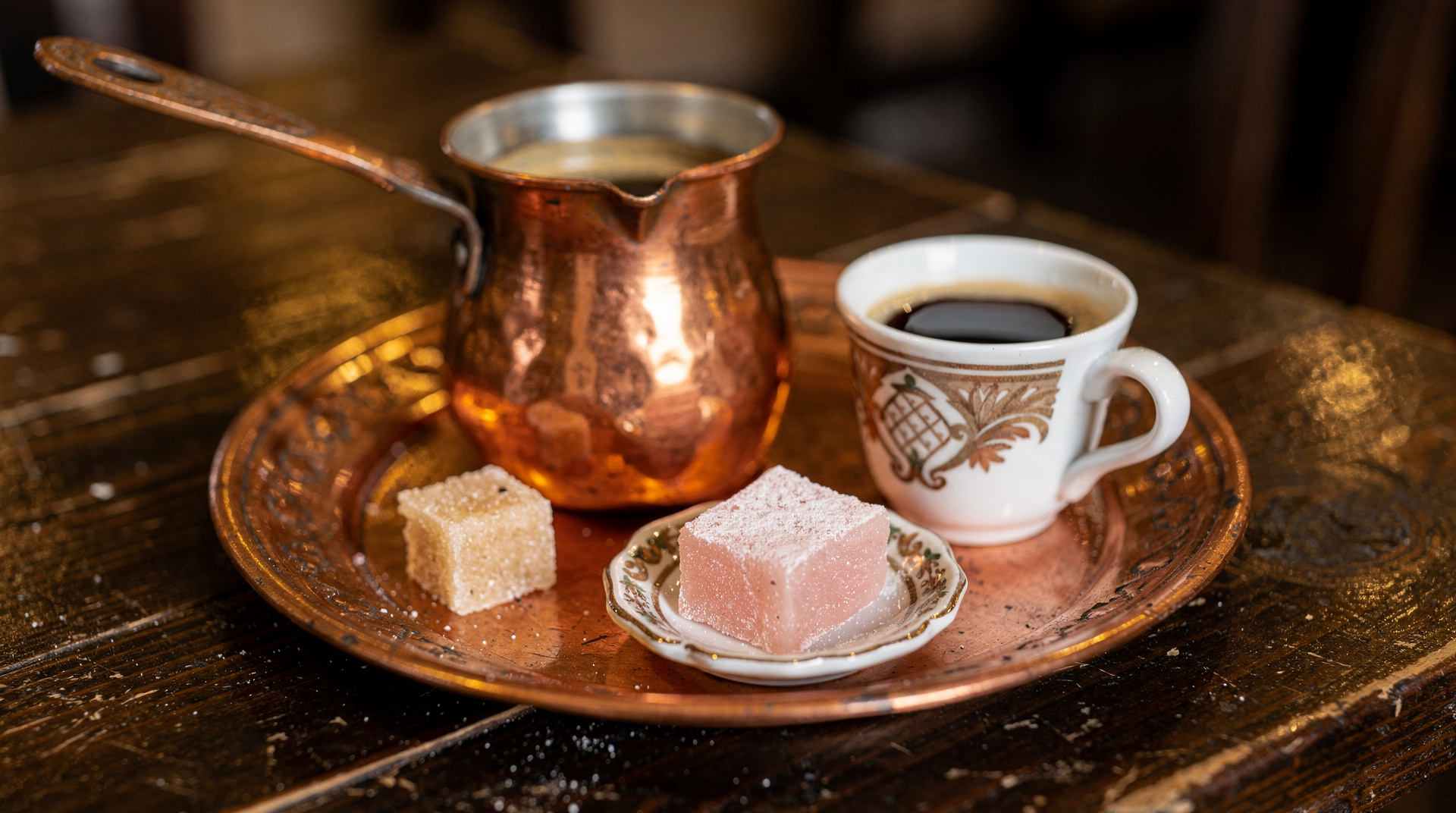
The Ethnic Food and Coffee tour focuses specifically on the multi-faith food culture of Sarajevo — how Ottoman, Sephardic Jewish, Catholic, and Orthodox traditions have each contributed dishes and ingredients to the city’s kitchen. Includes a full Bosnian coffee ceremony with the džezva, fildžan, and rahat lokum.
Duration: 3 hours. Strong on cultural context.
Markale market: what to look for independently
If you prefer to navigate the market alone, here is what to buy and taste:
- Travnički sir: the local semi-soft white cheese, sold in blocks from dairy stalls. Ask for a taste before buying. Around 8-12 BAM per 500g.
- Sudžuka and suho meso: cured beef sausage (sudžuka) and dried smoked meat (suho meso), produced in villages across the country. Intensely flavoured, often served with cheese.
- Kajmak: the clotted cream essential for eating alongside ćevapi. Sold in tubs from the same dairy stalls as the cheese.
- Seasonal produce: Bosnian market vegetables in season (June-September) are excellent — tomatoes, peppers, and courgettes used in dolma, and wild mushrooms from the mountains in autumn.
The market is open daily 07:00-14:00, with Saturday the busiest and best day.
Cooking classes in Sarajevo
For hands-on experience, Sarajevo’s cooking classes are some of the best introductions to Bosnian food culture available. They typically run in a family home or small professional kitchen, covering two or three dishes from scratch.
Most classes focus on:
- Burek: kneading and stretching the filo dough is the skill-intensive part; most visitors are surprised by how physical it is
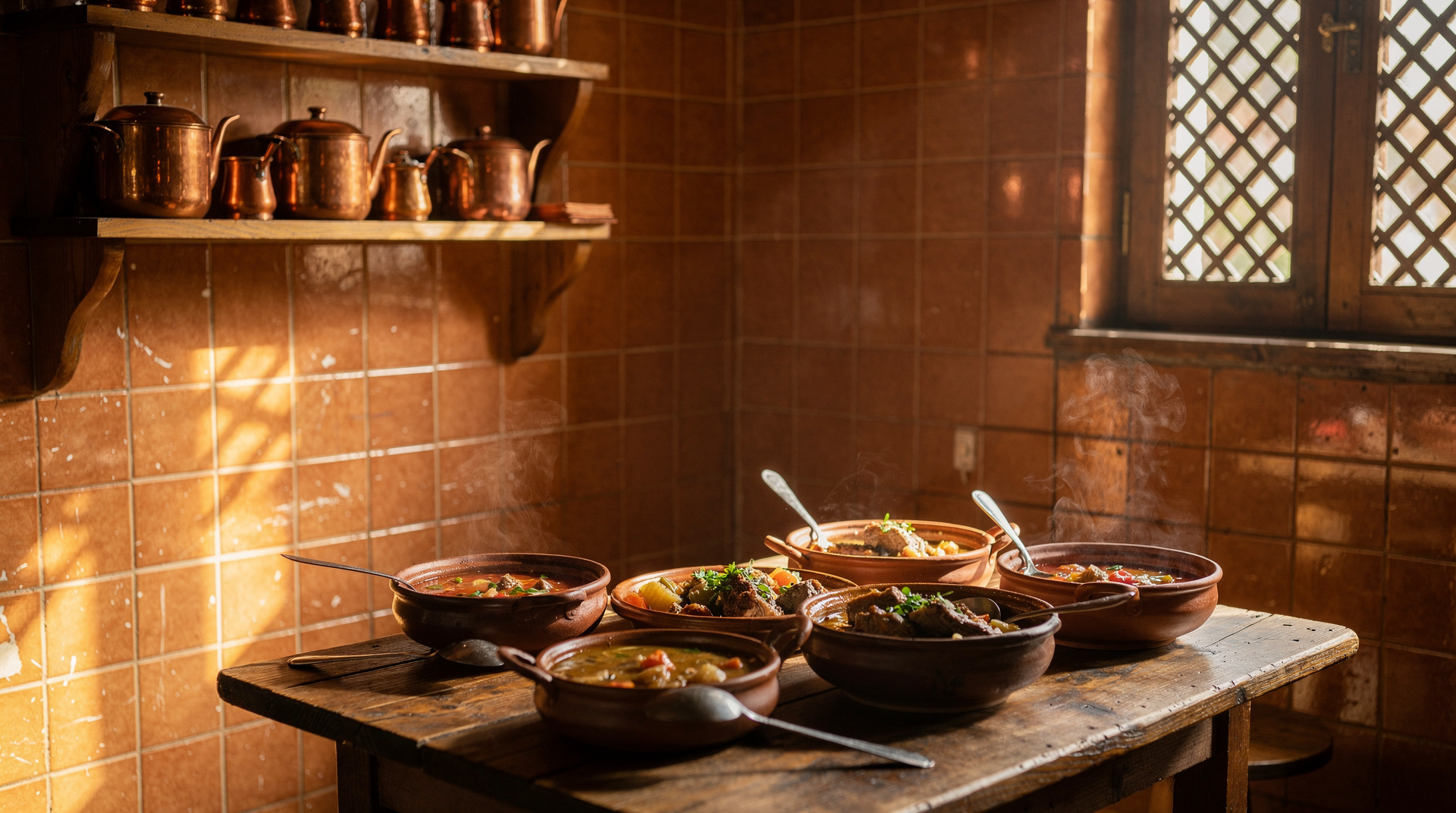
- Begova čorba: the timing of adding okra and cream to the chicken broth is the key technique
- Tufahija: poaching the apple and mixing the walnut filling
Prices run 80-120 BAM (40-60 EUR) per person including all ingredients and a shared meal. Book through the tour platforms or through accommodation in Sarajevo.
Combining food with sightseeing
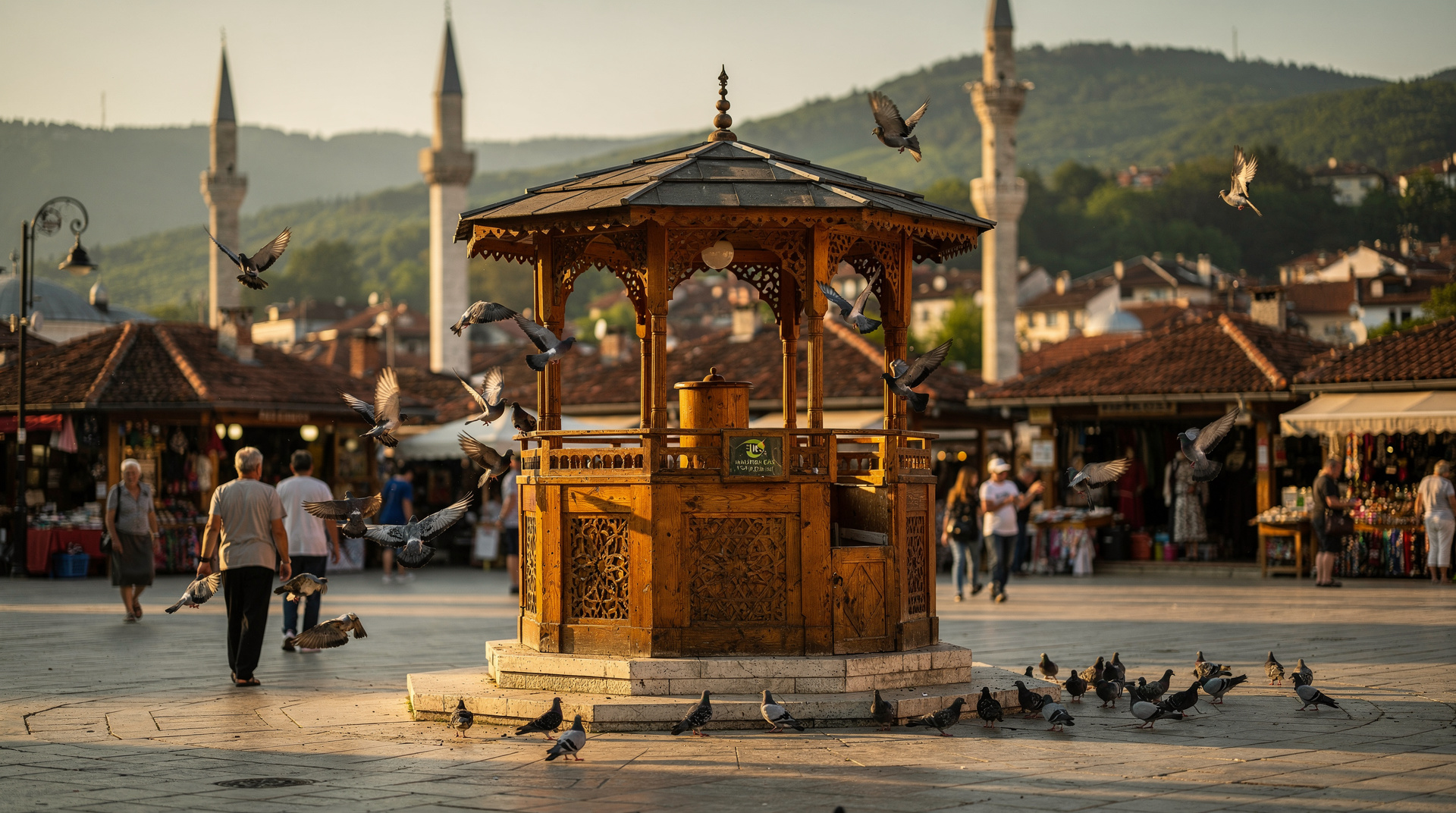
Sarajevo’s food scene is concentrated in and around Baščaršija, which is also the historic heart of the city. A food tour and a walking tour of the old town can be combined in a single half-day. The Baščaršija guide covers the main landmarks — the Gazi Husrev-beg Mosque, the Sebilj fountain, and the covered bazaar — while this guide handles the eating.
For the broader food picture — ćevapi, Bosnian coffee, Herzegovina wine, and rakija — the Bosnian food guide is the starting point. For where to eat dinner in the evening, the best restaurants in Sarajevo guide covers current reliable options across price points.
Practical booking notes
- Book food tours 24-48 hours in advance during peak season (June-September)
- Most tours require a minimum of 2 people; private options available for couples
- Tours operate rain or shine; bring layers in spring and autumn
- All guides speak English; some also speak German, French, or Italian
- Dietary needs: notify the operator in advance — tours can often accommodate vegetarian guests with advance notice
Comparing the main food tour formats
| Tour type | Duration | Approx. cost | Best for |
|---|---|---|---|
| Grbavica local-led tour | 3-4 hours | 40-80 BAM | Wanting to eat like a Sarajevan, off the tourist strip |
| Markale market & Old Town tasting | 2.5-3 hours | 40-80 BAM | Shorter mornings, market atmosphere |
| Food and Crafts tour | 3.5-4 hours | 40-80 BAM | Combining food with artisan workshops |
| Ethnic Food and Coffee tour | 3 hours | 40-80 BAM | Cultural/interfaith food history |
| Private cooking class | 2-3 hours | 80-120 BAM | Hands-on learning, small groups or solo travellers |
What a food tour won’t cover (and how to fill the gap)
Most guided tours stick to the Baščaršija-Grbavica-Markale triangle, which means a few well-loved Sarajevo specialities rarely make the itinerary:
- Klepe (Bosnian meat dumplings with yoghurt-garlic sauce) — worth seeking out at an evening restaurant rather than a lunchtime tour stop.
- Sarajevska pivara’s local beer paired with grilled meat — a good option for an evening after the tour, once the guide has gone home.
- Seasonal fruit desserts like tufahija made with fresh autumn apples — some cooking classes cover this, but daytime walking tours rarely have time.
The Bosnian food guide fills in dishes and regional variations a single tour can’t cover in 3-4 hours, and the burek and pita guide goes deep on the pastry tradition that most tours only sample once.
How to pick the right tour for your trip
The four walking tours above overlap less than their names suggest, so the choice comes down to what you want to take home. If your priority is eating where Sarajevans eat, the Grbavica route is the one to lean towards. If you would rather see the city’s produce and dairy culture first-hand, the market-led tasting fits better. Travellers who care about crafts and the atmosphere of the old bazaar tend to enjoy the Food and Crafts tour, while those curious about how different communities shaped the city’s kitchen will get the most from the Ethnic Food and Coffee walk.
Think also about how the tour fits into the rest of your days. A food tour works well on your first full day, because it gives you a map of dishes to revisit on your own: the stall whose ćevapi you liked, the bakery you want to return to, the coffee house where you would happily linger. If you are building a longer stay, the Sarajevo 4-day deep dive shows where a tasting walk can slot in alongside the museums and the old town, and the Bosnia 7-day itinerary helps if Sarajevo is only one stop on a wider route.
What to expect on the day
Food tours in Sarajevo are relaxed, conversational and rather more filling than people expect. You walk slowly between stops, the guide explains each dish before you taste it, and there is usually time to ask questions about ingredients, family recipes and how habits have changed in recent decades. Nobody rushes you through a coffee. Expect to be seated for some stops and standing at a counter or stall for others, so comfortable shoes matter more than smart clothes.
Portions at each stop are tasting-sized, but they add up. Pace yourself, especially at the first bakery or ćevabdžinica, where it is tempting to finish everything. Sharing is normal, and a good guide will happily wrap leftovers or point out which dishes are best eaten hot. Bring water, a little cash for anything you want to buy extra, and an open mind about unfamiliar flavours such as kajmak, sudžuka or sour dairy drinks.
If you have been reading about the city’s history before arriving, you will notice how often the food and the story of the place meet. The Sarajevo meeting of cultures guide and the Ottoman heritage in Bosnia guide make good companions, because many of the dishes you taste, from sweets to coffee, only make sense against that background.
Etiquette at the table and the coffee stop
A few habits make the experience smoother. Bread is part of the meal, not a decoration: somun is used to scoop, wrap and mop up, and leaving it untouched is a missed opportunity. Hospitality matters a great deal in Bosnian food culture, so if a vendor offers you an extra taste, accept it graciously. Tipping the guide is a personal decision, and a thank-you to the family-run places you visit goes a long way.
At the coffee stop, take your time. Bosnian coffee is served in a copper džezva with small cups and a sweet on the side, and it is meant to be sipped slowly in conversation rather than gulped between sights. Let the grounds settle before you drink, and do not stir them back up. The Bosnian coffee culture guide explains the ritual in more detail, and the Sarajevo cafés we love post suggests places to repeat the experience on your own afterwards.
Eating well after the tour
A tour is a starting point, not the whole picture. Once the guide has pointed you towards the dishes worth finding, you can build your own meals around them. Return to the stall that impressed you, try the version of a dish you only sampled once, and compare the way different kitchens approach the same recipe. That kind of side-by-side tasting is where you start to notice real differences in seasoning, bread and dairy.
For ćevapi in particular, the ćevapi guide for Sarajevo explains how to order and what to look for, while the rakija guide is useful if you want to understand the traditional spirit that often ends a long meal. If you are curious about the wider culinary story, the Bosnian cuisine beyond ćevapi post looks at dishes that rarely appear on a short tour.
Remember, too, that a good meal is also a good way to pause between sights. After a morning at the market or a walk through the old town, a long lunch in a quiet kafana is often more memorable than another landmark. Many visitors find that the food stops become the part of their Sarajevo trip they talk about most when they get home.
Planning around the city
Where you stay shapes how easy it is to join a tour and to keep eating well afterwards. Most tours begin close to Baščaršija, so a base in or near the old town keeps mornings simple and evenings walkable. The where to stay in Sarajevo guide compares the main areas, and the Sarajevo destination page is the best overview if you are still deciding how long to spend in the city.
Allow some flexibility in your schedule as well. Weather, group timings and your own appetite can all change the shape of a day, so avoid stacking a heavy sightseeing programme straight after a tasting walk. A quiet afternoon, a stroll along the river or a visit to a smaller museum suits the pace better, and leaves room for dinner if you are still hungry.
Frequently asked questions about Sarajevo food tour
How long do Sarajevo food tours last?
What food is typically included in a Sarajevo food tour?
How much do Sarajevo food tours cost?
Where does the Grbavica food tour go?
Can I do a cooking class instead of a food tour?
Is it better to book a Sarajevo food tour in the morning or evening?
Do Sarajevo food tours include alcohol or rakija?
Top experiences
Bookable activities with verified prices and instant confirmation on GetYourGuide.