Srebrenica Memorial Tour from Sarajevo
From Sarajevo: Srebrenica Genocide Memorial Study Tour
The Srebrenica Genocide Memorial tour is among the most powerful and ethically significant experiences available to travellers in Bosnia and Herzegovina. It is not entertainment, and it is not a conventional sightseeing day. It is a structured visit to the site of Europe’s worst massacre since World War II — a place where 8,372 Bosniak Muslim men and boys were killed by Bosnian Serb forces in July 1995.
This review explains what the tours involve, how they compare, and how to prepare for the day.
| At a glance | Details |
|---|---|
| Distance from Sarajevo | ~130 km, 2h30 each way |
| Total day length | ~10–11 hours door to door |
| Time at the memorial | 2–3 hours |
| Departure | 7–8 am |
| Best suited for | Adults and teens with parental guidance |
| Dress code | Shoulders and knees covered |
| Independent access | Possible by car; no public bus |
What you visit
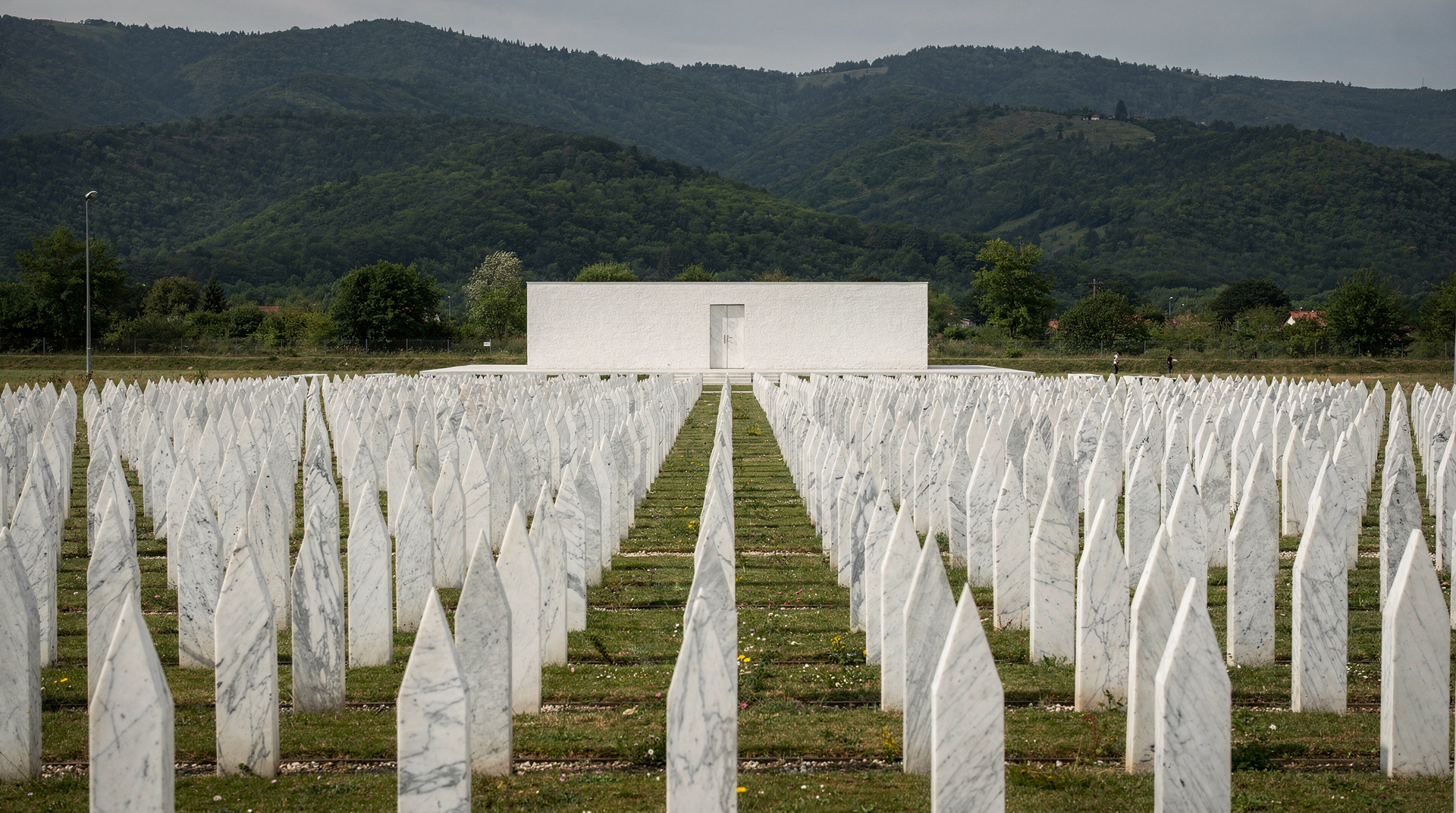
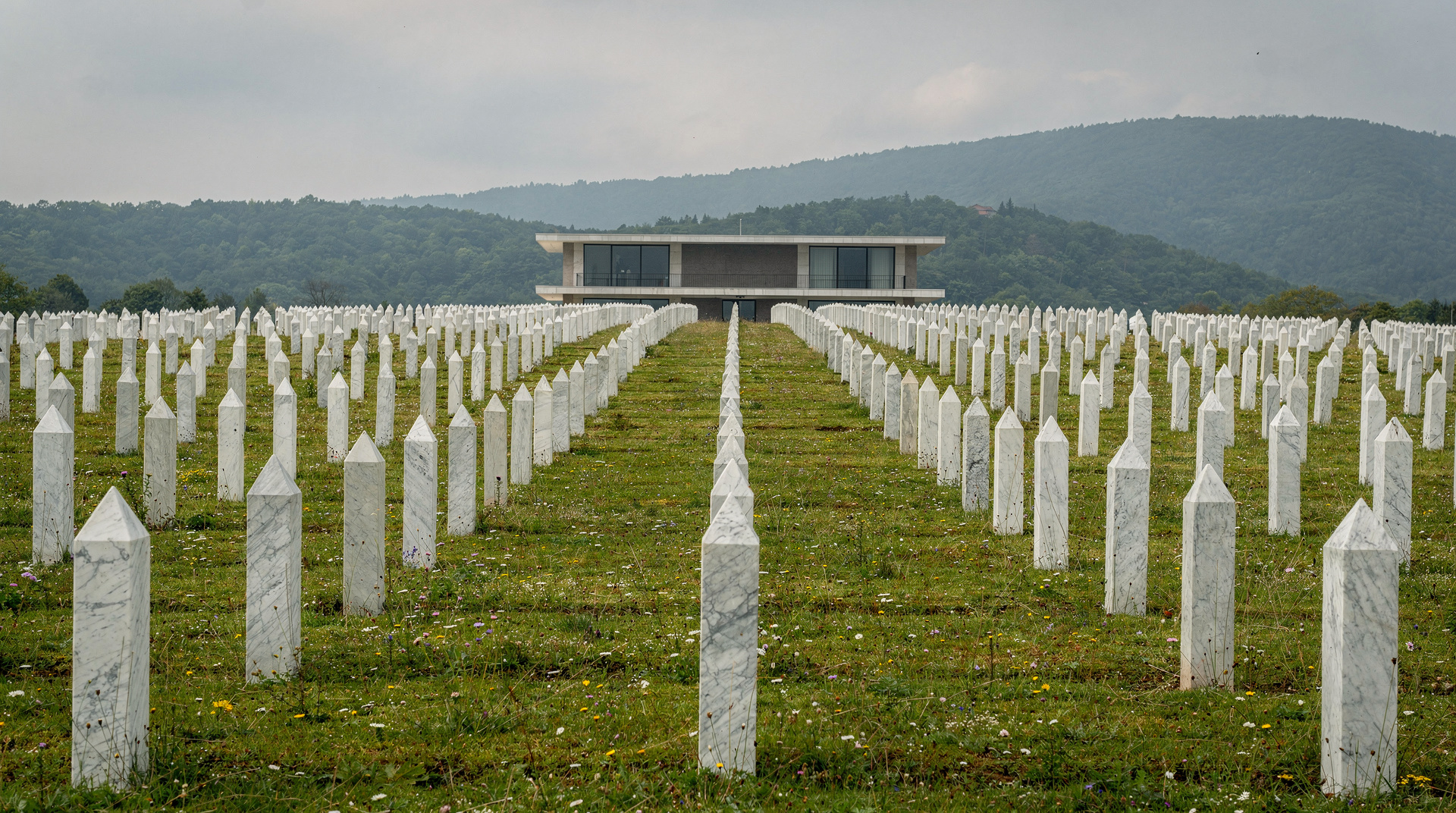
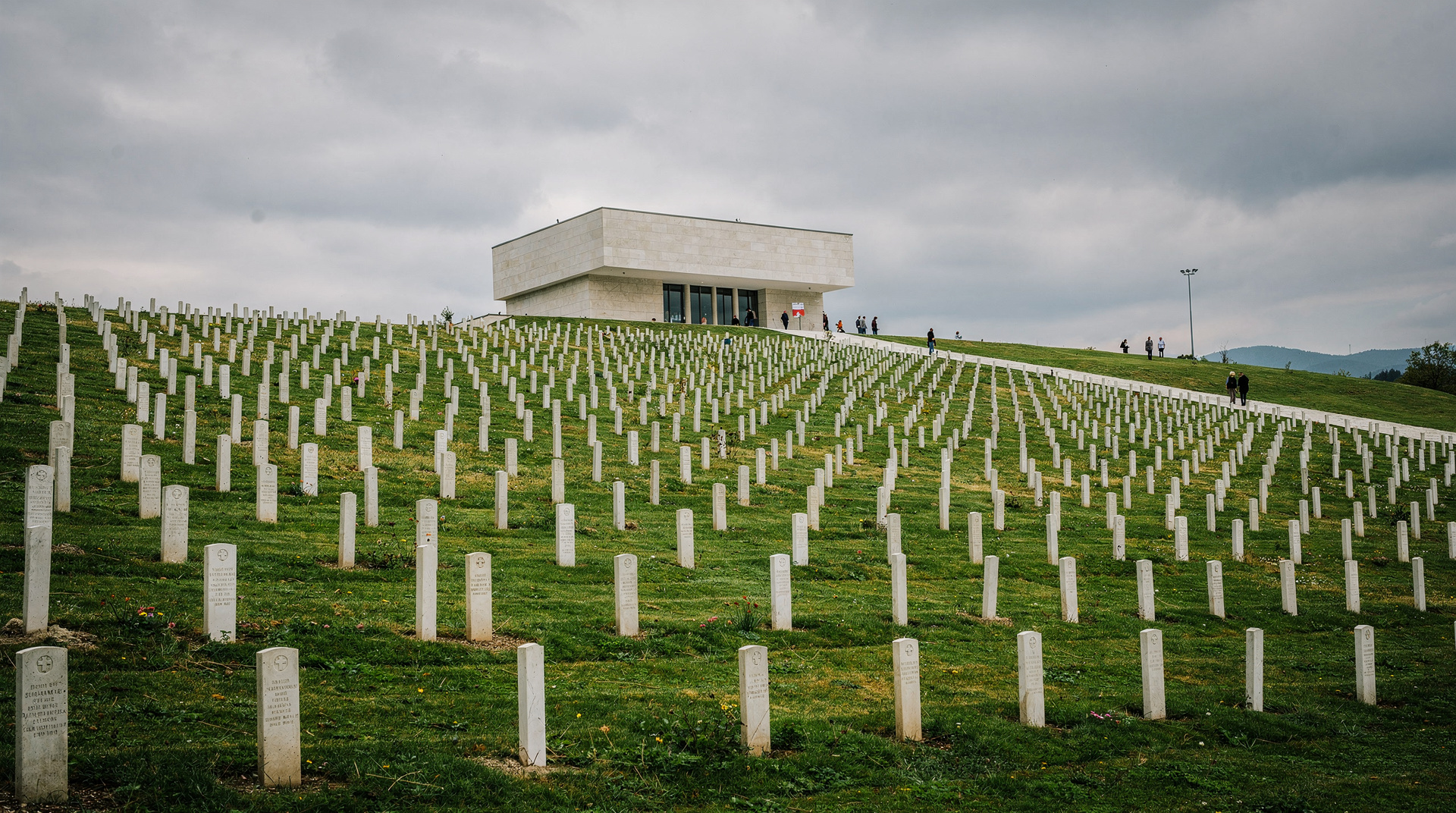
The centrepiece is the Srebrenica-Potočari Memorial and Cemetery, located in the former Dutch UN peacekeepers’ compound about 5 km north of Srebrenica town. The site includes:
- A large cemetery with distinctive white Islamic grave markers. Burials continue each year as remains from mass graves are identified through DNA analysis
- The former battery factory used as a staging area in July 1995, now converted into a sober and well-curated exhibition with testimonies, photographs, and documentary footage
- The Names Room — a wall listing all confirmed victims
- A section of the UN compound itself
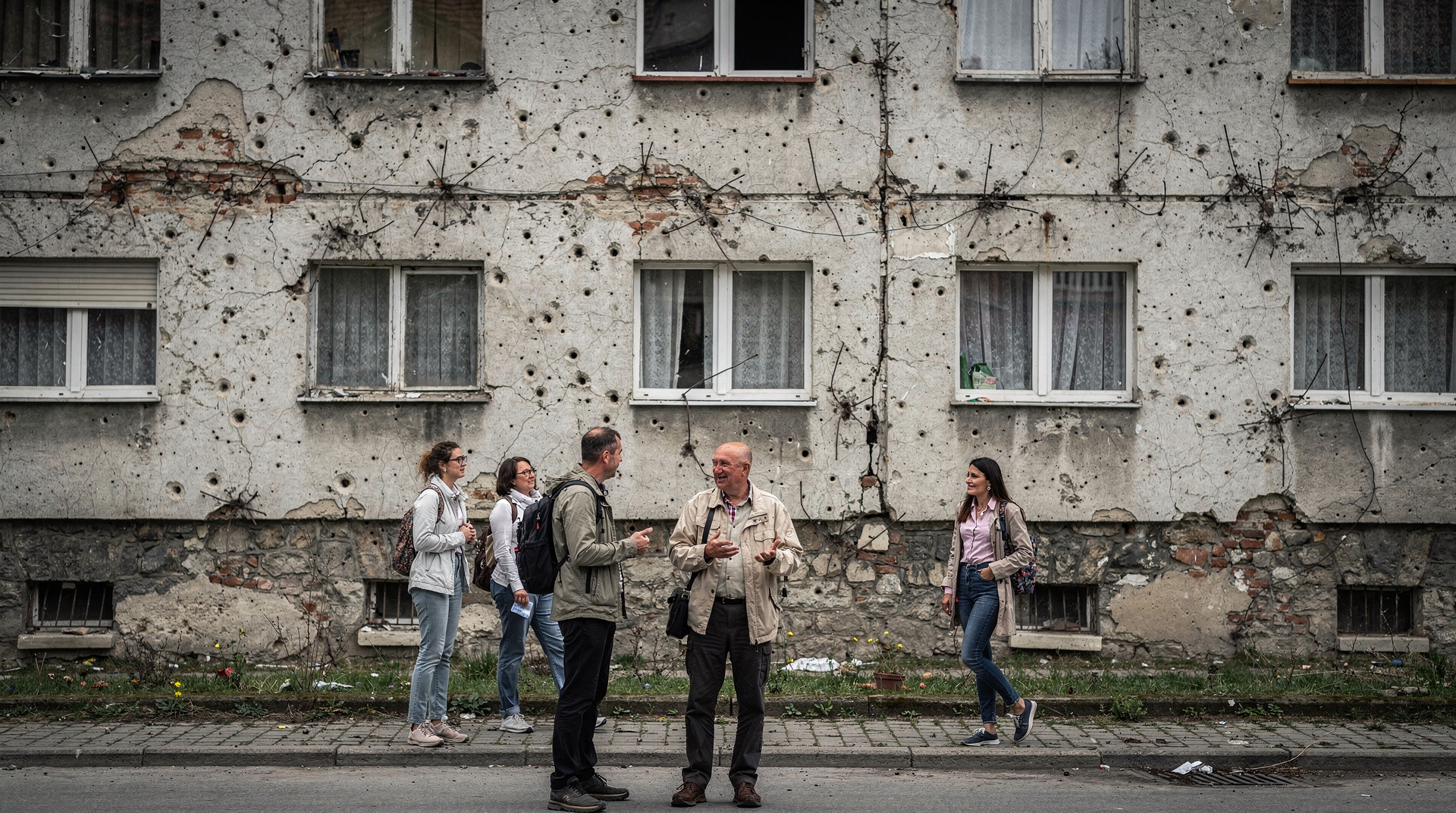
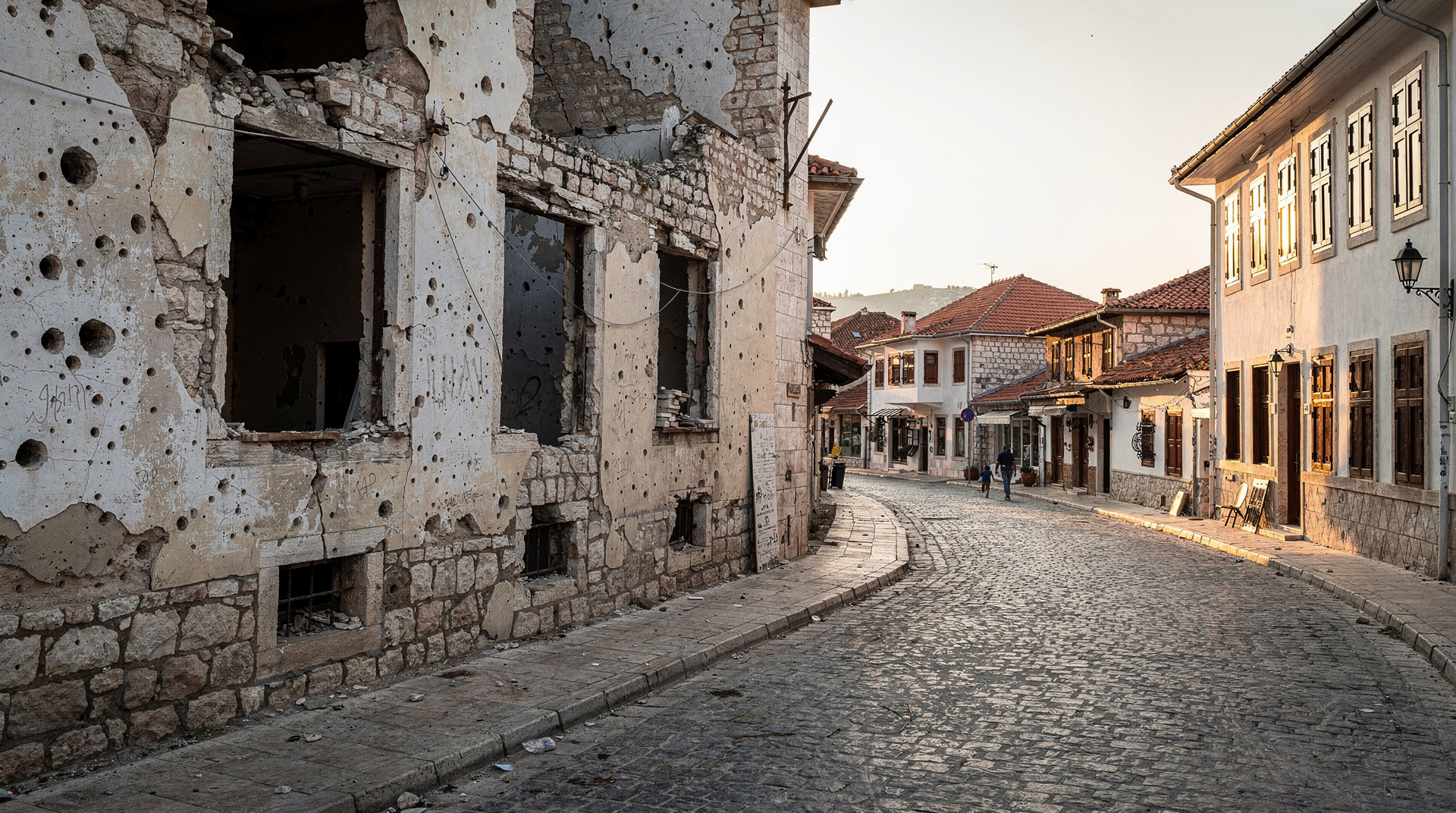
Most tours also stop in Srebrenica town (population much reduced since 1995), which carries its own atmosphere of aftermath and partial reconciliation.
Who leads the tours
The best tours — including the study tour and the “lunch with local family” variant — are guided by survivors or people with direct family connections to 1995. This is not marketing language: having a guide who lived through what you are learning about changes the experience completely. Questions are answered with patience, and no topic is off-limits.
The simpler day trip variant offers transport and access but may not include the same depth of guided interpretation — it can suit travellers who prefer to read, reflect, and walk independently at the site.
How the day runs
Tours depart Sarajevo around 7–8 am. The drive east takes around 2.5 hours through striking mountain scenery — Bosnia’s interior is breathtaking even on a heavy day. The visit to the memorial lasts 2–3 hours. The “lunch with a local family” version extends the day with a meal in a Bosniak household, giving context to civilian survival and post-war life. Return to Sarajevo is typically around 6–7 pm.
The “study tour” vs the “day trip”
The study tour format is more structured and educational, with a guide who provides historical context before, during, and after the site visit. It typically includes the exhibition walkthrough and time at the cemetery with guided commentary.
The basic day trip is more independent — transport is provided but interpretation is lighter. It suits visitors who have already read extensively about the genocide and want quiet time at the site without structured narration.
The “lunch with local family” option (a third variant) adds a deeply personal dimension: a family meal in a Bosniak household in the Srebrenica region. Proceeds support local families still rebuilding their lives. If you can spare the extra hours, it is highly recommended.
Who this tour is for — and honest caveats
This tour is appropriate for anyone who wants to understand 20th-century European history at its darkest, and who can handle grief — their own and others’ — with respect. It is not appropriate as casual sightseeing or for travellers looking for a fast-paced day out.
It should be said: Srebrenica is sometimes politically contested in ways that can be distressing for visitors if they are not prepared. International courts and UN resolutions have classified the events as genocide; the tours present the documented facts clearly. Be prepared for the weight of what you will see.
Practical note: dress modestly for the memorial (shoulders and knees covered as a mark of respect). The cemetery is an active burial site.
Is it worth going?
“Worth it” is an odd phrase for a genocide memorial. What can be said is that Srebrenica is one of the most important places in Europe, and visiting with a knowledgeable guide who can explain what happened — and why it matters — is a meaningful act. Many visitors describe it as the most affecting experience of their entire Balkans trip.
For context on the broader history, the Srebrenica genocide memorial guide and the Yugoslav wars explained guide are worth reading before you go. Travellers building a dedicated history-focused route through the country should also look at the Bosnia war history itinerary, the Sarajevo war tour guide, and the shorter Srebrenica day trip guide for a self-drive comparison.