Sarajevo war tour guide — what to see and how to choose
Sarajevo: Bosnian & Yugoslav Wars Tour with Tunnel Museum
What is the best Sarajevo war tour?
A half-day small-group war tour covering Sniper Alley, the confrontation lines, the Tunnel of Hope and the city panorama gives the best balance of depth and accessibility. Full-day versions add the History Museum siege exhibition.
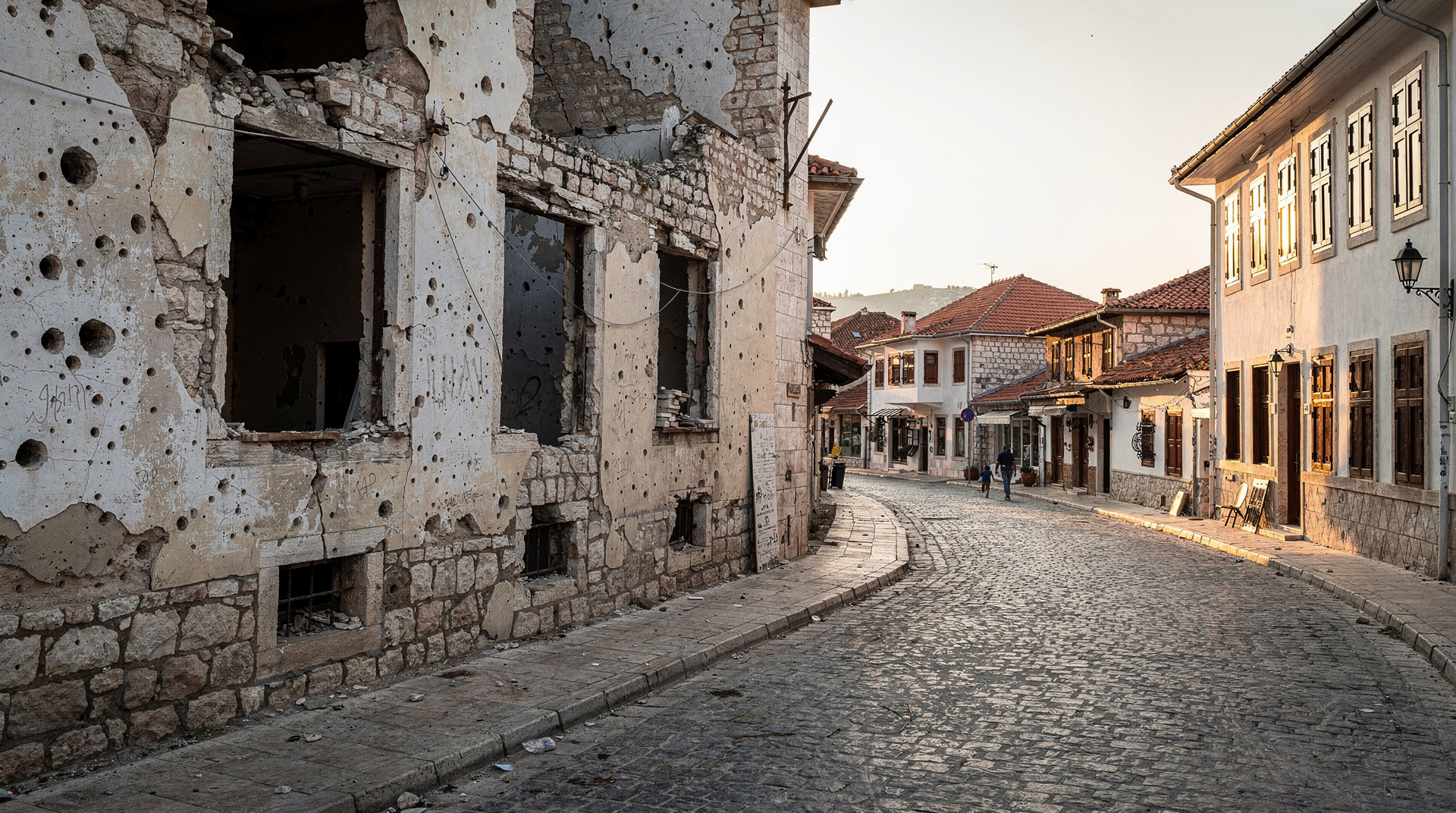
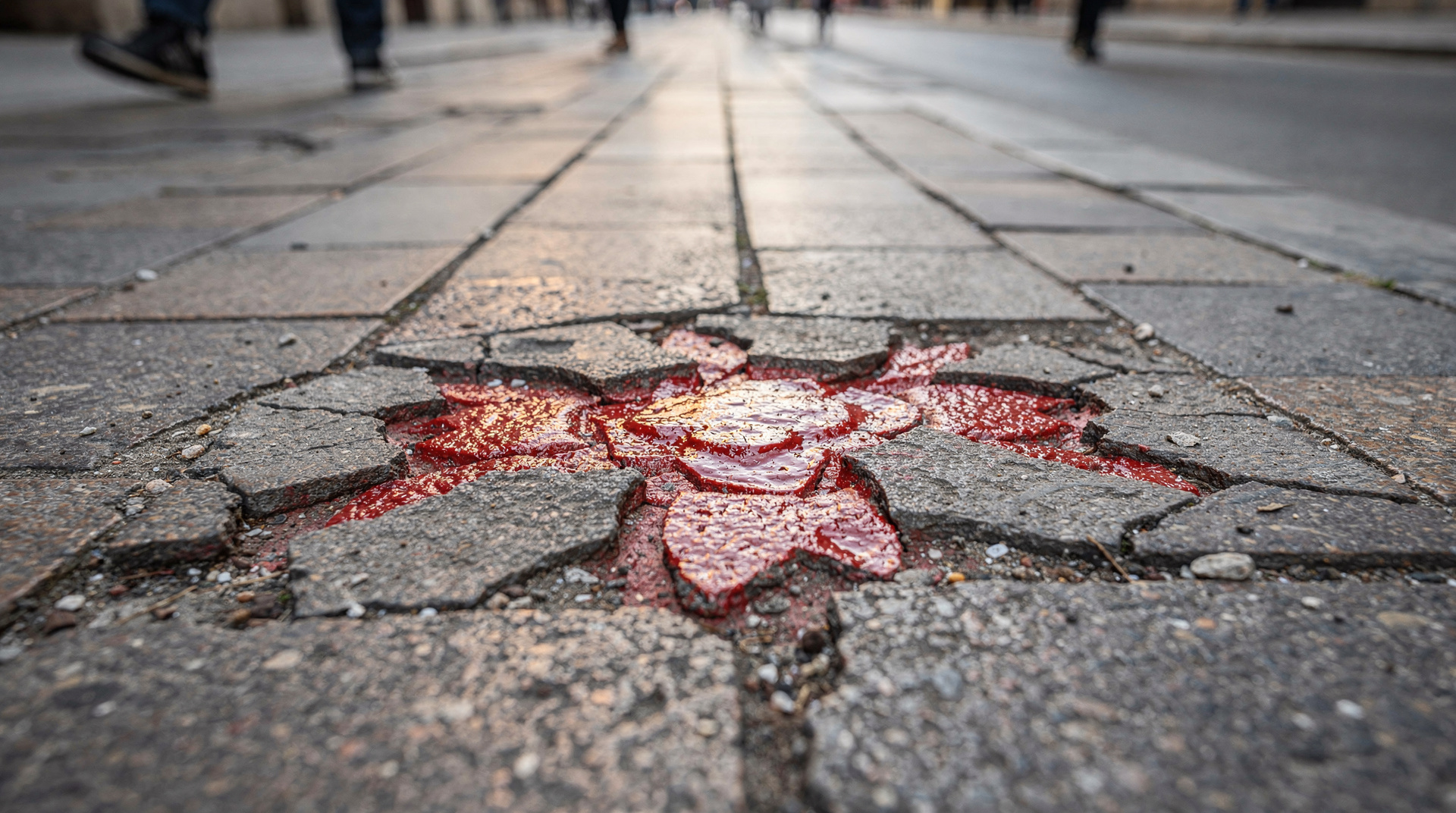
Sarajevo is one of the few cities in Europe where the physical and human traces of a recent war remain visible, documented and open to visitors in a way that is both honest and deeply respectful of those who lived through it. The siege of 1992–1996 shaped every street corner in the old town, from the resin-filled shell craters called Sarajevo Roses to the rebuilt minarets and the empty lots still waiting for reconstruction.
A guided war tour is the most effective way to understand what happened here — the geography of the siege lines, the logic of the snipers in the hills, the everyday heroism of survival, and how the city has chosen to remember without becoming defined by its suffering. This guide helps you choose the right tour and get the most from it.
At a glance
| Where | Old town Sarajevo + Tunnel of Hope in Butmir (around 20–25 min from Baščaršija) |
| Cost | Around 50–80 EUR small-group half-day; 80–130 EUR full-day; 100–160 EUR private |
| Time needed | 2–3 hours (walking-only) to 6–8 hours (full-day with museum) |
| Getting there | Meets centrally near the Eternal Flame or Cathedral; tunnel transport usually included |
| Best time | Year-round; spring/autumn most comfortable for the walking segments |
What a Sarajevo war tour covers
The core itinerary of most Sarajevo war tours includes five or six sites, usually in this sequence:
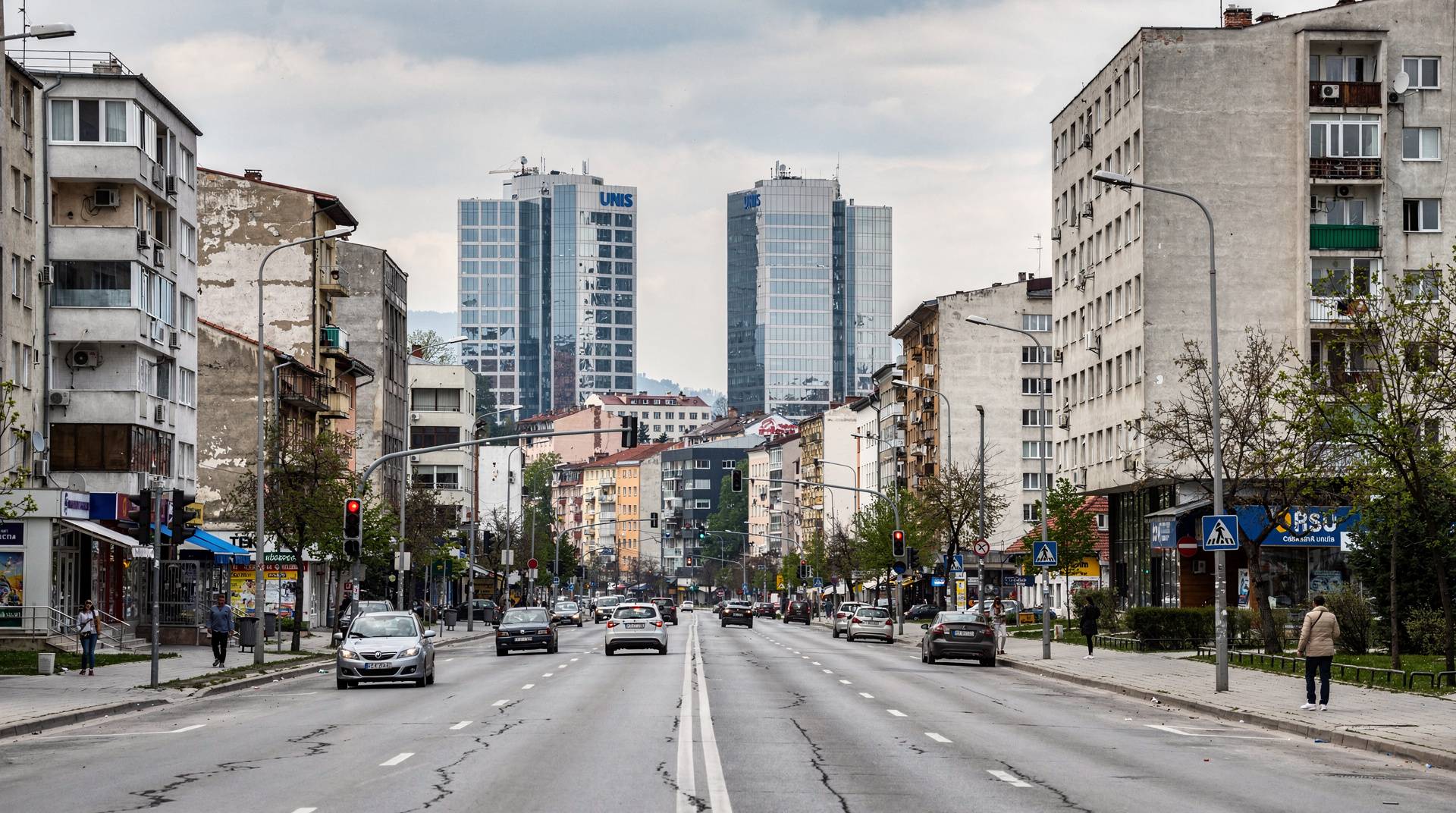
1. Sniper Alley (Zmaja od Bosne boulevard) — The wide boulevard running along the southern edge of the city was the most dangerous open space in Sarajevo during the siege. Snipers in the tower blocks of Grbavica (then on the Bosnian Serb side of the front line) could fire on civilians crossing the street. Guides show where armoured buses and UN vehicles provided limited cover, and where civilians sprinted between buildings.
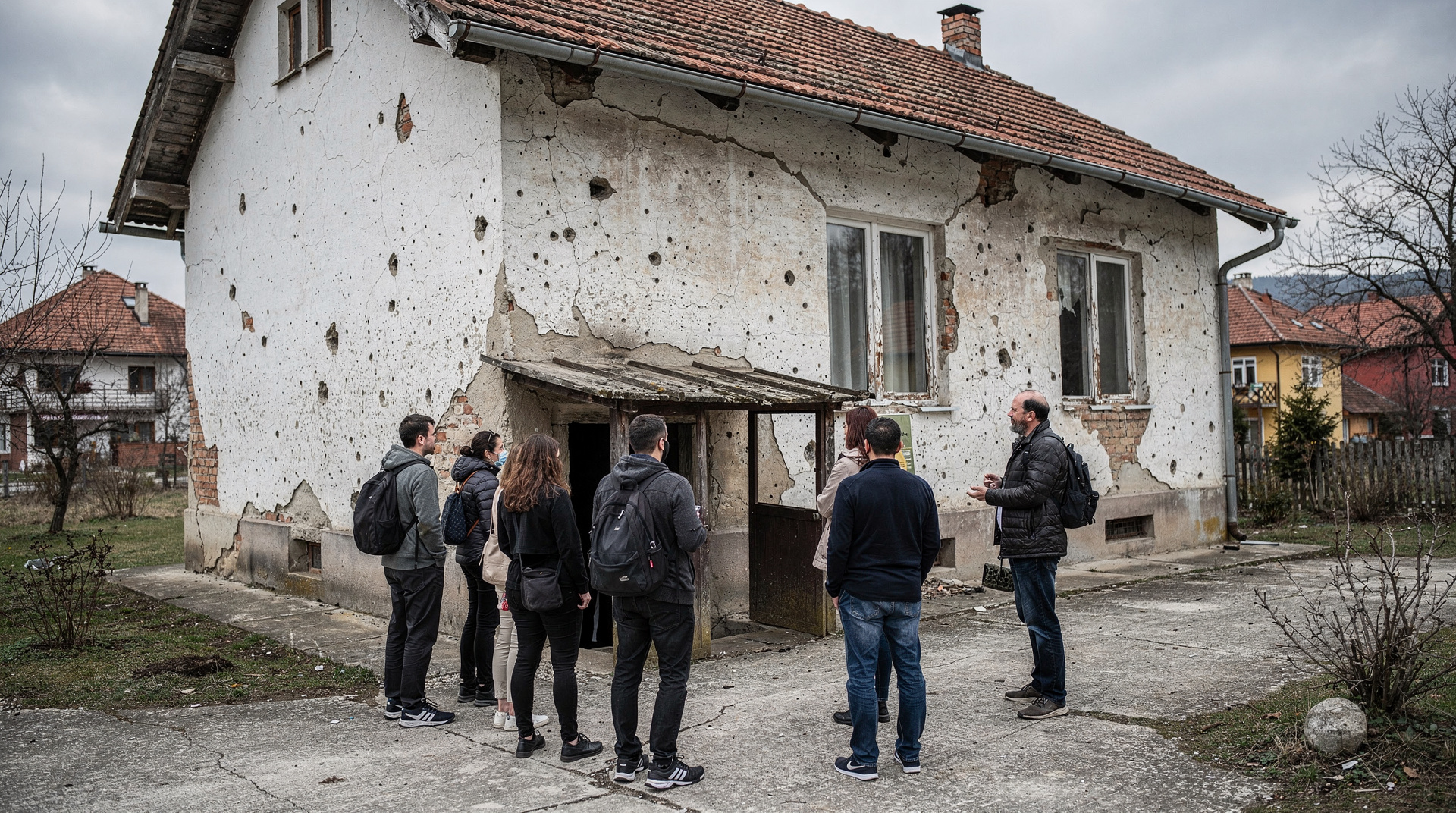
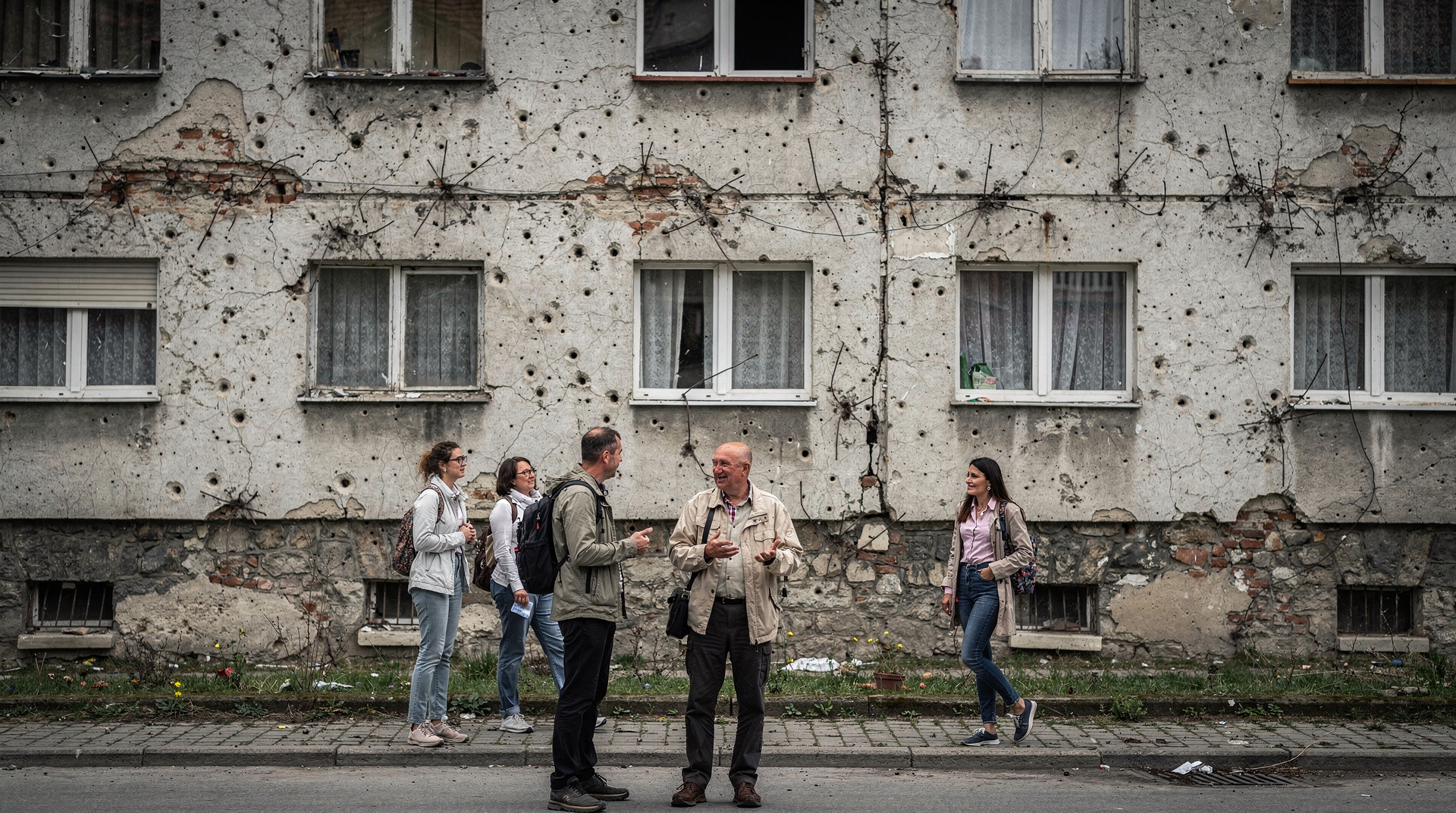
2. The confrontation lines — In many Sarajevo neighbourhoods the front line ran between adjacent buildings or across single streets. Some of these buildings still bear shrapnel damage; guides point out where the division ran and explain how neighbourhoods like Grbavica were cut off from the rest of the city.
3. The Markale market massacre sites — The open market in the old town was struck by mortar shells twice during the siege: in February 1994 (68 killed) and August 1995 (43 killed). These were the events that triggered NATO airstrikes against Bosnian Serb positions. The market is open and functioning today; guides explain the evidence and the ICTY findings.
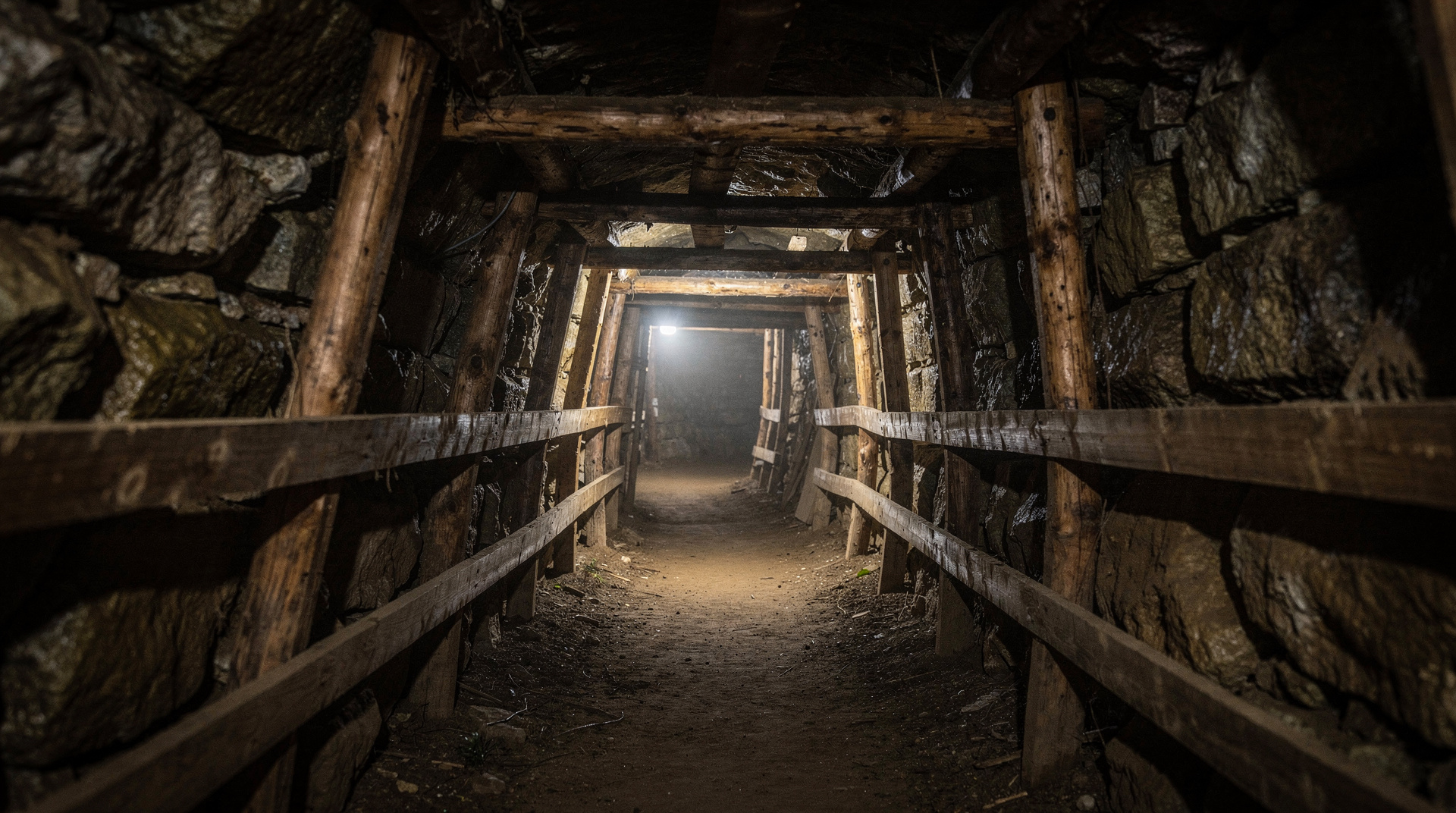
4. The Tunnel of Hope (Tunel Spasa) — A 30-minute drive from the old town in the Butmir district, the tunnel is the most tangible siege site and the heart of most tours. See our dedicated Tunnel of Hope guide for full details.
5. Panoramic viewpoint (Yellow Fortress or Trebević) — Looking down over the city from the hills that encircled it during the siege gives an immediate spatial understanding of the military geography. Many guides explain the sniper positions from here.
6. History Museum of Bosnia and Herzegovina (optional) — The permanent siege exhibition “Opsada” holds an extraordinary archive of personal objects, photographs and documents from the siege years. Full-day tours often include this.
Sarajevo: Bosnian and Yugoslav Wars Tour with Tunnel MuseumThe Konjic bunker and the tunnel under the runway belong to two different wars and two different logics of survival, one state-built over decades and one dug by hand in months: a Tito’s bunker and Tunnel of Hope tour puts them side by side, which is where the contrast registers.
Half-day vs full-day war tours
Half-day tours (3.5–4.5 hours) cover the siege walking sites and the Tunnel of Hope. They are well-suited to visitors who have only one morning or afternoon free, and they cover the essential narrative clearly. These typically cost 50–80 EUR per person in a small group.
Full-day tours (6–8 hours) add the History Museum, the Jewish Cemetery (which served as a frontline position and has one of the best views of the city), and sometimes Trebević mountain. They are better for visitors with a strong interest in the history who want depth over breadth. Full-day prices typically run 80–130 EUR per person.
Private tours allow you to set your own pace, ask deeper questions, and visit sites that group itineraries skip. A private guide for two to four people costs roughly 100–160 EUR for a half day; some guides who lived through the siege offer uniquely personal accounts.
Sarajevo Under Siege: Tunnel of Hope small-group tourChoosing a guide: what matters
The quality of a Sarajevo war tour depends almost entirely on the guide. Look for:
- A guide who lived through the siege or has direct family connection to it. Their accounts are not anecdotes — they are primary testimony.
- Factual rather than emotional framing. The best guides present verified facts, ICTY findings and documented casualty numbers without editorialising. The facts speak for themselves.
- Small groups (maximum 8–12 people). Large groups make it hard to hear explanations in busy street locations and rush the tunnel visit.
- Time for questions. The siege is a complex event with political dimensions that visitors often want to understand. Allow a tour format that includes discussion time.
Walking-only war tours in the old town
If the Tunnel of Hope is not your priority — or if you are short of time — several operators offer two-to-three-hour walking tours that stay within the old town and document the siege through its visible traces: bullet holes in walls, Sarajevo Roses on pavements, the rebuilt National Library (Vijećnica), and the locations of significant events.
These tours often combine war history with the broader narrative of Sarajevo as the “Jerusalem of Europe” — a city where four faiths coexisted for centuries and where the architecture of that coexistence survived the siege. See our Sarajevo faiths guide for more on this dimension of the city.
The War Childhood Museum: a complementary experience
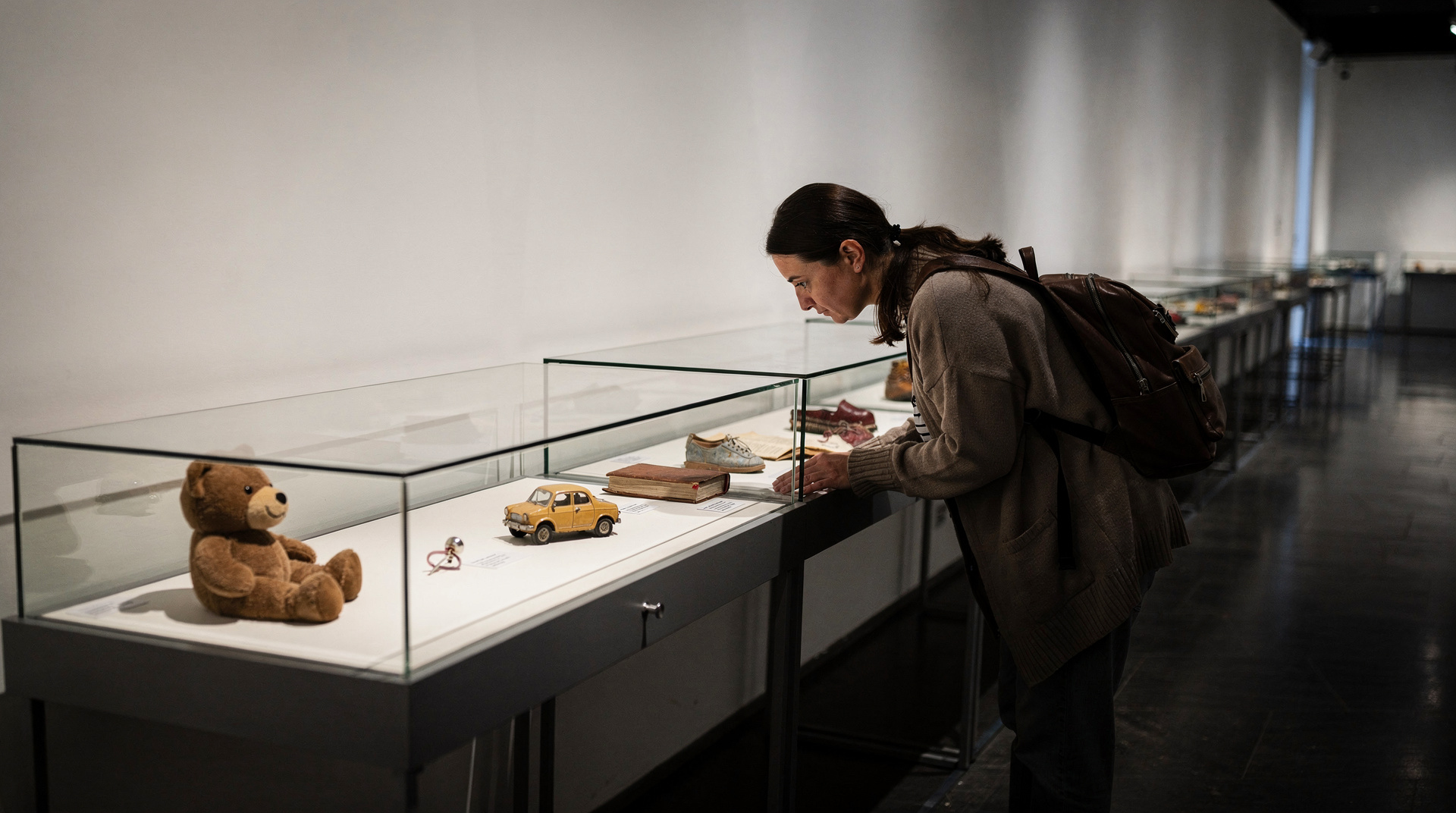
No guided tour covers the War Childhood Museum — it is a separate institution, free-standing and about 20 minutes walk from Baščaršija. It presents the siege through personal objects donated by people who were children between 1992 and 1996. The contrast with the military-geography focus of most war tours is striking and valuable. Budget an hour to an hour and a half for the museum.
Combining war history with other Sarajevo experiences
Sarajevo’s war history and its everyday contemporary life sit close together. You can walk from the Tunnel of Hope back to Baščaršija for a Bosnian coffee in a traditional coffeehouse, or spend the evening at one of the restaurants in the old town. The city has rebuilt its cultural life with remarkable energy.
For a full itinerary combining war history, culture and food over two to four days, see our Sarajevo destination guide. The Bosnia war history itinerary covers Sarajevo alongside Srebrenica, Konjic and Mostar in a five-day route.
How to prepare for the day
Arrive rested and unhurried. A war tour asks for attention more than stamina, and the walking segments are easier when you are not rushing from a late breakfast. Bring water, a light layer and a charged phone for photographs, but keep the camera low at the more sombre stops and let the guide set the tone.
It helps to decide in advance what you want from the day. If your interest is military geography, ask the operator how much time is spent at the viewpoints and on the confrontation lines. If you care more about civilian life during the siege, look for a tour that dwells on the market, the library and the everyday workarounds people invented. Reading the Sniper Alley guide beforehand gives you the street-level picture, so the guide’s explanations can go deeper instead of starting from zero.
Many visitors also pair the tour with the Sarajevo siege and Tunnel of Hope guide, which explains how the tunnel was dug and used. Having that background means the museum’s exhibits make immediate sense rather than arriving as a blur.
Questions worth asking your guide
A good guide welcomes questions, and the strongest tours are conversations rather than lectures. Some prompts that tend to open up the story:
- How did ordinary people get water, food and heat during the siege, and how did neighbourhoods organise themselves?
- How did the city keep its cultural life going, from theatre to film to music, while under fire?
- What does the guide think visitors most often misunderstand about the conflict?
- How do residents today talk about these years among themselves, compared with how they speak to visitors?
Listen as much as you ask. If the guide is a survivor, some answers will be personal, and silence is a perfectly respectful response. The Sarajevo Roses and memorials guide is a good companion for understanding how the city itself chooses to remember.
Pairing the tour with the rest of Sarajevo
A war tour fits best into a wider stay rather than standing alone. If you have a few days, the Sarajevo 4-day deep dive spreads the heavier history across the trip and leaves room for lighter hours. The Austro-Hungarian Sarajevo guide and the Baščaršija guide show the older layers of the city that the siege tried and failed to erase.
For a gentler contrast, the Sarajevo 1984 Winter Olympics guide tells the story of the city before the war, and the abandoned venues on Trebević mountain connect both eras in a single landscape. If you are deciding where to sleep, the where to stay in Sarajevo guide helps you pick a base within walking distance of the meeting points.
A personal, longer-form account of the same themes appears in the blog piece Sarajevo siege remembered, which is worth reading on the evening after your tour, once the day has settled.
Practical information
Most war-history tours depart from central meeting points near the Eternal Flame (Vječna Vatra) or the Cathedral. Transport to the Tunnel of Hope in Butmir is included in nearly all tours. Wear comfortable shoes — the old town is on uneven cobblestones, and the tunnel requires crouching. Dress in layers: the tunnel is cool (12–14°C) even in summer.
Sarajevo: Bosnian War and fall of Yugoslavia tour with TunnelPhotography is permitted at all war-history sites unless otherwise indicated by guides. At the Tunnel Museum, be respectful — visitors have included survivors and relatives of those killed during the siege.
The Franz Ferdinand assassination site at the Latin Bridge is a short walk from the old town and often included in broader historical walking tours. It connects the siege of the 1990s to Sarajevo’s earlier history as the city where the First World War began — a reminder of the long arc of political violence that has marked this crossroads of empires.
After the tour: making sense of what you saw
Most people leave a war tour quieter than they arrived, and that is normal. Give yourself an unscheduled hour afterwards. Sit in a coffeehouse, walk along the river, or simply return to your accommodation before deciding what comes next. The city makes this easy, since everyday life carries on a few steps from every site you visited.
If the experience raised questions, follow them up with reading rather than rushing to another site the same day. The Sarajevo faiths guide and the Sarajevo meeting of cultures guide explain what the siege was trying to destroy, and why so many residents describe the city’s mixed character as the thing worth defending. For a lighter route back into the city, the best restaurants in Sarajevo offers somewhere to eat well and talk through the day.
Understanding the wider context before you go
A war tour lands harder if you arrive with some background. The Yugoslav wars explained guide gives the political context of the 1990s breakup, while Bosnia history for travellers covers the longer arc from Ottoman rule through the Austro-Hungarian period to today. If Srebrenica is part of your itinerary, treat it as a separate, more sombre day — most operators run it independently; see the Srebrenica genocide memorial guide for what to expect. For the broader museum landscape beyond the tunnel, the museums of Sarajevo guide lists options for a rainy afternoon.
Is a war tour safe and appropriate for everyone?
Sarajevo today is a safe, welcoming city — the war tour circuit visits functioning neighbourhoods, not danger zones. See the is Bosnia safe guide for general safety context. The content, however, is emotionally serious: expect documentary footage, testimony about civilian deaths, and sober silence at the tunnel. It is not entertainment, and guides are trained to keep the tone respectful rather than sensational.
If you are travelling with teenagers, brief them beforehand so the tunnel crouch-through and the museum footage don’t come as a shock. Avoid operators who market the tour with dramatic or trivialising language — that is usually a sign of the “war tourism” version rather than the honest, educational one, and it overlaps with some of the broader Sarajevo tourist traps worth screening out.
Frequently asked questions about Sarajevo war tour guide — what to see and how to choose
How long does a Sarajevo war tour take?
How much does a Sarajevo war tour cost?
Are Sarajevo war tours suitable for children?
Do war tours visit sniper positions in the hills above Sarajevo?
Can I do a Sarajevo war tour without visiting the tunnel?
Should I visit Srebrenica on the same trip as a Sarajevo war tour?
Do I need to book a Sarajevo war tour in advance?
Top experiences
Bookable activities with verified prices and instant confirmation on GetYourGuide.