Yugoslav wars explained — a traveller's primer for Bosnia
Sarajevo: Bosnian War & Fall of Yugoslavia Tour with Tunnel
What were the Yugoslav wars and what happened in Bosnia?
The Yugoslav wars (1991–2001) were a series of armed conflicts following the break-up of the Socialist Federal Republic of Yugoslavia. In Bosnia, the Bosnian War (1992–1995) involved the Army of the Republic of Bosnia and Herzegovina, the Croatian Defence Council and the Bosnian Serb Army (VRS). It ended with the Dayton Agreement in November 1995 after approximately 100,000 deaths and two million displaced people.
If you are planning a trip to Bosnia and Herzegovina — and in particular if you intend to visit the war-history sites of Sarajevo, Srebrenica or Konjic — it helps to understand the events that shaped these places before you arrive. This guide provides a clear, factual introduction to the Yugoslav wars of 1991–1995 and the Bosnian War in particular, written for travellers rather than historians.
It covers the essential background, the key events in Bosnia, the aftermath, and what you see today. It does not attempt neutrality between documented fact and political revisionism; the events described here are drawn from established historical record and international legal findings.
At a glance
| Where relevant | Sarajevo (siege, Tunnel of Hope), Srebrenica (genocide memorial), Konjic (Tito’s bunker), Mostar (Stari Most, Croat-Bosniak war) |
| Read before | Visiting any of Bosnia’s dedicated war-history sites — this guide is background, not a site-by-site itinerary |
| Time needed | Around 15-20 minutes to read; the sites themselves each need a half-day to a full day |
| Tone | Factual, drawn from established historical record and ICTY findings, not neutral between fact and revisionism |
| Best paired with | A guided war tour in Sarajevo, where a guide who lived through the siege adds first-hand context |
Yugoslavia before the wars
The socialist federation
The Socialist Federal Republic of Yugoslavia was established after the Second World War under the leadership of Josip Broz Tito. It comprised six republics — Slovenia, Croatia, Bosnia and Herzegovina, Serbia, Montenegro and Macedonia — and two autonomous provinces within Serbia (Vojvodina and Kosovo). It was a multi-ethnic, multi-religious state: roughly Orthodox, Catholic and Muslim in its population, with dozens of minority groups.
Under Tito, Yugoslavia maintained independence from the Soviet Union, practised a form of “market socialism” and enjoyed relative prosperity compared to other socialist countries. The Non-Aligned Movement, which Tito co-founded, gave Yugoslavia international standing as a bridge between East and West.
The 1980s: structural crisis
Tito died on 4 May 1980. The collective leadership that replaced him — a rotating presidency among the republic and province representatives — proved unable to address Yugoslavia’s growing economic crisis. By the late 1980s, inflation was running at over 1,000 percent annually, unemployment was rising, and the federal state’s authority was visibly declining.
Into this vacuum came nationalist movements. In Serbia, Slobodan Milošević rose to prominence in 1987–1988 by appealing to Serbian nationalist grievances, particularly around the status of Kosovo and Serb minorities in other republics. In Slovenia and Croatia, independence movements gathered momentum as the Soviet bloc collapsed in 1989.
The wars begin: Slovenia and Croatia (1991)
Slovenia (June–July 1991)
Slovenia declared independence from Yugoslavia on 25 June 1991. The Yugoslav People’s Army (JNA) moved into Slovenia the following day. The Ten-Day War resulted in approximately 70 deaths and ended with the Brioni Agreement, which saw the JNA withdraw from Slovenia — largely because Slovenia had a small Serb minority and was therefore not worth a prolonged conflict in Yugoslav strategic terms.
Croatia (1991–1995)
Croatia also declared independence on 25 June 1991. The conflict in Croatia was far more prolonged and violent. The JNA and Serbian paramilitary forces supported Croatian Serb separatists in the Krajina region; ethnic cleansing began on both sides. The siege of Vukovar — an 87-day JNA and Serbian paramilitary bombardment and assault that destroyed the city and killed thousands — became emblematic of the conflict’s brutality. The war in Croatia formally ended with the Dayton Agreement and the subsequent Croatian military operations (Operation Storm, August 1995) that retook most of the Krajina.
The Bosnian War (1992–1995)
Independence and the start of the war
In November 1991, Bosnia held a referendum among its parliament on whether to seek independence. In February 1992, a public referendum (boycotted by most Bosnian Serbs) returned an overwhelming majority in favour. The European Community recognised Bosnia’s independence on 6 April 1992.
On that same day, the Siege of Sarajevo began. Bosnian Serb political leaders (the Republika Srpska leadership under Radovan Karadžić) and the Bosnian Serb Army (VRS) under General Ratko Mladić launched military operations across Bosnia with the aim of creating a contiguous Bosnian Serb territory that could eventually unite with Serbia. The JNA, formally a federal institution, provided arms and personnel that were transferred to the VRS as Yugoslavia’s dissolution progressed.
The Bosnian Croat political leadership (the HDZ, aligned with Zagreb) formed its own armed force, the Croatian Defence Council (HVO), and initially fought alongside Bosniak forces against the VRS. In 1993–1994, a separate Croat-Bosniak war broke out in central Bosnia and Herzegovina — including the destruction of Mostar’s old bridge (Stari Most) in November 1993. This war within a war ended with the Washington Agreement of March 1994, which created the Federation of Bosnia and Herzegovina.
Sarajevo: Bosnian War and fall of Yugoslavia tour with TunnelEthnic cleansing and the siege
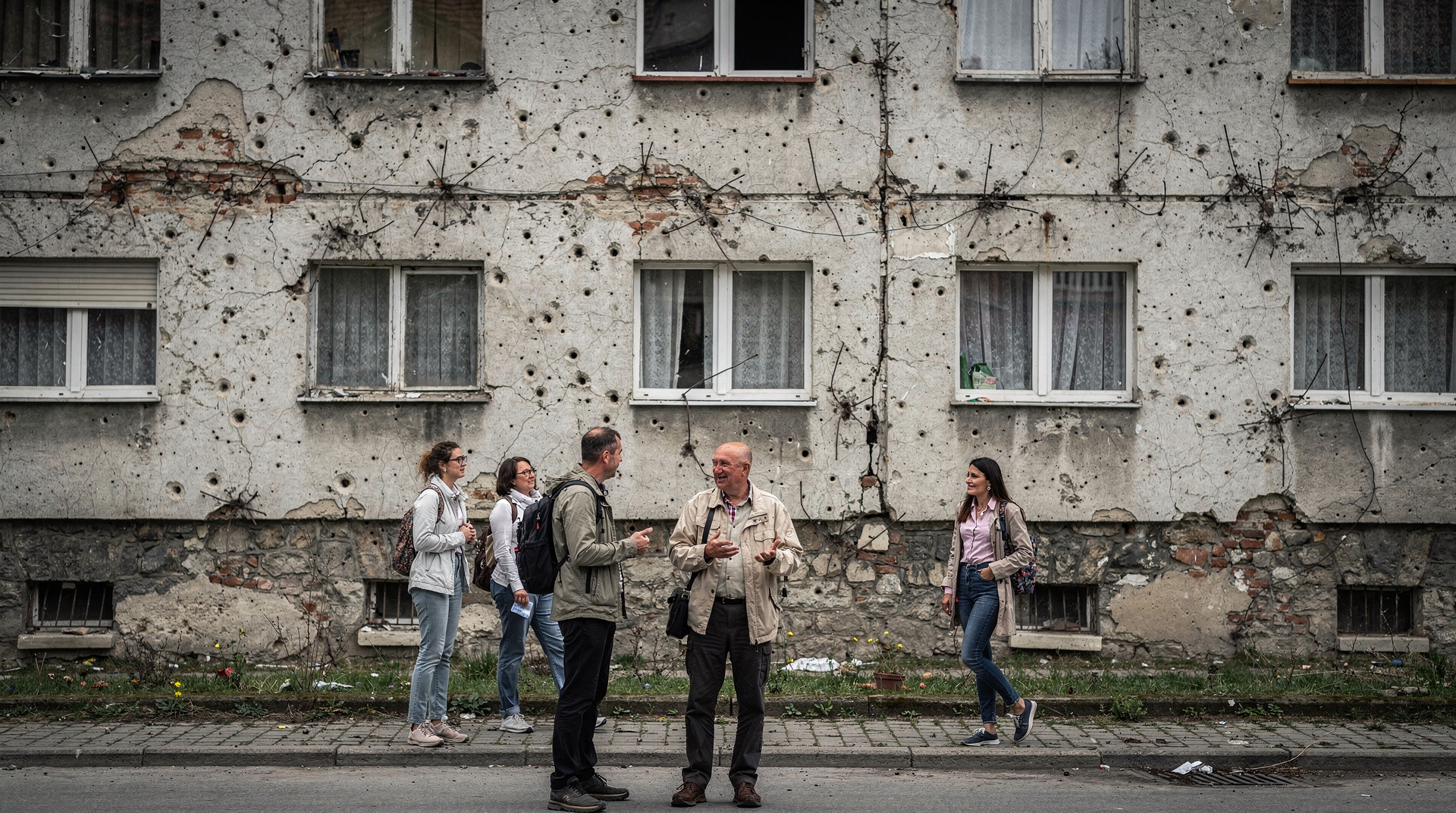
The VRS strategy involved systematic ethnic cleansing — the forced removal of non-Serb populations from territory it sought to control. Towns across eastern Bosnia (Foča, Zvornik, Prijedor, Višegrad, Bijeljina) were subjected to mass killings, sexual violence and forced deportation in 1992. The documented perpetrators of these acts were later prosecuted at the ICTY.
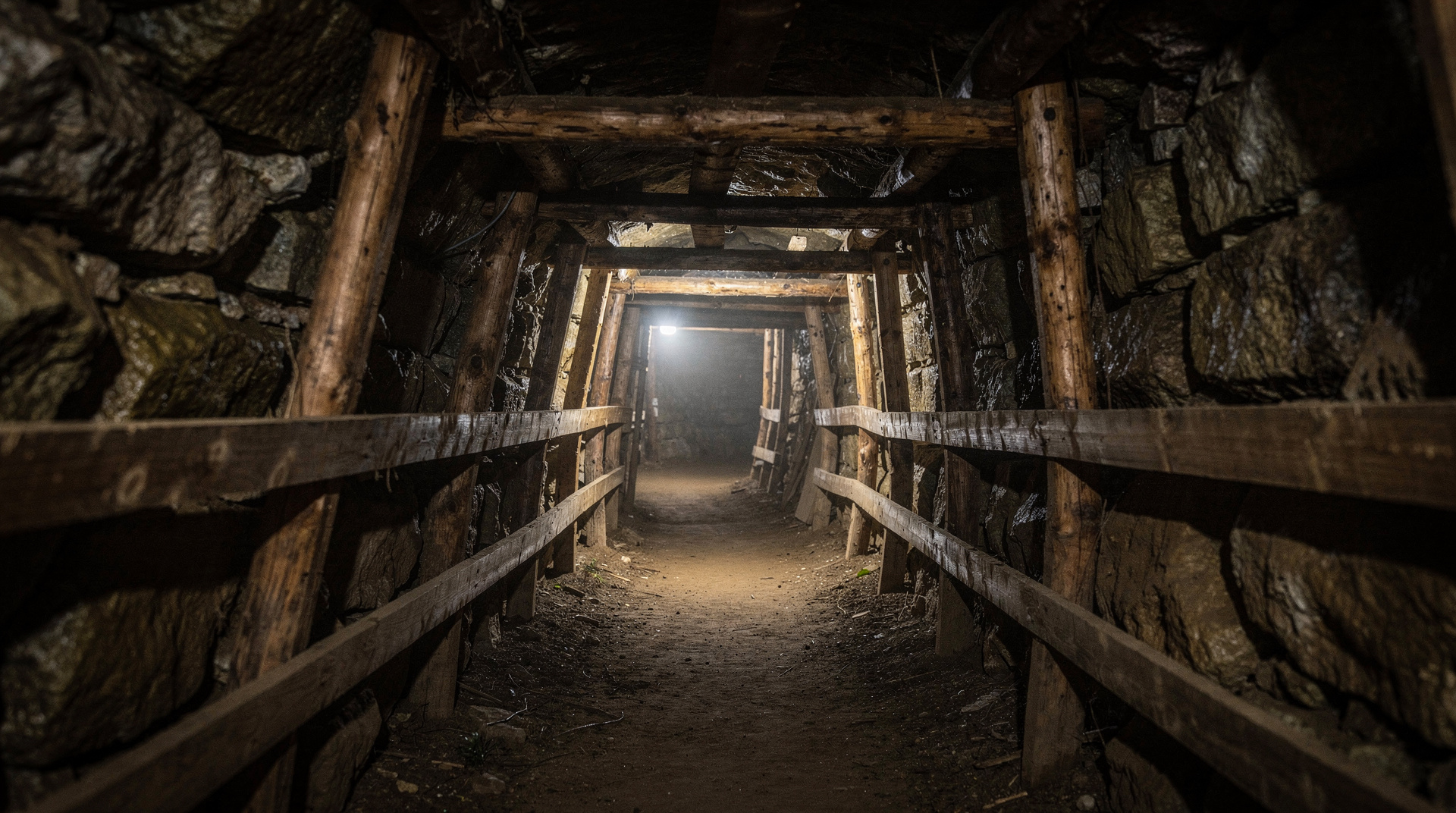
The Siege of Sarajevo lasted from April 1992 to February 1996 — 1,425 days. The Sniper Alley area and the Tunnel of Hope at Butmir were central features of the siege.
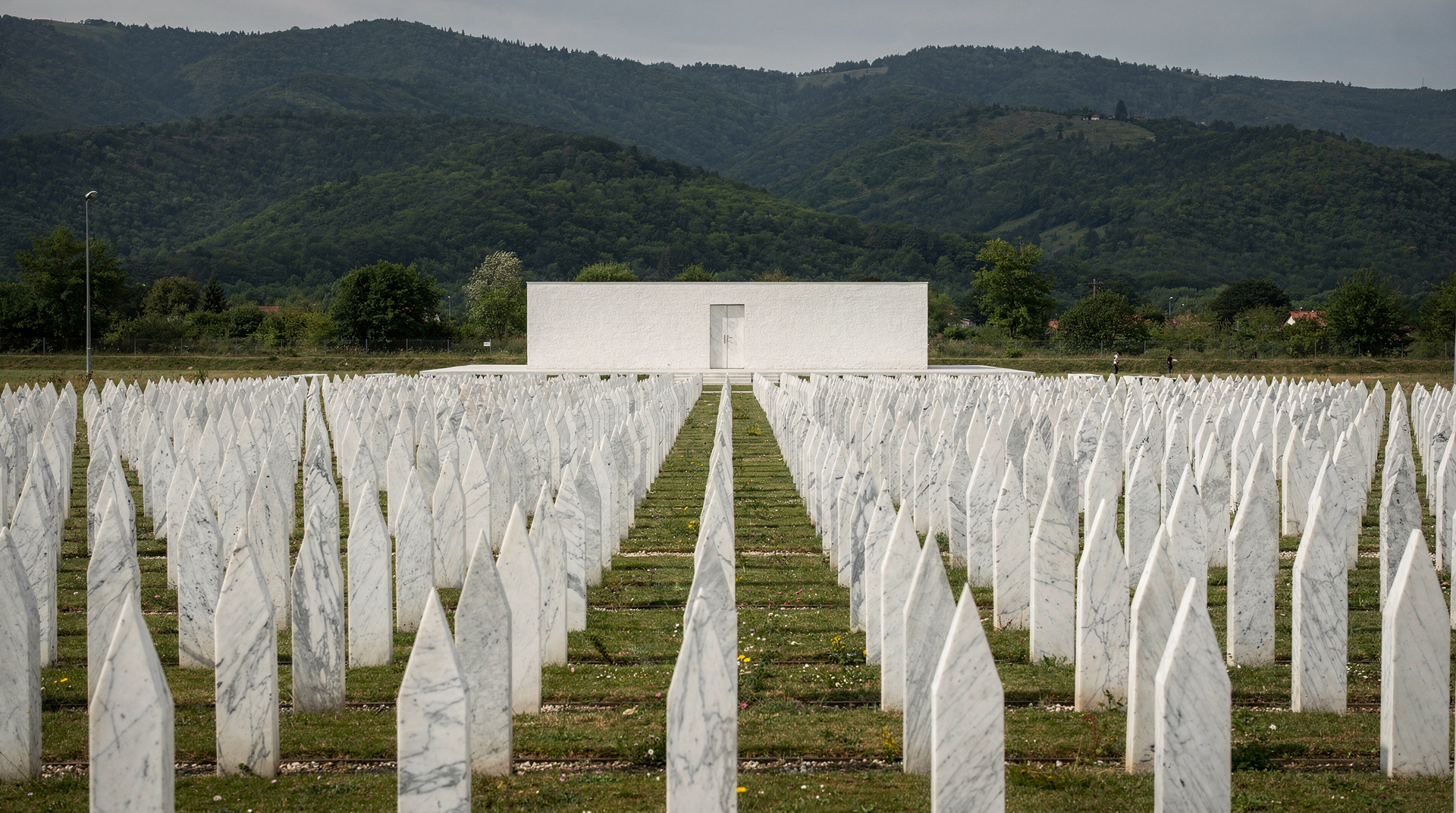
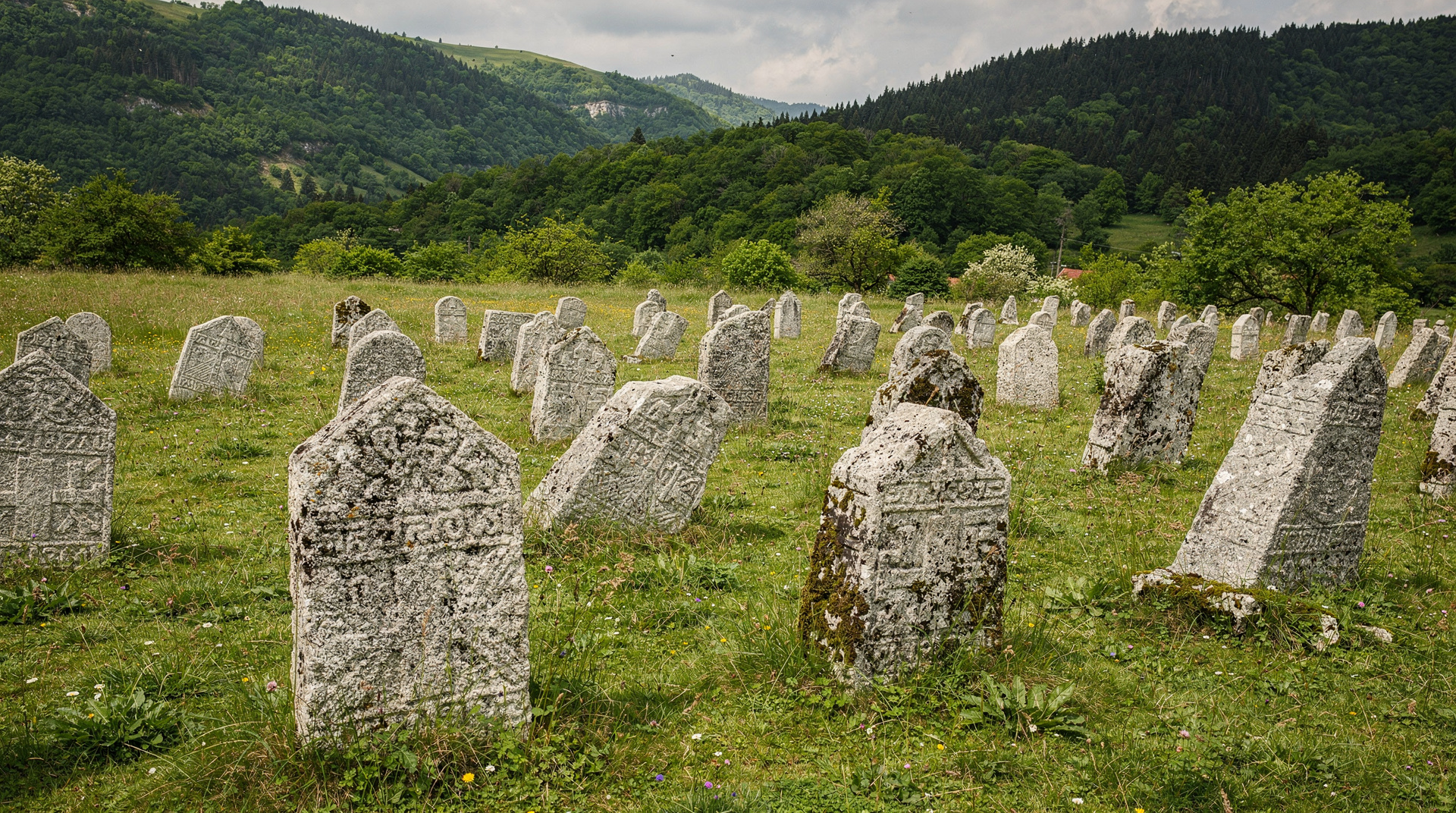
The mass killing at Srebrenica in July 1995 — ruled a genocide by international courts — was the worst atrocity committed in Europe since the Second World War.
NATO intervention and Dayton
NATO airstrikes against VRS positions began in August 1995 following the Markale marketplace massacre. The airstrikes, combined with a Bosniak-Croat ground offensive, changed the military balance rapidly. By October 1995, a ceasefire was in place.
The Dayton Peace Agreement was initialled in Dayton, Ohio, on 21 November 1995 and formally signed in Paris on 14 December 1995. It divided Bosnia into two entities — the Federation of Bosnia and Herzegovina (51% of territory) and Republika Srpska (49% of territory) — within a single internationally recognised state with a complex, consociational governing structure.
The Kosovo War and aftermath (1998–2001)
The Yugoslav wars did not end with Dayton. In 1998–1999, Serbian security forces carried out operations against the Kosovo Liberation Army and Albanian civilians in Kosovo, resulting in a NATO air campaign (March–June 1999) and the establishment of a UN administration in Kosovo. Montenegro declared independence from Serbia and Montenegro in 2006. Kosovo declared independence in 2008.
Slobodan Milošević was arrested in 2001 and died in ICTY custody in 2006 before a verdict was reached. Ratko Mladić was arrested in 2011 and convicted of genocide and crimes against humanity in 2017, sentenced to life imprisonment. Radovan Karadžić was convicted in 2016 and sentenced to life imprisonment on appeal in 2019.
Bosnia today: the Dayton legacy
Bosnia and Herzegovina in 2026 is a functioning state with a complex and often dysfunctional political system — a direct legacy of Dayton’s consociational arrangements. The country has a rotating three-member presidency, a central government, two entity governments and a special district (Brčko). EU candidate status was granted in 2022; accession remains a long-term goal.
For the traveller, this political complexity is mostly background noise. Sarajevo is a vibrant, hospitable city. The mountains are accessible. The food is excellent. The people are generous with visitors. The war-history sites are well-managed and the memorial institutions are run with integrity.
The Bosnia travel guide covers practical planning; is Bosnia safe addresses the specific security context honestly. The Bosnia history for travellers guide extends the timeline back further into Ottoman and Austro-Hungarian history.
The ICTY and accountability
The International Criminal Tribunal for the former Yugoslavia (ICTY), established by the UN in 1993 and based in The Hague, tried the war’s major figures over more than two decades. Its findings — including the 2007 and 2016 rulings that the Srebrenica massacre constituted genocide — form the factual backbone of what is presented at Bosnia’s memorial sites today. Understanding that these are court-established facts, not one side’s narrative, matters when visiting places like the Srebrenica genocide memorial, where the scale of what happened can otherwise be hard to process.
Seeing the history in person
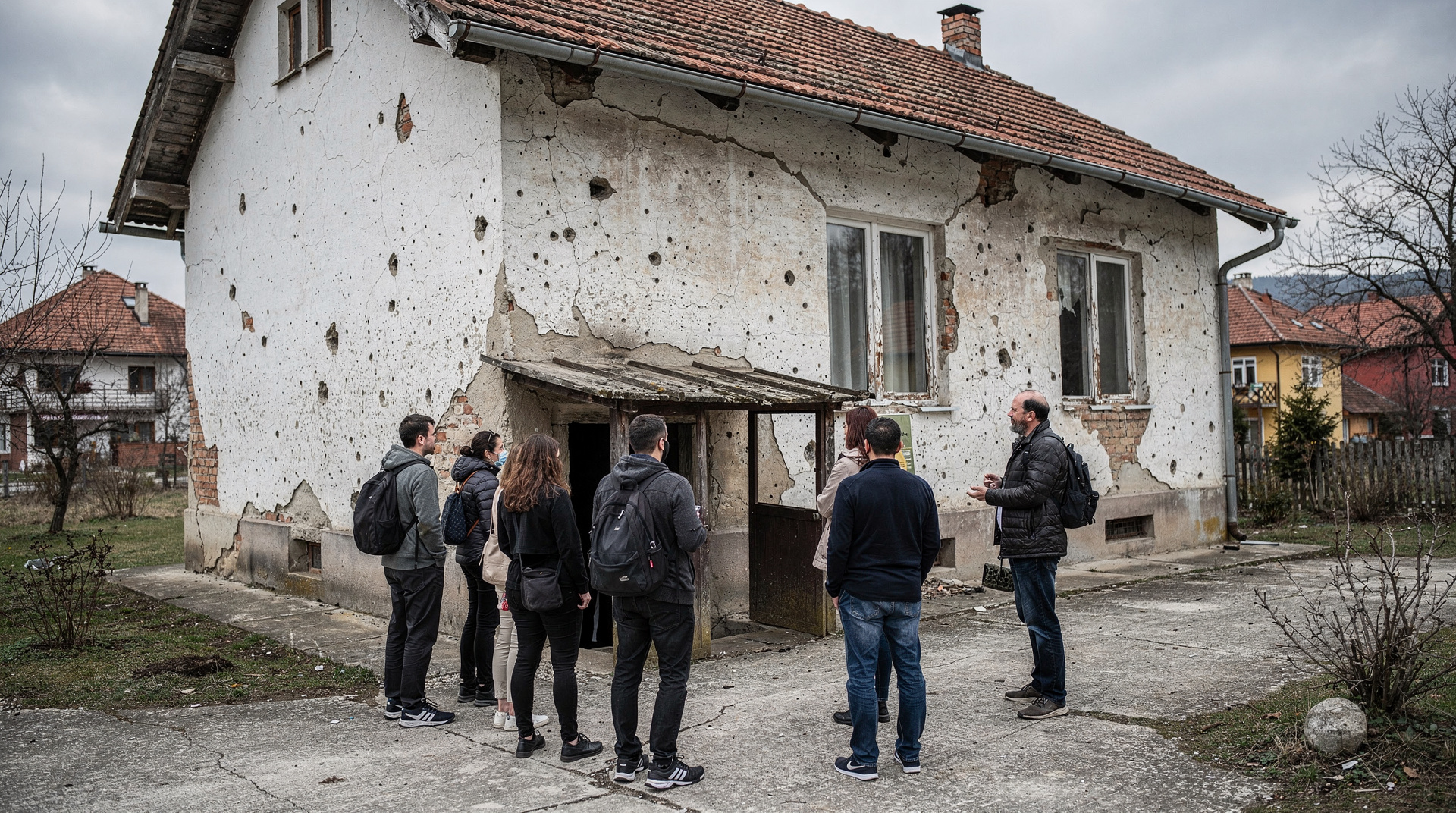
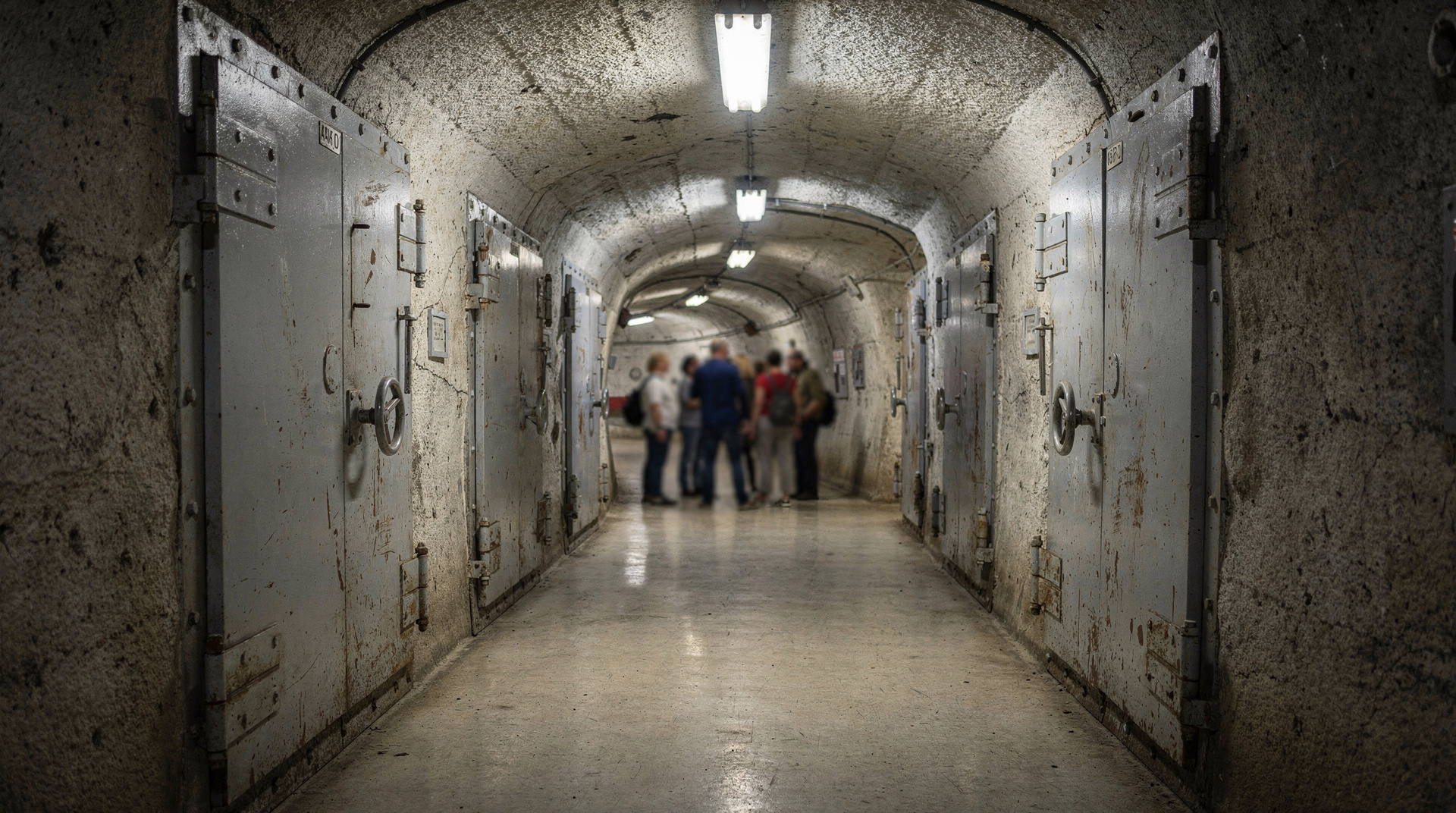
Several sites let travellers connect this background to a physical place. In Sarajevo, the Tunnel of Hope shows how the besieged city stayed supplied for nearly four years, and a dedicated Sarajevo war tour links the tunnel, Sniper Alley and the Sarajevo Roses memorials into a coherent half-day. In Konjic, Tito’s bunker (ARK D-0) reveals the Cold War anxieties that predate the 1990s wars but explain the country’s militarised infrastructure. If you would rather not organise the logistics yourself, a guided tour of the Bosnian and Yugoslav wars that includes the tunnel museum ties the siege story to the places where it happened. For those with more time, the Bosnia war history itinerary sequences these sites across several days.
How to use this background on the ground
A timeline is easier to hold in your head when you attach each stage to a place. The break-up of the federation and the arrival of nationalism are the backdrop; the Bosnian War is what you will meet in the streets. In Sarajevo, the siege is visible in the Sarajevo Roses memorials, in the layout of the valley and in the museums of Sarajevo, which tell the story through objects and personal testimony rather than abstract dates. The War Childhood Museum is a quieter, more intimate way into the same period, and many visitors find it the most affecting stop of their trip.
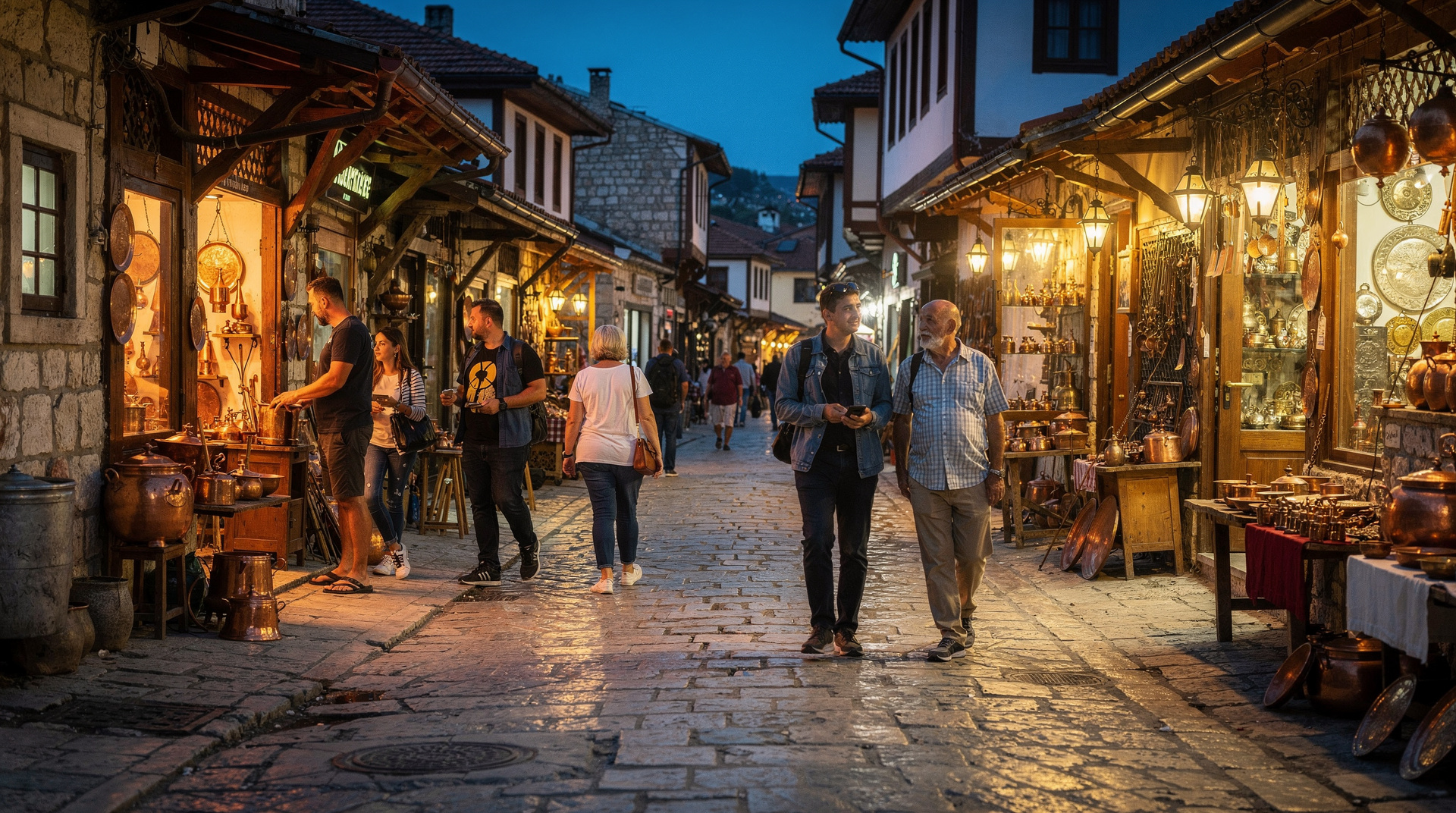
It also helps to know that the country you are visiting did not begin in 1992. Layers of Ottoman and Habsburg rule shaped its towns long before the federation existed, which is why a walk through Baščaršija and a visit to the Austro-Hungarian quarter belong in the same trip as the war sites. The assassination of Franz Ferdinand is a reminder that Sarajevo has stood at the centre of European history more than once. Seen this way, the 1990s are one chapter in a long story of coexistence and conflict, not the whole of it.
Mostar and the Croat-Bosniak war
Travellers often arrive in Mostar expecting only a pretty Ottoman bridge, and are surprised to find that the city also carries the memory of the war within the war described above. The Mostar war history guide walks through how the city was divided, and the story of the Stari Most rebuilt bridge makes more sense once you know why it came down. If you are coming from the coast, the Mostar day trip from Dubrovnik and the route from Split both leave little time for reflection, so consider staying overnight. Reading the blog story of the old bridge beforehand adds a personal voice to the facts. Travellers who want Mostar and Tito’s bunker in a single outing can look at a guided explorer tour combining Mostar with the Cold War bunker near Konjic.
Visiting with respect
The sites covered here are not attractions in the usual sense. They are places where people died, and where survivors and families still live nearby. A few habits make the difference between a respectful visit and an intrusive one:
- Dress and behave as you would at any memorial or place of worship, and keep your voice low.
- Be careful with photographs, especially at cemeteries and in the presence of other visitors who may be grieving.
- Ask before photographing local people, and never treat a guide’s or a resident’s personal story as entertainment.
- Allow time to decompress afterwards. Pairing a heavy morning with a gentler afternoon, such as a stroll or a long coffee in the Bosnian coffee tradition, is a sensible rhythm.
- Expect different people to describe the same events with different emphasis. The court findings summarised above are the factual anchor; personal memory adds depth, not a competing record.
For those who want a first-hand account, the blog’s Sarajevo siege reflections give a traveller’s view of the city, and the Sarajevo faiths guide shows how mosques, churches and a synagogue still stand within a short walk of one another.
Planning your war-history days
Most travellers do best by grouping sites geographically rather than trying to cover everything. Sarajevo alone can fill a couple of days, and the Sarajevo four-day deep dive shows one way to balance history with food and walking. Srebrenica is a long excursion that deserves its own day; the Srebrenica day trip guide explains how to approach it, and the Sarajevo to Mostar transport guide helps you link the capital with the south. If you prefer not to drive, getting around Bosnia outlines the options. Whatever you choose, leave slack in the schedule: these are days that often run longer, and feel heavier, than the plan suggests.
Frequently asked questions about Yugoslav wars explained — a traveller's primer for Bosnia
Why did Yugoslavia break up?
When did the Bosnian War start and end?
What was the Dayton Agreement?
What is the current political situation in Bosnia?
Is it safe to visit Bosnia now?
Which war-history sites in Bosnia give the clearest picture for a traveller?
What should I read or watch before visiting Bosnia's war-history sites?
Top experiences
Bookable activities with verified prices and instant confirmation on GetYourGuide.