Tito's Bunker (ARK D-0) Tour in Konjic
Tito's Cold War Bunker (ARK D-0) Visit
At a glance
| Distance from Sarajevo | ~60 km, about 1 hour |
| Tour duration inside | 2-2.5 hours |
| Bunker size | 6,500 sq metres |
| Temperature inside | ~14°C year-round |
| Cost | 30 BAM self-guided; €45-70pp guided from Sarajevo |
| Book ahead | Ahead in summer and on weekends |
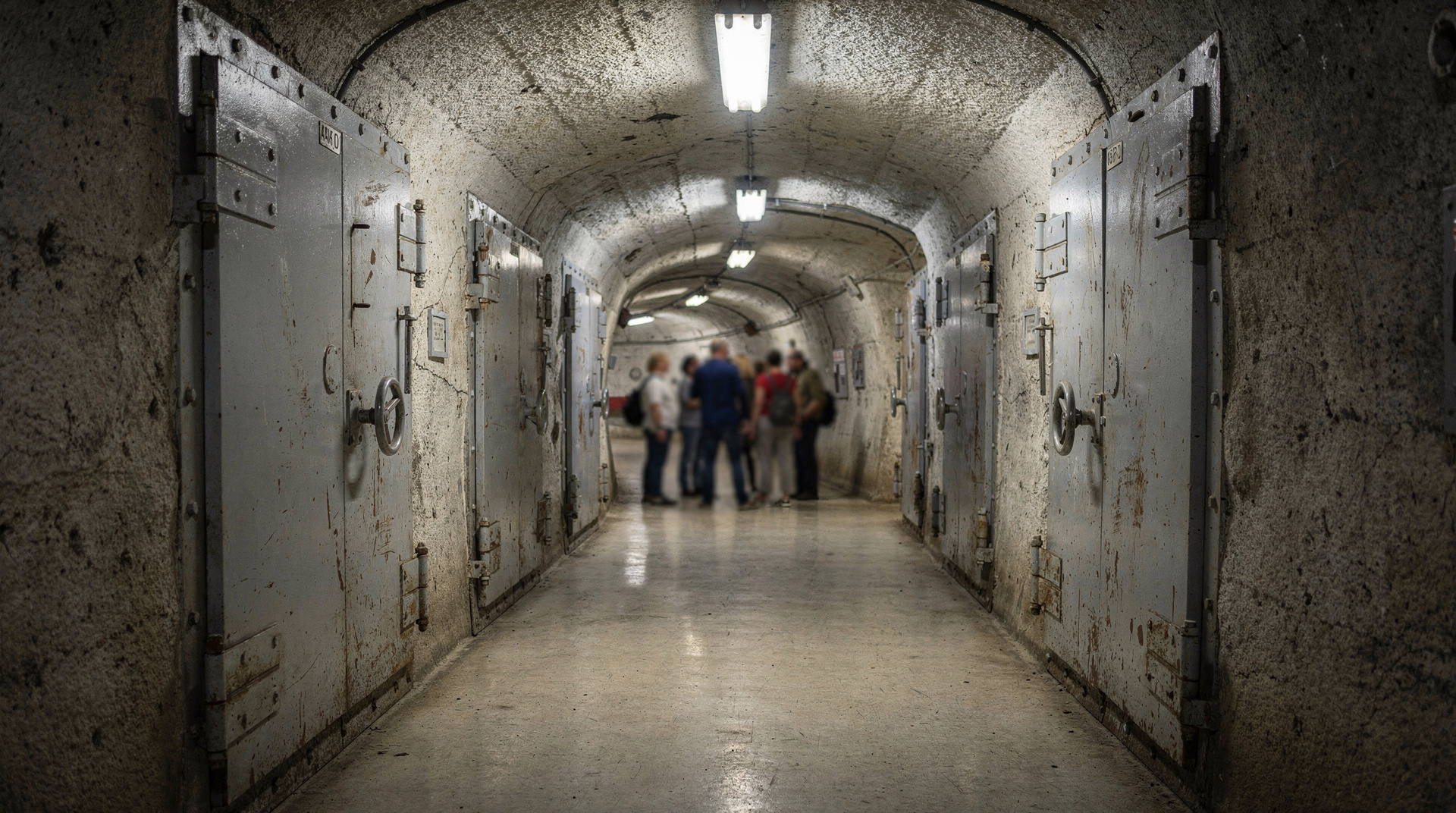
Hidden beneath a forested mountain near the small town of Konjic, ARK D-0 is one of the most extraordinary Cold War relics in Europe. Built in total secrecy over 26 years, it was designed to shelter Yugoslav president Josip Broz Tito and up to 350 senior officials for six months in the event of nuclear attack. Nobody outside a handful of trusted engineers and officials knew it existed until 1992. Today you can walk its corridors, sit in Tito’s personal quarters, and try to comprehend the scale of Cold War paranoia that created it.
What you see inside
The tour enters through one of several blast-proof doors set into the hillside. Inside, 6,500 square metres of tunnels, rooms, and mechanical infrastructure unfold across multiple levels:
- Tito’s private suite — sleeping quarters, a private bathroom, and an office designed to allow the leader to work during a nuclear crisis
- Federal government conference rooms — the rooms where the Yugoslav leadership would have coordinated a post-nuclear response
- Dormitories for support staff
- The mechanical heart — diesel generators, air filtration systems, water tanks, and communications equipment that would have allowed the bunker to operate independently for months
- Exhibition materials on Yugoslav Cold War history, including maps, original documents, and photographs
Since 2011, the bunker has also hosted an annual contemporary art biennial (the Konjic Biennale) — large-scale installation works are permanently installed throughout the tunnels, creating a surreal juxtaposition of Cold War infrastructure and modern art.
How the guided tour runs
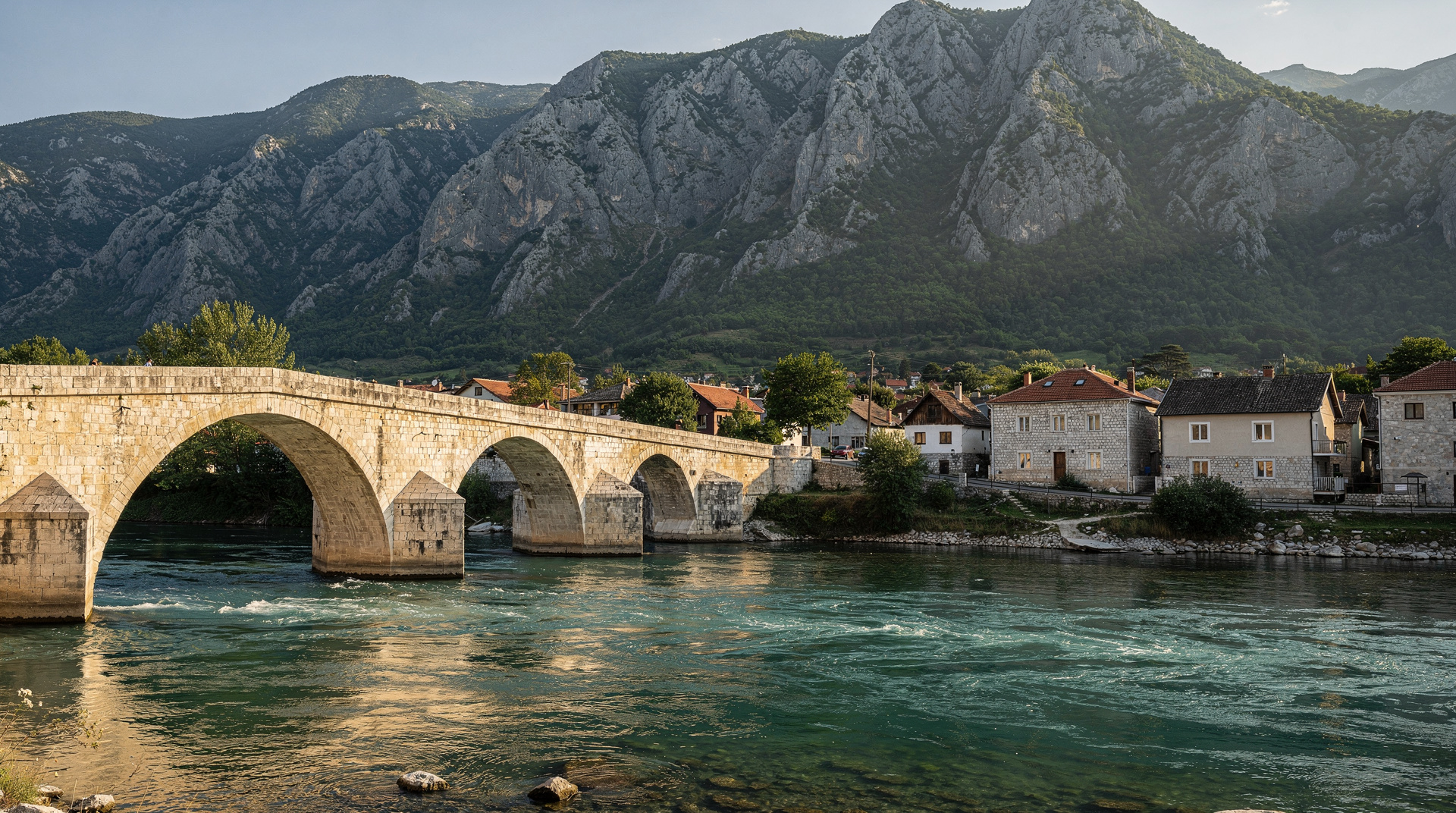
Most GYG tours depart Sarajevo around 8–9 am and reach Konjic in under an hour. After a brief orientation in the town — some tours include a walk across Konjic’s elegant Ottoman bridge over the Neretva — the group drives a short distance up into the forest to the bunker entrance. The guided tour inside runs approximately 2–2.5 hours. Guides explain the history of Yugoslav non-alignment, the bunker’s construction, and how it fits into broader Cold War strategy.
Temperature inside the bunker stays around 14°C year-round — bring a light layer regardless of the weather outside.
Comparing the tour options
The standalone ARK D-0 tour (the main konjic-tito-bunker option) focuses entirely on the bunker with transport from Sarajevo. Best for travellers who want the full underground experience without rushing.
The Konjic city tour variant (konjic-tito-bunker-city) pairs the bunker with a guided walk around Konjic itself, including the Ottoman bridge and the old bazaar quarter. Good for those who have not been to Konjic before and want the cultural context.
The Bosnia Explorer tour (konjic-bosnia-explorer-mostar-bunker) combines the bunker with Mostar highlights in a single longer day — ambitious but doable, and good value if you want to cover both in one trip. The trade-off is that Mostar time is compressed.
Who this tour is for — and who might skip it
Book if: Cold War history, Yugoslavian political history, or the sheer engineering audacity of the project interests you. The bunker consistently surprises even well-travelled visitors — there is nothing quite like it in the region. History teachers, architecture fans, and anyone with an interest in Tito-era Yugoslavia will love it.
Consider skipping if: you are based in Dubrovnik or Split for a day trip (the distance makes this a long day). Travellers based in Sarajevo for 2+ nights are better positioned. Also note that photography inside the bunker is restricted in some areas — check the current rules with your operator.
Practical notes
The bunker is open year-round. Entry without a guide costs around 30 BAM (€15) per person; guided GYG tours from Sarajevo typically run €45–70 pp including transport. Book ahead in summer and on weekends — it is popular with Bosnian domestic tourists as well as international visitors.
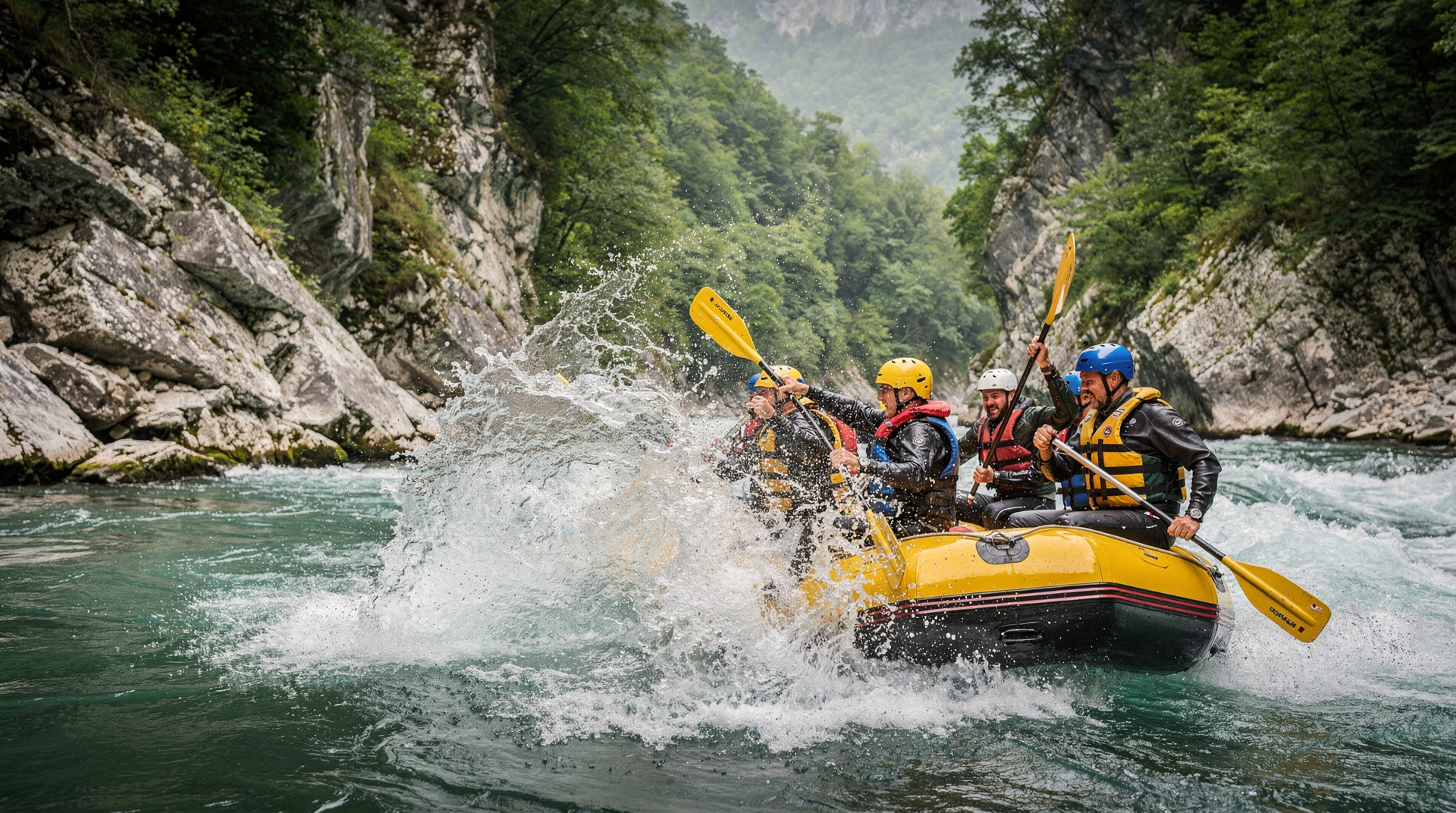
For a deeper read on the history, the Tito’s Bunker guide covers the construction, the Cold War context, and what to expect. If you want to combine the bunker with outdoor adventure, the Neretva rafting guide explains the rafting options from Konjic — a natural pairing for an active day.
Understanding the wider Yugoslav context
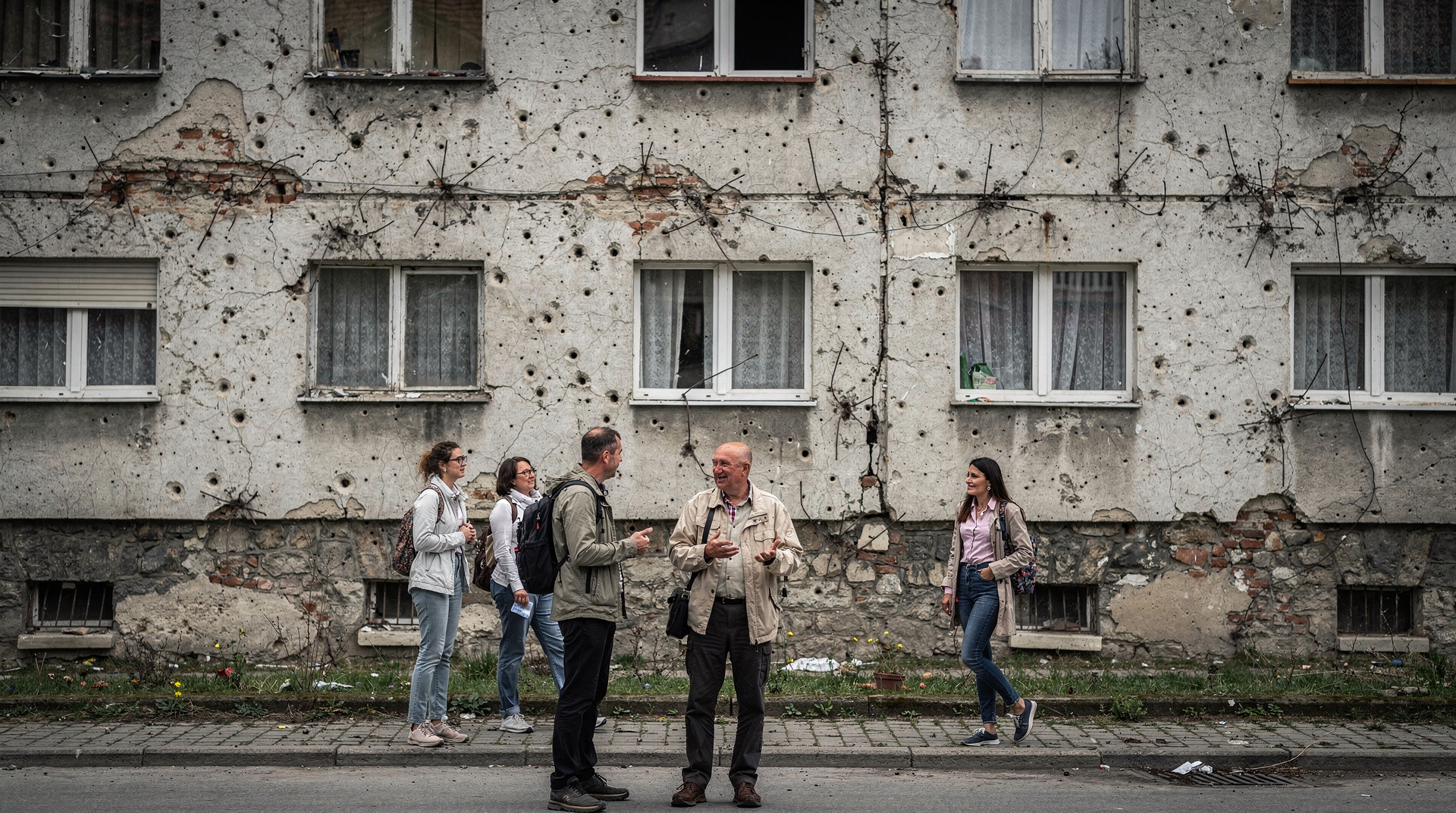
Tito’s decision to build ARK D-0 makes more sense against the backdrop of Yugoslavia’s unique position during the Cold War — non-aligned, wary of both NATO and the Soviet bloc, and preparing independently for nuclear conflict. The Yugoslav Wars explained guide covers how the federation Tito built eventually broke apart in the 1990s, and travellers who want to build a full day of Cold War and war history around Konjic and Sarajevo should look at the Sarajevo war tour guide for how the two eras connect.
Getting to Konjic and what else to see
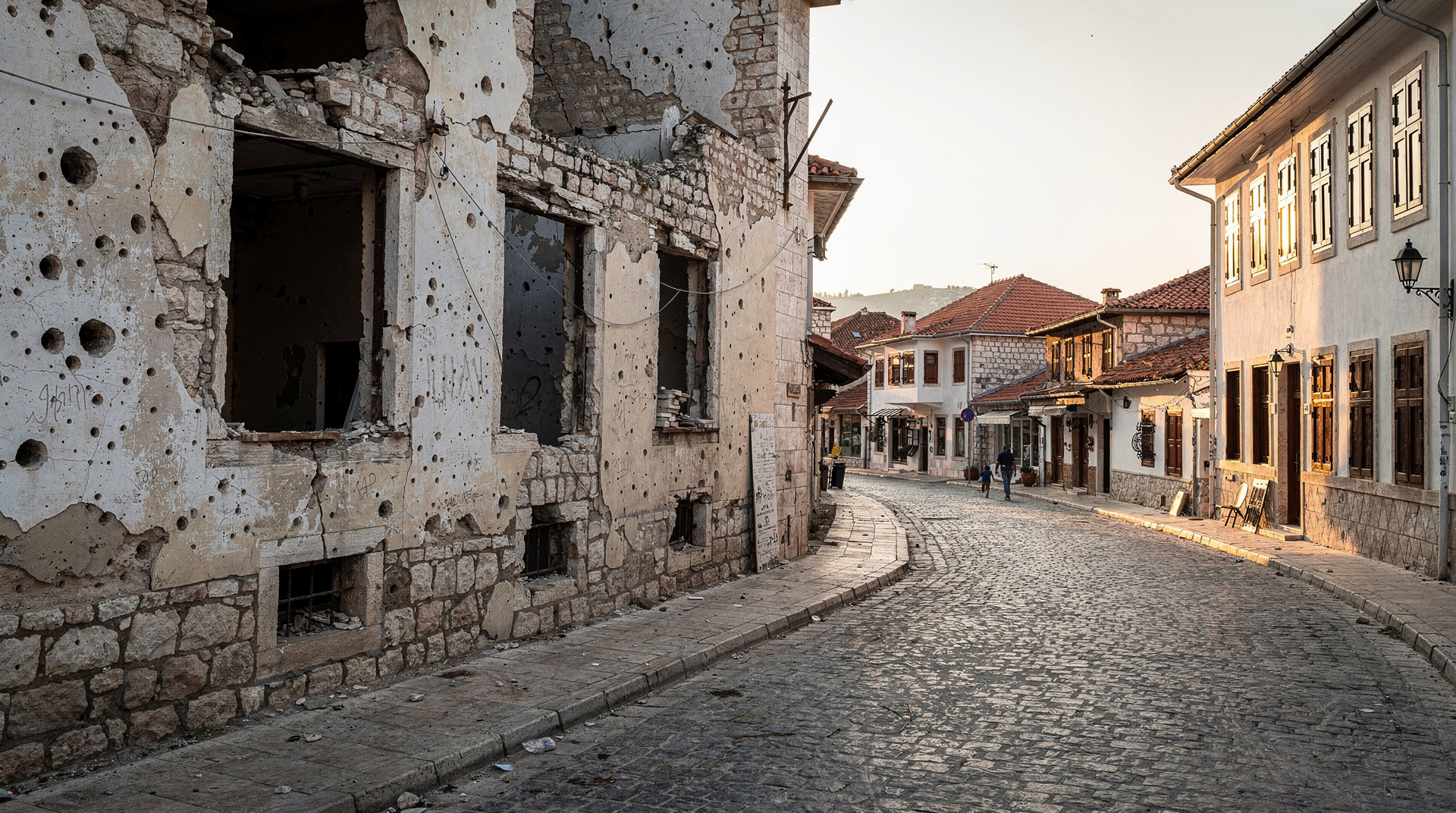
Konjic itself is worth the short walk most tours include: the Ottoman-era stone bridge over the Neretva and the old bazaar quarter are covered in the Konjic day trip guide. Travellers with a rental car often combine the bunker with a stop in Konjic for lunch beside the river before continuing on to Mostar or back to Sarajevo.