Tito's Bunker ARK D-0 Konjic — the complete visitor guide
Tito's Cold War Bunker (ARK D-0) Visit
What is ARK D-0, Tito's secret bunker near Konjic?
ARK D-0 (Atomsko Ratno Komandno Mjesto D-0) is a massive Cold War nuclear shelter built under Mount Zlatar near Konjic between 1953 and 1979 to house Yugoslav President Tito and up to 350 officials and military personnel in the event of nuclear war. Declassified in 1992, it is now open to visitors by guided tour only.
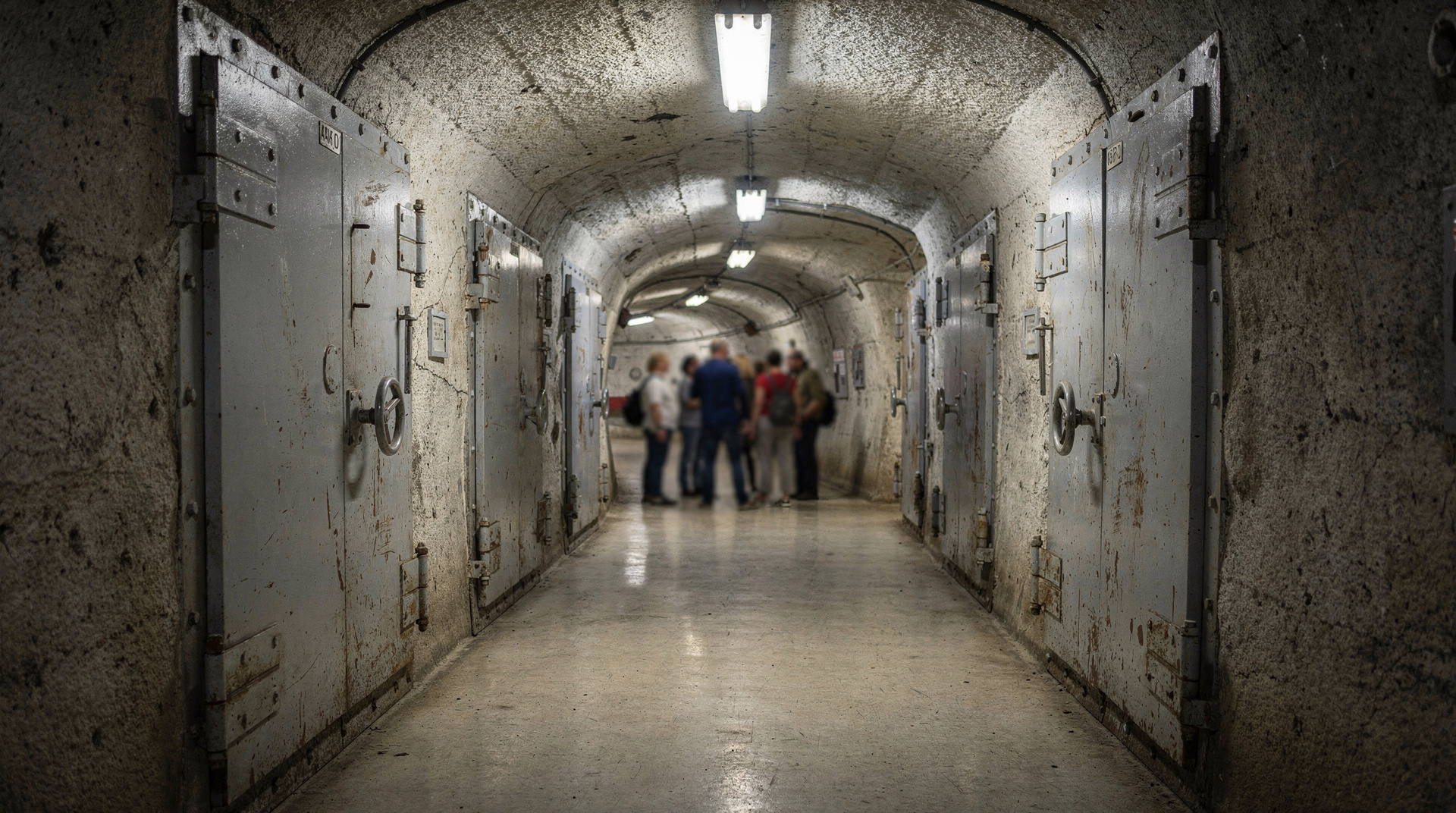
Beneath Mount Zlatar, 12 kilometres south of the town of Konjic, lies one of the most extraordinary Cold War relics in Europe. ARK D-0 — Atomsko Ratno Komandno Mjesto D-0, the “Atomic War Command Post D-0” — is a network of underground tunnels, apartments, conference rooms and technical facilities covering 6,500 square metres. It was built to shelter Yugoslav President Josip Broz Tito and up to 350 officials and military personnel during a nuclear war. It was operational for over three decades. Almost nobody knew it existed.
Today, ARK D-0 is one of the most unusual and compelling visitor experiences in the Balkans — a perfectly preserved time capsule of Titoist Yugoslavia, with its own power plant, water supply, decontamination showers, presidential bedroom and Politburo conference table. This guide covers the history, the visit itself, and how to plan a day around it.
| At a glance | |
|---|---|
| Where | Ostrožac, about 12 km south of Konjic town, roughly 70 km / 50 min from Sarajevo |
| Cost | Around 50–80 BAM (25–40 EUR) per person; guided tours from Sarajevo with transport around 80–130 EUR |
| Time needed | 2–2.5 hours inside, plus travel time each way |
| Getting there | Own car (parking at the site) or an organised tour from Sarajevo — no public transport to the entrance |
| Best time | Year-round — the bunker is a constant 10–12°C regardless of season |
The history of ARK D-0
Why Tito built it
Yugoslavia under Tito occupied a unique geopolitical position. After the Tito-Stalin split of 1948, Yugoslavia was the only communist country in Europe outside the Soviet sphere of influence — which meant it was a potential target for both NATO and the USSR. Tito’s government pursued a policy of non-alignment (founding the Non-Aligned Movement in 1961) but could not ignore the nuclear threat that hung over every European capital in the Cold War era.
Construction of ARK D-0 began in 1953, when Yugoslavia was at its most vulnerable geopolitically, and continued until 1979. The project consumed an estimated 4.6 billion US dollars (calculated at contemporary values) — a staggering investment for a small country, and one kept entirely secret from the Yugoslav public. Workers who built the facility signed lifelong non-disclosure agreements. External communications referred to the construction as a road-building project.
The bunker was designed to be self-sufficient for six months: it had its own water filtration from underground springs, diesel generators, air filtration and decontamination systems, food stores, and a communications centre with encrypted links to the Yugoslav military command structure.
The presidential apartments and political layout
The ARK D-0 complex has a clear political hierarchy embedded in its spatial layout. The most protected and finished spaces are the presidential apartments — Tito’s private bedroom, bathroom and office, furnished in the functional-luxury style of Yugoslav state socialism: solid wood furniture, parquet floors, a private telephone system. The conference room, where the Politburo would have met in the event of nuclear war, has its original table and chairs.
Senior officials had individual apartments of decreasing size and comfort as you move outward from the presidential core. Military and technical staff had dormitory-style accommodation. The hospital wing, communications centre and mechanical rooms are accessible on the tour.
Tito died in May 1980, one year after the bunker was completed. He never used it — though he did visit for an inspection. After his death, ARK D-0 was maintained by the Yugoslav military. The bunker was declassified in 1992 following the break-up of Yugoslavia, when it passed to the government of Bosnia and Herzegovina.
Visiting ARK D-0 today
The tour experience
ARK D-0 is open exclusively by guided tour, with strict capacity limits. Tours are led by knowledgeable guides in English and Bosnian/Croatian/Serbian; some tours offer additional language options. The tour covers:
- The entrance tunnels and airlock/decontamination systems
- The presidential apartment (Tito’s bedroom, bathroom, study)
- The conference room and political apartments
- The communications centre (original equipment in place)
- The power generation room (diesel generators, still operational)
- The water and air filtration systems
- The dormitory and hospital sections
Photography is permitted throughout. The temperature inside is a constant 10–12°C year-round — bring a layer regardless of the outside temperature.
Allow 2–2.5 hours for the tour itself, plus travel time to the entrance.
Getting there
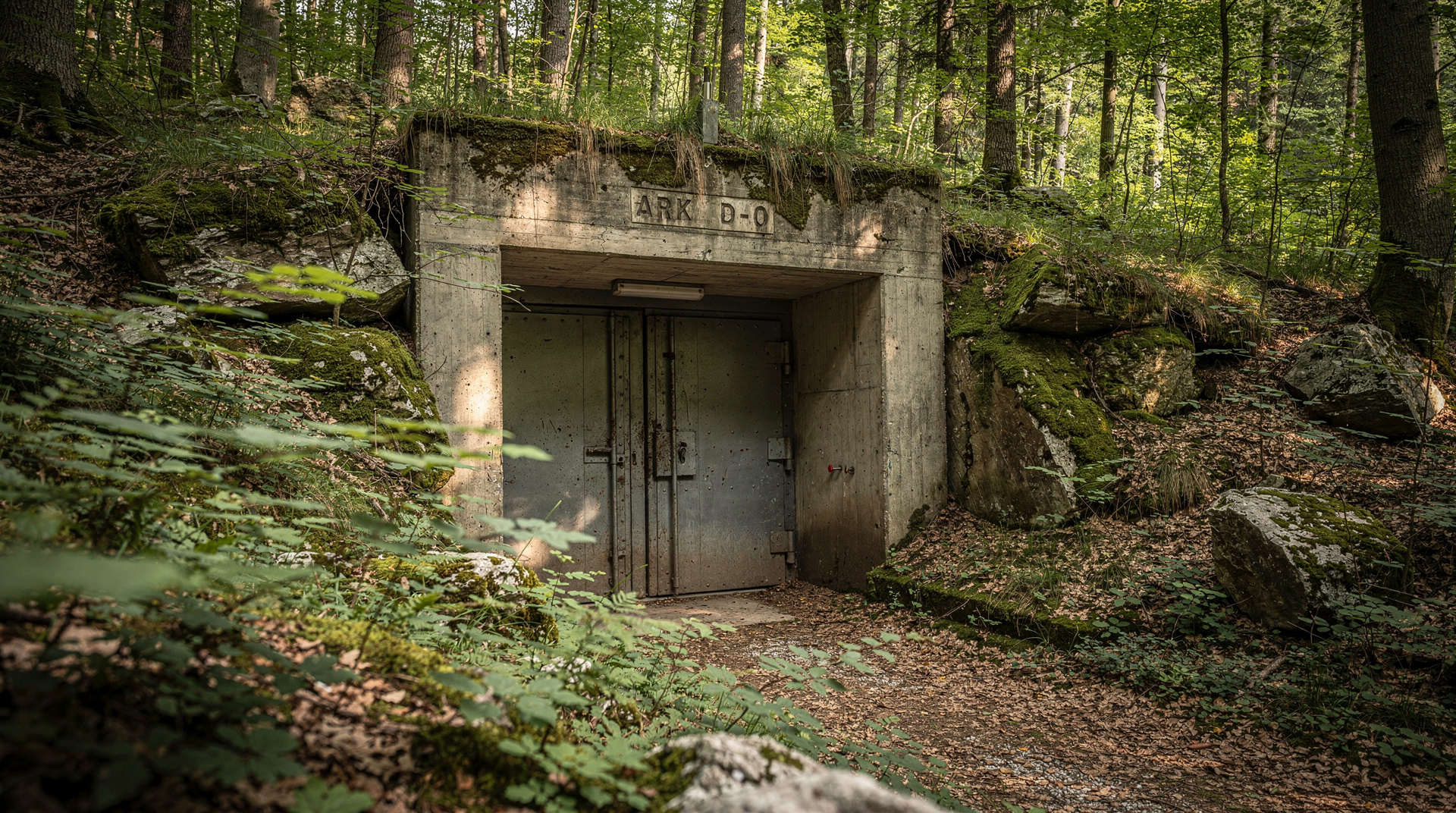
The bunker entrance is at Ostrožac, approximately 12 km south of Konjic on the road towards Jablanica. There is no public transport to the site; visitors either drive or join an organised tour from Sarajevo.
From Sarajevo: Konjic is about 70 km south of Sarajevo on the M17 highway along the Neretva valley — about 50 minutes by car. Tours from Sarajevo depart in the morning and typically include transport.
Parking is available at the entrance for independent visitors with cars.
Tito’s Cold War Bunker (ARK D-0) visitTickets and booking
Admission is approximately 50–80 BAM (25–40 EUR) per person for a guided tour. Booking in advance is essential — tours have limited capacity and popular dates sell out. The official website for ARK D-0 and local tour operators in Sarajevo and Konjic both handle bookings.
For organised tours from Sarajevo that include transport:
From Sarajevo: Tito’s Bunker and Konjic City TourCombining ARK D-0 with Konjic and the Neretva
Konjic town
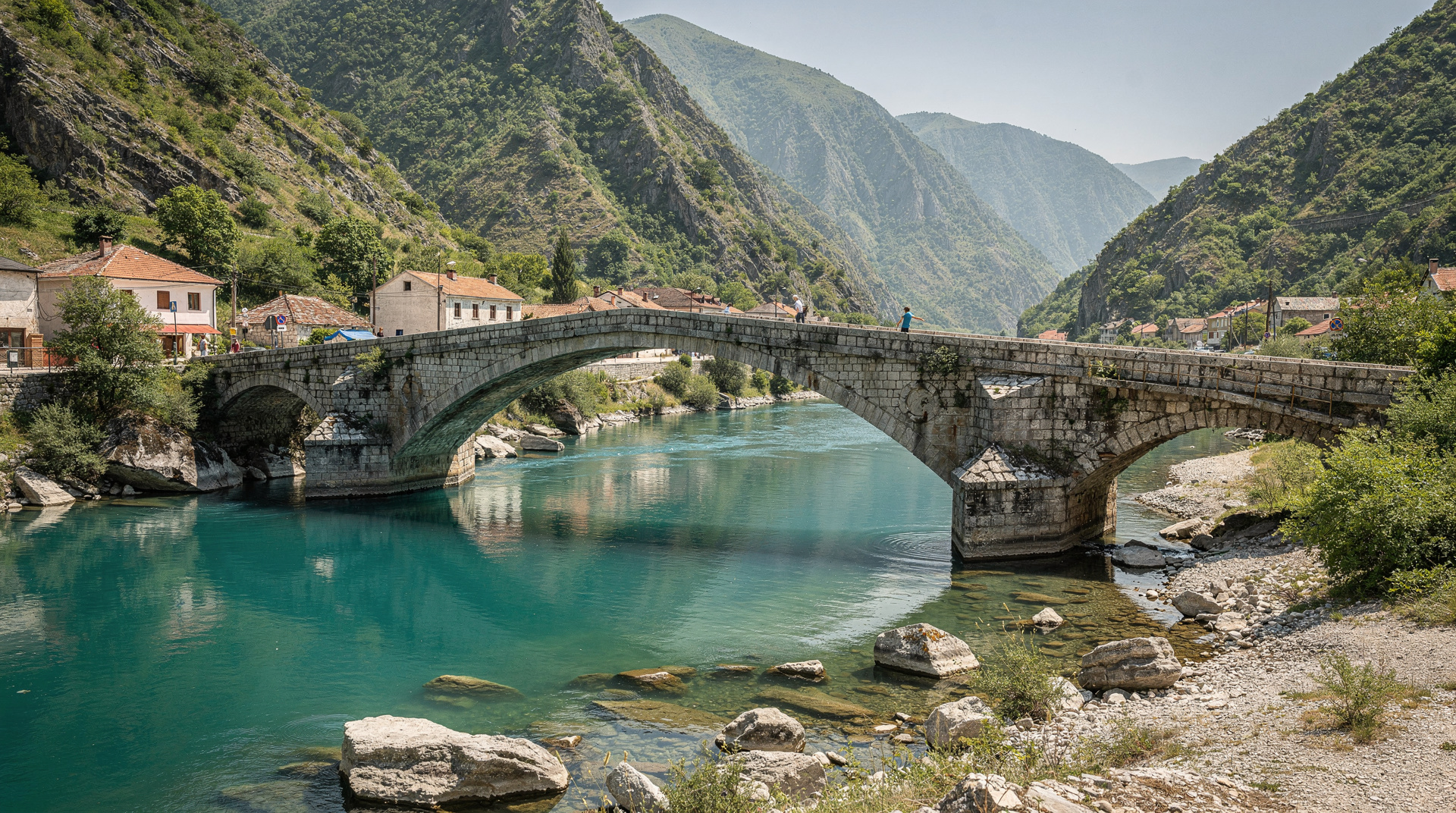
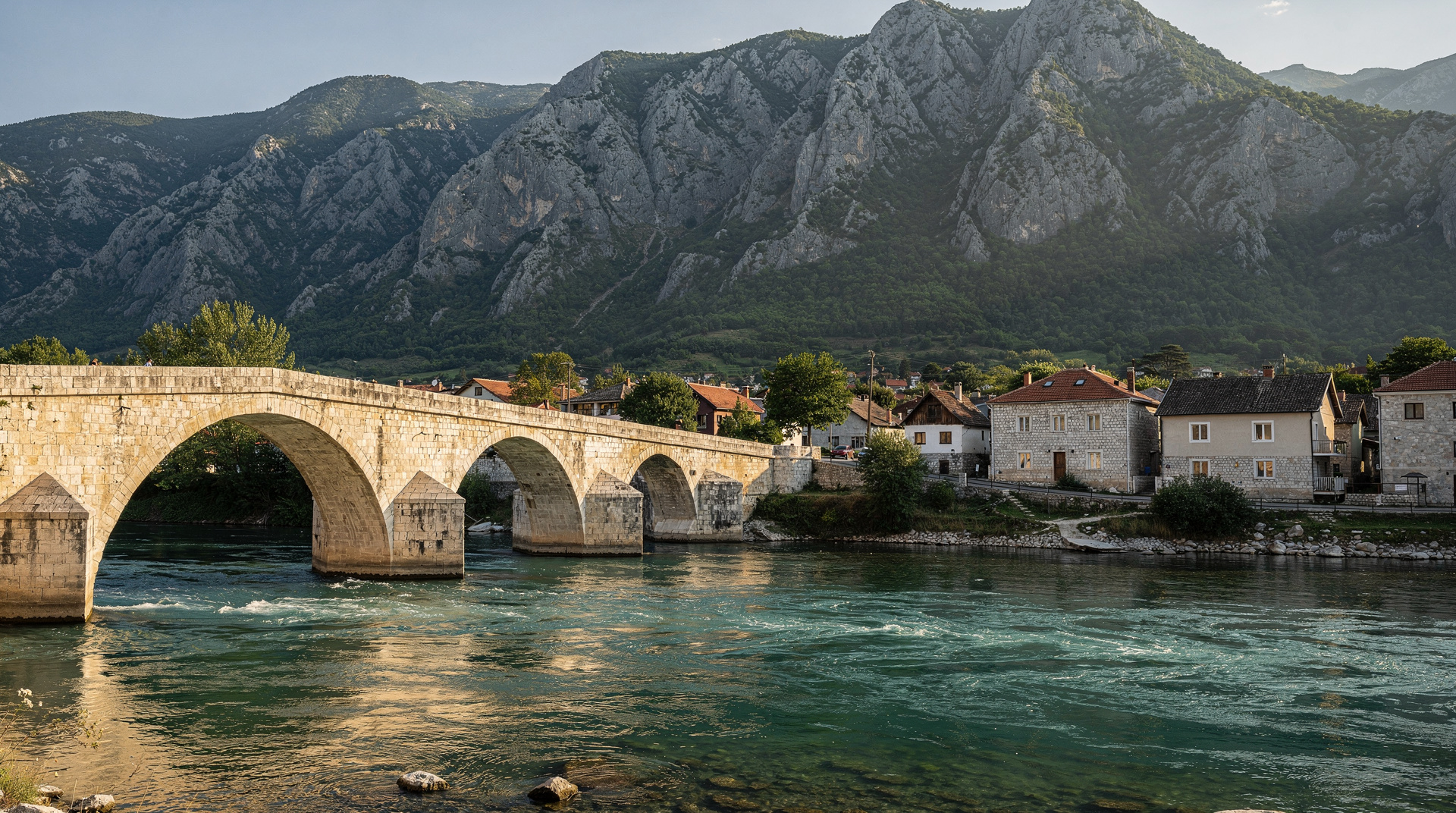
Konjic town is worth an hour or two of your time. The Ottoman bridge (Stari Most) over the Neretva — not to be confused with the more famous bridge in Mostar — is a graceful seventeenth-century structure and the centrepiece of the town. The old bazaar area has traditional woodcarving workshops; Konjic is known throughout Bosnia for the quality of its carved wooden chests and furniture.
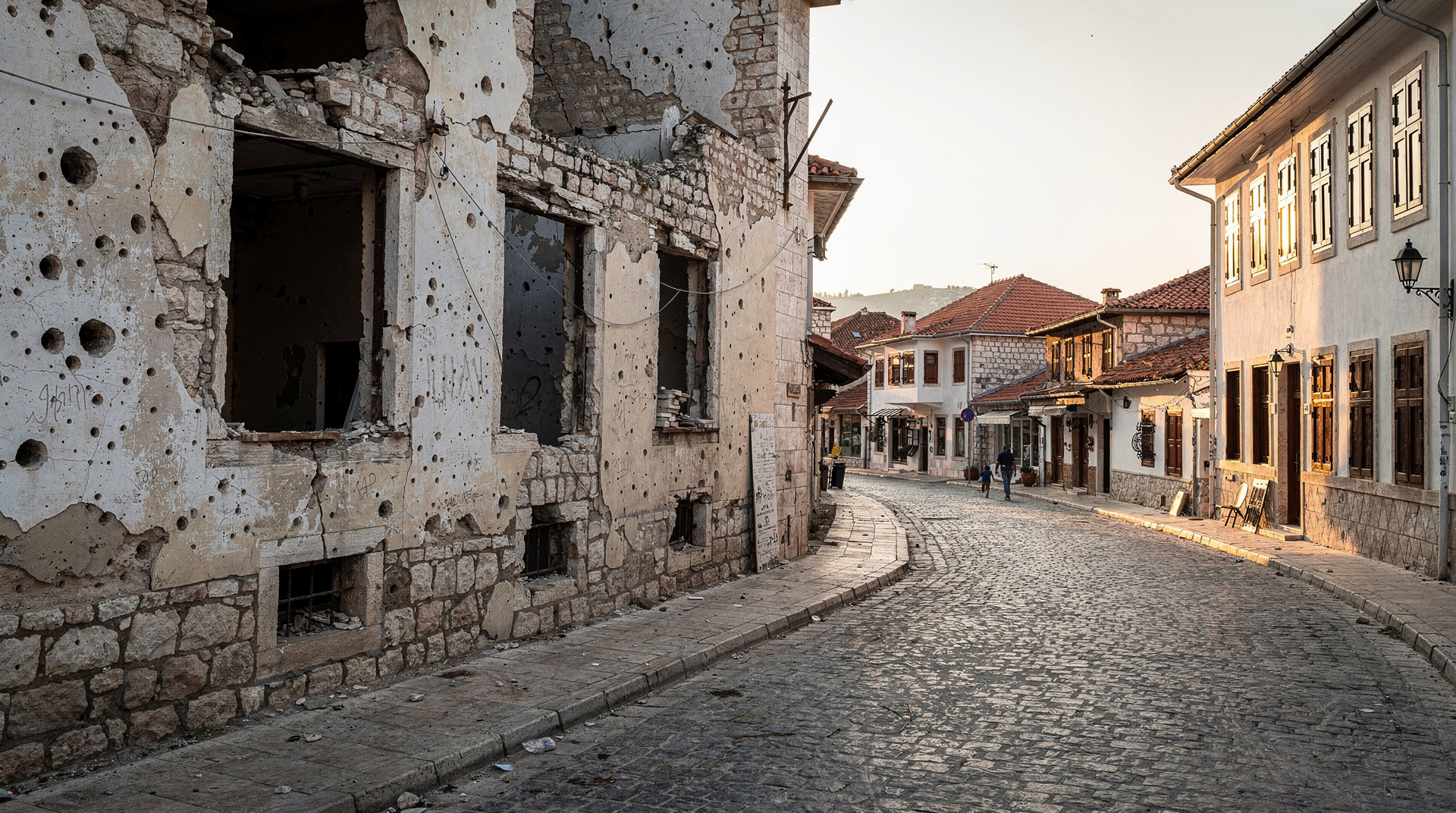
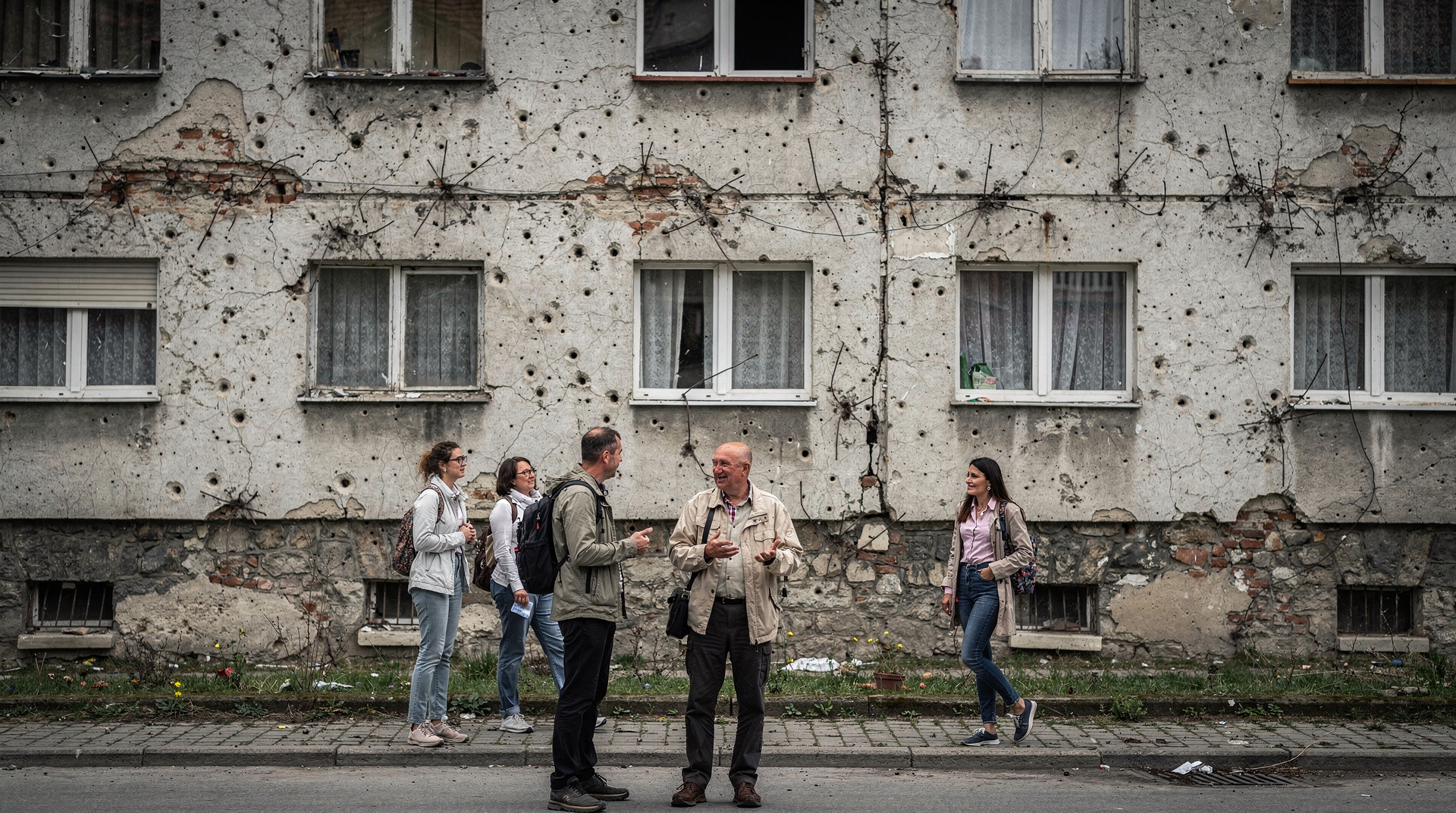
The town suffered significant damage during the 1992–1996 war and has been substantially rebuilt. The war-era history of Konjic and the surrounding Neretva canyon is documented in the local museum.
Neretva rafting
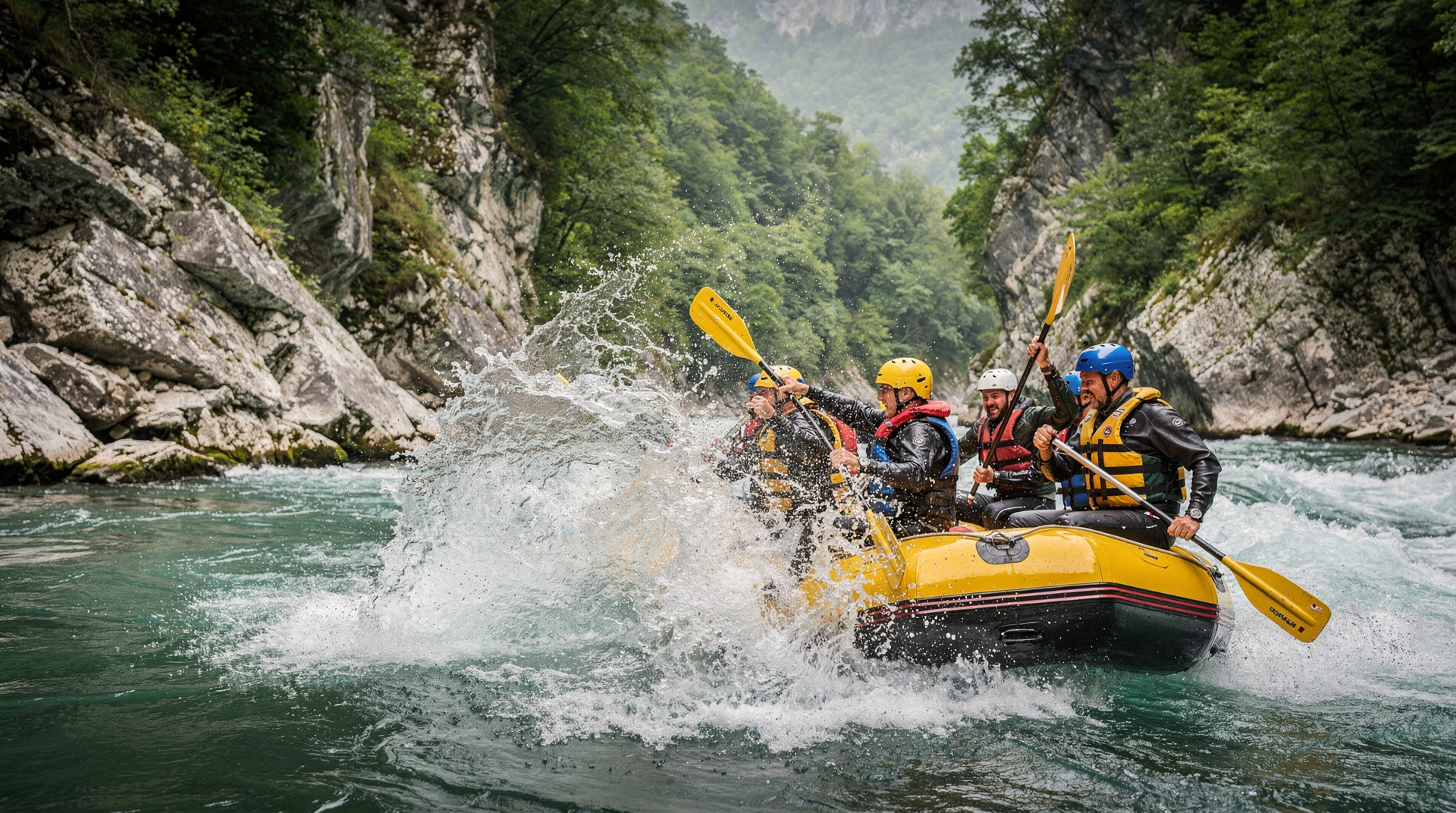
The stretch of the Neretva river between Konjic and Jablanica offers some of the best whitewater rafting in the Balkans — grade II–III rapids through a dramatic canyon, with the option to combine with a visit to the bunker in the same day. See our Neretva rafting guide for a full breakdown of the rafting experience, what grade of rapids to expect, and how to book.
Bosnia Explorer Tour: highlights of Mostar and Tito’s BunkerARK D-0 as art venue: the contemporary side
Since the bunker was declassified, it has also developed an unexpected second life as an art venue. The Sarajevo-based curator Edo Hozić initiated the use of the bunker for contemporary art exhibitions, and ARK D-0 has hosted major international exhibitions including works from documenta. The visual contrast between the Cold War infrastructure and contemporary art installations is extraordinary.
Check with the bunker management whether any exhibitions are scheduled during your visit — this adds a further dimension to the experience.
Practical tips
- Temperature: 10–12°C year-round. Bring a light jacket or fleece.
- Footwear: Comfortable walking shoes on uneven tunnel floors.
- Booking: Essential. Walk-ins are not always possible.
- Duration: 2–2.5 hours inside, plus travel time.
- Combined with: Neretva rafting, Konjic old town, day trip to Mostar (Konjic is roughly halfway between Sarajevo and Mostar).
- Mines: As with all rural areas in Bosnia outside well-marked sites, do not leave paths or enter unmarked terrain.
The Konjic day trip guide covers how to combine the bunker with rafting and the old bridge in a single day from Sarajevo. For those building a multi-day history itinerary, ARK D-0 is a key stop on the Bosnia war history itinerary.
ARK D-0 is unlike anything else in Bosnia — or anywhere else in Europe. It is meticulously preserved, historically profound, and extraordinarily good value. If you have one day to spare outside Sarajevo and want something genuinely different, this is it.
How ARK D-0 compares to other Bosnian war history sites
Bosnia has no shortage of Cold War and 1990s war heritage, but ARK D-0 occupies a different category from most of it. The Sarajevo war tour guide covers sites from the 1992–95 siege — the Tunnel of Hope, sniper alley, the Markale massacre sites — which are raw, recent and deeply tied to the city’s living memory.
ARK D-0, by contrast, is Cold War rather than 1990s war history: a nuclear-era relic that was never used in anger, preserved almost as a museum piece rather than a scar. Visitors building a broader picture of Yugoslavia’s collapse should read Yugoslav Wars explained alongside a bunker visit — the bunker illustrates the paranoia and secrecy of the state that later fractured into the conflicts of the 1990s.
Why the secrecy mattered
The scale of the concealment is part of what makes ARK D-0 remarkable. An estimated 4.6 billion dollars (in period value) was spent on a facility that most senior Yugoslav politicians never knew existed — some sources suggest even members of the Politburo outside Tito’s inner circle were unaware of its true purpose. Local villagers near Konjic understood only that a large construction project was underway; the official cover story was road and tunnel infrastructure. This level of secrecy, sustained over 26 years of construction, says as much about the nature of Titoist Yugoslavia as anything inside the bunker itself.
Building a day around the bunker
The bunker works best as the anchor of a day rather than a stop squeezed between other things. Because the tour is fixed-schedule and takes a good part of a morning or afternoon, decide first which slot you can book, then fit the rest around it. Konjic sits on the natural corridor between the capital and Herzegovina, so the bunker slots neatly into several routes.
Starting from Sarajevo. If you are based in the capital, the simplest plan is the bunker in the morning, a lunch stop in Konjic, and a return in the afternoon. The best day trips from Sarajevo guide compares this with other options, and Sarajevo to Mostar transport explains the road you will be travelling anyway. Our Sarajevo war tour guide pairs well on a different day: one trip for the Cold War, one for the siege.
Continuing towards Mostar. If you are moving south, stop at the bunker on the way instead of doing a round trip. The Mostar day trip from Sarajevo and the Sarajevo–Mostar 3 days itinerary both treat Konjic as a natural halfway point. Remember to confirm where you can leave luggage if you are travelling by car, and plan the later leg so that you are not driving mountain roads in the dark. The driving in Bosnia guide covers what to expect behind the wheel.
Making it a longer Konjic stay. Visitors with more time can pair the bunker with the river. The Konjic destination page gives a sense of the town and its surroundings, and the Neretva rafting guide is the natural second half of an active day. Doing the dry, cold, quiet bunker first and the loud, wet, sunlit river afterwards is a satisfying contrast.
What to look for inside
Guides tend to reward curiosity, so it helps to arrive with a few questions in mind. Notice how the finish of each space changes as you move away from the presidential core. Look at the practical details — the airlocks, the machinery, the communications equipment — as much as the furnished rooms, because the engineering is what makes the place believable. And listen for how your guide describes the secrecy: it is as much a story about a state and its fears as about concrete and steel. If you want more background before you go, Bosnia history for travellers is a useful primer, and the Ottoman heritage in Bosnia guide helps place Konjic’s old bridge in a much longer story than the Cold War.
After the tour
Coming out into daylight after a couple of hours underground is oddly disorienting, so do not schedule anything demanding straight afterwards. A slow meal is ideal; the Bosnian food guide will help you order well in a town restaurant, and a warm coffee is welcome after the chill — see Bosnian coffee culture for how it is served. Anyone planning a wider trip can use the Bosnia 7-day itinerary to see where a Konjic stop fits.
Frequently asked questions about Tito's Bunker ARK D-0 Konjic — the complete visitor
How do I visit Tito's Bunker near Konjic?
How much does it cost to visit ARK D-0?
How long is the tour of ARK D-0?
Can children visit ARK D-0?
Can I combine the bunker visit with Neretva rafting?
Is ARK D-0 the same as the bunker featured in Yugoslav war history documentaries?
Top experiences
Bookable activities with verified prices and instant confirmation on GetYourGuide.