Banja Luka
Plan a trip to Banja Luka: Kastel fortress, the Vrbas river canyon, craft beer scene and hiking near Krupa na Vrbasu in northwest Bosnia.
Banja Luka: Guided Walking Tour
Quick facts
- Region
- Bosanska Krajina / Republika Srpska
- Days needed
- 1
- Currency
- BAM (1 EUR = 1.95583 KM)
- Distance from Sarajevo
- ~225 km, 2h30 by car
- Distance from Bihać
- ~120 km, 1h30 by car
Banja Luka is the administrative capital of Republika Srpska and the second-largest city in Bosnia and Herzegovina. With around 200,000 inhabitants, it is a functioning city rather than a heritage showpiece — and that is part of its appeal. The Vrbas River cuts a genuine canyon through the city’s western edge, the Kastel fortress occupies a riverside bluff, and a small but growing restaurant and craft-beer scene has taken hold along the Vrbas embankment. Visitors who make it here are typically passing through the Bosanska Krajina region or combining the city with a trip to Bihać and Una National Park.
| At a glance | |
|---|---|
| Where | Northwest Bosnia, Republika Srpska, on the Vrbas River |
| Cost | Kastel fortress free; a fish dinner around 20-30 BAM; guesthouse from around 30-50 BAM/night |
| Time needed | Around 1 day; add a half-day for the Krupa na Vrbasu hike |
| Getting there | Around 2h30 from Sarajevo by car, or 3-4h by bus |
| Best time | April to October for the canyon and outdoor activities |
Getting to Banja Luka
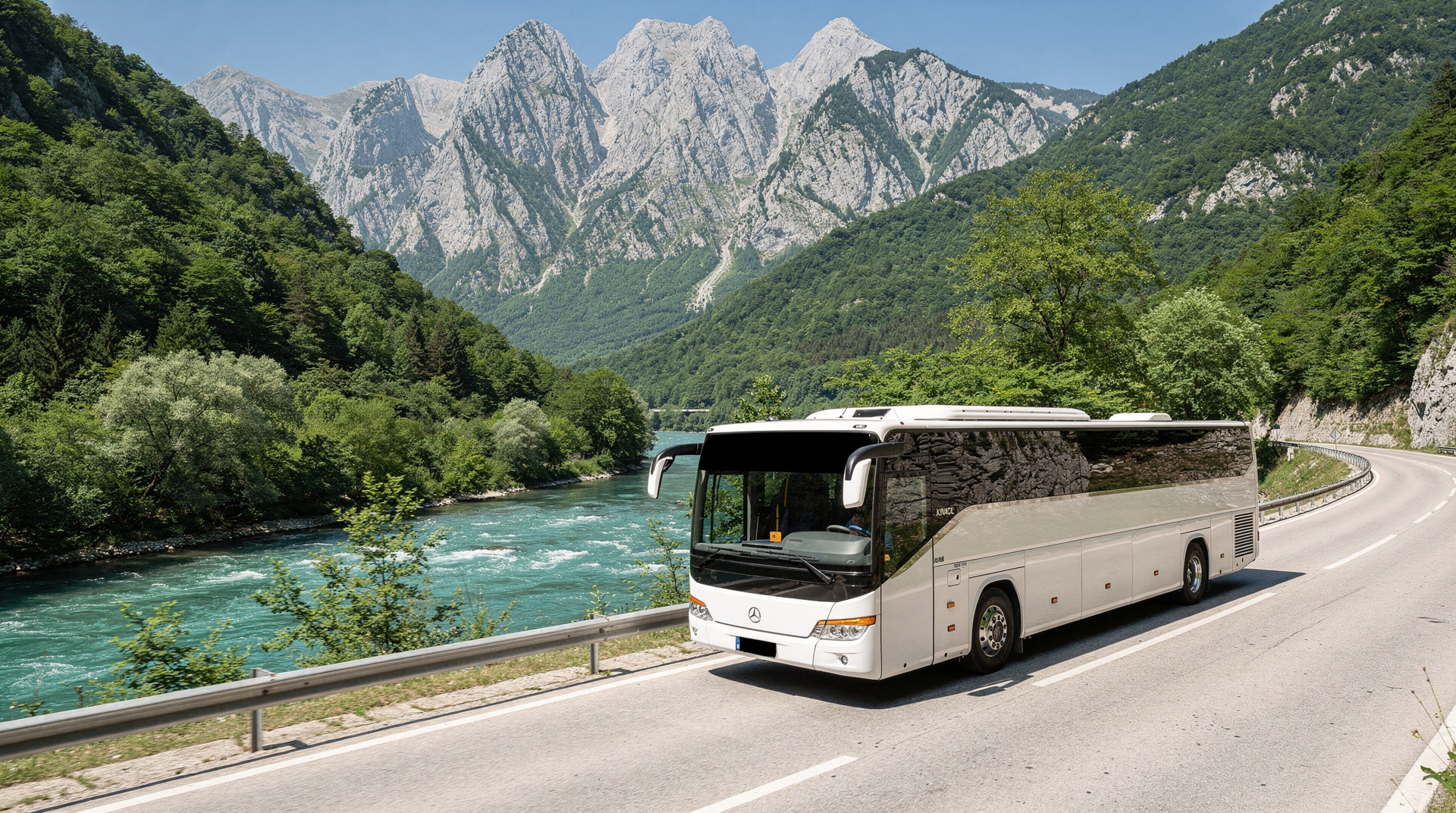
From Sarajevo, the most direct route (225 km) runs northwest on the M17 via Jajce — allow 2 hours 30 minutes by car. Buses run several times daily from Sarajevo’s East Terminal; journey time is 3–4 hours. From Bihać the drive is about 120 km east, under 1.5 hours. Bus connections from Zagreb and Belgrade also serve Banja Luka directly.
The city has a small international airport (BNX), with seasonal flights from several European cities, though connections are limited compared to Sarajevo.
The old town and Kastel fortress
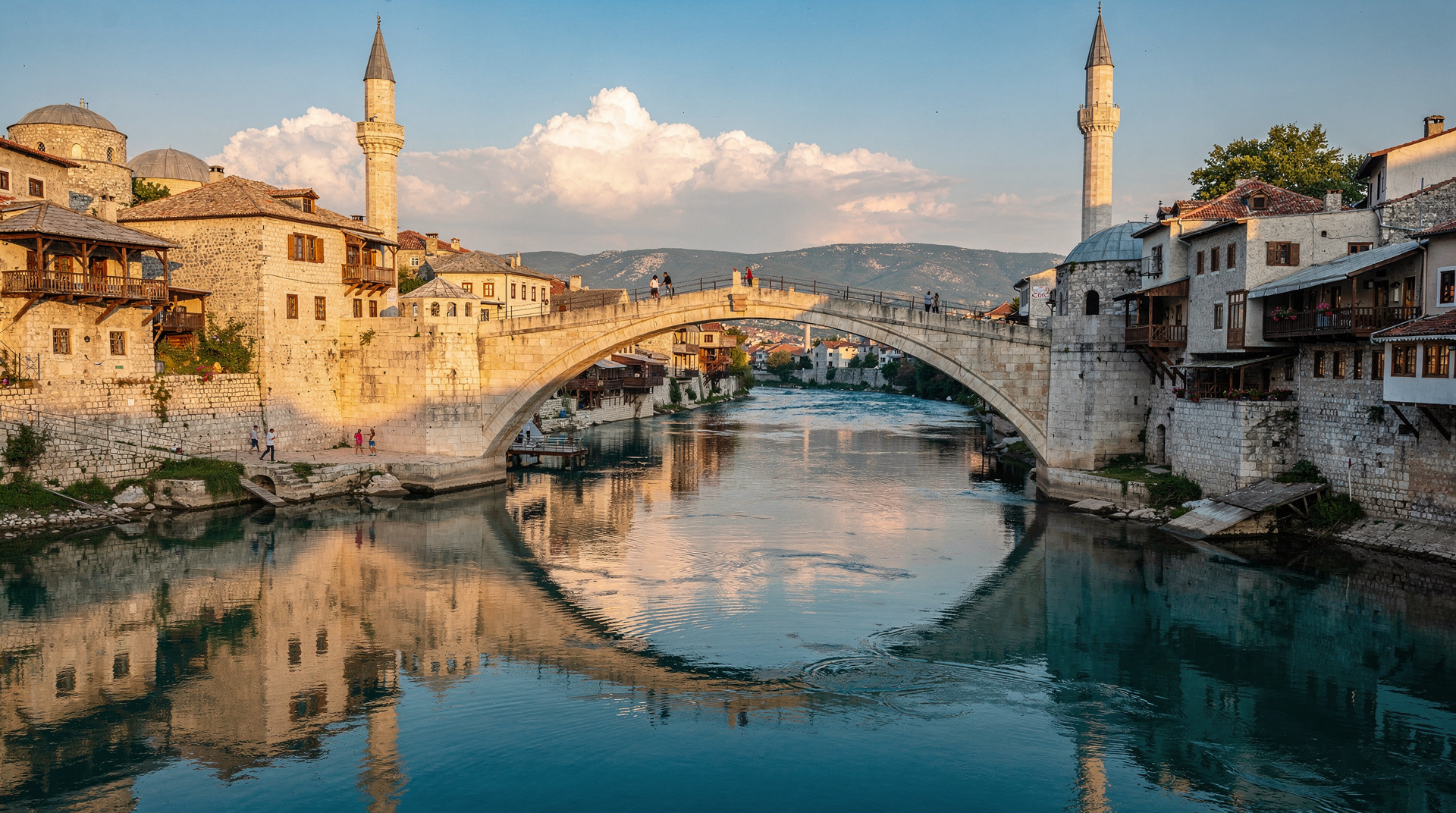
The Kastel fortress is Banja Luka’s most photogenic landmark. Built in the 6th century by the Romans and substantially rebuilt under the Ottomans in the 16th and 17th centuries, the walls stretch along a low bluff above the Vrbas. The interior has been partly restored and now hosts an open-air café and occasional summer concerts. Admission is free; the grounds are open daily.
A guided walking tour of Banja Luka covers the Kastel, the pedestrian zone along Kralja Petra I street, and the central market. The city’s architecture mixes Austro-Hungarian and Yugoslav-era buildings, with the conspicuous Cathedral of Christ the Saviour (completed 2004) dominating the central square.
The Ferhadija Mosque (Ferhat-pasha Mosque), one of the finest examples of 16th-century Ottoman architecture in the Balkans, was destroyed during the 1992-1995 war and subsequently rebuilt. Reopened in 2016, the restored mosque stands as a symbol of post-war reconstruction. It is open to visitors outside prayer times.
The Vrbas canyon and outdoor activities
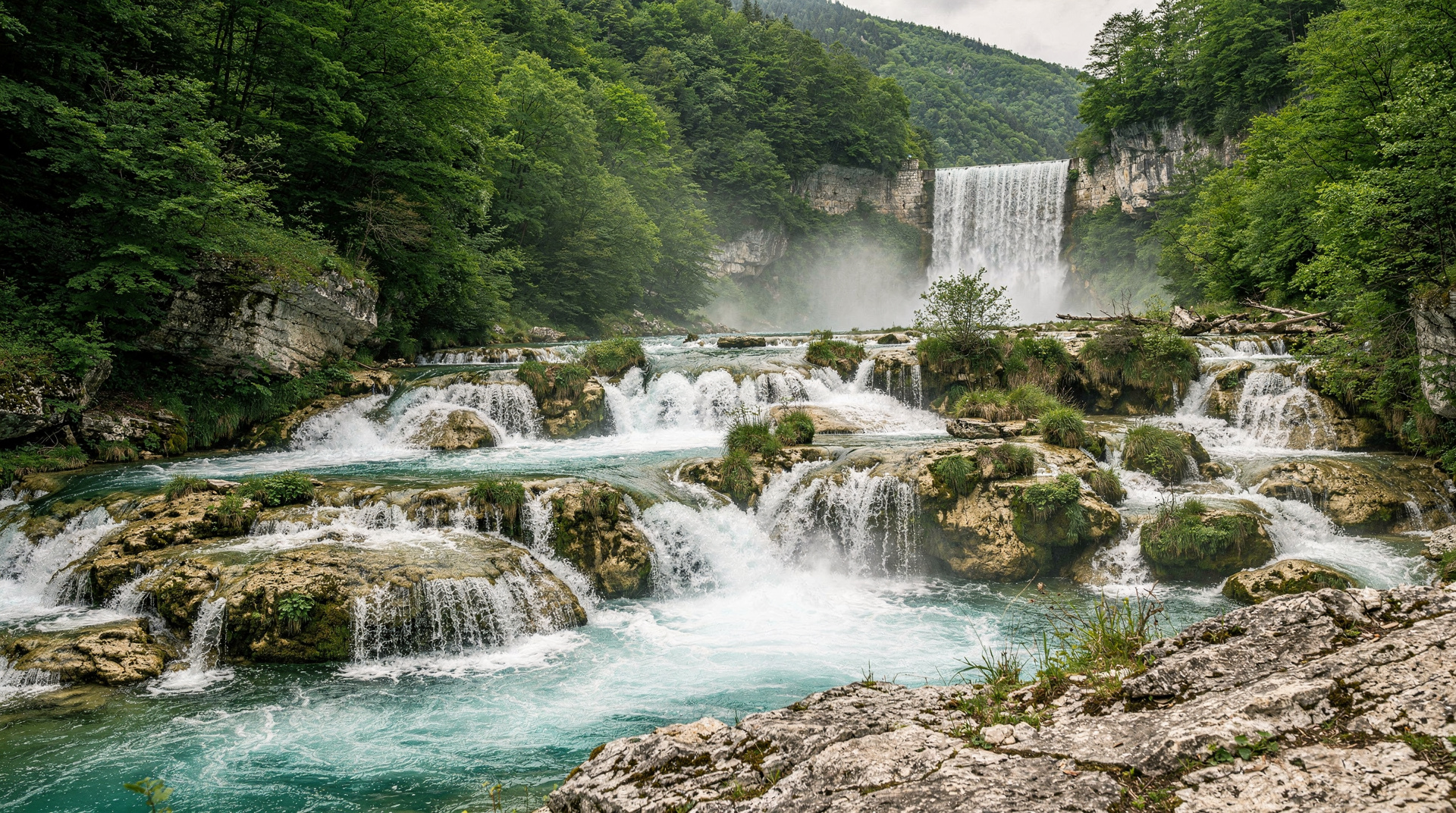
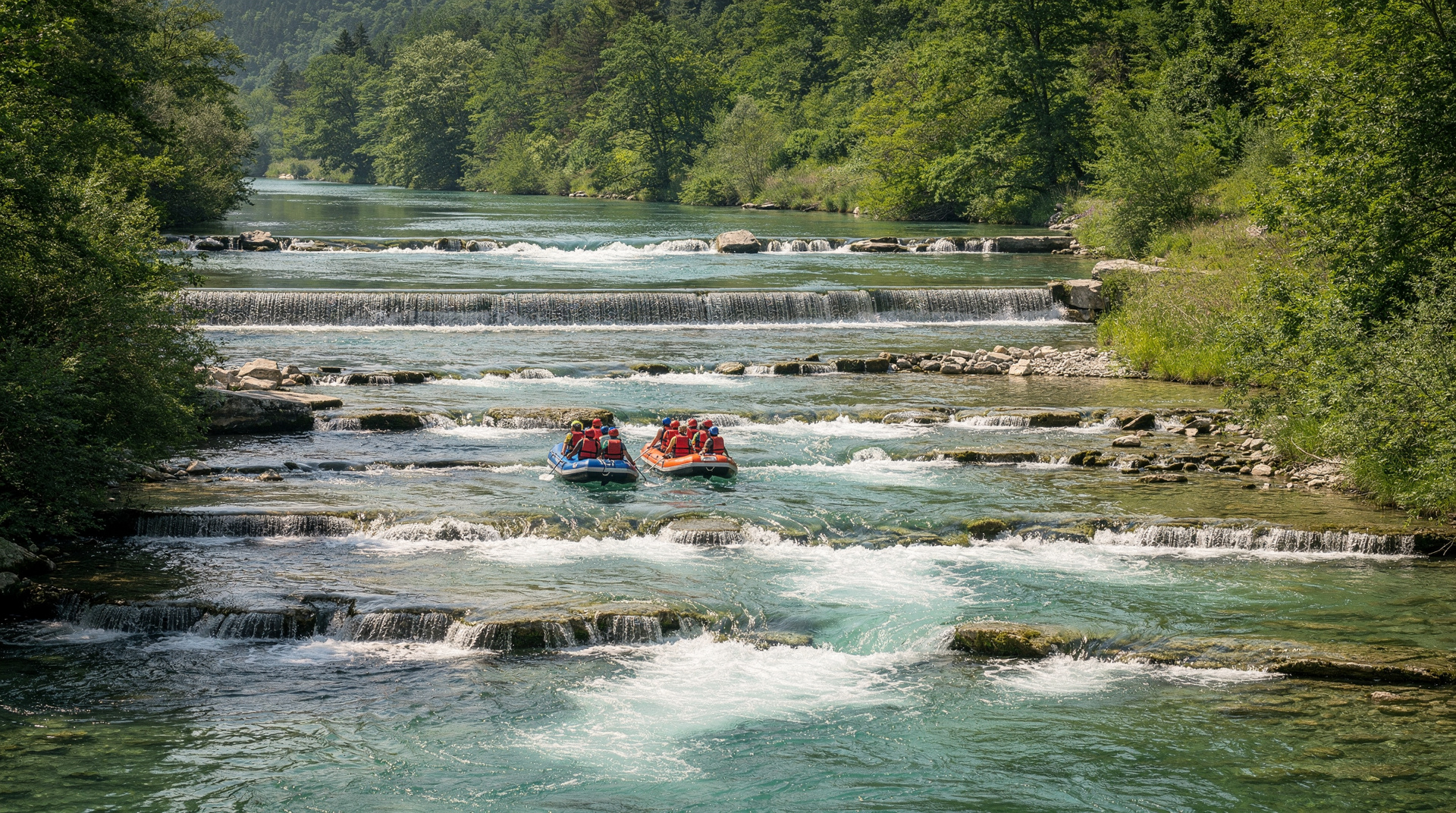
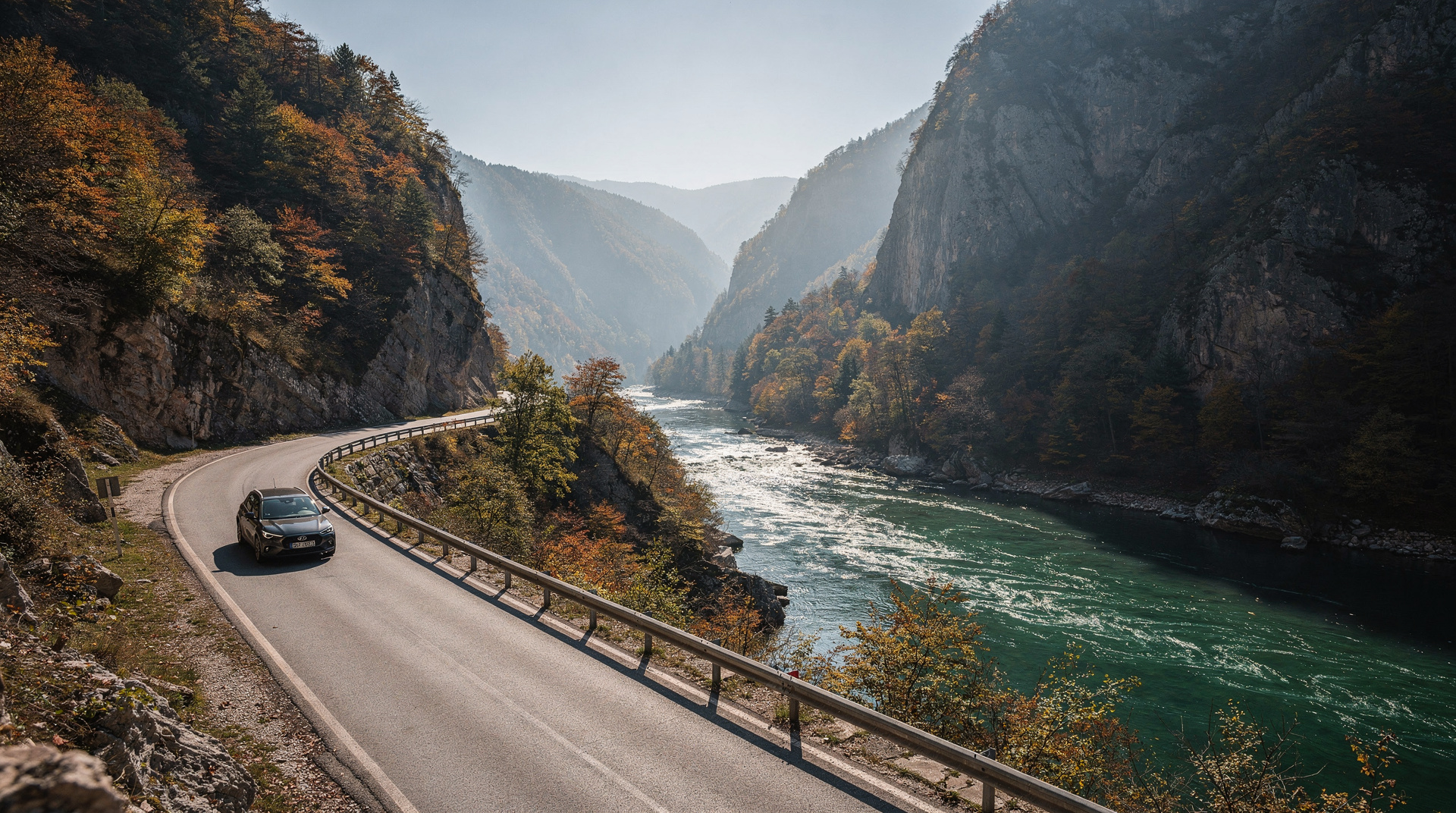
The Vrbas River is the city’s natural asset. Just a few kilometres south of the centre, the river enters a narrow limestone gorge where it drops through a series of rapids. This section hosts:
- Kayaking and rafting: A number of local operators run kayak and rafting sessions on the Vrbas gorge, typically from April through September. The rapids are grade II-III — genuinely sporty but accessible to beginners with guidance.
- Cycling: A riverside cycling path follows the Vrbas upstream from the city toward the gorge. Bike hire is available in the centre.
- Rock climbing: The limestone walls of the Vrbas canyon have established climbing routes; local clubs organise guided sessions.
Krupa na Vrbasu and hiking
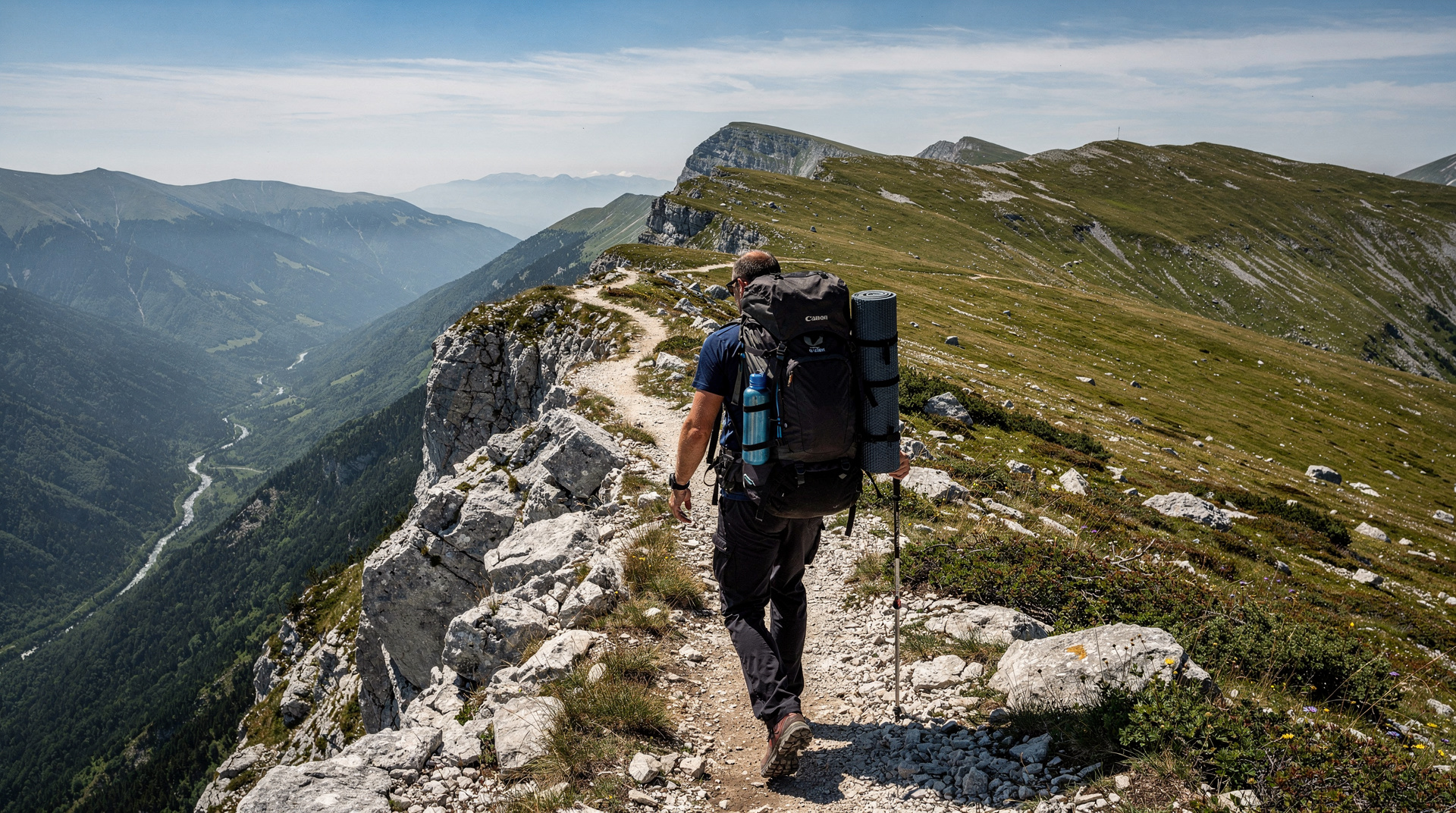
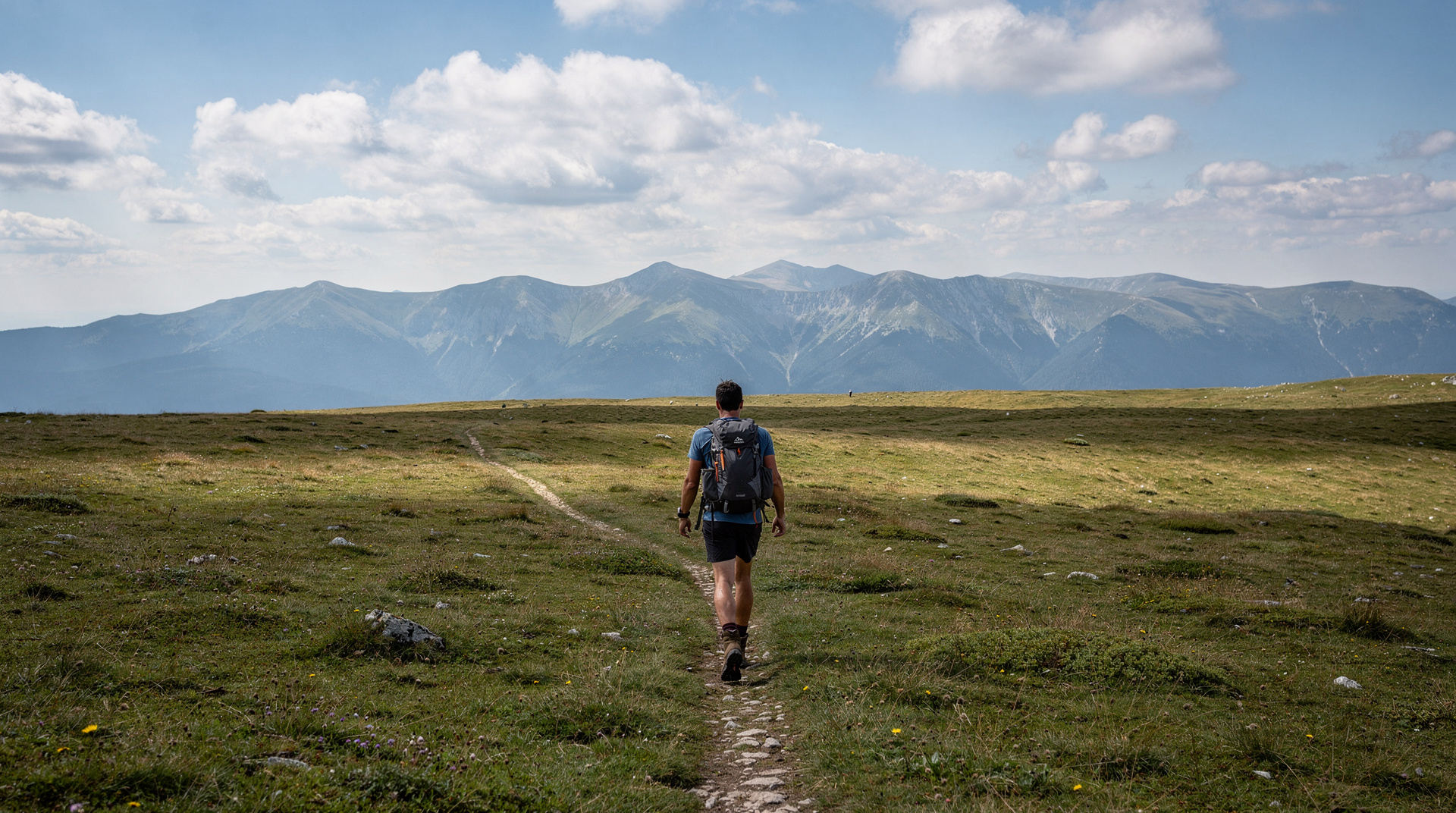
About 25 km south of Banja Luka on the road toward Jajce, the village of Krupa na Vrbasu sits at the head of the deepest section of the Vrbas canyon. The Krupa hiking tour explores the canyon rim trails and the canyon floor, with views of the river far below. The hike takes around 4–5 hours at a moderate pace. The same area has a small Orthodox monastery (Krupa Monastery), built into the canyon wall above the river.
Food and drink
Banja Luka has a more developed cafe and restaurant scene than most Bosnian cities outside Sarajevo. A few standouts:
- Kazamat (within the Kastel fortress): summer-only café and events space with fortress wall seating.
- Vrbas restaurants: Several fish restaurants along the Vrbas embankment serve local river trout and carp — a regional speciality. Prices are modest: a full fish dinner with local beer runs 20–30 BAM (10–15 EUR) per person.
- Craft beer: Banja Luka has a cluster of craft beer bars around the pedestrian zone. Look for local breweries including Nektar and Banjalučko Pivo — Banjalučka piva has been brewed here since the 19th century.
Eating like a local
Order the river fish when it is on the menu, and let the staff guide you on what is freshest that day. Beyond the embankment restaurants, the city’s bakeries and grill houses serve the staples covered in the Bosnian food guide, including grilled meats and flaky pastries; the burek and pita guide explains how to tell the real thing from a lazy imitation. If you have already eaten your way through the capital, the Sarajevo food tour guide offers a useful point of comparison, and the local drinks tradition, including the fruit brandy offered by hosts, is explained in the rakija guide. Take your time over meals: service is relaxed, and rushing a table is considered odd.
Where to stay
- Budget: Several guesthouses near the central market square, 30–50 BAM (15–26 EUR) per night.
- Mid-range: Hotel Bosna (central, long-established) and Hotel Palas run 65–110 EUR per night. Hotel Ideja (boutique, near the Kastel) is the most stylish option in the city at around 80–120 EUR.
- Apartments: Airbnb and local agencies offer self-catering apartments, often better value than hotels for longer stays.
Practical notes
- Currency: Banja Luka uses BAM, the same currency as the Federation. EUR is not commonly accepted. ATMs are plentiful in the city centre.
- Language: Serbian is the dominant language in Republika Srpska; Cyrillic script is used alongside Latin. English is spoken in most hotels and tourist-facing businesses.
- What to skip: The city is not particularly well served by public transport internally — taxis are cheap (flag-fall around 1.50 BAM, most in-city trips 4–8 BAM) and worth using rather than waiting for buses.
- Safety: Banja Luka is a safe, relaxed city with negligible tourist crime.
Shaping a day in the city
Banja Luka rewards a slow, unhurried day more than a checklist. A sensible rhythm is to start with the Kastel while the light along the Vrbas is soft, walk the pedestrian zone and central market through the late morning, and keep the afternoon for the river, whether that means a stroll along the embankment, a bike ride upstream or a session on the water. Evenings belong to the terraces and the craft-beer bars, where the city’s residents are the main clientele rather than tour groups. That local feel is exactly what sets it apart from the more heavily visited towns further south.
If you like to understand a place through its streets, spend some time simply watching how the city lives. Cafés fill early, the market is a working one rather than a souvenir stall, and the riverside paths are used by locals for running, cycling and long conversations. Coffee here follows the same unhurried ritual you will meet across the country, which is explained in the Bosnian coffee culture guide, and it is worth sitting through at least one slow cup rather than drinking on the move.
Architecture-minded visitors will enjoy the contrast between the Ottoman-era heritage, the Austro-Hungarian public buildings and the Yugoslav-era blocks. For a wider view of how these layers arrived in the country, read about Ottoman heritage in Bosnia and the Bosnia history guide for travellers, which put the Ferhadija Mosque and the Kastel into context.
Getting around once you arrive
The centre is compact enough to cover on foot, and most of what you will want sits within a short walk of the central square. For the canyon, Krupa na Vrbasu and anything beyond the city limits, a car gives the most freedom, and the driving in Bosnia guide covers road conditions and etiquette. If you have no licence or prefer not to drive, the renting a car in Bosnia guide explains the alternatives, and the buses in Bosnia guide shows how intercity coaches connect the city with the rest of the country. Taxis fill the gaps inside town.
Arriving without your own transport is perfectly workable: guided options such as the walking tour and the Krupa hike already described handle the logistics for you, which suits travellers who would rather not navigate unfamiliar roads.
Building Banja Luka into a longer route
Because the city sits on the road between the capital and the northwest, it slots naturally into several routes. Travellers heading from Sarajevo towards the Una valley can break the journey here, stopping at Jajce on the way for its waterfall and old town, and continuing to Bihać and Una National Park afterwards. The Jajce fortress guide and the Una National Park guide help you plan those neighbouring stops.
Adventure-focused travellers can pair the Vrbas with other rivers. The rafting in Bosnia guide compares the country’s main rivers, and the Una River rafting guide is the natural follow-up if you plan to continue west. If your trip leans towards walking, the hiking in Bosnia guide shows where a Krupa day fits among longer mountain trips.
For a structured plan, the Bosnia 10-day itinerary and the Bosnia 14-day grand tour are the two routes where a stop in Banja Luka makes most sense, because they leave room beyond the headline sights of the south.
When to go
The Vrbas is at its best in the warmer months, when the river activities run and the terraces are full. Spring brings green banks and a livelier river, while early autumn offers comfortable walking weather and fewer visitors. Winter is quieter: the canyon activities are largely seasonal and the Kastel’s café life slows down, so if you come then, plan around the museums, cafés and market rather than outdoor sport. The best time to visit Bosnia guide gives the country-wide picture to help you choose.
Is Banja Luka worth the detour?
Banja Luka rarely makes a first-time Bosnia itinerary, and for travellers with only a week who are focused on Sarajevo and Mostar, it is reasonable to skip it. But for anyone spending 10 days or more, or approaching Bosnia from the northwest via Bihać and Una National Park, it is a genuinely worthwhile stop rather than a box-ticking detour — the Vrbas canyon activities and the Kastel fortress justify a full day on their own. See the how many days in Bosnia guide for how it fits into a longer trip.
Republika Srpska context for travellers
Banja Luka is the effective capital of Republika Srpska, one of Bosnia’s two entities, and this shapes daily life more visibly than in Sarajevo or Mostar. Cyrillic signage is more common, the Serbian Orthodox church is the dominant religious presence, and the political atmosphere leans distinctly toward Belgrade rather than Sarajevo. None of this affects a visitor’s safety or welcome — locals are used to tourists and generally warm toward them — but it is useful context for understanding the flags, murals and street names you will notice around the city. For deeper background, see the Yugoslav wars explained guide.
Reading the city respectfully
Visiting Banja Luka is a good chance to hear perspectives that differ from those you may have met in Sarajevo or Mostar. Be curious rather than confrontational: ask about daily life, food and the river, and let people raise history themselves if they wish. Visitors who want the background before they arrive can read the Yugoslav wars explained guide alongside is Bosnia safe, which addresses the practical side of travelling between the two entities. Those with a particular interest in the recent past can continue with the Bosnia war history itinerary.
The rebuilt Ferhadija Mosque is worth visiting in that spirit, as a place where the story of loss and reconstruction is visible in the stone. Dress modestly, remove your shoes where asked and avoid prayer times, as you would at any of the mosques described in the Sarajevo mosques guide.
For a first-hand account of travelling in the region, the western Bosnia and Krajina itinerary and the off the beaten path blog post show how other travellers have fitted less-visited places into their trips, and Bosnia on a budget helps you keep costs in check while doing it.
Frequently asked questions about Banja Luka
Is Banja Luka safe to visit? Yes. Banja Luka is a relaxed, low-crime city with essentially no tourist-targeted crime. Ordinary travel precautions apply, as anywhere.
Can I use euros in Banja Luka? Not reliably. BAM (convertible mark) is the currency used throughout Bosnia and Herzegovina, including Republika Srpska; EUR is not commonly accepted outside a handful of tourist-facing businesses. Withdraw BAM from an ATM on arrival.
For a broader route through northwestern Bosnia, see the western Bosnia and Krajina itinerary which connects Banja Luka with Bihać, Una National Park and Jajce.
Top experiences
Bookable activities with verified prices and instant confirmation on GetYourGuide.