Bosnia travel guide
Sarajevo: Old Town to Modern City Walking Tour
How do I plan a first trip to Bosnia & Herzegovina?
Allow 5-7 days, base in Sarajevo and Mostar, travel by bus or rental car, budget €40-110/day, and visit in May-June or September-October for the best weather and fewest crowds.
Bosnia & Herzegovina rewards travellers who slow down. This guide covers the essentials: when to visit, how long to stay, how to get around and how to build a first route.
At a glance
| Best time to visit | May-June & September-October |
| Minimum time needed | 5-7 days for Sarajevo, Mostar and a Herzegovina day trip |
| Currency | BAM/KM, pegged at 1 EUR = 1.95583 KM |
| Daily budget | €40-55/day budget, €70-110/day mid-range |
| Getting around | Bus between main towns, rental car for the mountains and Herzegovina villages |
| Main airports | Sarajevo (SJJ) and Mostar (OMO, limited routes); many visitors fly into Dubrovnik or Split instead |
When to visit
May-June and September-October are ideal — green, mild and uncrowded. July-August is hot in Herzegovina (35°C+) and Mostar fills up at midday. December-March is ski season near Sarajevo.
How many days
Five to seven days is the sweet spot. Base in Sarajevo, add Mostar, and slot in a Herzegovina day trip. Start with a Sarajevo walking tour to orient yourself. If you have three days only, follow the Sarajevo-Mostar 3 days itinerary; with ten days or more, the Bosnia 10-day itinerary adds Jajce, Travnik and the Una valley in the northwest. The how many days in Bosnia guide breaks this decision down further by travel style.
Getting around
Buses link all major towns; a rental car unlocks the mountains. Sarajevo to Mostar is about 2h30 by road. Long-distance coaches are reliable and cheap but infrequent on some routes — the buses in Bosnia guide has current timetables and booking tips.
A rental car is the better choice if Konjic’s Tito bunker, Blagaj, Počitelj or the Herzegovina wineries are on your list, since public transport barely reaches them; see renting a car in Bosnia and driving in Bosnia for road conditions and border-crossing notes. Most international travellers arrive via Dubrovnik or Split airport and drive in, since flight options into Sarajevo itself are more limited — the Sarajevo airport guide covers transfers into the city.
Budgets in BAM
Bosnia remains one of Europe’s best-value destinations. Budget travellers using hostels, ćevapi stands and buses manage on €40-55/day; mid-range travellers with private rooms, a rental car and the occasional guided tour spend €70-110/day. Prices in Herzegovina (Mostar, Medjugorje) run slightly higher than Sarajevo or the northwest. The Bosnia on a budget guide breaks down accommodation, food and tour costs by category, and the Bosnia money and currency guide explains ATMs, card acceptance and the BAM peg in more detail.
Building your first route
The classic first-timer shape is Sarajevo, a stop in Konjic or straight through to Mostar, then a Herzegovina day trip before either returning to Sarajevo or exiting via Dubrovnik. The Bosnia 7-day itinerary is the fullest version of this route with day-by-day logistics, and the how to plan a Bosnia itinerary guide walks through the decision points — car versus bus, how many nights per base, and where to add extensions like Trebinje or the Una valley. Families should also check Bosnia with kids before finalising a pace.
Choosing your season
The weather advice above shapes more than comfort; it changes what you can do. Spring and autumn suit walking, city sightseeing and the road trips between towns, and each has its own character, which the guides to Bosnia in spring and Bosnia in autumn describe in detail. Summer favours the rivers and waterfalls, but it asks you to plan around the heat: start early in Herzegovina, rest in the middle of the day and keep the evenings for old-town streets. The Bosnia in summer guide shows how to do this without wasting daylight. Winter turns the country into a different trip altogether, with snow-covered mountains and quiet cities; read Bosnia in winter before you commit, because some outdoor activities and mountain roads are affected by the weather. If you are still undecided, the best time to visit Bosnia guide compares the seasons side by side.
What to expect in each base
Sarajevo
Sarajevo is the natural starting point for most itineraries. It is a city where Ottoman lanes, Austro-Hungarian boulevards and the traces of the 1990s siege sit within walking distance of each other, and it rewards unhurried exploring. The Baščaršija guide is the best introduction to the old bazaar, and the museums of Sarajevo guide helps you decide which of the city’s collections deserve your time. Food is a pleasure in its own right here: coffee houses, bakeries and grill restaurants make good anchors for your days, and the Sarajevo food tour guide explains what to try. When you pick where to sleep, the where to stay in Sarajevo guide helps you choose a neighbourhood that fits your style.
Mostar
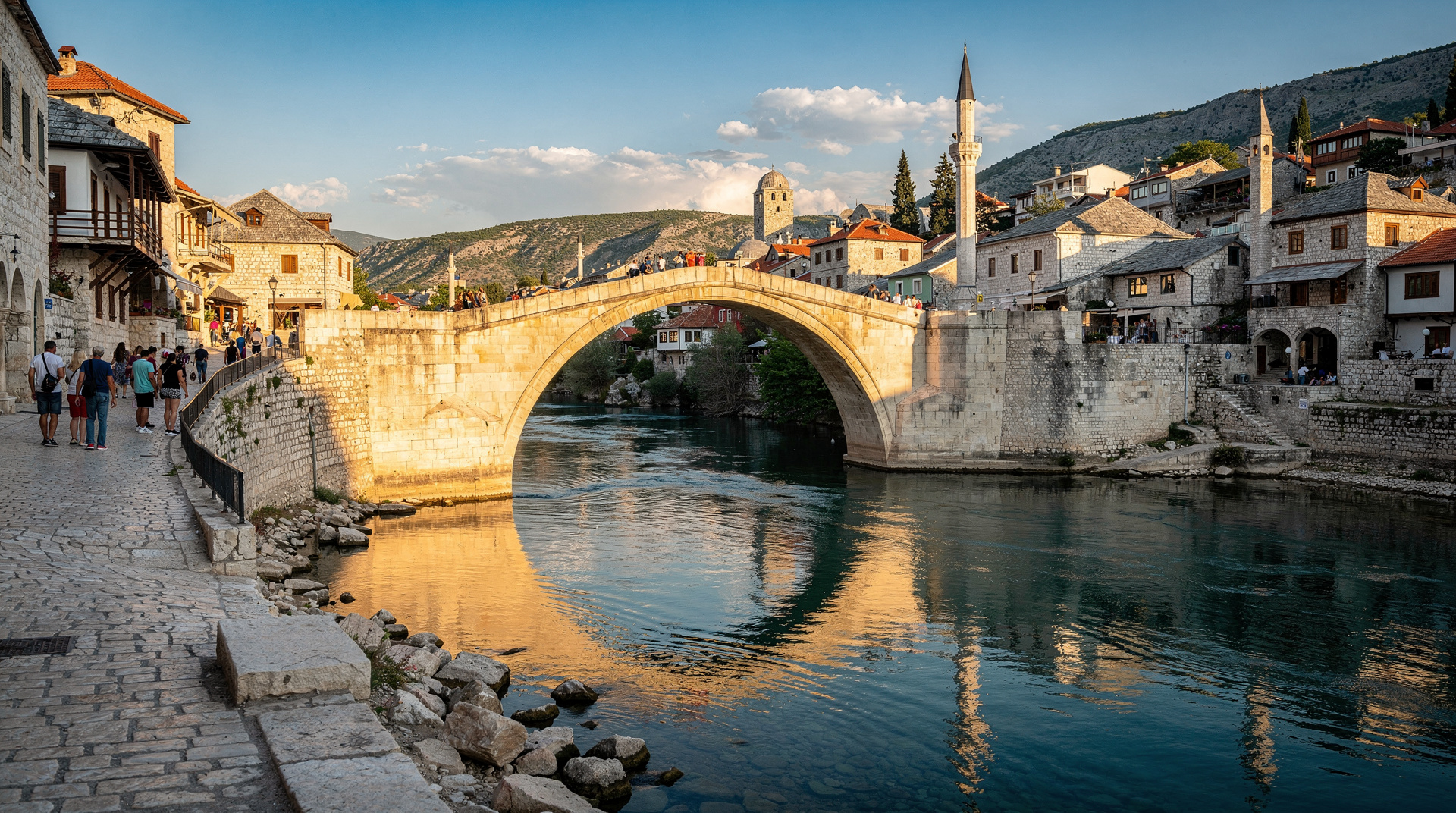
Mostar is the second pillar of a first trip. The old bridge and the stone streets around it are what most people come for, and they are at their best early in the morning or in the evening when the day-trip groups have left. Staying overnight rather than visiting only for a few hours changes the experience completely. The Stari Most guide tells the story of the bridge, the Mostar where to stay guide helps with accommodation, and the Mostar tourist traps page keeps you away from the most common disappointments. If you are weighing the two cities against each other, Sarajevo vs Mostar is a useful read.
The rest of Herzegovina
Around Mostar the landscape opens up into villages, rivers and monasteries. Blagaj, Počitelj and the waterfalls near Mostar all make rewarding half-day or full-day outings, and the Herzegovina day trip guide shows how to combine several of them without rushing. Slow stops are the point: a long lunch, a short walk and an unplanned detour usually beat a checklist. If you would rather not drive, a guided day from Sarajevo through Mostar and the Herzegovina countryside takes the logistics off your hands.
Pacing and how to avoid burnout
The most common planning mistake is to treat Bosnia like a country where distances are short and therefore everything fits. Roads in the hills are winding, buses can be slow, and the best places deserve more than a quick photograph. Build your route around fewer bases and let each one breathe. A good rule is to keep one empty half-day in each stop, which you can use for weather, tiredness or a recommendation from your host. Mix heavier days, such as history-focused visits, with lighter ones in nature or over a long meal.
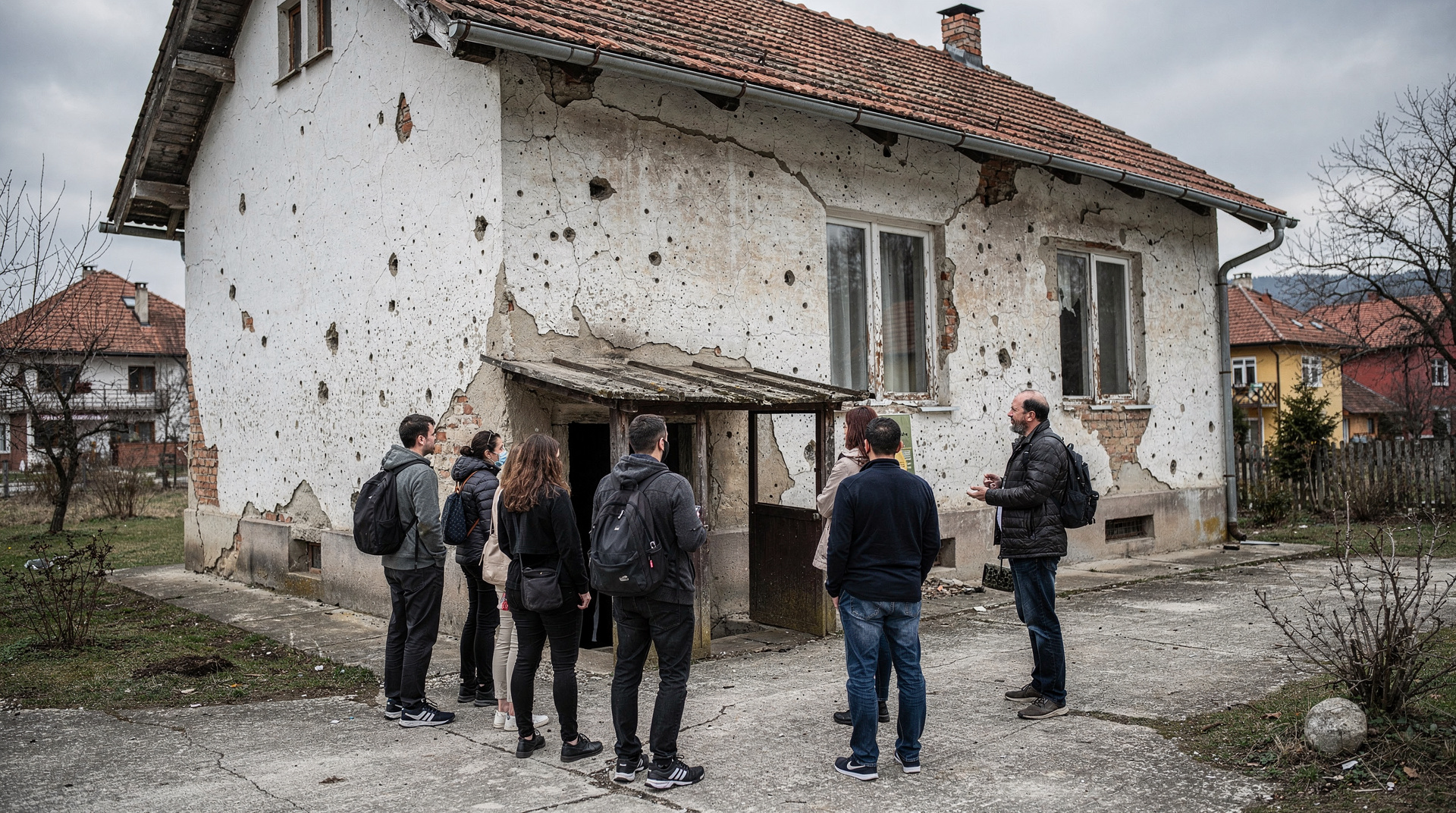
Think about energy as well as time. A day that includes a serious subject, such as the siege of Sarajevo, often feels longer than its schedule suggests. The Bosnia history for travellers guide gives you enough background to approach these places with context, so that you can spend your energy on being present rather than on catching up. If you want a structured overview of the war and its memorials, the Sarajevo war tour guide is a good place to start.
Eating and drinking
Food is one of the easiest ways to connect with the country. Expect grilled meat, pastry filled with cheese or meat, strong coffee served slowly, and plenty of local fruit brandy offered as a gesture of hospitality. Rather than hunting for a single famous restaurant, eat where locals eat and be curious about the daily specials. The Bosnian food guide introduces the main dishes, and the Bosnian coffee culture guide explains why a cup of coffee here is rarely rushed. If you want to understand the pastry tradition, see the burek and pita guide.
Politeness goes a long way at the table. Accept a refill with a smile, ask about ingredients if you have dietary needs, and treat meals as social events rather than quick refuelling. Vegetarians may need a little patience in meat-focused places, but bakeries, salads and cheese dishes make it manageable, and asking in advance usually helps.
Respect, culture and local etiquette
Bosnia is a country where several religious and cultural traditions share the same streets. Mosques, churches and synagogues stand close together, and visitors who dress modestly when entering religious buildings are received warmly. Ask before taking photographs of people, be patient with questions about politics, and avoid taking sides in historical debates. Locals often speak openly about the past, and listening is more valuable than offering opinions. The Sarajevo faiths guide shows how this diversity looks in practice, and Ottoman heritage in Bosnia helps you read what you see on the street.
Packing and preparing
Pack for variety. Comfortable shoes for cobblestones are essential, and layers help in the mountains where weather can change quickly. Bring a small amount of cash, a reusable bottle and a charger, and keep copies of your documents separately from the originals. If you plan to hike, bring proper footwear and check conditions locally before setting out. Download offline maps before you leave your accommodation, because mobile signal can be patchy in remote areas. For active travellers, the hiking in Bosnia guide and the rafting in Bosnia guide explain what each activity involves and how to prepare.
Who this trip suits
Bosnia suits curious travellers who prefer depth to a long list of famous sights. If you enjoy talking with people, wandering without a strict plan and learning how a place carries its history, you will feel at home. Couples find quiet corners and long dinners, solo travellers find hostels and easy conversation, and friends find mountains and rivers to share. Families can enjoy it too, provided the pace is gentle and the days are not overloaded with transfers. Those who need polished infrastructure and perfectly predictable timetables may find the country more demanding, but that same unpredictability is often what people remember most fondly afterwards.
Using tours wisely
Independent travel works well in most of the country, yet a guided visit can add real value in a few places. A local guide in Sarajevo can explain the layers of the city in a way that signs and maps cannot, and in Mostar a guide can put the bridge and its surroundings into context. Consider a tour when the history is complex, when public transport is thin or when you simply want to remove logistics from a tiring day. Travellers based on the Croatian coast can do the same with a full-day excursion to Mostar from Dubrovnik. Keep other days free, so that the trip does not become a sequence of appointments. Reading about a place beforehand makes any guided visit richer, because you arrive with better questions.
Small habits that make the trip easier
Greet shopkeepers and hosts before asking for anything. Confirm prices before you get into a taxi or order something unfamiliar. Keep small notes and coins for cafés, toilets and small purchases. Leave a buffer around bus departures and border crossings, since delays are a normal part of travel here. Carry a little patience and a sense of humour, and be ready to change plans when the weather or a local suggestion points you somewhere better. These habits cost nothing, and they turn a good trip into one you will describe to friends for years.
Planning checklist
Before you book, run through a short list. Decide your season and how many days you can really spend. Choose your entry point, whether Sarajevo or a coastal airport. Decide between a rental car and public transport, and reserve whichever needs advance planning. Pick two or three bases rather than five. Keep a flexible half-day in every stop. Check the safety notes if you plan to leave marked paths. Finally, let the trip be slightly imperfect: some of the best moments in Bosnia come from unplanned conversations, a coffee that lasts longer than expected or a road that turns out to be more beautiful than the map suggested.
Safety and practicalities
Bosnia is a safe destination for travellers, including solo travellers and families — the main real-world risks are the same as anywhere (traffic, mountain weather, pickpockets in busy old towns) rather than anything specific to the country’s history. The is Bosnia safe guide covers this honestly, including the landmine question left over from the 1990s war, which is a genuine but very manageable risk if you stick to marked paths and roads — see landmine safety in Bosnia for specifics. Common tourist-trap patterns are covered in the Bosnia scams to avoid guide.
Frequently asked questions about Bosnia
How many days do you need in Bosnia?
Is Bosnia expensive?
What currency does Bosnia use?
Top experiences
Bookable activities with verified prices and instant confirmation on GetYourGuide.