Rafting in Bosnia guide
Konjic: Neretva River Rafting Adventure
Where can I raft in Bosnia and Herzegovina?
Bosnia has three world-class rafting rivers: the Una near Bihać (classes II-IV, best for beginners and experts), the Neretva near Konjic (classes III-IV through a dramatic canyon), and the Tara on the Montenegro border (deepest canyon in Europe, class III-IV). Season runs April to October, peaking in spring.
Bosnia & Herzegovina sits at the heart of the Dinaric Alps, and three of Europe’s finest whitewater rivers flow through it. Whether you want a gentle family float or a multi-day gorge expedition, Bosnia delivers — at prices that still surprise most visitors.
At a glance
| Where | Una (near Bihać), Neretva (Konjic gorge), Tara (Bosnia-Montenegro border) |
| Cost | Around 50-200 BAM (25-100 EUR) per person depending on river and trip length |
| Time needed | Half-day (3-4h) to full-day (6-7h); Tara often a full day from Sarajevo |
| Getting there | Guided tour with transfer is easiest; Konjic is reachable by bus from Sarajevo |
| Best time | April-October, with peak water levels in May-June |
Three rivers, three very different experiences
The country’s rafting scene divides neatly by river. Each offers a distinct landscape, difficulty level and crowd dynamic.
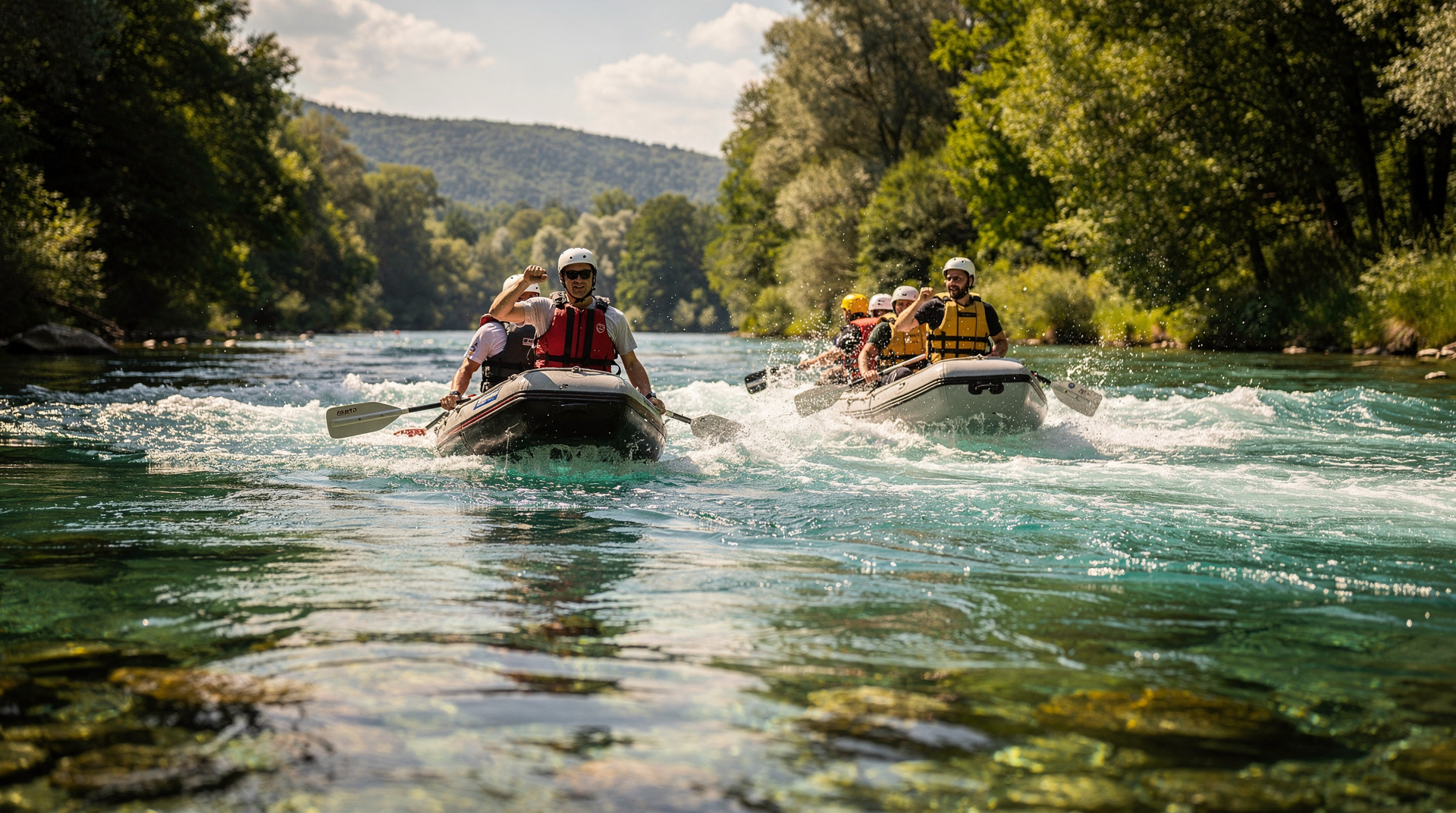
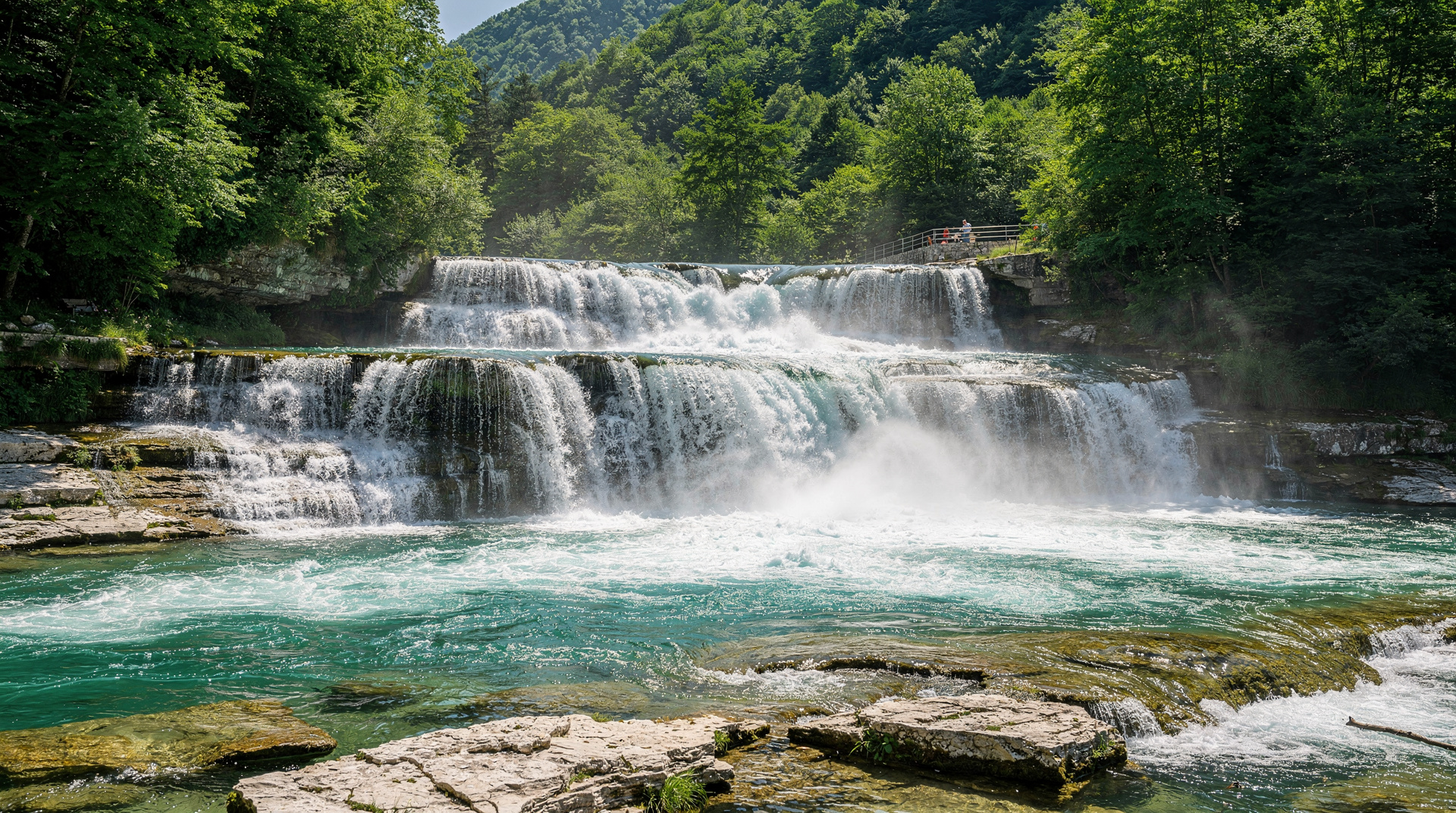
The Una cuts through the limestone plateau of western Bosnia near Bihać, carving a series of tiered waterfalls and clear turquoise pools. The upper Una (classes III-IV) is the province of seasoned paddlers; the lower Una (class II-III) works perfectly for first-timers. Una National Park was designated to protect this exceptional ecosystem.
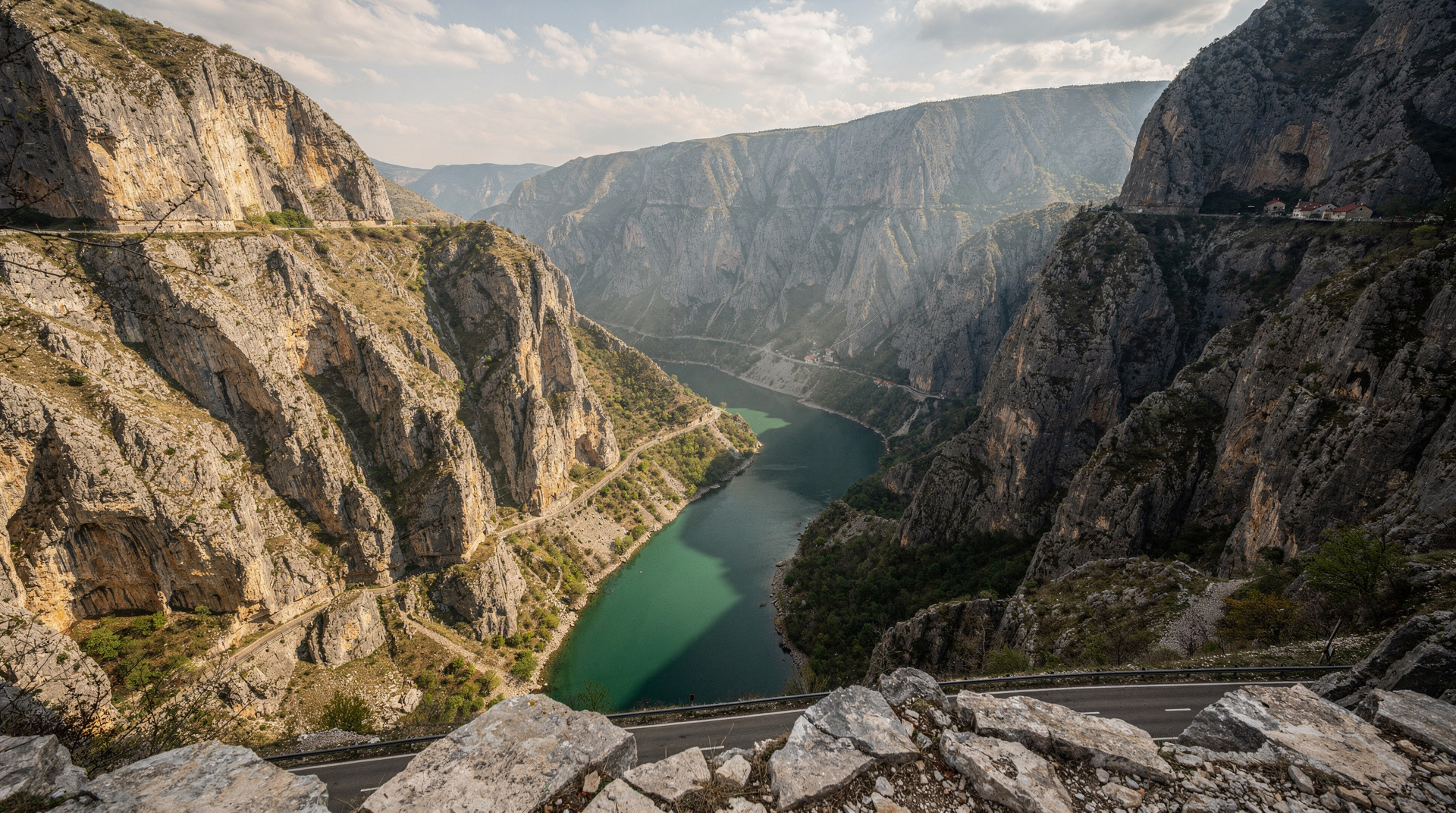
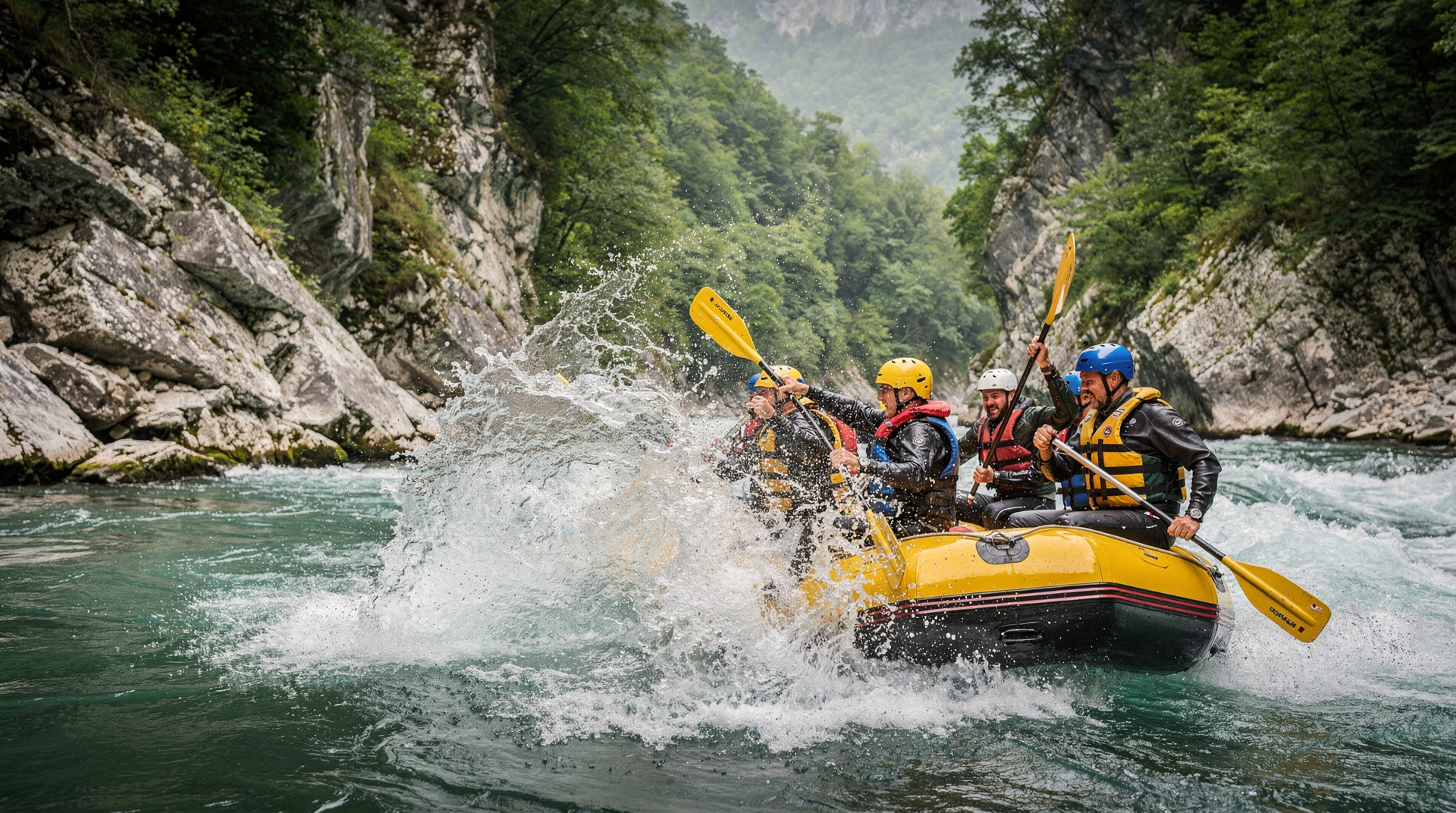
The Neretva starts cold and fast in the mountains south of Konjic before broadening into the wine-growing Herzegovinian lowlands. The Konjic gorge section — the one most tour operators use — squeezes through sheer limestone walls that rise 200 metres on each side, with rapid after rapid dropping through pools of jade-green water.
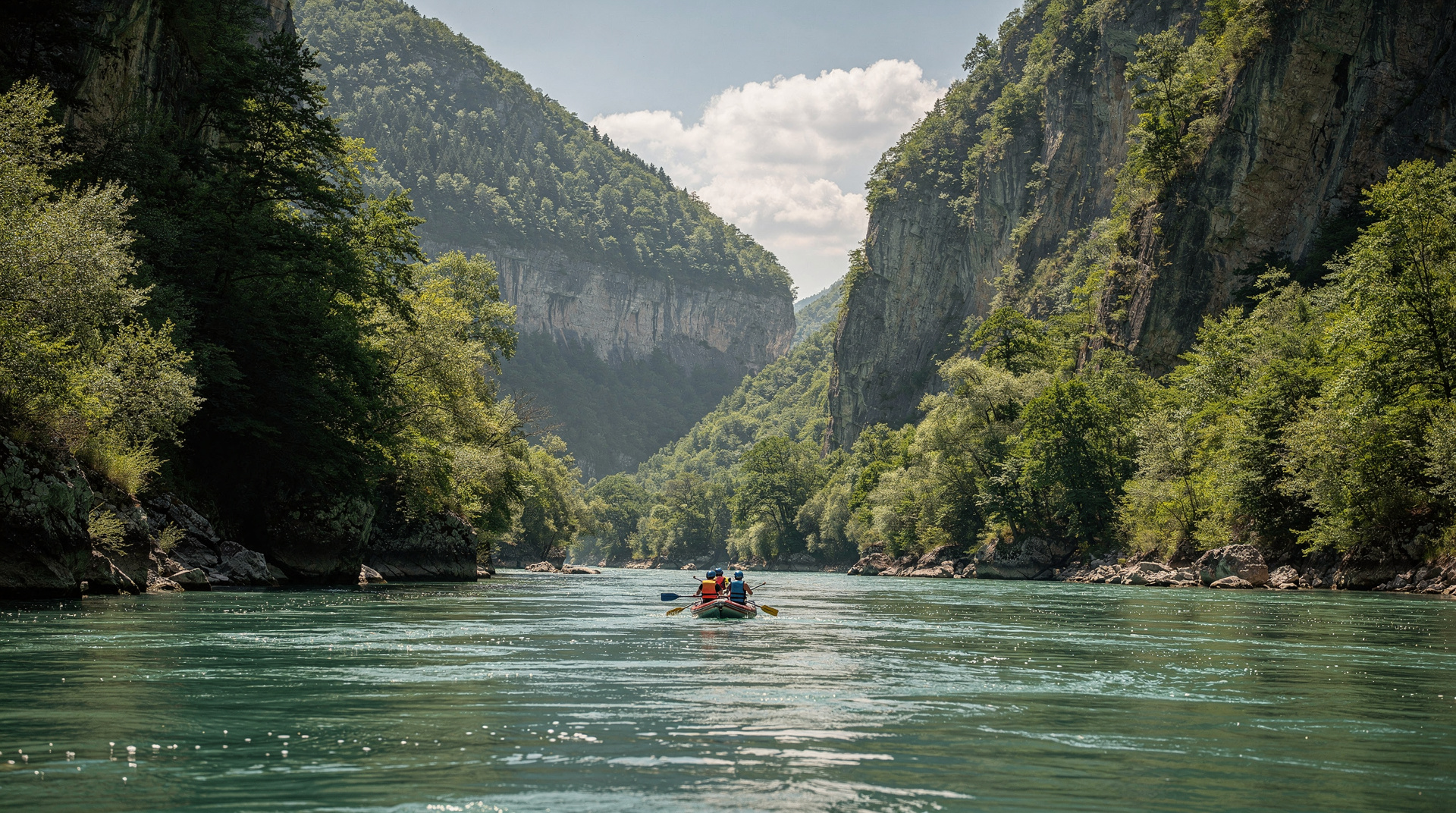
The Tara forms the border between Bosnia and Montenegro. Its canyon is the deepest in Europe, rivalling the Grand Canyon in scale. The river drops through 82 kilometres of gorge, passing forested slopes, waterfalls and the famous Đurđevića Tara Bridge. A day trip from Sarajevo is possible; a two-day expedition lets you properly absorb the landscape.
Una River near Bihać: class II-IV
Located in the far northwest of Bosnia, the Una valley is one of the country’s best-kept secrets. Bihać is the base town, roughly 3.5 hours by road from Sarajevo.
Routes and difficulty
The Upper Una (Lohovo to Bihać section) rates class III-IV with several genuine rapids requiring active paddling. The highlight is the Štrbački Buk waterfall area, a UNESCO-protected curtain of water that guides often pause at for photos. This section suits those who want excitement without extreme technical skill.
The Lower Una (Bihać town area) is class II-III, perfect for families with children aged 8 and above, groups of mixed fitness levels, or anyone who simply wants to enjoy the scenery without constant white-knuckle moments.
Book a guided Una rafting adventure that covers the park’s most spectacular sections with licensed local guides.
Practicalities
- Season: April–October; best water levels May–June
- Duration: Half-day (3-4 hours) or full-day (6-7 hours)
- Price: 50-80 BAM (25-40 EUR) half-day; 100-140 BAM (50-70 EUR) full-day with lunch
- What’s included: Wetsuit, neoprene boots, helmet, life jacket, paddle, safety kayak
- From Sarajevo: 3.5h drive; some operators offer Sarajevo pick-up
Bihać itself is worth a night — the old town centre has a converted minaret-turned-church-turned-mosque (the Fethija mosque) and excellent grilled fish restaurants along the river.
Neretva River at Konjic: class III-IV
Konjic is only 55 kilometres south of Sarajevo on the main Sarajevo-Mostar highway, making it the most accessible rafting destination from the capital. The town is also famous for Tito’s wartime bunker ARK D-0, and combining a morning of rafting with an afternoon bunker tour makes for one of Bosnia’s best activity days.
The gorge section
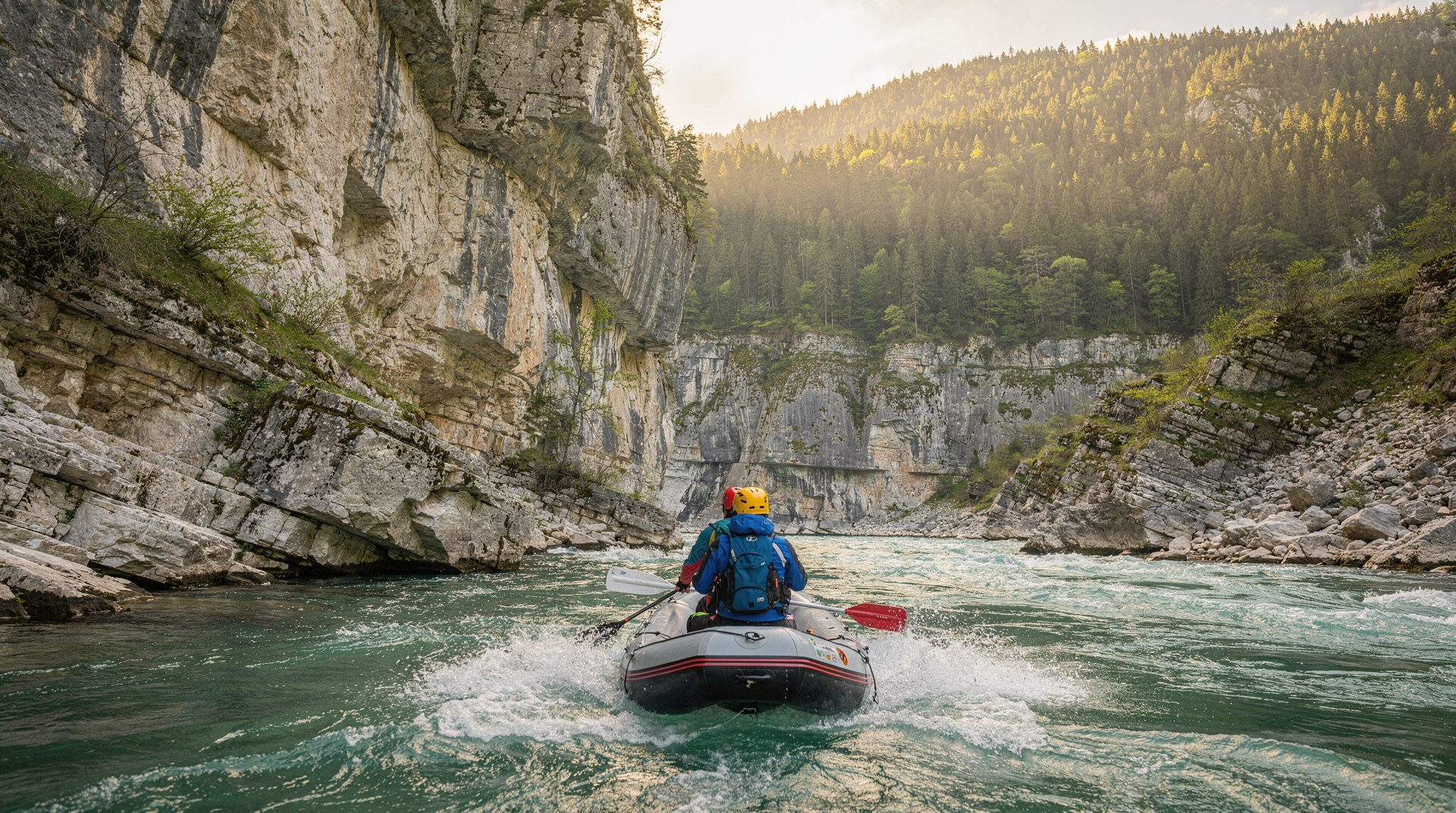
The classic rafting section runs roughly 10 kilometres through the Neretva canyon. Water temperature is cold even in July (snowmelt feeds the upper Neretva year-round), so wetsuits are non-negotiable regardless of air temperature. Expect 8-12 significant rapids depending on water level, with names like “The Washing Machine” given by guides who’ve seen what happens to unprepared rafters.
Raft the Neretva canyon from Konjic with guides who know every metre of the gorge.
For visitors based in Sarajevo, organised Neretva rafting day trips including meals and transfers are the simplest option.
What to expect
The canyon walls block direct sunlight for much of the run, giving the water that characteristic deep emerald colour. After the final rapid the canyon opens dramatically — a good metaphor for the whole experience. A riverside lunch of grilled lamb (janjetina) and local wine often follows.
- Season: April–October
- Duration: 3-4 hours on water; full-day with Sarajevo transfer
- Price: 60-90 BAM (30-46 EUR) per person for the rafting section
- Water temperature: Cold year-round — wetsuits always provided and required
Tara River canyon: class III-IV
The Tara is a genuine bucket-list experience. Flowing along the Bosnia-Montenegro border, it cuts through the deepest river gorge in Europe — 1,300 metres at its maximum depth. UNESCO recognised it as a World Biosphere Reserve in 1977.
Day trips from Sarajevo typically cover the lower Tara section starting near Šćepan Polje on the Montenegrin side of the border. The rapids here are powerful but manageable for fit beginners. Multi-day expeditions run the full navigable length.
Tara River rafting day trip from Sarajevo with lunch is the most popular option, departing early morning and returning by evening.
Combined adventure: Tara + Maglić
For the ultimate Bosnia adventure, combine Tara rafting with an ascent of Maglić, the country’s highest peak (2,386m) nearby in Sutjeska National Park. See our Maglić mountain climb guide for details. Some operators offer this as a multi-day package.
- From Sarajevo: ~3 hours to the put-in point
- Season: May–September (Tara can run year-round but spring is finest)
- Price: 120-200 BAM (60-100 EUR) including lunch and transfers
- Border crossing: Bring your passport — the put-in point involves entering Montenegro briefly
Equipment, safety and what to bring
All reputable operators provide full equipment: wetsuit (3mm or 5mm), neoprene boots, buoyancy aid, helmet and paddle. You will get wet regardless of the weather.
Pack in a dry bag (often provided):
- A change of dry clothing for afterwards
- Sunscreen (even cloudy days reflect UV off the water)
- Snacks and water for longer trips
- Sandals or old trainers for the beach put-in areas
Landmine safety reminder
Bosnia’s mountain regions contain areas with unexploded ordnance from the 1990s war. Never leave marked trails or venture into unmarked terrain on riverbanks or in forested areas adjacent to launch points. Rafting within the river corridor is safe; hiking off-piste near rural put-in points is not.
Booking and pricing overview
| River | Route | Class | Price range | Best season |
|---|---|---|---|---|
| Una | Upper (Lohovo) | III-IV | 70-140 BAM | May-June |
| Una | Lower (Relax) | II-III | 50-80 BAM | April-Oct |
| Neretva | Konjic canyon | III-IV | 60-90 BAM | April-Oct |
| Tara | Šćepan Polje | III-IV | 120-200 BAM | May-Sept |
GYG prices are per person; group discounts often available by contacting operators directly.
Choosing between the three rivers
If you only have time for one river, the choice usually comes down to logistics rather than preference. The Neretva at Konjic wins on convenience — under an hour from Sarajevo, so it fits into a single day even for travellers with a packed Bosnia itinerary. The Una rewards travellers who are already routing through the northwest, perhaps combining it with the Una National Park guide for waterfalls and a slower pace. The Tara is the bucket-list choice: deepest gorge in Europe, but it demands a full day and a passport, and it only fully makes sense if you are not pressed for time elsewhere on your trip.
Families with younger children are usually best served by the Lower Una’s class II-III water, or by treating Konjic as an activity day paired with the nearby Tito bunker rather than attempting Tara’s longer logistics. Fitness matters more on the Neretva and Upper Una, where sustained paddling through consecutive rapids is part of the deal — see the hiking in Bosnia guide if you’d rather trade whitewater for trail miles on the same trip.
Weather, water levels and cancellations
Operators monitor river levels daily and can cancel or reroute trips after heavy rain, when water becomes too high and fast, or during unusually dry late-summer periods when levels drop too low for a full run. This is more common on the Neretva, which is snowmelt-fed and can spike quickly after storms in the surrounding mountains. Build a buffer day into your itinerary if rafting is a trip highlight rather than scheduling it for your final morning before a flight.
Building rafting into a wider Bosnia trip
Rafting works best as one strong day inside a larger route, not as the reason for the whole journey. Travellers who base themselves in the capital can read the Sarajevo travel and where to stay notes and the best day trips from Sarajevo to see where a Neretva morning fits. Those heading south can pair Konjic with the Konjic day trip guide and the Tito bunker guide, then continue to Mostar for the evening.
If the Una is on your list, the Una National Park destination page and the Bihać destination page explain what else the northwest offers, and the western Bosnia and Krajina itinerary shows how to string it together. For a trip built around outdoor days, the Bosnia adventure itinerary is the natural companion to this page. The Tara and Maglić combination sits close to Sutjeska National Park, so it is worth reading that page before you commit to a long day.
Choosing your season and your group
The calendar shapes the experience more than most visitors expect. Spring brings the biggest water and the most dramatic rapids, which suits confident, fit groups. Summer is gentler and warmer, which suits families and anyone who would rather enjoy the scenery. Autumn is quieter, and the Bosnia in autumn guide and Bosnia in spring guide cover what else is open and how the weather tends to behave. For a broader view, the best time to visit Bosnia helps you decide which month to anchor the rest of your plans around.
Group make-up matters as well. Mixed groups, with strong swimmers beside nervous first-timers, usually enjoy themselves most on the lower Una, where the guide can keep the mood relaxed. Friends who want to be pushed should look at the Neretva or the upper Una. Whatever you pick, listen closely to the guide, paddle in time with the crew, and treat the safety briefing as part of the trip rather than a formality. Dry clothes and a warm drink at the end make a bigger difference to the day than any piece of kit.
Money, transport and planning around the rivers
Rafting prices are quoted in BAM, so the Bosnia money and currency guide is useful for carrying the right cash for tips, lunch and the odd extra not covered by the tour. If you are watching costs across the whole trip, see Bosnia on a budget. Drivers heading to Bihać or Konjic will find road conditions and parking advice in the getting around Bosnia guide and the renting a car in Bosnia guide, while those who prefer public transport can check the buses in Bosnia guide before choosing a guided transfer instead.
For travellers who want a first-hand account before booking, the blog diary on rafting the Una and the story of the Neretva canyon adventure describe how the days actually unfold, from the early meeting point to the last paddle stroke.
Getting to the rivers
Una/Bihać: No direct bus from Sarajevo to Bihać runs on a useful schedule for day trips. Rent a car or book a guided tour with transfer included.
Neretva/Konjic: Buses from Sarajevo to Mostar stop at Konjic (~1h). Easiest day trip from the capital.
Tara: No independent public transport option for day trips from Sarajevo. Guided tour with transfer is the only practical choice.
Combine with other adventures
Bosnia’s adventure scene extends well beyond rafting. For those who want to stay active throughout a trip, consider pairing a rafting day with:
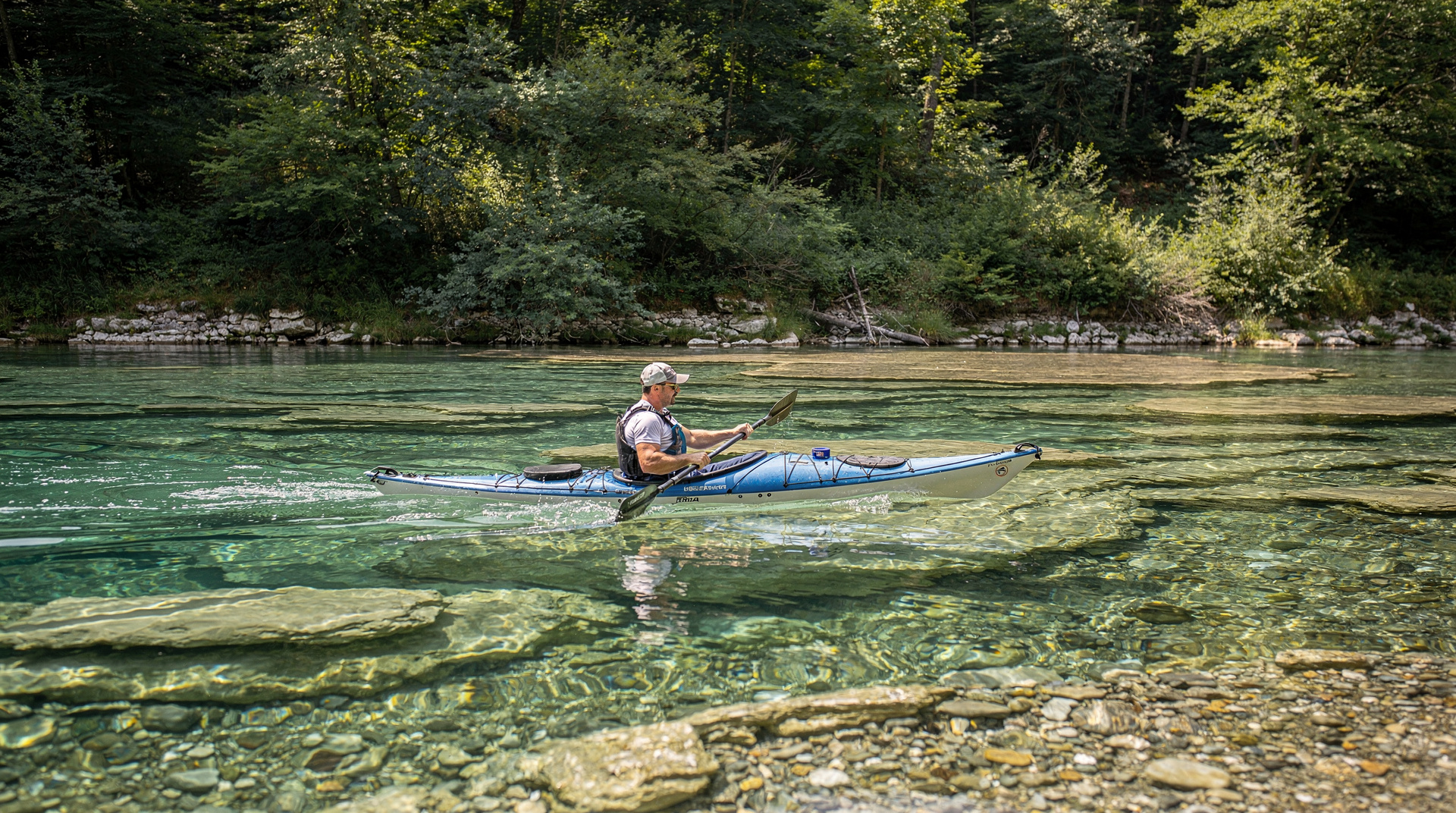
- Kayaking the Una — more independent and slower-paced than rafting
- Cycling the Ćiro Trail — flat riding through Herzegovina’s wine country
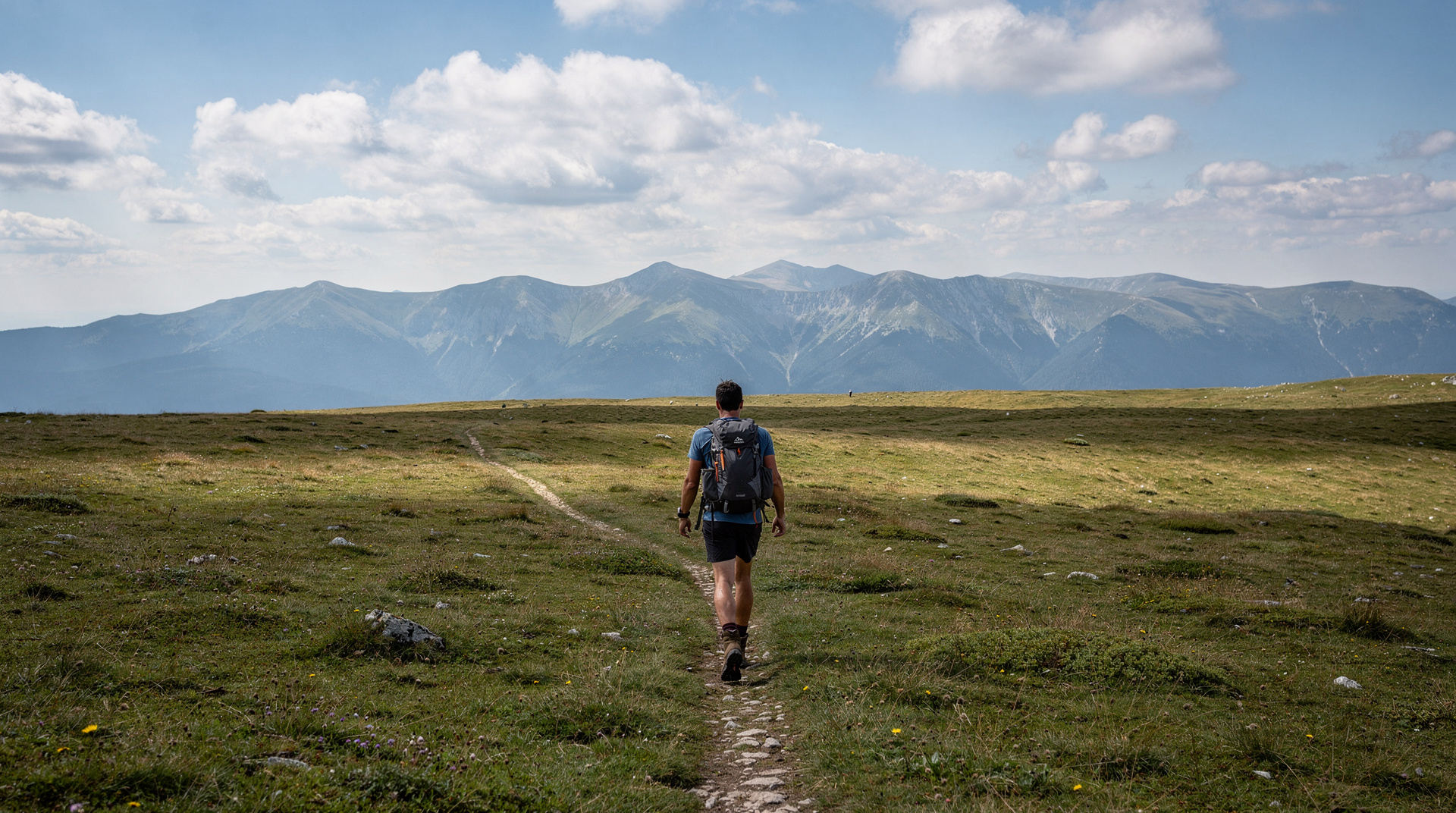
- Hiking to Lukomir — the country’s most atmospheric highland village
- Via Dinarica trekking — multi-day trail across the Dinaric Alps
Bosnia’s combination of rivers, canyons and mountain wilderness puts it among Europe’s top adventure destinations — and at prices that make the Alps feel expensive by comparison.
Frequently asked questions about Rafting in Bosnia
Which Bosnian river is best for beginner rafters?
When is the best time to raft in Bosnia?
How much does rafting cost in Bosnia?
Is rafting in Bosnia safe?
Can I raft the Tara from Bosnia?
Do I need experience to raft the Neretva?
What should I wear under the wetsuit?
Can non-swimmers go rafting in Bosnia?
Top experiences
Bookable activities with verified prices and instant confirmation on GetYourGuide.