Sarajevo 1984 Winter Olympics — legacy, sites and tours
Sarajevo Winter Olympics 1984: Three Mountains and Museum
What is the legacy of the 1984 Sarajevo Winter Olympics?
Sarajevo hosted the XIV Winter Olympics in February 1984, a landmark moment for Yugoslavia. The venues on Bjelašnica, Jahorina, Igman and Trebević were later damaged in the 1992–1996 siege. Today the cable car to Trebević has been rebuilt, the Olympic Museum operates in the old town, and ski resorts on Bjelašnica and Jahorina have been restored.
At a glance
| Where | Trebević, Bjelašnica, Jahorina and Igman mountains around Sarajevo, plus the Olympic Museum in the old town |
| Cost | Cable car: prices on zicara.ba; museum around 5 BAM; mountain tours from around 50 EUR pp |
| Time needed | Half a day for Trebević and the museum; a full day for the multi-mountain tour |
| Getting there | Cable car from Bistrik in the old town; tours depart from central Sarajevo |
| Best time | Year-round for the cable car and museum; December-March for skiing on Bjelašnica and Jahorina |
On 8 February 1984, Sarajevo lit the Olympic flame. The XIV Winter Olympics had arrived in Yugoslavia — the first Winter Games held in a socialist country — and for two weeks the world watched downhill skiers on Bjelašnica, speed skaters on Zetra’s ice, and bobsled crews on the Trebević track. The games were a triumph of organisation and a moment of enormous national pride.
Eight years later, the same venues would be shelled, abandoned and turned into military positions. Today, four decades on, Sarajevo’s Olympic legacy is both a story of remarkable revival and one of the starkest reminders of how quickly peace can unravel. This guide covers the venues, what to see, how to get there, and what the 1984 games mean in the context of the city’s war history.
The 1984 Winter Olympics: a brief history
Sarajevo was awarded the 1984 Winter Olympics in 1977, beating out Sapporo and Göteborg. The games ran from 8 to 19 February 1984 and involved 1,272 athletes from 49 nations. The opening ceremony at Koševo Stadium was watched by an estimated one billion people on television.
The venues were spread across the mountains surrounding Sarajevo: Bjelašnica (men’s alpine), Jahorina (women’s alpine), Igman (biathlon, cross-country, ski jumping), and Trebević (bobsled and luge). The ice venues — the Zetra hall and the Skenderija complex — were in the city itself.
Yugoslavia’s star of the games was Jure Franko, who won a silver medal in the giant slalom on Bjelašnica — Yugoslavia’s first ever Winter Olympic medal. The American skier Bill Johnson won the men’s downhill. The USSR dominated the medal table.
What happened to the venues during the war
The Siege of Sarajevo (1992–1996) inflicted severe damage on the Olympic infrastructure.
Trebević saw some of the heaviest military use. The bobsled and luge track — one of the most distinctive pieces of infrastructure from the games — was used as a sniper and artillery position by Bosnian Serb forces. The track itself was heavily damaged, and the surrounding forest was shelled. The cable car that connected the old town to the Trebević summit was destroyed.
Zetra (the indoor ice arena) was badly damaged by artillery fire and used as a makeshift morgue during the siege, its wooden floors burned for heating material in the desperate winters of 1992–1994. It has since been completely rebuilt.
Bjelašnica and Jahorina were on the front lines — Bjelašnica was in Bosnian government territory, Jahorina on the Bosnian Serb side — and both suffered damage to their lift infrastructure and facilities. Both have been rebuilt since the war.
The Igman ski jump complex was damaged and has been partially restored, though it is not currently used for competition at the international level.
Trebević: cable car, bobsled track and panoramic views
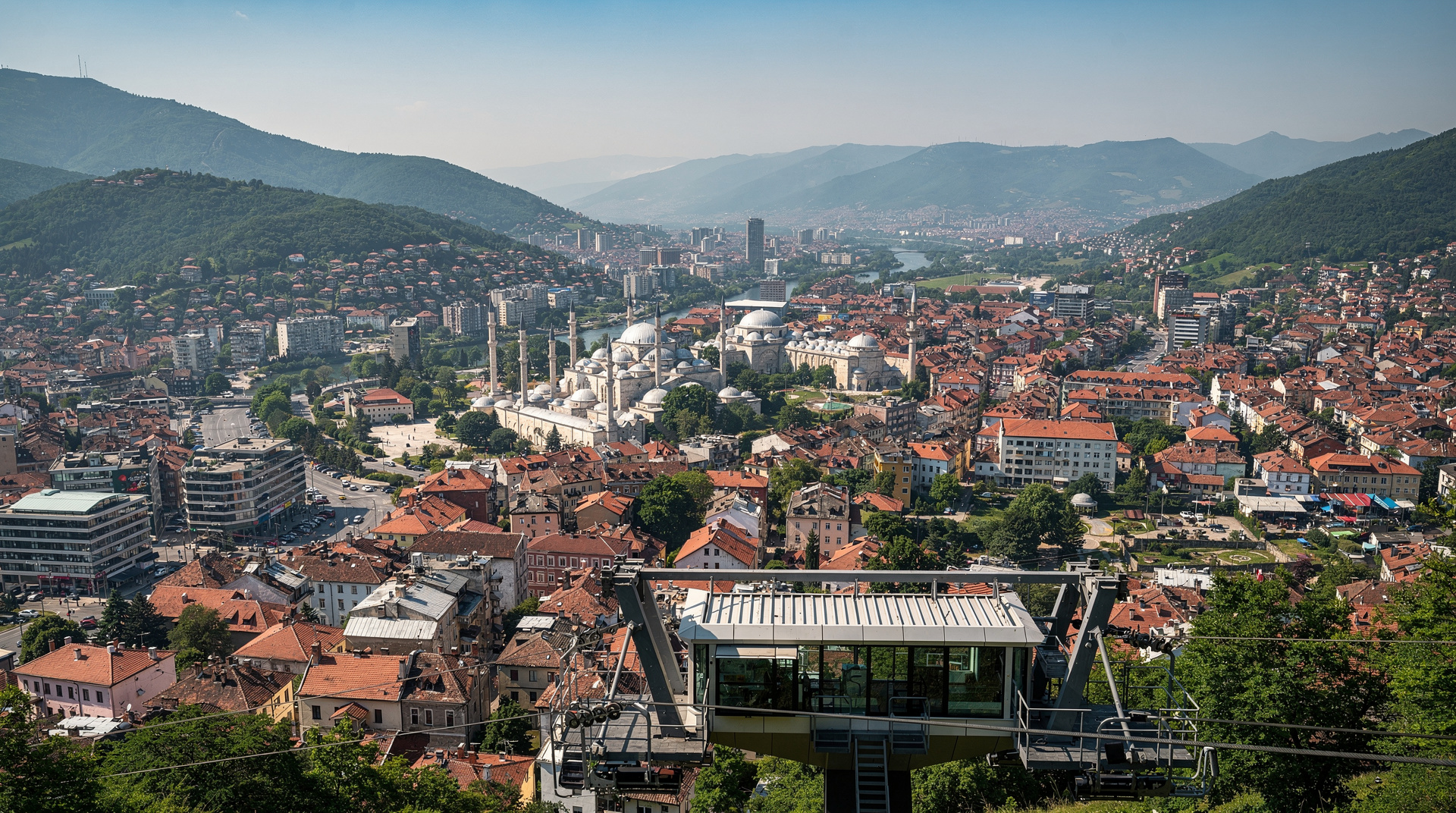
The Trebević cable car (žičara) was rebuilt and reopened in 2018 after a 26-year closure. The ride from the Bistrik neighbourhood in the old town to the summit takes about ten minutes; current prices are on the official website, zicara.ba. The views over Sarajevo from the top are extraordinary — on clear days you can see the full bowl of the city surrounded by mountains.
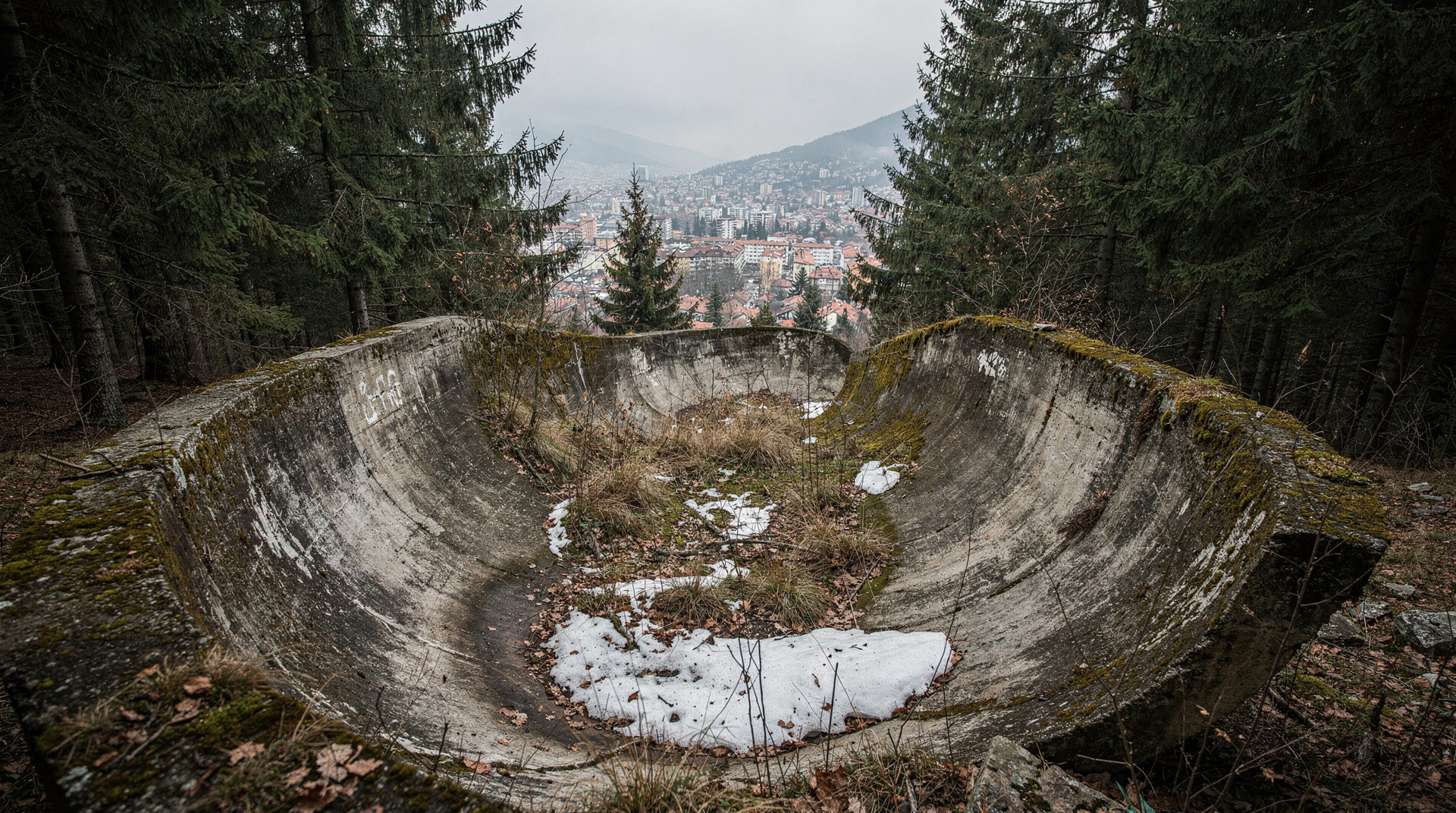
At the summit, a short walk leads to the abandoned bobsled track. The track has become one of the most photographed sites in Bosnia, its crumbling concrete walls now covered in vivid murals and graffiti — a strange and compelling juxtaposition of Olympic glory, wartime destruction and contemporary art. The track stretches for over a kilometre through the forest.
The area around the summit station has a café and is popular with Sarajevo locals for short hikes and weekend walks. In winter, there is basic ski terrain on the upper slopes.
Sarajevo: cable car and Olympic Museum guided walking tourThe Olympic Museum
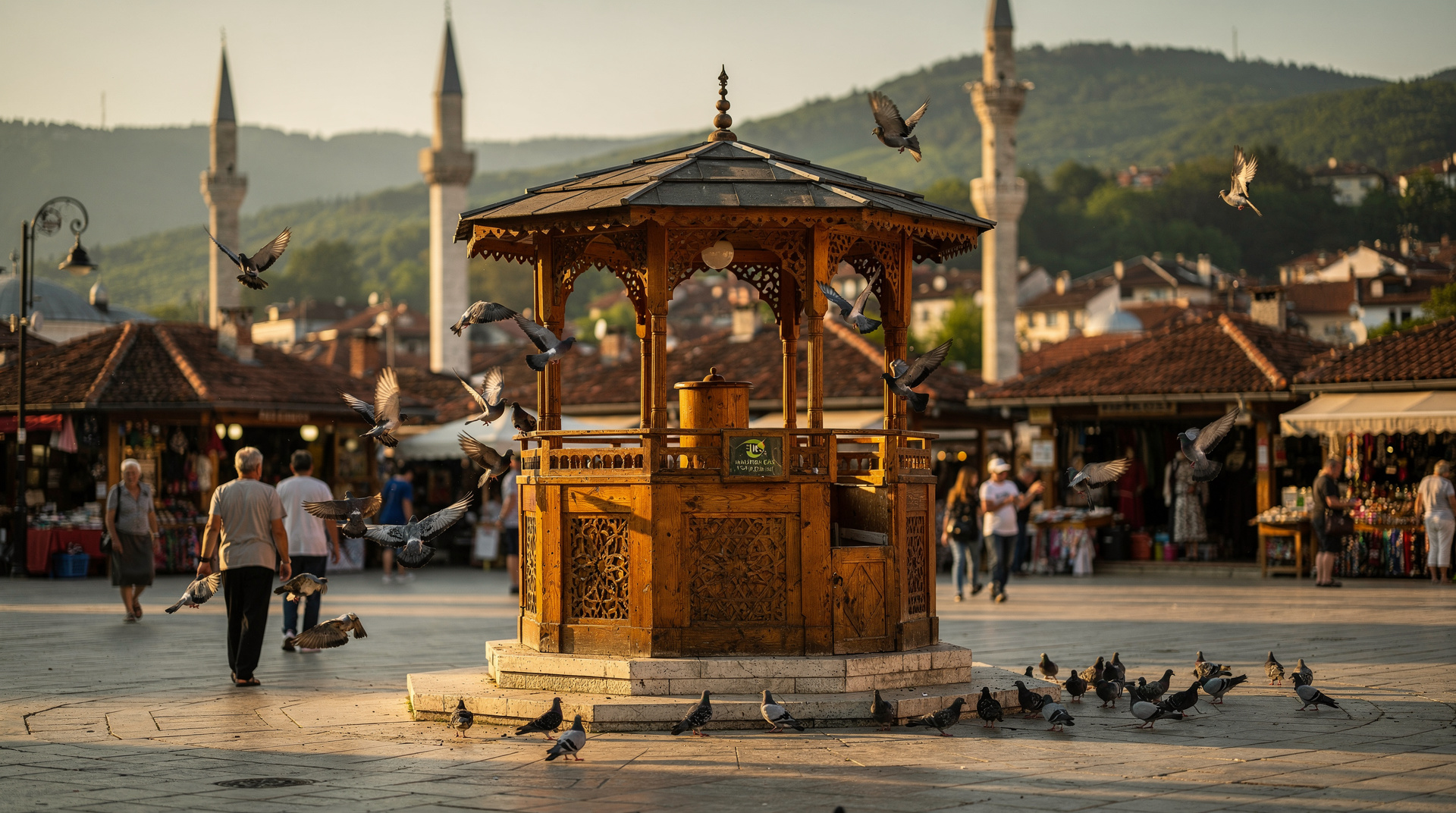
The Olympic Museum (Olimpijski Muzej) is in the old town, a short walk from the Eternal Flame and the Vijećnica building. The permanent collection documents the 1984 games with original equipment, medals, uniforms and extensive photographic material — including coverage of the war damage to the venues. Admission is around 5 BAM. The museum is modest in scale but well-curated; budget 45 minutes to an hour.
The three mountains tour: a day in the Olympic landscape
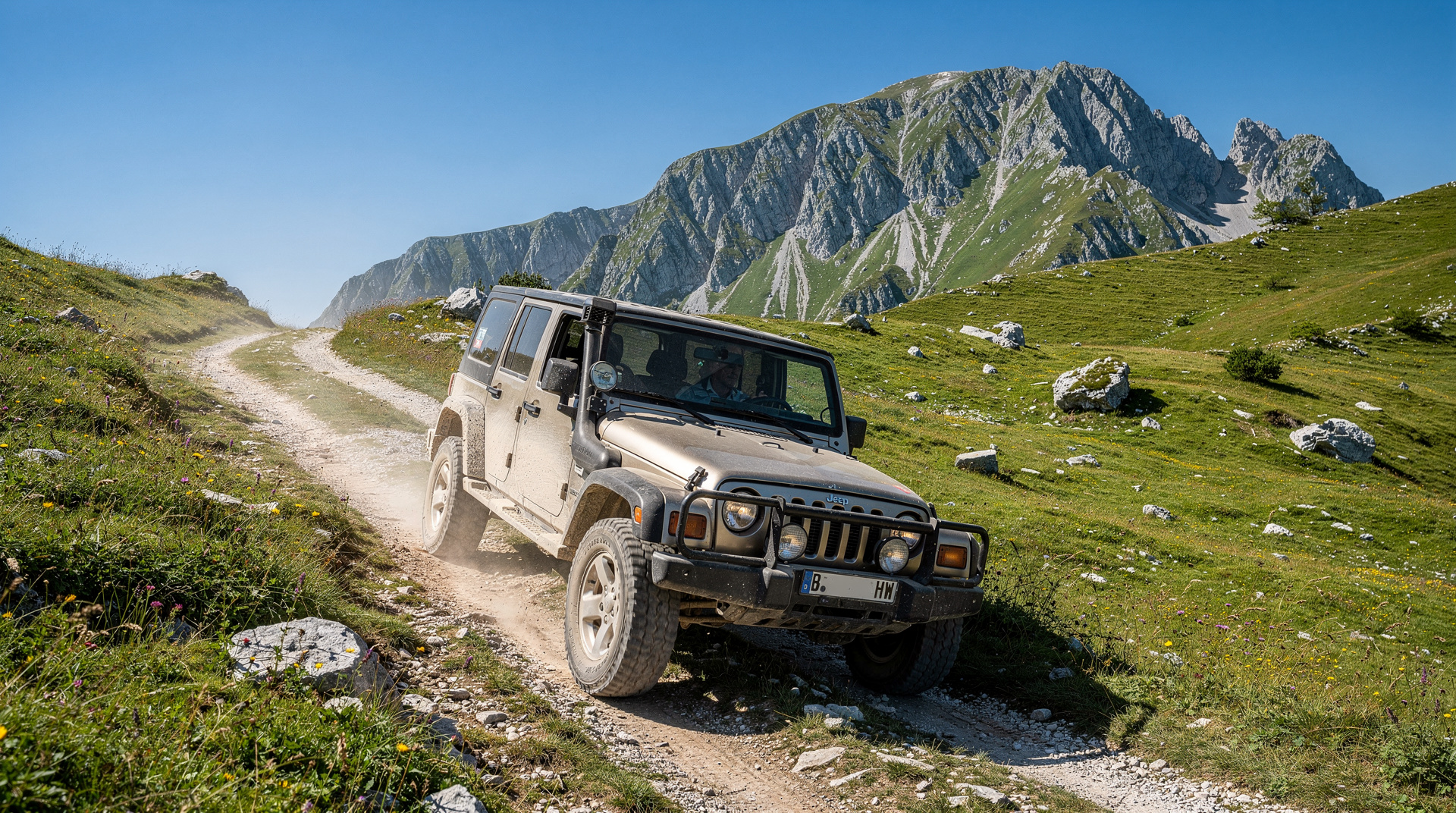
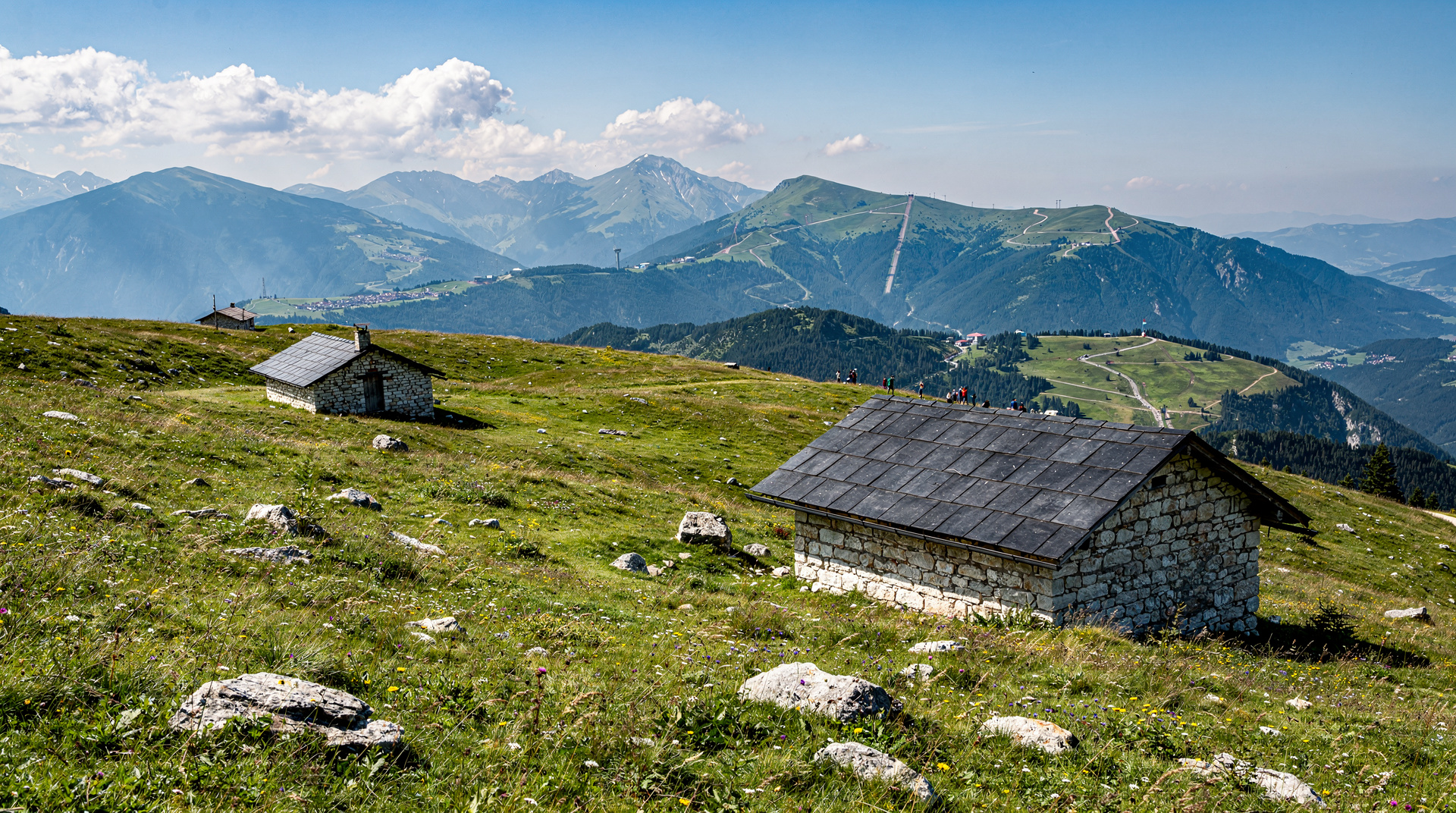
Several operators offer multi-mountain tours that take in Bjelašnica, Igman and Trebević in a single day, travelling by 4x4 vehicle through the mountain roads above Sarajevo. These tours combine the Olympic heritage with the Lukomir village — the highest permanently inhabited village in Bosnia at 1,495 metres — and offer some of the most dramatic landscapes in the country.
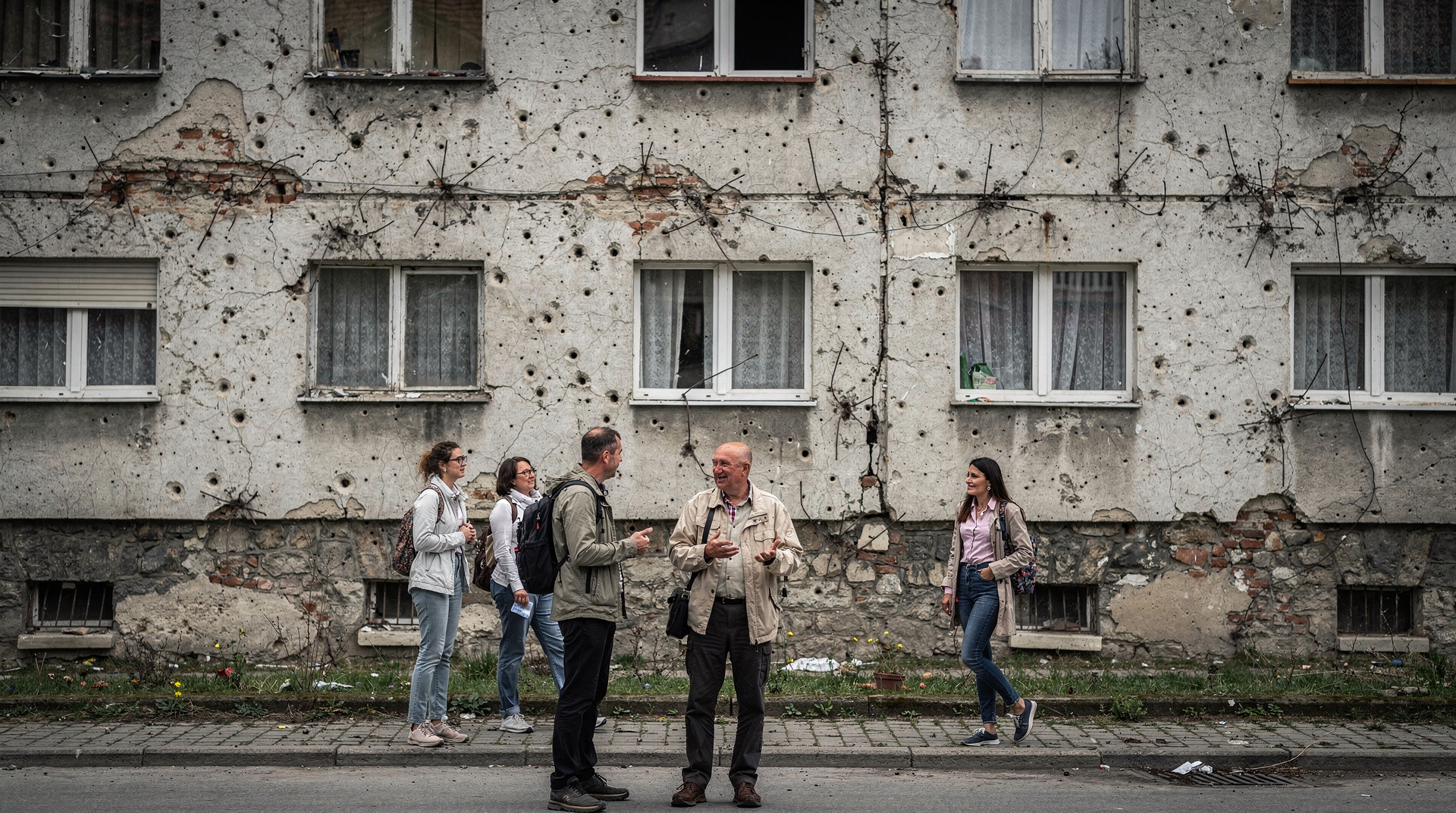
Sarajevo Winter Olympics 1984: three mountains and museumThe same mountain roads pass through areas that were front-line positions during the siege. A knowledgeable guide will connect the Olympic history with the military geography of 1992–1996, making this one of the most layered and thought-provoking day trips from the city.
For a more active adventure in the Olympic mountains, the 4x4 tour is an excellent option:
Sarajevo: 4 Olympic Mountains 4x4 tour with cable car rideBjelašnica and Jahorina: skiing today
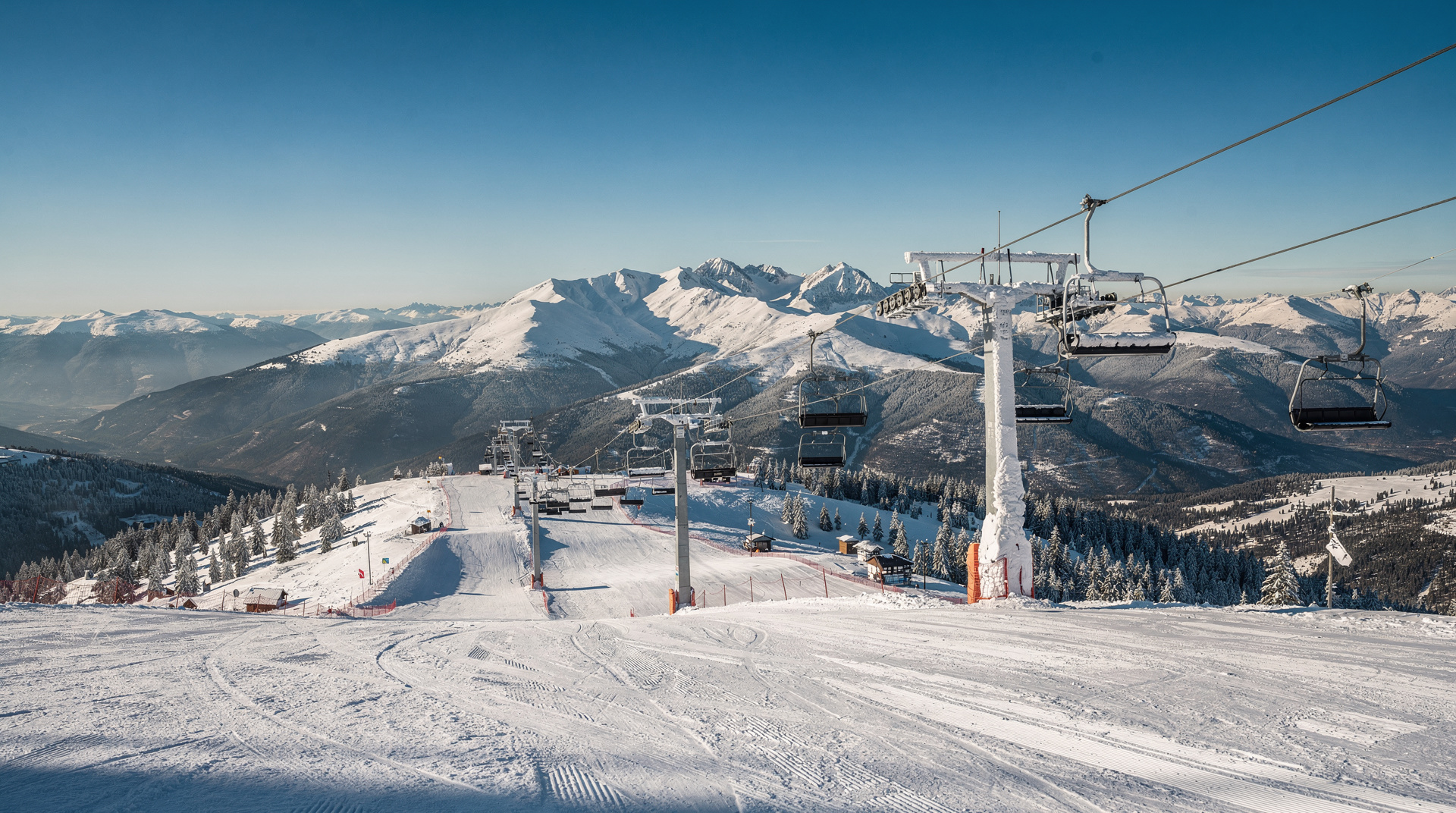
Both former Olympic ski resorts are fully operational. Bjelašnica (about 30 km from Sarajevo) and Jahorina (about 30 km from Sarajevo in a different direction) offer good skiing at prices that are significantly lower than Western European resorts. Day passes typically cost 50–80 BAM (25–40 EUR). Equipment rental is available on site.
The Bjelašnica and Jahorina guide covers the ski season, lift maps and accommodation options. The skiing in Bosnia guide compares the two resorts in detail.
The 1984 legacy as war-history context
Sarajevo’s 1984 Olympics hold a particular emotional resonance for anyone who studies the city’s history. The games took place at the height of Yugoslavia under President Tito’s successors — a moment of international integration and optimism. By the time the summer of 1992 arrived, the bobsled track was a sniper position and the ice arena was burning.
This arc — from Olympic host city to besieged capital in eight years — is part of what makes Sarajevo one of the most historically layered cities in Europe. A visit to the Trebević bobsled track pairs naturally with the Tunnel of Hope and the War Childhood Museum as part of a deeper exploration of what the siege meant and how the city has rebuilt.
The Sarajevo destination guide covers how to structure two, three or four days in the city combining culture, food and war history. The Yugoslavia wars explained guide provides the broader political context for visitors who want to understand how the war began.
Practical planning
- Cable car to Trebević: departs from Bistrik, prices and hours on zicara.ba (closed on some weekdays)
- Olympic Museum: old town, 5 BAM entry, open most days 09:00–17:00
- Mountain tours: half day (3–4 hours) from 50 EUR pp, full day (7–8 hours) from 90 EUR pp
- Ski season: December–March (conditions vary; Bjelašnica tends to have more reliable snow than Jahorina)
The Olympic mountains are within reach of the city without a car — tours depart from central Sarajevo. For those with a rental car, the mountain roads are driveable in summer and autumn (in winter, some passes require snow chains). See the driving in Bosnia guide for practical information on road conditions.
Combining the Olympic sites with other Sarajevo history
The Trebević bobsled track and Olympic Museum sit naturally alongside Sarajevo’s other layered history stops. Many visitors combine a morning at the Sarajevo Tunnel of Hope with an afternoon cable car ride, since both sites speak to the same 1992-1996 period from different angles. For a broader orientation to the city’s mix of eras, the Austro-Hungarian Sarajevo guide and the Sarajevo meeting of cultures guide cover the Ottoman and Austro-Hungarian layers that predate both the Olympics and the war.
If you have more time in the mountains beyond the Olympic sites, the Bjelašnica hiking guide and the Lukomir village hike guide cover summer trekking in the same terrain used for the 1984 alpine events.
How to read the Olympic landscape on the ground
The venues are not gathered in one place, and that is the first thing to grasp. The Olympic story is spread across a ring of mountains and a handful of city sites, so the best way to approach it is as a loose circuit rather than a single attraction. The Trebević mountain guide is the natural starting point, because the cable car, the bobsled track and the forest walks all sit in one compact area that is easy to reach from the old town.
From the summit, take your time on the track. Walk a section slowly, look at how the concrete curves were shaped for speed, and notice how nature has taken over the banked turns. The murals change over time, so what you see will not match older photographs. Stay on the marked paths: the wider region still carries wartime hazards away from established routes, and the landmine safety guide explains what that means in practice before you wander into the forest.
Back in the city, the old-town sights are close enough to string together on foot. A morning around Baščaršija and the Vijećnica area fits comfortably with the Olympic Museum, and the wider museums of Sarajevo overview helps you decide how many indoor stops you actually want in one day.
Why the games still matter to Sarajevans
Ask people who lived through the winter of 1984 and many will describe it with warmth that is hard to separate from what came afterwards. The games were a moment when the city felt confident and outward-looking. Volunteers, schoolchildren and neighbours all took part, and the mascot and the visual identity of the games are still recognised across the former Yugoslavia.
That memory is part of why the damaged venues carry such weight. When you stand at the top of the abandoned track, you are looking at something that belonged to everyone in the city, and then was taken over for the siege. The Sarajevo siege remembered travel diary captures this feeling from a visitor’s point of view, and the Sniper Alley guide shows how the same geography shaped daily life in the valley below.
For readers who want the longer arc, the Bosnia history for travelers guide places the games within the decades before and after, and the Sarajevo war tour guide explains the main sites and how to visit them respectfully.
Planning a winter visit
If your trip falls in the cold months, the Olympic story becomes much easier to feel. Snow on the upper slopes of Trebević and the surrounding peaks gives the landscape the look it had during the games. The Sarajevo in winter and Christmas guide covers the city in the season, and the winter in Sarajevo trip story gives a personal impression of the atmosphere.
Pack properly. Mountain weather changes quickly, and the summit can feel very different from the old town, so warm layers and sturdy footwear matter more than most visitors expect. The Bosnia in winter guide explains what to expect from roads, closures and daylight, and the Bosnia skiing overview widens the picture beyond the two Olympic resorts.
If you plan to ski, the Jahorina versus Bjelašnica comparison is the quickest way to choose between them. Many visitors pick one resort for skiing and keep a second day for the cable car and museum, which balances sport with history without rushing either.
Fitting the Olympic sites into a longer stay
The Olympic sites work best as part of a wider Sarajevo stay rather than a standalone trip. A relaxed plan might give one morning to the mountain and cable car, one afternoon to the museum, and the rest of the days to food, markets and the other layers of the city. The Sarajevo four-day deep dive shows how to balance these without feeling hurried, and the Bosnia war history itinerary links the Olympic story with other memorial sites around the country.
Where you sleep affects how easy this is. The where to stay in Sarajevo guide compares areas, and staying near the old town keeps the cable car and museum within a short walk or ride. For moving around without a car, the Sarajevo public transport guide explains the options, which is useful on days when you want to skip taxis.
Travelling with children? The mountain, the cable car and the open space around the summit suit families well, and the Sarajevo with family guide offers ideas for balancing history with lighter activities. For days beyond the city, the best day trips from Sarajevo list shows what else fits in easy reach of the Olympic mountains.
Frequently asked questions about Sarajevo 1984 Winter Olympics — legacy, sites and tours
Can you still visit the Sarajevo 1984 Olympic venues?
What happened to the 1984 Olympic venues during the war?
Where is the Sarajevo Olympic Museum?
How do you get to the Trebević bobsled track?
Are the 1984 ski resorts operating today?
Top experiences
Bookable activities with verified prices and instant confirmation on GetYourGuide.