Skiing at Jahorina and Bjelašnica guide
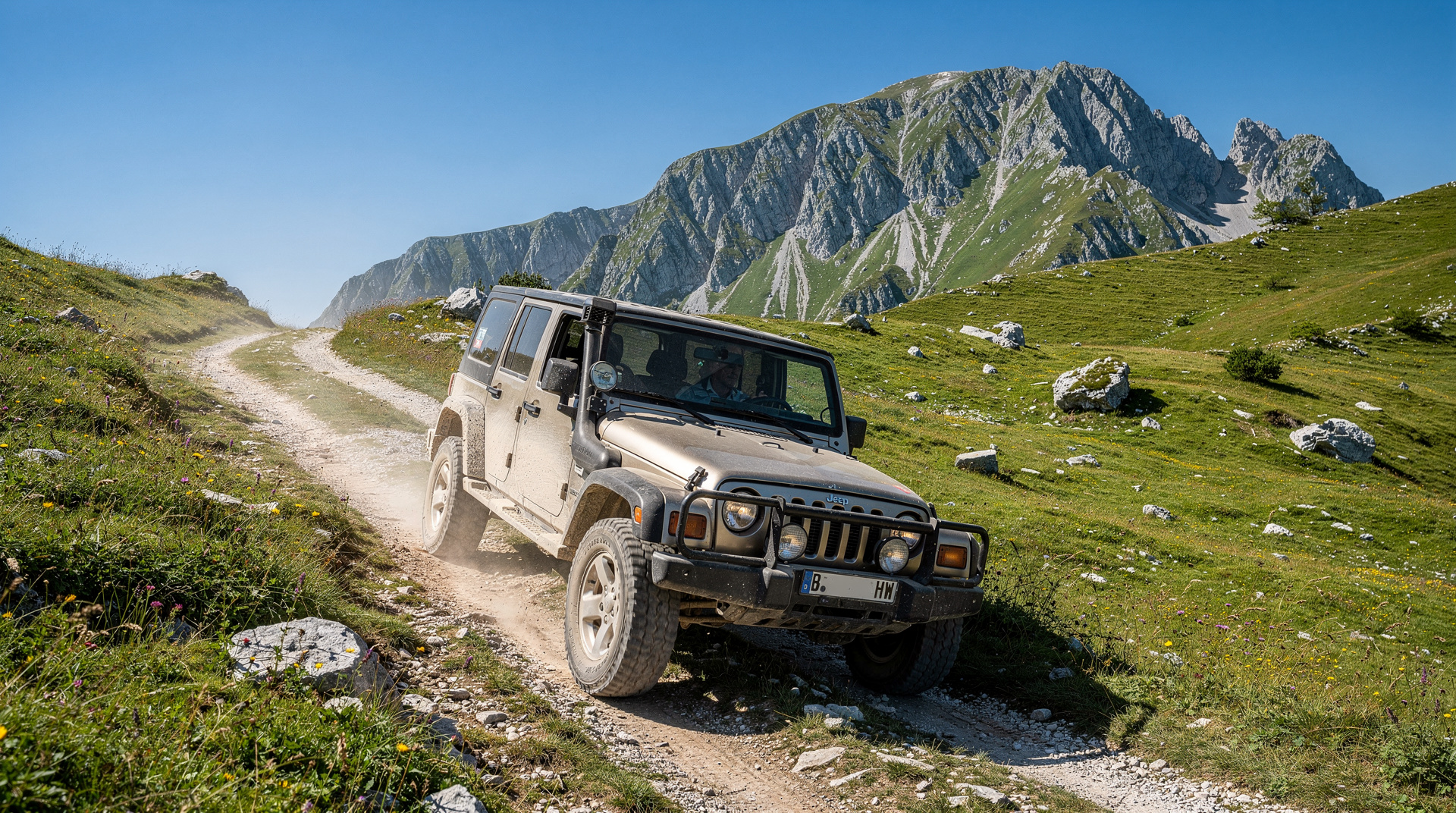
Sarajevo: 4 Olympic Mountains 4x4 Tour with Cable Car Ride
Which is better for skiing — Jahorina or Bjelašnica near Sarajevo?
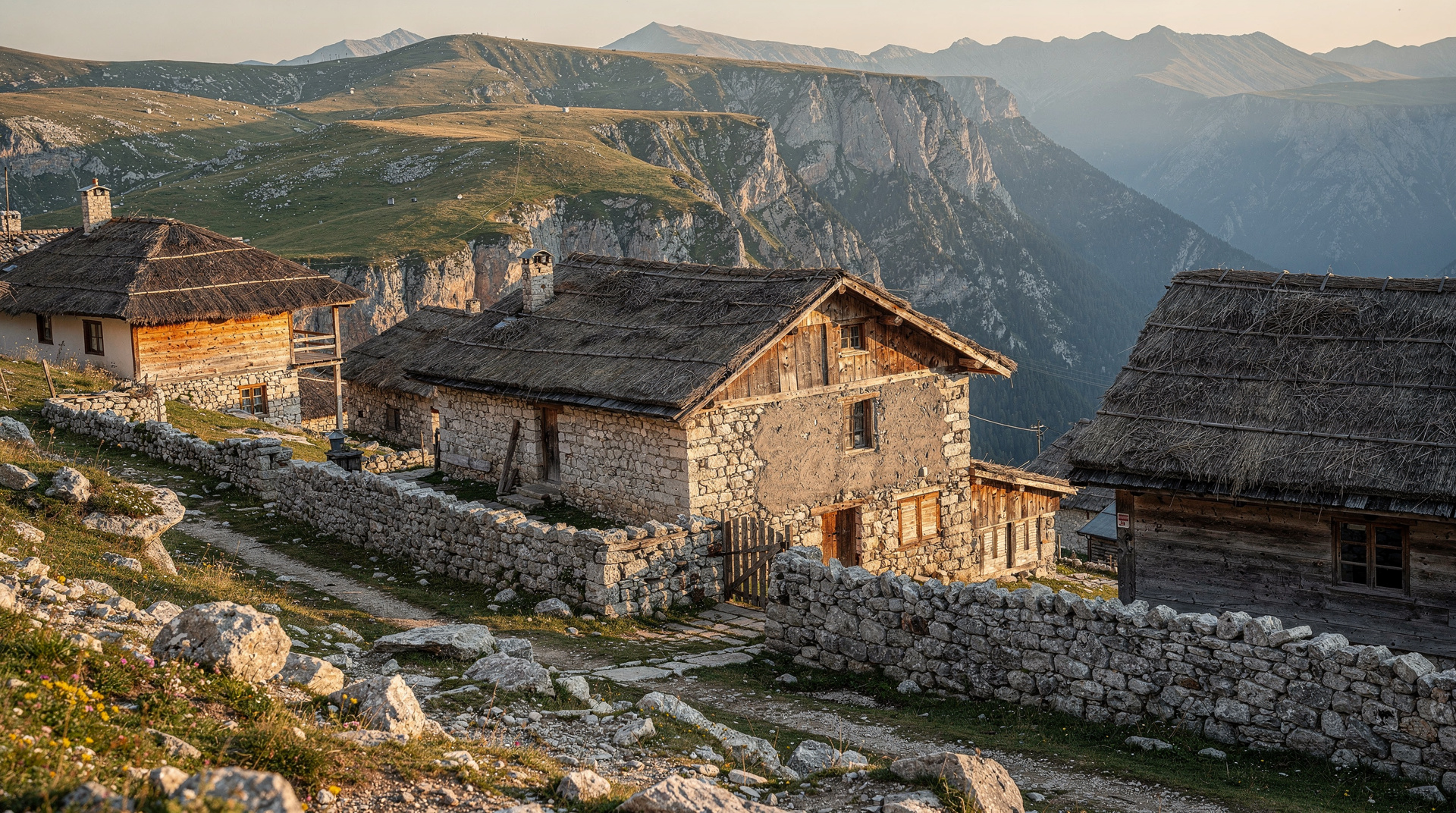
Jahorina is larger with more infrastructure, better suited for intermediate and advanced skiers. Bjelašnica is smaller, quieter and offers a more authentic local atmosphere with access to Lukomir village. Both are 30-40 minutes from Sarajevo and far less crowded than equivalent Alps resorts. Season runs December to March.
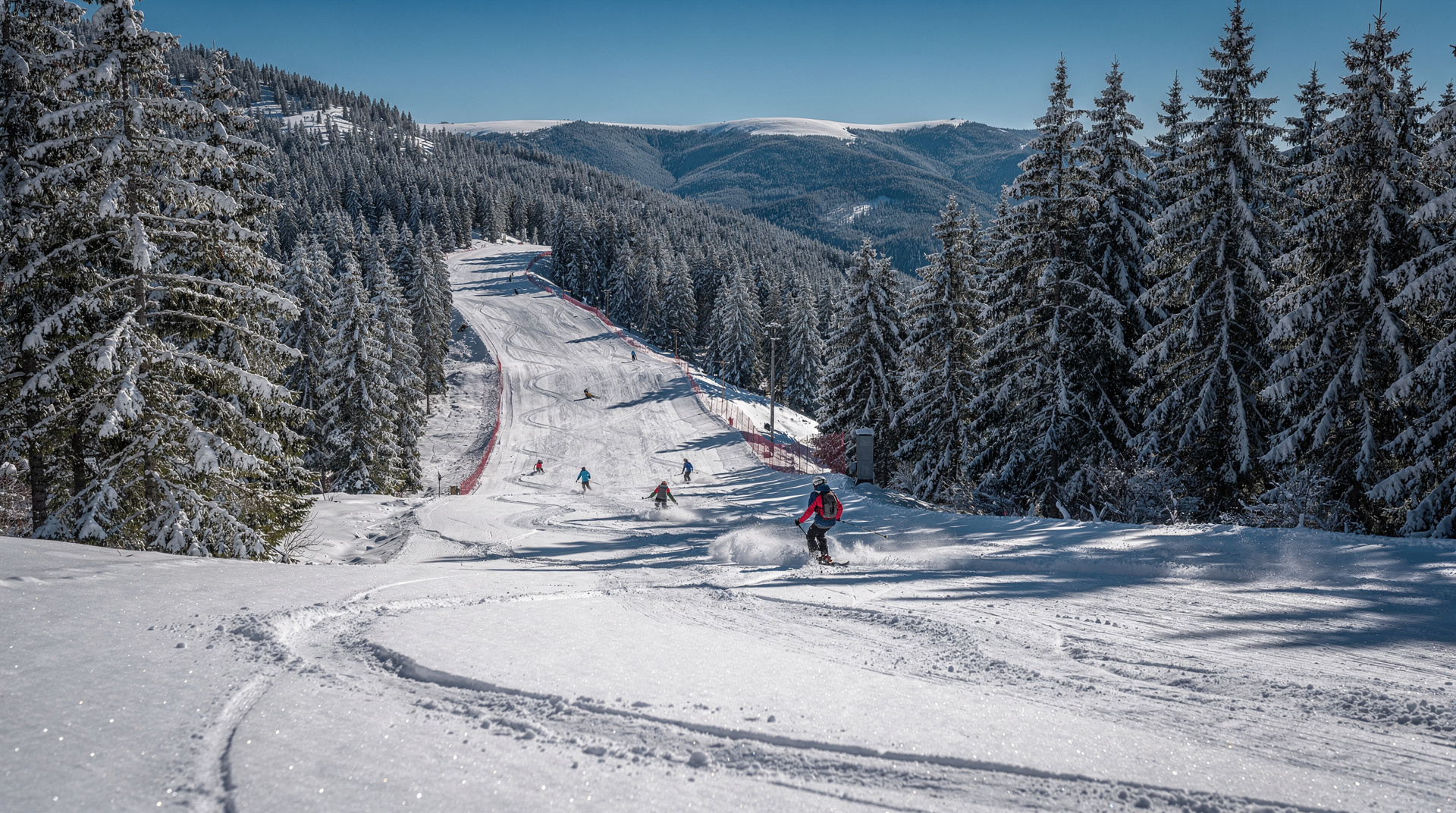
Bosnia’s two main ski mountains sit within 40 minutes of Sarajevo and carry the legacy of the 1984 Winter Olympics. Jahorina and Bjelašnica offer a genuinely different skiing experience from the overcrowded and overpriced Alps — lower costs, smaller crowds, and a raw, authentic atmosphere that European ski tourism lost decades ago.
| At a glance | |
|---|---|
| Where | Jahorina (30 km SE of Sarajevo) and Bjelašnica (40 km S of Sarajevo) |
| Day pass | around 35-60 BAM (18-30 EUR) depending on resort |
| Season | early/mid-December to late March, snow-dependent |
| Getting there | rental car (35-45 min) or seasonal ski bus from Sarajevo |
| Best for | Jahorina: intermediate/advanced pistes; Bjelašnica: quieter, off-piste, Lukomir access |
The Olympic legacy: 1984 and its aftermath
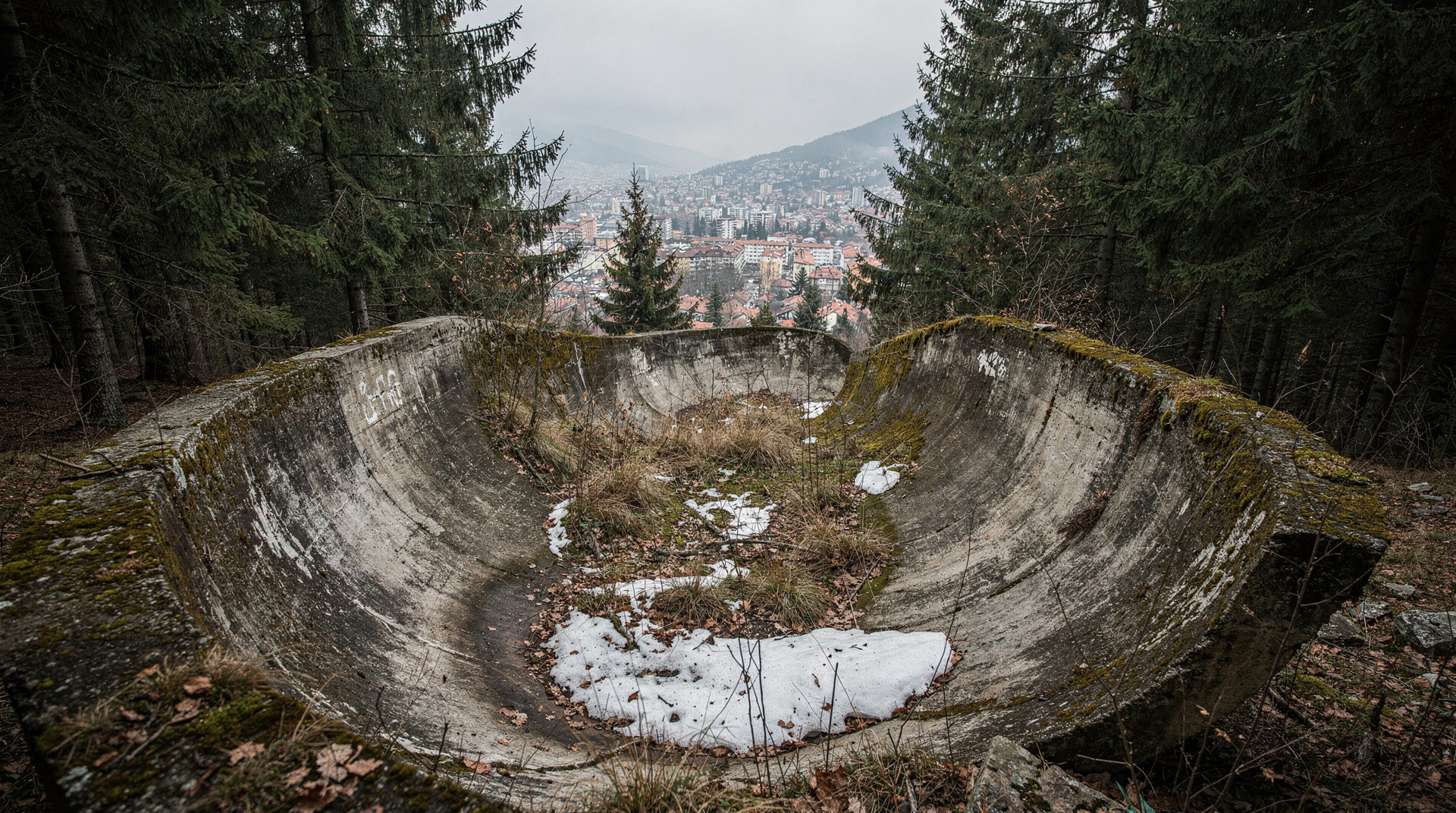
The Sarajevo 1984 Winter Olympics were considered among the best-organised in the event’s history. Jahorina hosted the women’s alpine skiing events (won by German Irene Epple in slalom) and Bjelašnica hosted the men’s downhill. Both mountains received significant infrastructure investment — lifts, runs, resort buildings.
Then came the 1992-1996 Bosnian War. The Jahorina massif was front-line territory during the siege of Sarajevo, and both ski areas suffered severe damage. Recovery was slow. Jahorina began full operations again in the early 2000s; Bjelašnica somewhat later. Today both function as genuine ski resorts, though the infrastructure is visibly less polished than comparable Western European venues — which, for many visitors, is part of the appeal.
The Sarajevo 1984 Winter Olympics guide explores the full story of those games and the bitter contrast with what followed.
Jahorina: the larger resort
Jahorina (1,916m peak, resort area 1,400-1,916m) is the more developed of the two mountains and the better choice for visitors who want a proper ski-resort experience.
The mountain
The piste map shows around 20 km of marked runs including a reasonable spread of blue (beginner-intermediate), red (intermediate) and black (advanced) pistes. Most runs originate from the main upper lifts and converge toward the base village. The mountain faces northeast, meaning snow is well-preserved even in milder winters.
Lift system: Multiple chairlifts and drag lifts; the main gondola provides access to the upper mountain. The system is functional without being state-of-the-art.
Après-ski: Small by Alpine standards but authentic. Several konoba restaurants at the resort serve traditional Bosnian highland food (lamb, bean soup, cheese, burek) at prices that seem absurdly low to skiers from western Europe.
Prices at Jahorina
- Adult day pass: 40-60 BAM (20-30 EUR)
- Child day pass (under 12): 25-35 BAM (13-18 EUR)
- Ski rental (skis + boots + poles): 25-40 BAM (13-20 EUR) per day
- Ski lessons: 50-80 BAM (25-40 EUR) per hour with instructor
Accommodation on the mountain runs from budget guesthouses at 40-80 BAM (20-40 EUR) per person per night to the resort hotels at 100-160 BAM (50-80 EUR). Mountain lodges provide the most atmospheric experience.
Getting to Jahorina
From Sarajevo: 30 km southeast, approximately 35-40 minutes by car. The road is paved to the resort and well-maintained; snow chains may be required in heavy snowfall. Ski buses from Sarajevo run during peak season — check the Jahorina resort website for current schedule and pickup points.
Bjelašnica: higher, quieter, wilder
Bjelašnica (2,067m peak) is slightly further from Sarajevo than Jahorina but reaches higher and offers a different atmosphere. The resort area sits at 1,500-2,000m, above the treeline on the mountain’s upper plateau.
The mountain
Bjelašnica has fewer marked pistes than Jahorina but the off-piste potential above the treeline is exceptional for experienced skiers in good snow conditions. The main runs are well-prepared in season; the mountain gets reliably deep snow due to its altitude.
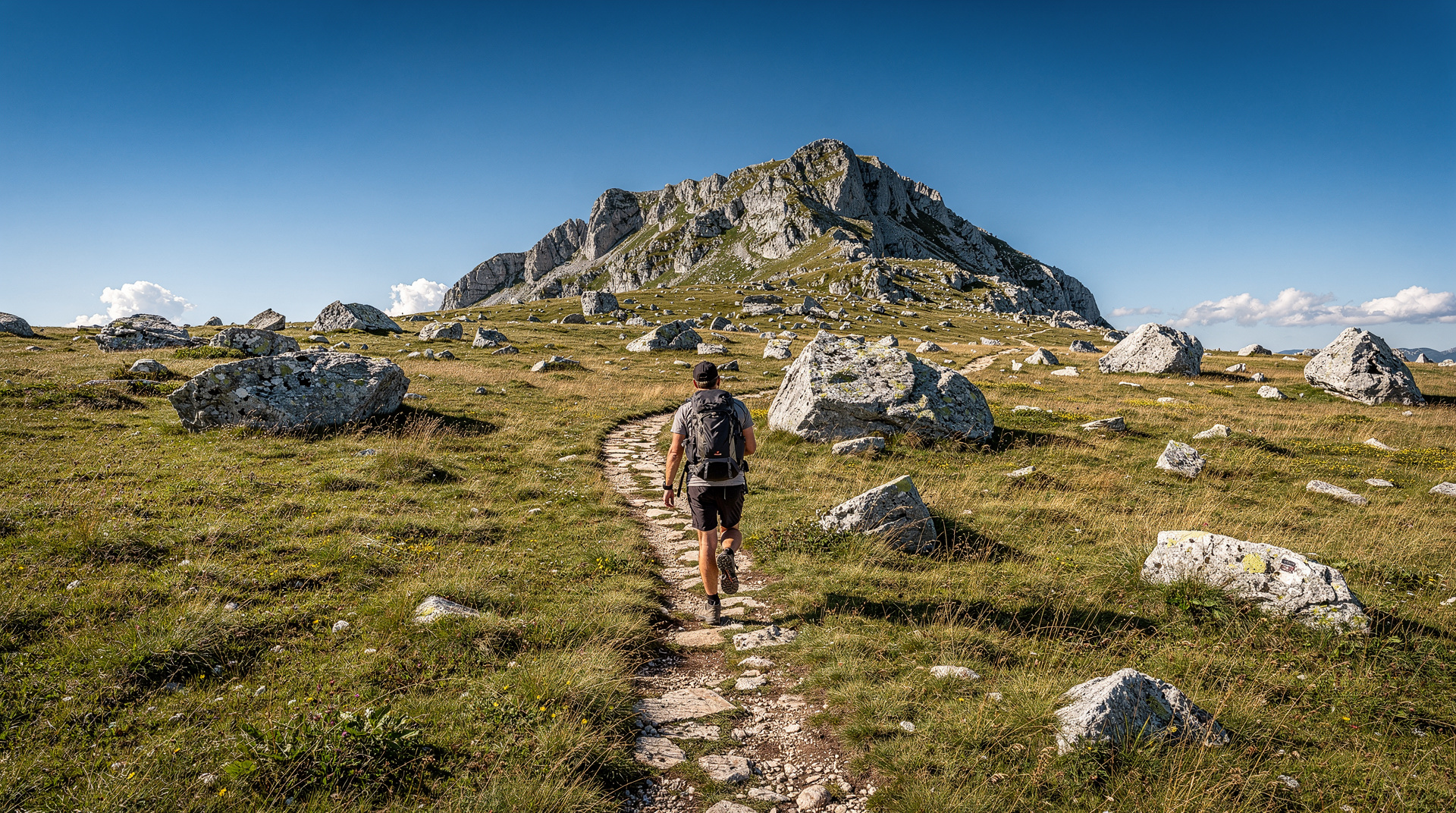
The plateau: On clear days, the Bjelašnica plateau gives views that extend toward the Adriatic coast on one side and deep into the Dinaric Alps on the other. The same plateau in summer leads to Lukomir village (see the Lukomir guide) and offers hiking on Bjelašnica’s summer trails.
Prices at Bjelašnica
- Adult day pass: 35-50 BAM (18-25 EUR)
- Child day pass: 20-30 BAM (10-15 EUR)
- Equipment rental: 20-35 BAM (10-18 EUR) per day
- Ski lessons: 40-70 BAM (20-35 EUR) per hour
Bjelašnica has fewer accommodation options than Jahorina — mainly small guesthouses and the main resort hotel. Book in advance for peak weekends.
Getting to Bjelašnica
From Sarajevo: 40 km south via Hadžići, approximately 40-45 minutes by car. Less regular ski bus service than Jahorina. Rental car is recommended.
Explore Bjelašnica and all four Olympic mountains by 4x4 tour for a non-skiing perspective on the mountain in any season.
Comparing Jahorina and Bjelašnica
| Jahorina | Bjelašnica | |
|---|---|---|
| Peak elevation | 1,916m | 2,067m |
| Piste km | ~20 km | ~10 km |
| Distance from Sarajevo | 30 km | 40 km |
| Best for | Intermediate/advanced | Beginners / off-piste |
| Resort infrastructure | More developed | Smaller, quieter |
| Price level | Slightly higher | Slightly lower |
| Summer activities | Limited | Hiking, Lukomir access |
Sarajevo as a ski base
Staying in Sarajevo rather than on the mountain is entirely practical and considerably more interesting. The city has restaurants, nightlife, museums and culture that no mountain village can match. Drive up in the morning, ski all day, return to the city in the evening. Both mountains work for this approach.
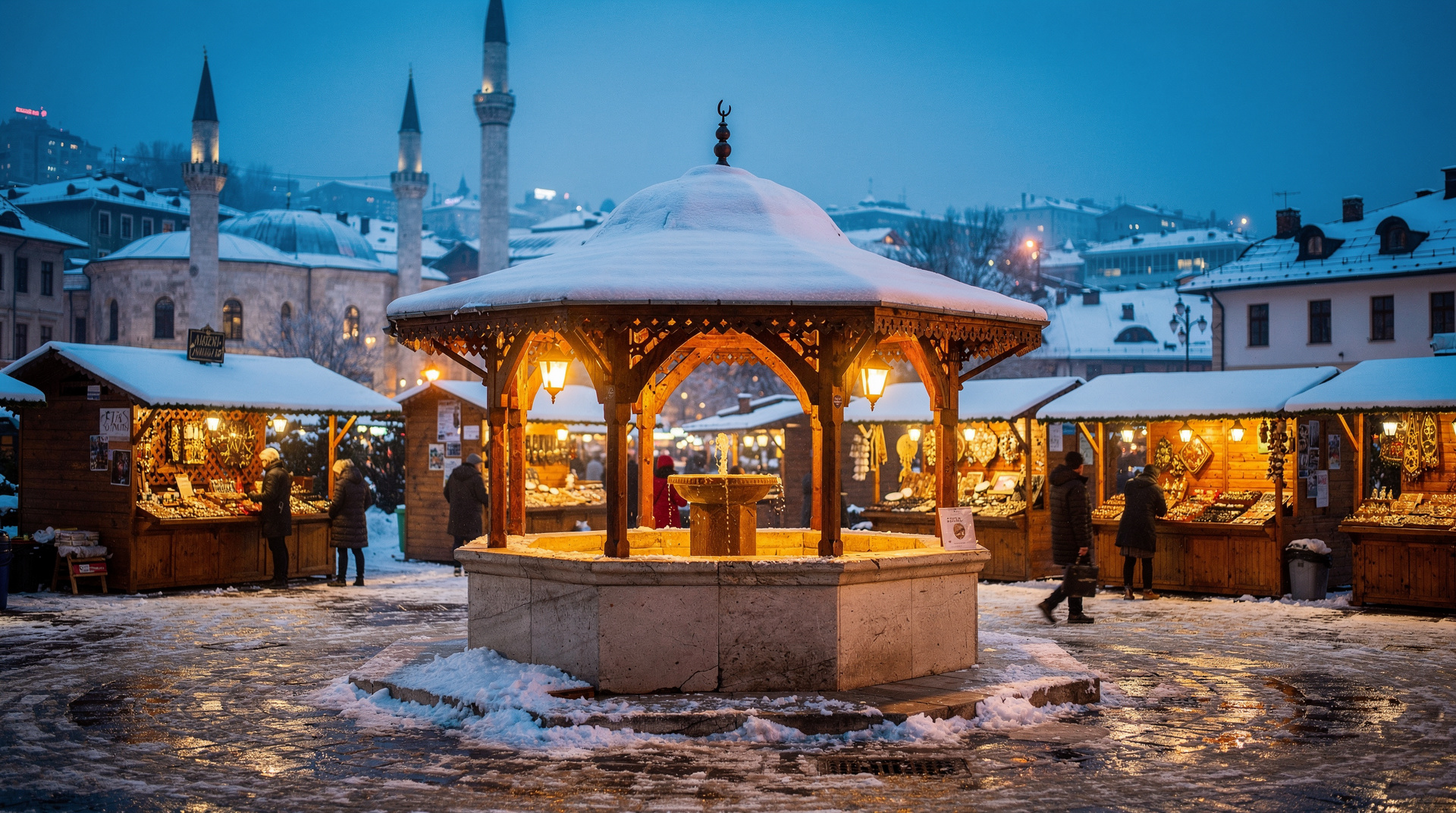
Bosnia in winter is genuinely underrated: Sarajevo under snow is one of the most atmospheric cities in Europe, with the minaret silhouettes and red roof tiles of Baščaršija transformed by a white covering. The Sarajevo in winter guide covers the city experience in detail.
Practical winter advice
Snow conditions: Bosnia’s mountains generally get reliable natural snow from December to March. Jahorina supplements with snowmaking on key runs. Check current conditions via the resort websites before planning a specific ski day.
Weather: Mountain weather changes fast. What is sunny in Sarajevo at 500m can be a blizzard at 1,800m. Carry layers and waterproofs even on clear forecast days.
Driving: Both mountains are accessible on standard winter tyres for most of the season. After heavy snowfall, chains or studded tyres are needed for the final approach. Car rental agencies in Sarajevo can advise on current requirements.
Language: Most resort staff speak some English, especially at Jahorina which has more international visitors. Basic Bosnian phrases are appreciated and will improve service. “Hvala” (thank you), “koliko košta” (how much does it cost), and “jedna ćorba, molim” (one soup, please) will serve you well.
Bosnia’s ski mountains are genuine gems hidden from the mainstream European ski market by the country’s ongoing reputation challenges. Those who make the effort to discover them typically leave wondering why they ever paid Alpine prices.
Packing and gear for a short ski trip
Most visitors flying in for a short trip do not bring their own kit — rental at either resort covers skis, boots and poles for around 20-40 BAM per day, and quality is adequate for a few days of piste skiing (advanced skiers with specific gear preferences may want to bring their own boots). Bring proper waterproof gloves and a base layer regardless of rental gear: mountain wind chill at 1,900m is sharper than the Sarajevo forecast suggests. Sunglasses or goggles matter too — the snow glare above the treeline at Bjelašnica is intense on clear days.
If you are combining skiing with a Sarajevo city stay, pack a single bag that works for both: ski layers compress well, and you will want normal city clothes for evenings in Baščaršija or a coffee stop covered in the Bosnian coffee culture guide.
Non-skiers and families
Not everyone in the group needs to ski. Both resorts have restaurants and viewpoints accessible without a lift pass, and Bjelašnica’s plateau is a legitimate winter walking destination in its own right when the road is clear. Those who would rather see the plateau without skis can look at a guided quad outing toward Bjelašnica and Lukomir village, depending on season and conditions. Families with young children often base themselves at Jahorina, which has the larger beginner area and ski school, then break up ski days with sled runs and hot chocolate stops. The Bosnia with kids guide has broader family-trip advice for the country.
Choosing your mountain by skill level
If you are unsure, start from your own habits rather than from the resort brochures. Confident intermediate and advanced skiers who like variety will usually be happier at Jahorina, where the longer network of marked runs means you can ski a full day without repeating the same piste too often. Beginners and nervous returners can do well at either, but the choice depends on what else you want from the day: Jahorina for a larger ski school and more beginner infrastructure, Bjelašnica for a quieter slope where nobody is rushing past you.
Experienced skiers who are comfortable reading snow and weather should look at Bjelašnica’s open terrain above the treeline, but only in stable conditions and ideally with a local instructor or guide. Off-piste skiing in the Dinaric mountains carries real risks, and one more reason for caution is the war legacy: stay on marked pistes and established routes, and read the landmine safety guide before wandering far from the resort areas, especially outside the snow season when hiking.
For a direct side-by-side decision, the Jahorina vs Bjelašnica comparison goes deeper on the trade-offs, and the wider skiing in Bosnia guide places both mountains in the context of the country’s other winter options.
A realistic ski day from Sarajevo
A typical day trip works best when you treat it like a mountain day rather than a city outing. Leave Sarajevo early, so that you arrive before the car parks fill and the queues build at the main lifts, particularly on weekends in peak season. Pick up rental equipment first, buy your pass, and use the morning, when the pistes are freshest, for the harder runs. Lunch at a mountain restaurant is part of the experience: a bowl of bean soup or a plate of grilled meat and cheese does more for your afternoon than another hour of tired skiing.
Plan your return with the light and the weather in mind. Mountain roads are easier to drive in daylight, and a late-afternoon snow shower can slow the descent. If you are driving yourself, the driving in Bosnia guide and the car rental guide cover winter conditions, insurance questions and what to check before you collect the keys. If you are arriving by air, the Sarajevo airport guide explains how to get into town, and getting around Bosnia covers the wider transport picture when you do not want to drive in snow.
Where to stay for a ski trip
There are two sensible approaches. Sleeping on the mountain puts you next to the lifts, gives you the first tracks of the morning and suits groups whose only goal is skiing. Sleeping in Sarajevo trades some convenience for a much richer evening: dinner in the old town, a stroll through snowy streets and a choice of places to eat that no mountain village can offer. The where to stay in Sarajevo guide helps you choose a neighbourhood, and the best restaurants in Sarajevo will fill the evenings.
Mixed trips work well too. Spend a night or two on the mountain at the start, when you most want the early lift, then move down to the city for the rest of the stay. Whatever you pick, book peak-weekend beds early, because the number of rooms near the lifts is limited compared with the Alps.
Combining skiing with the rest of your winter trip
Skiing fits neatly into a longer winter visit. A few days on the slopes can sit alongside the city’s history, with the 1984 Olympic story giving the mountains added meaning, and with quieter indoor options such as the museums of Sarajevo when the weather closes in. A rest day between ski days is easy to fill without leaving town, for instance with a guided walk that combines the cable car and the Olympic museum, and the best day trips from Sarajevo include several that remain possible in the colder months, subject to road and weather conditions.
For a broader sense of what the cold season looks like across the country, including what is open, what closes and how the landscape changes, read the Bosnia in winter guide and the best time to visit Bosnia overview. If you are thinking about the area as more than a ski destination, the Bjelašnica and Igman destination page and the Sarajevo destination page are good places to start planning. Travellers who want a longer plan can lean on the Sarajevo 4-day deep dive, adding a ski day wherever the forecast looks best, and the personal winter in Sarajevo story gives a feel for the city in the snow.
Money and small practicalities
Carry some local cash, because smaller mountain cafés, guesthouses and rental shops may prefer it to cards. The money and currency guide explains how the convertible mark works and where cards are accepted. If you are watching your budget, the Bosnia on a budget guide shows how skiing here compares with the rest of a low-cost trip, and the Bosnian food guide will help you order well when you sit down for lunch on the mountain.
Frequently asked questions about Skiing at Jahorina and Bjelašnica
Did Jahorina and Bjelašnica host the 1984 Winter Olympics?
How much does a ski pass cost at Jahorina or Bjelašnica?
When is the ski season near Sarajevo?
How do I get from Sarajevo to the ski resorts?
Are the ski resorts at Jahorina and Bjelašnica good for beginners?
Can I ski Jahorina and Bjelašnica in the same day?
Top experiences
Bookable activities with verified prices and instant confirmation on GetYourGuide.