Visoko
Visit Visoko, the medieval Bosnian capital, and judge the controversial Bosnian Pyramids for yourself — 30 km north of Sarajevo.
From Sarajevo: Visoko And Bosnian Pyramid Mystery
Quick facts
- Region
- Zenica-Doboj Canton
- Distance from Sarajevo
- 30 km north (40 min)
- Currency
- BAM (1 EUR = 1.95583 KM)
- Pyramid entry fee
- 5 BAM (2.50 EUR)
| At a glance | |
|---|---|
| Where | Bosna river valley, 30 km north of Sarajevo, Zenica-Doboj Canton |
| Cost | Pyramid/tunnel entry around 5 BAM; bus fare from Sarajevo around 5 BAM |
| Time needed | Half a day; easy to combine with Travnik or Jajce for a fuller day |
| Getting there | Bus from Sarajevo main station (~40-50 min); car via M17 (~35-40 min); train also available |
| Best time | April-October; the Ravne tunnel stays a constant 12°C year-round |
Visoko is a small town in the Bosna river valley, 30 kilometres north of Sarajevo, that has two quite different draws. The first is genuine and historically significant: Visoko was the seat of the medieval Bosnian kingdom and the site of the Bobovac fortress. The second is polarising: since 2005 the town has been the focal point of claims that several hills in the valley are ancient man-made pyramids. The scientific consensus firmly rejects this, but the site has developed into a minor tourist industry that is worth understanding before you decide whether to visit.
Visoko as medieval Bosnian capital
Long before the pyramid controversy, Visoko mattered as the centre of the medieval Bosnian state. The hilltop of Visočica — the hill that pyramid proponents call the “Pyramid of the Sun” — was the location of the royal court, and the Bobovac fortress a few kilometres to the east was the seat of Bosnian kings from the 14th century until the Ottoman conquest in 1463. The Bosnian State Museum in Sarajevo holds significant artefacts from this period, but a visit to the valley itself grounds the history in landscape.
The town centre has a modest local museum with medieval Bosnian exhibits and several stećci (medieval tombstones) in the surrounding area — the same monumental tombstone tradition that earned UNESCO recognition. For the history of Bosnia for travellers, Visoko is an underrated stop.
The pyramid claims: an honest assessment
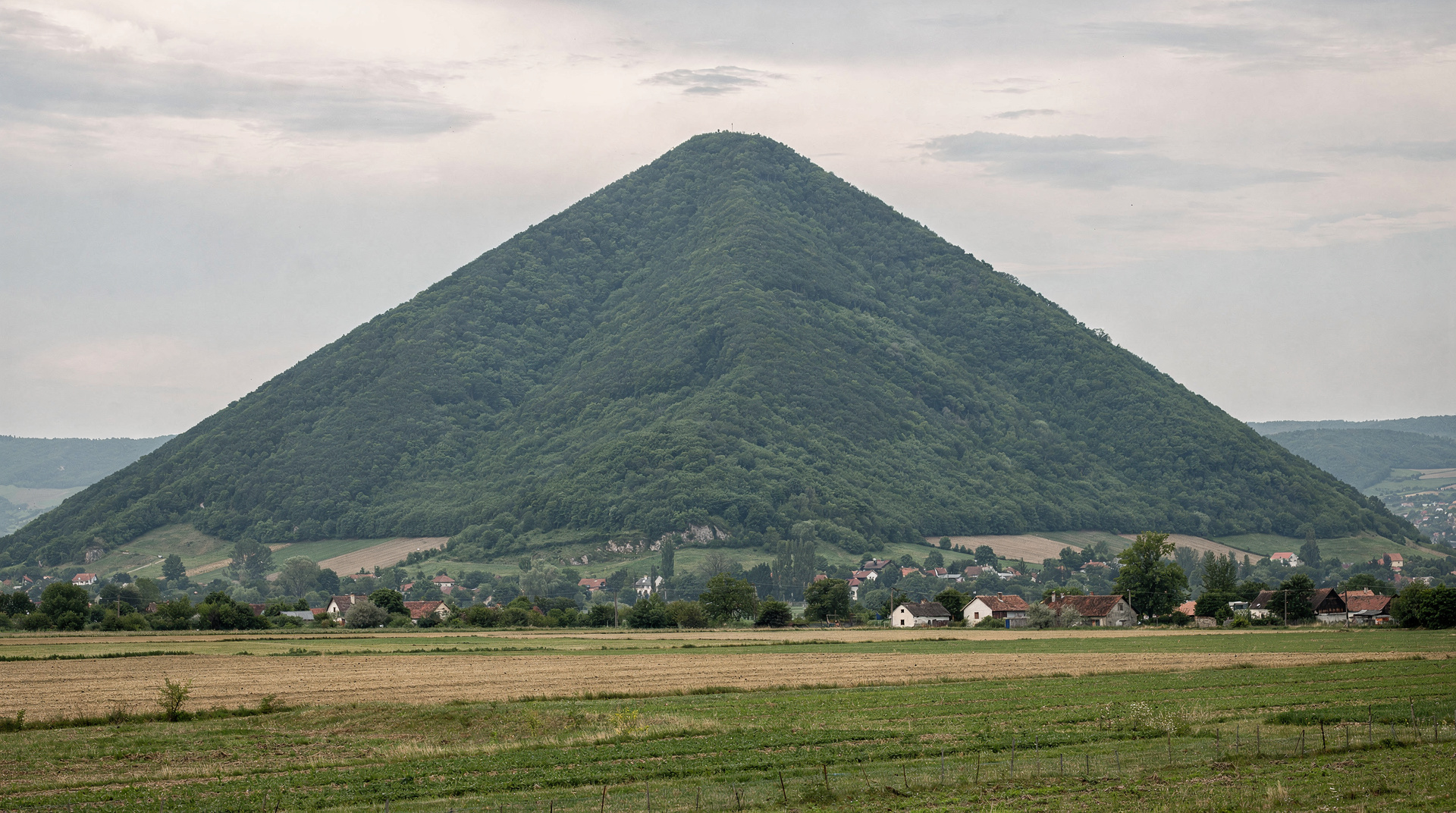
In 2005, Bosnian-American businessman Semir Osmanagić announced that the hill of Visočica is a man-made pyramid of immense age, larger than the pyramids of Giza. Since then his foundation has conducted excavations, found various tunnels and stone blocks, and built a tourist infrastructure around the claim. The site has attracted millions of visitors.
The mainstream archaeological and geological community — including Bosnian archaeologists, the European Association of Archaeologists and international reviewers — consistently finds that the hill is a natural pyramid-shaped geological formation and the tunnels are medieval mining works. The stone blocks are natural sandstone. No scientific publication of substance has supported the pyramid hypothesis.
That said: the tunnel network (Ravne tunnel) and the hill walk are genuinely pleasant, the entry fee is low, and the experience has an undeniable curiosity value. A day trip from Sarajevo to the Bosnian Pyramids visits the Ravne tunnel complex and takes you up the hill, which does genuinely look geometric from a distance.
What you actually see on a visit
The visitor experience centres on three things: the Ravne underground tunnel complex (a 2 km network of passages illuminated with blue lighting, temperature a constant 12°C — bring a layer), the walk up the main Visočica hill (30-40 minutes of steady climbing), and the hilltop view over the Bosna valley and Fojnica river confluence. The view alone is worth the modest entry fee on a clear day.
A second Visoko pyramid excursion covers additional parts of the site and is geared toward those who want to spend more time at the tunnels.
Getting there from Sarajevo
Visoko is on the main road and rail line north from Sarajevo toward Zenica. Buses depart from the Sarajevo main bus station roughly every hour and take 40-50 minutes; the fare is about 5 BAM (2.50 EUR). Trains are slower but scenic. By car, take the M17 north; there is a signposted turning for the pyramid site in town. The drive takes 35-40 minutes from central Sarajevo.
Combining with other stops
Visoko is naturally paired with other sites on the road north toward Jajce and Travnik. A full day could cover Visoko in the morning and continue to Travnik for lunch and the fortress, making efficient use of the M17 corridor. Alternatively, Visoko makes a sensible first stop on a day trip to Jajce and the Pliva lakes.
Practical tips
- The Ravne tunnel is cool year-round (12°C); a light jacket is essential even in summer.
- Visoko town has several restaurants and cafés serving standard Bosnian food; burek from the local bakeries is reliably excellent.
- The pyramid site has basic English-language signage; a guide or audio tour makes the history much richer.
- If you are visiting primarily for medieval Bosnian history, allocate time for the local museum and consider continuing to Bobovac fortress (requires a car, 15 km east of Visoko).
Setting expectations honestly
It is worth being direct about this: the “pyramid” claim has no support in mainstream archaeology or geology. Visitors who arrive expecting a scientifically validated ancient wonder will be disappointed once they read the underlying evidence. Visitors who arrive treating it as an unusual cultural phenomenon — part fringe archaeology, part genuinely pleasant hill walk and cool tunnel network — tend to enjoy the visit far more. Setting expectations correctly before you go, rather than after, makes the difference. For broader context on how Bosnia’s history is presented to travellers, see the Bosnia history for travellers guide.
Visoko compared to Sarajevo’s other quick day trips
Visoko is one of several easy half-day options from Sarajevo, alongside Vrelo Bosne and the more demanding Bjelašnica and Igman mountains. Compared to those, Visoko is the most unusual — a genuine curiosity stop rather than a nature or heritage classic — and pairs well as a short morning detour before a longer day heading north. See the best day trips from Sarajevo guide for the full comparison.
Reading the landscape before you walk it
The Bosna valley rewards a few minutes of orientation before you start climbing. The hills around Visoko rise quite abruptly from the valley floor, and from the right angle their smooth, regular slopes explain why the pyramid idea took hold in the first place. Standing at the bottom and looking up, then looking again from the hilltop, is the simplest way to form your own opinion. You do not need to take anyone’s word for it, neither the foundation’s nor the geologists’. Look at the layered rock in the cuttings, look at the shape of the ridge, and compare what you see with what the signs and guides tell you.
This is also what makes Visoko a good stop for travellers who like to think critically about how history is presented. If you have already read the Bosnian pyramids of Visoko guide, the visit becomes a field check of the arguments rather than a passive tour.
Medieval Bosnia in more depth
Visoko’s real historical weight comes from the period when the Bosnian state ruled from this valley. The kingdom’s story is easier to follow if you know what came before and after it. The Bosnia history for travellers guide gives the longer arc, and the Ottoman heritage guide picks up the story after the fall of the medieval kingdom, when towns such as Travnik and Sarajevo took on new importance.
Seen this way, Visoko is a small piece of a much larger puzzle. The stećci scattered across the surrounding countryside belong to the same tradition you will meet again in the Herzegovina uplands near Blagaj and Počitelj, so a morning here gives you a reference point for later stops. Travellers who enjoy that thread often end up building a whole route around it, and the Bosnia 7-day itinerary shows how a stop like Visoko can slot into a wider trip.
How to structure your visit
A relaxed visit follows a simple order. Arrive early, while the town is quiet and the light on the hillside is soft. Start with the hill walk, since the climb is easier before the day warms up, and take your time at the top for the view over the valley. Come back down and go underground into the tunnels, where the cool air is a welcome change after the walk. Finish in town with a bakery stop and, if you have the energy, the local museum.
Doing it in this order also keeps the jacket question simple. You walk uphill in light clothes and put the extra layer on only for the tunnel. Wear shoes with decent grip, because the paths on the hill can be uneven, and carry water for the climb.
If you are travelling with children, the tunnel and the hill walk make a good short outing, and the format suits curious older kids in particular. The Bosnia with kids guide has more ideas for planning days that keep younger travellers interested.
Where Visoko fits in a Sarajevo base
Most visitors reach Visoko while staying in the capital. If you are still choosing where to sleep, the where to stay in Sarajevo guide explains the neighbourhoods and how each connects to the bus and rail stations. Visoko works well as a lighter day between heavier sightseeing days, for example after the emotional weight of the Sarajevo war tour or the Tunnel of Hope visit.
For travellers who do not want to drive, the getting around Bosnia guide and the buses in Bosnia guide explain how the public network works, and Visoko is one of the easier destinations to reach that way. If you prefer your own wheels, the driving in Bosnia guide covers road conditions and habits worth knowing before you set off.
Eating and resting in town
Visoko is not a gourmet destination, but it handles the basics well. The town’s bakeries and small restaurants serve the standard Bosnian repertoire, and a simple meal here is part of the experience. If you want to know what to order, the burek and pita guide and the broader Bosnian food guide explain the dishes you are likely to see on menus. A coffee afterwards, taken slowly in the local manner, is a good way to close the visit; the Bosnian coffee culture guide describes how it is served and why nobody rushes it.
Who will enjoy Visoko most
Visoko suits three kinds of traveller particularly well. The first is the curious visitor who likes unusual stories and enjoys weighing the evidence. The second is the history enthusiast who wants to see where the medieval kingdom was centred and is happy to treat the pyramid story as a sideshow. The third is the traveller on a flexible schedule who wants an easy, low-cost half day that does not demand early starts or complicated logistics.
It suits less well anyone who expects a polished, heavily developed attraction. The site is simple and a little improvised, which is part of its charm for some people and a disappointment for others. If that sounds like you, the Bosnia travel guide and the how many days in Bosnia guide will help you decide where a stop like this belongs in your plan, and the avoiding crowds in Bosnia guide is useful if you would rather visit at quieter moments.
Frequently asked questions about Visoko
Are the Bosnian Pyramids real? No, according to the scientific consensus. Geologists and archaeologists, including the European Association of Archaeologists, identify Visočica as a natural geological formation and the tunnels as historic mining works. The site remains a popular and pleasant visit on its own terms, independent of the pyramid claim.
Is Visoko worth visiting if I only have a few days in Bosnia? Only if curiosity value appeals to you specifically. With limited time, Sarajevo, Mostar, and a nature stop such as Kravice Waterfalls should take priority; Visoko is a good add-on for travellers with more flexible schedules or a specific interest in the pyramid phenomenon.
Visoko is not an unmissable stop, but it is a fast, easy and genuinely interesting half-day that combines a curiosity phenomenon with an underappreciated slice of medieval Bosnian heritage — and it makes a logical first chapter for anyone driving north from Sarajevo.
Top experiences
Bookable activities with verified prices and instant confirmation on GetYourGuide.