Sarajevo in winter and Christmas
Sarajevo: Cable Car and Olympic Museum Guided Walking Tour
Is Sarajevo worth visiting in winter or at Christmas?
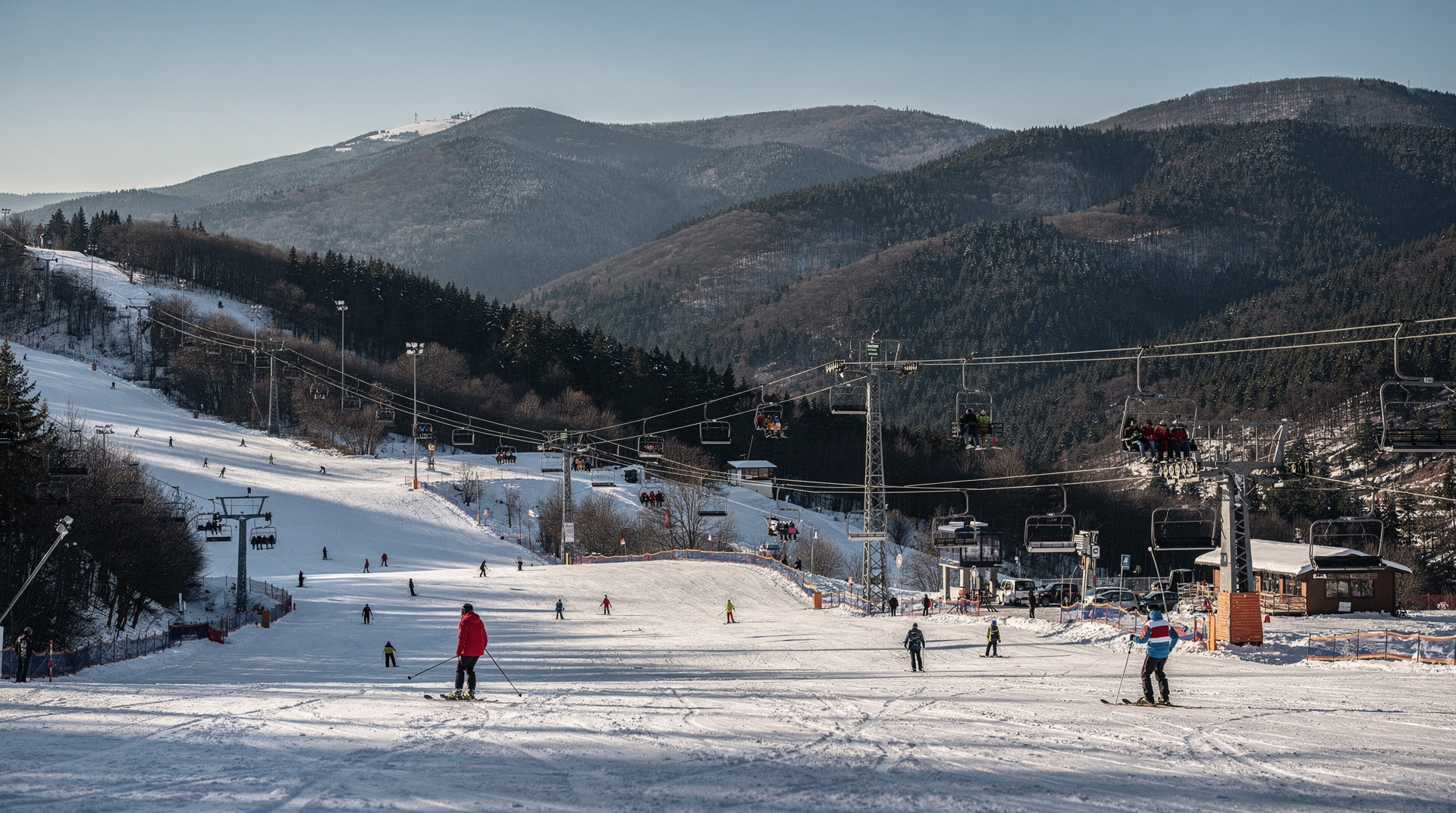
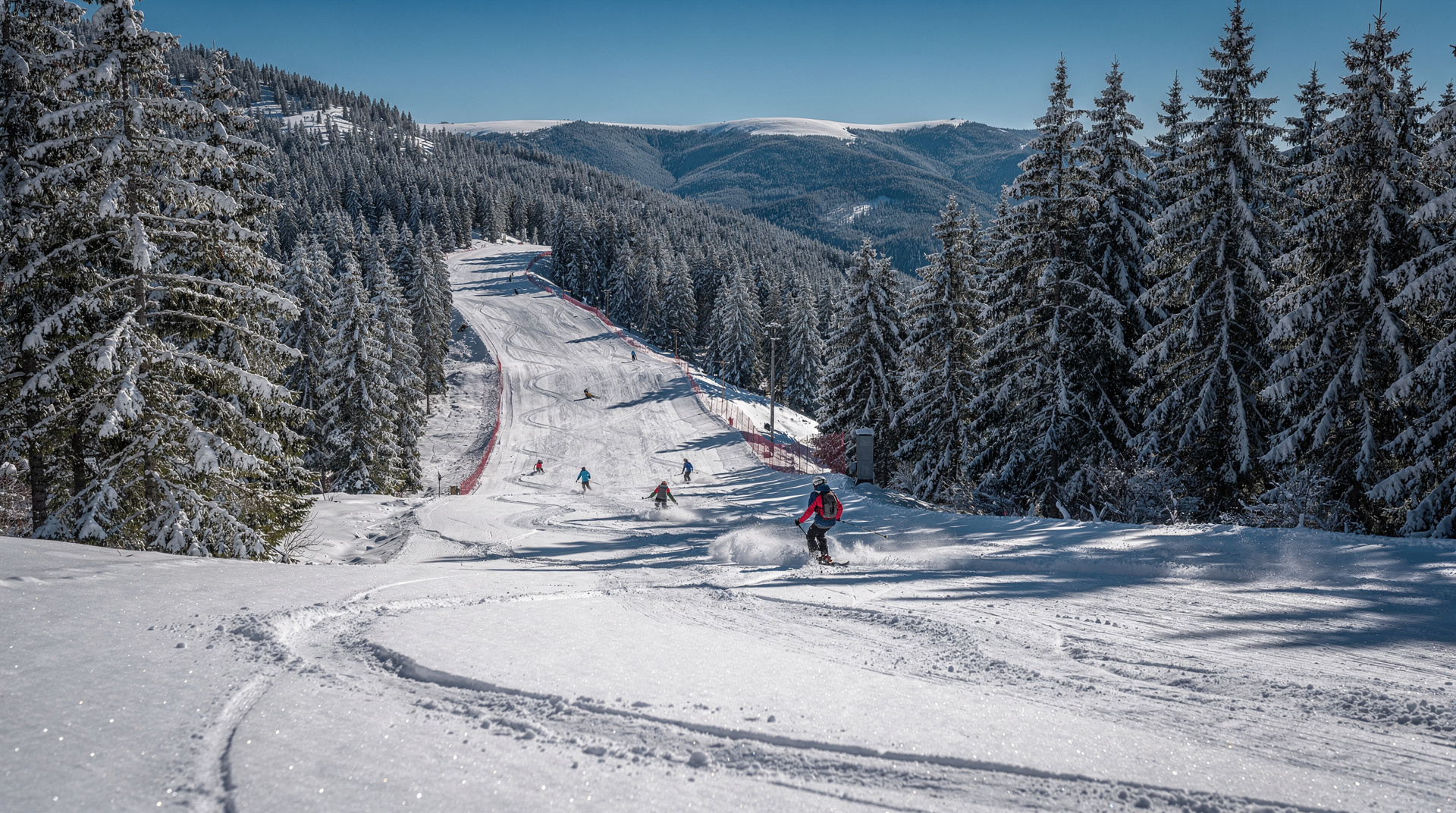
Absolutely. Sarajevo under snow is one of the Balkans' most atmospheric city experiences. The winter market in Baščaršija runs through December. Skiing at Jahorina and Bjelašnica is 30-45 minutes away. Prices are lower and crowds are minimal.
Sarajevo in winter is one of those travel experiences that exceeds expectations in ways that are difficult to explain in advance. The city’s unique layering — Ottoman minarets, Austro-Hungarian façades, socialist housing blocks all dusted with snow — creates an atmosphere unlike anywhere else in Europe. Add some of the continent’s most affordable skiing a short drive away, and you have a winter break that feels both unique and remarkably good value.
| At a glance | |
|---|---|
| Where | Baščaršija old town, with ski day trips to Jahorina/Bjelašnica |
| Cost | Free market entry; budget 20-50 BAM for food/drinks; ski lift passes 25-55 BAM |
| Time needed | A long weekend covers the market, museums and one ski day; 4-5 days for a fuller trip |
| Getting there | Sarajevo Airport (SJJ) year-round; trams/trolleybuses run through winter |
| Best time | Mid-November to late December for the winter market; December-February for reliable snow |
Sarajevo’s winter character
The city sits in a mountain valley at 850 m elevation. Snow arrives reliably most winters — typically from December and lasting into February. When the Miljacka river banks freeze and the call to prayer echoes over white rooftops, Sarajevo becomes the kind of place that travel writers struggle to describe accurately.
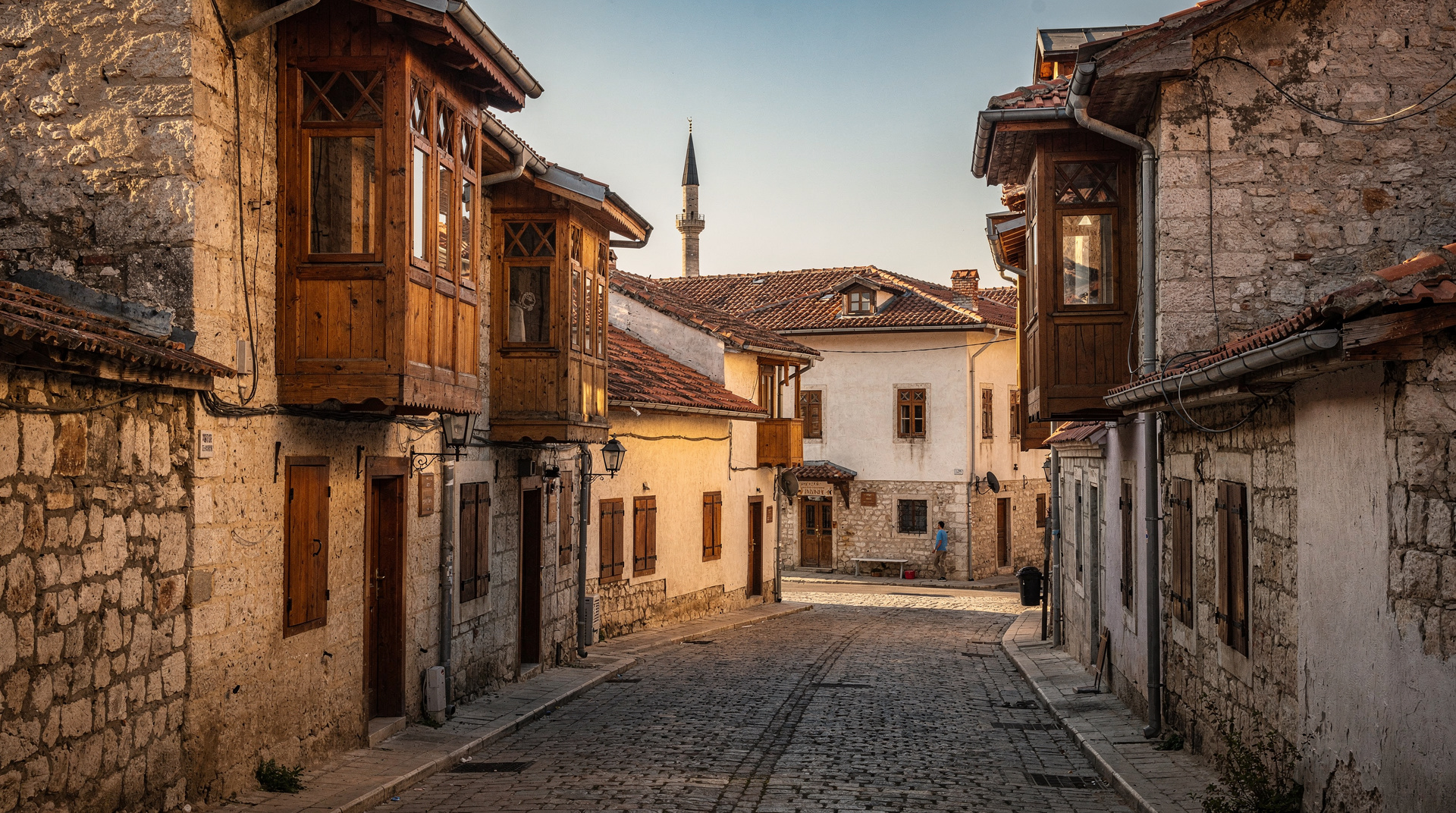
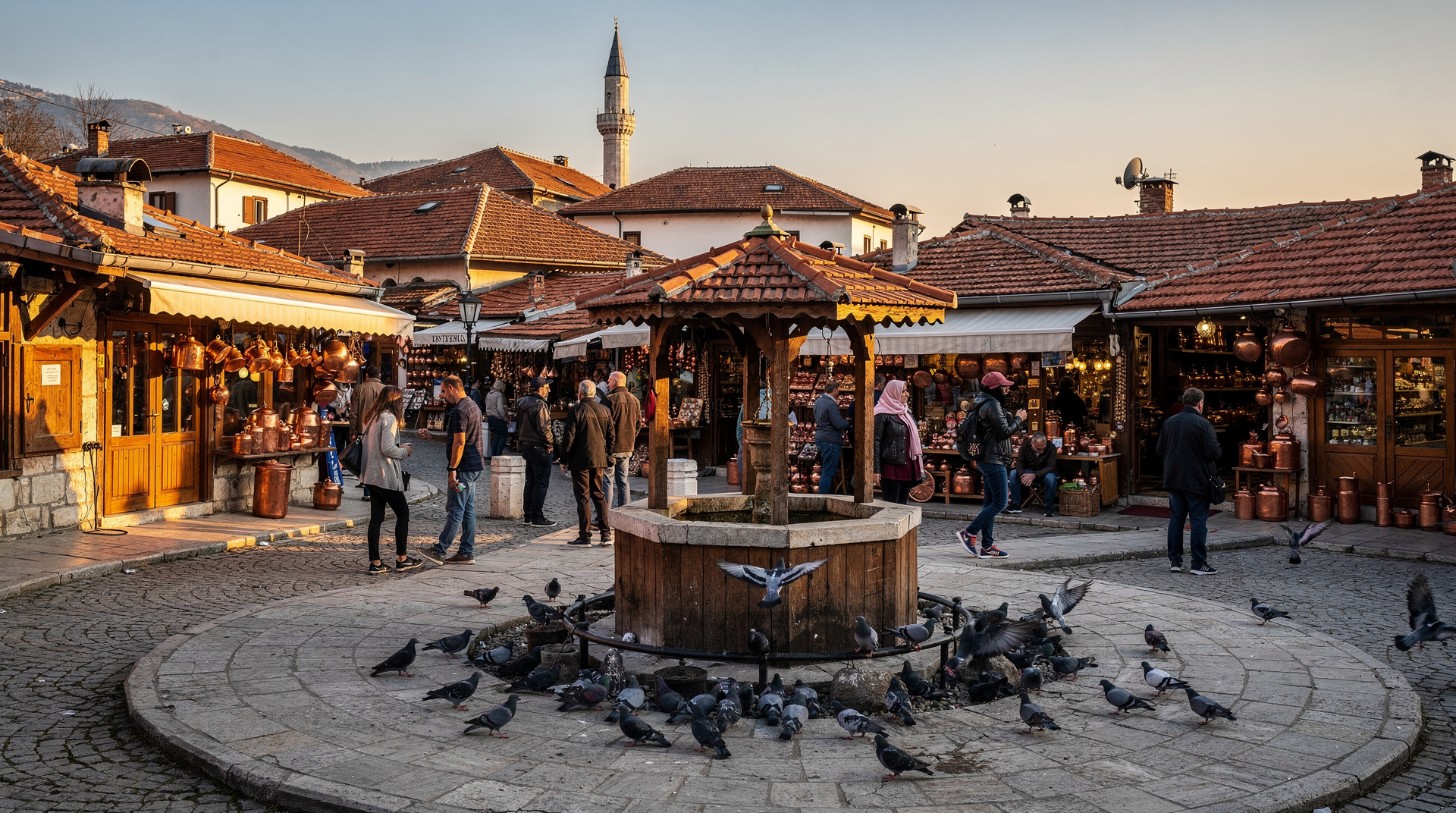
The old town’s Ottoman architecture takes on a particular quality in winter. The carved wooden balconies of the old houses, the domed roof of the copper market, the narrow alleys of Baščaršija — all are more visible and intimate in winter’s low-angle light. Summer’s crowds are replaced by a quieter rhythm: locals in warm coats, the smell of copper-smithing from workshops that are centuries old, the clink of copper džezva coffee pots.
The Baščaršija winter festival
The Zimski grad (Winter City) festival runs from mid-November through December in the main bazaar square around the Sebilj fountain. The festival is small compared to major Central European Christmas markets but that is part of its charm — it is intimate, genuinely local and not overrun by tourist buses.
What you’ll find:
- Wooden stalls selling handicrafts (copperware, embroidery, jewellery, local wines and spirits)
- Hot mulled wine (kuhano vino) and warm Bosnian spirits (rakija)
- Traditional food: burek, ćevapi, pita, roasted chestnuts
- Evening music and performance events
- Ice rink (in some years) near the market
When to go: Weekday evenings are more atmospheric than weekend afternoons. The market at dusk, with the mosque and clock tower lit behind the stalls, is particularly beautiful.
Cost: Free entry to the market. Budget 20-50 BAM for food, drinks and small souvenirs.
What to do in winter Sarajevo
Warm café culture
Sarajevo’s kafana and coffee shop culture is perfectly calibrated for winter. A traditional Bosnian coffee (džezva, served with sugar in a separate glass and lokum) is an hour-long ritual that makes sense in no other weather.
The best areas for warm, authentic cafés:
- Baščaršija alleys: Several small wooden-interior kafane that have served coffee for generations
- Ferhadija street: More modern café-bars popular with locals
- Galerija shopping centre area: Good for shelter and warmth
The Bosnian coffee culture guide explains the ritual and the etiquette.
War history sites (year-round)
Sarajevo’s war history sites are if anything more affecting in winter. The Tunnel of Hope Museum operates year-round. Walking Sniper Alley (now Marshal Tito Street) on a grey winter day, when the tower blocks look as austere as they did during the siege, gives a more visceral sense of that history than a summer visit.
The Sarajevo war tour guide covers the main sites.
Cable car and Trebević mountain
Sarajevo cable car and Olympic Museum tourHours of the Trebević cable car vary by season and it is closed on some weekdays (check zicara.ba before you go; weather permitting). In winter, a cable car ride offers extraordinary views of snow-covered Sarajevo spread across the valley below. The ruined bobsled track at the summit — used as a frontline position during the siege and now covered in graffiti — is one of Sarajevo’s most extraordinary sights.
Allow 2-3 hours for the cable car, summit walk and ruins. Dress very warmly — the summit is exposed and temperatures can be -10°C or lower.
Museums in winter
Winter is the perfect time for Sarajevo’s museums:
- History Museum of Bosnia and Herzegovina: A fascinating and slightly melancholy institution, covering the country’s full history including the wars. The permanent siege exhibition is essential.
- War Childhood Museum: Small, personal, deeply affecting. Opened by Ratko Vašić based on his book about growing up in Sarajevo during the siege. One of the most original museums in the Balkans.
- National Museum (Zemaljski muzej): Bosnia’s flagship museum — natural history, archaeology and ethnography in a large Austro-Hungarian building.
- Gallery 11/07/95: Photography and documentation of the Srebrenica genocide. Sombre and important.
Cooking class and food experiences
Winter is a good time for indoor food experiences. Bosnian cooking classes (making burek, pita, ćevapi and Bosnian coffee) run year-round and are particularly welcome on a cold January day.
The Bosnian food guide and best restaurants in Sarajevo guide the food options.
Day skiing from Sarajevo
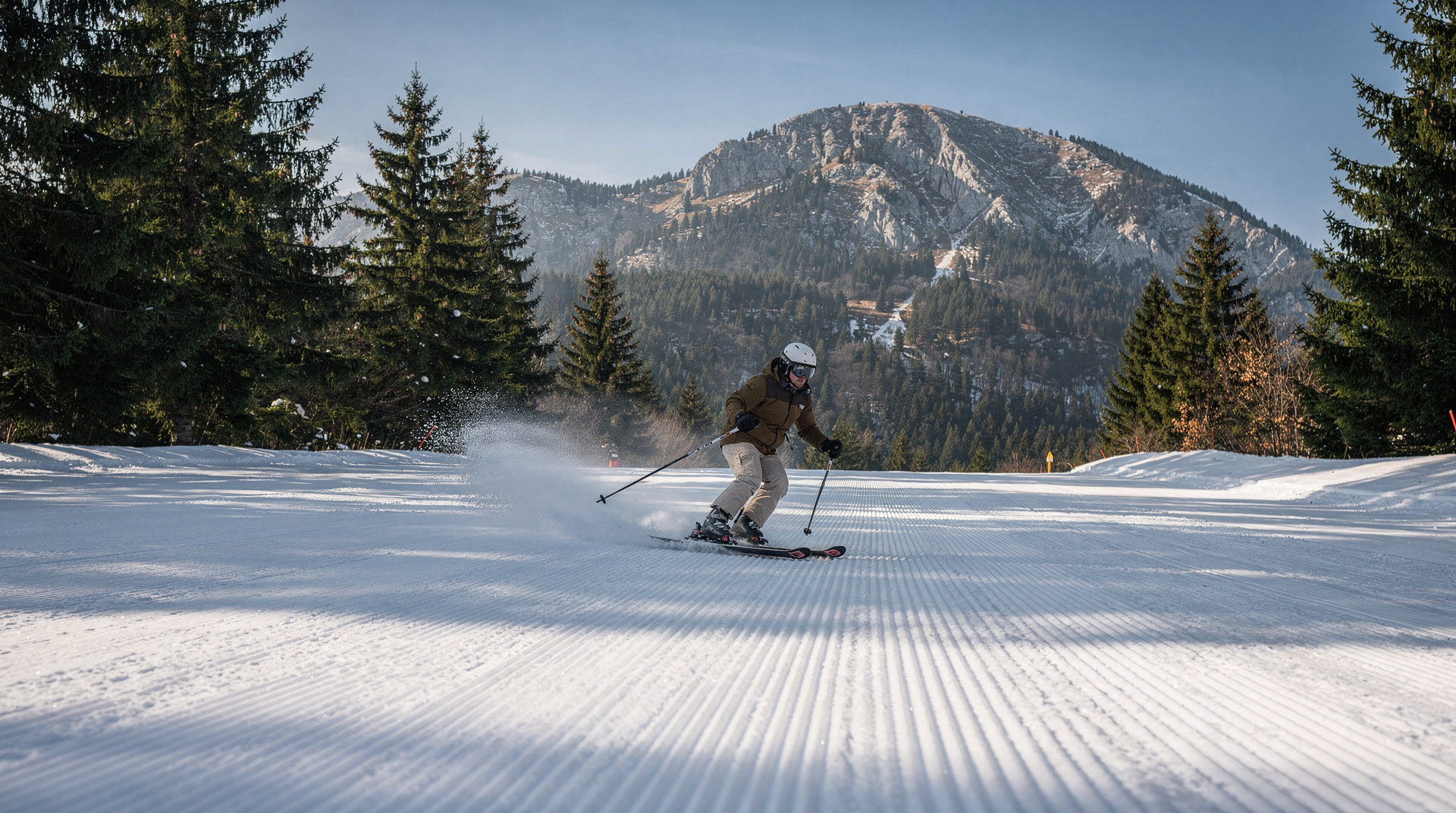
One of the genuinely unique things about Sarajevo is that you can ski in the morning and explore a UNESCO-listed Ottoman bazaar in the afternoon. The logistics are simple:
- Jahorina: 25 km, 35-45 minutes by car or ski bus. Day lift pass 35-55 BAM.
- Bjelašnica: 30 km, 40-50 minutes by car or ski bus. Day lift pass 25-45 BAM.
See the skiing in Bosnia guide for piste information and resort comparison.
If you do not ski but still want to see the Olympic mountains in their winter coat, a guided trip through the 1984 Winter Olympics mountains and museum is an easy way to combine the scenery with the history, without worrying about driving on snowy roads. The 1984 Winter Olympics guide gives the background.
If you would rather not drive, the best day hikes from Sarajevo and the Bjelašnica hiking guide are useful for seeing the same mountains on foot in calmer weather, while the Jahorina vs Bjelašnica comparison helps you pick the resort that suits your level. The Jahorina and Bjelašnica skiing guide goes deeper on slopes and rentals, and the Bjelašnica and Igman destination page places the mountain in context.
A winter day in the old town
A good winter day in Sarajevo follows the light. Start late, with a slow coffee and something warm from a bakery, then walk through Baščaršija while the alleys are still quiet. The Baščaršija guide maps the main streets, mosques and workshops, and winter is a fine time to follow it because you can stop often to step indoors.
Spend the middle of the day on one or two museums. The museums of Sarajevo guide helps you choose, and the War Childhood Museum guide is worth reading beforehand if you want to prepare for a quietly emotional visit. Winter’s early dusk then gives you a natural reason to return to the market, where the stalls look their best once the lights come on. If you would rather have the stories behind the streets, a walking tour of the old town with a local guide keeps the pace unhurried and lets you step into a warm doorway whenever the cold bites.
For a different angle on the city, the Austro-Hungarian Sarajevo guide explains the façades you pass on Ferhadija street, and the Ottoman heritage guide does the same for the older quarter. Both are more rewarding when the streets are empty enough to stop and look up.
Planning a longer winter stay
If a long weekend turns into a longer trip, the Sarajevo 4-day deep dive itinerary gives a ready-made order for the main sights, and the Sarajevo destination page is a good overview of the city’s districts. Travellers who want to add a night or two elsewhere can look at the Sarajevo to Mostar transport guide, though roads in the mountains can be slower in snow, so leave generous margins and check conditions before setting out.
Readers who like first-hand accounts will enjoy the winter in Sarajevo blog post, and the Trebević mountain page adds background on the peak above the city. The Sarajevo with family guide is helpful if you are travelling with children, who tend to love the snow and the cable car.
Arriving and moving around
Most visitors arrive by air, and the Sarajevo airport guide explains the options for getting into town. Once in the city, the Sarajevo public transport guide covers trams and trolleybuses, which are the easiest way to avoid walking long distances on icy pavements. Evenings are a good time to eat out, and the Sarajevo food tour guide suggests dishes worth trying when you want something hot and filling.
Practical winter tips for Sarajevo
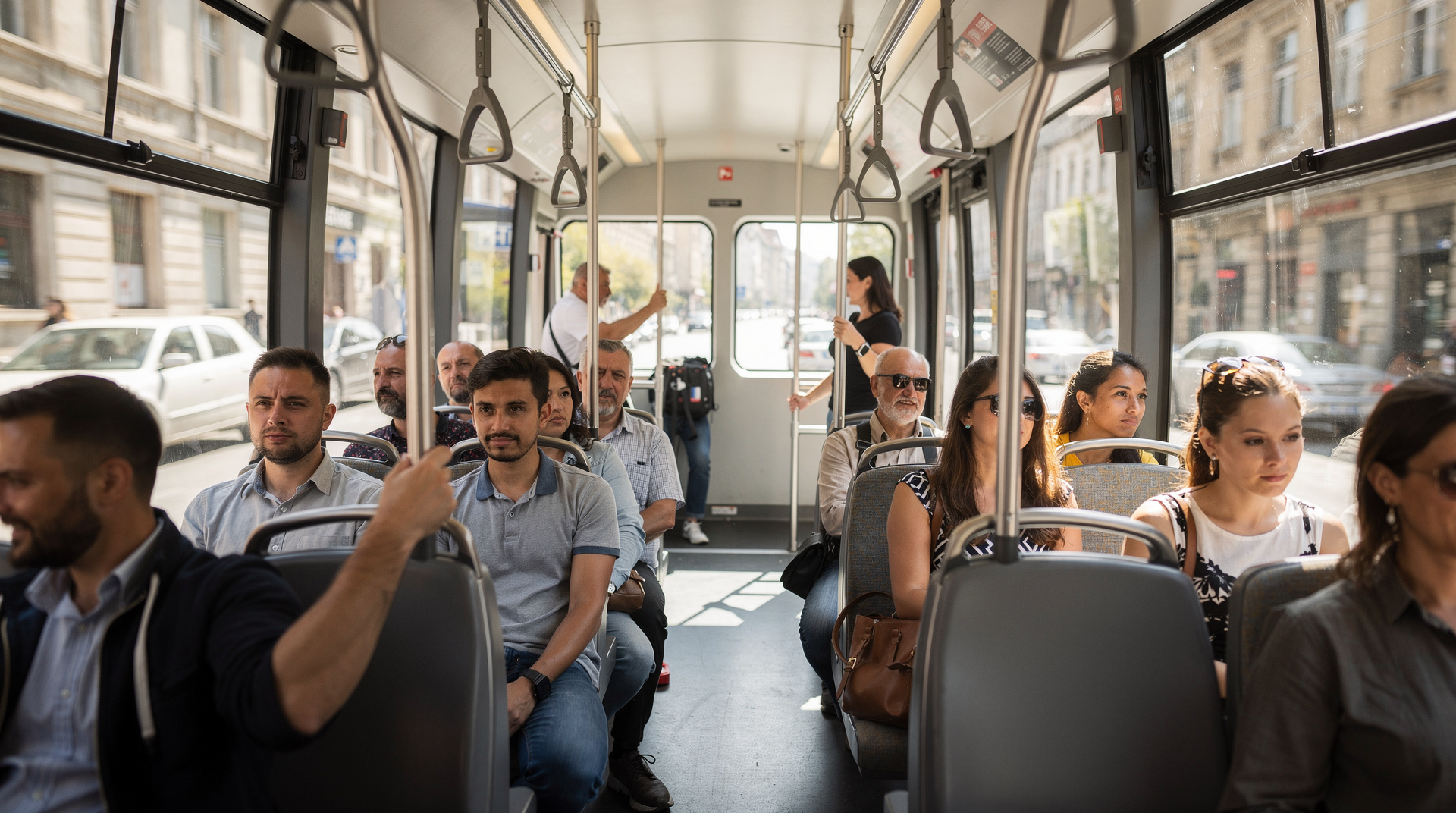
Getting around in snow: Sarajevo’s trams and trolleybuses continue operating in winter, though delays increase in heavy snow. The old town is compact and walkable — the pavements are cleared (not always well) and gritted.
Dress code: A proper winter coat, warm boots with grip (cobblestones are slippery when icy), hat and gloves. Temperatures can reach -10°C or lower in January–February cold snaps.
Accommodation: Winter prices in Sarajevo are noticeably lower than summer. A mid-range hotel in the old town area that costs 120-150 BAM in July might be 70-90 BAM in December. The Sarajevo accommodation guide covers the best areas to stay.
Daylight hours: Sunrise is around 7-8 AM in December; sunset around 4-4:30 PM. Plan outdoor activities for the middle of the day. Evenings in the old town are charming — well-lit and safe.
The faith calendar in winter Sarajevo
Bosnia’s “Jerusalem of Europe” identity is most visible in winter:
- Catholic Christmas (25 December): The Cathedral of the Sacred Heart holds services attended by Bosnia’s Croatian Catholic community.
- Orthodox Christmas (7 January): The Serbian Orthodox community celebrates the Julian calendar Christmas with services at the Orthodox Cathedral.
- New Year (1 January): Celebrated by all communities; fireworks over the old town.
- Ramazan (Ramadan): Varies annually, not always in winter; but when it falls in winter Sarajevo, the evening iftar meal transforms the city’s cafés and restaurants.
The four faiths of Sarajevo guide explains the religious geography of the city.
Frequently asked questions about Sarajevo in winter
Is Sarajevo safe in winter?
Yes. The city is safe year-round for tourists. The usual city common-sense applies (be aware of pickpockets in markets, use metered taxis). The snow and cold are manageable with appropriate clothing.
Can I fly to Sarajevo in December?
Yes. Sarajevo Airport (SJJ) operates year-round. Austrian Airlines (Vienna), Turkish Airlines (Istanbul) and Wizz Air maintain regular winter schedules. Prices are typically lower in December than summer.
What do locals do in Sarajevo in winter?
Exactly what you should do: long kafana coffee sessions, walks in the snow through the old town, skiing on weekends, restaurant evenings with grilled meat and wine, and the occasional evening at the National Theatre or Kamerni Teatar.
Is the Baščaršija winter market similar to German Christmas markets?
It’s smaller and more intimate. Less commercial, more authentic. The quality of handicrafts is high (genuine copper and silver work, not mass-produced trinkets) and the food and drink prices are low by any European standard. Think of it as Nuremberg at one-fifth the price and one-tenth the crowd.
Sarajevo winter month by month
| Month | Weather | Crowds | Notes |
|---|---|---|---|
| November | Cooling, occasional early snow | Low | Winter market begins mid-month; good value accommodation |
| December | -1 to 5°C, snow likely | Moderate (market, Christmas) | Peak atmosphere; book market-week hotels ahead |
| January | Coldest month, -10°C possible | Low outside New Year | Best skiing conditions; Orthodox Christmas (7 Jan) |
| February | Still cold, snow common | Low | Good ski conditions continue; quietest month for sightseeing |
Packing and budgeting for a winter trip
Beyond a proper coat, pack layers you can adjust between an overheated kafana and an exposed Trebević summit — temperature swings of 15-20°C between indoors and out are normal. Grippy footwear matters more than it sounds: Baščaršija’s cobblestones ice over and are genuinely slippery, and this catches out visitors used to salted Western European pavements every year.
Budget-wise, winter is meaningfully cheaper than summer across the board — hotels, ski passes and even restaurant meals often run 20-40% below peak summer/festival pricing. Combine this guide with the Bosnia on a budget guide for a fuller cost breakdown, and the Bosnia in winter guide for conditions outside Sarajevo if you plan to travel onward to Mostar or Jajce.
Top experiences
Bookable activities with verified prices and instant confirmation on GetYourGuide.