Bosnia in winter
Sarajevo: Cable Car and Olympic Museum Guided Walking Tour
Is Bosnia worth visiting in winter?
Yes. Sarajevo under snow is genuinely magical, with a rich Ottoman-Habsburg character that the snow amplifies. Jahorina and Bjelašnica offer affordable skiing. Most day trips close or reduce service. December is especially atmospheric.
Winter in Bosnia is a different world from the summer version — quieter, more intimate, and in many ways more revealing of the country’s character. Sarajevo under snow, with smoke rising from Ottoman chimneys and the call to prayer echoing over white rooftops, is one of the most evocative scenes in the Balkans. Add some of Europe’s most affordable ski resorts and you have a compelling winter destination that most travellers completely overlook.
| At a glance | |
|---|---|
| Where | Sarajevo (snow, city, culture) and Jahorina/Bjelašnica (skiing, 25-30 km away) |
| Weather | Sarajevo around -2 to 5°C with snow; Mostar milder, 5-12°C, rarely freezing |
| Cost | Bosnia’s cheapest season — accommodation typically 20-40% below summer rates |
| What closes | Rafting, most Kravice tours, some rural guesthouses and mountain passes |
| Getting around | Winter tyres mandatory Nov 15-Apr 15; reduced Sarajevo-Mostar train timetable |
Winter weather by region
Sarajevo (850 m): December–February temperatures average -2°C to 5°C, with regular snow. The city is accustomed to winter — public transport continues normally, restaurants stay open, and the old town bazaar remains animated. Sarajevo gets genuine snow most winters, sometimes heavy in January–February.
Mostar and Herzegovina (50-200 m): Much milder. December–February temperatures average 5-12°C — chilly but rarely freezing at low elevation. Snow falls occasionally but rarely stays. Mostar in winter is quiet, atmospheric and pleasant for walking.
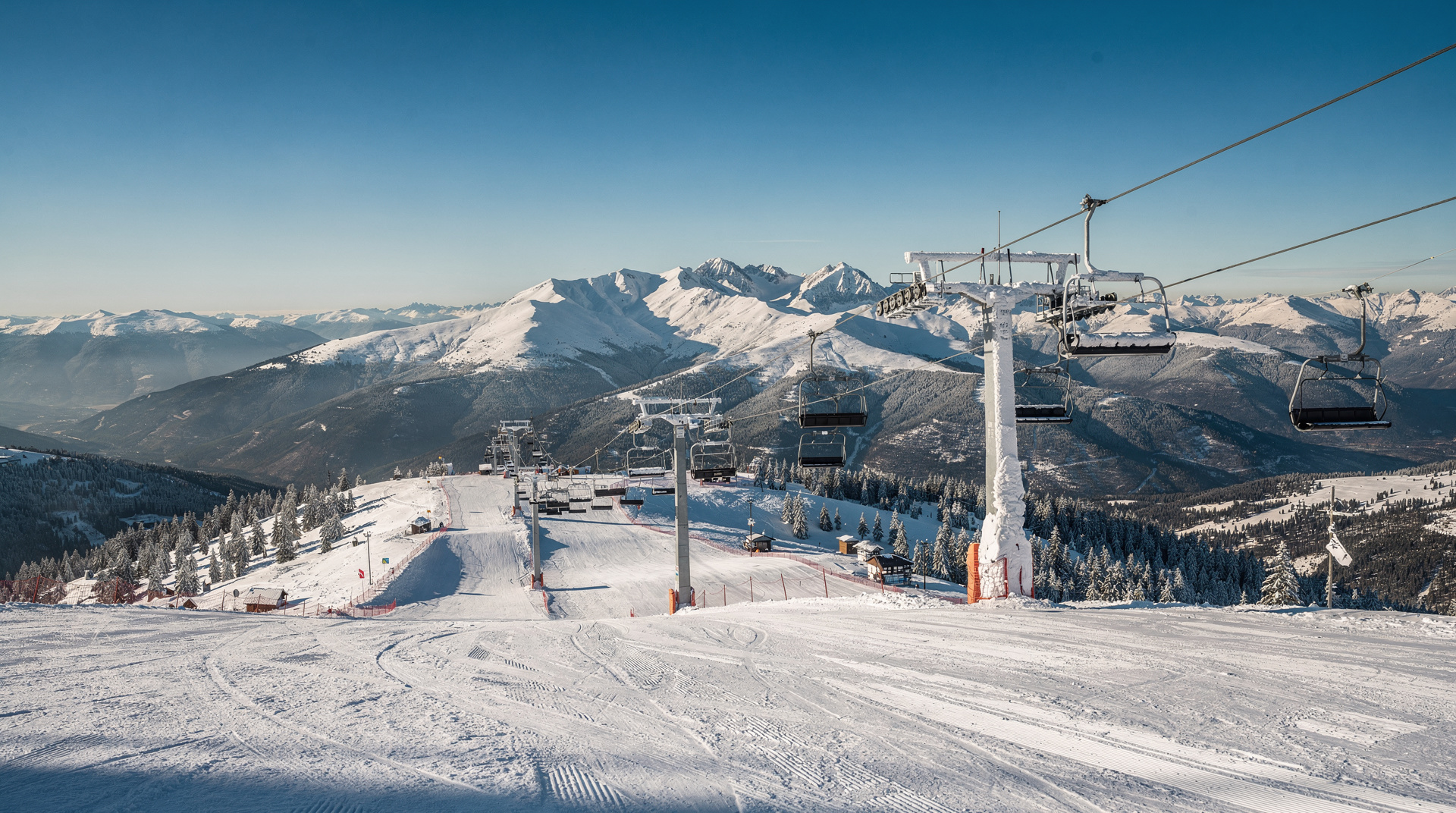
Mountain resorts (Jahorina 1,400-1,916 m; Bjelašnica 1,500-2,067 m): Snow typically arrives in late November or December and remains reliable through March, sometimes April. The Olympic mountains receive consistent snowfall and have well-developed ski infrastructure.
Sarajevo in winter
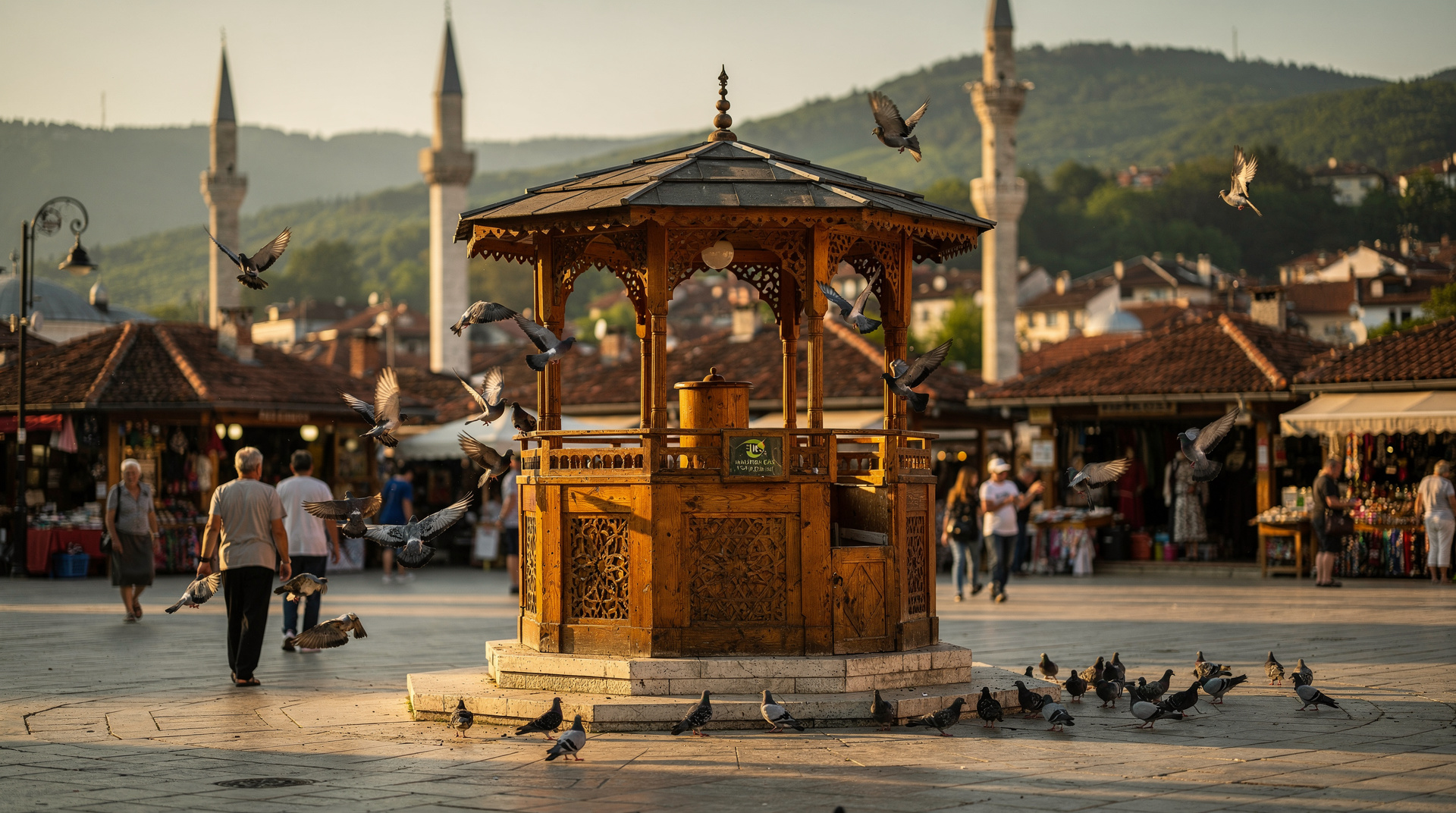
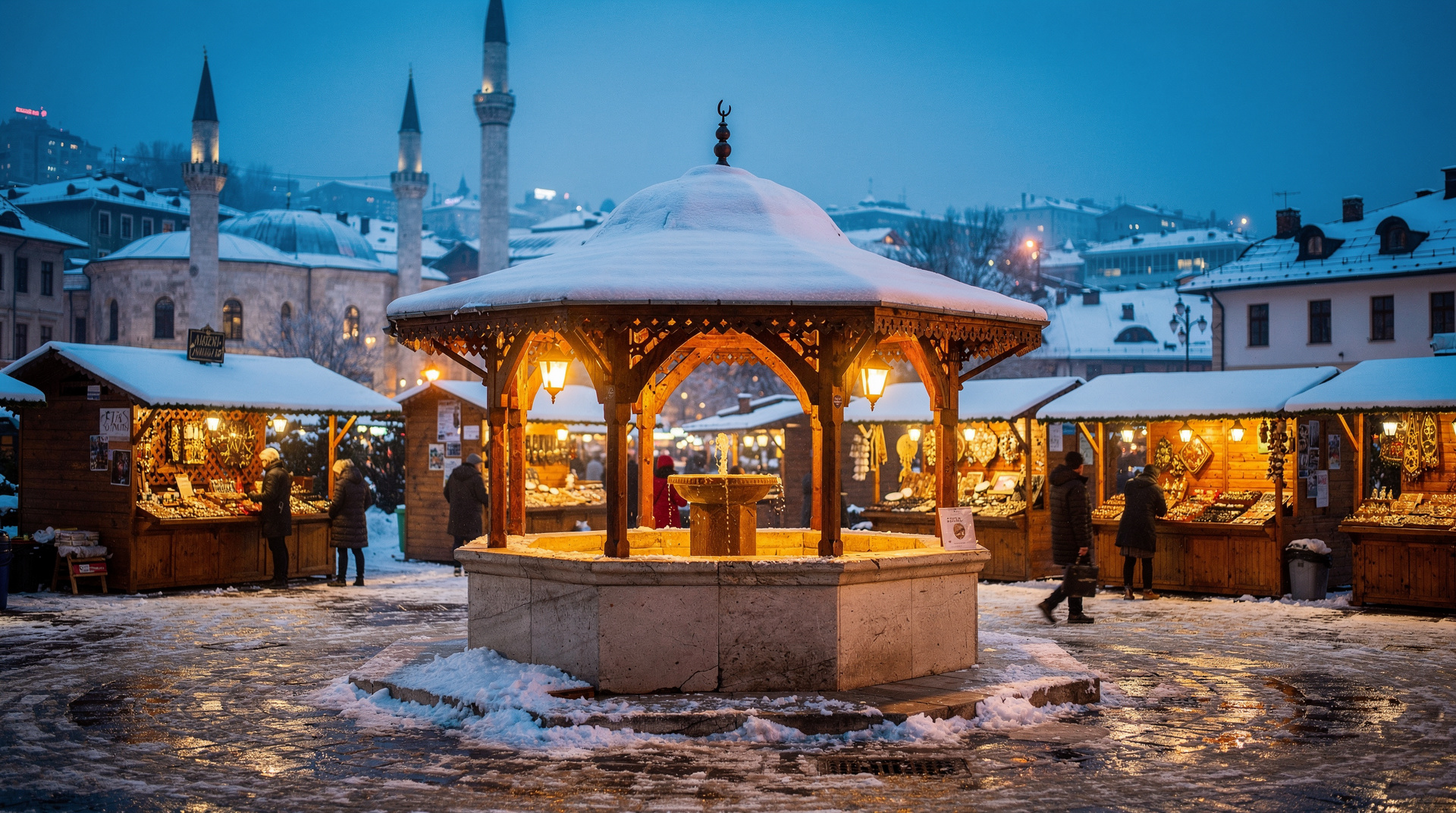
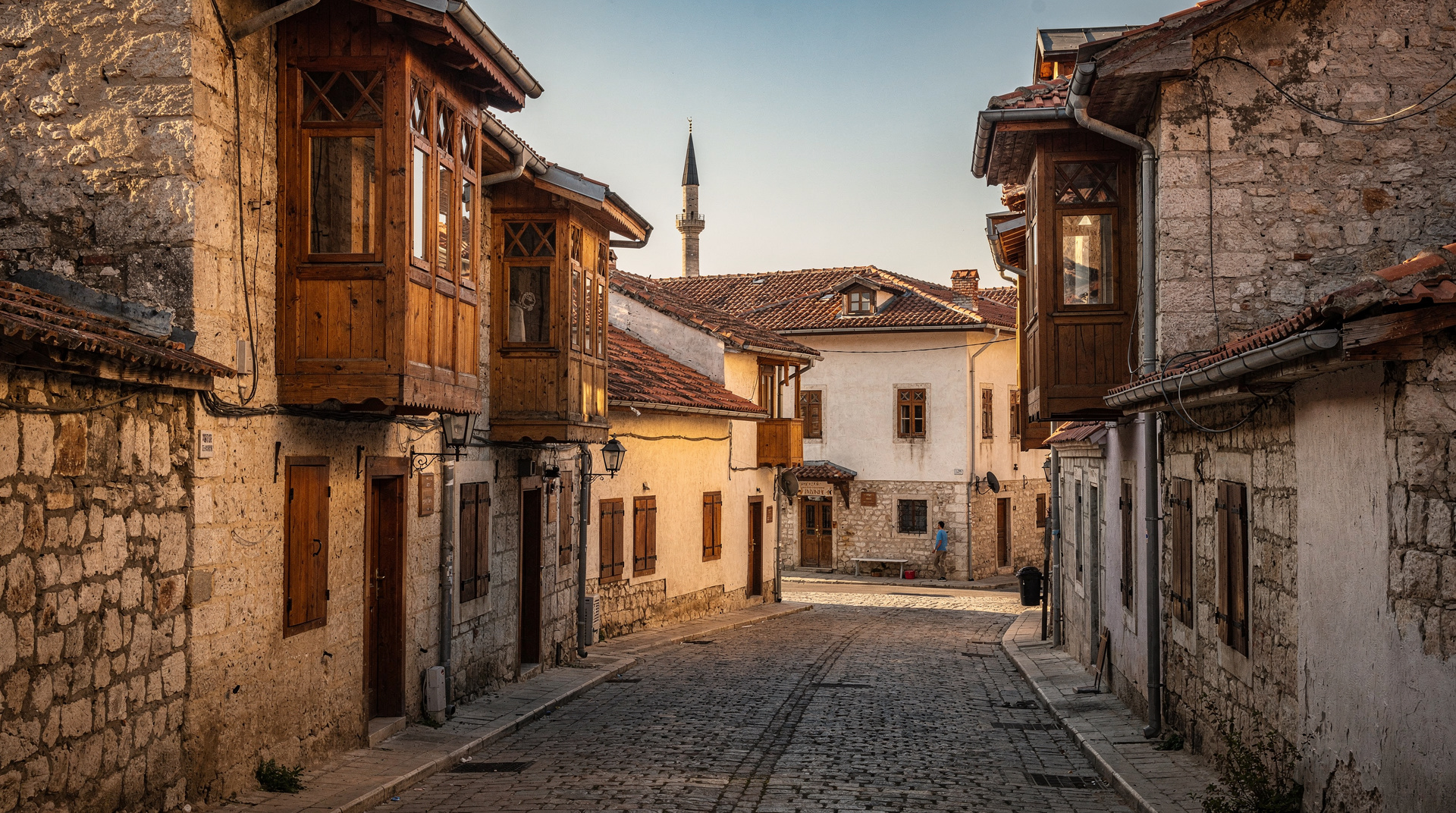
Sarajevo’s old town is at its most photogenic under snow. The Ottoman wooden houses (sevdalinka architecture), the domed bazaar of Baščaršija and the clock tower against a white sky create images that feel like they belong to another century. This is one of the few European cities where an Islamic, Christian and Jewish heritage coexist in a small historic core — and winter’s quietness lets you appreciate the architecture without summer’s crowds.
The Baščaršija Winter Market (Zimski festival) typically runs from mid-November through December, with stalls selling handicrafts, traditional food and warm drinks. It is small compared to Vienna or Prague’s Christmas markets, but charming and authentic. Prices are a fraction of Western European equivalents.
The Sarajevo in winter and Christmas guide covers the winter festival, best warm cafés, what to wear and how to make the most of a December visit.
Skiing: Jahorina and Bjelašnica
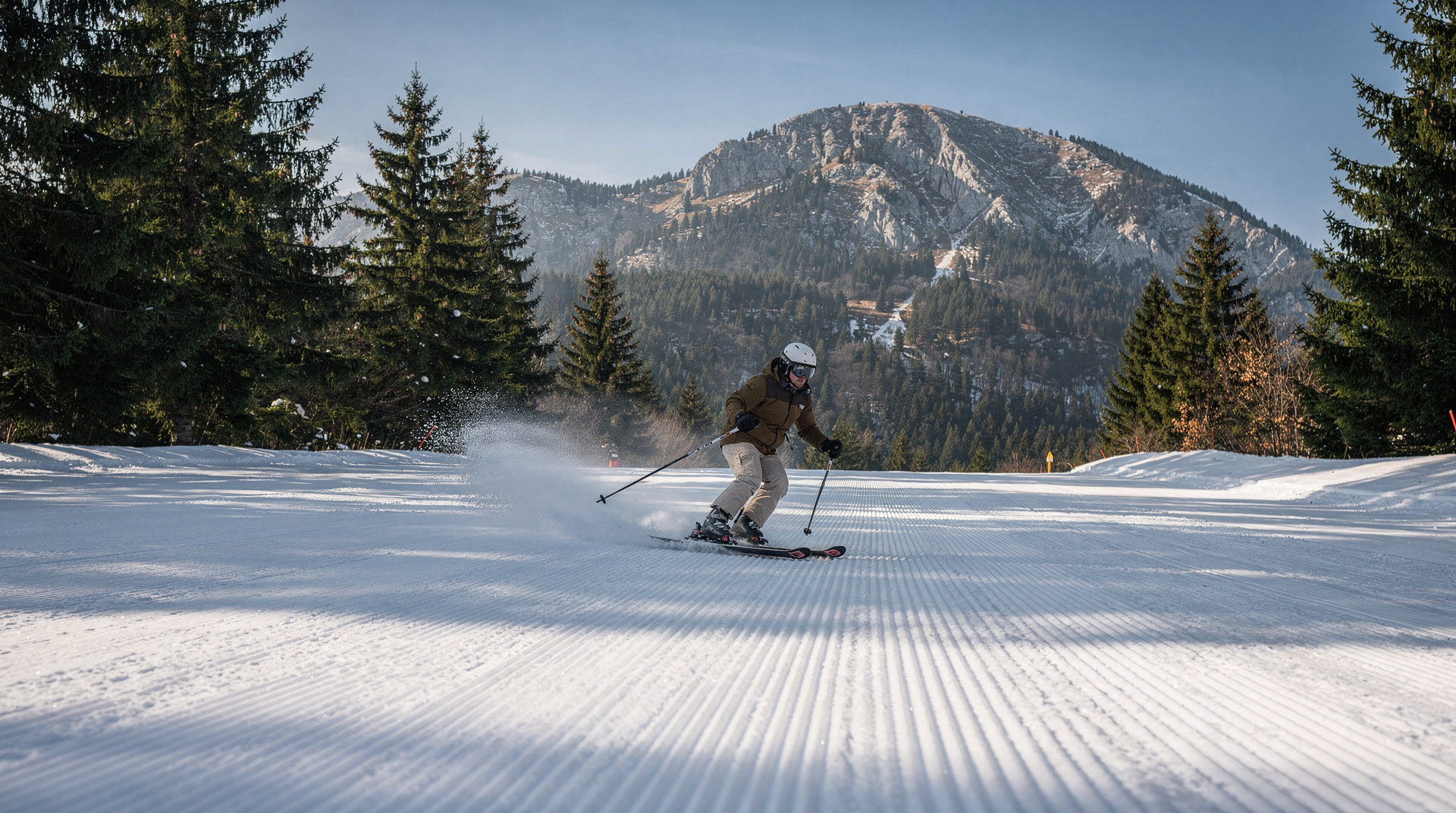
Bosnia’s two main ski resorts — Jahorina and Bjelašnica — are just 25-30 km from Sarajevo city centre and both served by ski buses from the city.
Jahorina: Bosnia’s premier ski resort. About 40 km of runs, mostly intermediate, with some advanced terrain. Modern lifts, ski rental, ski school, several mountain restaurants. Day ski pass typically 35-50 BAM (€18-26). Accommodation available at slope-side hotels or day trip from Sarajevo.
Bjelašnica: Smaller and quieter than Jahorina. Fewer runs but more character — the village of Umoljani nearby is one of Bosnia’s most authentic mountain communities. The skiing guide compares both resorts in detail.
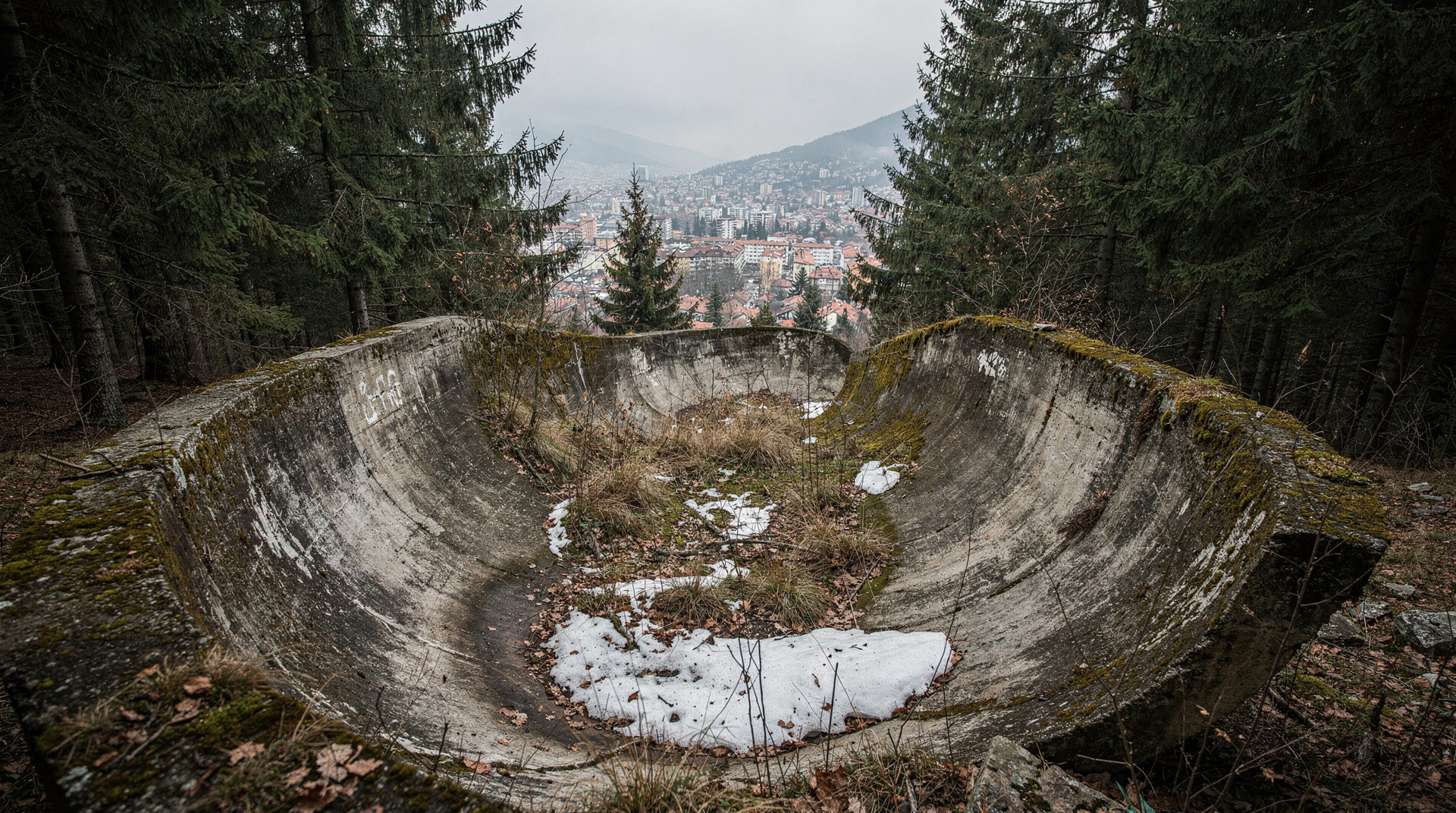
Both resorts hosted the 1984 Winter Olympics, which remains a source of civic pride for Sarajevo. The bobsled track ruins on Trebević mountain above the city are a fascinating wartime relic — the track was used as a defensive position during the siege.
Sarajevo cable car and Olympic Museum tourThe cable car on Trebević offers beautiful views of snow-covered Sarajevo in winter; hours vary by season and it is closed on some weekdays (check zicara.ba before you go).
What to do beyond skiing
Winter Bosnia is not just for skiers. The cold season reveals a different character:
War history sites: The Tunnel of Hope Museum, Sniper Alley sites and Sarajevo’s war memorials are all year-round. Winter gives them a solemnity that summer visits lack. The war history tour runs year-round.
Museum hopping: Sarajevo’s excellent museums — the History Museum of Bosnia and Herzegovina, the National Museum, the War Childhood Museum — are best visited in winter when you’re not rushed to get outside.
Bosnian coffee culture: Warming up in a traditional kafana or Ottoman-style café (kahvehane) over a džezva of Bosnian coffee is one of the quintessential winter experiences. The Bosnian coffee culture guide explains the ritual.
Mostar in winter: The quiet version of Mostar — bridge divers gone, tour buses absent, restaurants half-empty and happy to see you — is many people’s favourite version of the city. A winter weekend combining snowy Sarajevo and mild Mostar is an excellent itinerary.
What closes in winter
Honest accounting of winter limitations:
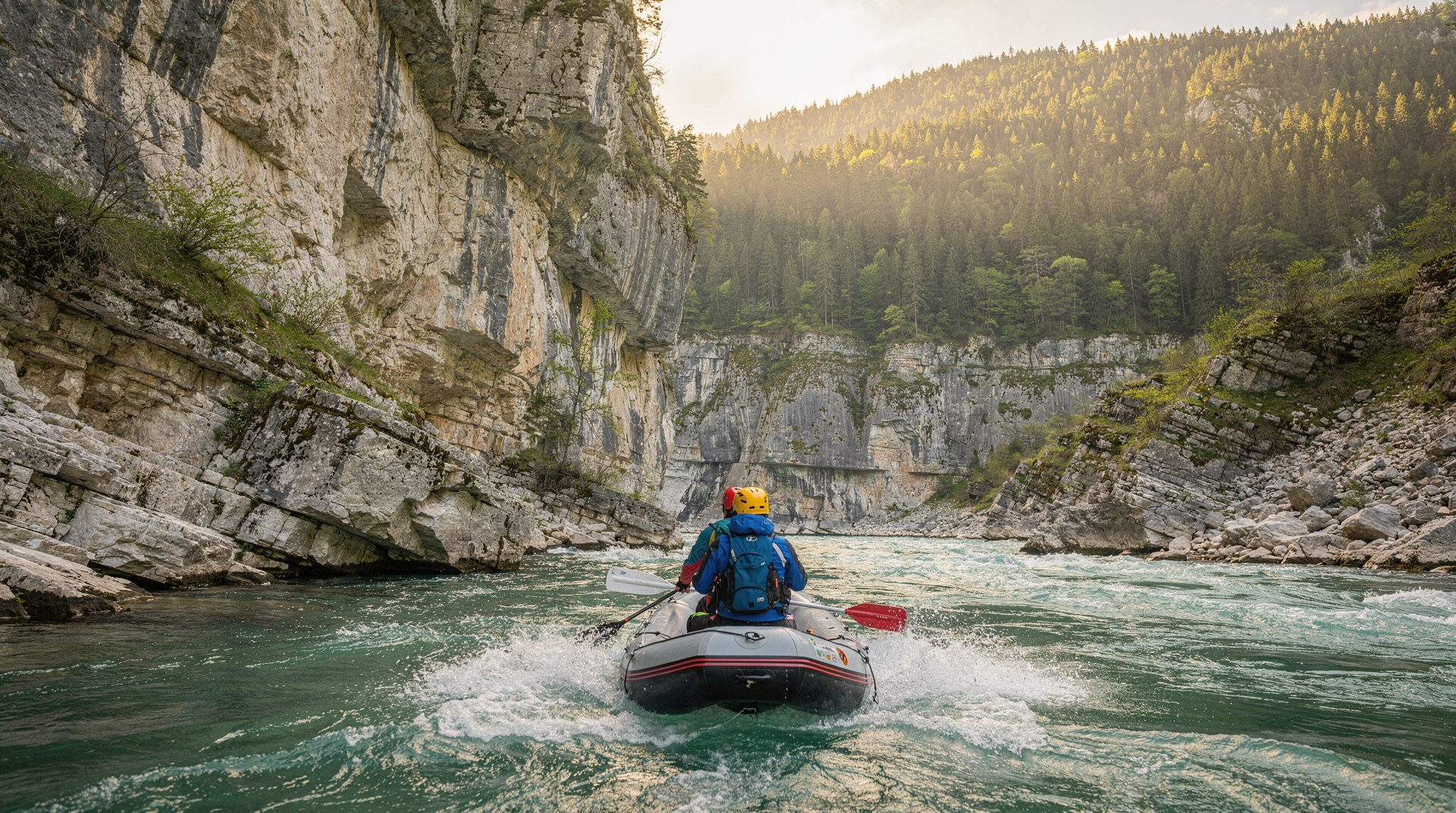
- Rafting: Neretva, Una and Tara rafting all close or reduce dramatically December–February. Some operators offer reduced winter rafting when conditions allow.
- Kravice Falls tours: Most organised tours from Mostar stop in December–February. The falls themselves are accessible by car year-round but the tour infrastructure shuts down.
- Mountain passes: High passes (Sutjeska, Prenj, Zelengora) can be snowbound and impassable December–April. Check road conditions before attempting mountain drives.
- Scenic train (Sarajevo–Mostar): Reduced winter timetable — check Željeznice FBiH before planning.
- Some smaller guesthouses: Rural guesthouses (particularly around Lukomir and remote villages) close for winter.
Budget advantages of winter
Winter is Bosnia’s low season for tourism (outside the ski resorts). Prices drop:
- Accommodation: 20-40% cheaper than summer in Sarajevo and Mostar
- Flights: Lower airfares to Sarajevo in January–February
- Tours: Many guided tours cost less in winter; negotiation is easier with local operators
- Restaurants: Mostar’s restaurants are happy to see guests; service is more personal
The overall saving compared to a summer trip can be significant — making winter an excellent choice for budget-conscious travellers.
Packing for winter Bosnia
- Warm layers: Temperatures in Sarajevo can reach -10°C in cold snaps. Bring a proper winter coat, not just a fleece.
- Waterproof boots: Snow in the city, mud on mountain approaches. Waterproofing is essential.
- Hat, gloves, scarf: Standard winter kit. Wool hat especially important if you plan time outdoors.
- Ski gear: Rental is available at both resorts (5-20 BAM/day depending on equipment). If you ski regularly, bring your own boots at minimum.
- Layers for interiors: Bosnian buildings (old houses, traditional restaurants) can be either very warm or draughty — layers let you adapt.
Eating and drinking when it is cold
Winter is the season when Bosnian food makes the most sense. Hearty, slow-cooked dishes, hot pastries and strong coffee are built for cold days, and a long lunch is a perfectly good way to spend an afternoon when the weather turns. The Bosnian food guide explains the dishes worth ordering, while the burek and pita guide covers the simplest winter breakfast there is: something warm, savoury and eaten standing up or at a small table near the window.
In Sarajevo, the best restaurants guide and the food tour guide help you plan indoor meals around the old town, and čevapi in Sarajevo is as satisfying in winter as at any other time of year. In Mostar, the restaurant guide is useful precisely because winter is when owners have time to talk. If you want something stronger to go with a cold evening, the rakija guide explains what you are being offered and how to drink it politely, and the Herzegovina wine guide points you towards the south for something gentler.
Rhythm of a winter day
Winter days are short, so the sensible approach is to do the outdoor part of the day first and keep the evening for somewhere warm. A typical day in Sarajevo might begin with a walk through the old town while the streets are still quiet, move to a museum or café when the cold sets in, and end with a long dinner. The museums of Sarajevo guide and the War Childhood Museum guide are good starting points for the indoor hours.
On a ski day the rhythm reverses: leave early, ski while the light is good, and come back to the city for the evening. The Jahorina vs Bjelašnica comparison helps you decide which mountain suits your level and your appetite for quiet, and the Bjelašnica destination page gives the wider context of the mountain and its villages.
Winter with other people
Winter works well for couples and groups who like atmosphere more than activity, and it can work for families if you plan around the weather. Snow is a treat for children, and the Sarajevo with family guide and the Bosnia with kids guide both help you balance outdoor time with indoor options. Solo travellers often find the quiet season easier, because guesthouse hosts and café owners have more time for conversation, and the pace of the old town lets you settle in rather than rush from sight to sight.
Choosing winter over another season
If you are still deciding when to go, the best time to visit Bosnia guide sets every season side by side. Winter wins on atmosphere, quiet and value, and loses on outdoor adventure and access to remote places. If that trade-off sounds right, book Sarajevo first, add Mostar for contrast, and treat any mountain excursion as a bonus that depends on conditions rather than a fixed plan. For travellers who want snow but also a longer route, the Bosnia 7-day itinerary can be adapted to the winter calendar by dropping the outdoor stops that close and leaning on the cities.
Winter itinerary suggestions
Weekend city break (Sarajevo 3 nights): Old town walking in the snow, war history sites, Bosnian coffee ritual, one day at Jahorina ski resort, Baščaršija market evening.
Week-long winter trip: Sarajevo 4 nights (city + ski), Mostar 2 nights (mild weather, empty streets, Herzegovina wine), Trebinje 1 night (dramatic hilltop church, monastery vineyards).
Winter itinerary at a glance
| Nights | Base | Focus |
|---|---|---|
| 1-3 | Sarajevo | Old town in snow, war history sites, Bosnian coffee, one ski day at Jahorina or Bjelašnica |
| 4-5 | Sarajevo + Mostar | Add 2 nights in Mostar for the mild, empty-streets version of the city |
| 6-7 | + Trebinje | Add 1 night in Trebinje for its hilltop monastery and Herzegovina wine country |
Getting between bases in winter
The Sarajevo to Mostar transport guide covers the reduced winter train timetable and bus alternatives — buses run more reliably than the scenic train in the coldest months. Within Sarajevo, public transport continues normally through snow, and ski buses to Jahorina and Bjelašnica run from the city centre. For where to stay, the Sarajevo accommodation guide and Mostar accommodation guide both flag which guesthouses stay open through winter.
Staying safe and comfortable
Most winter problems in Bosnia are practical rather than dangerous: slippery pavements, cold buildings and roads that need more time than the map suggests. The driving in Bosnia guide and the car rental guide are worth reading before you commit to a self-drive winter trip, and the Bosnia safety guide covers the general picture. If the weather looks bad, the getting around Bosnia guide lists the alternatives to driving. Keep to marked paths and cleared roads, and read the landmine safety guide before any walk outside towns, since snow can hide the signs that normally make a route obvious.
Winter and the war history sites
Winter is arguably the most powerful season to visit Sarajevo’s siege-era sites. The Tunnel of Hope guide and the Sarajevo Roses memorials guide both note that the cold, quiet streets echo the atmosphere of the 1992-95 siege years more than a busy summer visit does — worth building into any winter city break alongside the lighter Baščaršija market experience.
Going deeper on Sarajevo’s winter history
If you want help making sense of the siege years, a guided visit adds context that a self-guided walk cannot. A small-group outing such as a small-group tour of the siege story and the Tunnel of Hope pairs well with the Sarajevo siege and Tunnel of Hope guide, the Sniper Alley guide and the Sarajevo war tour guide. For the lighter side of the city’s past, the 1984 Winter Olympics guide tells the story behind the mountains you can see from the old town, and a guided look at the Olympic mountains and the museum is a sensible way to see them if you would rather not drive on snowy roads yourself.
For a wider read on the season, the blog post on winter in Sarajevo gives a personal account, and the Sarajevo destination page and Mostar destination page frame the two cities you are most likely to base yourself in. If you plan to leave the capital for a day, the Mostar day trip from Sarajevo guide and the Sarajevo Roses memorials guide are useful companions, and the Bosnia safety guide, the landmine safety guide and the getting around Bosnia guide cover the practical side. Skiers choosing between mountains can also read the skiing in Jahorina and Bjelašnica guide.
Frequently asked questions about Bosnia in winter
Is it safe to drive in Bosnia in winter?
On main roads, yes — roads are treated and well-maintained. Mountain secondary roads require winter tyres (mandatory by law November 15 – April 15) and care. Check weather forecasts before mountain drives.
Are restaurants and cafés open in winter Sarajevo?
Yes. Sarajevo’s dining and café scene functions year-round. Some outdoor terrace venues close, but the old town’s interior cafés are at their cosiest in winter.
Can I see both snow and the sea in one winter trip?
Not easily — the Adriatic coast is Croatia’s, not Bosnia’s. But combining snowy Sarajevo with mild Mostar (2h30 away) gives you an atmospheric contrast. Dubrovnik is 3h from Mostar if you want the Adriatic in your trip.
How cold is Mostar in December?
December in Mostar typically averages 6-10°C during the day, dropping to 2-5°C at night. Chilly but pleasant for walking. Snow is rare in Mostar itself, though you might see snow-capped mountains in the distance.
Is the Sarajevo Tunnel of Hope open in winter?
Yes, it operates year-round with a small entry fee (20 BAM). Winter visits are often quieter than summer, letting you spend more unhurried time in the narrow preserved tunnel section and the small museum around it.
Top experiences
Bookable activities with verified prices and instant confirmation on GetYourGuide.