Ilidža & Vrelo Bosne
Explore Vrelo Bosne, the source of the Bosna river, on a half-day trip from Sarajevo through Ilidža's leafy carriage lane.
Sarajevo: Vrelo Bosne Nature Park Private Tour
Quick facts
- Region
- Sarajevo Canton
- Distance from Sarajevo
- 12 km west
- Currency
- BAM (1 EUR = 1.95583 KM)
- Entry fee
- 2 BAM (1 EUR)
Just 12 kilometres west of Sarajevo’s old town, Vrelo Bosne (literally “the boiling of the Bosna”) is one of the most rewarding half-day escapes in central Bosnia. Here, dozens of cold karst springs bubble up from beneath the base of Igman mountain, joining almost instantly to form the Bosna river. The result is a watery park of crystal channels, weeping willows and wooden bridges that feels utterly different from the urban bustle of Baščaršija.
| At a glance | |
|---|---|
| Where | Ilidža, 12 km west of central Sarajevo, reachable by tram |
| Cost | Under 30 BAM (around 15 EUR) for entry, transport and lunch combined |
| Time needed | Half a day (3-4 hours including the walk and a meal) |
| Getting there | Tram line 3 to Ilidža, then a 2 km walk or fijaker carriage |
| Best time | April-October; May-June for the greenest, least crowded visit |
Getting there from Sarajevo
Take tram line 3 from the city centre to the Ilidža terminus — the ride costs 2.20 BAM and takes about 25 minutes. From there you walk or hire a horse-drawn carriage (fijaker) along the two-kilometre tree-lined avenue that leads directly to the park entrance. The carriage costs roughly 20 BAM for two people and is a pleasantly old-fashioned way to arrive; bargain gently but don’t expect to pay less than 15 BAM for the round trip.
Drivers coming from Sarajevo centre follow the M17 motorway spur westward; parking near the Ilidža tram terminus is free. Do not drive into the park itself — it is pedestrian only beyond the gate.
The springs and the river path
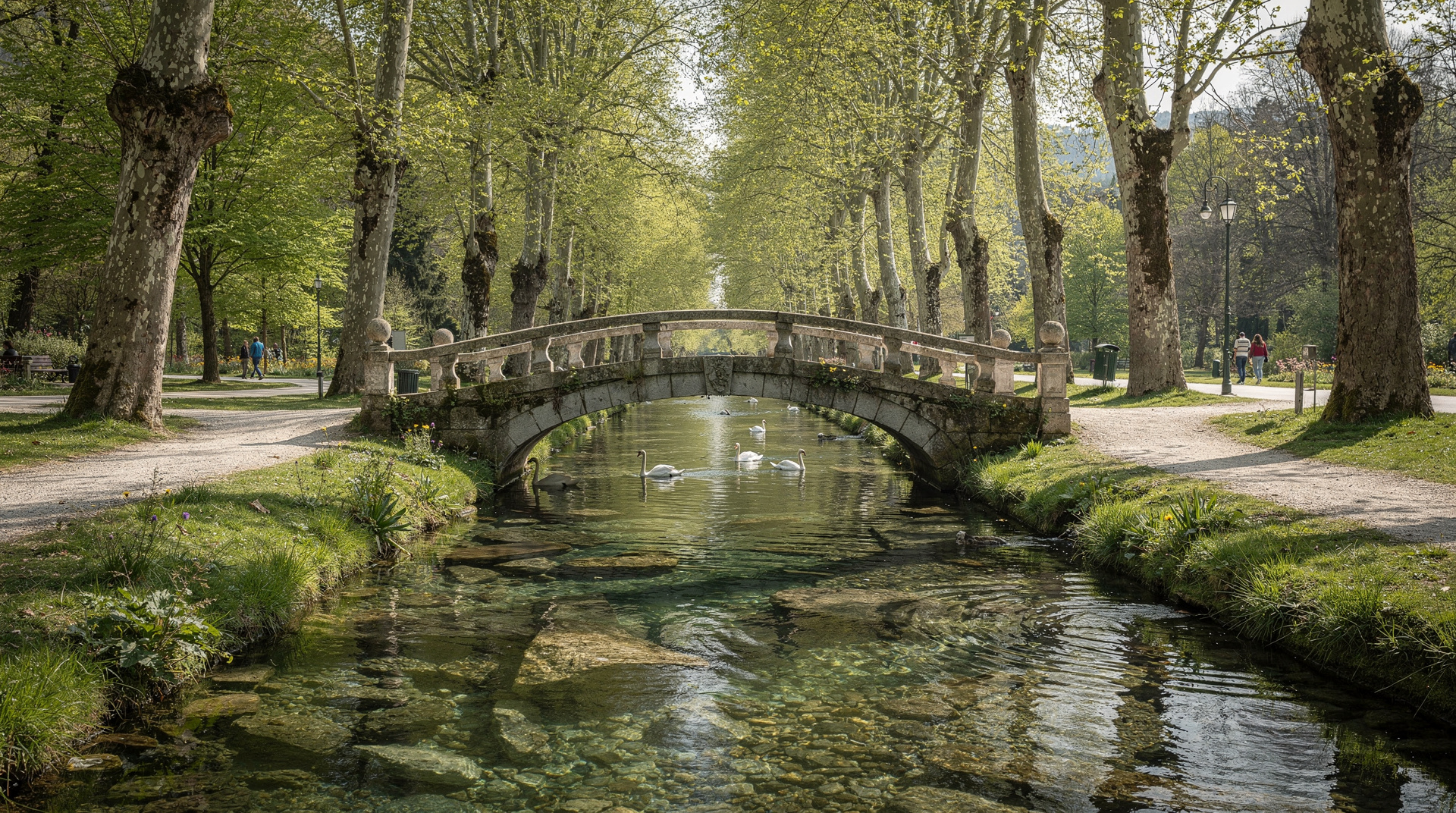
The park covers about 2.5 km from the entrance gate to the main spring basin. The path is flat, surfaced with gravel and lined with mature plane trees, so it is fully accessible with pushchairs and comfortable in sandals. Along the way you cross several wooden bridges over channels that are an improbable shade of turquoise green, fed by water that stays around 10°C year-round.
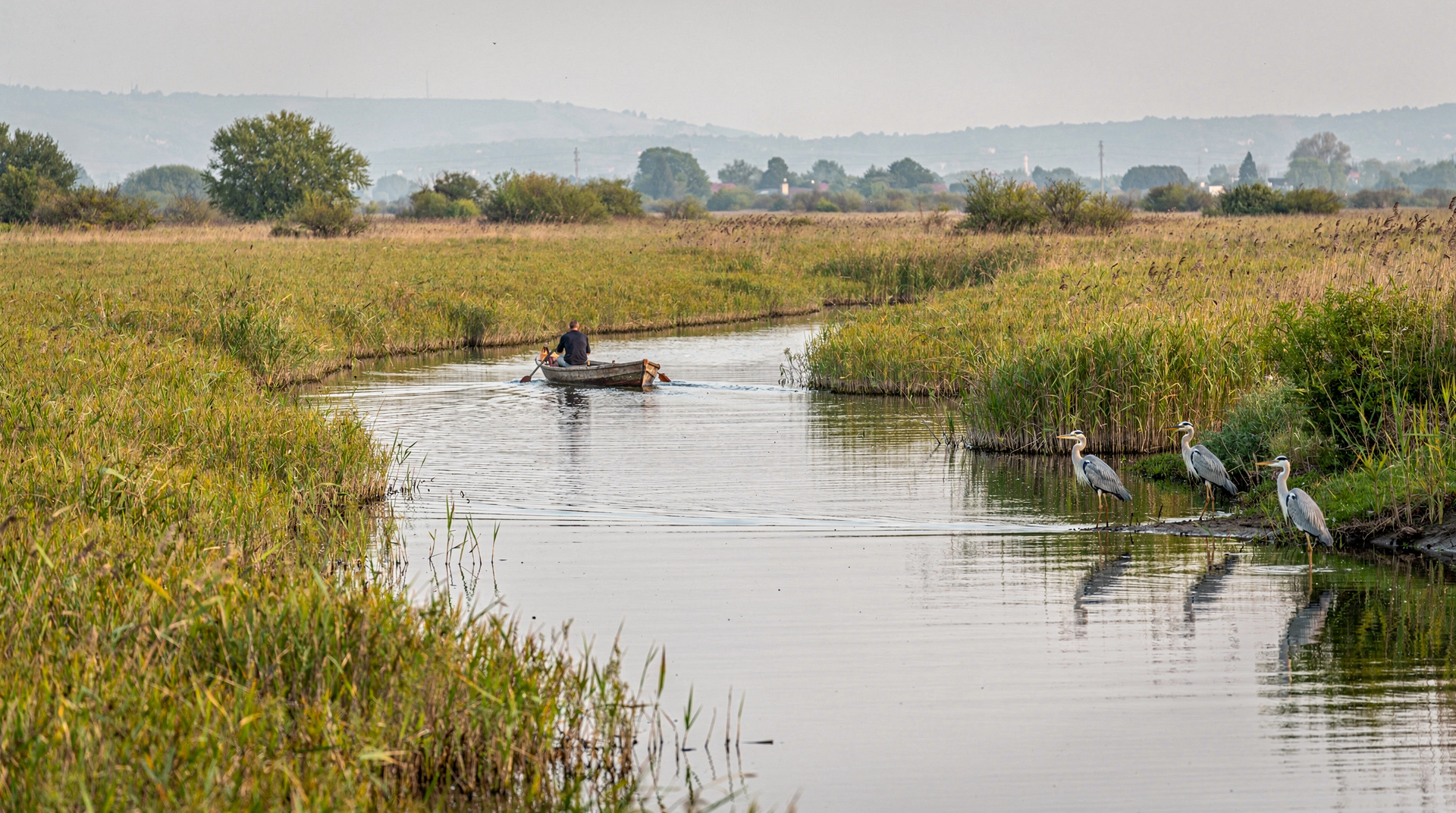
At the far end, the primary spring forms a wide shallow basin edged with reeds and swan families. In May and June the grass is vivid, the air smells of water mint, and the park is at its most photogenic. July and August bring picnicking families from Sarajevo and temperatures on the path can climb to 30°C in the sun, so aim for early morning visits.
A guided half-day tour from Sarajevo to Vrelo Bosne typically pairs the springs with the Ilidža spa district and takes the guesswork out of public transport timings — a good option if you want historical commentary alongside the scenery.
Ilidža town itself
The suburb of Ilidža grew around thermal springs in the late Ottoman period and flourished under Austro-Hungarian administration. The Hotel Austria (now renovated under a different name) and the long boulevard date from that era. Today there are several decent restaurants along the main street offering Bosnian grills and cold Sarajevsko pivo at around 3-4 BAM per beer. The town has a modest local market on weekend mornings where you can pick up honey, kajmak cheese and seasonal fruit.
What to budget
Entry to the Vrelo Bosne park: 2 BAM (approx. 1 EUR). Tram return from centre: 3.60 BAM total. Horse-drawn carriage to the springs and back: 20-30 BAM. A sit-down lunch at a riverside restaurant in Ilidža: 15-25 BAM per person. The whole half-day can comfortably be done for under 30 BAM (15 EUR) if you keep it simple.
Combining with nearby attractions
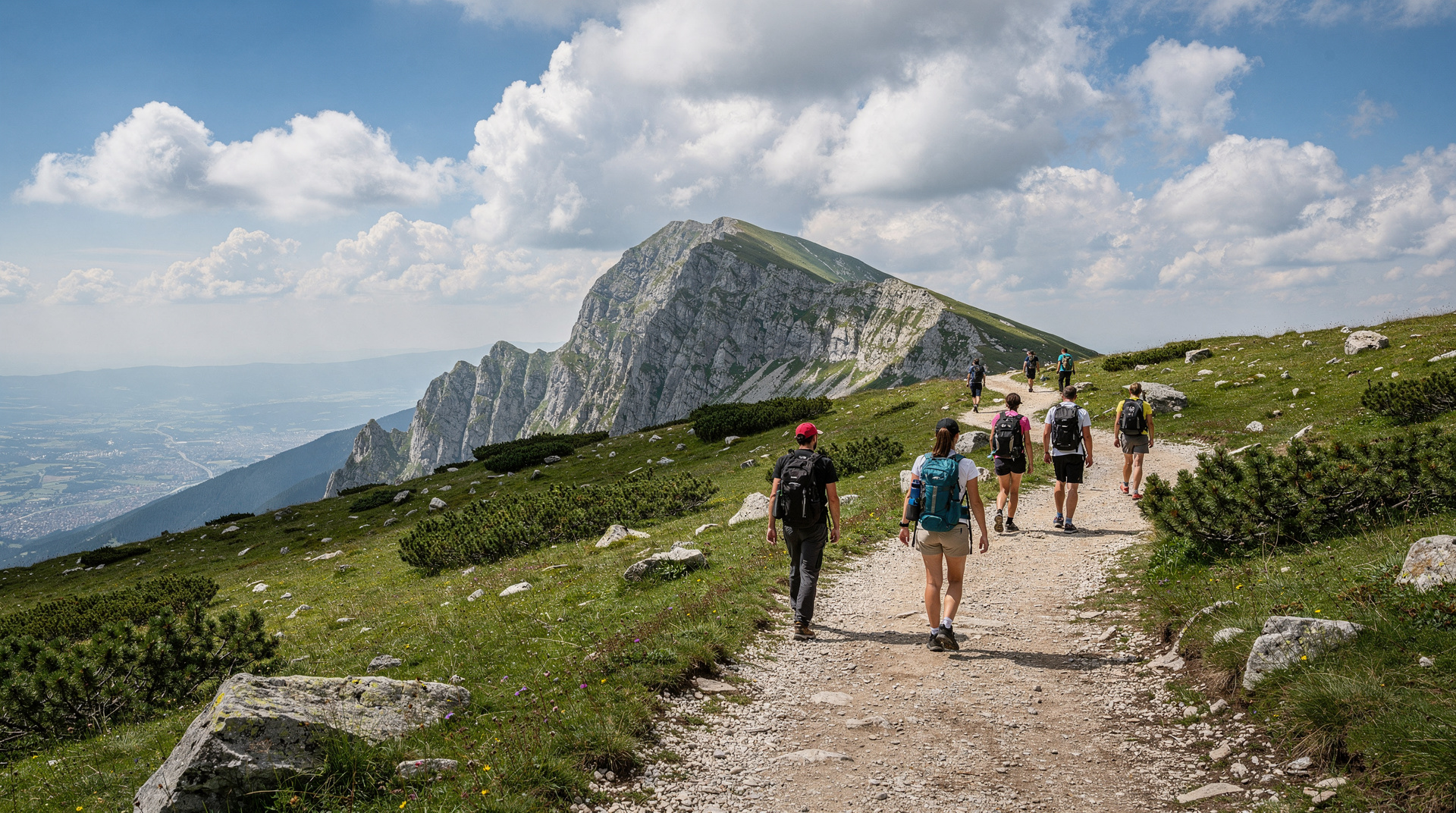
Vrelo Bosne pairs naturally with the Bjelašnica and Igman plateau if you have a car — the two destinations share the same mountain massif. You can also continue west from Ilidža to the Bijambare caves, a short stalactite cave system about 25 km away, or fold the springs into a longer day that includes Lukomir village, though that requires a car and a full day.
For a broader look at hiking options within an hour of the city, see our guide to day hikes from Sarajevo.
Practical tips
- Arrive before 10:00 on summer weekends to avoid the main crowds.
- The springs are beautiful after rainfall, when the channels run fuller and the colours intensify.
- There is a small café near the main spring basin; do not rely on it for a full meal.
- Minefield warnings do not apply to the park itself, but if you leave the main trails on the Igman slopes, stick to marked paths — parts of the mountain still have post-war contamination.
- The avenue is wide enough that cyclists are common; pedestrians have right of way but watch for fast-moving bikes.
Vrelo Bosne is rarely the headline reason anyone comes to Sarajevo, but it is reliably one of the most pleasant two hours you will spend in the region. The combination of fresh spring air, clear water and flat easy walking makes it ideal for a rest day between more intense historical sites, or as a first gentle introduction to the Bosnian countryside before venturing further to Lukomir or Sutjeska National Park.
How to pace the visit
The great virtue of this outing is that nothing about it needs to be rushed. Most visitors treat the park as a slow stroll rather than a destination to tick off, and that is the right instinct. Walk to the main spring basin without stopping too often, then spend your unhurried time on the way back, when the light often changes and the bridges look different from the opposite direction. Bring a light layer even in warm months, because the air beside the cold channels feels noticeably cooler than the avenue.
If you are travelling with children, let them set the rhythm. The wooden bridges, the swans and the clear shallow water hold a young child’s attention far longer than most museums do, which is why the park works so well on a family day. Our Sarajevo with family guide and the wider family activities in Bosnia overview put this half-day in context with other child-friendly stops.
Photographers should plan around soft light. Early morning and the hours before closing flatter the turquoise channels and keep the crowds out of the frame. Reflections are strongest when the air is still, so a calm morning after a night of rain is the ideal combination.
What to bring
You do not need special equipment, but a few small choices make the day smoother:
- Comfortable flat shoes; the gravel path is easy but long enough to tire you in sandals with thin soles.
- Water and a snack, since the café near the basin is limited.
- Small cash in local currency for the entry gate, the carriage and the cafés. Our Bosnia money and currency guide explains what to carry and where cards are accepted.
- Sun protection for the exposed stretches of the avenue in summer.
- A light waterproof layer if the forecast is unsettled.
Pairing the park with the rest of your Sarajevo days
Because the springs are so easy to reach, they slot comfortably between heavier sightseeing. A morning at the springs followed by an afternoon in the old town makes a balanced day, and the contrast between the quiet water and the dense history of the centre is part of the appeal. If you are still shaping your plan, the Sarajevo 4-day deep dive shows where a gentle half-day like this one fits among the heavier stops.
If you would rather have the old town explained by someone local on the afternoon after your morning at the springs, a walking tour of the old town with a local guide is an easy way to add context to what you saw in Ilidža.
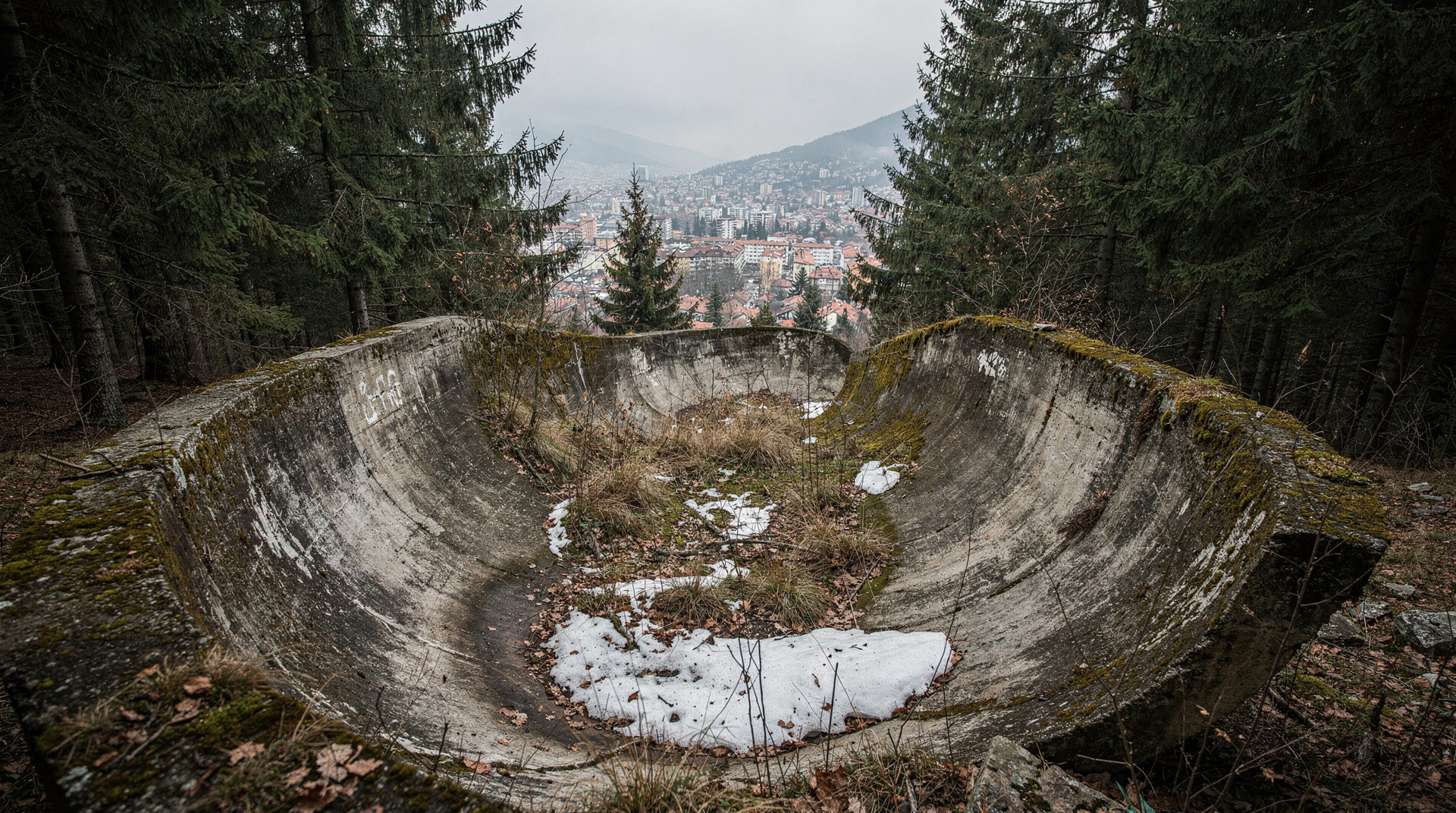
Travellers who want the city’s storytelling alongside the greenery can pair the park with a visit to Sarajevo itself, where the Ottoman and Austro-Hungarian layers you glimpse in Ilidža’s boulevard appear in much greater density. For a second easy escape in the same area, Trebević mountain offers views over the city and a very different kind of outing from the flat, watery walk at Vrelo Bosne.
If you are weighing which short trips deserve your limited time, the best day trips from Sarajevo guide compares the options honestly, and the dedicated Vrelo Bosne guide goes deeper on the park itself, from the layout of the paths to the details of the springs.
Getting around without a car
You do not need a rental car for this trip, and for most travellers the tram is the better choice. It is cheap, runs directly towards Ilidža and removes the stress of parking. If public transport in the city is new to you, the Sarajevo public transport guide explains how tickets and lines work, so you can board with confidence. Arriving by tram and leaving by carriage, or the other way round, gives you a pleasant mix of local life and a little old-world charm without any logistics to manage.
Those arriving by air should note how close the airport sits to this part of the city; the Sarajevo airport guide is worth a look if you are planning a first or last morning here, since the springs can make a calm start or a gentle send-off to a trip.
Why this stop suits a slower trip
Bosnia rewards travellers who leave room in their schedule, and Vrelo Bosne is a good example. It asks very little: no tickets to pre-book, no steep climbs, no long drives. In return it offers clean air, the sound of moving water and a reminder that the country’s landscapes are as memorable as its history. After a few days of museums, memorials and crowded lanes, an unhurried walk among the plane trees can reset your energy for whatever comes next.
Best time to visit, season by season
| Season | Conditions | Crowds |
|---|---|---|
| Spring (April-May) | Vivid green grass, wildflowers, water at its clearest | Light on weekdays, busier weekends |
| Summer (June-August) | Hot, up to 30°C on the exposed path; shade near the springs | Heaviest — Sarajevo families picnic here on weekends |
| Autumn (September-October) | Cooler, mellow light, plane trees turning | Quiet, arguably the best trade-off of comfort and colour |
| Winter (Nov-March) | Cold but the springs never freeze; park still walkable | Very quiet, some facilities closed |
A short history of the springs
The Ottomans and later the Austro-Hungarian administration both prized Ilidža for its thermal waters, and the suburb became a fashionable spa retreat in the late 19th century — a role that shaped the wide boulevard and grand hotel architecture still visible today.
Archduke Franz Ferdinand reportedly stayed near Ilidža the night before his assassination in Sarajevo in 1914, a detail that connects this quiet park to the region’s best-known historical turning point; travellers interested in that story can follow it further with the Franz Ferdinand assassination guide. The spa tradition faded through the 20th century, but the springs themselves — protected as a nature park since the Austro-Hungarian era — have never stopped flowing at a near-constant 10°C.
Frequently asked questions about Ilidža & Vrelo Bosne
Is Vrelo Bosne worth visiting if I only have one full day in Sarajevo? Probably not as a priority — with only one day, focus on Baščaršija, the Old Town and one major history site first. Vrelo Bosne is best used on a second or third day, or as a half-day breather between more intense sightseeing.
Can you swim at Vrelo Bosne? Swimming is not the point of the park — the springs feed shallow ornamental channels and a reed-edged basin rather than a swimming area, and the water stays around 10°C year-round. Come for the walk and the scenery, not a dip.
Top experiences
Bookable activities with verified prices and instant confirmation on GetYourGuide.