Is Bosnia safe for travellers?
Sarajevo: Bosnian War & Fall of Yugoslavia Tour with Tunnel
Is Bosnia safe to travel?
Yes. Bosnia is safe for tourists. Crime rates in Sarajevo and Mostar are low, violent crime against foreigners is rare, and the cities are walkable day and night. The main exception is landmine risk in unmarked rural and mountain areas — stay on marked paths outside towns.
The question comes up in almost every Bosnia trip-planning conversation: “But is it safe?” The short answer is yes. The longer answer requires distinguishing between the genuine risks — which are specific and manageable — and the anxieties that people carry from incomplete news coverage or outdated perceptions.
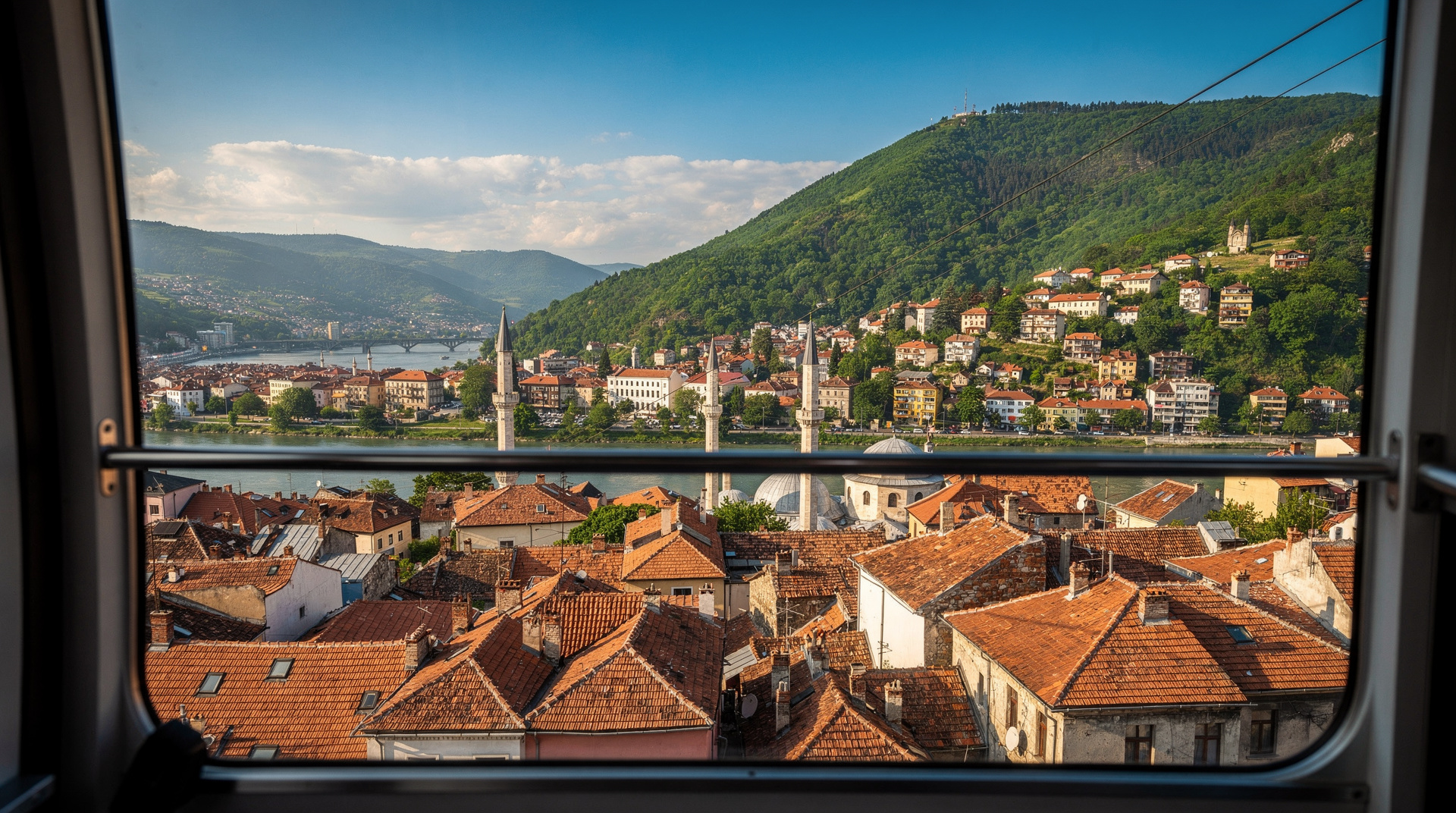
Bosnia is not a war zone. The 1992–1995 conflict ended thirty years ago. Today Sarajevo is a city of 300,000 people with a functioning university, a film festival, a restaurant scene, street art, nightlife and a well-developed tourism infrastructure. Mostar receives hundreds of thousands of visitors per year. The country is an EU candidate state. This is the context.
| At a glance | |
|---|---|
| Overall risk level | Low — most Western governments rate Bosnia “take normal precautions” |
| Main real risk | Landmines in unmarked rural/mountain areas outside towns, not cities or trails |
| Petty crime | Low; occasional pickpocketing in busy Baščaršija (Sarajevo) and Mostar old town |
| Solo travel | Generally comfortable for solo travellers, including solo women |
| Health cover | EHIC/GHIC does not apply — travel insurance with medical cover recommended |
| Emergency number | 122 (police), 124 (ambulance) |
The actual risks
Landmines — the one genuine exception
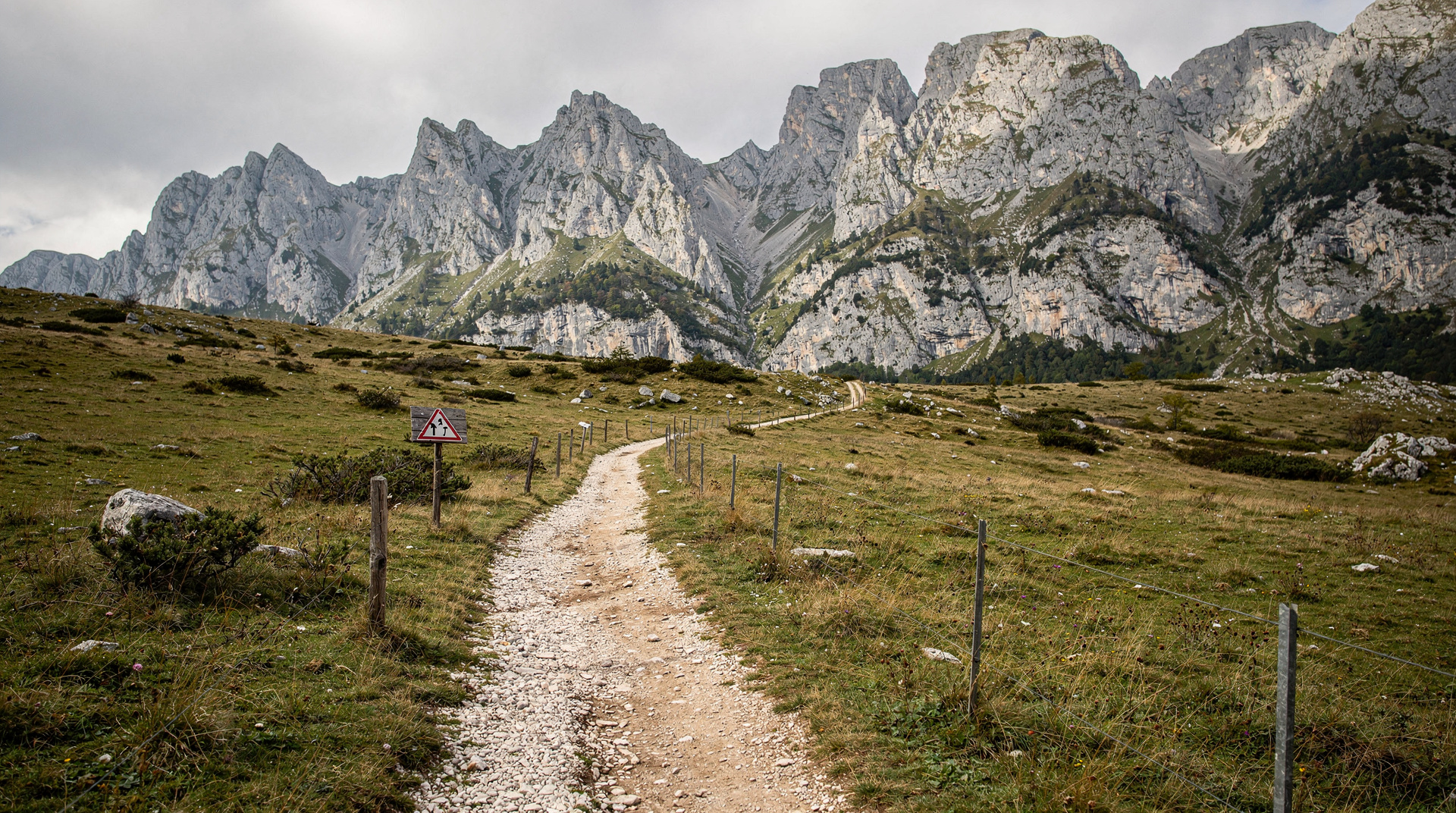
This is the only serious safety issue in Bosnia, and it is geographically specific. Approximately 1,000 km² of Bosnian territory remains under investigation for mines and unexploded ordnance — less than 2 percent of the country’s land area. These zones are concentrated in:
- Certain mountainous and forested areas in central and eastern Bosnia
- Some rural areas in the Republika Srpska borderlands
- Slopes and roadsides in the Neretva and Una river canyons in specific zones
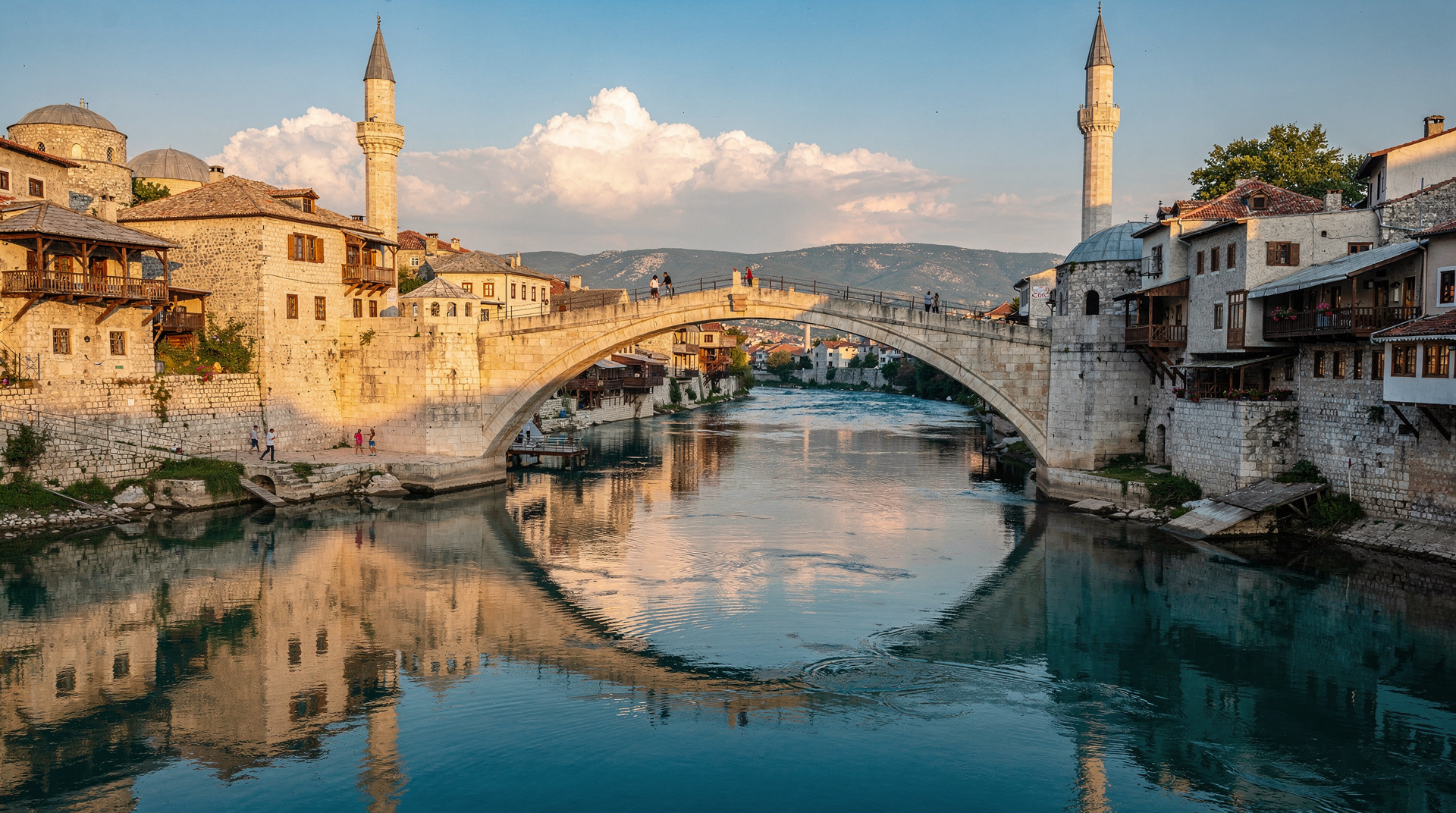
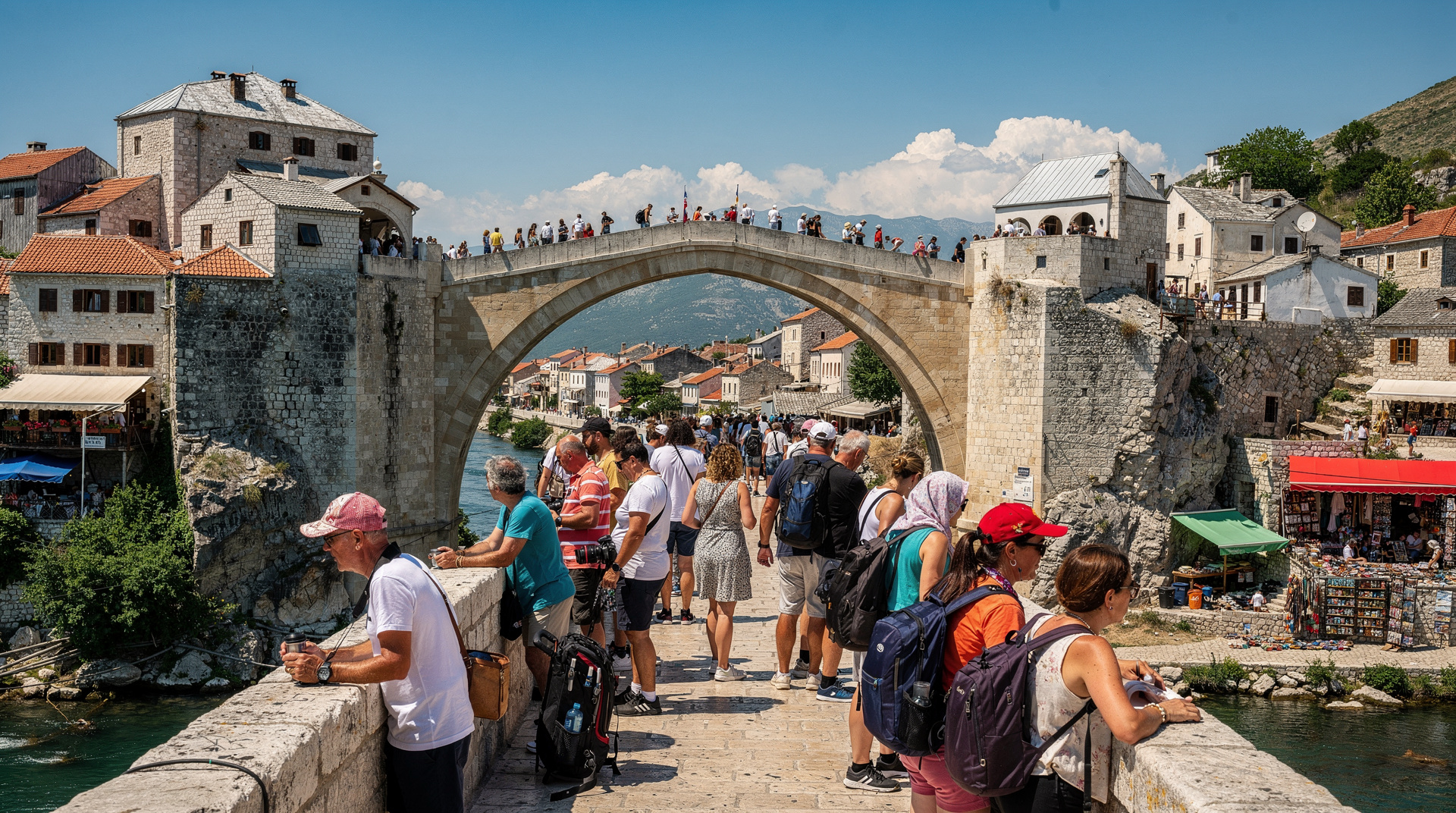
What is completely safe: All cities and towns. All established tourist sites (Mostar old bridge, Sarajevo bazaar, Blagaj Tekija, Kravice Falls, Medjugorje). All paved roads. All signposted and regularly used hiking trails. All national park visitor areas.
The rule: Do not leave marked paths or established trails when hiking or driving in mountainous rural areas. Do not enter unfenced open land that shows no sign of recent human use. Do not pick up any unusual objects found on the ground in rural areas.
The Bosnia and Herzegovina Mine Action Centre (BHMAC) maintains a national mine map and has been systematically clearing areas for thirty years. Tourist-facing areas are all cleared. The risk to a visitor who follows normal hiking practice is effectively zero.
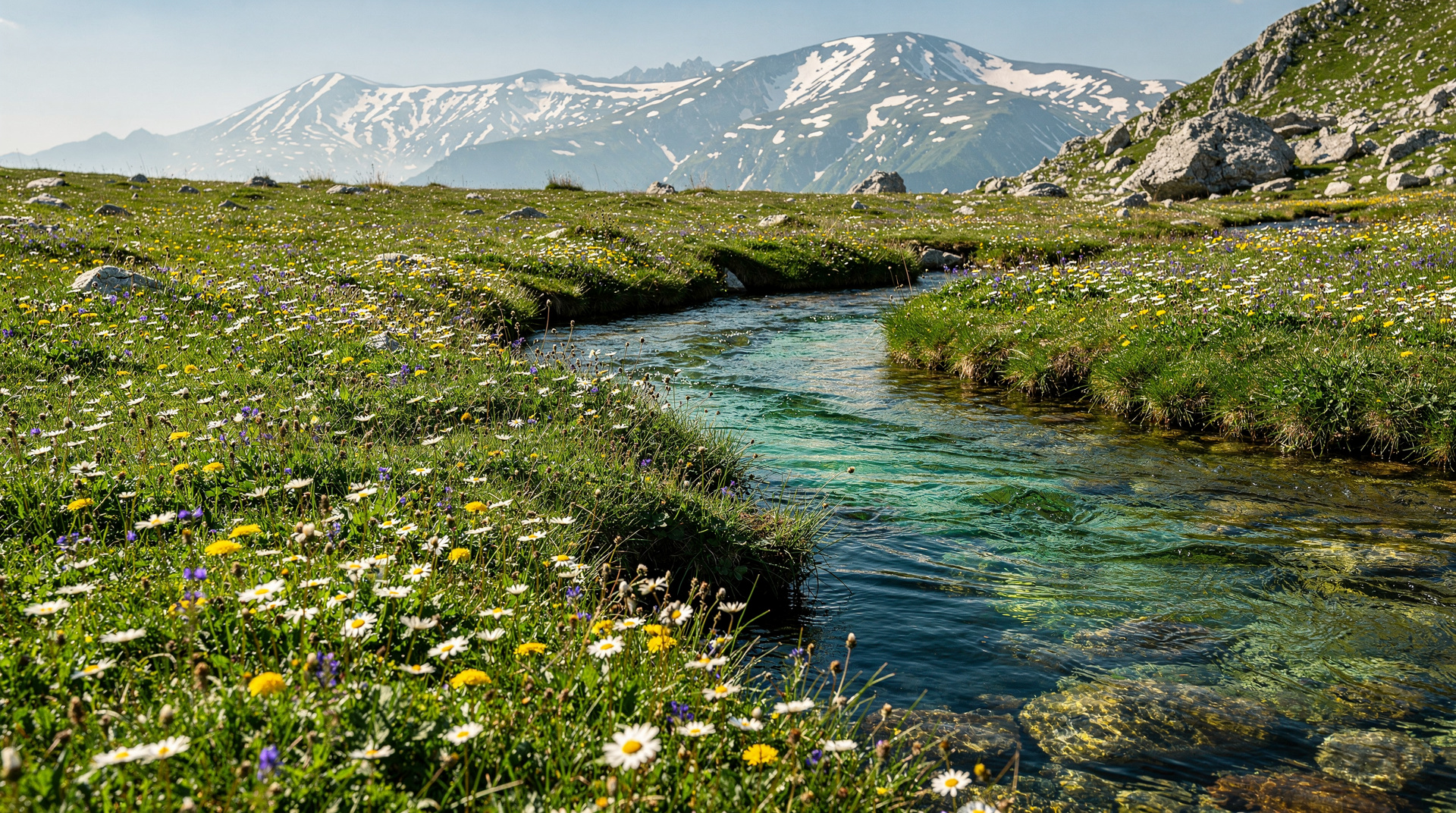
For a detailed treatment, see the landmine safety guide for Bosnia. If you’re planning to hike beyond city parks, cross-check your route against the practical advice in the hiking in Bosnia guide and stick to trails covered in guides like the Lukomir village hike or the Bjelašnica hiking guide — both are established, regularly walked routes.
Petty theft
Pickpocketing and opportunistic theft occur in Bosnia’s busiest tourist areas, as they do in every European tourist destination. The Sarajevo market area (Baščaršija) and Mostar old town are the most likely spots. The overall rate is low by European standards. Standard precautions: use a crossbody bag or money belt in crowded areas, don’t leave valuables visible in cars, and don’t carry your passport when a photocopy will do.
Taxi overcharging
In Mostar particularly, some taxi drivers operate without meters and will charge flat rates significantly above the normal fare. In Sarajevo, licensed taxis have meters and are generally reliable; order via the Bolt or local taxi apps. In Mostar, agree the price before getting in, or ask your accommodation to arrange a reliable driver.
Traffic
Bosnia’s road infrastructure is improving but still includes many mountain roads without barriers, narrow two-lane highways shared with lorries, and some poorly maintained surfaces. If driving, allow more time than navigation apps suggest, especially on mountain routes. The Sarajevo–Mostar road has improved significantly; rural mountain roads in eastern Bosnia and the Una valley require careful driving.
See the driving in Bosnia guide for road conditions and the renting a car in Bosnia guide for insurance specifics. If you’d rather not drive at all, the buses in Bosnia guide and the getting around Bosnia guide cover reliable alternatives.
Scams and overpriced “guides”
Beyond taxi overcharging, the most common friction points for visitors are informal “guides” at Sarajevo’s Tunnel of Hope or Mostar’s Stari Most who offer unsolicited tours for a fee, and souvenir sellers who quote inflated prices assuming you won’t haggle. Neither is dangerous, just annoying — politely decline and walk on. For a fuller rundown of common tourist traps, see scams to avoid in Bosnia, Sarajevo tourist traps and Mostar tourist traps.
Walking around cities in the evening
Sarajevo and Mostar are lively after dark, with cafés, terraces and restaurants busy well into the evening. The ordinary habits you would apply in any European city are enough: keep to lit streets, keep your phone out of sight when you are not using it, and stay aware of your surroundings in crowded spots. Where you sleep helps too. A central, well-reviewed base makes late walks back easy, and the where to stay in Sarajevo guide and the where to stay in Mostar guide explain which areas suit different travellers. If you are still choosing between the two cities, Sarajevo vs Mostar compares their atmosphere.
Eating out is a good way to see how relaxed everyday life is. Locals linger over coffee and long dinners, and the best restaurants in Sarajevo and the best restaurants in Mostar are busy with residents as well as visitors. Nothing about a normal evening out calls for special precautions beyond common sense.
Solo travellers and women travelling alone
Travelling alone in Bosnia is straightforward. People are generally hospitable and curious about visitors, and a friendly greeting goes a long way. Solo women should apply the same judgement they would elsewhere in Europe: share your plans with someone at home, choose accommodation with good reviews, and trust your instincts if a situation feels wrong. If hitchhiking or quiet rural walking tempts you, think twice and prefer buses, shared transfers or organised outings. For a first-person account, read the solo travel in Bosnia story, and for a simple plan to follow, the Bosnia 7-day itinerary keeps you on well-used routes between established towns.
Safety on the road to Bosnia
Many visitors arrive overland from Croatia or Montenegro. Border crossings are routine, but carry your passport or ID card and your vehicle papers, and be patient if queues build in summer. The driving from Croatia to Bosnia guide and the Neum corridor crossing guide explain what to expect, while the Mostar from Dubrovnik guide suits anyone who would rather leave the driving to someone else on a day trip. If you prefer not to handle borders and mountain roads yourself, a guided day trip to Mostar from Dubrovnik takes care of the crossing for you. Whatever you choose, plan to reach your destination in daylight, especially on mountain roads where signage can be sparse.
Outdoor activities and sensible limits
Bosnia’s appeal is largely outdoors, and that is where good preparation matters most. Rafting and canyoning operators run established routes with guides and equipment, and the rafting in Bosnia guide and the Tara River rafting guide explain how to pick a reputable outfit. In winter, the skiing in Bosnia guide covers the mountain resorts, where weather can change quickly. Wherever you go, tell your accommodation your route, carry enough water, wear proper footwear and turn back if conditions worsen. Nervous first-timers who want local knowledge on hand can also consider a private multi-day tour of Sarajevo, Mostar and Jajce, which keeps you on established routes with a driver who knows the roads. The best time to visit Bosnia helps you match activities to the season, because snow, high water or summer heat all change the risk picture.
What you can safely ignore
Political unrest: Bosnia’s political situation is genuinely complex, but this has never manifested as danger for tourists. The entity-level tensions are governmental, not communal in the street. You will not encounter roadblocks, demonstrations or hostility as a tourist.
Religious tensions: Sarajevo, Mostar and the main tourist areas are peaceful. The four-faith city of Sarajevo is not a place of interfaith conflict in daily life. Read more about Sarajevo’s four faiths.
Infrastructure shortages: Bosnia has occasional issues with electricity and water in rural areas during peak summer, but tourist-grade accommodation in cities is reliable.
Health considerations
Bosnia has no specific tropical disease risk. No vaccinations are required beyond those standard for European travel (tetanus, hepatitis A if visiting rural areas). Tick-borne encephalitis vaccination is worth considering if you plan serious hiking in forested areas in spring and summer.
Tap water is safe to drink in cities. In rural mountain areas, spring water is generally safe but use your judgement.
Medical facilities in Sarajevo (University Clinical Centre Sarajevo, Koševo) are adequate for emergencies. In smaller towns and rural areas, facilities are limited — evacuation insurance for serious incidents is advisable if you plan adventurous activities.
Pharmacy availability is good in cities; less so in rural areas.
Travel insurance
Your EU/UK EHIC or GHIC card does not cover you in Bosnia — Bosnia is not party to those arrangements. Comprehensive travel insurance with medical evacuation cover is strongly recommended, particularly for adventure activities (rafting, hiking, skiing).
The war history context
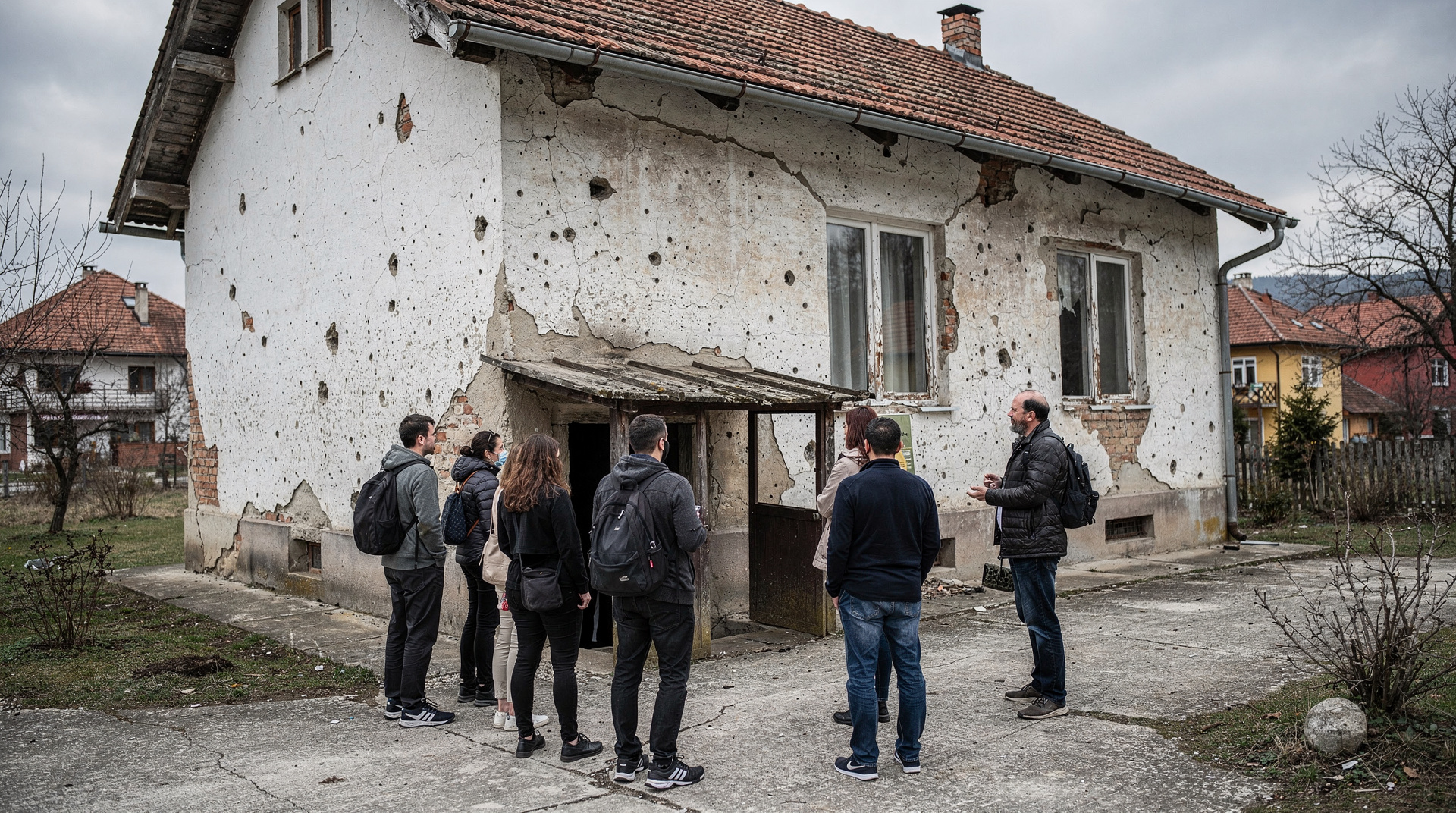
Sarajevo bears the physical and emotional marks of the 1992–1995 siege — the Sarajevo Roses (mortar-impact scars filled with red resin in pavements), the rebuilt Stari Most in Mostar, the Tunnel of Hope museum. These are profoundly important sites and understanding the war is part of understanding Bosnia today. But they are memorials and museums, not active conflict zones.
Visiting these places calls for respect rather than caution. Dress modestly at mosques and memorials, ask before photographing people, and keep your voice down at sites that commemorate loss. Locals are generally open to talking about their history, but follow their lead rather than pressing for personal stories. The Sarajevo siege and Tunnel of Hope guide, the Sarajevo war tour guide and the Srebrenica day trip guide prepare you for what you will see, and Bosnia history for travellers gives the background. For a personal perspective, the blog post on remembering the Sarajevo siege is worth reading beforehand.
A guided war history tour of Sarajevo is one of the most affecting experiences in the Balkans — not because it is dangerous, but because it is honest.
Practical safety checklist
- Book travel insurance with medical cover before you leave
- Keep copies of your passport (phone photo is fine)
- Use meters or app-based taxis in cities
- Carry water when hiking; stay on marked trails
- Inform your bank you are travelling to Bosnia (some cards flag Bosnia as unusual)
- Check your government’s Bosnia travel advisory before departure — currently all major Western governments rate Bosnia as “take normal precautions” (the lowest risk category)
Frequently asked questions about safety in Bosnia
Is Bosnia safe for American/British/Australian tourists?
Yes. No specific safety concerns apply to travellers from these countries. Bosnia visa policy is welcoming: US, UK, EU, Canadian and Australian citizens do not need a visa for stays under 90 days.
Is it safe to hire a car in Bosnia?
Yes, with the standard caveats: check that your rental agreement covers Bosnia (not all international rental companies permit entry), ensure your insurance includes Bosnia (green card), and be prepared for mountain roads that are narrower and less well-maintained than Western European equivalents.
Are buses in Bosnia safe?
Yes. Bus travel is the main form of intercity transport for Bosnians and tourists alike. Buses are generally reliable and reasonably comfortable; journey times are longer than driving because of mountain roads and stops. See the getting around Bosnia guide for full logistics.
What about the political situation between entities?
Republika Srpska and the Federation of Bosnia and Herzegovina are the two main entities within the country. Their political leadership sometimes issues inflammatory statements, but there are no travel restrictions, border controls or security risks for tourists crossing between them. You will not notice the entity boundary in any practical way.
Is it safe to visit Srebrenica?
Yes. Srebrenica is safe to visit and the memorial centre welcomes visitors respectfully; it’s one of the most important — if sobering — sites in the country. See the Srebrenica genocide memorial guide for context and visiting practicalities.
Can I drink the tap water in Bosnia?
Yes, tap water is safe to drink in Sarajevo, Mostar and other cities. In rural mountain areas, spring water sources are generally fine but bottled water is the safer default if you’re unsure.
Top experiences
Bookable activities with verified prices and instant confirmation on GetYourGuide.