Rakija guide Bosnia
Mostar: Deluxe Rakija Tasting
What is rakija and how is it drunk in Bosnia?
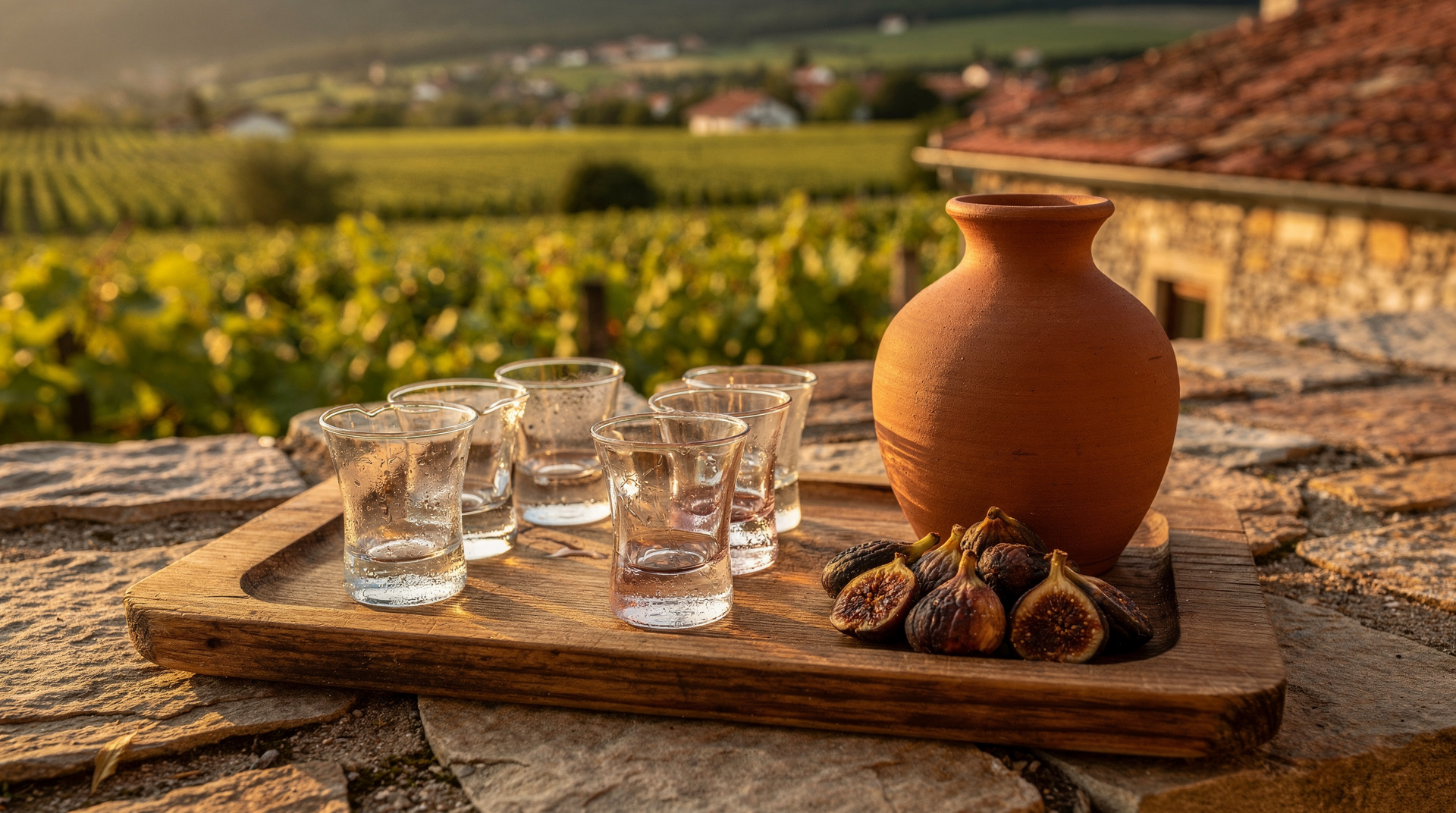
Rakija is a fruit brandy distilled from plums (šljivovica), grapes (lozovača), quince (dunjevača), or other fruits. In Bosnia it is a social ritual: served at room temperature in a small glass before a meal, often with olives, cheese, or dried fruit, never rushed.
At a glance
| Where | Made across Bosnia; best tasted in Mostar and Sarajevo |
| Cost | Organised tasting: around 25-40 BAM per person; a bottle to take home: around 20-50 BAM |
| Time needed | 90 minutes for a guided tasting; a few minutes for an informal glass |
| Getting there | Central Mostar Old Town or Sarajevo’s Baščaršija |
| Best time | Year-round; harvest-season (autumn) visits may coincide with fresh distilling |
Rakija is the social lubricant of the western Balkans, and Bosnia & Herzegovina has some of the best-regarded varieties in the region. In village households from the Una valley to Trebinje, a home still (kazanić) in the backyard is as normal as a vegetable garden. Visiting a Bosnian family without being offered rakija is essentially impossible — and refusing is a mild social offence.
What is rakija?
Rakija (pronounced rah-KEE-yah) is a category of fruit brandy produced across South-Eastern Europe, distilled from fermented fruit mash and typically aged in wood or consumed young. The tradition predates Ottoman rule and has deep roots in rural Balkan culture — every harvest season, extended families gather to distill the year’s fruit, and the quality of a family’s rakija is a matter of genuine pride.
In Bosnia, the most common varieties are:
- Šljivovica: plum brandy — the national spirit, made from Požegača plums grown throughout central and eastern Bosnia
- Lozovača: grape pomace spirit, similar to Italian grappa or French marc, produced mainly in Herzegovina
- Dunjevača: quince brandy — aromatic, slightly floral, one of the most interesting varieties
- Kruška: pear brandy, produced in the mountainous areas of central Bosnia
- Medovača: honey rakija — sweetened with mountain honey, milder and more palatable for those new to spirits
How Bosnian rakija is made
The traditional production process runs on a two-stage cycle. In late autumn, ripe fruit is crushed, combined with water, and left to ferment in large wooden barrels or plastic containers for 3-6 weeks. The fermented mash is then heated in a copper or stainless-steel alambic still; the alcohol vapours rise, condense through a cooling coil, and emerge as raw spirit.
The first and last portions of the distillation (the “head” and “tail”) are discarded; only the middle cut (the “heart”) goes into the good bottles. A skilled distiller knows when to make each cut by nose, taste, and experience.
Home-produced šljivovica is typically aged in small oak barrels (20-50 litres) for one to five years, developing a golden colour, vanilla and dried fruit notes, and a smoother mouthfeel than the clear, raw spirit.
Tasting rakija in Mostar
The Mostar Deluxe Rakija Tasting is an organised tasting session covering five or more varieties of artisan Herzegovinian and Bosnian spirits, guided by an expert who explains the production methods and regional differences. Local food is served alongside — typically sheep’s cheese, dried figs, walnuts, and prosciutto-style cured ham. The experience runs about 90 minutes and is held in a traditional stone-walled space in or near the Old Town.
This is genuinely one of the best value cultural experiences in Mostar, costing around 25-40 BAM (13-20 EUR) per person.
Rakija etiquette
Understanding how rakija is served and consumed is part of understanding Bosnian hospitality:
- Served before a meal: rakija is an aperitif, not a digestif in Bosnia. A small glass (čašica) is poured before eating begins.
- Room temperature: never over ice. Cold numbs the aromas that are the whole point.
- Slow sipping: gulping rakija is considered rude. A single glass is sipped over 15-20 minutes of conversation.
- Toast: the host pours and everyone raises their glass. The toast is “Živjeli!” (to life) in Bosnia. Eye contact during the clink is obligatory — to neglect this is supposedly bad luck.
- Refusal: declining a glass is acceptable with a polite excuse, but accepting a small amount and sipping symbolically is far better received.
Buying rakija as a souvenir
Sarajevo and Mostar both have shops selling artisan rakija in decorative bottles:
- Markale market (Sarajevo): the covered market has stalls selling home-produced šljivovica in unlabelled plastic bottles. Quality varies; taste first if possible.
- Craft shops in Baščaršija: decorated ceramic bottles of dunjevača and šljivovica for 20-50 BAM
- Mostar Old Town shops: similar range to Sarajevo; also look for local Herzegovina lozovača
For taking home, commercial bottles with proper labelling are safer for customs. Soko and Plantaže brands produce commercially available rakija available in supermarkets across Bosnia.
Rakija in food culture
Rakija serves as the cooking spirit in some traditional preparations — a small amount is added to marinades for slow-roasted lamb, or used to flame-finish meat dishes. It is also used medicinally across the region for everything from sore throats (gargling šljivovica) to colds (drinking a small glass with honey and lemon).
For the wine side of Herzegovinian drinks culture, see the Herzegovina wine guide and the Trebinje wine region guide. For what to eat alongside all of it, the Bosnian food guide has the full picture.
Combining rakija tasting with other Mostar activities
A rakija tasting makes a natural companion to an afternoon in Mostar’s Old Town. Start with the afternoon guided tour and wine tasting if you want both wine and rakija context, or go straight to the dedicated tasting if spirits are the focus.
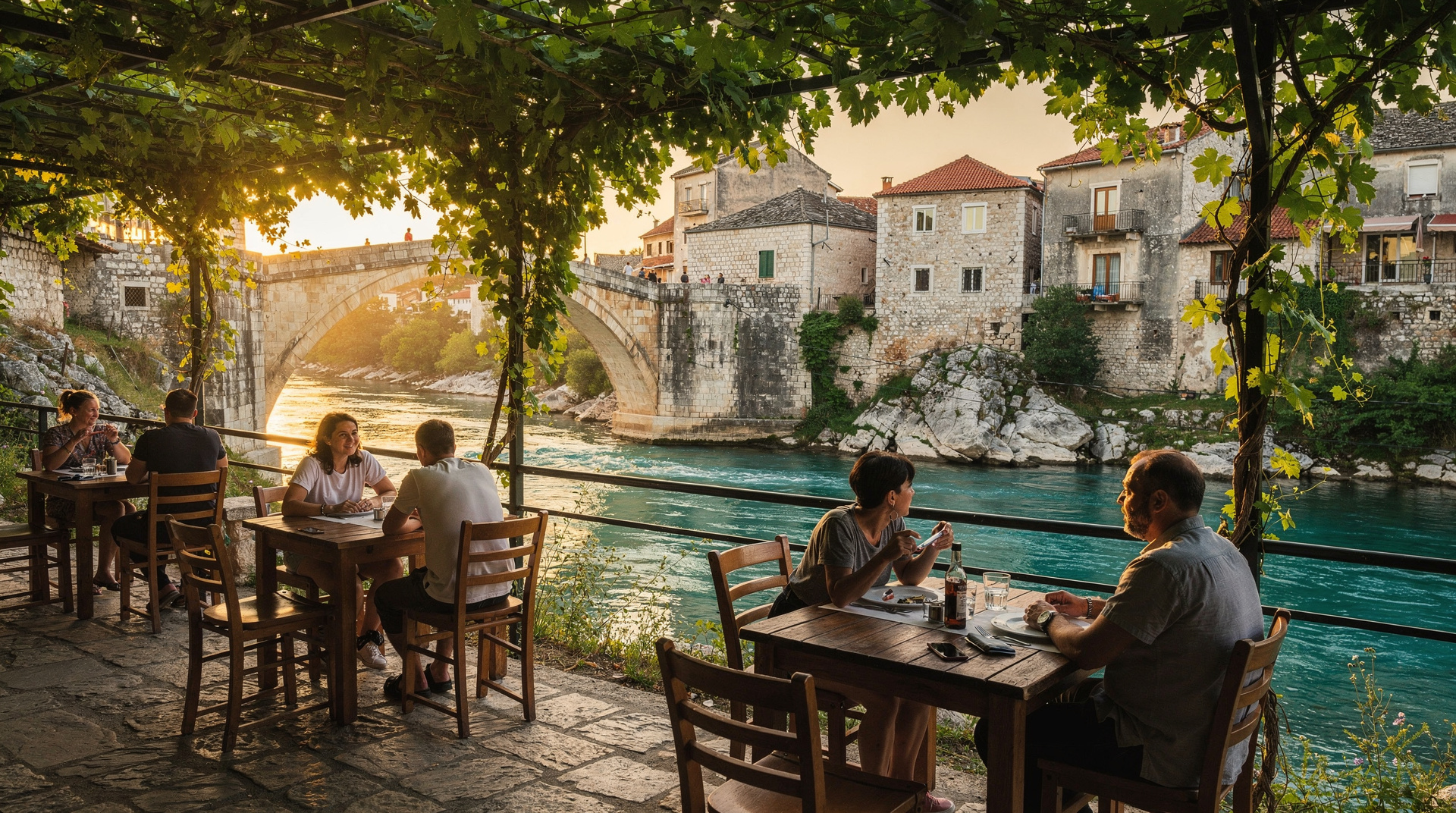
After the tasting, a walk up to Stari Most at dusk and dinner at one of the riverside restaurants completes a memorable Herzegovinian afternoon. See the Mostar guide for the full Old Town overview.
Rakija in Sarajevo versus Mostar
While Mostar has the more organised tasting experience, Sarajevo’s Baščaršija old bazaar is the better place to buy rakija as a souvenir and to encounter it informally — many small konoba-style restaurants around the Baščaršija will offer a complimentary shot with a meal, a common gesture of hospitality rather than an upsell. If your itinerary includes both cities, tasting formally in Mostar and shopping informally in Sarajevo covers both angles well.
For a fuller picture of Bosnian eating and drinking culture beyond rakija, the Bosnian coffee culture guide covers the other essential ritual drink, and the best restaurants in Sarajevo guide lists places where rakija and food pairings are done well.
Reading a glass of rakija
Before the first sip, take a moment with the glass. Hold it near your nose and let the aroma open up rather than diving in. A well-made šljivovica smells of ripe plum, sometimes with a hint of almond from the stone. Dunjevača is more floral and perfumed, and lozovača tends to smell sharper and more vinous. Aged versions that have rested in oak add warmer notes of vanilla and dried fruit.
On the palate, good rakija should feel warm rather than harsh. A raw, burning finish usually means the distiller did not make a careful cut, while a clean, rounded finish points to skill. There is no shame in asking your host what they think of their own batch; it is a flattering question and usually leads to a long story about the orchard, the still and the grandfather who taught them.
If the strength surprises you, drink some water between sips and keep eating. The food on the table is there for a reason, and the combination of cheese, bread and cured meat takes the edge off a strong pour.
Visiting a family and being offered rakija
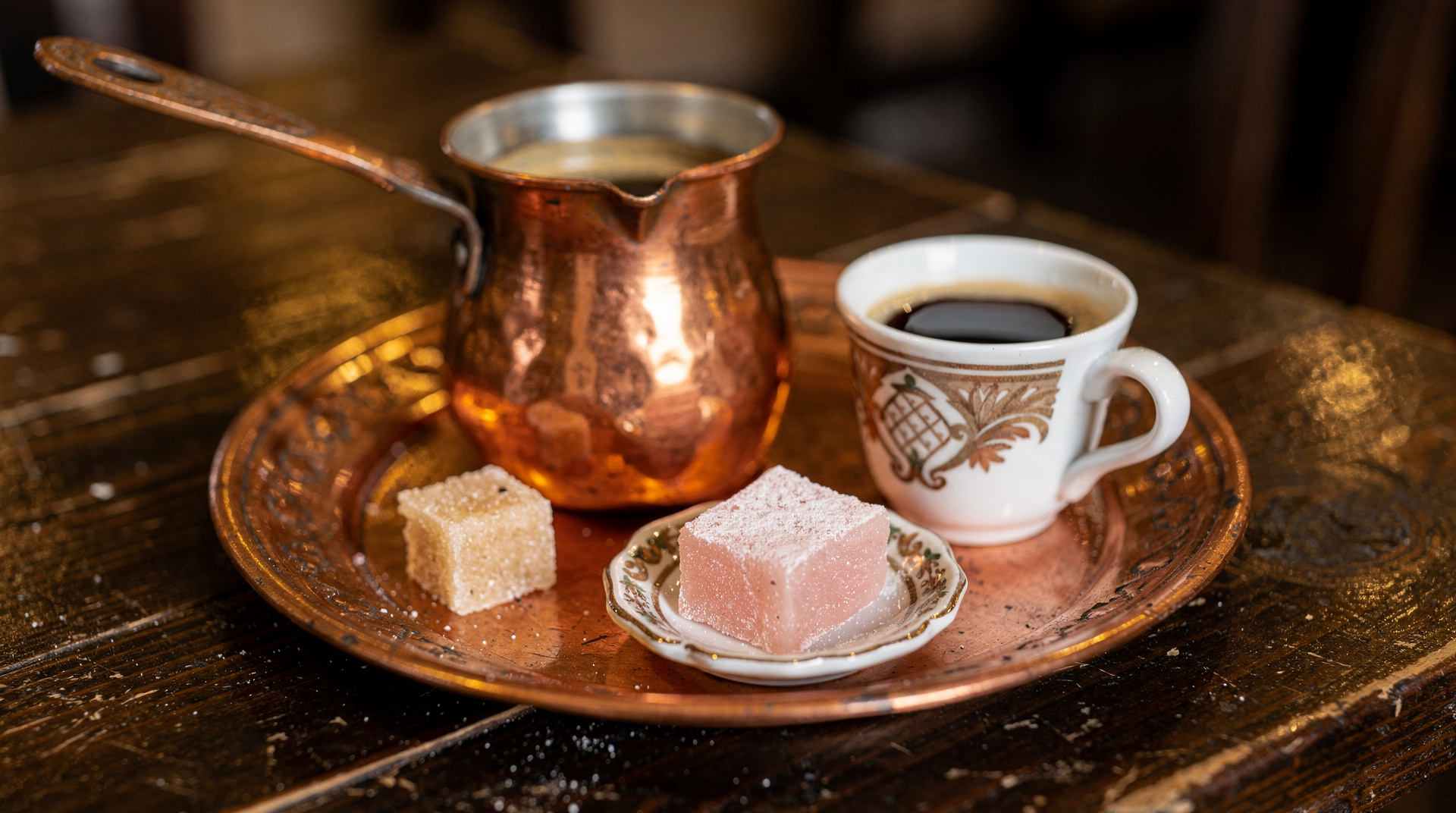
Most travellers meet rakija in a home, not a tasting room. If you are invited into a Bosnian house, expect a small glass to appear almost as soon as you sit down, often alongside coffee. The two rituals sit side by side, and the Bosnian coffee culture guide explains how the coffee half of that welcome works.
A few habits make the visit go smoothly:
- Accept the first glass, even if you only take a small amount. Hospitality in Bosnia is taken seriously, and a refusal can feel like a refusal of the host.
- Compliment the rakija sincerely. If it is homemade, it is a source of pride.
- Do not rush to leave once the glass is empty. A refill is usually a sign that the host is enjoying your company.
- If you are driving, say so early and kindly. Hosts understand, and will often offer juice or coffee instead. The driving in Bosnia guide covers the practical side of getting around by car.
Where rakija fits in the Bosnian table
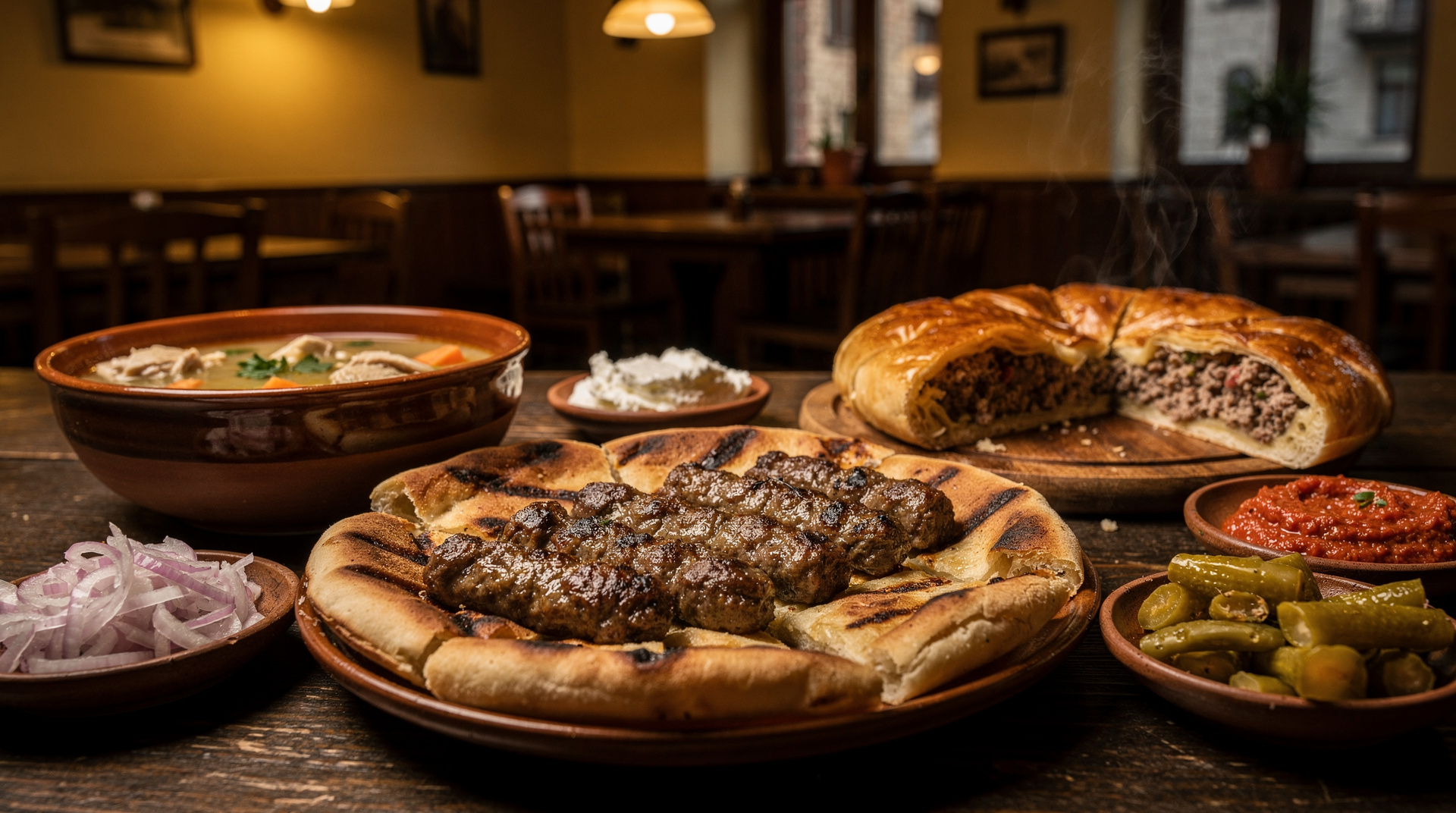
Rakija is rarely drunk on its own. It belongs to a table that also holds bread, cheese, cured meats and grilled dishes, and understanding that table makes the spirit make more sense. The Bosnian food guide gives the wider picture, while the cevapi guide for Sarajevo and the burek and pita guide cover the dishes you are most likely to be offered around a glass.
In Sarajevo, a food-focused afternoon can easily include a glass of rakija alongside the meal. The Sarajevo food tour guide shows how to build a day around eating, and the best restaurants in Mostar guide points to places where a local spirit and a proper meal go together.
The seasonal rhythm of distilling
Rakija is tied to the agricultural year. Fruit ripens through the late summer and autumn, and in many villages that is when the stills come out and the smell of fermenting mash hangs over the yards. If you travel in the autumn, you may well catch the end of the harvest and the start of distilling, which adds a lived, seasonal layer to any tasting. The Bosnia in autumn guide describes what else the season offers, from changing colours to quieter trails.
For a broader view of when to travel, the best time to visit Bosnia guide weighs the seasons against each other. Rakija is a year-round pleasure, but the autumn atmosphere around it is hard to match.
Pairing rakija with a wider Herzegovina trip
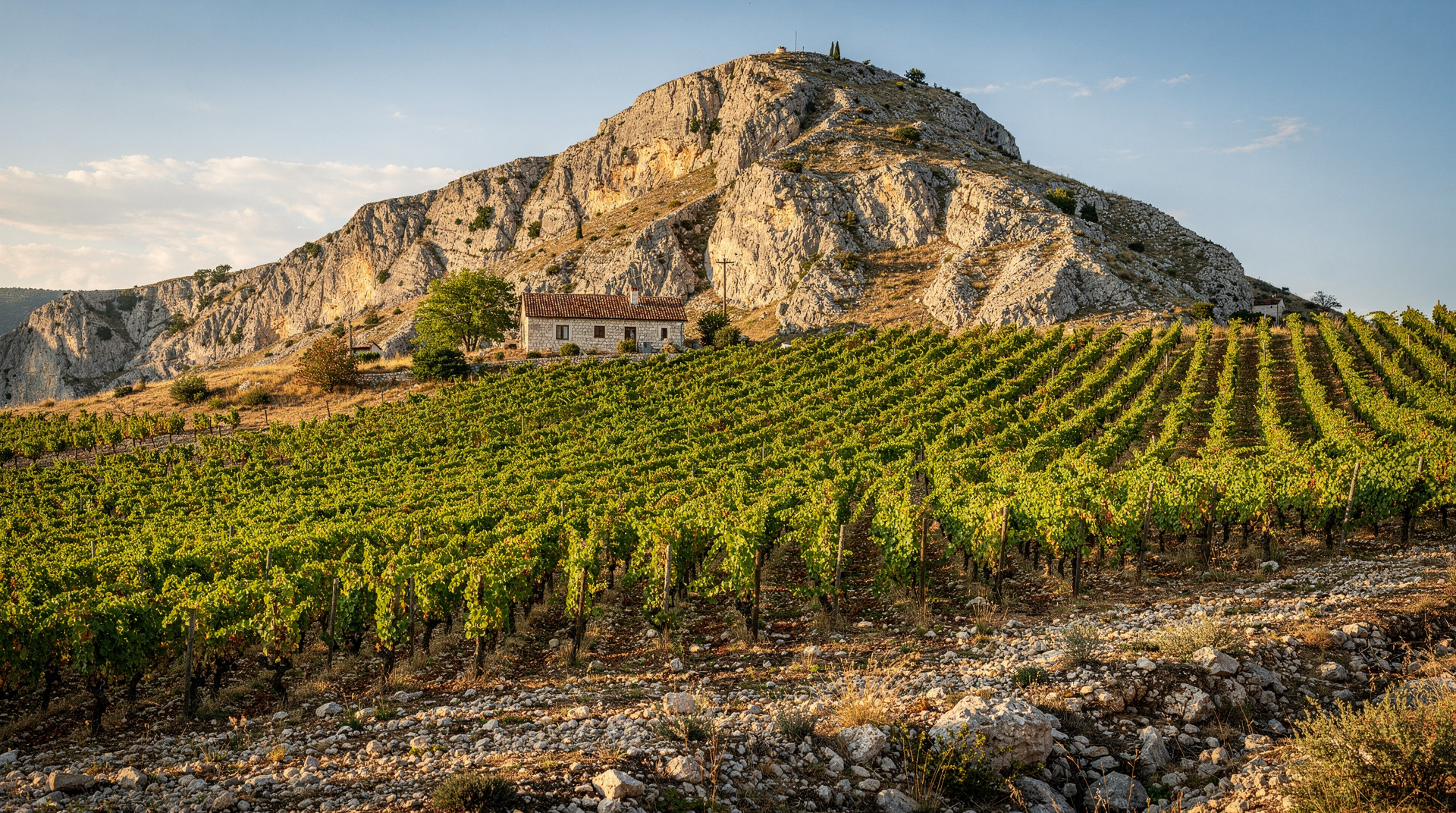
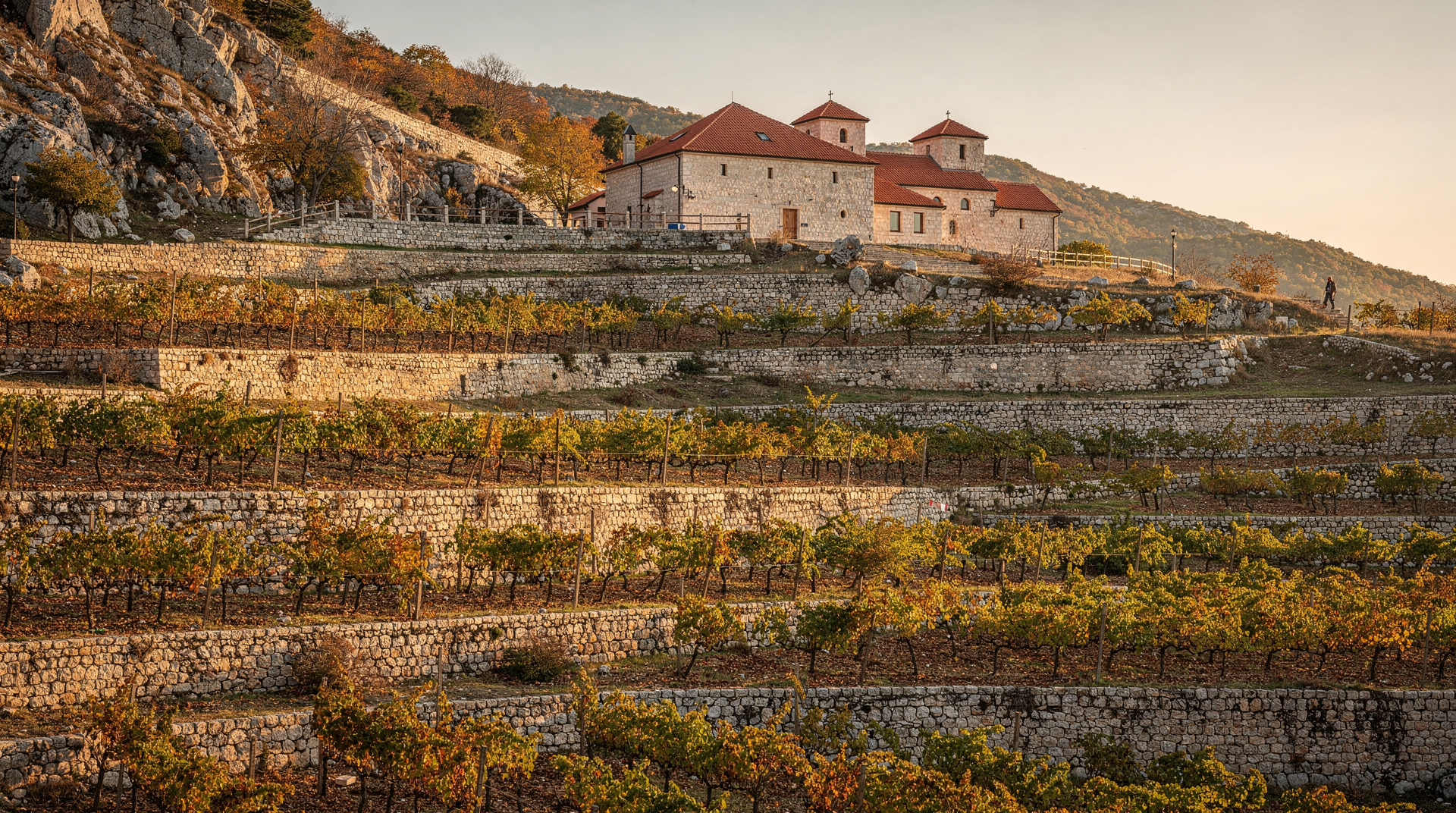
Herzegovina is where grape culture and rakija culture overlap most clearly. Vineyards, stone villages and small family cellars sit close together, and a day out from Mostar can combine all of them. The Herzegovina day trip guide lays out the region’s highlights, and the Herzegovina weekend itinerary shows how to fit tastings into a longer stay.
Close to Mostar, the village of Blagaj and the Ottoman settlement of Počitelj make easy additions. Both reward a slow pace, and a relaxed glass with a meal fits the mood of either. Further south, Trebinje is the heart of the local wine and brandy tradition, and the Trebinje wine region guide gives context for planning a visit.
Rakija and the wider Ottoman and Balkan heritage
Although rakija is a fruit spirit and not a coffee or a pastry, it shares a cultural space with the older Ottoman-era habits of hospitality, slow conversation and shared tables. Reading a little of that background helps the ritual make sense. The Ottoman heritage in Bosnia guide traces how these customs settled into everyday life, and the Mostar destination page is a good base for seeing that mix in person.
Practical tips for travellers
- Treat strong village rakija with respect. Home-distilled bottles can be much stronger than anything on a supermarket shelf, so start small.
- Ask what the fruit is before you pour a second glass. Šljivovica, dunjevača and lozovača have quite different characters, and a mixed evening is more enjoyable when you know what you are drinking.
- Eat first, or at least eat while you drink. This is the local way and it makes the whole experience gentler.
- Keep your own pace. Nobody expects a visitor to match a host glass for glass, and a polite, slow sip is always accepted.
- If you plan to bring bottles home, buy properly sealed and labelled ones, and check your airline and customs rules in advance. The Bosnia money and currency guide helps with paying for souvenirs, and the Mostar tourist traps guide is worth a look before you shop in the Old Town.
Frequently asked questions about Rakija guide Bosnia
What is šljivovica?
How strong is Bosnian rakija?
Where can I taste rakija in Mostar?
Can I bring rakija home as a souvenir?
What is medovina?
Top experiences
Bookable activities with verified prices and instant confirmation on GetYourGuide.