Sarajevo with family
Sarajevo: Cable Car and Olympic Museum Guided Walking Tour
Is Sarajevo good for families with children?
Yes. Sarajevo is an excellent family destination. The cable car to Trebević, exploring Baščaršija's artisan lanes, the interactive Olympic Museum and the War Childhood Museum (for older children) all work well for families. Costs are low and locals are exceptionally welcoming to children.
Sarajevo surprises families who arrive expecting a heavy, war-focused destination. Yes, the history is ever-present, but the city is also colourful, delicious, friendly and packed with things that light children up — a cable car with mountain views, a bustling bazaar where coppersmiths work in open doorways, natural springs in a forest park minutes from the centre, and an Olympic legacy that children with sporting interests find genuinely cool.
At a glance
| Ideal length | 2-3 full days |
| Best for ages | All ages, with the War Childhood Museum best for 10+ |
| Typical daily cost | Low — cable car: prices on zicara.ba, museum entries 5-10 BAM, meals cheap |
| Getting around | Walkable old town; tram line 3 for Vrelo Bosne/Ilidža day trips |
| Best time | Spring and early autumn for comfortable walking; winter adds skiing day trips |
The cable car and Trebević mountain
The cable car (žičara) rising from the neighbourhood of Bistrik up to Trebević is the single best family experience in Sarajevo. The ride takes 7 minutes; at the top, the whole city unfolds below in one panoramic sweep. On clear days you can see as far as the mountains of eastern Bosnia.
On the summit plateau, the 1984 Olympic bobsled track winds through the pines — crumbling, covered in graffiti, eerily beautiful. Children love climbing around it (carefully — some sections are fenced). There are cafés and a restaurant at the top for a long lunch. A guided cable car and Olympic Museum tour combines the cable car ascent with a visit to the Zetra Olympic Museum back in the city, ideal for sports-mad families.
Practical details: cable car hours vary by season and it is closed on some weekdays — check zicara.ba before you go, where current prices are also listed.
Baščaršija — sensory overload in the best way
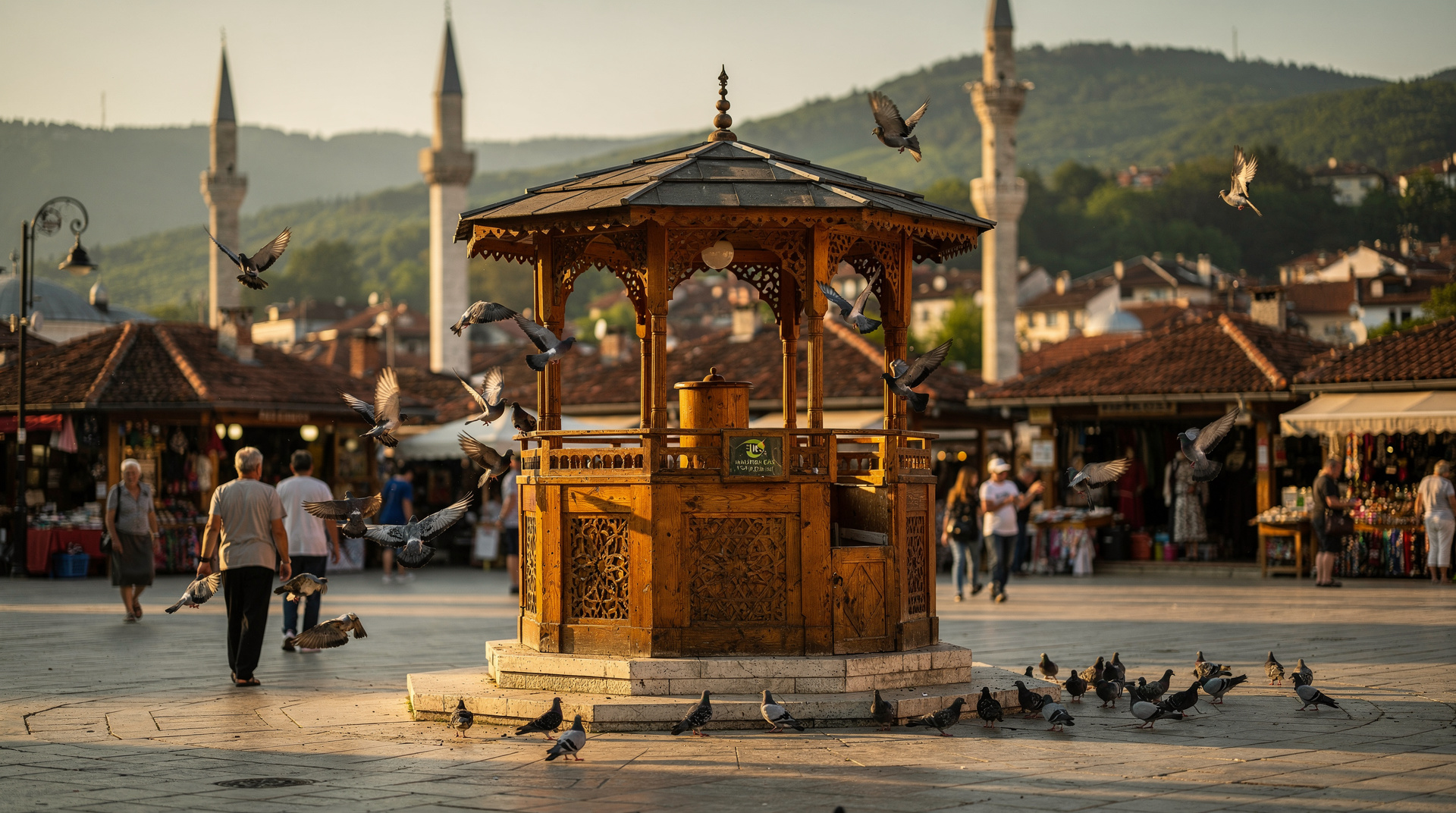
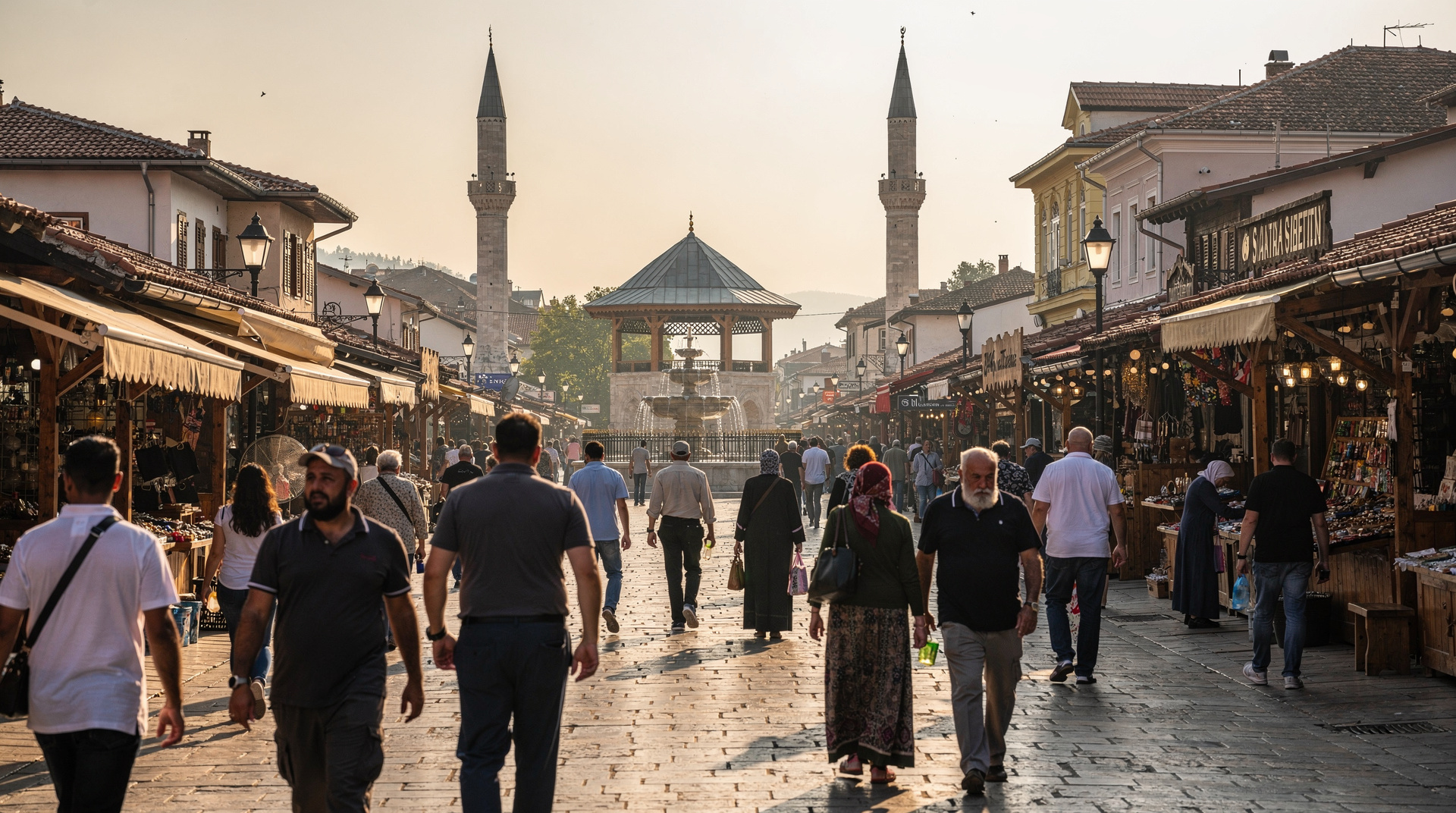
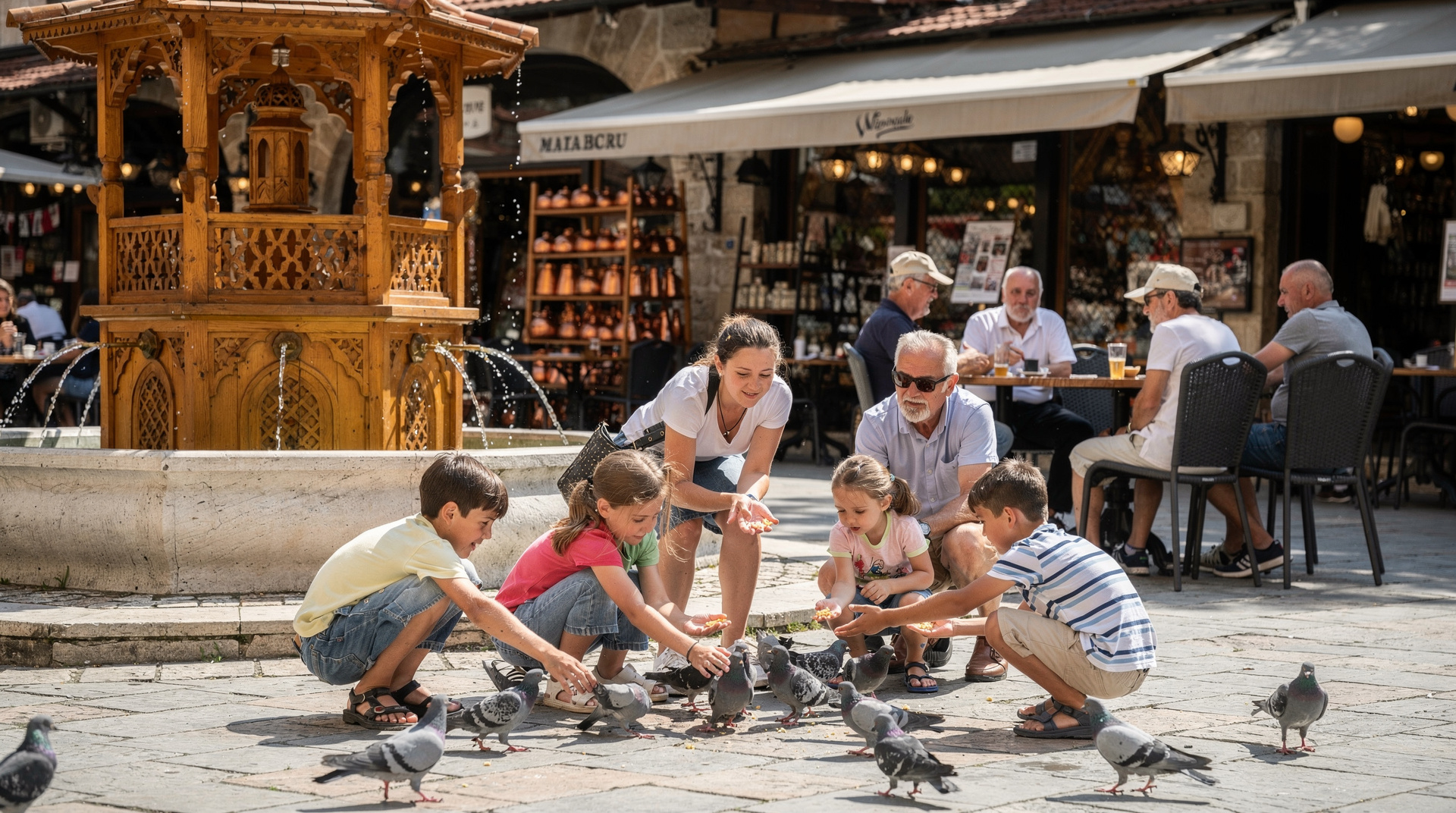
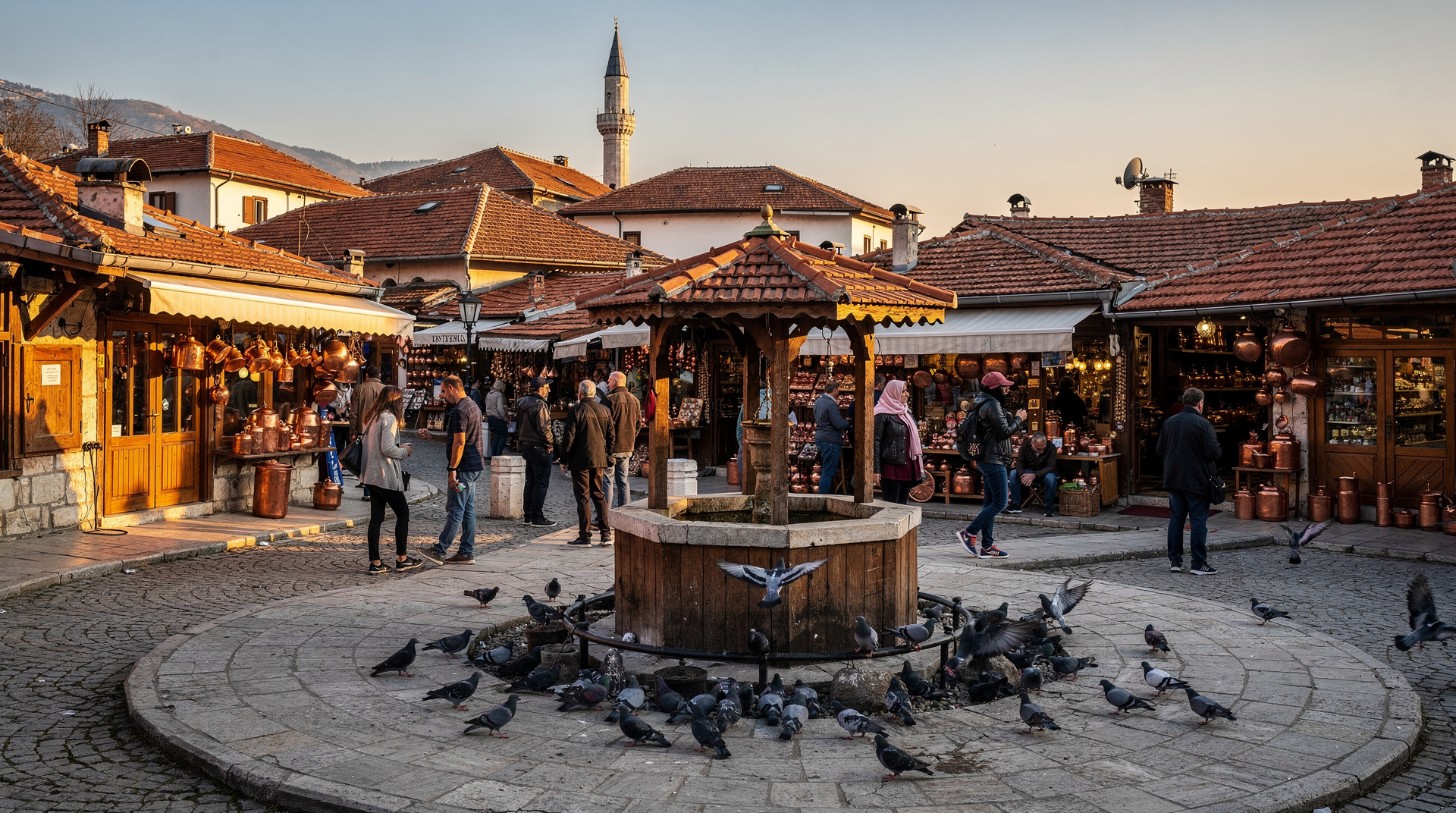
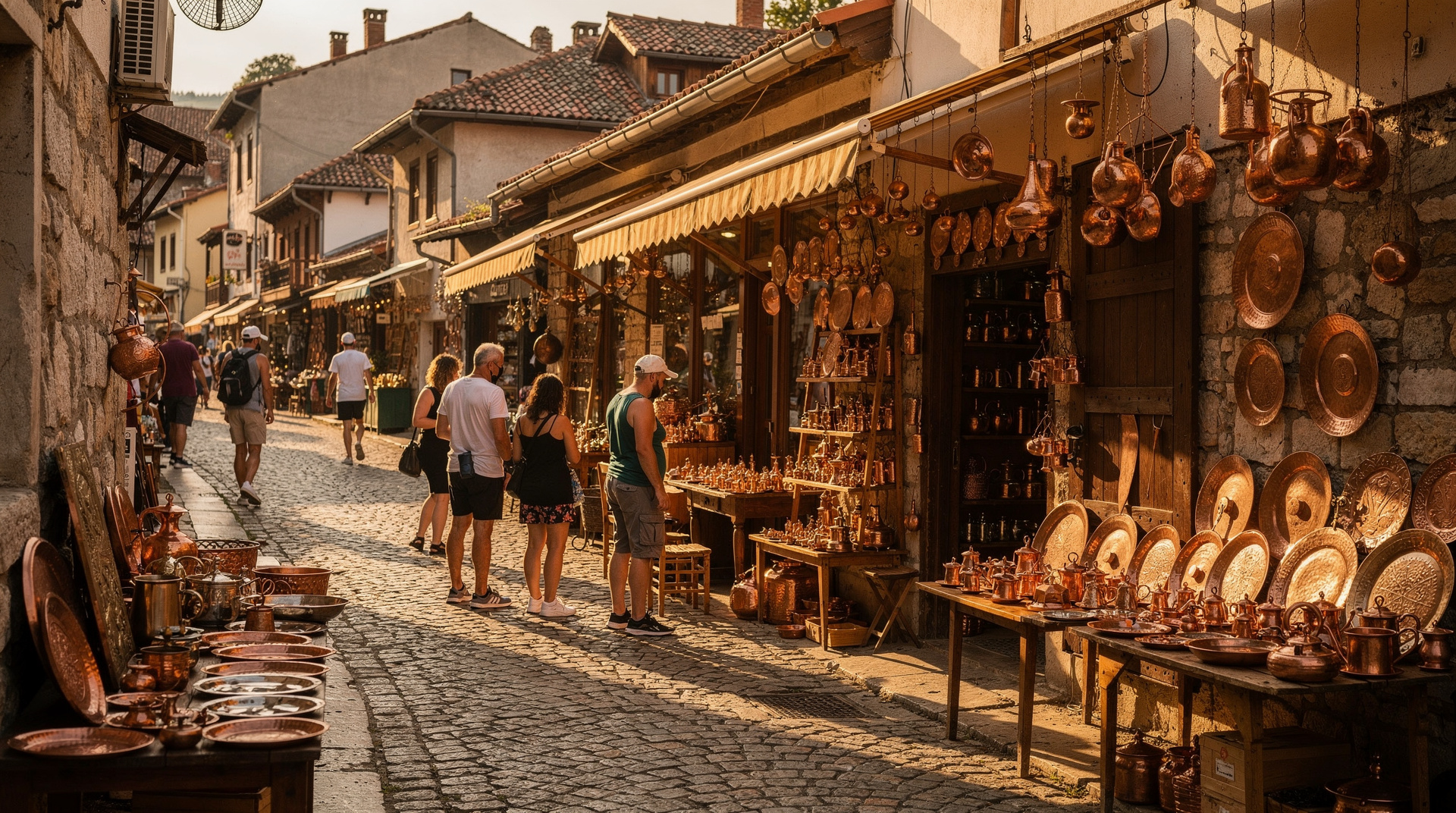
Sarajevo’s Ottoman-era bazaar is one of the most tactile, sensory-rich city experiences in the Balkans. For children, the appeal is immediate: smoke rising from open grills, tiny copper workshops where craftsmen hammer shapes into trays while you watch, cats weaving between market stalls, the Sebilj fountain with its pigeons, and unlimited supplies of burek and ice cream.
Walk the main lanes in the morning before tour groups arrive. Let your children try a džezva (long-handled copper pot) of Bosnian coffee preparation at a traditional kahvana (coffee house) — they don’t have to drink it. The sweet shop at Egipatska džamija (Egyptian Mosque) corner sells handmade lokum (Turkish delight) and baklava priced by weight.
A guided old town walking tour with a knowledgeable local gives children context and stories that make the history stick — recommended for families with children aged 8 and up.
War Childhood Museum — for older children
The Muzej Ratnog Djetinjstva (War Childhood Museum) is one of the most intimate and affecting museums in Europe. Founded by Jasminko Halilović, it collects objects from people who were children during the 1992-1995 siege of Sarajevo, each paired with a short text explaining what the object meant to its owner. A toy car. A library book. A pair of shoes.
The museum is not graphic and does not dwell on violence — it focuses on resilience, small joys and the humanity that persisted through three and a half years of siege. It is profoundly moving and entirely appropriate for children aged 10 and up. For teenagers, it often provokes the most meaningful conversations of the trip. Admission is around 10 BAM per person.
Vrelo Bosne — nature park day for younger children
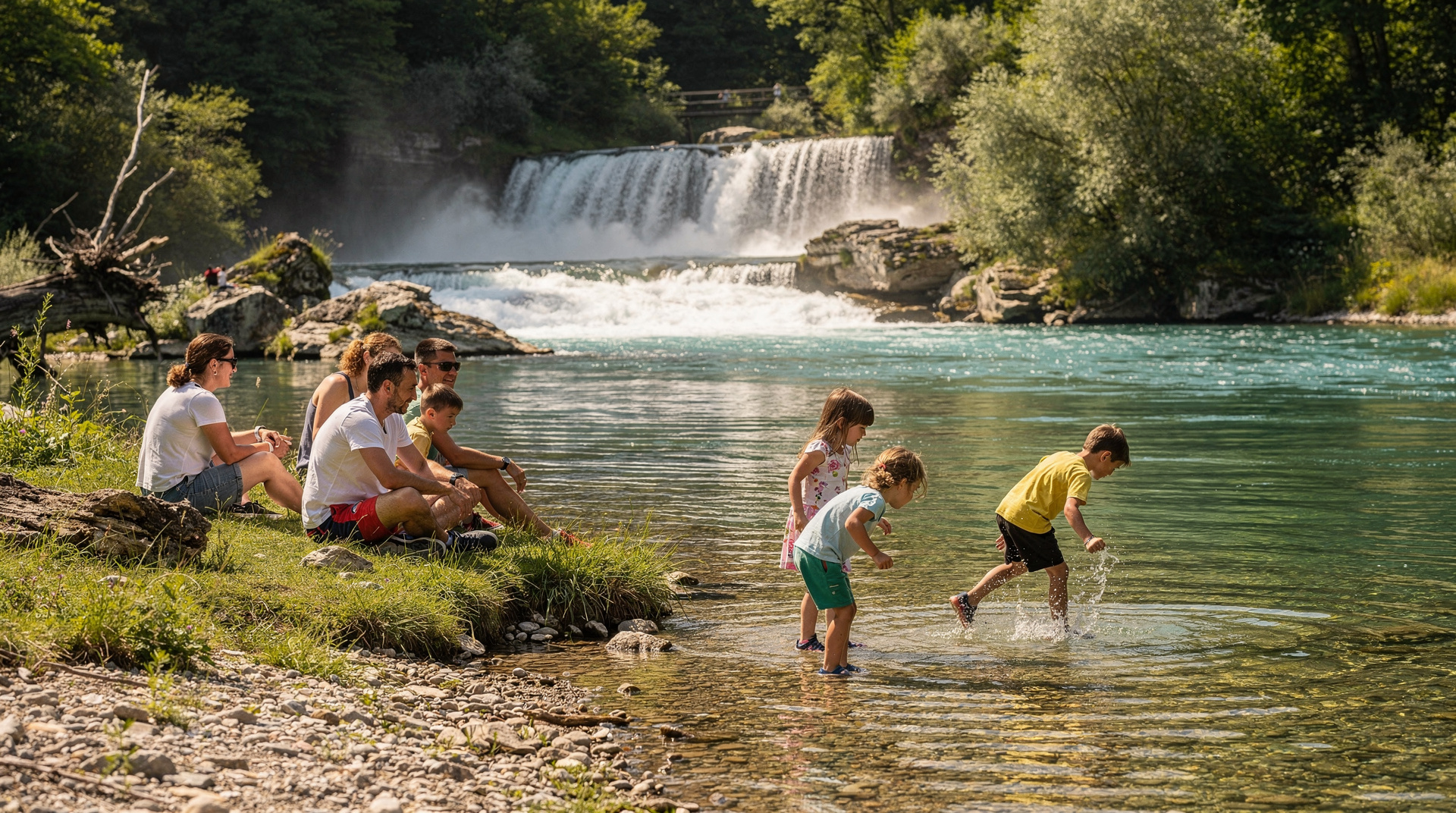
Twelve kilometres west of Sarajevo at Ilidža, Vrelo Bosne is where the Bosna River springs from multiple karst sources. The park is shaded, flat and beautiful — a boardwalk leads past clear pools alive with trout, ducks and water plants. Horse-drawn fijaker carriages clip-clop along the main avenue. Ice cream kiosks stand near the entrance.
Young children can happily spend two to three hours here exploring the paths, feeding ducks and riding in a carriage. The area is pushchair-friendly. Combined with a family lunch at one of the riverside restaurants in Ilidža, it makes a perfect half-day outing from central Sarajevo.
City logistics for families
Getting around
Sarajevo’s old town (Stari Grad) is compact and best explored on foot. The hills can be steep in some areas — bear this in mind with pushchairs. For trips to Ilidža/Vrelo Bosne, tram line 3 runs the full length of the city from Baščaršija to Ilidža (30-40 minutes, cheap). Taxis are metered and affordable; use licensed vehicles (yellow plates) or book through a hotel.
Accommodation areas
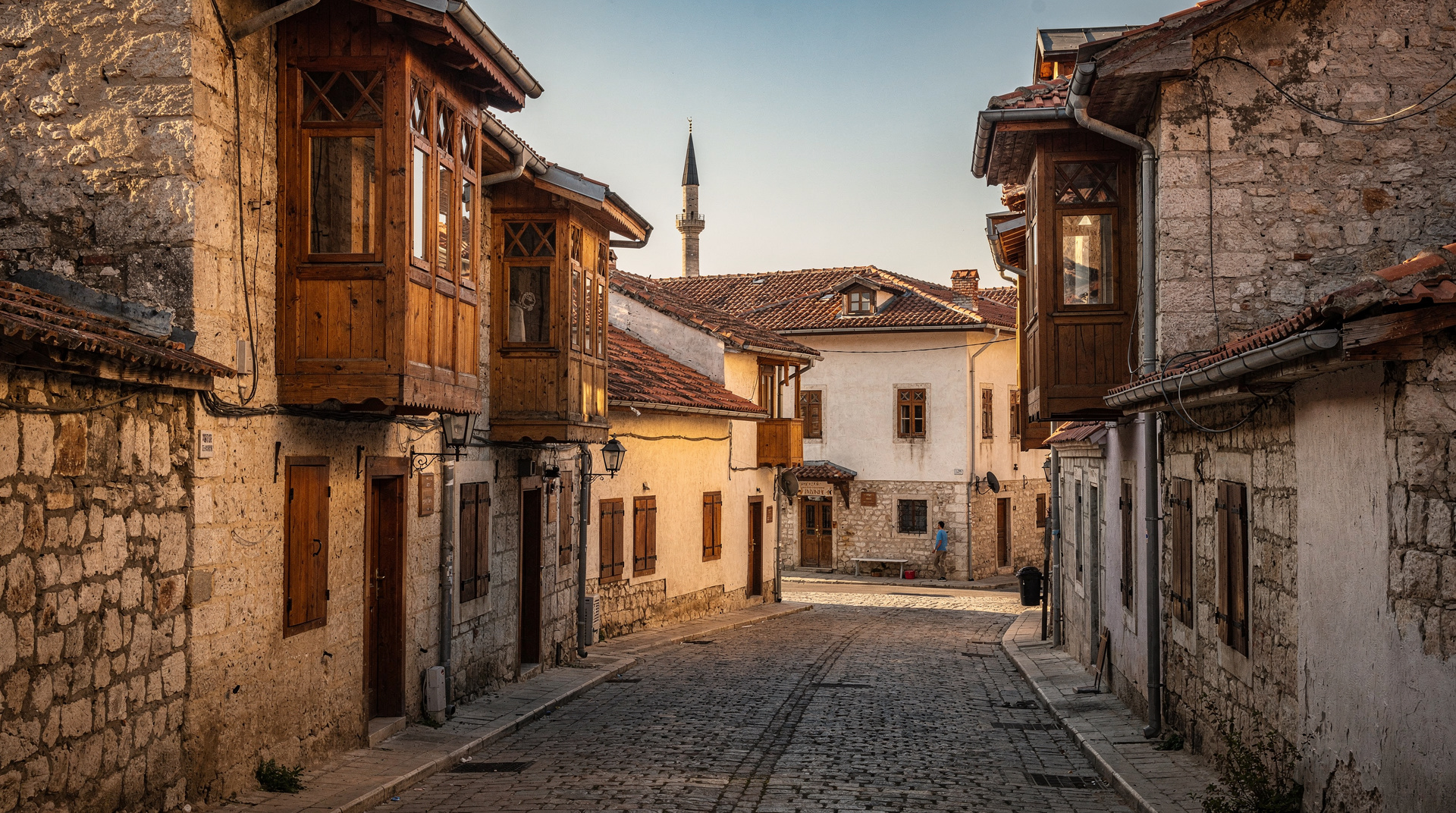
Baščaršija neighbourhood: Closest to the main family-friendly sights. Hundreds of guesthouses and small hotels, many in Ottoman-era buildings. Streets are pedestrianised around the bazaar core. Noise can be an issue late at night on weekends.
Marijin Dvor / Ferhadija area: The Austro-Hungarian heart of Sarajevo — wide boulevards, large hotels, cafés. Central, quieter than Baščaršija, with easy tram access east to the old town.
Ilidža: Western suburb, quieter and greener. Good base if your family rents a car and plans daily excursions. Slightly further from the old town (30-40 minutes by tram).
Eating with children
Ćevapi are Bosnia’s national dish — tiny skinless sausages of minced beef, served in flatbread with raw onion and sour cream. Children almost universally love them. Pita (flaky pastry filled with meat, cheese or spinach) is sold by weight from large trays at pekara (bakeries) throughout the city and costs almost nothing. Soups (čorba) are hearty and warming. Look for menus with grilled meats (roštilj) for simple, reliable choices.
Avoid the over-priced tourist restaurants right on Baščaršija’s main square — prices spike and quality drops. Walk one or two lanes back into the bazaar or towards Ferhadija for better value.
Sarajevo day-by-day plan for families
Day 1: Old town immersion
- Morning: Baščaršija — Sebilj fountain, copper lane, Gazi Husrev-beg Mosque
- Lunch: Ćevapi at Željo or one of the traditional aščinica (home-style restaurants) near Baščaršija
- Afternoon: walking tour or self-guided exploration of Ferhadija and the Latin Bridge
- Evening: ice cream on the promenade, sunset from the Yellow Fortress (Žuta Tabija) — 15 min walk up
Day 2: Cable car and museum
- Morning: cable car to Trebević, bobsled track, views
- Lunch: mountain restaurant on Trebević or return to city
- Afternoon: War Childhood Museum (older children) or Sarajevo City Museum (younger)
- Evening: Baščaršija dinner and lights
Day 3 option: Vrelo Bosne + Ilidža
- Morning: tram to Ilidža, walk/fijaker in Vrelo Bosne park
- Lunch: riverside restaurant in Ilidža
- Afternoon: return to city, free time for shopping (copper, embroidery, handmade items)
Pacing the days with children
Families who enjoy Sarajevo most tend to plan one main outing per half-day and leave the rest loose. Children tire faster on cobblestones and hills than adults expect, so build in café stops, a bench by the Sebilj fountain and an early return to the hotel when the mood turns. The Sarajevo where to stay guide helps you pick a base that makes those breaks easy, and the wider Sarajevo destination page shows how the neighbourhoods fit together.
If your family likes a bit more structure, the 4-day Sarajevo deep dive can be trimmed to a child-sized version: keep the bazaar, the mountain and the park, and drop anything that needs long queues or long walks. A short walk to the old bazaar’s mosques also works as a quiet cultural moment; the Sarajevo mosques guide explains what visitors can expect and how to behave respectfully with young children in tow.
Food adventures for picky eaters
Sarajevo is a forgiving city for fussy eaters. Grilled meat, bread, chips and pastry are everywhere, and children who refuse everything else will often eat ćevapi without complaint. For parents who want to go further, the Bosnian food guide and the burek and pita guide explain what each dish is, so you can order with confidence and let older children choose for themselves.
For a more playful tasting experience, the Sarajevo food tour guide describes the guided options, and the best restaurants in Sarajevo page is a good place to look for relaxed, family-friendly tables. If you plan to introduce your children to Bosnian coffee culture, the Bosnian coffee culture guide explains the ritual, which children usually find more fascinating than the drink itself. Keep rakija and other strong drinks firmly on the adult side of the table; the rakija guide is for parents only.
Getting there and moving between cities
Many families arrive by air, and the Sarajevo airport guide covers the practical first steps after landing. Inside the city, the Sarajevo public transport guide explains trams and buses so you are not working it out with tired children at the stop. When you leave Sarajevo, the Sarajevo to Mostar transport guide compares the options, and the Mostar day trip from Sarajevo is possible with older children who cope well with a long day.
Families driving themselves should read the renting a car in Bosnia guide and the driving in Bosnia guide before booking, particularly if you are travelling with car seats or a lot of luggage.
Reassurance for worried parents
Parents often ask whether the country is safe enough for children. The is Bosnia safe guide gives an honest overview, and the landmine safety guide explains the one rule that matters: stay on marked paths and tell children never to wander off them in rural or mountain areas. In the city itself, everyday common sense is enough. Keep a close eye on small children in busy bazaar lanes, agree a meeting point with older ones, and carry water and snacks on the longer outings.
What about the heavy history?
Parents sometimes worry that Sarajevo’s war history is too dark for children. The short answer: it depends on the child’s age and how you frame it. The siege, the Tunnel of Hope and Srebrenica are important stories, not just for Bosnian children but for any child who is learning about the world.
The War Childhood Museum is the gentlest entry point. The Tunnel of Hope is appropriate for children aged 12 and up. The Srebrenica memorial is a deeply serious site best suited to teenagers and adults.
You do not have to visit everything. Sarajevo works beautifully as a city of architecture, food, bazaar life and mountain scenery even if you set aside the war history entirely. Most families find a middle ground — one history stop, framed age-appropriately, alongside plenty of cable cars, waterfall swimming and good food.
Combining Sarajevo with a Bosnia family itinerary
Most families combine two to three days in Sarajevo with a drive to Mostar and Kravice Falls (see the Bosnia with kids guide for the full itinerary). If time allows, the Una National Park near Bihać is a spectacular addition for families who enjoy nature and gentle water activities. Jajce, with its dramatic waterfall in the town centre, is a great lunch stop between Sarajevo and the north-west.
Rainy day and extra options
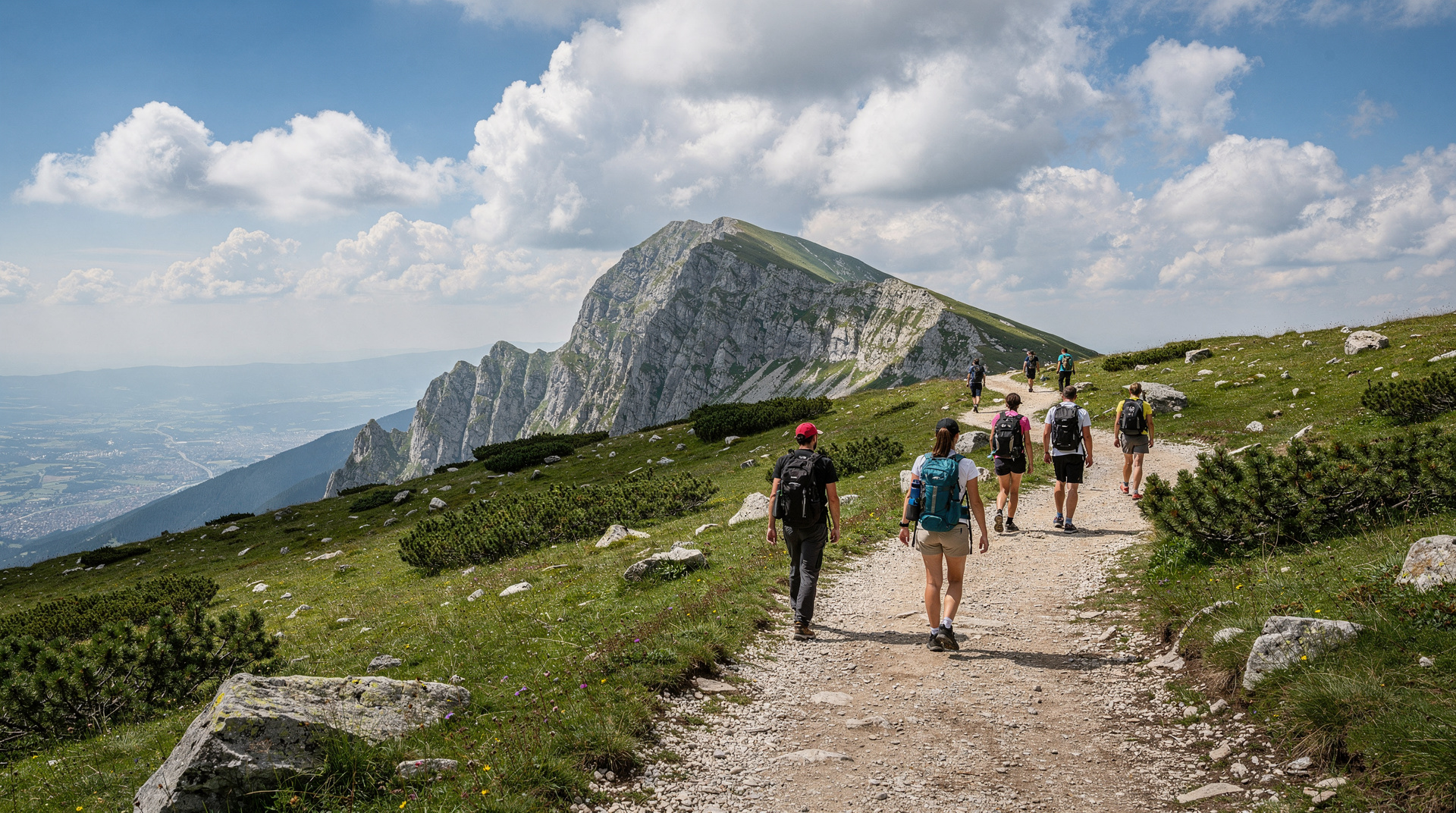
If the weather turns, the best day hikes from Sarajevo guide has gentler, shorter options suitable for older children on a clear day, while indoor alternatives include the Zetra Olympic Museum, the Sarajevo City Museum and covered sections of Baščaršija’s covered bazaars. For general family destination ideas across the country, see the broader family activities in Bosnia guide.
Families visiting in winter can add a half-day of skiing at Jahorina or Bjelašnica — both resorts run beginner ski school for children from around age 4-5, and the 1984 Winter Olympics guide gives context that older kids interested in sport genuinely enjoy.
What to skip with young children
Not every Sarajevo attraction is worth the detour with kids in tow. Several spots marketed heavily to tourists are overpriced or underwhelming for families — see the Sarajevo tourist traps guide before planning your itinerary, so you spend limited family time on the highlights above rather than a disappointing add-on.
Frequently asked questions about Sarajevo with family
How many days should a family spend in Sarajevo?
What age is the War Childhood Museum appropriate for?
Is the Sarajevo cable car safe for young children?
Where is the best area to stay in Sarajevo with kids?
Are Sarajevo restaurants child-friendly?
Can families ski near Sarajevo in winter?
Is Sarajevo suitable for a family with a baby or toddler?
Top experiences
Bookable activities with verified prices and instant confirmation on GetYourGuide.