War Childhood Museum Sarajevo — a visitor guide
Sarajevo: Beyond the Headlines Guided Walking Tour
What is the War Childhood Museum in Sarajevo?
The War Childhood Museum (Muzej ratnog djetinjstva) documents the Siege of Sarajevo through personal objects and testimonies donated by people who were children during the 1992–1996 siege. Each object — a toy, a scarf, a jar of jam — comes with a written testimony from its owner. It has been named one of the best museums in the world by several international bodies.
Some museums explain what happened. The War Childhood Museum in Sarajevo shows you what it felt like. There is a difference, and it matters.
| At a glance | |
|---|---|
| Where | Logavina 32, upper old town, around 12–15 minutes uphill from Baščaršija |
| Cost | Around 10 BAM (roughly 5 EUR) for adults; reduced for students |
| Time needed | Around 1–1.5 hours |
| Getting there | Walkable from the old town; short taxi ride otherwise |
| Best time to visit | Weekday mornings tend to be quieter than weekend afternoons |
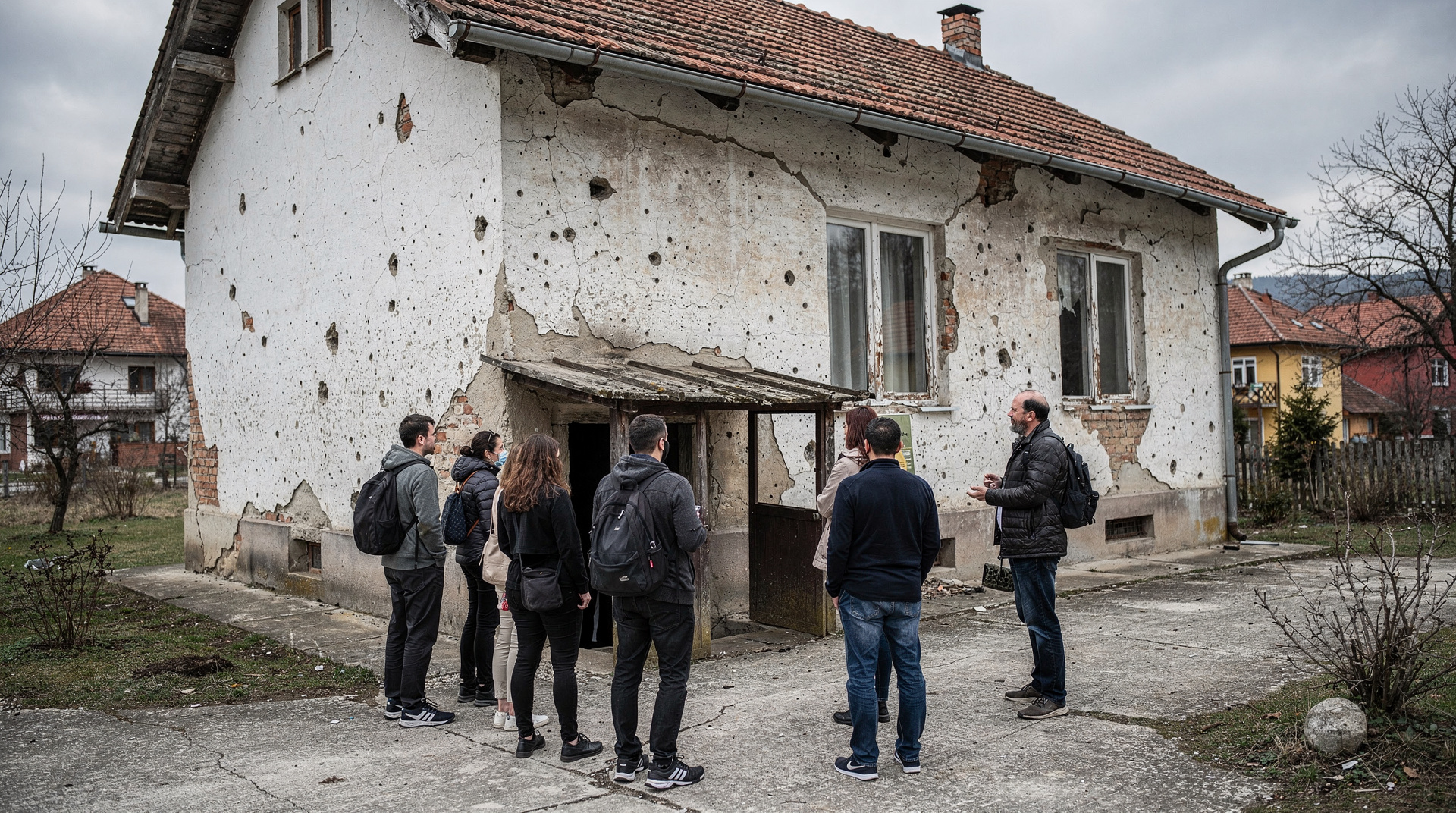
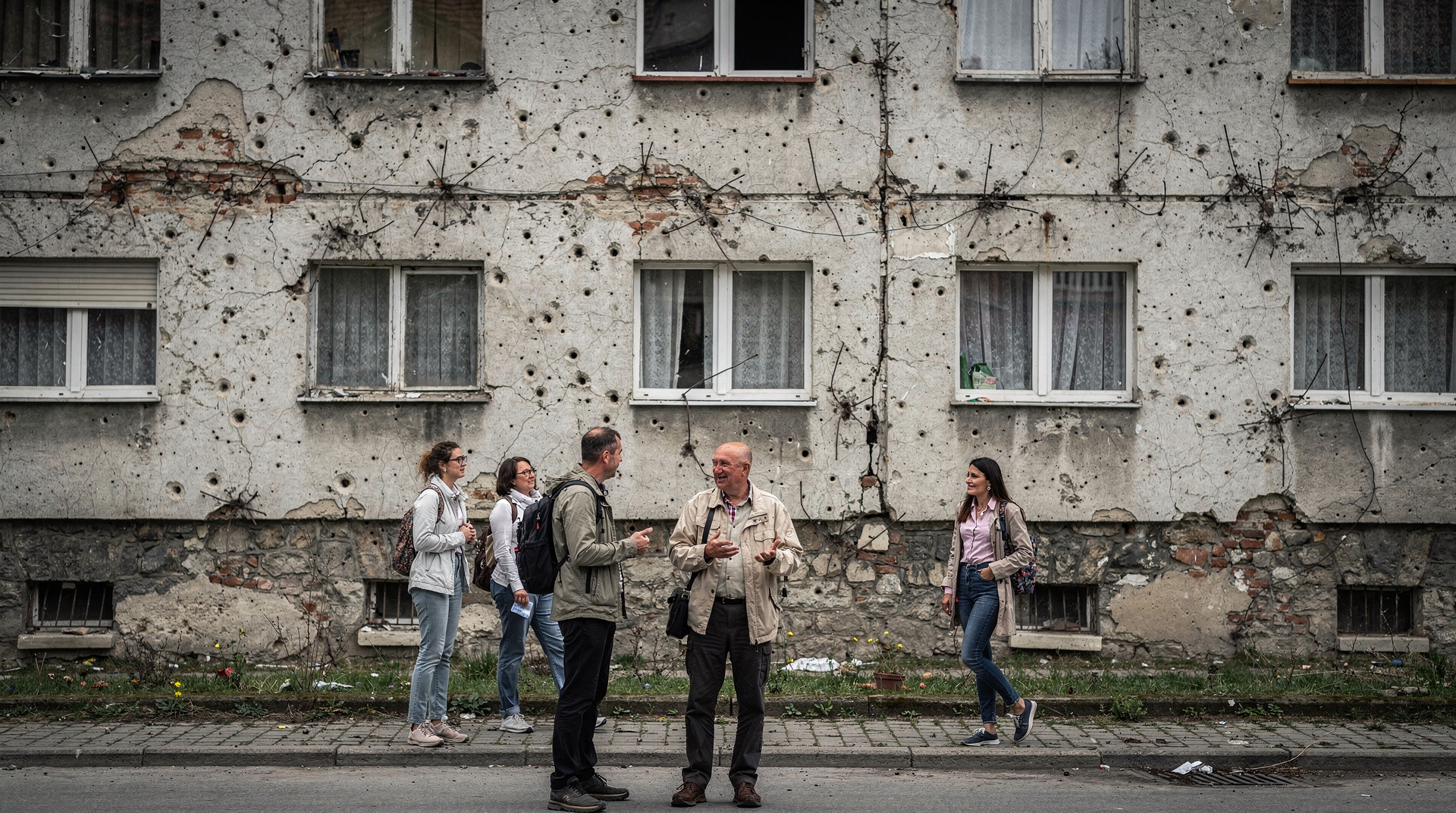
When the Siege of Sarajevo began in April 1992, roughly 70,000 children were living in the city. They attended school in basements when shelling allowed, carried water from distribution points when the pipes ran dry, and grew up in a city that was simultaneously their home and a target. By the time the siege ended in 1996, many of them had lost family members, classmates, homes.
Twenty years after the siege, a Sarajevo writer named Jasminko Musić asked people who had been children during those years to complete a sentence: “War childhood is…” He published 1,000 of their responses in a book. In 2017 the project expanded into a museum. In 2018 the War Childhood Museum won the Council of Europe Museum Prize — one of the most prestigious awards in European museology.
What the museum contains
The core of the permanent exhibition is a series of ordinary objects — a pair of roller skates, a small jar of jam, a knitted scarf, a cassette tape — each displayed in its own case with a written testimony from its owner explaining what the object meant to them during the siege.
The power of this approach is in its intimacy. There are no statistics in the main galleries, no maps of front lines, no photographs of destruction. There is only the object and the person — and the specific, precise memory that connects them. One donor kept roller skates because the sound of skating was a sign of normal life continuing. Another kept a jar of jam because it represented everything their mother tried to preserve of peacetime. The testimonies are brief, carefully chosen and devastating in their specificity.
The museum also includes a research archive, a library of testimony, and temporary exhibitions that have extended the project internationally to children who experienced war in Syria, Palestine and elsewhere — asking the same question, receiving the same kind of answer.
Practical visit information
Address: Logavina 32, Sarajevo (upper old town, between Baščaršija and the Academy of Fine Arts)
Opening hours: Tuesday–Sunday, approximately 10:00–18:00. Closed Mondays. Verify current hours before visiting; they change seasonally.
Admission: Approximately 10 BAM (5 EUR) for adults; reduced rate for students and children.
Duration: Allow 1–1.5 hours for the permanent exhibition. If you engage deeply with the testimonies — and most visitors do — you may find yourself staying longer.
Accessibility: The museum is on a hilly street in the old town. The building has steps at the entrance; check with the museum directly if you have mobility requirements.
Guided tours: The museum offers guided tours for groups; individual visitors can typically move through independently with the written testimonies as their guide.
Sarajevo: Beyond the Headlines guided walking tourHow to reach the museum
From Baščaršija (the old town bazaar), walk northeast along Logavina street, uphill for about 12–15 minutes. The street is steep in places but manageable. The museum occupies a typical old town residential building, slightly set back from the street.
Alternatively, from the main Sarajevo Cathedral on Ferhadija, walk east towards the old town and pick up Logavina from the upper end — a slightly shorter route.
Taxis from the city centre to Logavina are inexpensive (5–8 BAM). Be sure to agree on the price before getting in.
The War Childhood Museum in the context of Sarajevo’s war memory
Sarajevo has chosen to preserve its war memory carefully, maintaining a range of sites and institutions that together present the siege from different angles.
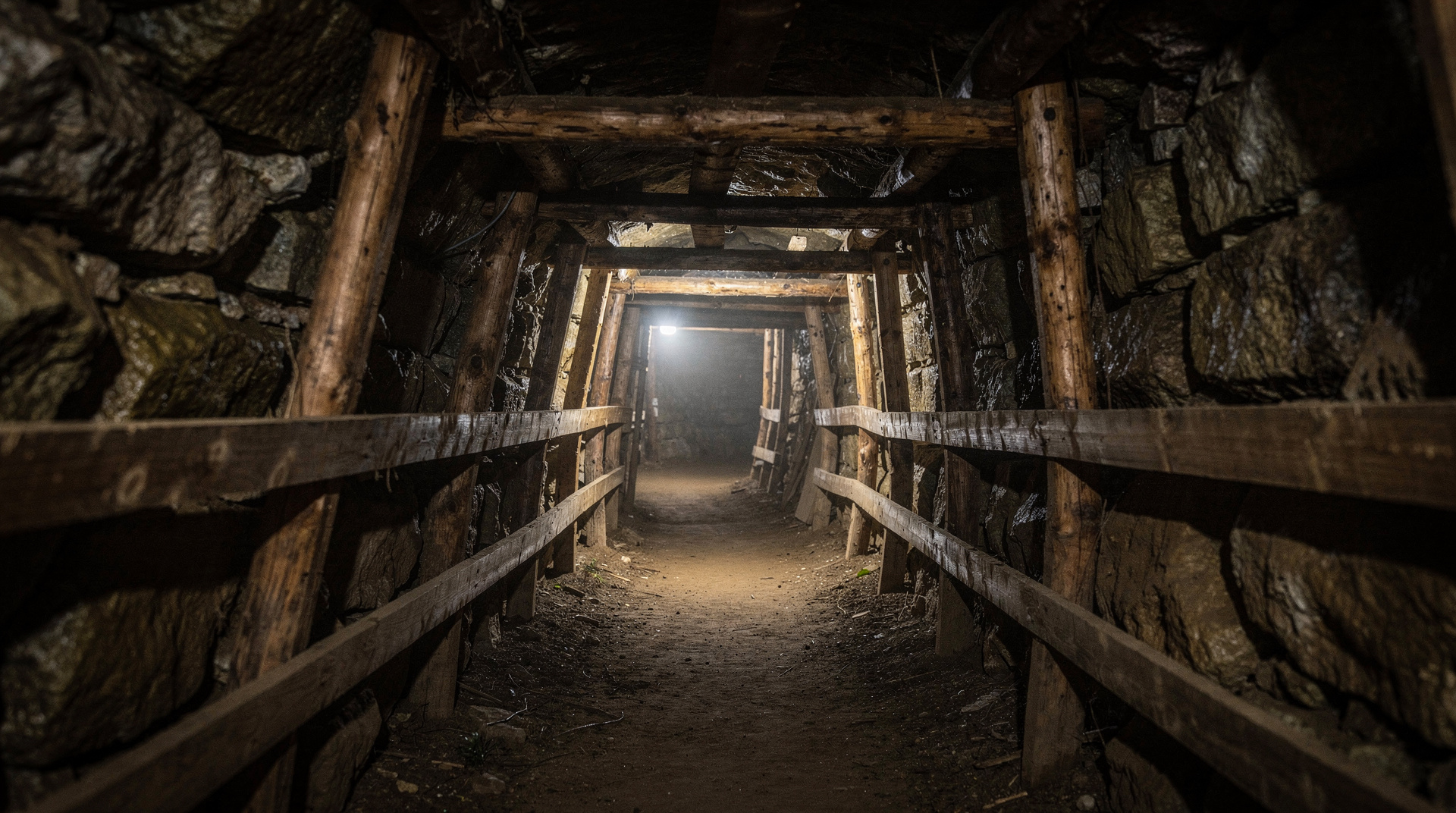
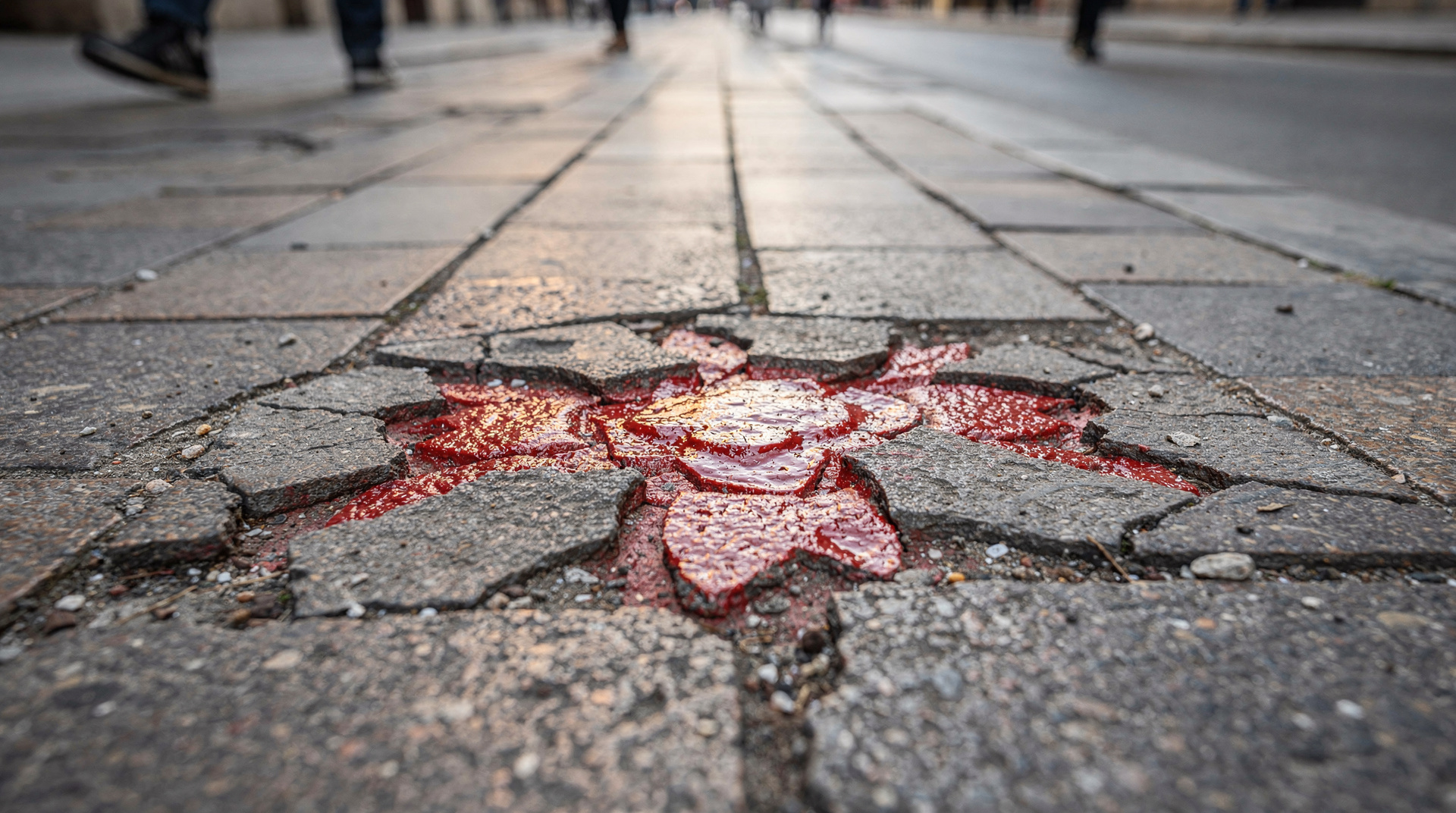
The Tunnel of Hope at Butmir shows the material and military story — the infrastructure of survival. The History Museum’s siege exhibition presents the documentary record. The Sarajevo Roses mark the geography of civilian death on the streets. The War Childhood Museum presents the interior, private, emotional record.
These approaches are complementary rather than competing. Visitors who see the tunnel in the morning and the War Childhood Museum in the afternoon leave with a fuller understanding than either experience alone would give. The contrast between the scale of military engineering required to survive the siege and the small jar of jam that a child’s mother kept fills in something that statistics cannot reach.
For visitors spending only a single day on war history in Sarajevo, a practical combination is:
- Morning: a guided war-history tour that includes the tunnel (transport included)
- Afternoon: War Childhood Museum + walk past Sarajevo Roses in the old town
This covers the military geography, the physical evidence, and the personal testimony — the three dimensions of the siege experience.
The original book
War Childhood: Sarajevo, 1992-1995 by Jasminko Musić is available at the museum shop and at bookshops in Sarajevo. It is a slim volume — easily read in an hour — and functions as a perfect companion to the museum visit, extending the number of testimonies you can encounter beyond what the exhibition space accommodates. Copies are available in English.
Beyond the museum: connecting war history and everyday Sarajevo
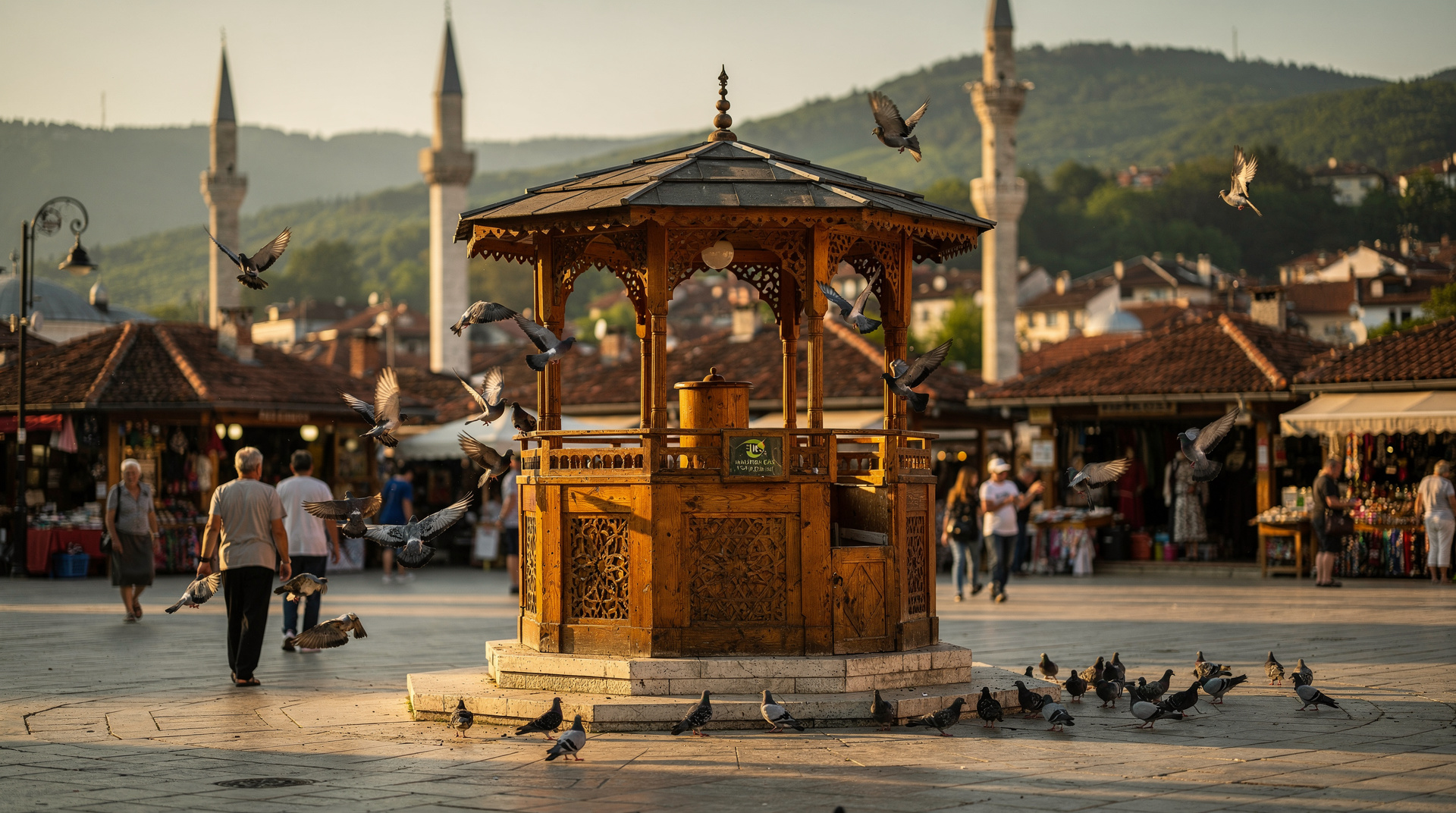
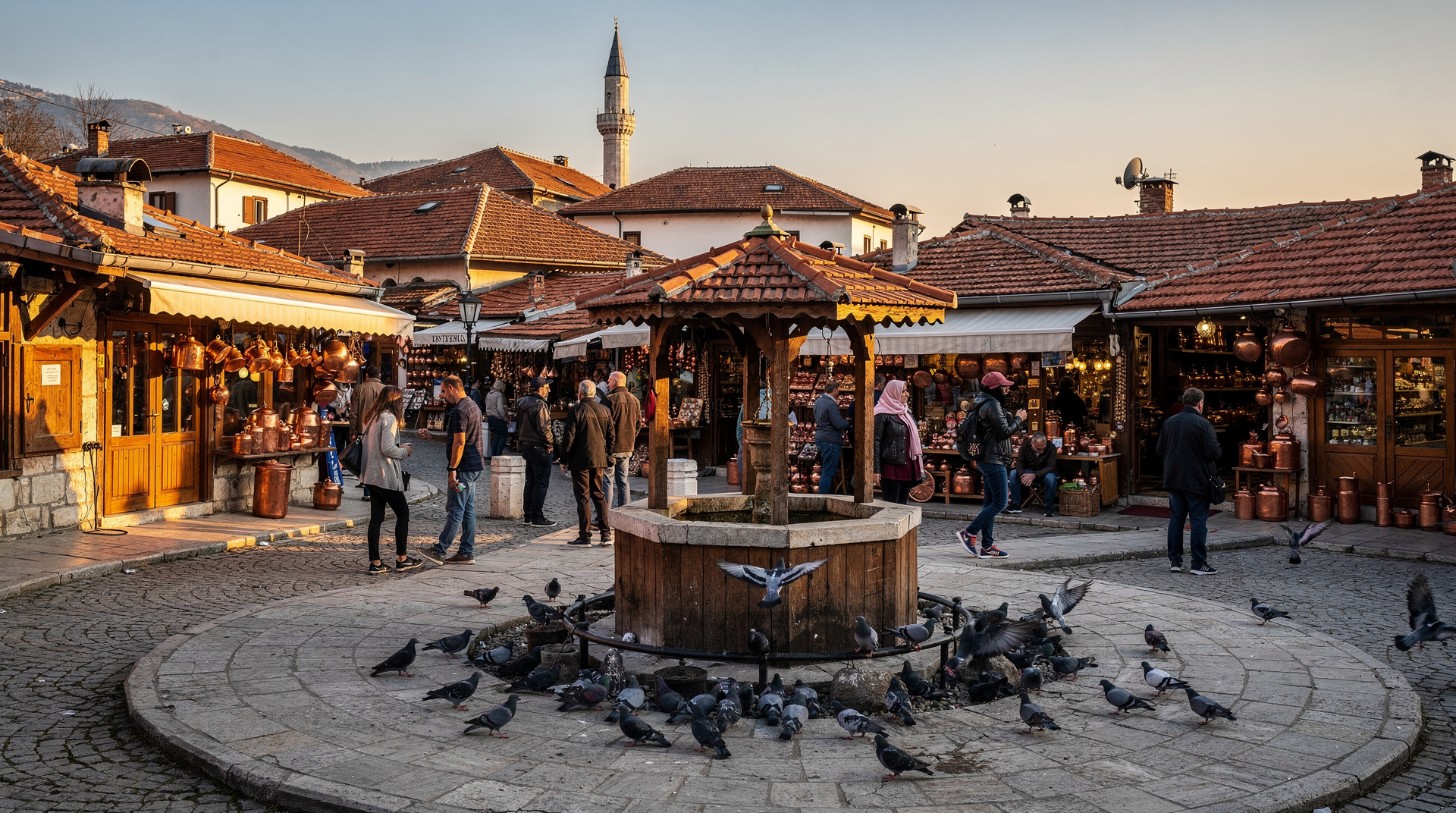
One of the most striking things about Sarajevo as a city is that its war-history sites and its contemporary, living culture are not separated. The War Childhood Museum is on a residential street where people are living ordinary lives. The Baščaršija bazaar — fifteen minutes downhill — is full of copper workshops, coffee houses and tourists who have never heard of the siege. The city has rebuilt without erasing.
Spending time in both contexts — the memorial and the coffeehouse, the tunnel and the evening market — is the most honest way to understand what Bosnia and Herzegovina is in 2026: a country with a very recent and very heavy history, inhabited by people who have decided, mostly, to move forward without pretending the past didn’t happen.
The Sarajevo destination guide helps you structure a two-to-four-day visit that includes both. The Bosnia war history itinerary suggests how to extend that into five days across Sarajevo, Srebrenica and Konjic.
Visiting with limited time
If you only have time for one war-history site in Sarajevo, the choice usually comes down to scale of experience. The Tunnel of Hope tells a story of engineering and survival on a citywide scale; it suits visitors who want to understand the mechanics of the siege. The War Childhood Museum tells the same period through a single object and a single voice at a time; it suits visitors who connect more easily with personal narrative than with infrastructure. Neither replaces the other, and both fit comfortably into a single day if you start early — see the Sarajevo war tour guide for a route that links them. If you prefer to have the tunnel handled for you, a guided siege-story visit to the Tunnel of Hope leaves your afternoon free for the museum.
Group visitors coming from Mostar or doing a broader Bosnia 7-day itinerary sometimes try to fit the museum into a rushed final afternoon before a bus. That undersells it — the exhibition rewards unhurried reading of the testimonies rather than a fast walk-through.
How to read the exhibition
The museum rewards a particular way of looking. Start by reading the testimony before you study the object. The object on its own is often unremarkable: a toy, a piece of clothing, something you might find in any family home. The written words are what turn it into evidence. Then go back to the object and look again. Most visitors find that the second look is quite different from the first.
Resist the urge to move quickly from case to case. The testimonies are short, but they are written by people who were small when the events happened, and the voice often carries that. Some are funny, some are matter-of-fact, some are quietly devastating. Leaving a few minutes between cases, or simply standing still for a moment, makes the visit easier to absorb and makes what you read stay with you afterwards.
It also helps to arrive with a little historical background. If you want the wider picture before you go, the Yugoslav wars explained guide sets out how the conflict began, and Bosnia history for travelers places the siege in the longer story of the country. With that in your head, the personal testimonies land with more weight, because you understand the world those children were living in.
Planning your day around the museum
The museum sits in the old town, so it combines naturally with the sights nearby. A sensible rhythm is to spend the first part of the day in the lively streets of Baščaršija, then walk uphill to Logavina while you still have energy for the climb. After the museum, you can come back downhill and decompress with a Bosnian coffee, which is the most local way to give yourself time to think about what you have just seen.
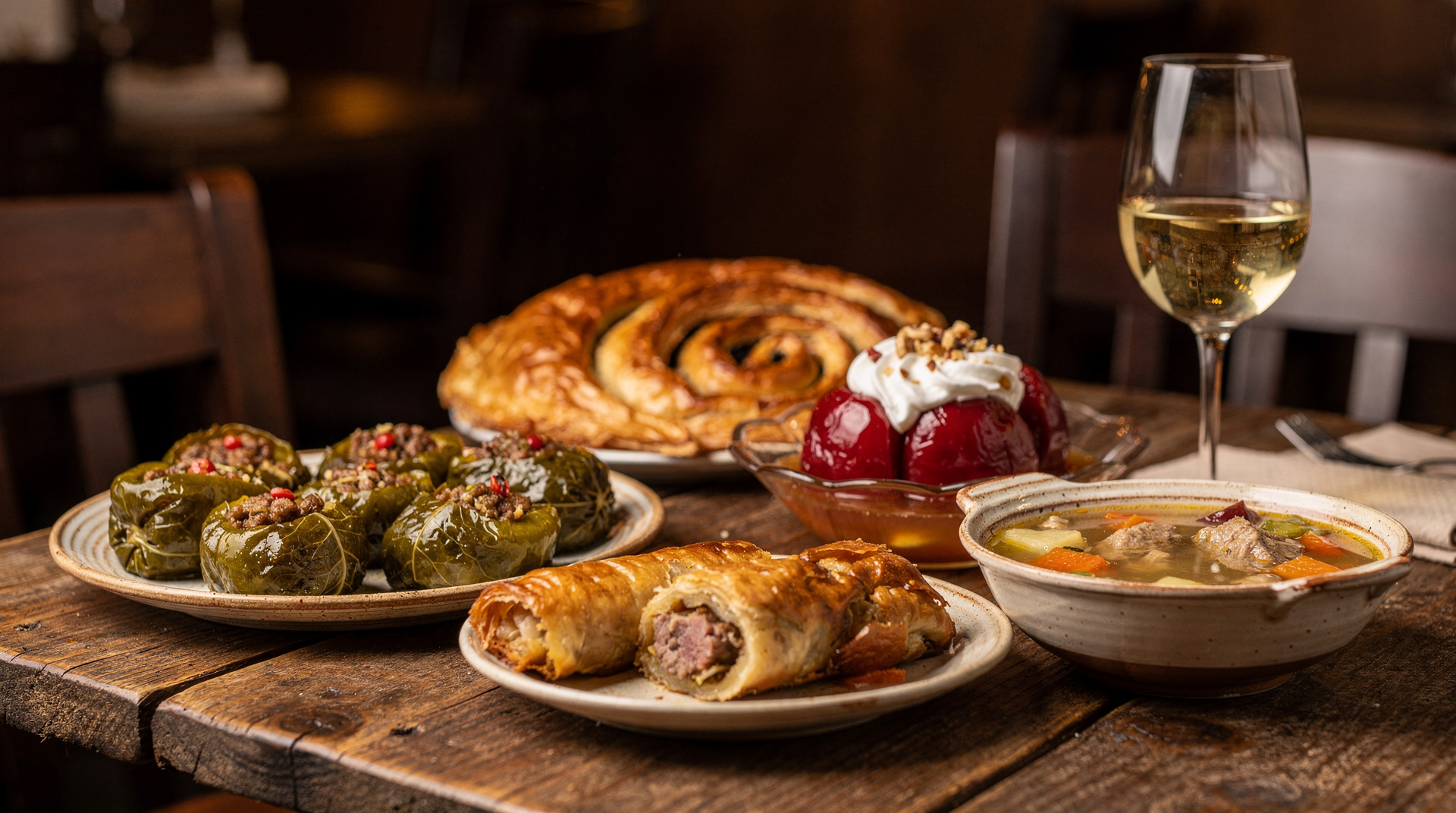
Because the content is emotionally demanding, many visitors prefer not to schedule anything heavy straight afterwards. Rather than going directly to another war-history site, consider something lighter for the rest of the afternoon: the Ottoman-era streets and mosques, the Austro-Hungarian side of the city, or a long lunch. The best restaurants in Sarajevo guide and the Bosnian food guide are good places to start if you want to eat well afterwards. A plate of burek or pita is a very Sarajevan way to end a morning that began with something serious.
If you are building a longer stay, the Sarajevo four-day deep dive shows where a museum visit like this fits among the city’s other sights, and where to stay in Sarajevo explains which neighbourhoods keep the old town within easy walking distance.
Other museums and memorials worth pairing
The War Childhood Museum is one of several places in the city that deal with memory, and each one adds something different. The overview of the museums of Sarajevo lists the main options if you want to spend more than one day inside exhibitions. For a different angle on the same period, Sniper Alley lets you stand in the places where civilians once had to run, and the Sarajevo siege and Tunnel of Hope guide covers the infrastructure that kept the city alive.
For an earlier chapter of the city’s story, the Franz Ferdinand assassination guide explains how Sarajevo came to appear in world history long before the 1990s, and the 1984 Winter Olympics guide tells of a very different moment, when the same city was celebrating on the world stage. Seen together, these stories show a place that has been defined by far more than a single event. The Sarajevo, a meeting of cultures and Sarajevo faiths guides add the social context that makes the city’s resilience easier to understand.
If you want a first-person account to read before or after your visit, the blog post on Sarajevo siege remembered offers a traveller’s perspective, and first time in Sarajevo is useful for general orientation.
Visiting respectfully
This is a place of memory, and the other visitors around you may include people with a personal connection to the events. A few simple habits go a long way: keep your voice low, put your phone on silent, and be thoughtful about photography. Check what the museum permits before you take pictures, and if photography is allowed, avoid making other visitors or the written testimonies the subject of your shots.
Families and groups should talk through what they are about to see beforehand. Children who are old enough to follow the testimonies often have questions afterwards, and a calm conversation over a snack or a walk helps. If you are travelling with younger relatives, the Sarajevo with family guide suggests lighter activities for the rest of the day, and Bosnia with kids has more general advice.
Finally, remember that Sarajevo is not a museum. Locals are living on the streets you walk through, and many have their own memories of those years. Be curious but not intrusive, and if someone chooses to share their story with you, listen first. Practical safety and etiquette questions are covered in the is Bosnia safe guide, and Sarajevo tourist traps will help you avoid the few things that can spoil an otherwise thoughtful day.
Frequently asked questions about War Childhood Museum Sarajevo — a visitor
Where is the War Childhood Museum in Sarajevo?
What are the opening hours and ticket prices for the War Childhood Museum?
How is the War Childhood Museum different from other war-history sites in Sarajevo?
Is the War Childhood Museum appropriate for children?
Who founded the War Childhood Museum?
Should I visit the War Childhood Museum or the Tunnel of Hope if I only have time for one?
Do I need to book tickets in advance for the War Childhood Museum?
Top experiences
Bookable activities with verified prices and instant confirmation on GetYourGuide.