Sarajevo tourist traps
Sarajevo: Old Town to Modern City Walking Tour
What are the main tourist traps in Sarajevo?
The main ones are: street hawkers selling low-quality walking tours near Baščaršija, overpriced restaurants on Ferhadija for food available cheaper two streets away, pickpockets on busy market days, and Tunnel of Hope add-ons that pad a short visit into an expensive half-day without adding value. None are serious — Sarajevo is one of the most honest cities in the Balkans.
Sarajevo is, by the standards of European tourism, a refreshingly honest city. The traps that exist are mostly minor — a restaurant priced for tourists rather than locals here, an overhyped tour there — rather than the organised scams found in higher-volume destinations. But knowing about them makes your visit smarter and your money go further. Here is a clear-eyed look at what to watch for.
| At a glance | |
|---|---|
| Where | Baščaršija, Ferhadija, Markale market and Sarajevo Airport arrivals |
| Cost of getting it wrong | roughly 5-15 BAM extra per meal, or 15-35 EUR overpaid on an airport taxi |
| Time to read this | around 5 minutes — worth it before your first day in the city |
| Getting it right | pre-book tours, walk a street or two back from the main tourist strip for food, use the licensed taxi rank |
| Best time to be extra careful | July-August, when crowds and bus-group volume are highest |
Walking tour touts near Baščaršija
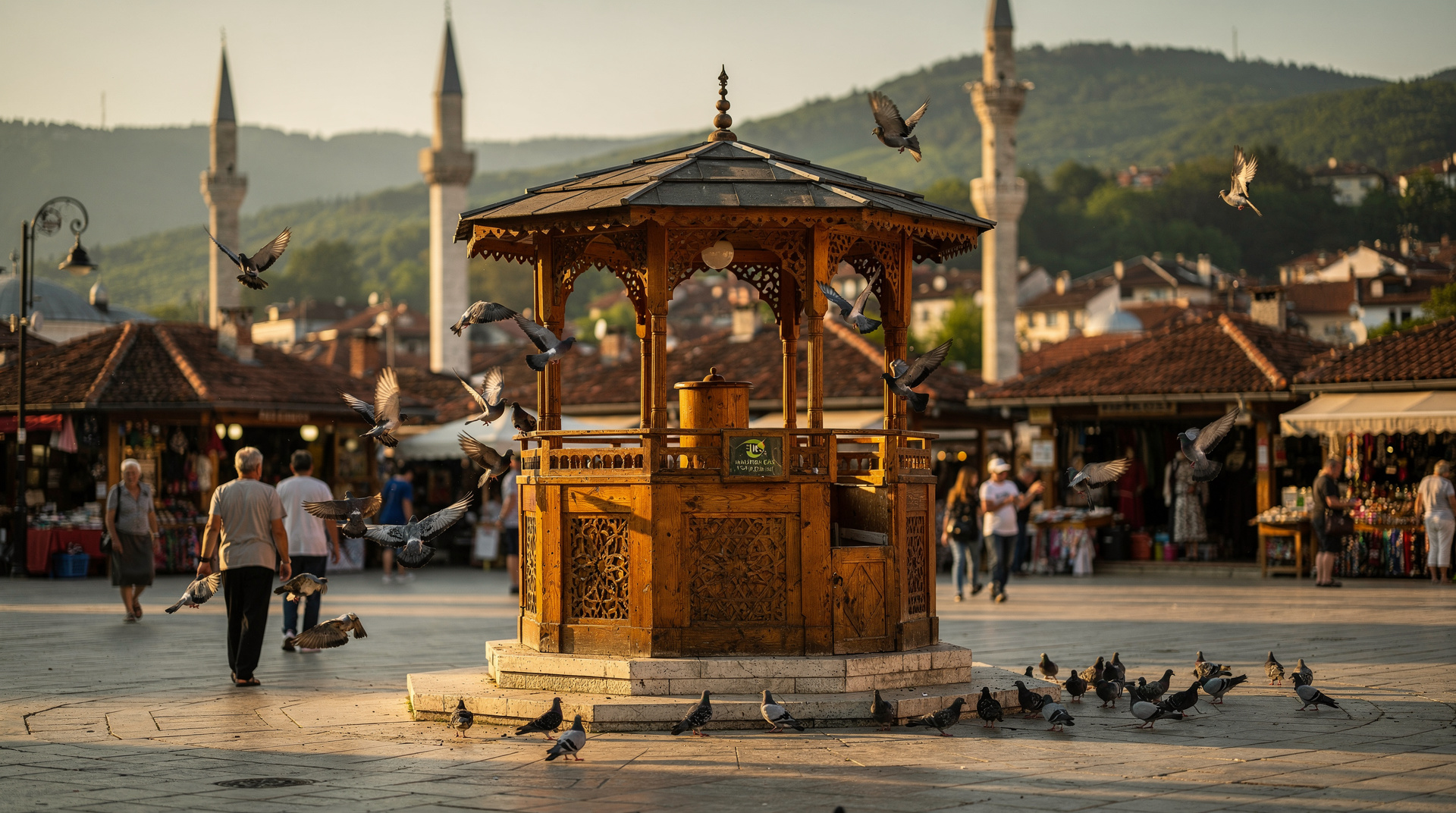
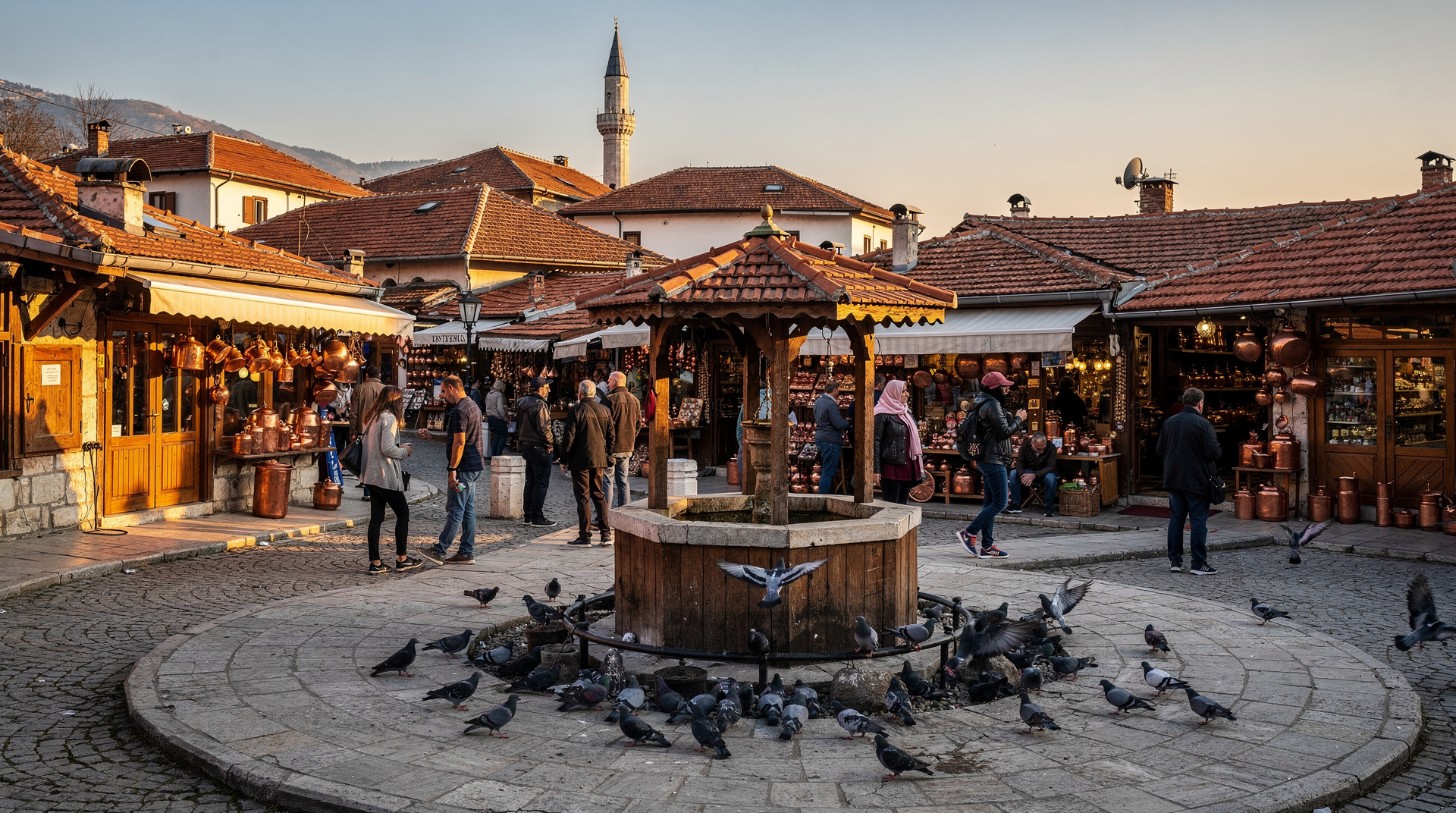
On summer days, the area around Sebilj fountain in Baščaršija attracts individuals offering impromptu city walking tours. Some carry laminated certificates of dubious origin. Tours are pitched at 10-15 EUR per person, and the quality is genuinely hit-or-miss — some are passionate locals with real knowledge; others are 45-minute circuits hitting only the very obvious spots.
The real issue is that Sarajevo’s history — the siege, the war, the role of the city as “Jerusalem of Europe” — genuinely benefits from a knowledgeable local guide. The surface-level touts rarely deliver that depth.
What to do: Pre-book a tour through a reputable platform. A guided old town walking tour with vetted local guides costs 15-25 EUR per person and covers far more ground with genuine expertise. For war history specifically, a specialist war tour is worth the premium. See the Sarajevo war tour guide for recommendations.
Ferhadija restaurant premium
Ferhadija, Sarajevo’s main pedestrian street connecting the Austro-Hungarian quarter to Baščaršija, is lined with cafés and restaurants. They are convenient and pleasant. They are also priced for tourist traffic.
A grilled plate (roštilj) on Ferhadija might cost 20-28 BAM (10-14 EUR). Walk 5 minutes north to the streets around the Markale market, or south towards Skenderija, and the same meal costs 12-18 BAM. The food quality is often higher at the less visible spots — smaller kitchens, fresher supply chains, less turnover pressure.
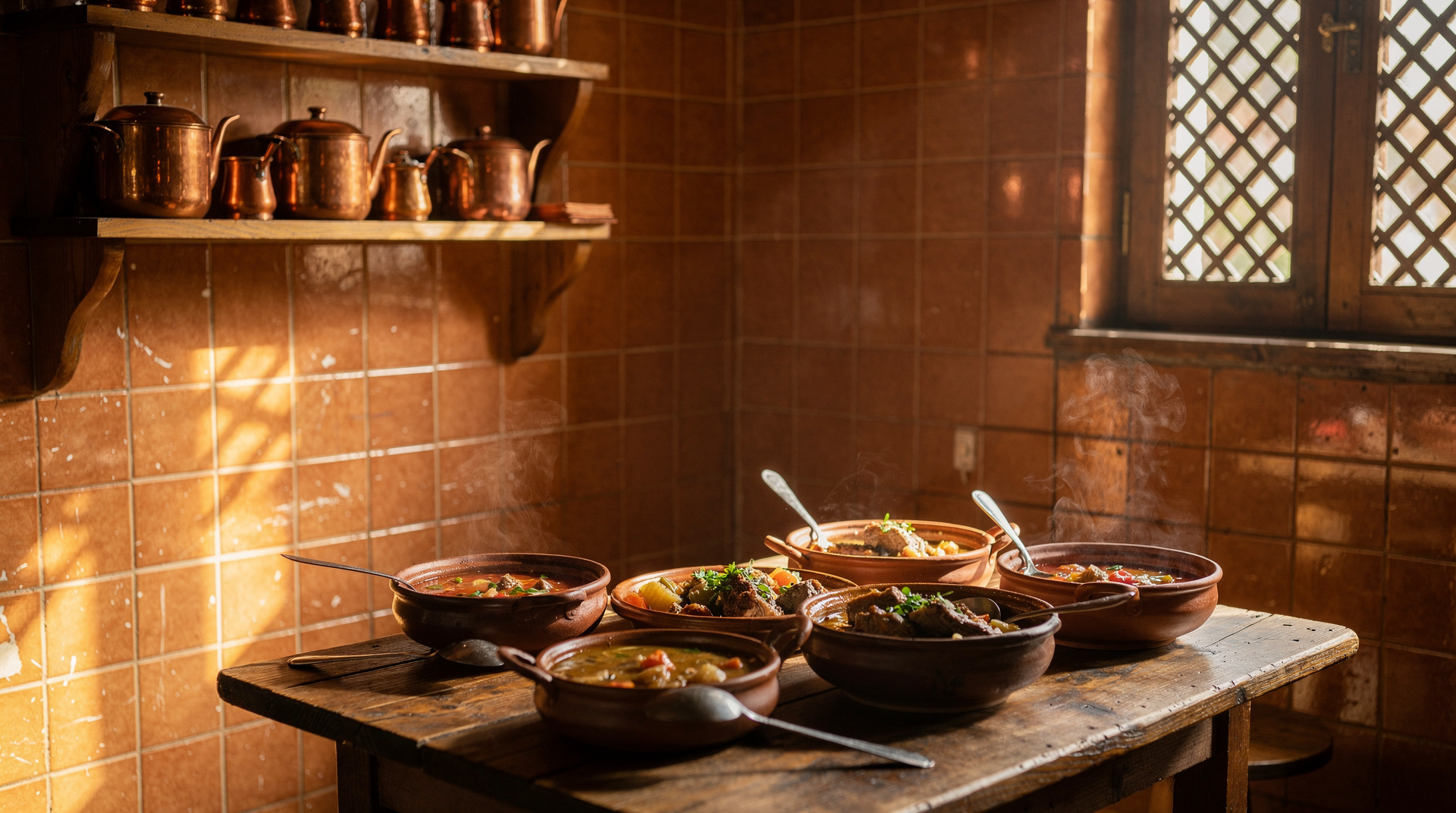
What to do: Eat where Sarajevans eat. Ask your accommodation for their current local recommendation. The aščinica tradition — home-style canteens serving daily specials — represents exceptional value: large portions of stew, spit-roast or pastry for 8-15 BAM per person. Sarajevo’s best restaurants guide covers the most reliable options across all budgets.
Markale market and pickpockets
Sarajevo has a low crime rate by any measure. Pickpocketing is occasionally reported at the Markale market (the covered and outdoor market west of Baščaršija, famous in war history for the 1994 mortar massacres) and in densely crowded Baščaršija alleys during peak summer. The risk is real but modest — far lower than in major Western European tourist cities.
What to do: Standard precautions are sufficient. Keep your bag in front of your body in crowded areas, do not keep your phone visible in a back pocket, and use inside pockets or a money belt for passports and larger sums. There is no need for anxiety — just awareness.
Tunnel of Hope add-ons
The Tunnel of Hope (Tunel spasa) at Butmir, dug under the Sarajevo airport during the siege to connect the besieged city with free territory, is one of the most important historical sites in Bosnia. Visiting it is worthwhile and often moving.
The museum itself is genuine — the Kolar family house, who built and maintained the tunnel, still runs it. Entry is around 20 BAM per adult. The issue is with some tours that combine it with an over-long city circuit, charge significantly for transport that is straightforward by taxi, and rush through the actual tunnel experience to get back in time.
What to do: Take a taxi directly to Butmir (around 15-20 BAM from the centre), spend an hour at the museum and return. Or book a focused war tour that treats the tunnel as the centrepiece rather than an afterthought. The Sarajevo siege and tunnel guide details the history in full.
Sarajevo airport taxi fraud
Arriving at Sarajevo International Airport (SJJ), visitors may be approached by unlicensed taxi drivers in the arrivals hall who quote flat fares of 30-50 EUR to the city centre — a distance of about 8 km. The fair metered fare is approximately 12-18 BAM (6-9 EUR).
What to do: Exit the arrivals building and use the licensed taxi rank outside. Confirm the meter is on before departure. Alternatively, many hotels offer airport transfers; pre-arrange if arriving late or with heavy luggage. The Sarajevo airport guide covers all transport options in detail.
Souvenirs: what is worth buying and what is not
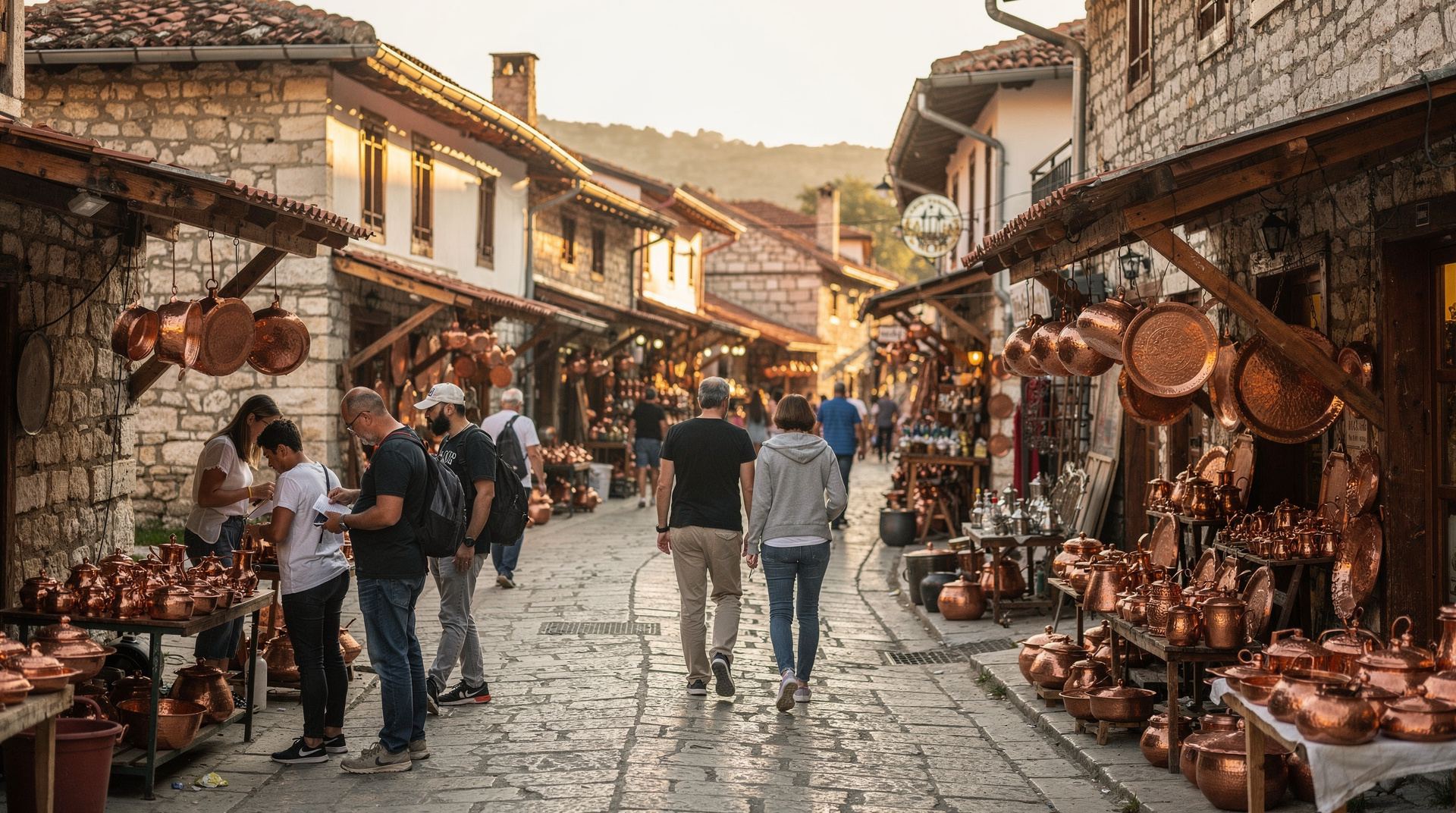
Sarajevo’s bazaar sells copper goods, embroidery, painted tiles, Bosnian coffee sets and shell casing souvenirs (pens, ashtrays made from 1990s war casings). The copper items — if you check they are genuinely hand-hammered rather than factory-pressed — are good quality and make excellent gifts. Ask to watch the craftsman work if the workshop is open.
Many items labelled “handmade” are mass-produced in China and imported. Coffee sets in particular are often cheaper plastic versions of traditional džezva-and-cup sets. Lift the lid, feel the weight and compare with the price.
What to do: Buy handmade copper from active workshops on Kazandžiluk (the coppersmiths’ lane in Baščaršija). This is the real thing. For embroidery, visit the Bosniak Institute craft shop or the artisan market near the Cathedral. Avoid buying from aggressive vendors on the main Baščaršija square who target passing tourists.
”Authentic” coffee ceremonies and museum add-ons
A few cafés near Sebilj advertise a “traditional Bosnian coffee ceremony” at double the price of a normal džezva of coffee elsewhere, sometimes bundled with a rushed explanation that adds little beyond what any local kahvana would tell you for free with your order. Bosnian coffee culture is genuinely worth experiencing — our Bosnian coffee culture guide explains the ritual properly — but you do not need a marked-up “ceremony” package to get it.
Similarly, some small private museums and “experience” venues around Baščaršija charge more than Sarajevo’s genuinely excellent public museums for a fraction of the content. The proper museums of Sarajevo — the History Museum, the National Museum, the War Childhood Museum — are well curated and reasonably priced; check that list before paying for a lesser-known private alternative.
What to do: For coffee, sit at any traditional kahvana and order normally — you’ll get the same ritual without the markup. For food more broadly, a proper Sarajevo food tour with a vetted local guide is a better use of money than a single overpriced “experience” venue, and it covers ćevapi and other staples properly. If you prefer to book ahead, a guided tasting through the city market and the old town keeps the food choices in the hands of someone who knows the kitchens.
Crowds and timing
Peak season (July-August) amplifies every trap on this list — longer queues for the cable car and museums, more aggressive touting near Sebilj, and restaurants on Ferhadija turning tables faster with less attention to quality. Visiting in shoulder season (May, June, September) or simply timing your day around the crowds avoids most of this without any extra cost. Our avoiding crowds in Bosnia guide has specific timing advice for Sarajevo’s busiest sights.
Getting around without being taken for a ride
Beyond the airport, most of Sarajevo is easy to cover on foot, and the old centre is compact enough that you rarely need a taxi at all. When you do, the same habits apply as at the arrivals hall: ask for the meter, and be wary of any driver who offers a fixed price before you have said where you are going. The Sarajevo public transport guide explains the trams and buses, which are the cheapest and most local way to move between the centre and the outer districts. If you plan to leave the city for the day, the getting around Bosnia guide and the best day trips from Sarajevo list show how to compare a pre-arranged excursion with doing it yourself, which is the simplest way to spot an inflated package.
How to tell a fair price from a tourist price
Prices in Sarajevo are rarely hidden, so the easiest defence is to look before you sit down or hand over money. Menus are normally posted outside, and a menu that is only in English with no local dishes is a hint that the place is aimed at passing trade. Compare two or three places before choosing, and notice where local people are eating, because a full room of Sarajevans at lunchtime is better evidence than any review. If something is offered without a price, ask first and do not feel awkward about walking away; nobody in a genuine business will be offended.
It also helps to understand the money itself. The Bosnia money and currency guide explains how the convertible mark works and why paying in euros in tourist zones usually costs you a little more than paying in marks. Keeping a small amount of local cash for bakeries, markets and coffee avoids that quiet loss without any effort. For a wider view of what a sensible daily spend looks like, see Bosnia on a budget and the budget trip report.
Choosing your base to avoid the worst of it
Where you sleep shapes how often you meet the traps in this guide. Staying right on the main pedestrian strip means every meal decision is made in the most expensive part of town, while a base a few minutes away puts you among ordinary cafés and bakeries from the first morning. The where to stay in Sarajevo guide compares the neighbourhoods, and your host can usually tell you which nearby places they would send their own family to. A good host is the cheapest source of local information you will find, so use them.
Respect matters more than any price
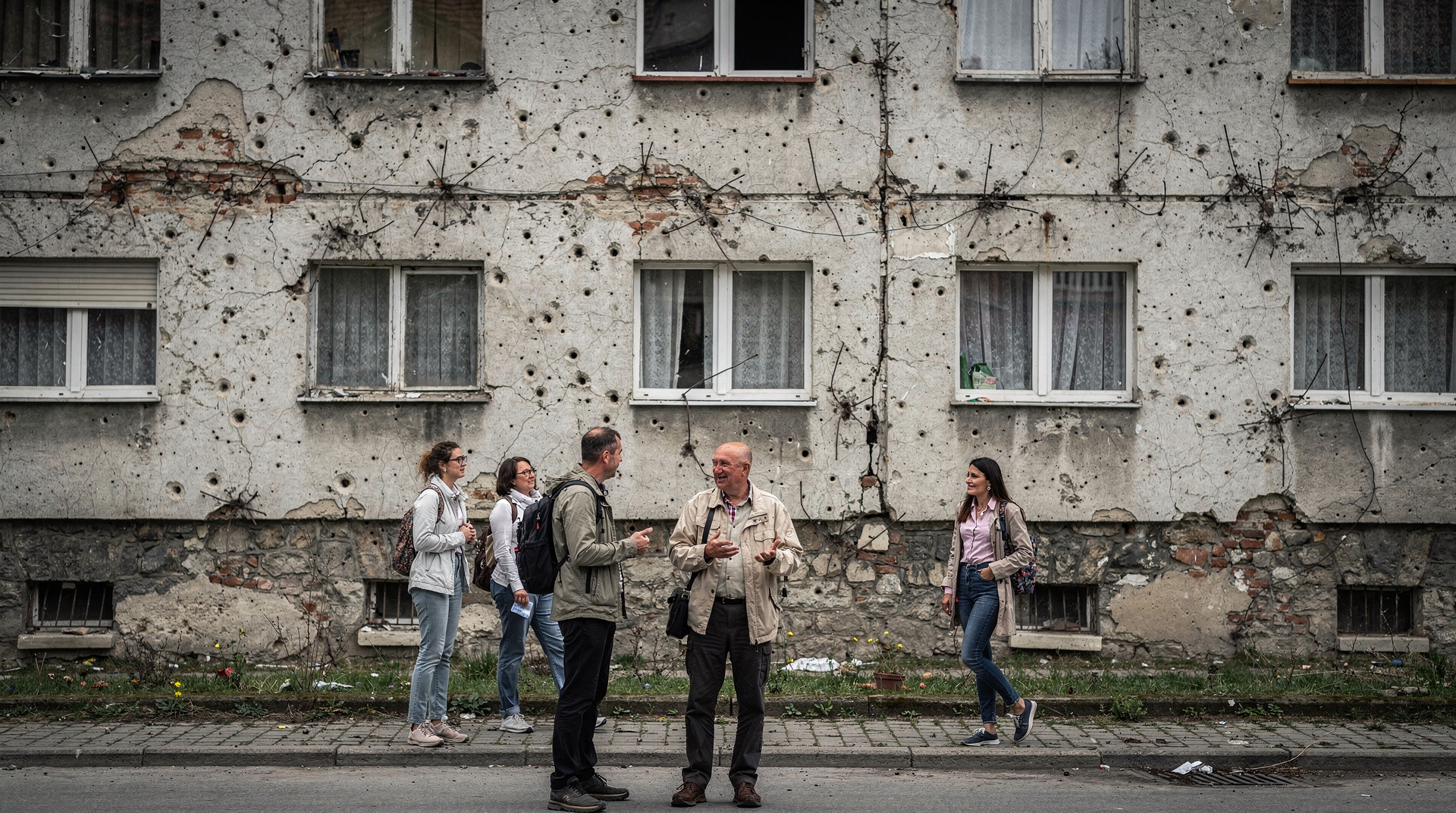
Some of the “experiences” sold around the old town touch on the siege and its victims. This is not a place for a rushed photo stop or a gimmick. Choose operators who treat the subject seriously, who are happy to explain where their information comes from, and who do not turn suffering into a sales pitch. The Sarajevo war tour guide, the sniper alley guide and the Sarajevo Roses memorials guide will help you recognise what a thoughtful visit looks like. The War Childhood Museum is a strong example of a place that handles the history with care and needs no embellishment. If you want the longer story behind the sites, Bosnia history for travelers is a good place to begin.
Planning a visit that avoids the traps
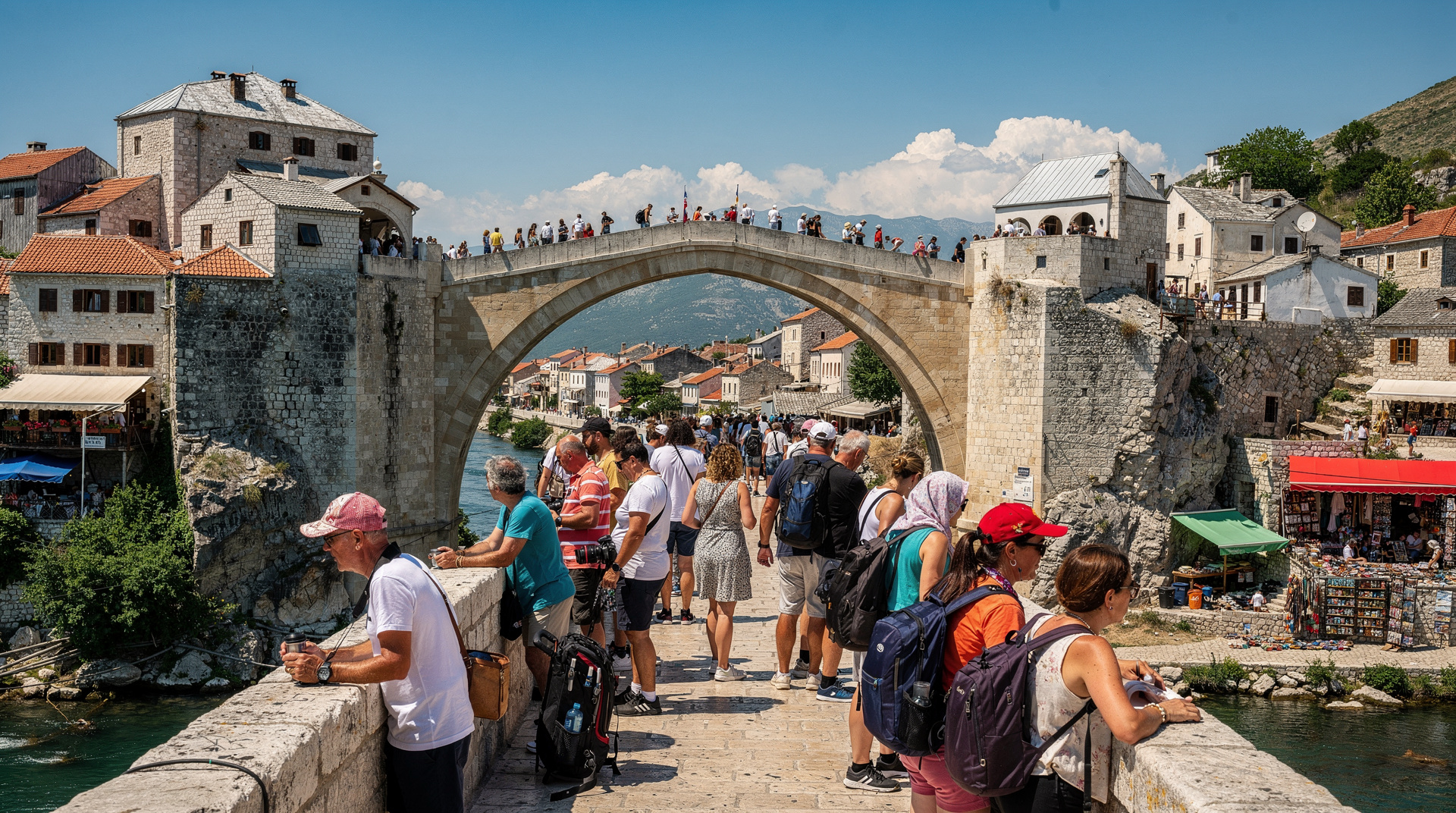
The simplest approach is to decide the big things in advance and leave the small things open. Pre-book one good guide for the history (a single day covering history, tradition, the war years and local food is a sensible way to see the main sights without improvising), choose a handful of places to eat that you have checked, and then wander freely without pressure. Wandering is where Sarajevo is at its best. Our Baščaršija guide shows how to explore the old bazaar at your own pace, and the Sarajevo 4-day deep dive turns that approach into a ready-made plan. If you are travelling on to Mostar afterwards, read Mostar tourist traps and the Sarajevo vs Mostar comparison, since the pricing habits there are more concentrated. For a first-timer’s honest account of the city, first time in Sarajevo is a useful companion, and the Sarajevo destination page pulls everything together.
What Sarajevo genuinely does well
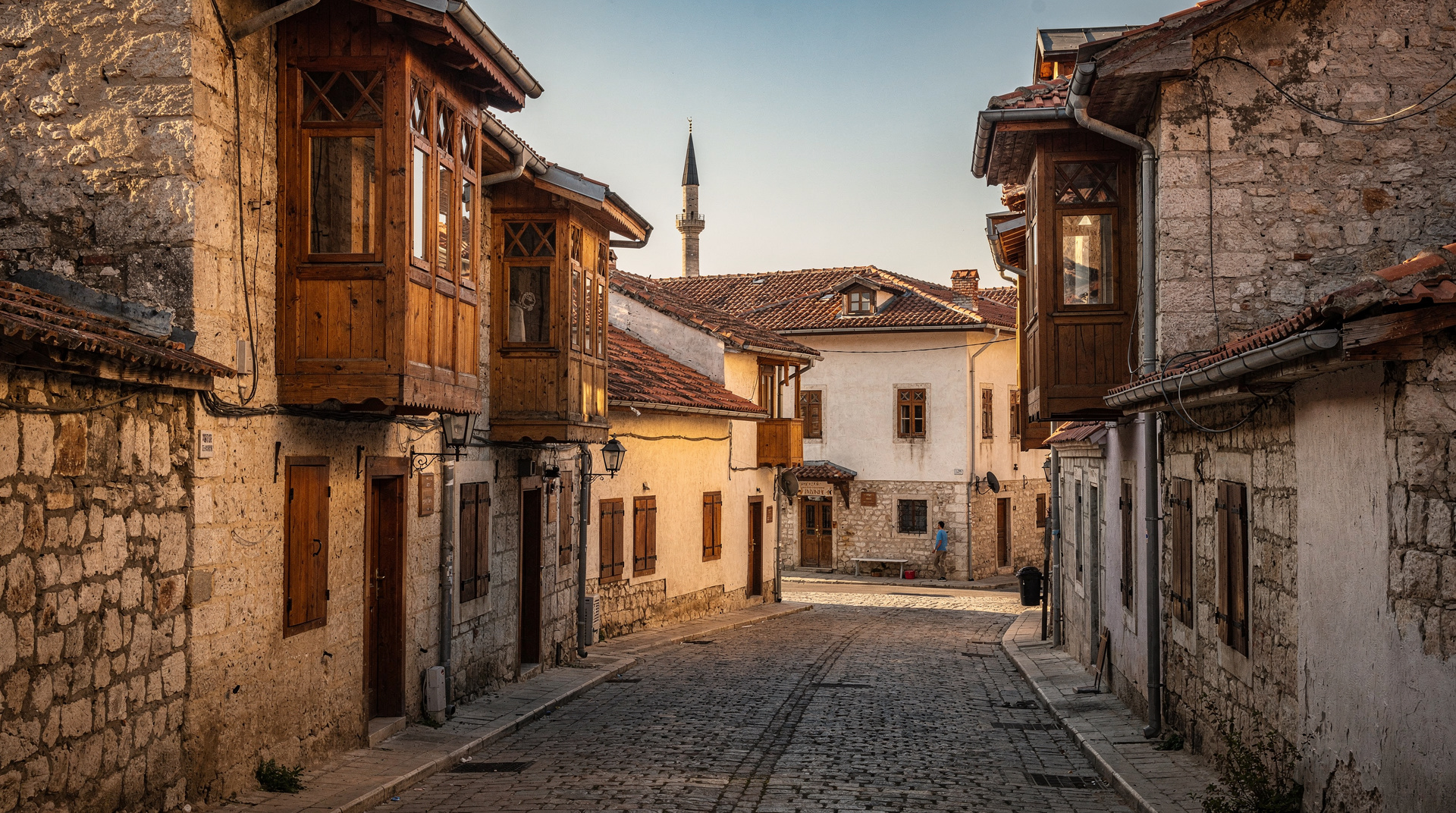
The important thing to emphasise: none of these traps are serious or pervasive. Sarajevo is a city where the best experiences — walking the Austro-Hungarian quarter at dusk, sitting in a traditional kahvana over Bosnian coffee, listening to a local explain what the siege meant to their family, discovering the extraordinary layering of four faiths on a single street corner — are not trappable. They belong to the city itself, and no amount of tourist pricing touches them.
The honest Bosnia hub collects all our critical guides. For a country-wide look at common scams and how to handle them, see Bosnia scams to avoid.
Frequently asked questions about Sarajevo tourist traps
Is Sarajevo safe from petty theft?
Are Sarajevo walking tours worth paying for?
What is overpriced in Sarajevo?
Are there fake War Tunnel or war tour experiences in Sarajevo?
Should I tip in Sarajevo restaurants?
Are Bosnian coffee ceremonies near Baščaršija worth paying extra for?
Is Sarajevo more or less prone to tourist traps than Mostar?
Top experiences
Bookable activities with verified prices and instant confirmation on GetYourGuide.