Sarajevo Tunnel of Hope — the complete visitor guide
Sarajevo: Bosnian War & Fall of Yugoslavia Tour with Tunnel
What is the Tunnel of Hope in Sarajevo?
The Tunnel of Hope (Tunel Spasa) was an 800 m underground passage dug by Sarajevo residents in 1993 to connect the besieged city with free territory. Today a preserved section is open as a museum at Butmir, 6 km from the city centre.
In the summer of 1993, residents of besieged Sarajevo completed an 800-metre tunnel beneath the airport runway — a hand-dug lifeline that would become one of the most powerful symbols of human resilience in modern European history. Today, part of that tunnel survives as the Tunnel of Hope Museum (Tunel Spasa, or “Tunnel of Rescue”), the most visited war-history site in Bosnia and one of the most moving memorials on the continent.
This guide covers everything you need to know before you go: the history of the siege, how the tunnel was built and used, how to reach it, what to expect on a visit, and how to choose a guided tour.
| At a glance | |
|---|---|
| Where | Tuneli bb, Butmir — around 6 km southwest of Baščaršija |
| Cost | around 20 BAM (~10 EUR) entry; taxi from Ilidža adds 5-7 BAM |
| Time needed | 1.5-2 hours for the museum alone; half a day on a combined war-history tour |
| Getting there | Tram 3 to Ilidža then taxi, or a guided tour with transport included |
| Best time | Early morning or late afternoon, to avoid the bus-group crush around midday |
The Siege of Sarajevo: context and scale
On 5 April 1992, Bosnian Serb forces under the command of General Ratko Mladić began surrounding Sarajevo. What followed was the longest siege of a capital city in the history of modern warfare — 1,425 days, from April 1992 to February 1996. At its peak, snipers in the hills above the city fired on civilians crossing streets, and artillery shells fell at a rate of more than three hundred per day.
The population of approximately 350,000 people was left without reliable electricity, running water or heating for most of the siege. The total number of people killed during the siege is documented at around 13,952, of whom roughly 5,434 were civilians. The Markale marketplace was shelled twice, killing scores of people at a time. The evidence gathered during and after the conflict formed part of the International Criminal Tribunal for the former Yugoslavia’s (ICTY) proceedings against senior military and political figures.
Understanding this scale matters before you visit the Tunnel of Hope. The tunnel was not a curiosity — it was a survival mechanism for an entire city.
How the tunnel was built
By 1993, Sarajevo was almost completely cut off. The only route in or out passed through Sarajevo International Airport, which was under UN control and technically neutral territory. The idea of digging under the runway was proposed by the Bosnian Army’s 4th Motorised Brigade. Work began in January 1993 and was completed on 30 July 1993.
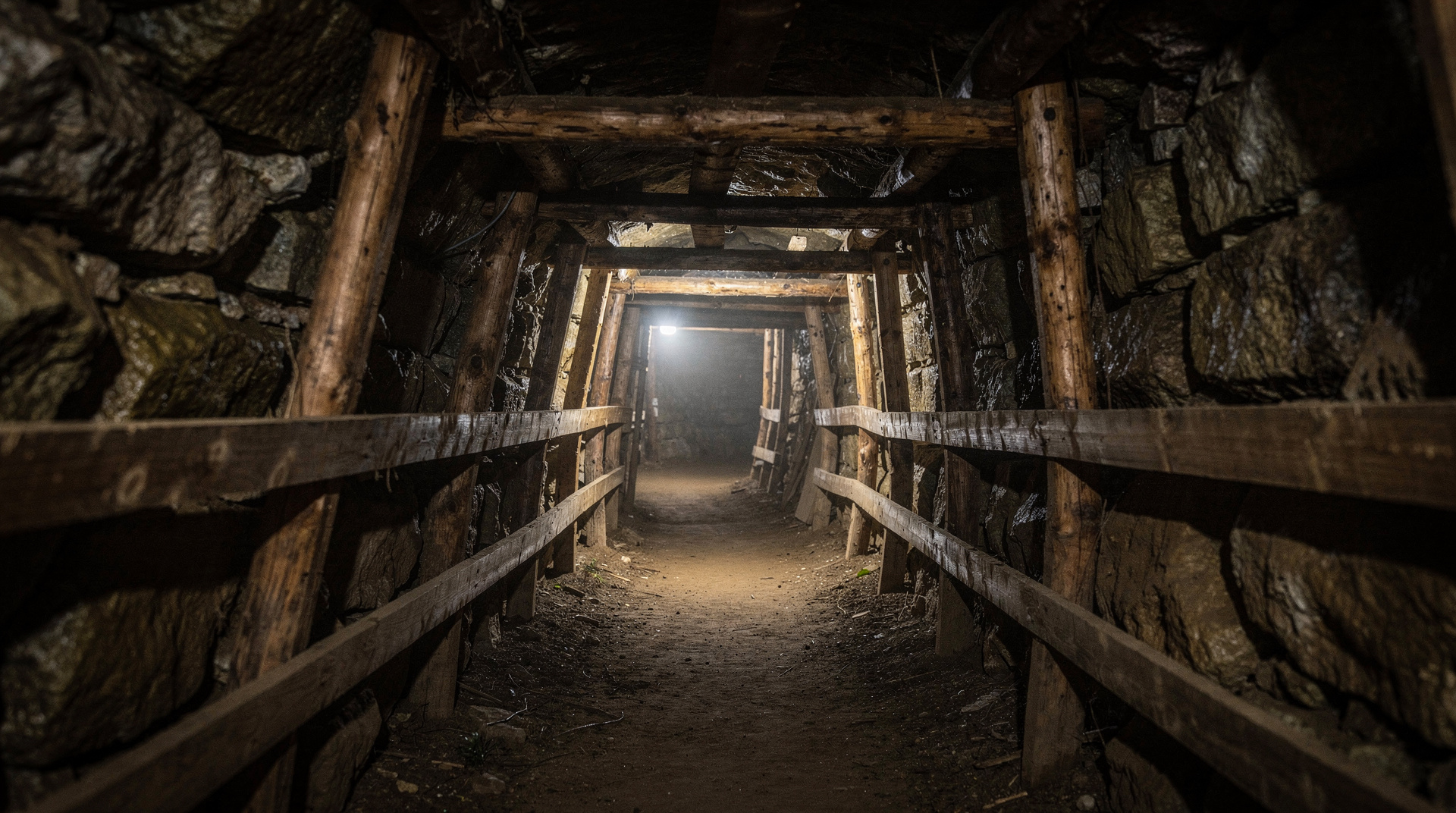
The tunnel measured 800 metres in total length, 1.5 metres wide and 1.6 metres high — narrow enough that adults had to crouch to walk through. Electricity cables ran along one wall; narrow rail tracks allowed a small trolley cart to carry heavy loads. The work was done largely by hand, by teams working in shifts.
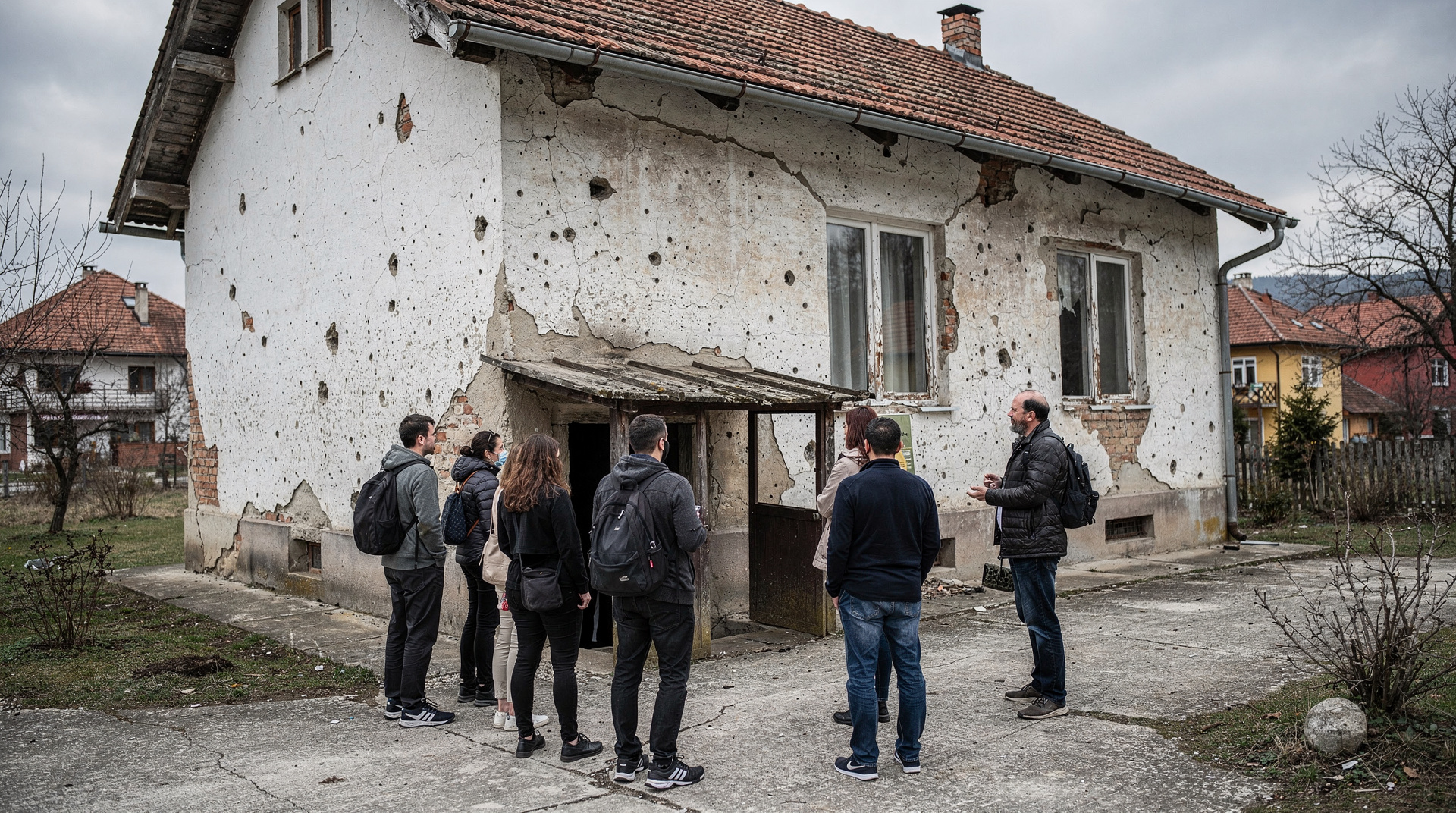
The tunnel ran beneath the runway and connected the Dobrinja neighbourhood (inside the siege line) with the Butmir district (in Bosnian-government-controlled territory). The house on the Butmir side — a modest family home that still stands as the museum entrance — was owned by the Kolar family and was a central node for everything passing in and out of the city.
What passed through the tunnel
Estimates suggest that between 20 and 30 million kilograms of supplies — food, medicine, fuel and weapons — passed through the tunnel during the siege. Tens of thousands of people also walked through it, both soldiers rotating between positions and civilians seeking to leave or return.
The tunnel was the only route by which the Bosnian Army could resupply and reinforce the city. Without it, the siege might well have ended in the total capitulation of Sarajevo’s defenders. Its importance was understood by both sides — Bosnian Serb forces targeted the airport area repeatedly, and the Kolar house above the tunnel entrance was struck by shells and bullets on many occasions.
Visiting the Tunnel of Hope Museum today
The museum occupies the original Kolar family home and a small preserved section of the tunnel itself. Around 25 metres of the original tunnel have been maintained in their wartime condition, complete with the wooden supports, railway tracks and cables. Visitors crouch and walk through this section, which gives a visceral sense of what it meant to carry supplies through it — in darkness, under shellfire, sometimes for hours.
The outdoor exhibition includes armoured vehicles, artillery pieces and a military truck used during the siege. A short documentary film plays in a small screening room; the footage includes contemporary news material that is difficult to watch but important for understanding what the city endured.
Getting there
The museum is at Tuneli bb, Butmir, approximately 6 km southwest of the old town. Independent visitors should take tram line 3 from Baščaršija towards Ilidža (about 25 minutes) and then a taxi from Ilidža tram terminus to the museum (5–10 minutes, around 5–7 BAM). Agree on the price before getting in.
Alternatively, book a guided war-history tour that includes transport — this is the most common approach for first-time visitors and adds substantial historical context to what you see.
Opening hours and tickets
The museum is open 1 April to 31 October daily 08:30–17:00 (last entry 16:30) and 1 November to 31 March daily 09:00–16:00 (last entry 15:30). Admission is 20 BAM (about 10 EUR) per adult, 8 BAM for students and pupils, and free for children under 6; an audio guide costs 3 BAM extra. Payment is in cash only (BAM): the museum accepts no cards and no foreign currency. Check current hours on the museum’s official page (mcsarajevo.ba) before visiting.
Sarajevo: Bosnian War and fall of Yugoslavia tour with TunnelThe tunnel ran under the airport runway because that strip was the one piece of ground the besiegers did not hold, and the cable car climbs the ridge their guns fired from: a Tunnel of Hope and cable car tour puts both ends of that geometry in one afternoon.
Guided war-history tours including the tunnel
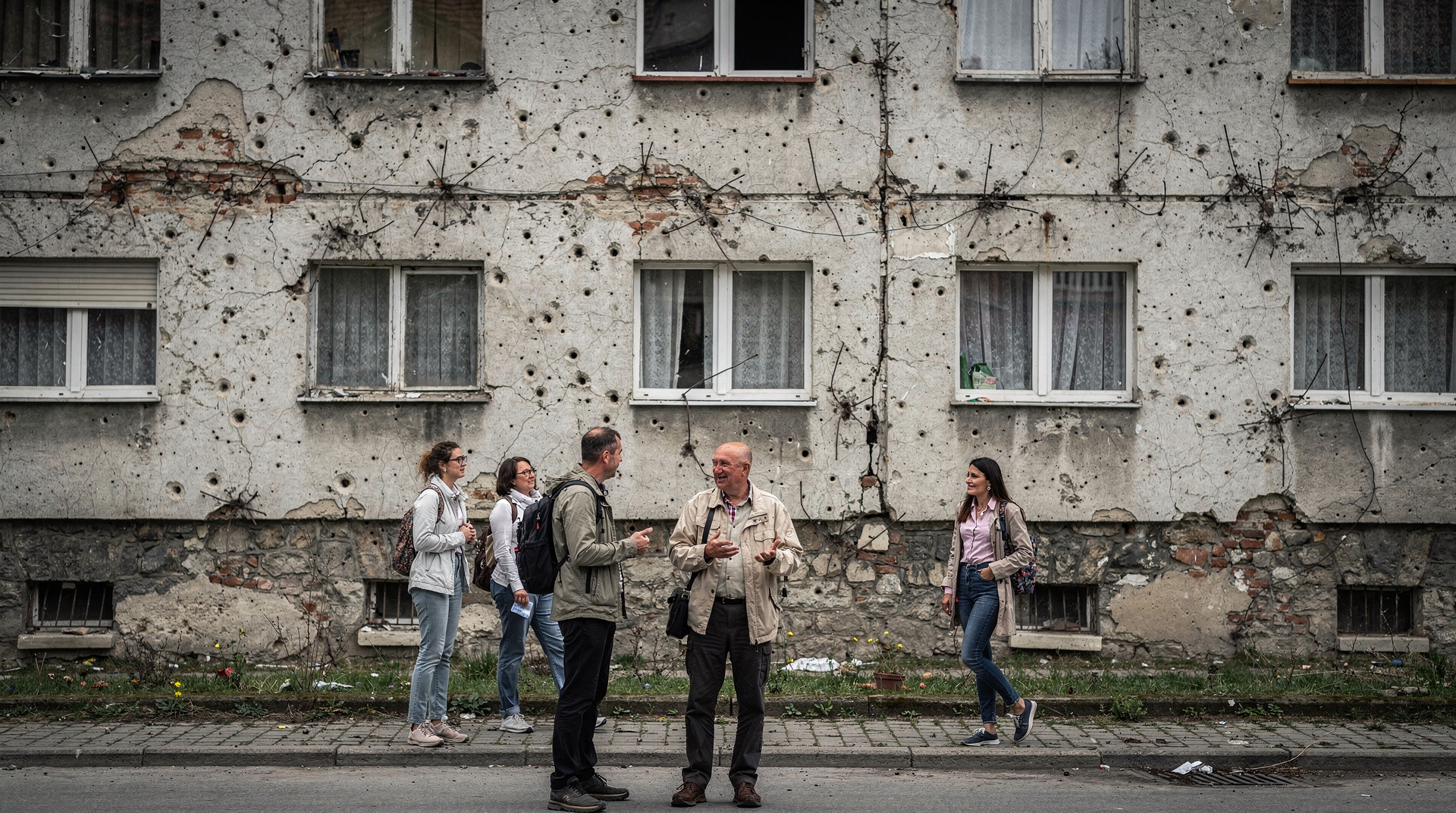
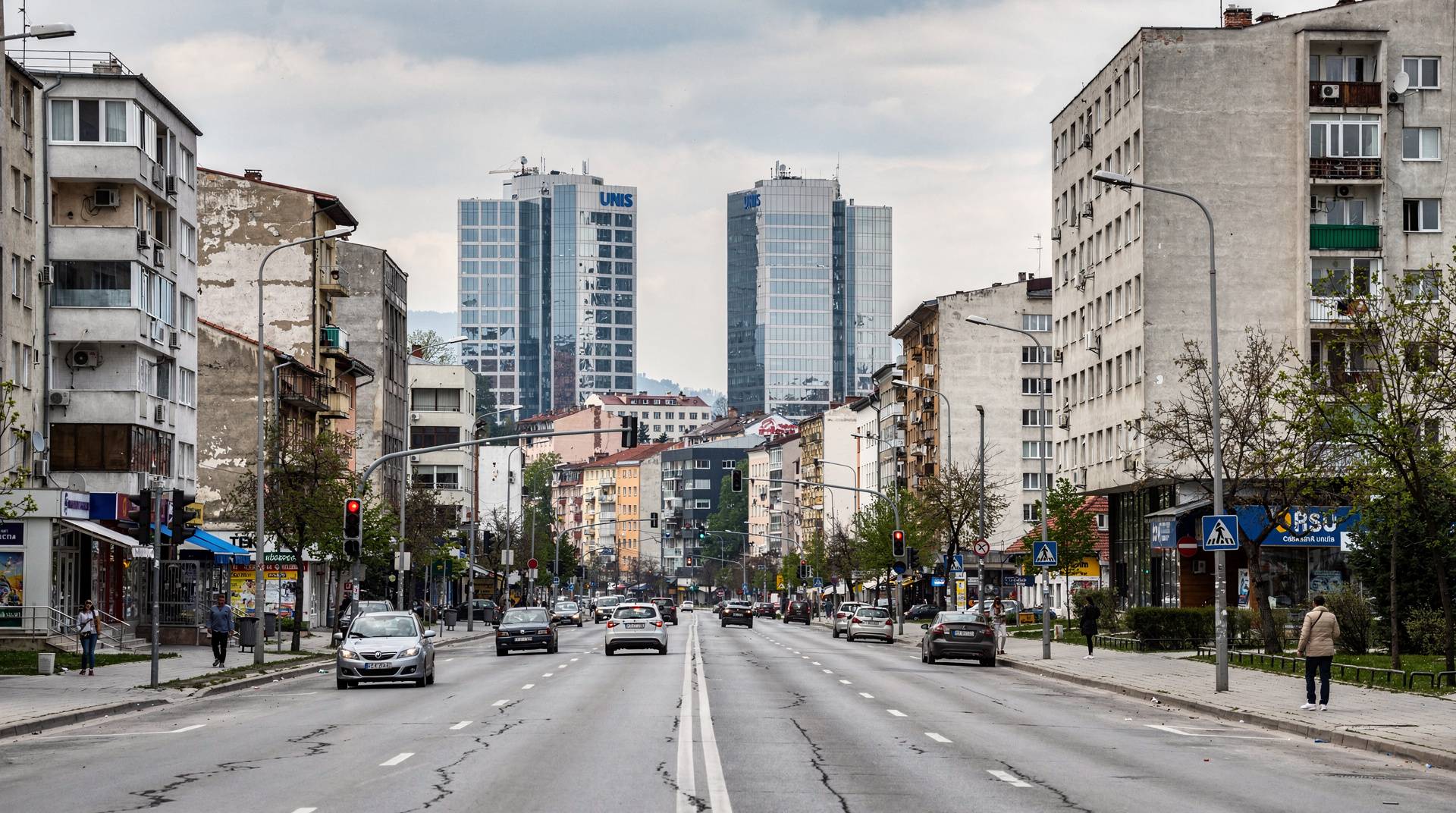
Most visitors choose to include the Tunnel of Hope as part of a broader Sarajevo war-history tour. These typically depart from the old town (Baščaršija area), take in Sniper Alley and the former confrontation lines, visit the tunnel, and return via the Yellow Fortress or Trebević for a panoramic view over the city. Duration is usually four to six hours.
Sarajevo: Tunnel of Hope Tour — survival and resilienceSmaller group tours offer more time for questions and often include a local guide who lived through the siege — a significant difference in the quality of the experience.
Sarajevo Under Siege: Tunnel of Hope small-group tourWhat to bring and practical advice
The tunnel section is cool (around 12–14°C year-round) and involves crouching, so dress in layers and wear shoes you can move in. Photography is permitted throughout the museum. The site can become crowded on summer mornings when large bus groups arrive; aim for early morning or late afternoon visits to have more space.
The museum is not wheelchair accessible inside the tunnel section itself, though the outdoor exhibits and screening room are reachable.
The Tunnel of Hope in context: other Sarajevo war-history sites
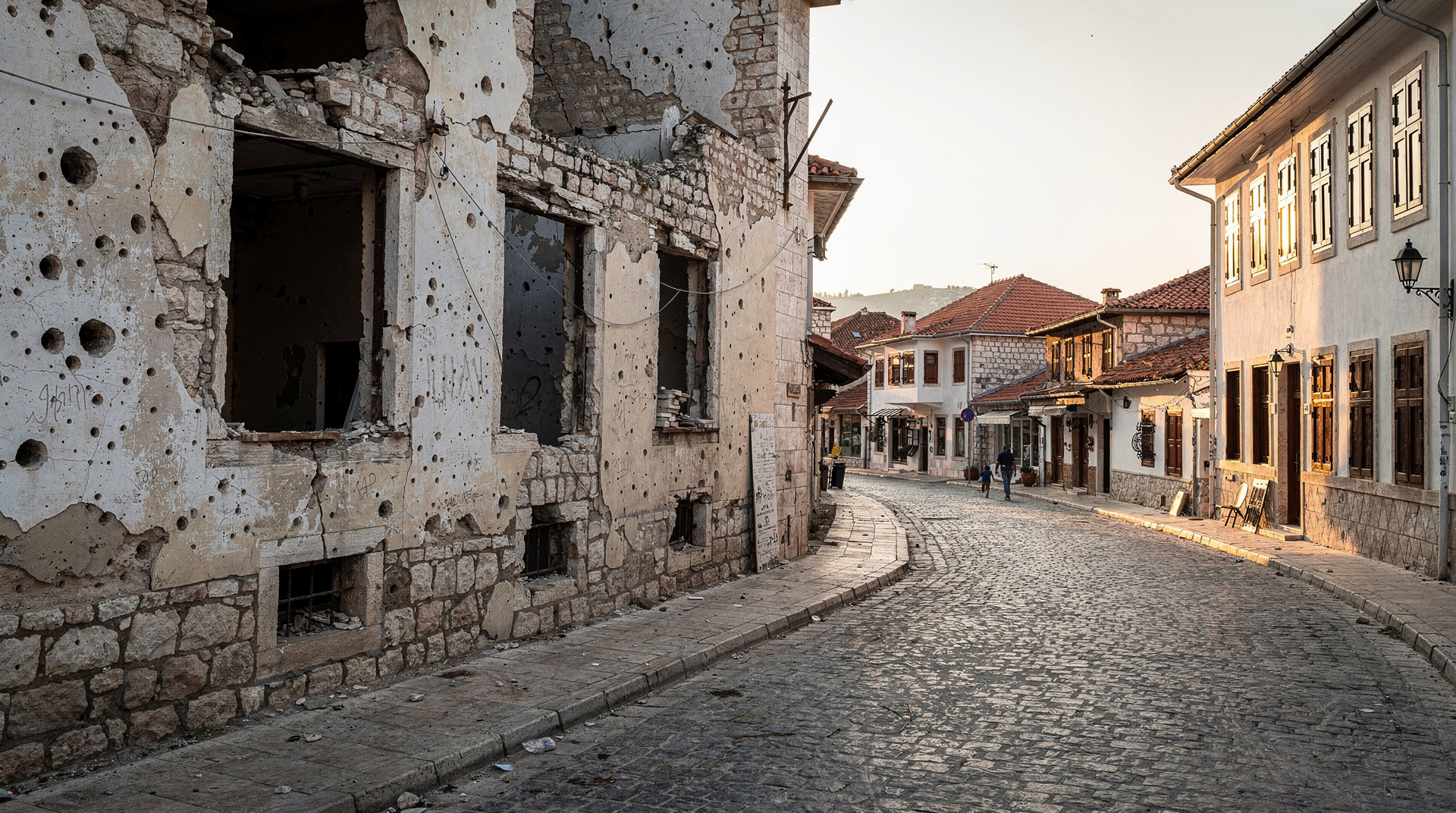
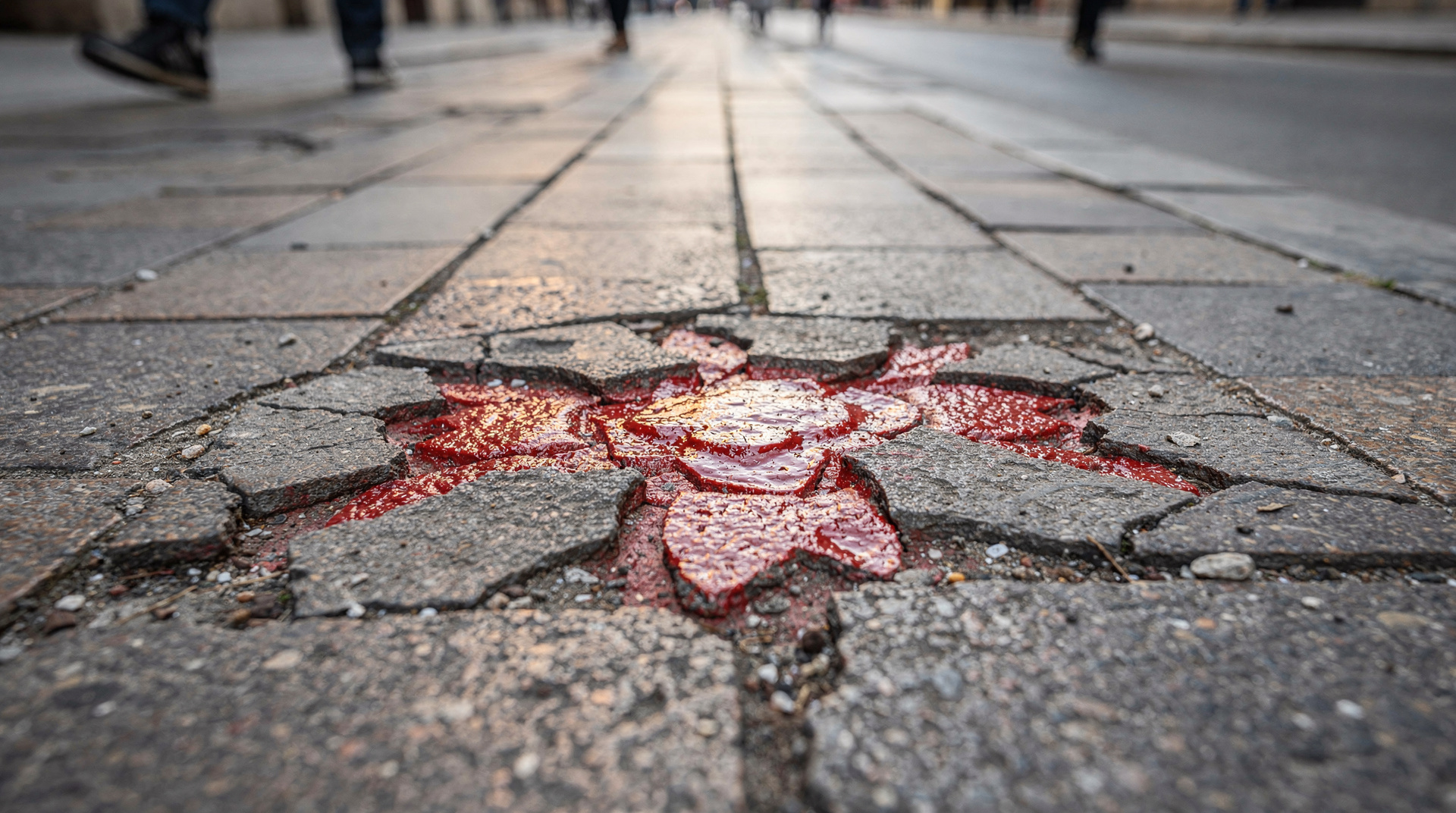
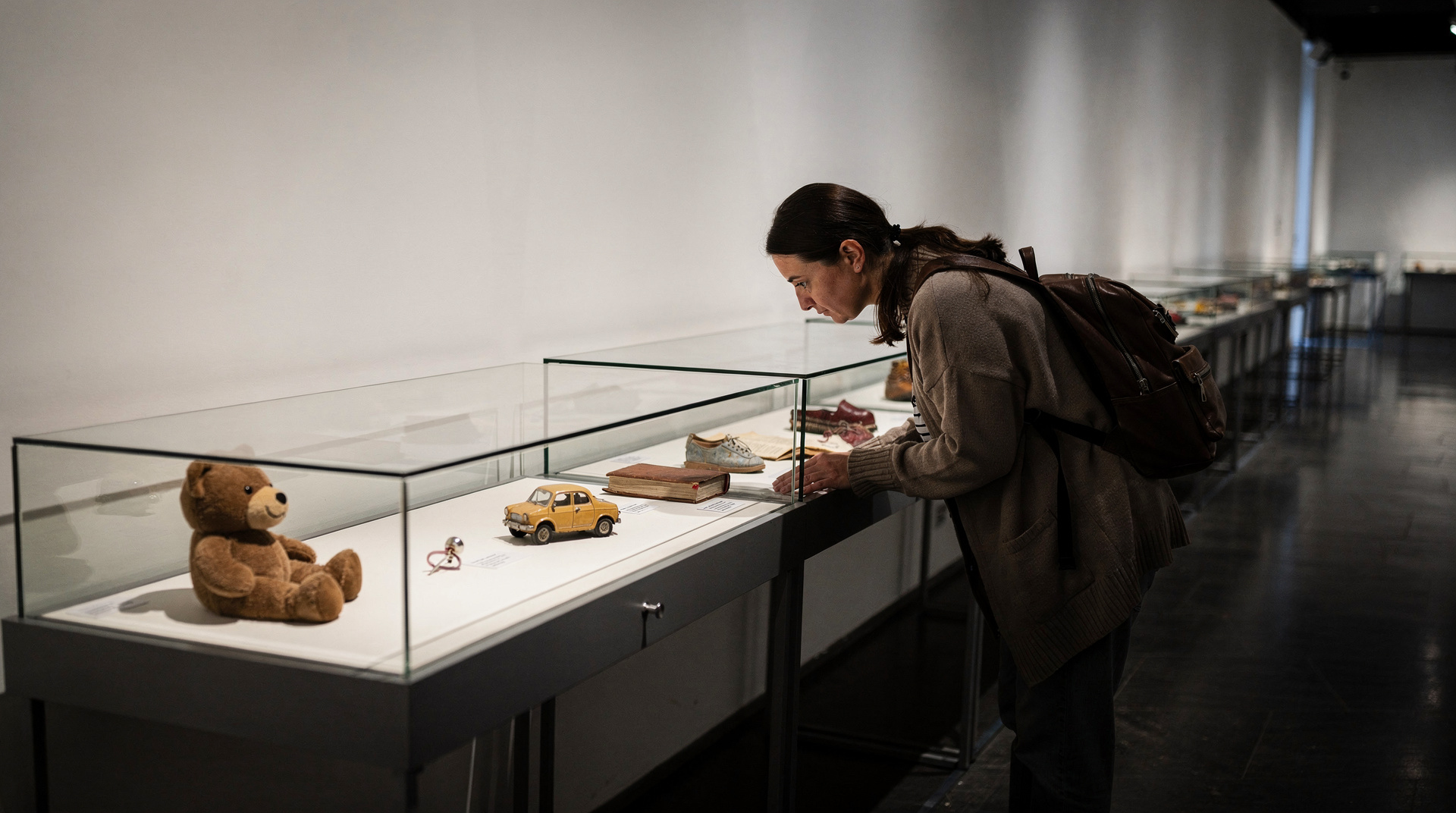
The tunnel is the most tangible single site in Sarajevo’s war memory, but it is part of a broader landscape of memory that rewards exploration. Sarajevo’s Sarajevo Roses — the red-resin-filled shell craters visible on pavements across the city — mark where civilians were killed by mortar fire. The War Childhood Museum near the Academy of Fine Arts presents the siege through personal objects donated by people who were children during the conflict, a deeply different and complementary perspective.
The History Museum of Bosnia and Herzegovina in the former Communist-era building on Marshal Tito Street holds the permanent exhibition “Opsada” (Siege) — one of the most comprehensive archival collections from the siege years, and admission is very affordable (around 5 BAM).
Climbing Trebević mountain by cable car from the old town gives you a view down over the city from the hills where some sniper positions were located — a sobering perspective, and a beautiful one. The abandoned bobsled track from the 1984 Winter Olympics is up there, slowly returning to the forest.
For a full overview of how to spend one to four days in Sarajevo covering culture, food and war history, see our Sarajevo destination guide.
Planning your visit
The Tunnel of Hope is appropriate for most visitors aged ten and above. The documentary footage includes wartime news material with bodies and violence; parents should be aware. The experience is solemn rather than sensationalist — guides and the museum itself treat the subject with the gravity it demands.
If your time in Bosnia includes only one war-history site, the tunnel is the right choice — it is the most immediate and concrete expression of what the siege meant in human terms. If you have two days in Sarajevo, combine it with the War Childhood Museum and an evening walk past the Sarajevo Roses to understand both the collective and the personal dimensions of what happened here between 1992 and 1996.
Our Sarajevo war tour guide lists all the war-history sites in the city and how to combine them effectively in a half-day or full day.
Combining the tunnel with nearby Ilidža
Because the tunnel sits on the Butmir/Ilidža side of the city, it pairs naturally with a lighter afternoon nearby. Vrelo Bosne, the spring where the Bosna river emerges beneath Mount Igman, is a short taxi ride from the museum and makes a deliberately gentle contrast after a heavy morning of war history — tree-lined avenues, horse-drawn carriages and a picnic-friendly park. Ilidža itself was also the training base for the 1984 Winter Olympics, and several of the era’s hotels still stand nearby, another layer of the same neighbourhood’s history.
Travellers building a full day around the tunnel often start in Baščaršija, visit the Sarajevo mosques or one of the city’s other faith buildings on the way out, spend the late morning at Butmir, and finish with a quiet walk at Vrelo Bosne before returning to the old town for dinner.
Getting deeper into the history
Visitors curious to understand the broader Yugoslav wars context before or after the tunnel visit will find our Yugoslav wars explained guide a useful primer on the political and military background. For those planning a multi-day war-history itinerary through Bosnia, the Bosnia war history itinerary covers Sarajevo, Srebrenica, Konjic and Mostar in five days.
The story of the tunnel and the siege has been told in several important books. Kemal Kurspahic’s Prime Time Crime and David Rohde’s Endgame are both well-regarded accounts accessible to general readers. The documentary Miss Sarajevo (1995), filmed during the siege, remains a powerful introduction for those who prefer visual material.
Sarajevo in 2026 is a city that has rebuilt, and rebuilt generously — cafés overflow in Baščaršija, the trams run again, and the mountains above the city are full of hikers in summer and skiers in winter. But it has also chosen to remember carefully, and the Tunnel of Hope is the clearest expression of that choice.
Frequently asked questions about the Tunnel of Hope
See the FAQ section above for detailed answers on visiting hours, tickets, getting there and the history of the tunnel and siege.
Prices and hours are indicative — verify before visiting.
Top experiences
Bookable activities with verified prices and instant confirmation on GetYourGuide.