Sniper Alley Sarajevo — what it was and what you see today
Sarajevo: Guided War Tour and Tunnel Museum Entry
What is Sniper Alley in Sarajevo today?
Sniper Alley refers to the boulevard Zmaja od Bosne and the surrounding area in central Sarajevo, which was the most dangerous open terrain during the 1992–1996 siege due to sniper fire from Bosnian Serb positions in the high-rise blocks of Grbavica. Today it is a normal busy city boulevard with office towers, hotels and the National Museum — visited by war-history tours for its siege context.
| At a glance | |
|---|---|
| Where | Zmaja od Bosne boulevard, central Sarajevo, between the National Museum and Ilidža direction |
| Cost to visit | free to walk independently; guided war tours typically around 20-35 EUR |
| Time needed | 25-30 minutes to walk the boulevard; half a day if combined with a guided war tour |
| Getting there | walkable from the old town/Baščaršija, or tram along the boulevard itself |
| Best time | any daylight hours; guided tours usually run morning or early afternoon |
Drive or walk along Zmaja od Bosne — the wide, modern boulevard that cuts through the centre of Sarajevo — and you see a perfectly ordinary European city street. Office towers, a Radisson hotel, the yellow facade of the Holiday Inn, the National Museum, trams moving in both directions. People crossing at the lights. Cars.
During the Siege of Sarajevo (1992–1996), crossing this boulevard required timing, courage, and sometimes armoured protection. The open ground between the high-rises of Grbavica and the city’s main street created clear firing lines for snipers positioned in buildings that had changed hands at the start of the war. The name “Sniper Alley” — coined by foreign journalists who moved through it on their way to the Holiday Inn — became shorthand for the daily reality of life in a besieged city.
The geography of the siege front line
To understand Sniper Alley, you need to understand the military geography of the 1992 siege.
When Bosnian Serb forces encircled Sarajevo in April 1992, the front line cut through the city itself — not around it. The neighbourhoods of Grbavica, directly south of Zmaja od Bosne, and Nedžarići, to the west, were on the Bosnian Serb side of the confrontation line. The residential tower blocks of Grbavica offered elevated firing positions directly across the boulevard and into the city centre.
The holiday Inn is at the western end of what journalists called Sniper Alley, with the Executive Building (Momo and Uzeir, two tall towers sometimes called “the twins”) further east. Both sets of towers were directly exposed to Grbavica. Snipers firing from the towers and upper floors of Grbavica residential buildings could cover most of the open boulevard.
Civilians who needed to cross the boulevard did so by running — at particular crossing points, armoured UN vehicles or improvised container barriers provided partial cover. Even with cover, the crossings were lethal. The ICTY has documented detailed evidence of deliberate civilian targeting on Sniper Alley; the sniping campaign was included in the charges against Bosnian Serb commanders prosecuted after the war.
The boulevard today: what remains
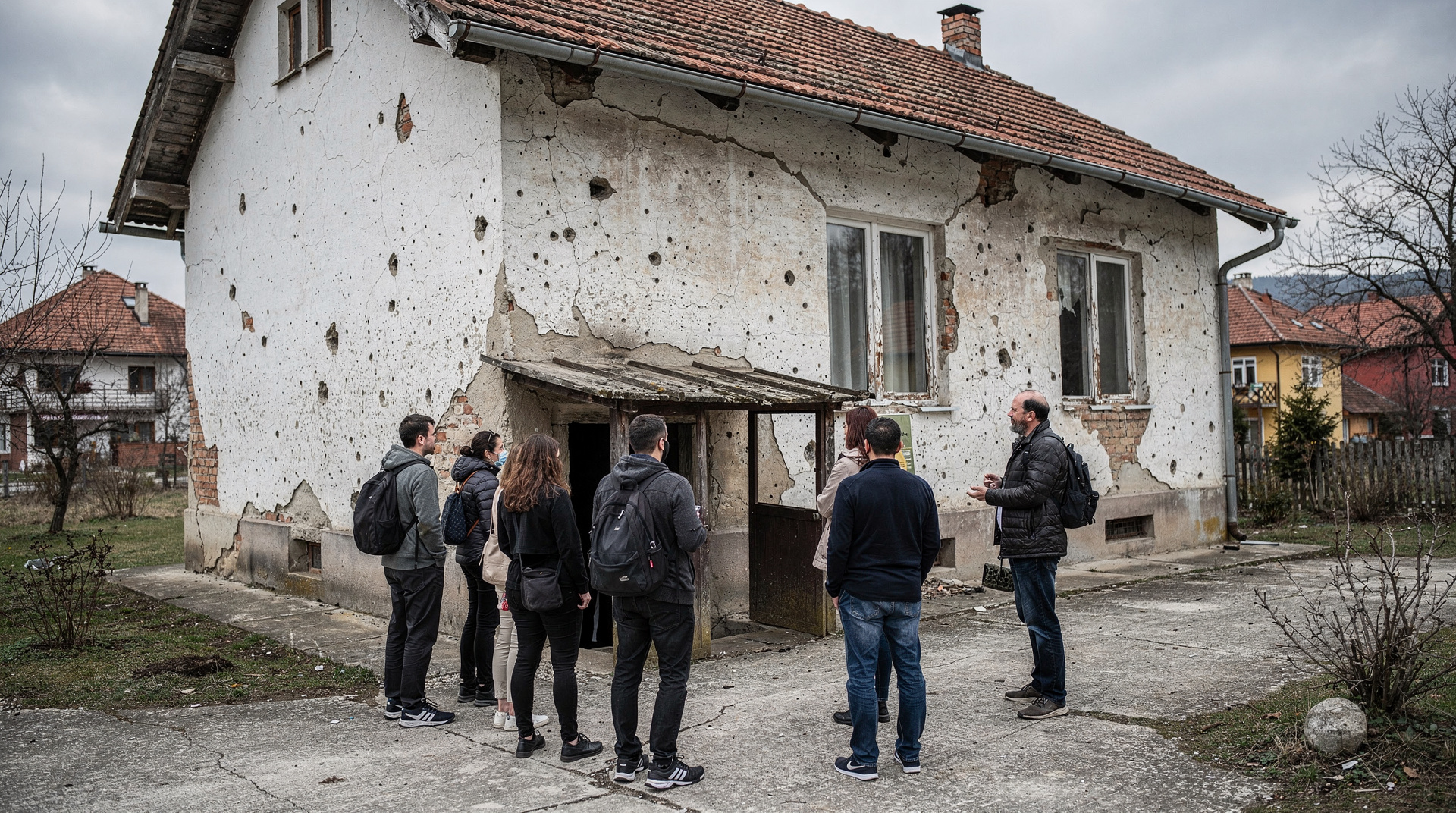
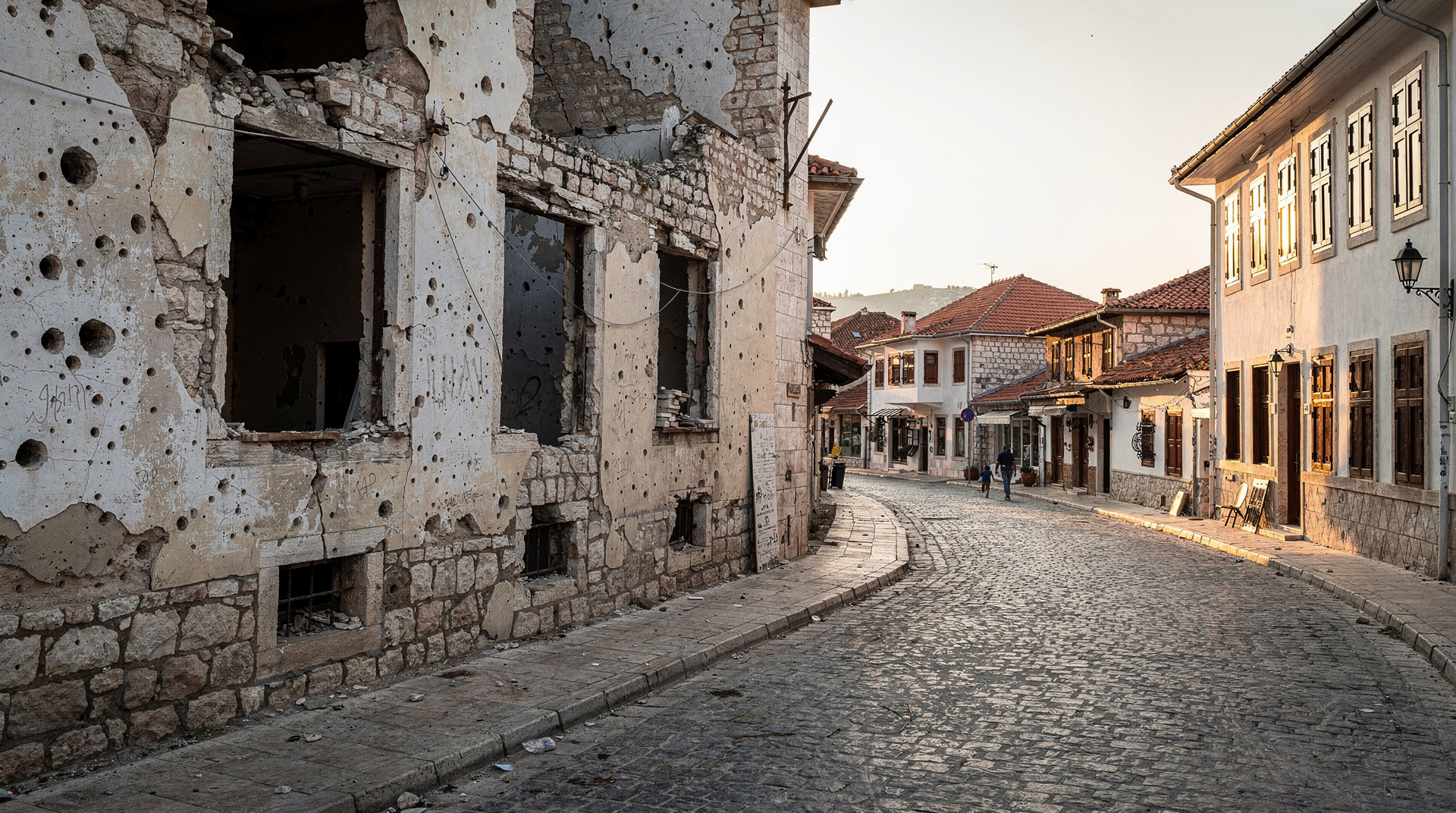
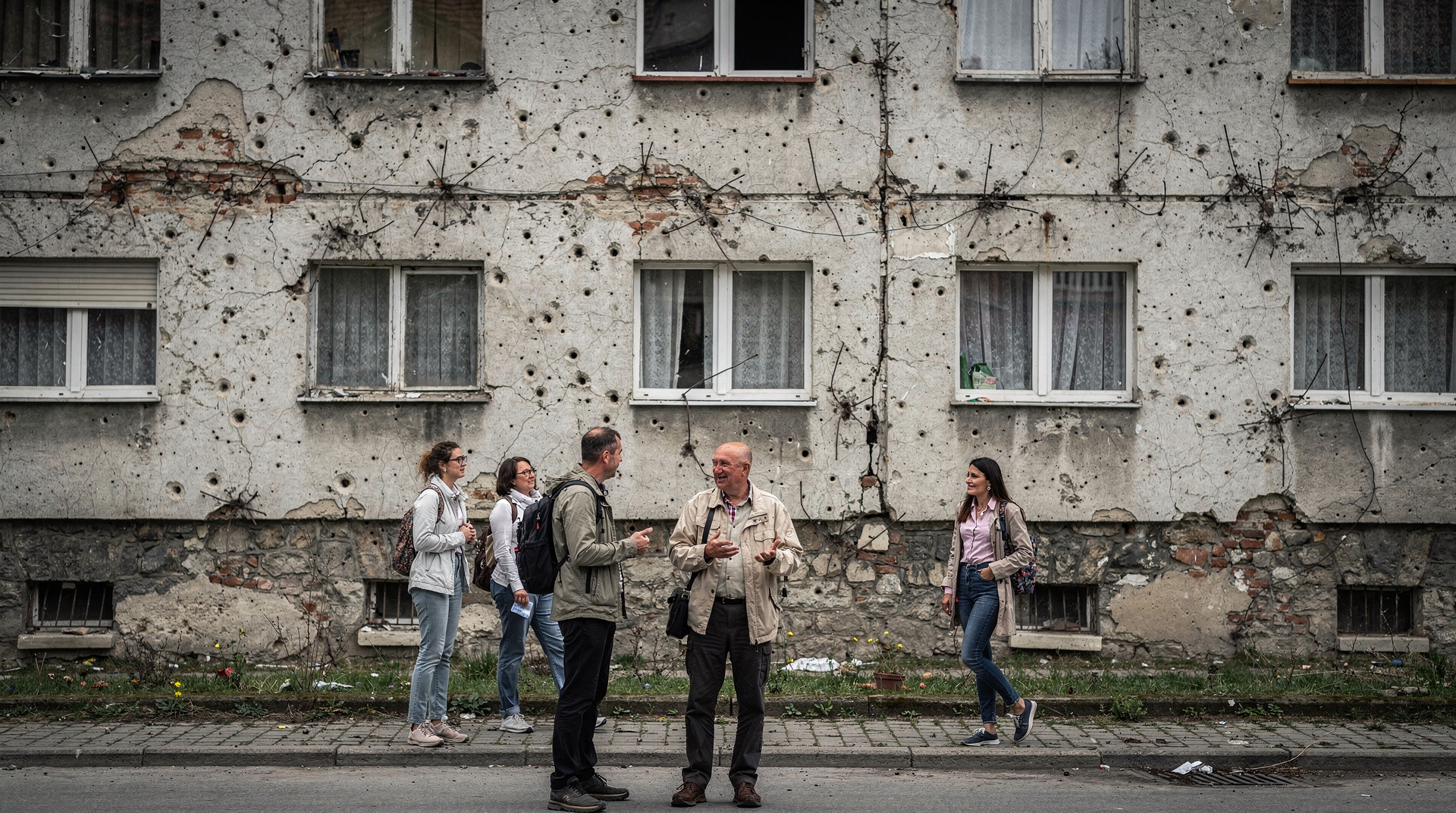
Zmaja od Bosne is a functioning commercial boulevard. Most of the buildings that were the targets — and the sources — of sniper fire have been renovated or replaced. A few retain visible shrapnel damage on their facades; the best evidence is high on building surfaces, where renovation has not reached.
The Holiday Inn (bright yellow, distinctive) is still operating as a hotel and is one of the most historically evocative buildings in the city. The bar and lobby are accessible to non-guests; the hotel has hosted exhibitions documenting its role during the siege. Several journalists who covered the war have written vividly about life in the building during the 1990s.
The National Museum (Zemaljski Muzej) at the eastern end of the boulevard survived the siege and the post-war period, though it closed for eleven years due to funding disputes before reopening in 2015. It is one of the best museums in the Balkans, with an extraordinary collection of Bosnian medieval tombstones (stećci), Roman-era mosaics and natural history exhibits. Allow two to three hours.
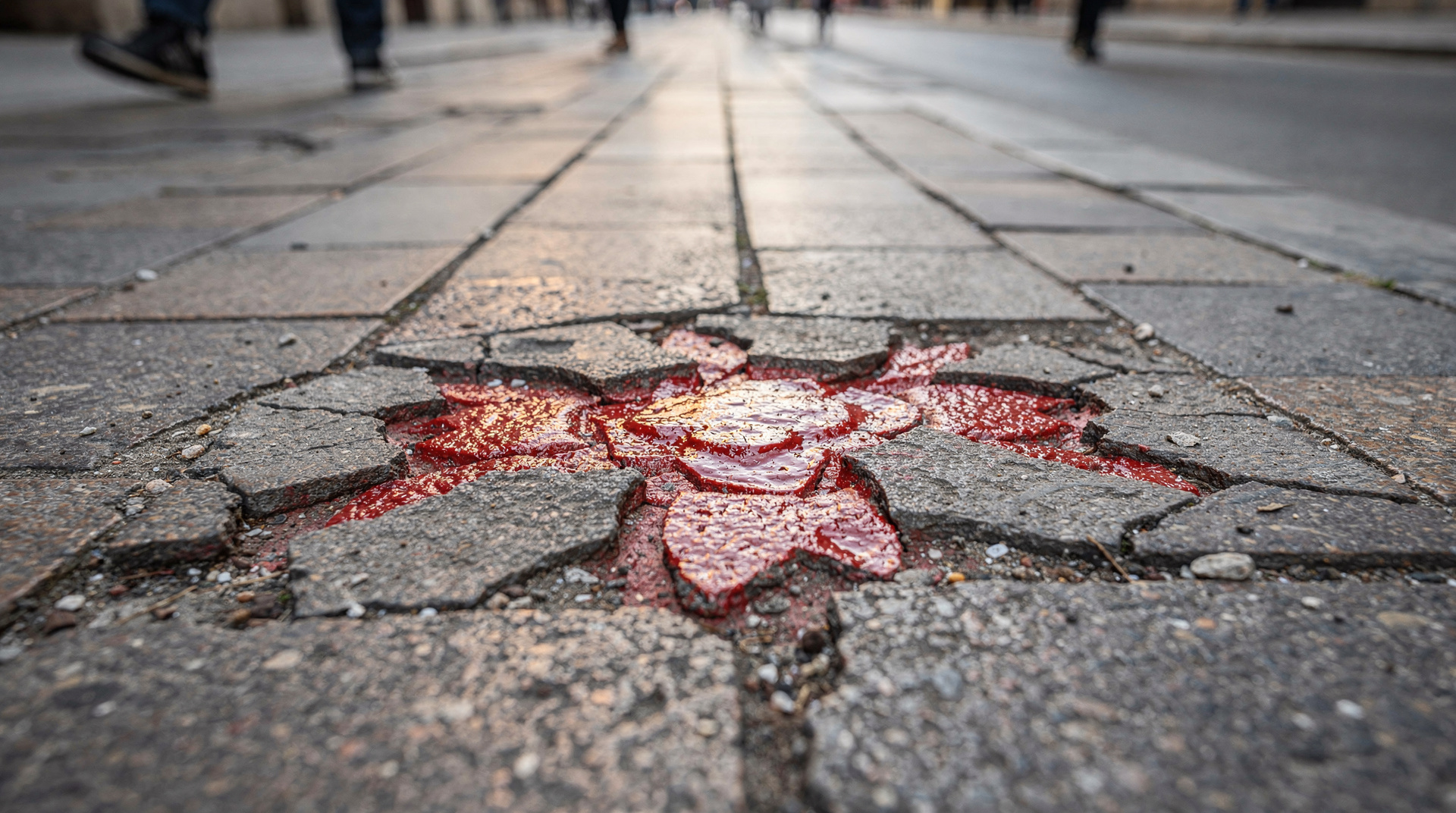
Sarajevo Roses — the distinctive red-resin-filled shell craters — can still be found on pavements along and near the boulevard. See our dedicated Sarajevo Roses guide for their history and locations.
Walking Sniper Alley
The boulevard is about 2 km long from the Ilidža/Nedžarići direction to the old town end near the Eternal Flame. A comfortable walking pace takes about 25–30 minutes. There is nothing to stop you from walking it independently, but without a guide the historical significance is largely invisible.
With a guide, the boulevard becomes a different experience entirely. A good guide will:
- Show the exact crossing points where civilians were most exposed
- Explain the firing lines from Grbavica and the hills above
- Point out which buildings served as cover and which were used as sniper positions
- Describe specific documented incidents from the siege
- Connect the geography to the ICTY evidence
If you would like a guide to do all of this for you, one option is the Sarajevo: guided war tour and Tunnel Museum entry.
The front line in the city: Grbavica and beyond
Grbavica today is a normal residential neighbourhood — cafés, schools, apartments. The transformation from a siege front line to an ordinary city quarter has happened quietly over thirty years, and most visitors walking through it would not know what occurred here without guidance.
During the siege, the neighbourhood was in Bosnian Serb-controlled territory, separated from the rest of Sarajevo by the front line. After the Dayton Agreement ended the war in November 1995, Grbavica was reintegrated into Sarajevo in early 1996 as part of the Federation of Bosnia and Herzegovina.
The other side of the confrontation line — the Bosnian government-held territory — included much of the old town, Baščaršija, and the network of streets that visitors explore today. The front line cut through individual streets, between adjacent buildings and even through the middle of residential blocks. In some places, the pre-war neighbours on either side of the line spent the war under different flags.
What the foreign press saw from Sniper Alley
The foreign journalists based in the Holiday Inn during the siege produced some of the most important war reporting of the twentieth century. The photographs by photographers including Ron Haviv, the dispatches from reporters for major newspapers, and the television footage broadcast from Sarajevo during 1992–1996 shaped international awareness of the siege and, eventually, the pressure for NATO intervention in 1995.
Several books document this period from the journalists’ perspective; David Rieff’s Slaughterhouse and John Burns’s New York Times reporting remain important accounts. The documentary Snipers (1995) and several feature films shot in Sarajevo in the years after the war drew on the physical landscape of Sniper Alley.
Combining Sniper Alley with other siege sites
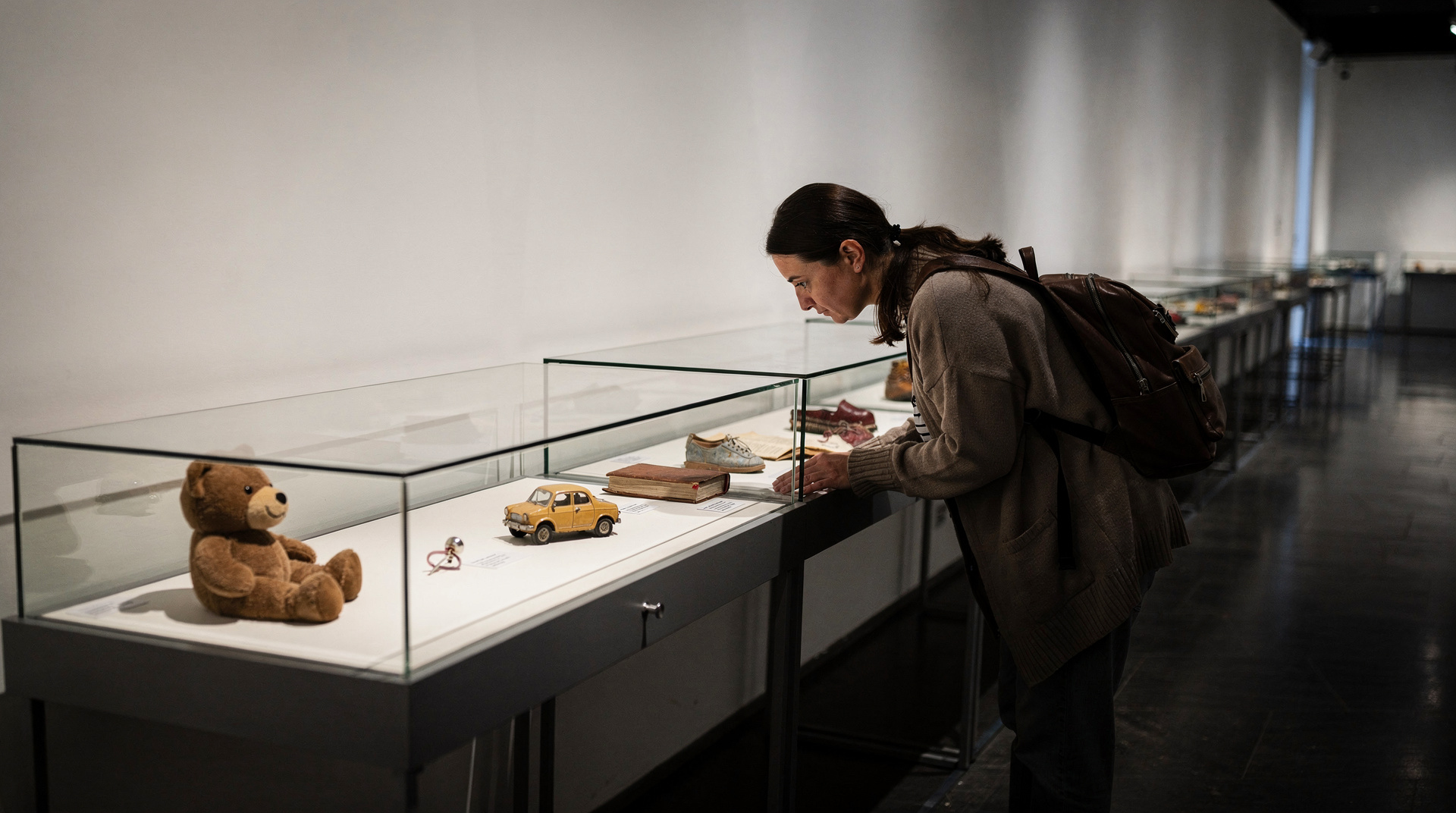
Sniper Alley is most usefully visited as part of a broader Sarajevo war-history tour that includes the Tunnel of Hope, the Sarajevo Roses and the War Childhood Museum. A half-day tour covers all of these comfortably.
For a full picture of what the siege meant and how it fits into the wider story of the Yugoslav wars, the Yugoslav wars explained guide provides the political and military context. The Bosnia war history itinerary suggests how to structure five days across Sarajevo, Srebrenica, Konjic and Mostar for visitors who want to explore this history in depth.
Sarajevo: Bosnian War and fall of Yugoslavia tour with TunnelThe Sarajevo destination guide covers the city as a whole — how to organise your time across culture, food, war history and the mountains above — and the Sarajevo war tour guide gives the complete framework for choosing and planning a war-history day in the city.
Planning a day around the boulevard
Because Sniper Alley is a street rather than an attraction, it works best as the connecting thread of a day rather than its centrepiece. A sensible shape is to start in the old town, walk out along the boulevard with the siege geography in mind, and then continue to a museum or memorial that gives the story a human scale. If you are still choosing where to base yourself, the Sarajevo where to stay guide explains which neighbourhoods put you within easy walking distance of the boulevard, and the Baščaršija guide covers the old-town end where many walks begin.
The contrast between the two halves of the city is part of the lesson. The Ottoman lanes of Baščaršija and the Austro-Hungarian streets nearby, described in the Austro-Hungarian Sarajevo guide, sit a short walk from a boulevard that feels entirely modern. Standing at the point where those two Sarajevos meet makes it easier to grasp how a city known for its layered history was also turned into a front line. For the wider picture of how those layers came about, the Bosnia history for travelers guide is a good companion read.
If you are travelling with a limited schedule, the Sarajevo 4-day deep dive shows where a boulevard walk fits among the city’s other sights, and the Sarajevo and Mostar in three days itinerary shows how to keep it in a shorter trip without feeling rushed.
Reading the street as you walk
It helps to treat the walk as a sequence of questions rather than a list of sights. Look south, towards Grbavica, and ask what a person standing in an upper window could see. Look along the boulevard, and ask where a pedestrian would have had any cover at all. Look at the side streets that run off it, and ask how people used them to avoid the open ground. The answers are not marked anywhere, but they become obvious once you have the geography in your head, and they explain why so much daily life during the siege was organised around avoiding this one stretch of road.
Pay attention, too, to how ordinary the present-day street feels: people waiting for trams, office workers on a break, taxis at the hotel entrance. That normality is not a failure of memory; it is what the city fought to get back. Many residents are happy to talk about it, but be sensitive about asking strangers for their own wartime stories, and let people raise the subject if they wish to. The Sarajevo faiths guide and the Sarajevo meeting of cultures guide help explain the city’s mixed character, which is central to why the siege is remembered the way it is.
Where to go next
Once you have walked the boulevard, several nearby sites build naturally on what you have seen:
- The Franz Ferdinand assassination guide covers an earlier moment when the city’s streets changed the course of history.
- The museums of Sarajevo guide helps you choose between the National Museum and the city’s other collections.
- The Sarajevo 1984 Winter Olympics guide shows the same city in a very different era, and gives a sense of what was lost.
- The Sarajevo tourist traps guide is worth skimming before you book a war tour, so you can tell a well-run, honest guide from an overpriced one.
- The Srebrenica memorial guide is a longer excursion for visitors who want to understand the wider war beyond the capital, and it deserves a full day of its own rather than a rushed stop.
Getting between these places is simple. The Sarajevo public transport guide explains how the tram that runs along the boulevard works, which is a useful way to experience the stretch quickly if walking all of it does not appeal. Seeing the route from a tram window, with the high-rises of Grbavica sliding past, gives a different sense of the sight lines than walking at street level, and many visitors do both.
Pairing the walk with food and rest
A heavy subject calls for a proper break. After the boulevard, most visitors head back towards the old town for a coffee or a meal. The Bosnian coffee culture guide explains how to order and sit properly over a small cup, and the Sarajevo restaurants guide lists places to eat once you are ready. Giving yourself that pause tends to make the rest of the day’s history easier to absorb, rather than turning it into a blur of dates and names.
Approaching the site respectfully
Sniper Alley is a working city street, not a formal memorial, and it takes visible thought to see past the traffic and office buildings to what happened there. Independent visitors sometimes walk straight through without registering the significance — reading a short account of the siege before you go, or joining a guide, changes the experience completely. There is no ticket, no gate and no marked path; the history has to be brought to the place, which is exactly what a knowledgeable guide does.
Photography is fine along the boulevard, but be sensible near the Holiday Inn and the National Museum, which are working buildings with staff and guests going about ordinary business. The Sarajevo Roses guide has practical notes on photographing memorial sites respectfully across the city.
Frequently asked questions about Sniper Alley Sarajevo — what it was and what you see today
Why was Sniper Alley so dangerous during the siege?
Where exactly is Sniper Alley in Sarajevo?
What is the Holiday Inn's role in Sniper Alley history?
Can you see any traces of the siege on Sniper Alley today?
Is a guided war tour needed to understand Sniper Alley?
Top experiences
Bookable activities with verified prices and instant confirmation on GetYourGuide.