Tara River rafting guide
Sarajevo: Tara River Rafting Day Trip with Lunch
How do I raft the Tara River from Bosnia?
Day trips from Sarajevo depart early morning, drive 3 hours to the Šćepan Polje put-in on the Bosnia-Montenegro border, raft 15-20 km of class III-IV rapids through the deepest canyon in Europe, then return by evening. Season: May to September. Price: 120-200 BAM per person including lunch.
| Where | Šćepan Polje, on the Bosnia-Montenegro border, eastern Bosnia |
| Cost | Around 120-180 BAM (60-90 EUR) per person for a day trip from Sarajevo, including lunch |
| Time needed | A full day (around 12-13 hours door to door from Sarajevo) |
| Getting there | Around 3 hours by car from Sarajevo via Foča; day-trip tours include transfer |
| Best time | June-July for the best balance of water level and warmth; April-May for the most powerful rapids; September for fewer crowds and good light |
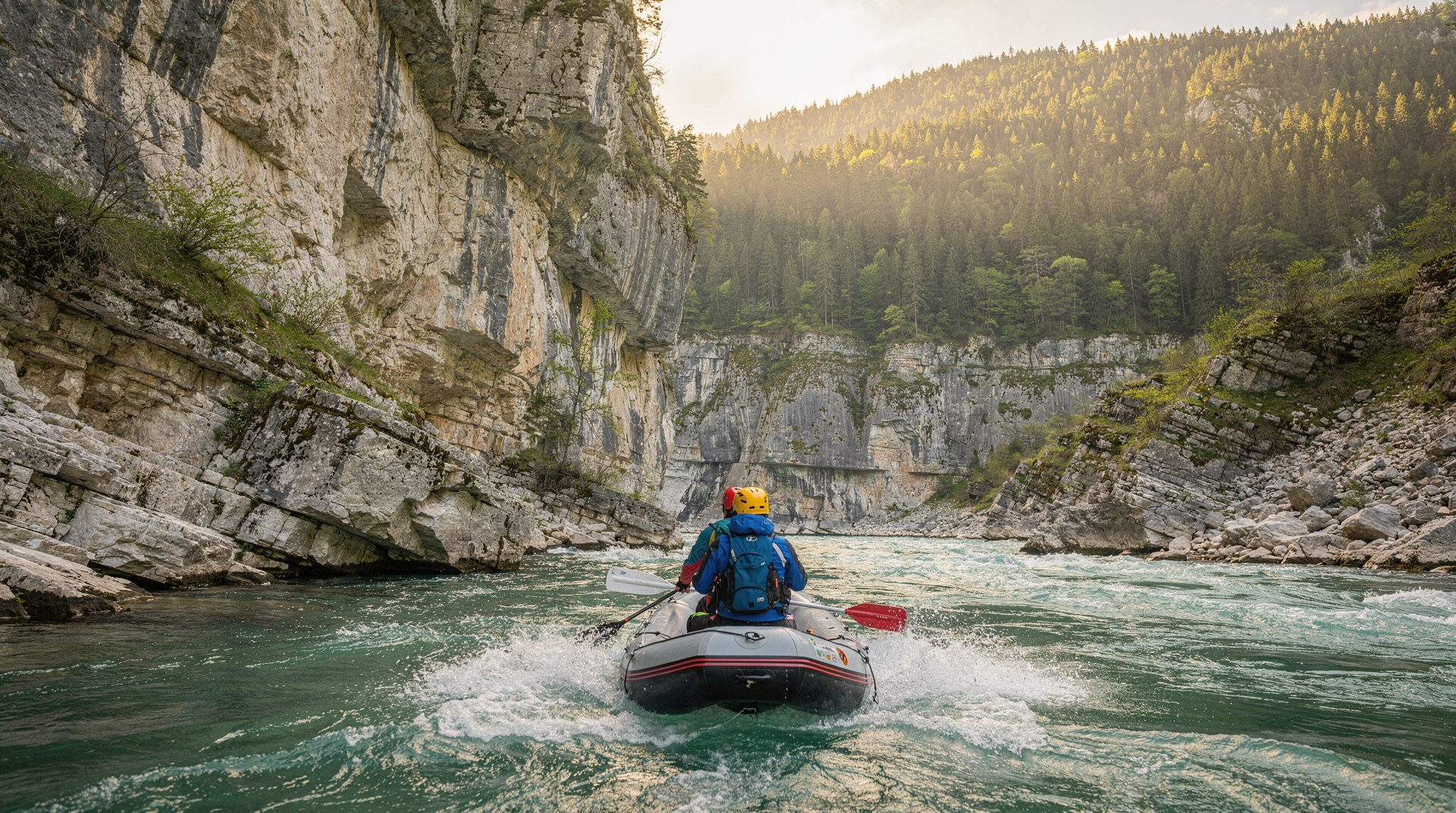
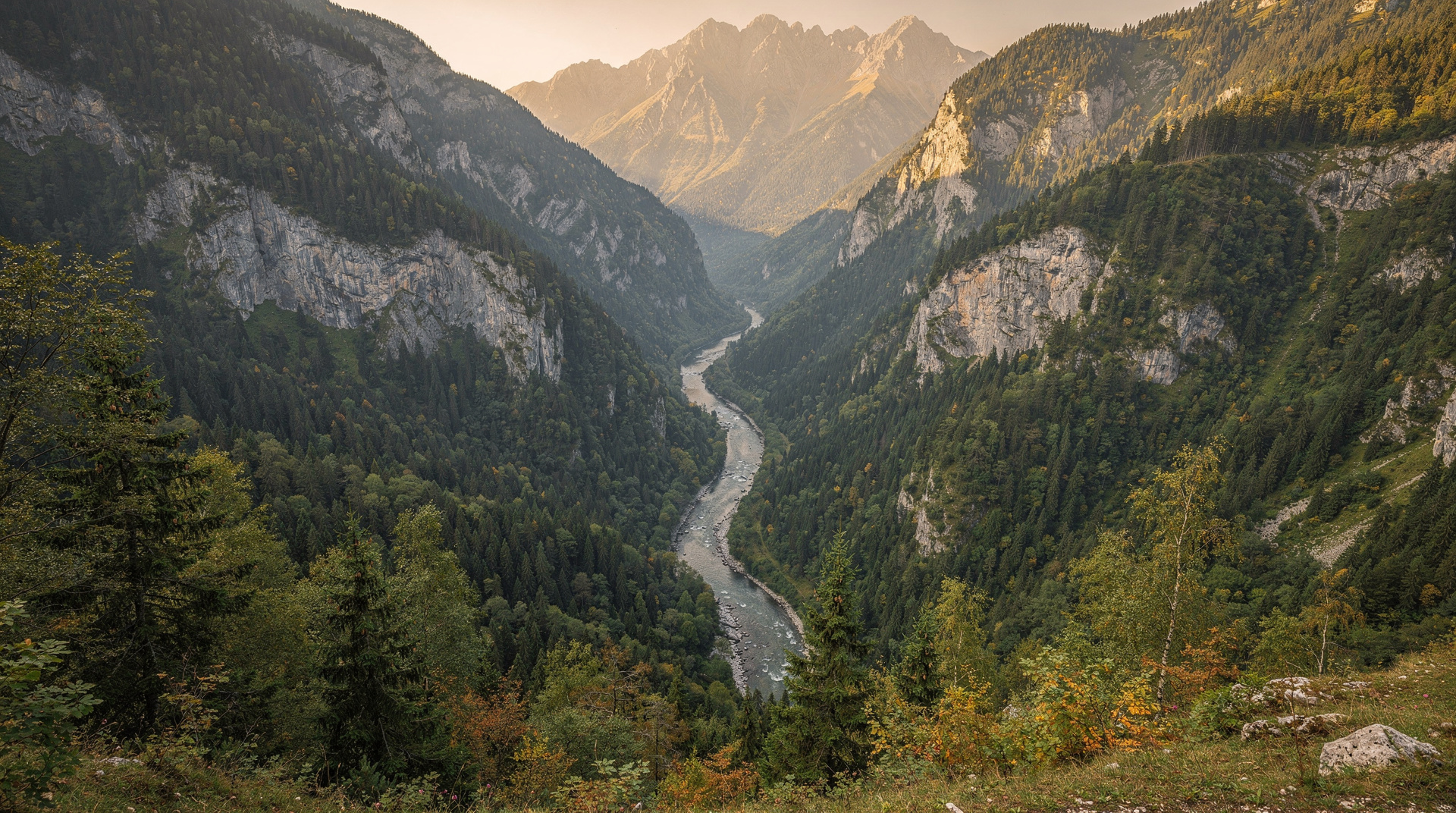
The Tara River canyon is not just Bosnia’s most spectacular rafting destination — it is one of the natural wonders of Europe. Carved over millions of years through grey Triassic limestone, the Tara canyon reaches 1,300 metres in depth, making it the deepest river gorge on the continent and the second deepest in the world after the Grand Canyon. UNESCO recognised it as a World Biosphere Reserve in 1977. Rafting through it from a Sarajevo base remains one of the most extraordinary day trips available anywhere in the Balkans.
The canyon: scale and setting
Numbers struggle to convey the Tara canyon’s reality. Standing at the river level, the walls rise above you for the full 1,300 metres — almost a kilometre and a half of limestone, forested on its upper reaches and bare grey rock below. The river itself is fast, cold and the colour of blue-green glass. The nearest thing in Western Europe would be the Verdon Gorge in France, and the Tara makes it look modest.
The canyon straddles the Bosnia-Montenegro border, with the river forming the boundary itself. Day trips from Sarajevo typically put in at Šćepan Polje, where the Piva River joins the Tara on the Montenegrin side of the border, and raft downstream through the lower canyon section. This approach requires a brief border crossing, so bring your passport.
The upper Tara canyon (in Montenegro, accessed from Žabljak) contains the most dramatic scenery and the highest water flows — this section forms part of the UNESCO protected area and sees more dedicated expedition rafting.
Day trips from Sarajevo: what to expect
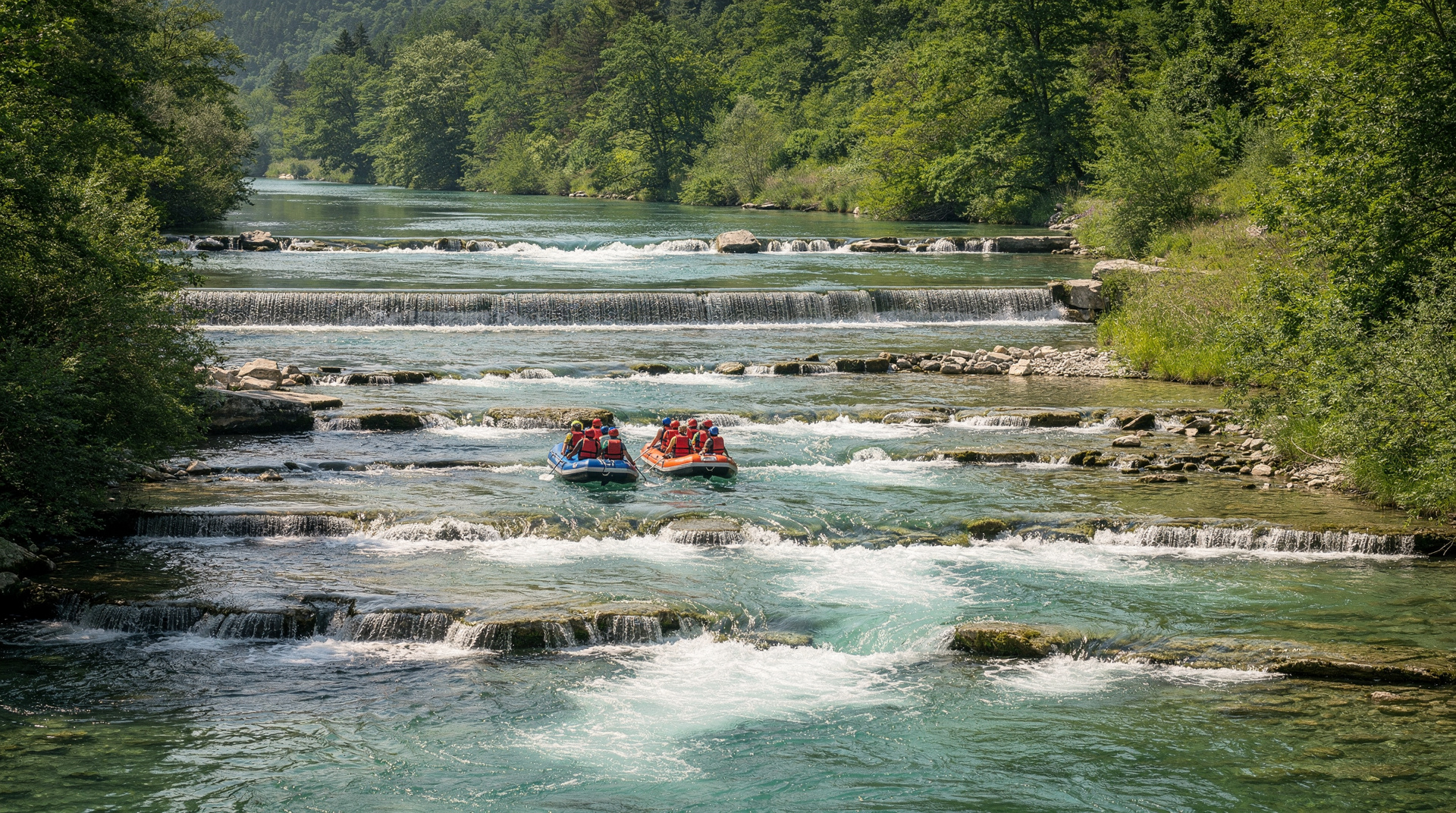
Tara River rafting day trip from Sarajevo with lunch is the most popular option and covers everything from the Šćepan Polje section — roughly 15-20 km of river — returning the same day.
Typical day structure:
- 07:00-08:00: Depart Sarajevo
- 10:00-11:00: Arrive at put-in, equipment fitting and safety briefing
- 11:00-15:00: Rafting (3-4 hours on the water)
- 15:00-16:00: Riverside lunch (grilled meats, salads, local wine often included)
- 16:00-17:00: Drive back begins
- 19:00-20:00: Return Sarajevo
The rafting section includes significant class III-IV rapids, deep pool sections for swimming, and views of the canyon walls that grow more impressive as the day progresses.
The Đurđevića Tara Bridge
The iconic Đurđevića Tara Bridge — a five-arch structure 150 metres above the river, built in 1940 and used heroically by Yugoslav Partisans in the Second World War — appears either during the drive or directly above the rafting route, depending on the specific tour. It is one of the western Balkans’ most photographed landmarks. Some tours include a stop at bridge level for photographs looking down into the canyon.
Combining Tara rafting with Maglić mountain
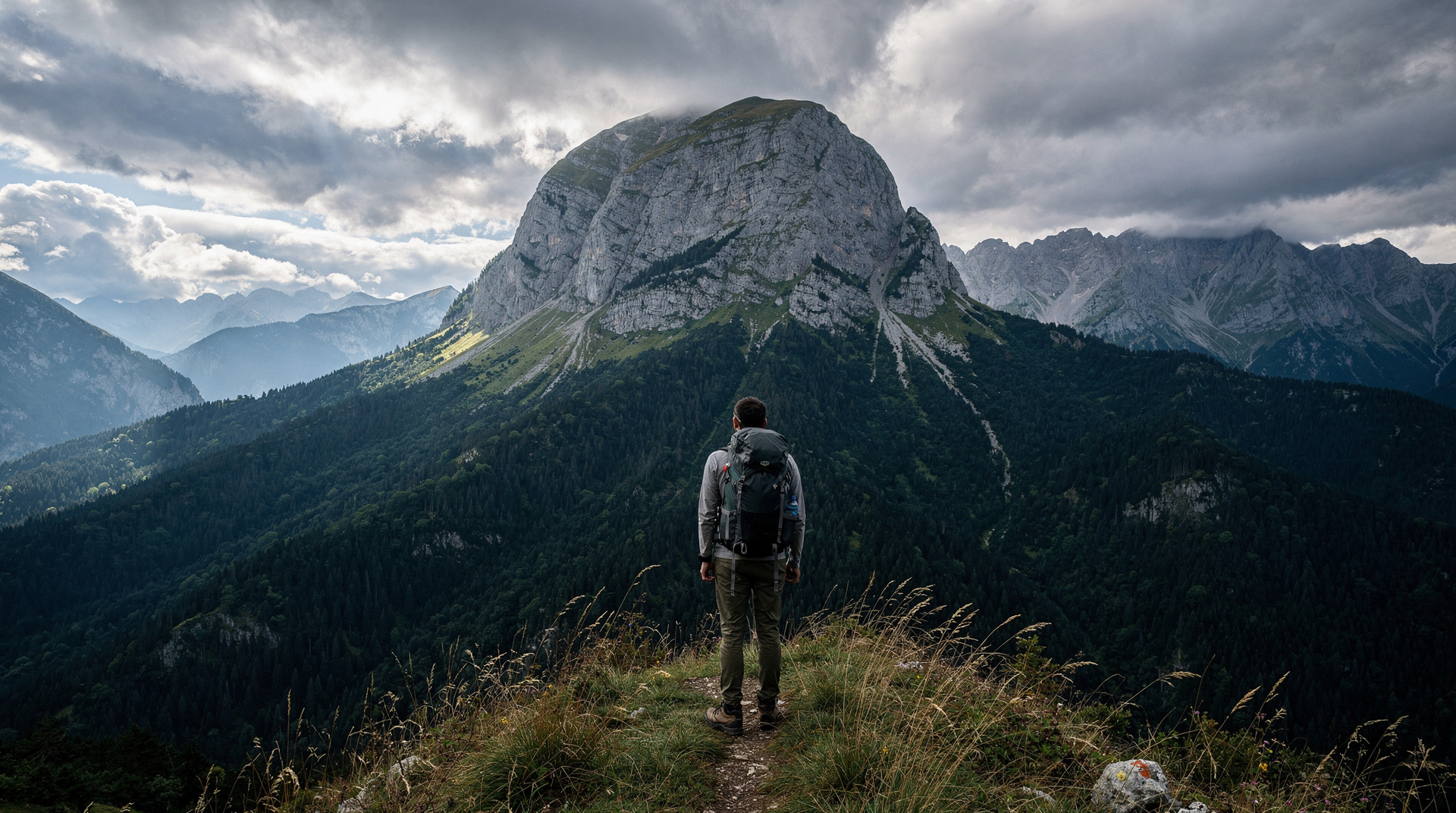
For the ultimate Bosnia adventure day (or two), the Tara canyon and Maglić mountain (2,386m, Bosnia’s highest peak) sit within the same Sutjeska National Park region.
Tara rafting combined with Maglić climb from Sarajevo offers this combination — typically a two-day expedition: day one is the Tara rafting, day two is the Maglić ascent via the standard route from Sutjeska.
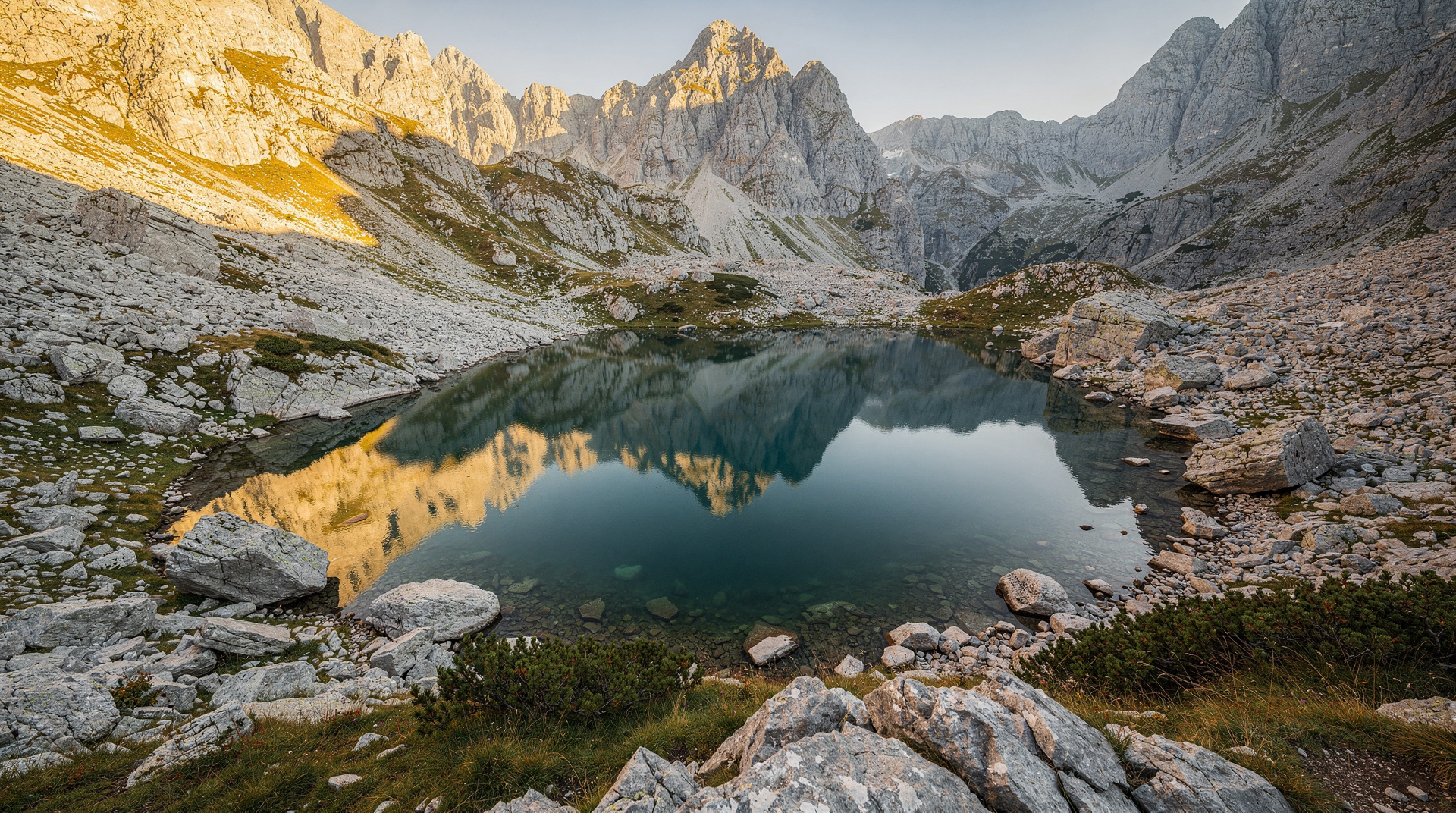
The Maglić route passes the extraordinary Trnovačko Lake (shaped like a heart, visible from the summit approach) before reaching the BiH-Montenegro border at the summit. See our Maglić mountain climb guide and Trnovačko Lake guide for full hiking details.
Sutjeska National Park: the wider context
The Tara rafting region sits at the edge of Sutjeska National Park, Bosnia’s oldest and most protected wilderness area. The park also contains:
- Perućica — one of the last two primeval rainforests in Europe, with trees over 300 years old
- Zelengora mountain — a high plateau with glacial lakes above the treeline
- Skakavac waterfall — a 98-metre free-falling waterfall inside the Perućica forest
- The Sutjeska national park guide covers all of this in detail
The combination of the Tara canyon, Sutjeska and Maglić makes this corner of eastern Bosnia one of the country’s most rewarding multi-day destinations for outdoor travellers.
Water levels and season
The Tara’s character changes dramatically through the year:
April-May: Snowmelt from the Durmitor massif (Montenegro) floods the Tara with cold, fast water. This is when the rapids are at their most powerful. Water temperature may be 5-8°C — a full wetsuit is essential and makes this the most physically demanding time to raft.
June-July: Water level drops slightly but remains high. Temperature rises to 12-16°C. This is the sweet spot for most rafters — dramatic enough, manageable enough.
August: Lower water, warmer (16-20°C). Some rapids mellow out but the canyon views are unchanged. Swimming in the pools between rapids becomes genuinely pleasant.
September: Excellent. Cooler air, stable water levels, golden light on the canyon walls in the late afternoon. One of the best months for the full day trip experience.
October and later: The Tara is still physically possible but most day-trip operators from Sarajevo cease scheduled trips. Individual bookings may be possible.
Prices
| Tour type | Duration | Price |
|---|---|---|
| Day trip from Sarajevo (rafting + lunch) | Full day | 120-180 BAM (60-90 EUR) |
| Two-day (Tara + Maglić) | 2 days | 260-340 BAM (130-170 EUR) |
| Independent rafting (put-in only) | Half-day | 80-120 BAM (40-60 EUR) |
Prices include wetsuit, helmet, buoyancy aid and guide. Lunch included in most full-day tours. Transfer from Sarajevo included in day-trip packages.
Getting to the Tara independently
Independent access to the Tara rafting section requires a car. The route from Sarajevo runs southeast via Foča, then follows the Drina River before turning south toward Šćepan Polje. The drive takes approximately 2.5-3 hours.
At Šćepan Polje, several small rafting operators have equipment rental and guide services. Without booking in advance, availability can be uncertain especially in peak season (June-July). Booking via a Sarajevo operator and including the transfer is significantly more reliable.
Choosing your date and your base
The Tara fits best into a trip when you decide the date first and build the rest around it. Because the water level and temperature shift so much between spring and late summer, it is worth reading the seasonal pages before you commit: the best time to visit Bosnia page gives the national picture, while the Bosnia in spring, Bosnia in summer and Bosnia in autumn guides show what else is open and green when you are in the country. If you prefer a quieter river and softer light, the avoiding crowds in Bosnia guide explains how to shift your days away from the busiest weekends.
Most travellers raft the Tara from Sarajevo, and that is the simplest way to do it. The Sarajevo where to stay guide helps you pick a neighbourhood with an easy early-morning pick-up, which matters because the day starts before breakfast crowds appear. Coming from the coast instead? The Bosnia from Kotor guide and the Dubrovnik to Sarajevo route show how the river fits into an overland journey, and the Balkans multi-country guide helps if Montenegro is already on your list.
Making a whole trip around the river
A single day on the water is memorable, but the long road out is easier to justify when the days either side are also well spent. A sensible pattern is to treat the rafting as the centrepiece of an adventure block rather than an isolated excursion. The Bosnia adventure itinerary strings together river, mountain and canyon days in a logical order, and the Bosnia 7-day itinerary shows where a Tara day can slot into a first week. If you have longer, the Bosnia 10-day itinerary leaves room to add the Sutjeska valley on foot.
Think about the rest of the body as well. After a day of paddling, shoulders and thighs will feel it, so a gentle morning the next day is wise. A relaxed stroll in the old town, a long coffee, or an easy visit to a museum all work well; the Sarajevo food tour guide is a good way to spend the evening after you return, and the Bosnian food guide will tell you what to order when you are hungry from a day in the cold air.
If you would rather read a traveller’s account before booking, the Neretva canyon adventure and rafting the Una diary posts describe what the first minutes on a raft actually feel like, and the Bosnia vs the Balkans post puts the country’s outdoor offer in a wider regional context.
Practical rhythm of the day
Expect the day to be long and to move at the pace of the group. The drive out is the quietest part of the day, so many people use it to sleep or read, and a light breakfast before departure is better than a heavy one. At the put-in, listen closely during the safety briefing: the commands you are taught for paddling forward, stopping and getting down inside the raft are the ones the guide will shout over the noise of a rapid. Keep your feet secure, hold the paddle as shown, and do not be shy about asking the guide to repeat anything.
Between the rapids the river often slows, and this is the moment to look up. The walls, the colour of the water and the silence away from the road are what most people remember afterwards, more than any individual rapid. Resist the urge to hold your phone in your hand; a dry bag and a sealed pocket are far better, and a waterproof camera attached by a strap is the only sensible way to take pictures on the water.
Safety on the Tara
The Tara runs through one of the most remote parts of Bosnia and Montenegro. In an emergency, help is distant. This makes the choice of operator important:
- Use operators with certified guides (white-water rafting certification)
- Confirm that safety kayaks accompany the raft
- Check that insurance is included in the tour price
- Never raft alone or without a guide on the Tara
Landmine safety: The Foča area and surroundings in eastern Bosnia saw extremely intense fighting during the war. Stay on marked roads and trails at all times. Do not explore unmarked terrain near the river or in forested areas off the established routes. Your guide and operator will brief you on current safe zones.
What to bring
The Tara is a remote, full-day commitment. Bring:
- Passport (required for the Montenegro border crossing)
- Swimwear under the wetsuit
- Sunscreen
- Extra layers — the canyon blocks sunlight and river spray is cold
- Small dry bag for valuables
- Cash in BAM for tips; Euros may be accepted at the border area
- Fully charged phone (signal may be limited in the canyon but emergency contacts may need it)
Rafting the Tara is what Bosnia’s adventure reputation is built on. No other experience in the country combines natural spectacle, physical challenge and historic landscape in quite the same way.
How the Tara compares with other Bosnia rafting
The Tara is not the only rafting river in the country. The Neretva at Konjic offers a closer, easier day trip from Sarajevo with gentler class II-III rapids suitable for families and first-timers, while the Una near Bihać in western Bosnia combines rafting with waterfalls in a national park setting. Neither matches the sheer scale of the Tara canyon, but both are more accessible if a 3-hour drive each way (plus the Montenegro border crossing) doesn’t fit your itinerary. The rafting in Bosnia guide compares all three rivers directly.
Money, cars and other logistics
Keep some local cash with you; the Bosnia money and currency guide explains what to carry and how to pay for small extras such as tips. If you plan to drive to the river yourself, the renting a car in Bosnia page covers what to check before you leave the rental desk, and the getting around Bosnia guide compares the alternatives to driving. Travelling with a mixed-ability group or with younger children? The Bosnia with kids guide and the family activities in Bosnia page suggest gentler options for the days when the Tara is not the right fit.
Fitness and experience needed
No prior rafting experience is required for the standard day-trip section — guides handle route-finding and the class III-IV rapids are manageable for reasonably fit beginners who can swim and follow instructions under pressure. That said, this is not a gentle float: expect to be genuinely wet, cold in places, and physically engaged for 3-4 hours. Anyone with cardiac conditions, limited swimming ability, or who is pregnant should not raft the Tara. Children are generally accepted from around age 10-12 depending on the operator, though the more family-friendly Neretva trip near Konjic is a better fit for younger kids.
Frequently asked questions about Tara River rafting
Is the Tara River the deepest canyon in Europe?
Is the Tara in Bosnia or Montenegro?
What class are the Tara rapids?
Can I combine Tara rafting with Maglić mountain?
How far is the Tara River from Sarajevo?
What is the Đurđevića Tara Bridge?
Do I need rafting experience to raft the Tara?
How does the Tara compare with rafting on the Neretva or Una rivers?
Top experiences
Bookable activities with verified prices and instant confirmation on GetYourGuide.