Bosnia in 2025 — what is new for travellers
Bosnia’s tourism infrastructure moves more slowly than some Balkans neighbours but it does move. Here is a practical update on what has changed for travellers in 2025 — new infrastructure, updated logistics, and anything relevant to planning a visit this year.
| Where | Sarajevo, Mostar, Herzegovina, national parks (Sutjeska, Una) |
| Cost | No major price shifts noted; value proposition largely unchanged year over year |
| Time needed | This is a planning update, not an itinerary — pair it with a full Bosnia travel guide for trip length |
| Getting there | Sarajevo–Mostar road links continue to improve incrementally; buses remain the reliable default |
| Best time | September–October remain the least pressured months for accommodation and tours |
Transport and getting around
The Sarajevo motorway extension toward Mostar has continued to progress, reducing journey times on the northern section of the M-17 corridor. The full motorway connection between Sarajevo and Mostar remains incomplete — the section through the Neretva gorge still uses the older highway — but improvements to the approach roads mean the Sarajevo end of the journey is faster than a few years ago.
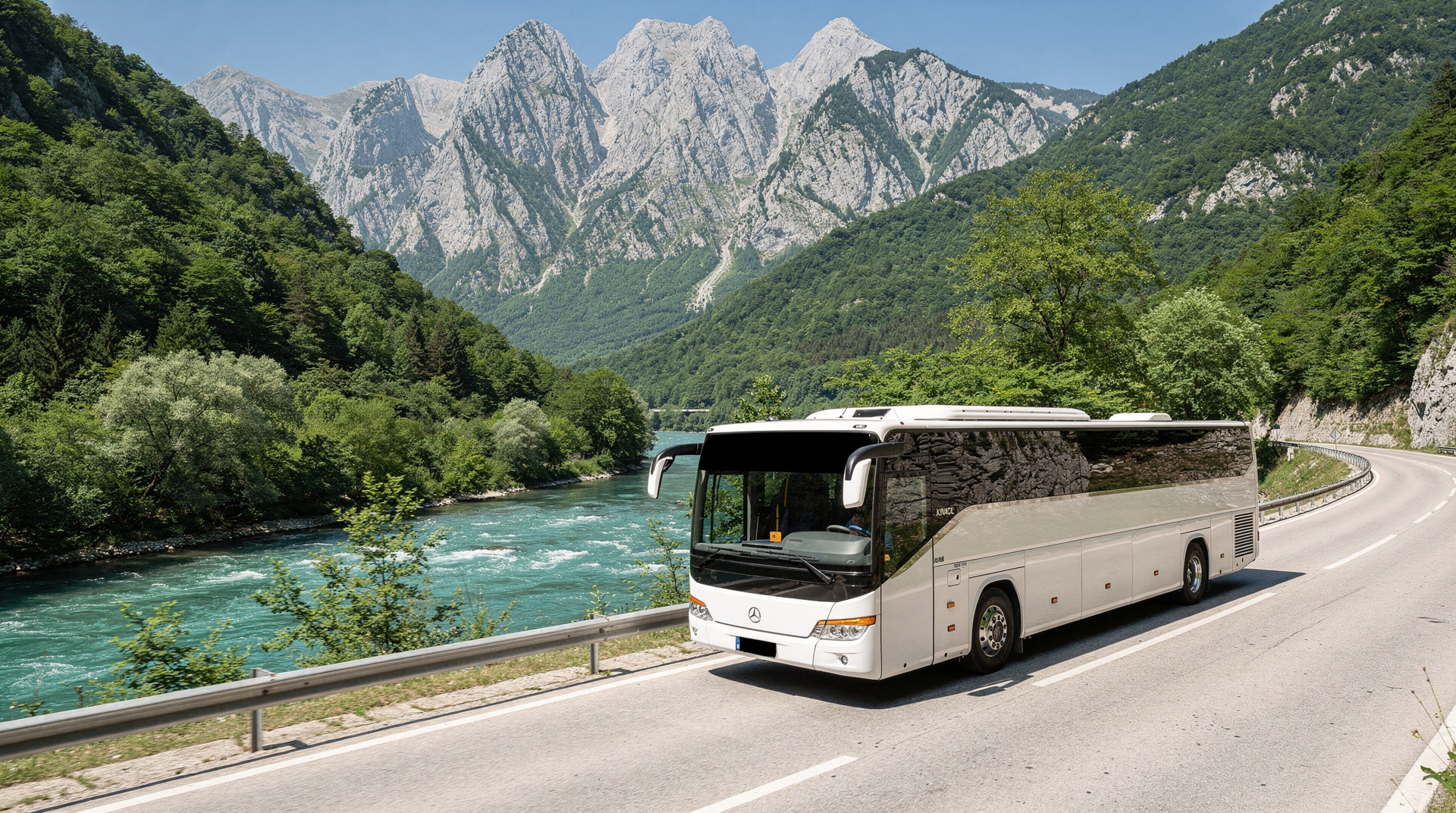
Bus connections between Sarajevo, Mostar, and the main towns continue to operate reliably. The central Sarajevo bus terminal (Autobuska stanica) remains the hub. For connections to Bihać, Banja Luka, and the northwest, direct services run several times daily.
Sarajevo’s Tram Line 3 (connecting the old town to the railway station and the western neighbourhoods) has seen schedule improvements. The tram is still the best way to move east-west through the city. Fares remain among the cheapest in Europe at around 2.20 BAM per journey with a card.
Bolt and ride-hailing continue to expand in Sarajevo and increasingly in Mostar. For short city journeys, Bolt is reliable and avoids the occasional negotiation with unlicensed taxis.
Sarajevo: what is new
The War Childhood Museum has expanded its programming with new exhibitions and more regular English-language events alongside its permanent collection. If you have not visited, it remains one of the most affecting museum experiences in the Balkans.
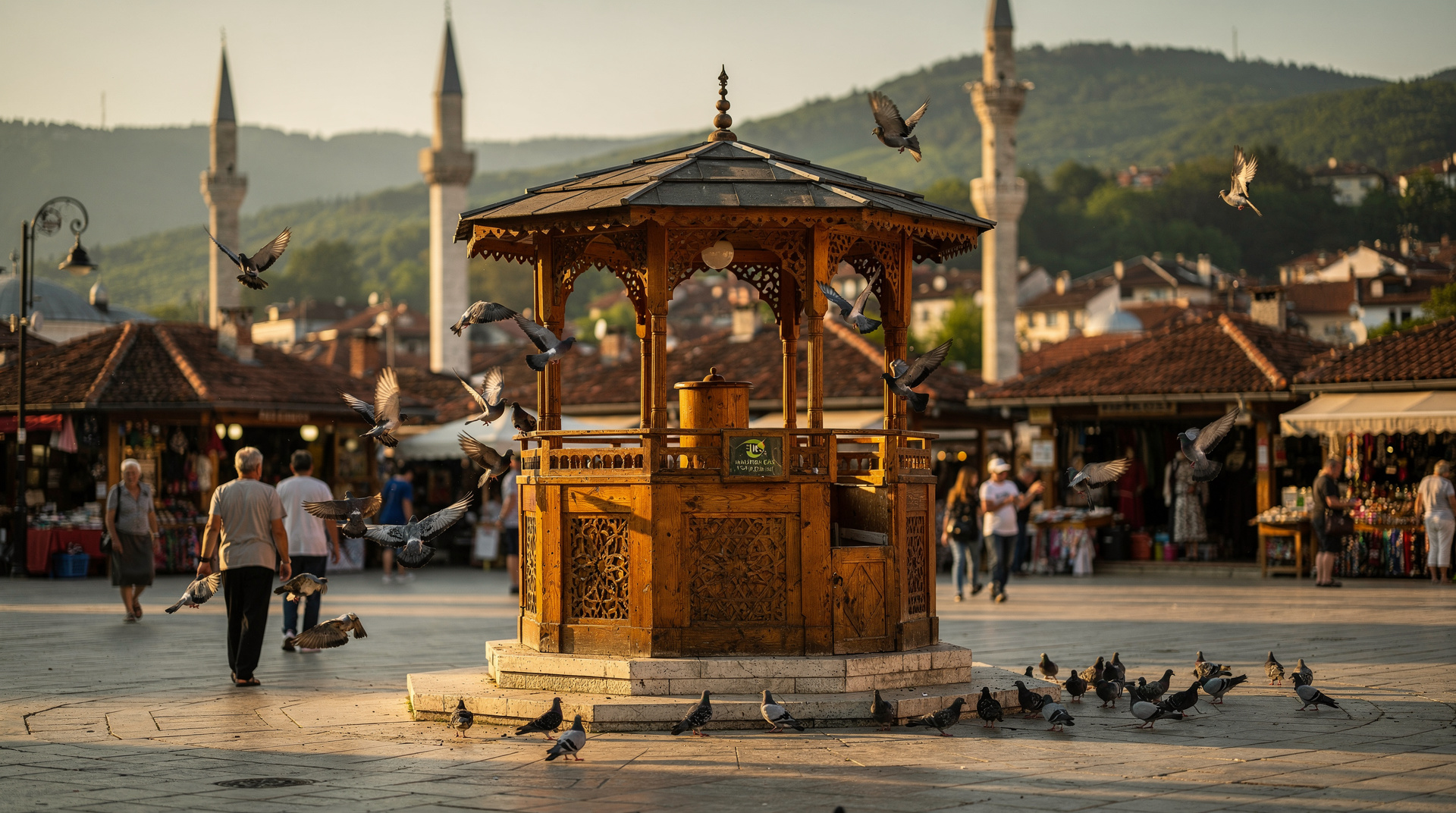
Accommodation openings: Several new boutique hotels and apartment properties have opened in the Baščaršija and Ferhadija zones since 2023, giving more mid-range options in the heart of the old town. Competition has kept prices from rising dramatically despite increased tourism.
Guided tour availability: The Tunnel of Hope Museum recommends advance booking, particularly for weekends May through September. The online booking system at the museum website has improved. Guided war history tours (3–4 hours) from local operators are more consistently available year-round.
Mostar: managing the crowds
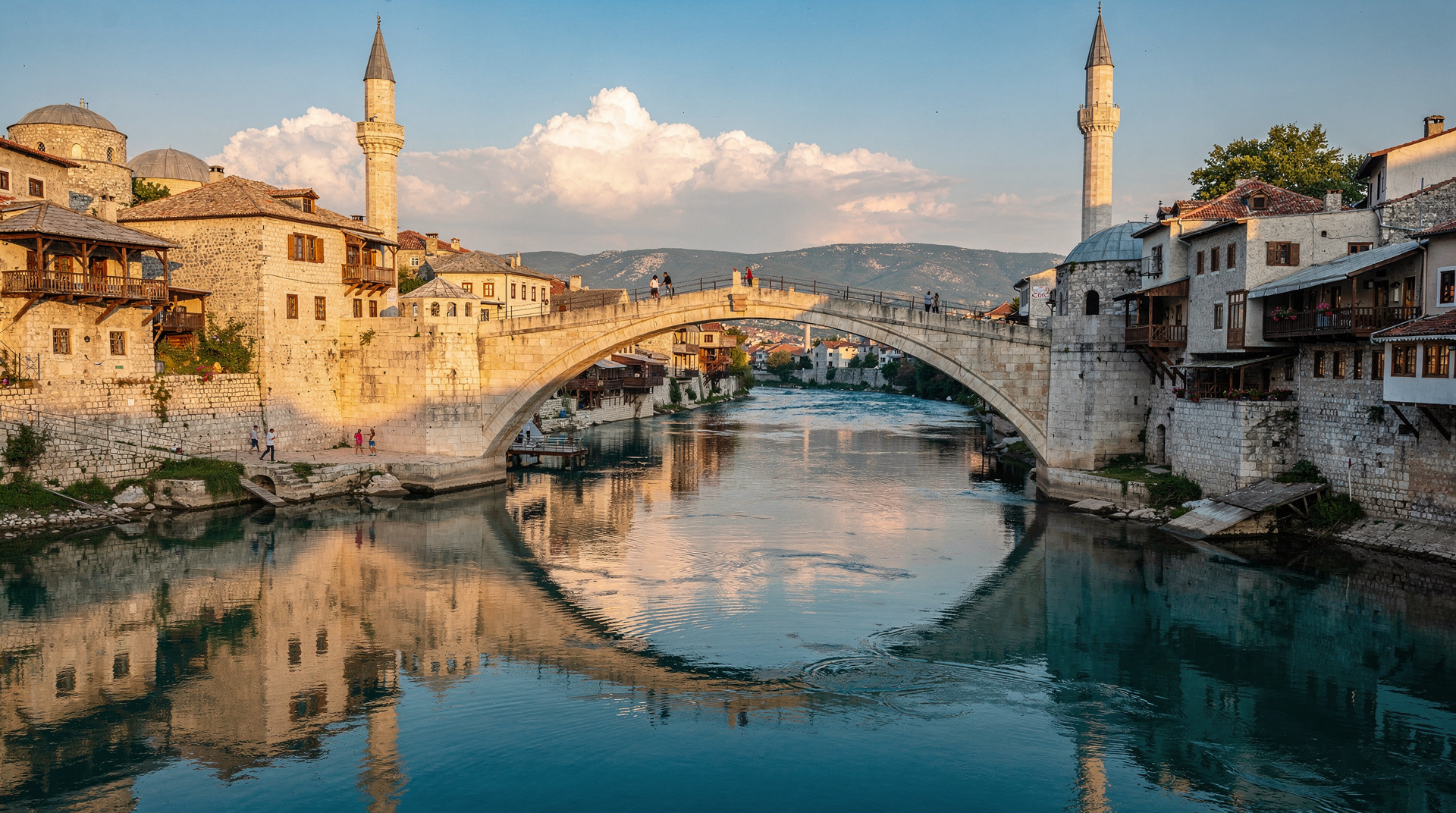
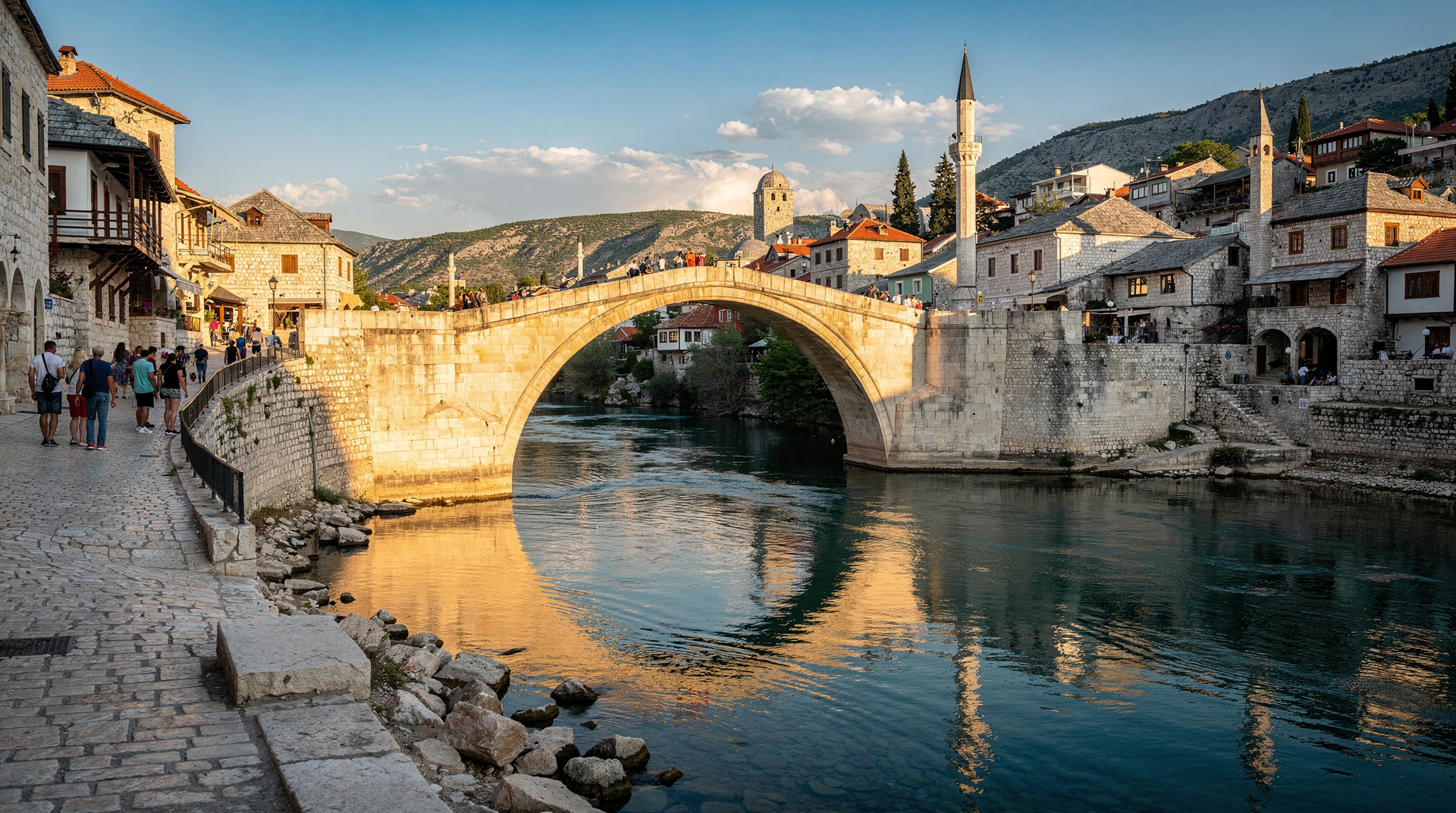
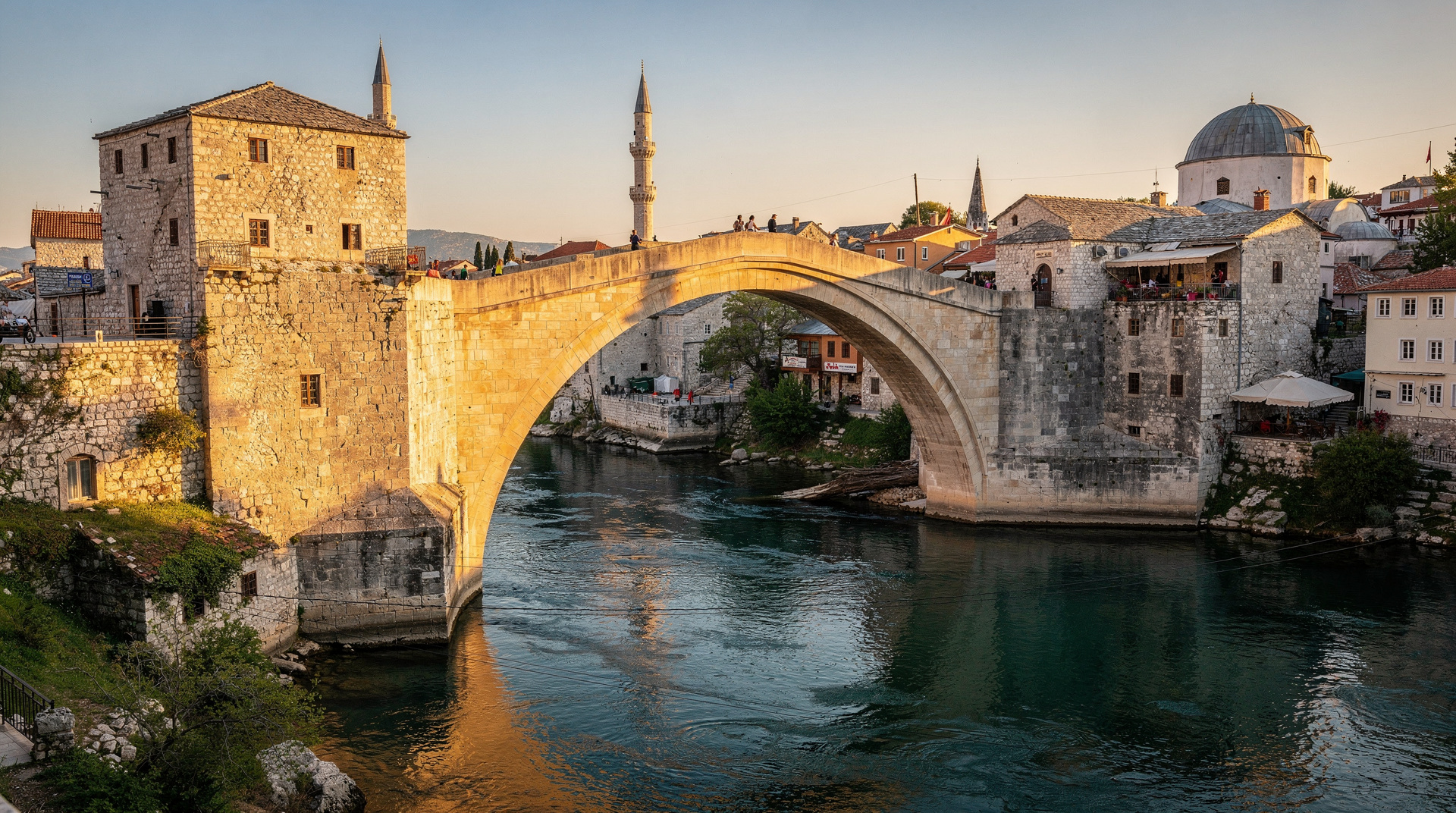
The Old Bridge approach remains busy from late May through September. The most significant change visitors are reporting is increased crowd management on the bridge itself — informal traffic flow assistance at peak hours.
For a less crowded Mostar experience, the advice remains the same as previous years: arrive early (before 10am) or in the late afternoon (after 4pm) on weekdays. The city at dusk — after the day-trip coaches have returned to Dubrovnik and Split — is significantly more pleasant.
The Mostar tourist traps guide remains current for advice on avoiding the worst of the pricing inconsistencies.
Herzegovina: tours and access
The Kravice Falls management has improved parking organisation at the main car park, which helps during peak summer months. Entry pricing has not changed significantly.
Tours from Dubrovnik combining Mostar, Počitelj, Blagaj, and Kravice continue to dominate the day-trip market. For visitors wanting a more in-depth experience of Herzegovina, multi-day base in Mostar remains the better option.
If you are staying on the coast and want the logistics handled for you, a guided day trip to Mostar from Dubrovnik is the simplest way to cover the border crossings, while a full-day excursion from Zadar serves those based further north.
Trebinje continues to develop its wine and gastronomy tourism at a thoughtful pace. Several new wineries are offering visitor programmes alongside the established Vukoje. The Trebinje wine guide is updated with current openings.
National parks: what is open
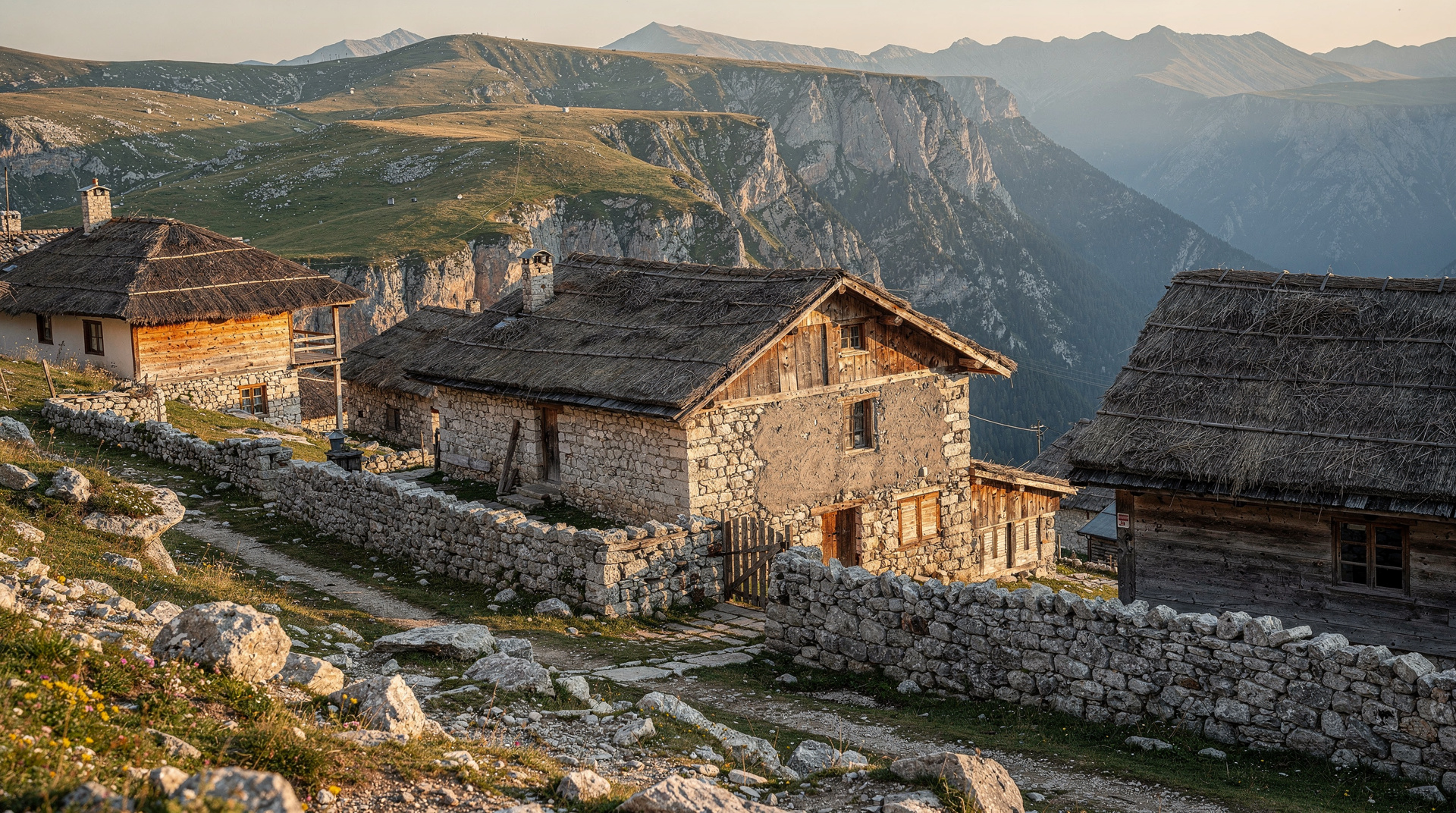
Sutjeska National Park — the Perućica forest tours, Maglić ascents, and Zelengora access all continue normally. The park accommodation (Hotel Mladost at Tjentište) was undergoing renovation work; confirm current availability before booking.
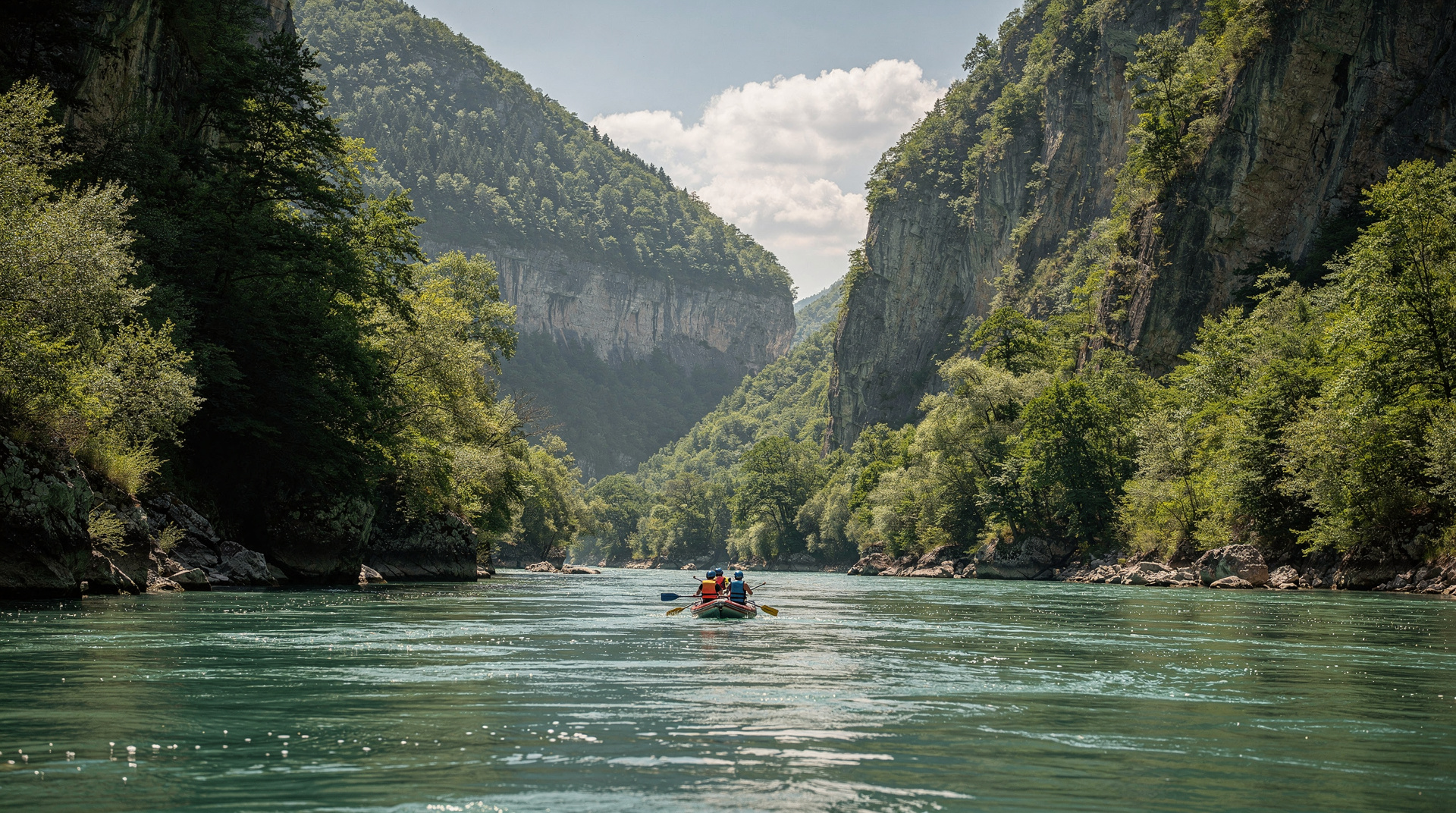
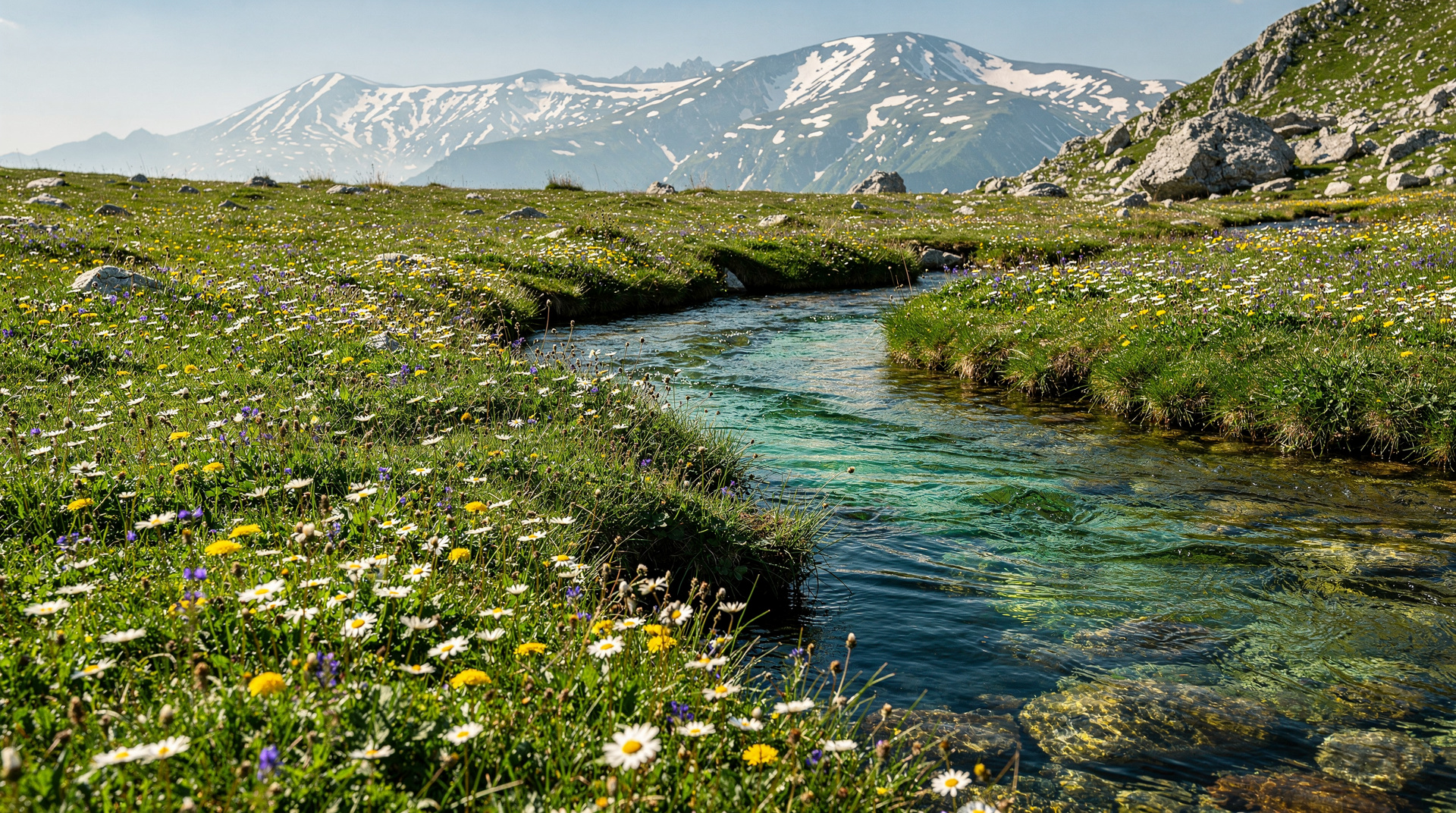
Una National Park near Bihać has seen modest improvements to the visitor infrastructure around Štrbački Buk waterfall. The rafting season runs approximately April–October.
Travellers without a car who want to see central Bosnia’s waterfalls and old towns can join a day trip from Sarajevo through Travnik, Jajce and the Pliva watermills, which removes the need to piece together buses between small towns.
Visa and entry
Bosnia-Herzegovina’s visa-free access for EU, EEA, UK, US, Canadian, Australian, and many other nationalities remains unchanged. Stays of up to 90 days within a 180-day period are permitted without a visa for most Western travellers.
The Bosnia visa checker tool provides current guidance by nationality.
Currency note
The Bosnian Convertible Mark (BAM) remains pegged to the EUR at 1 EUR = 1.95583 BAM. This peg is a constitutional commitment and has not changed since 1995. EUR is sometimes accepted in tourist areas but typically at a rate less favourable than the peg — use BAM for the best value.
Planning for 2025
Overall, Bosnia in 2025 offers the same excellent value proposition it has for the past several years — with incremental improvements to infrastructure and accommodation making the experience slightly more comfortable, without a corresponding jump in prices that would erode the value.
The ideal planning window for summer 2025 visits to Sarajevo and Mostar is now, if you want specific accommodation and guided tours. September and October remain less pressured and remain our recommended travel months.
The planning a Bosnia trip guide looks further ahead at what is changing through 2026.
What this means for a first-time itinerary
None of the changes above are dramatic enough to reshuffle a well-built Bosnia itinerary. The core recommendation stands: base in Sarajevo for 3–4 nights, base in Mostar for 2–3, and use one of those bases for a Herzegovina day out to Blagaj and Kravice Waterfalls.
If you’re building from scratch, the Bosnia 7-day itinerary and the more compact Sarajevo–Mostar 3 days both remain accurate frameworks. For the improved motorway approach into Sarajevo, the driving in Bosnia guide covers current road conditions in more detail than a single-year update can.
National park bookings worth planning ahead
The Hotel Mladost renovation at Tjentište is the one item above worth double-checking before you commit dates — if you’re planning a Sutjeska National Park overnight around Perućica or a Maglić ascent, confirm current room availability directly rather than assuming it matches older listings. Independent travellers doing Una National Park’s rafting season should also check current operator schedules, since April–October is wide and early/late-season dates run thinner services.
Where to read next, by interest
An update like this is only a starting point, so here is how to turn it into a plan, depending on what draws you to Bosnia.
If Sarajevo is your priority, the Sarajevo destination page is the overview, and the where to stay in Sarajevo guide helps you choose between the old-town zones mentioned above. For the city’s recent history, the War Childhood Museum guide and the Tunnel of Hope guide explain what to expect before you book. Getting around the city is covered in the Sarajevo public transport guide.
If Herzegovina is the draw, start with the best day trips from Mostar and the Kravice Waterfalls guide. Travellers coming over from the coast will find the Mostar from Dubrovnik guide and the Mostar from Split guide useful, since these are the routes that feed the day-trip crowds described above. For something quieter, a Herzegovina weekend itinerary keeps you away from the midday rush.
If you prefer mountains and rivers, the Sutjeska National Park guide and the Una National Park guide go deeper on the two parks covered in this update, and the rafting in Bosnia guide helps you compare rivers before choosing a season.
Finally, if you are still deciding when to go, the best time to visit Bosnia page sets the changes above against the seasons, and the Bosnia on a budget guide is the place to check how far your money goes. Readers who like first-hand accounts can compare this update with the week in Bosnia trip report, which shows how a real itinerary plays out on the ground.
Frequently asked questions about Bosnia in 2025 — what is new for travellers
Has anything major changed about getting around Bosnia recently? Not dramatically — bus networks and the Sarajevo tram remain reliable and cheap, and the Sarajevo-side approach to the Mostar motorway has improved, but the core Neretva gorge section is still the older road, so journey times are similar to previous years.
Is 2026 a good year to visit, or should I wait for more infrastructure to finish? There’s no reason to wait — Bosnia’s value proposition and core sights are unaffected by the incremental infrastructure work described here, and the planning a Bosnia trip guide confirms the outlook for the year ahead.
Top experiences
Bookable activities with verified prices and instant confirmation on GetYourGuide.