Solo travel in Bosnia — what to know before you go
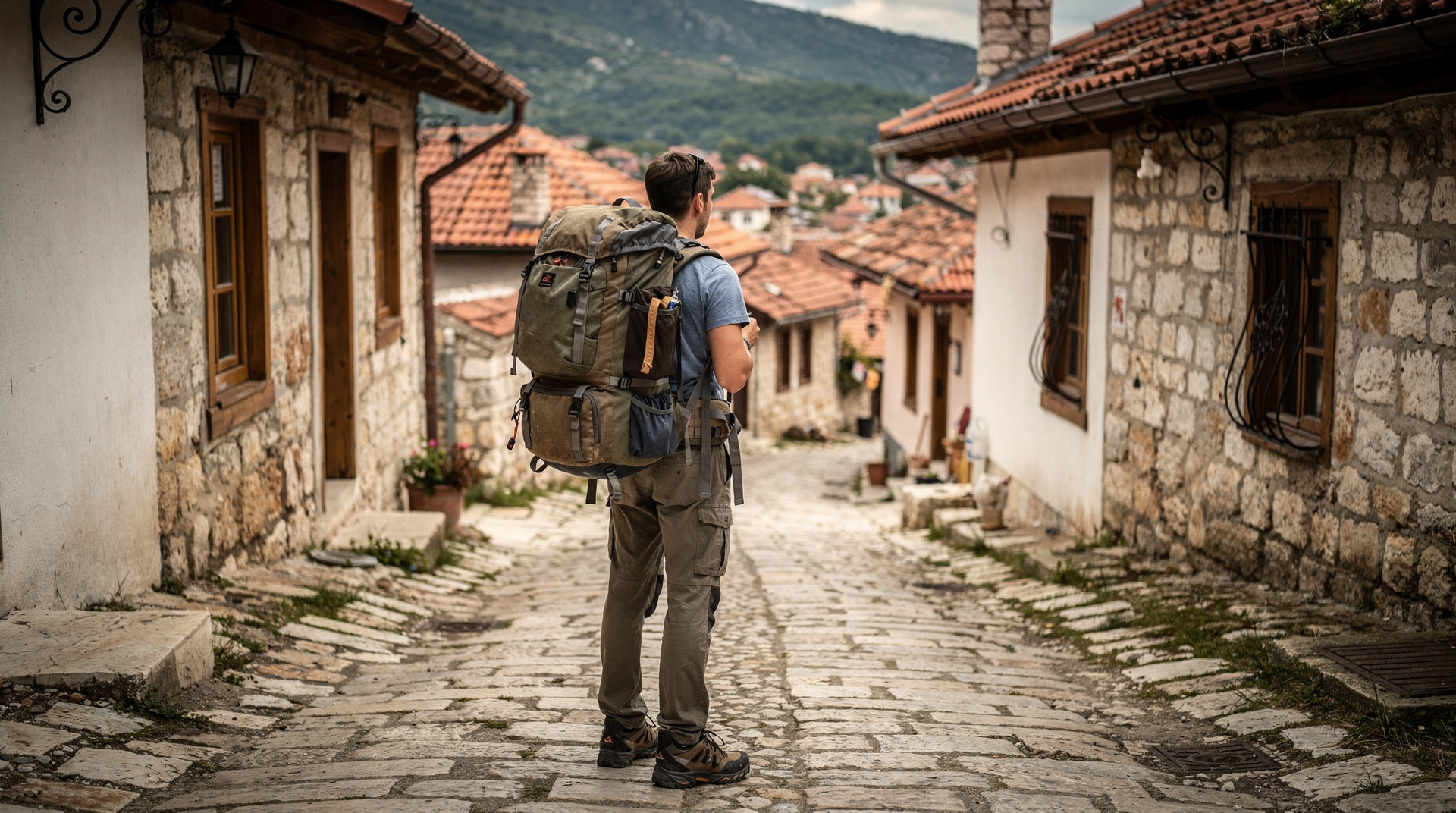
Bosnia is not a country that gets talked about much in solo travel circles, which is strange because it is genuinely excellent for it. Safe, sociable, affordable, with a density of interesting things to do and see in the main cities, and a hospitality culture that means solo travellers are routinely welcomed rather than just tolerated.
This is a practical guide to solo travel in Bosnia, with honest notes on the parts that require more thought.
At a glance
| Where | Sarajevo and Mostar as bases, with day trips or short hops to Konjic, Trebinje, Blagaj and beyond |
| Cost | Budget around 50–70 BAM/day, mid-range around 100–150 BAM/day (see budget breakdown below) |
| Time needed | 5–7 days minimum for Sarajevo, Mostar and one side trip; 10+ days to add remote hiking |
| Getting there | Fly into Sarajevo International Airport; buses connect all main towns |
| Best time | Late spring (May–June) or early autumn (September) for mild weather and fewer crowds |
Safety: the straightforward answer
Bosnia is safe for solo travellers. The violent crime rate is low; the cities are navigable without concern at most hours; and the war-related risks that might come to mind are historical rather than current.
The one genuine safety consideration is mines. Bosnia still has landmine contamination in some rural and mountain areas, a legacy of the 1992–1995 war. The risk is specifically from going off marked trails in remote countryside — in mountains, along old frontlines, in areas distant from tourist infrastructure. Sticking to marked paths and not entering unfenced land outside designated areas eliminates this risk.
In cities, the usual precautions apply: be aware of pickpockets in busy markets (rare but real in Baščaršija), don’t use unlicensed taxis (use Bolt or ask accommodation to arrange), and walk with normal urban awareness at night.
Meeting people
One of the better things about solo travel in Bosnia is that you will meet people. Bosnian hospitality culture means that locals — at markets, in cafés, at your accommodation — are genuinely curious about foreign visitors and relatively easy to fall into conversation with.
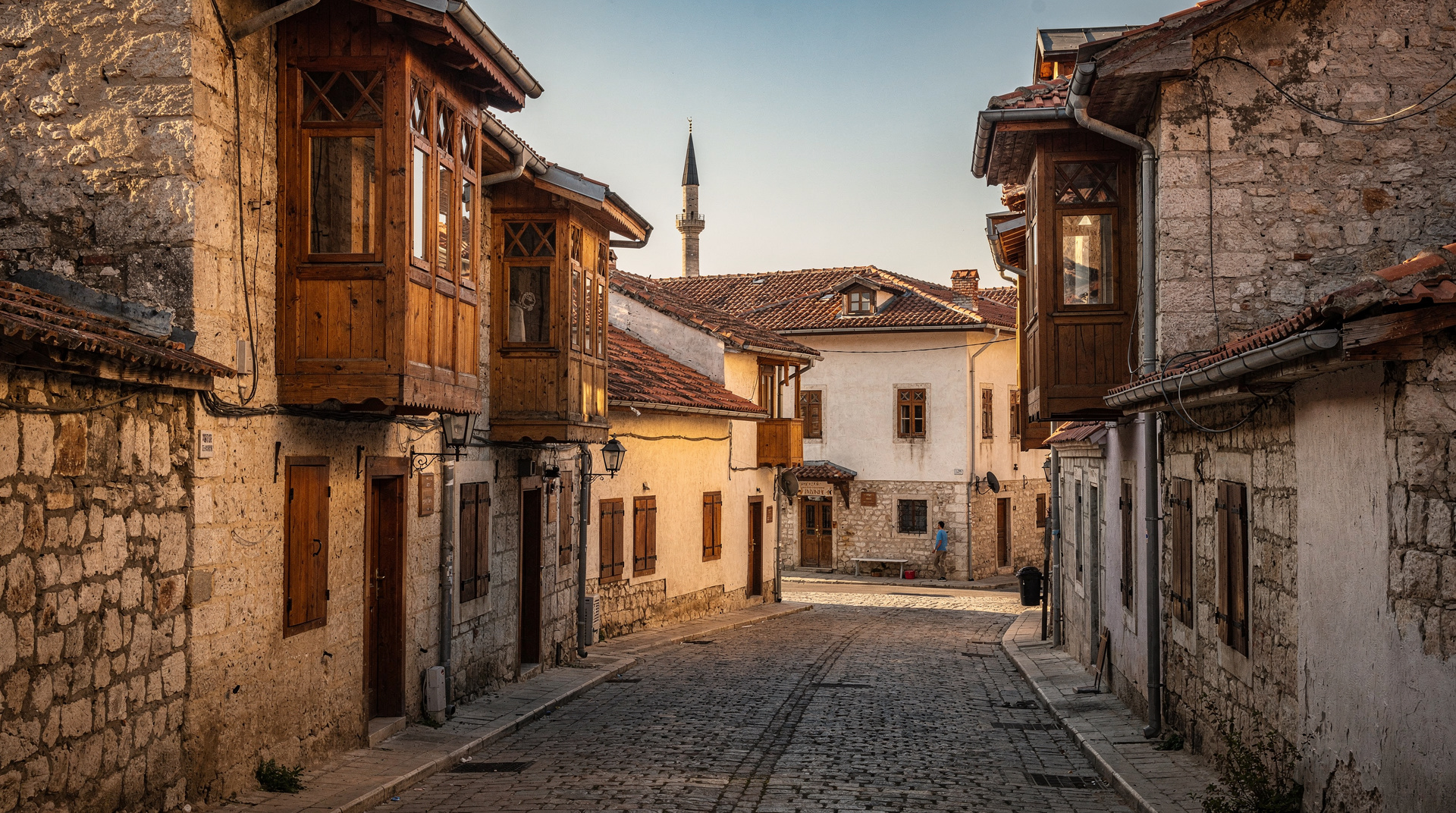
Guided tours help. A small-group war history tour or a food tour in Sarajevo will reliably put you alongside other travellers. Hostels in Baščaršija have a working social scene. The smaller guesthouses (pensions run by families) often result in dinner invitations or local recommendations that solo travellers in larger hotels don’t get.
Logistics for solo travellers
Accommodation: Sarajevo and Mostar both have good hostel options at competitive prices. Hostels in Baščaršija range from 20–30 BAM (10–15 EUR) for a dorm bed to around 60–80 BAM for a private room. The Sarajevo where to stay guide covers the best areas and specific recommendations.
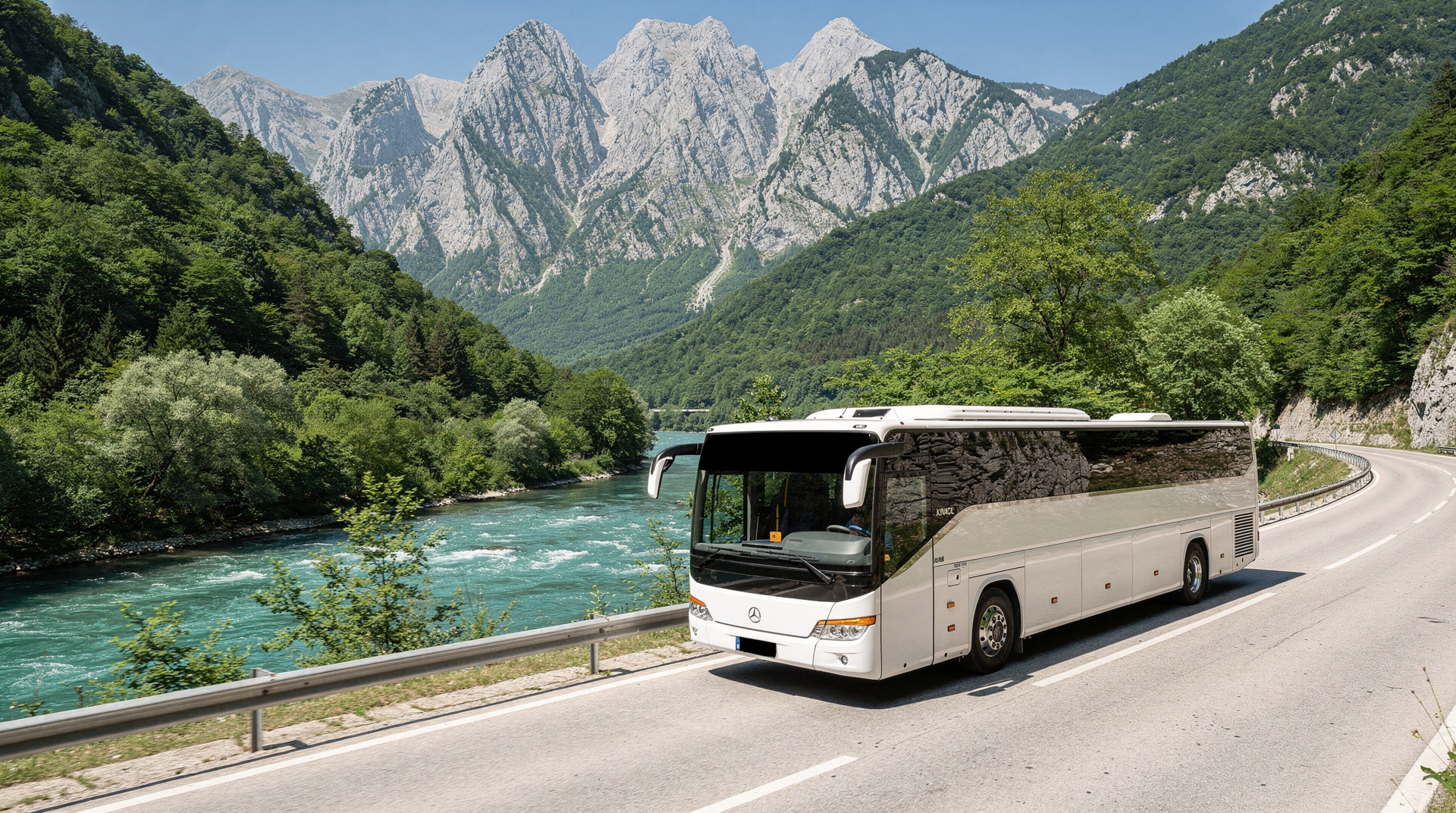
Transport: Solo travellers without a car can cover the main route (Sarajevo-Konjic-Mostar) by bus without difficulty. Buses run frequently, are cheap (Sarajevo-Mostar around 16–18 BAM), and reliable on the main routes. For more remote destinations (Sutjeska, Una, Lukomir), joining an organised tour or renting a car makes more sense than attempting independent transport.
Eating alone: Bosnia is comfortable for solo dining. Kafanas have bar seating. Pekara bakeries are stand-and-eat. Even proper restaurants don’t make solo diners feel conspicuous — the culture is not oriented around timed dining experiences.
Guided tours as social infrastructure: For solo travellers, guided tours serve a double purpose — content and company. A Tunnel of Hope war tour puts you in a group for half a day. A food tour does the same. Sarajevo food tours in particular tend to attract a mix of solo travellers and couples. If you would rather start with the history, a guided war tour with entry to the Tunnel Museum gives you context and company in one booking, and a guided walking tour that looks past the headlines is a gentler way to meet the city on your first day.
If you want more detail on the mine question before heading into the countryside, the landmine safety guide explains how to read the situation on the ground. For the scams and overcharging that occasionally catch out new arrivals, see scams to avoid in Bosnia and the Sarajevo tourist traps rundown, both of which are easy to sidestep once you know what to look for.
Travelling alone also means nobody is watching your bag while you queue for a ticket or order at a counter. Keep valuables close in crowded spots, and keep a note of your accommodation’s address on your phone in case you need to show it to a driver.
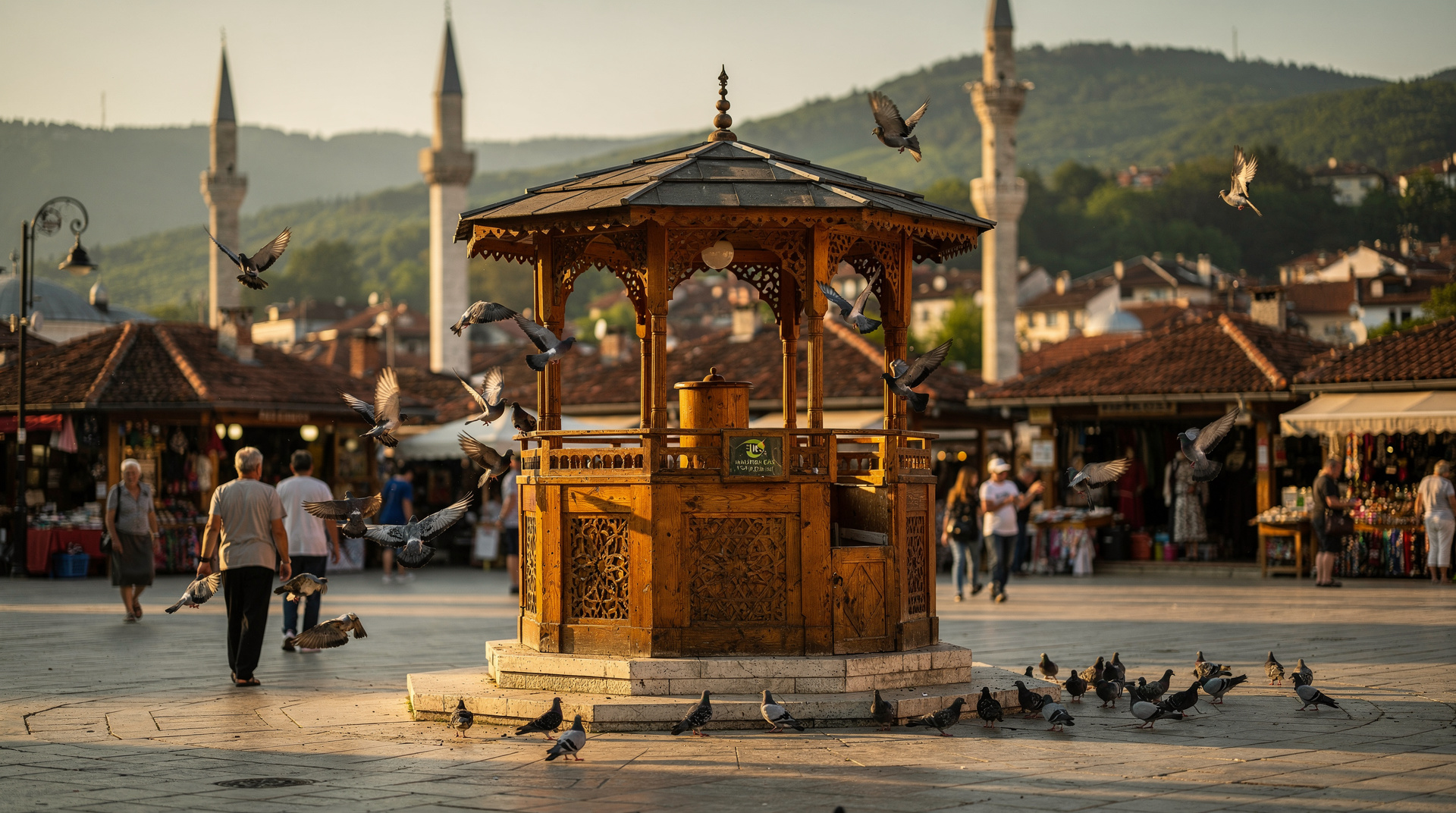
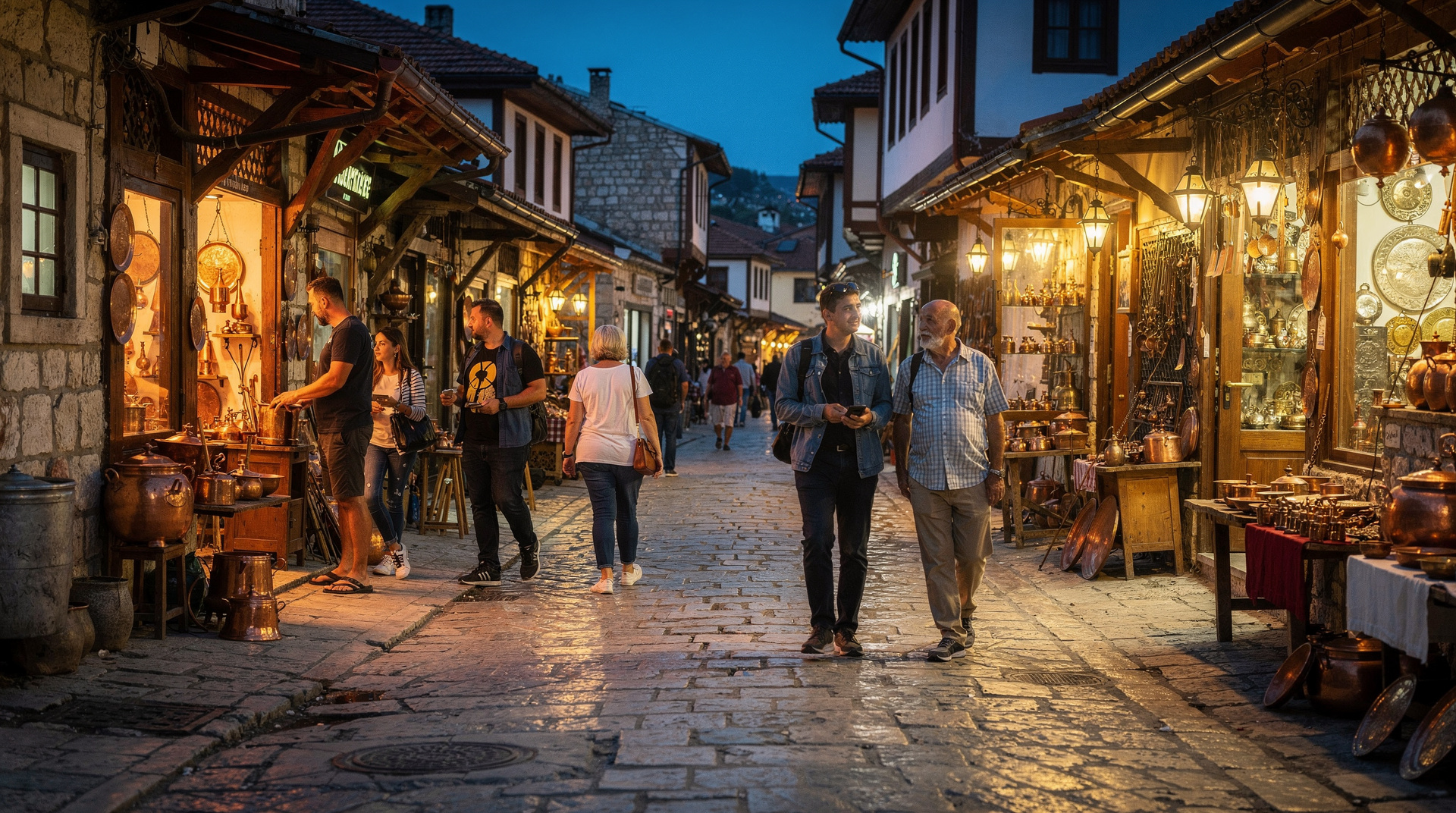
The Baščaršija guide is a good way to get your bearings in the old quarter, where many solo travellers start.
What solo travel unlocks
Some of Bosnia’s best experiences are specifically suited to solo travellers:
Slow café sitting. The Bosnian coffee ritual is designed for unhurried time. A solo traveller can sit with a džezva for an hour in a Baščaršija courtyard without apologising to anyone.
Spontaneous stops. Road-tripping alone through the Neretva canyon means stopping when you want, staying longer in Konjic than planned, doubling back for that viewpoint.
Conversation. Solo travellers are more approachable than couples or groups. The Bosnian hospitality culture means invitations to join a table or accept coffee are not uncommon.
Flexibility around the hard stuff. Some of Bosnia’s more intense historical experiences — the Srebrenica memorial tour, a full day at the Tunnel of Hope and war sites — are processed differently when solo. You set the pace and decide when you’ve had enough.
If you are working out how to link the cities without a car, the getting around Bosnia guide and the buses in Bosnia guide cover how the network works, while Sarajevo to Mostar transport deals with the single most common solo journey. A full plan built around buses alone is laid out in the Bosnia by public transport itinerary.
For the history side, the Tunnel of Hope guide and the Sarajevo war tour guide explain what each visit involves, so you can choose what suits your own pace. On the food side, the Bosnian food guide helps you order confidently when there is nobody to share a menu with.
What requires more planning
Remote hiking: Lukomir, Sutjeska, Zelengora — these are genuinely remote. Solo hiking in remote mountain terrain requires proper preparation: navigation tools, emergency contact, knowledge of conditions. Joining a guided group is the sensible alternative.
Driving alone: Long mountain drives are fine; extremely remote roads are less so for solo drivers without backup. Let someone know your route and expected return time.
The darker history: A day at the Srebrenica memorial is heavy. Solo travellers should be aware of that and plan accordingly — not rushing to the next thing, having some recovery time in the itinerary.
Useful reading for each of these: the hiking in Bosnia guide and the Lukomir village hike guide for walking, the Sutjeska National Park guide for the remote south-east, the driving in Bosnia guide and renting a car in Bosnia if you decide to drive. For the heavier days, the Srebrenica memorial guide and the Srebrenica day trip guide describe what to expect so you can prepare yourself.
Budget for solo travellers
Solo travel in Bosnia costs more per person than couple travel (no accommodation sharing), but the baseline is cheap enough that this doesn’t make a major difference.
Budget: 50–70 BAM per day (25–36 EUR) for accommodation + food with care. Mid-range: 100–150 BAM per day (51–77 EUR) with a comfortable guesthouse and regular restaurant meals plus a guided tour.
The Bosnia budget guide breaks down the costs in more detail, and the money and currency guide explains how to handle cash and cards.
Where solo travellers tend to base themselves
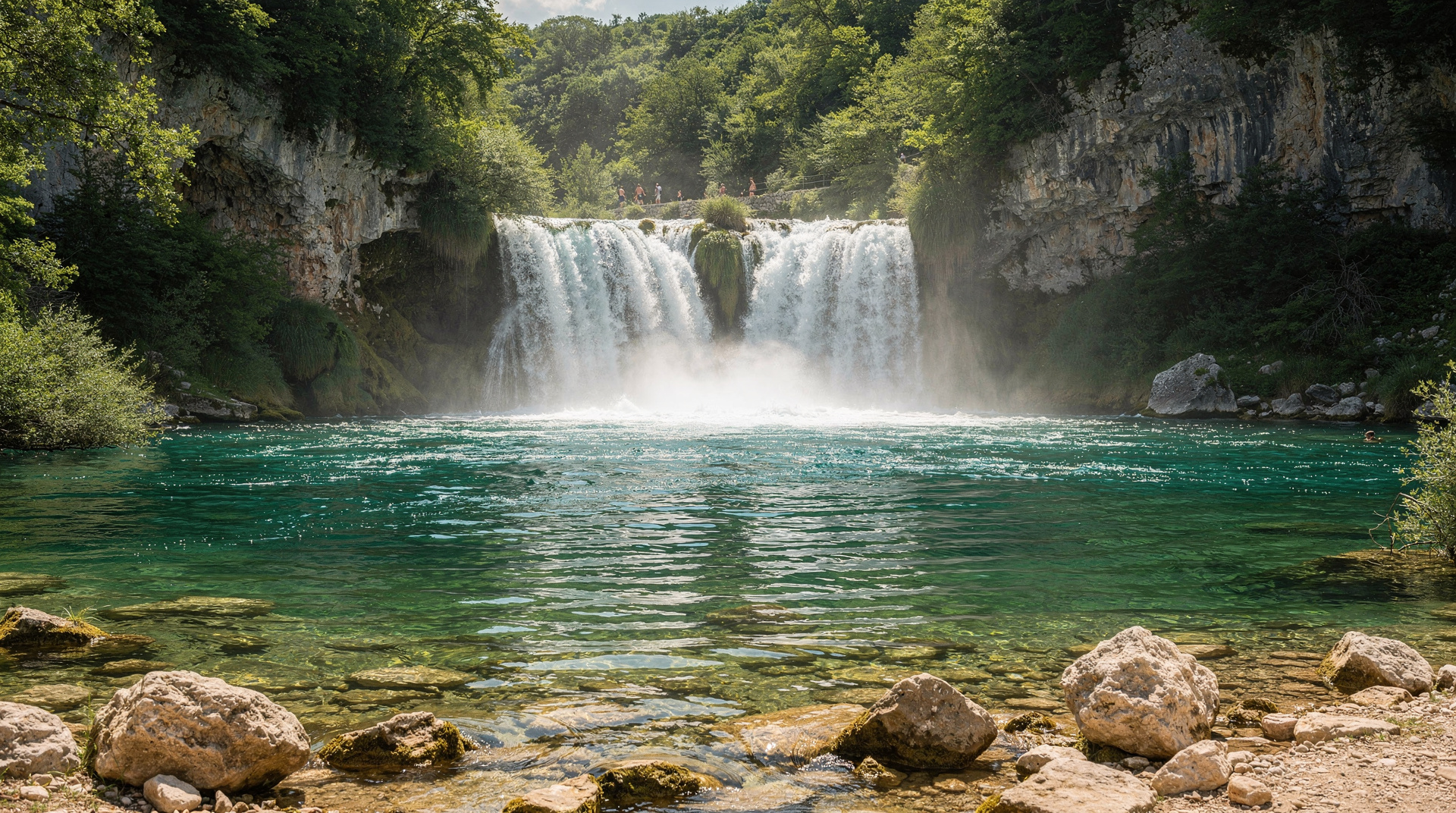
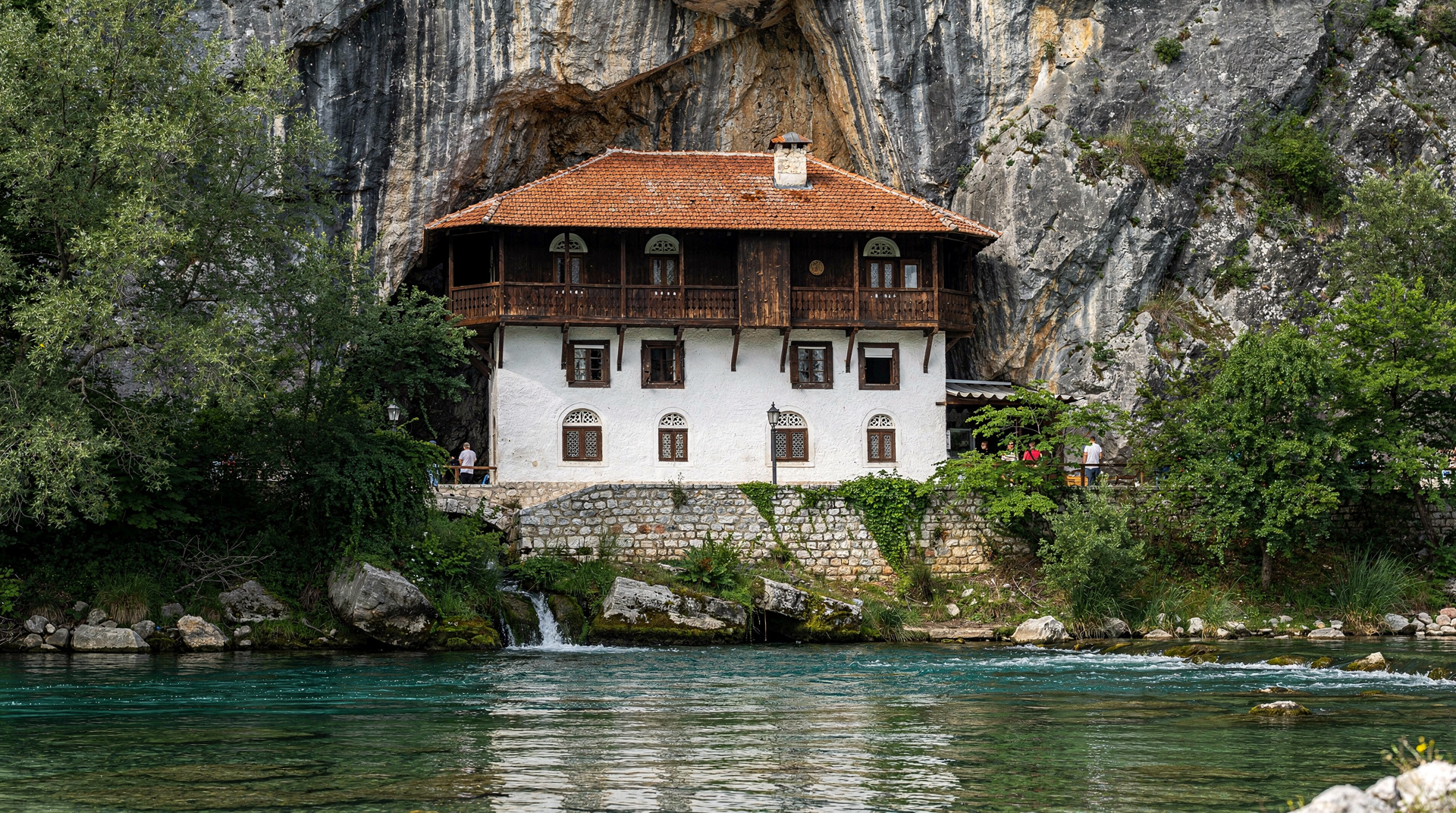
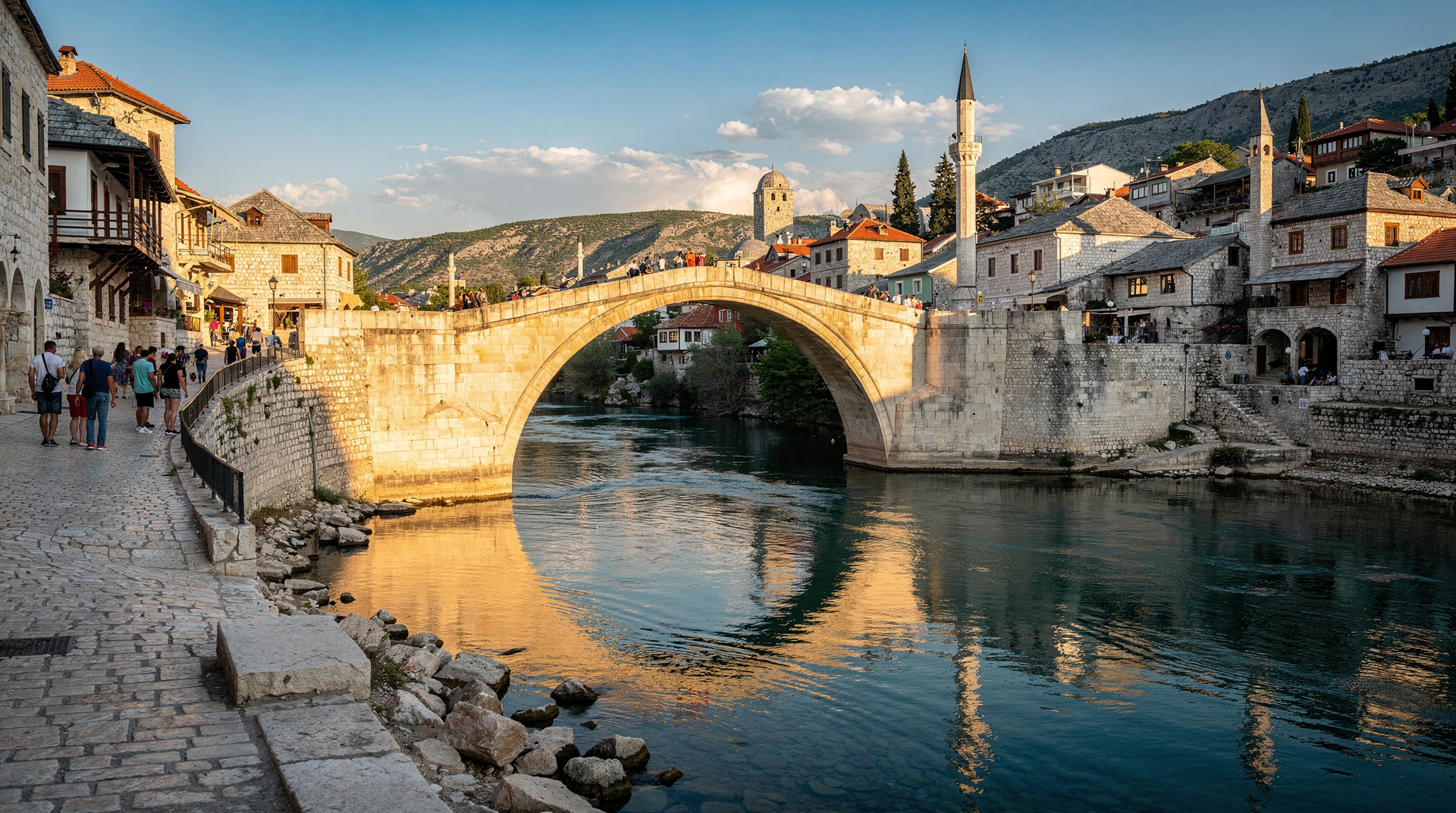
Most solo trips work best as a two-base structure: a few nights in Sarajevo, then a few nights in Mostar, with day trips fanning out from each. From Sarajevo, Konjic and the Neretva canyon are an easy solo day trip by bus or organised tour. From Mostar, Blagaj and the Kravice Waterfalls are close enough for a half-day out without a car. In Mostar itself, a guided walking tour of the city highlights is an easy way to get oriented and fall into conversation with other travellers.
If you have extra time and want somewhere quieter than either city, Trebinje rewards solo travellers who like sitting in plane-tree squares with a book and a glass of Žilavka rather than ticking off sights — the town is calm enough that eating alone or wandering without an itinerary feels entirely natural.
Timing shapes the experience too: the best time to visit Bosnia guide helps you pick a season that suits how sociable or quiet you want the trip to be. For a ready-made route, the Bosnia 7-day itinerary and the Sarajevo and Mostar in 3 days plan both work well for one person.
Solo-friendly quirks worth knowing
Bosnian cafés run on a slower clock than many visitors expect — nobody will bring the bill until you ask for it (“račun, molim”), which is exactly the point for solo travellers who want to linger. The Bosnian coffee ritual is built around this unhurried pace, and a solo traveller with a book or a journal fits right in.
Tipping is not obligatory but rounding up 5–10% at a sit-down restaurant is appreciated. Wifi is reliably available in cafés and accommodation in Sarajevo and Mostar, less consistent in smaller towns like Trebinje or mountain villages like Lukomir.
The bottom line
Solo travel in Bosnia is rewarding. Safe enough that it doesn’t require specific management, interesting enough that you will not run out of things to engage with, affordable enough that extending your stay costs relatively little.
The Bosnia travel planning guide and how many days in Bosnia guide are good starting points for building a solo itinerary.
Frequently asked questions about Solo travel in Bosnia — what to know before you go
Is Bosnia a good first solo trip to the Balkans? Yes — Sarajevo and Mostar are compact, walkable, and used to independent travellers, making Bosnia a comfortable entry point before venturing to less-visited corners of the region.
Do solo female travellers need to take extra precautions in Bosnia? The same common-sense precautions as anywhere in Europe apply — avoid unlicensed taxis late at night, use normal urban awareness — but Bosnia does not present unusual risks specific to solo women beyond that.
Top experiences
Bookable activities with verified prices and instant confirmation on GetYourGuide.