Mostar day trips from Dubrovnik
Dubrovnik is the closest Croatian gateway to Bosnia. Book a guided day trip to Mostar and Kravice Waterfalls — or head independently via the Neum corridor.
From Dubrovnik: Mostar and Kravica Waterfall Day Trip
Quick facts
- Distance to Mostar
- ~90 km (2h30–3h drive)
- Border crossings
- 2 (Neum corridor)
- Documents needed
- Passport or EU ID card
- Currency in Bosnia
- BAM (1 EUR = 1.95583 KM)
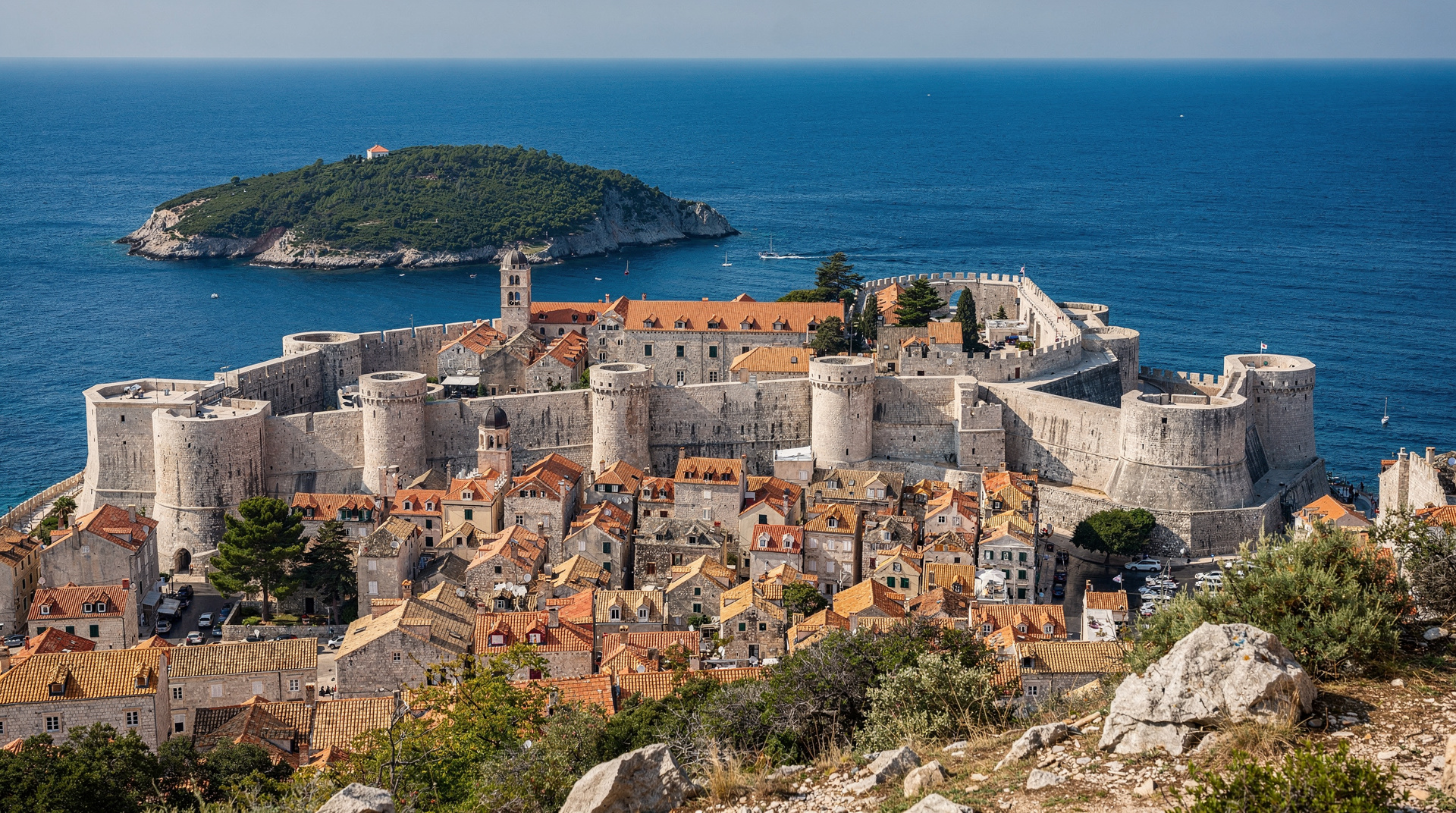
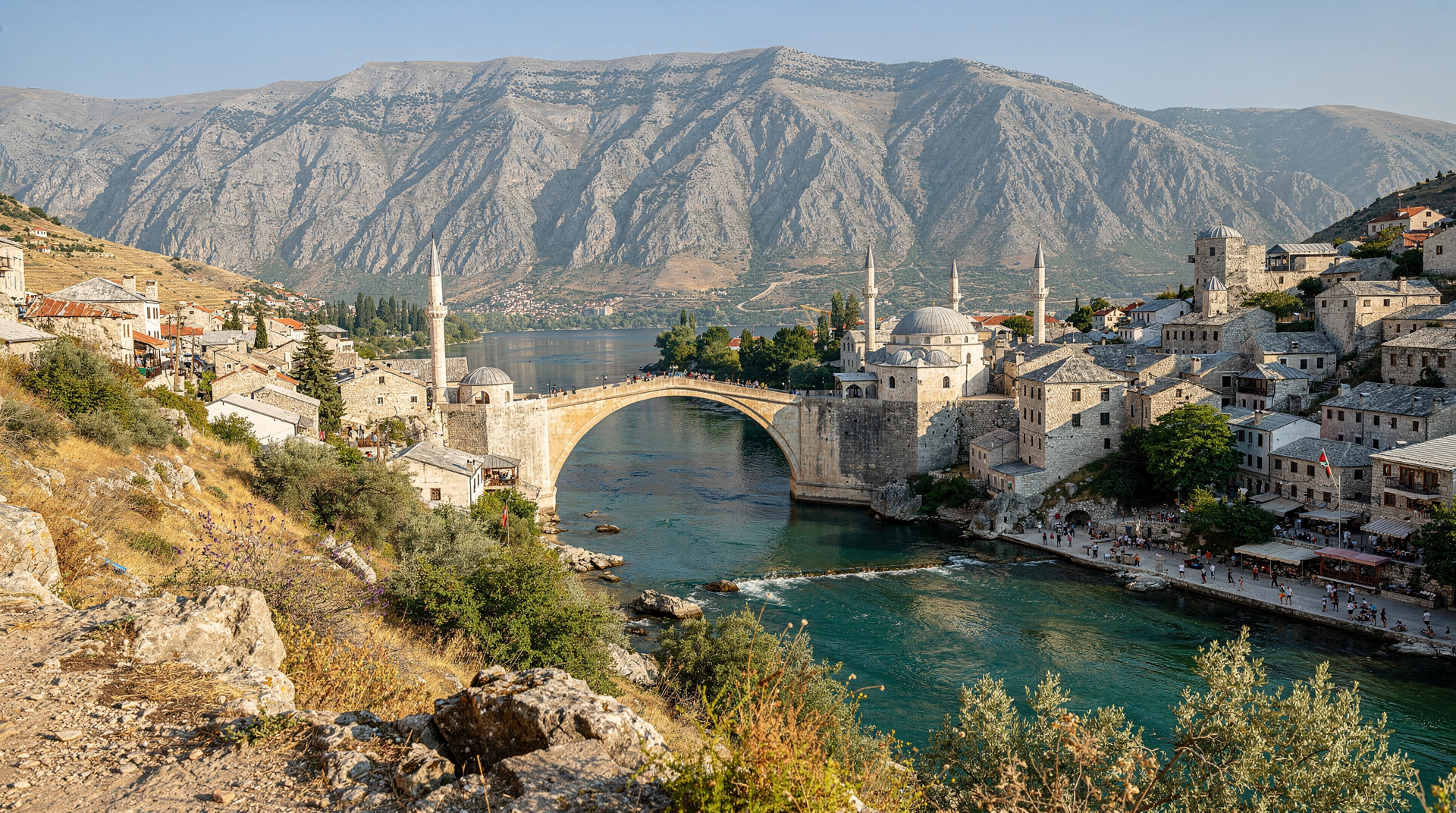
Dubrovnik sits just 90 km from Mostar — making it the single most popular launchpad for Bosnia day trips in the region. Every morning, dozens of minibuses and coaches leave the old city walls heading northeast into Herzegovina. By lunchtime, passengers are standing on the Stari Most bridge watching divers launch off the parapet. By evening, they are back for sunset over the Adriatic. This is the classic Dubrovnik-to-Bosnia circuit, and it works.
| At a glance | |
|---|---|
| Where | Dubrovnik, Croatia — gateway to Mostar and southern Herzegovina |
| Cost | Group day tour around 60-90 EUR/person; independent bus around 12-18 EUR one-way |
| Time needed | One long day (7am-8pm) for a tour; 2-3 days if adding a Mostar overnight |
| Getting there | Road only — via the Neum corridor or the Pelješac bridge bypass |
| Best time | May-June and September-October for lighter crowds at Kravice |
Why do a Bosnia day trip from Dubrovnik
The proximity is the obvious argument. But there are three things that make Dubrovnik a genuinely excellent base for exploring southern Bosnia:
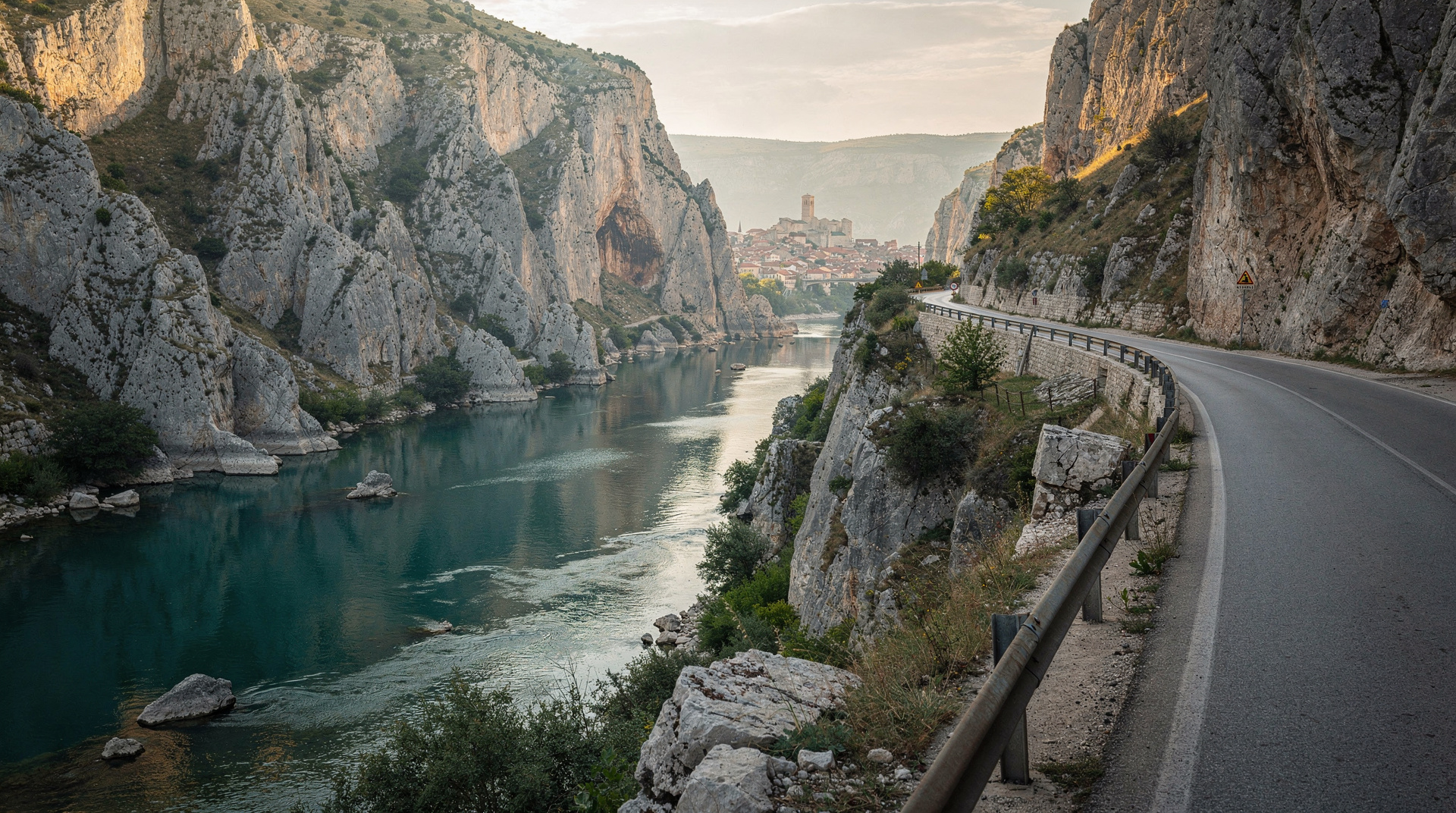
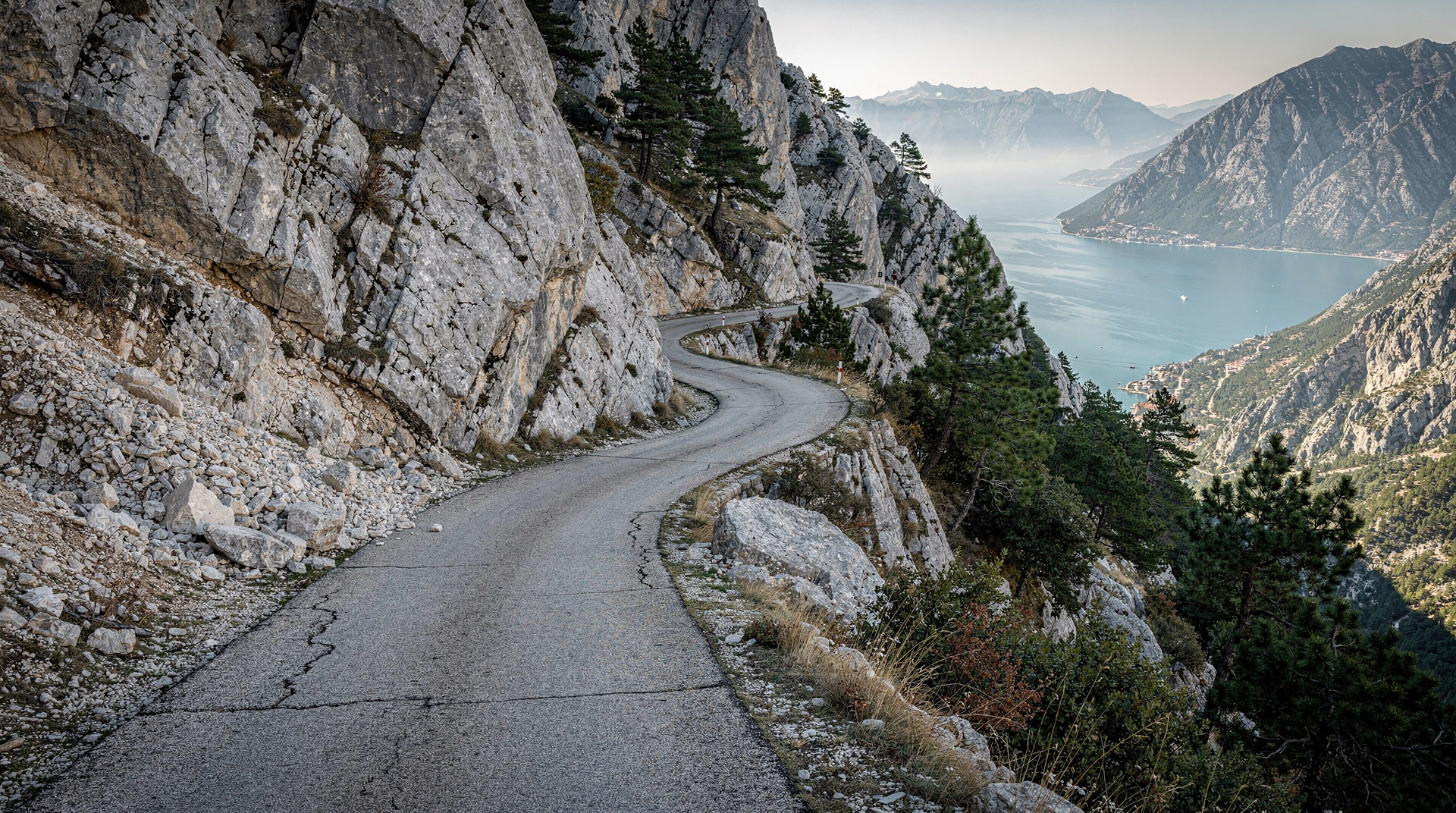
The road is fast and the scenery is dramatic. The E65 highway hugs the Neretva canyon for the last stretch before Mostar, with limestone walls rising hundreds of metres on both sides. Even the drive itself is worth it.
Tours are abundant and well-organised. Dubrovnik has the densest network of Bosnia day tours of any Croatian city. You can find everything from budget group minibuses to private full-day experiences with multilingual guides — most bookable online well in advance.
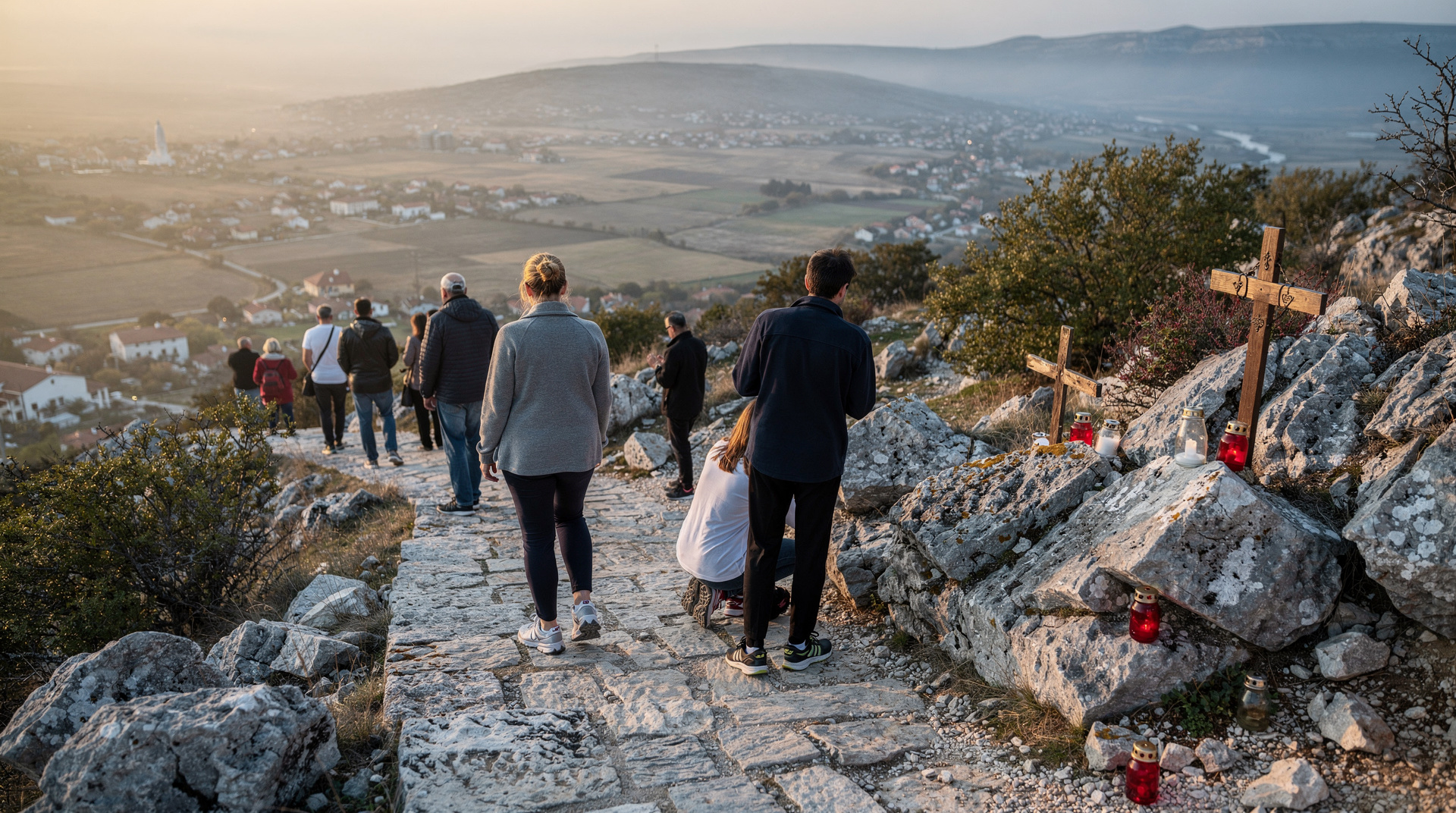
Medjugorje is within easy reach. If your interest is religious pilgrimage, Medjugorje sits between Dubrovnik and Mostar, adding a meaningful stop without significantly lengthening the journey.
The main caveat: the Neum corridor (see below) adds a small logistical wrinkle that first-time travellers should know about.
How to get to Mostar from Dubrovnik
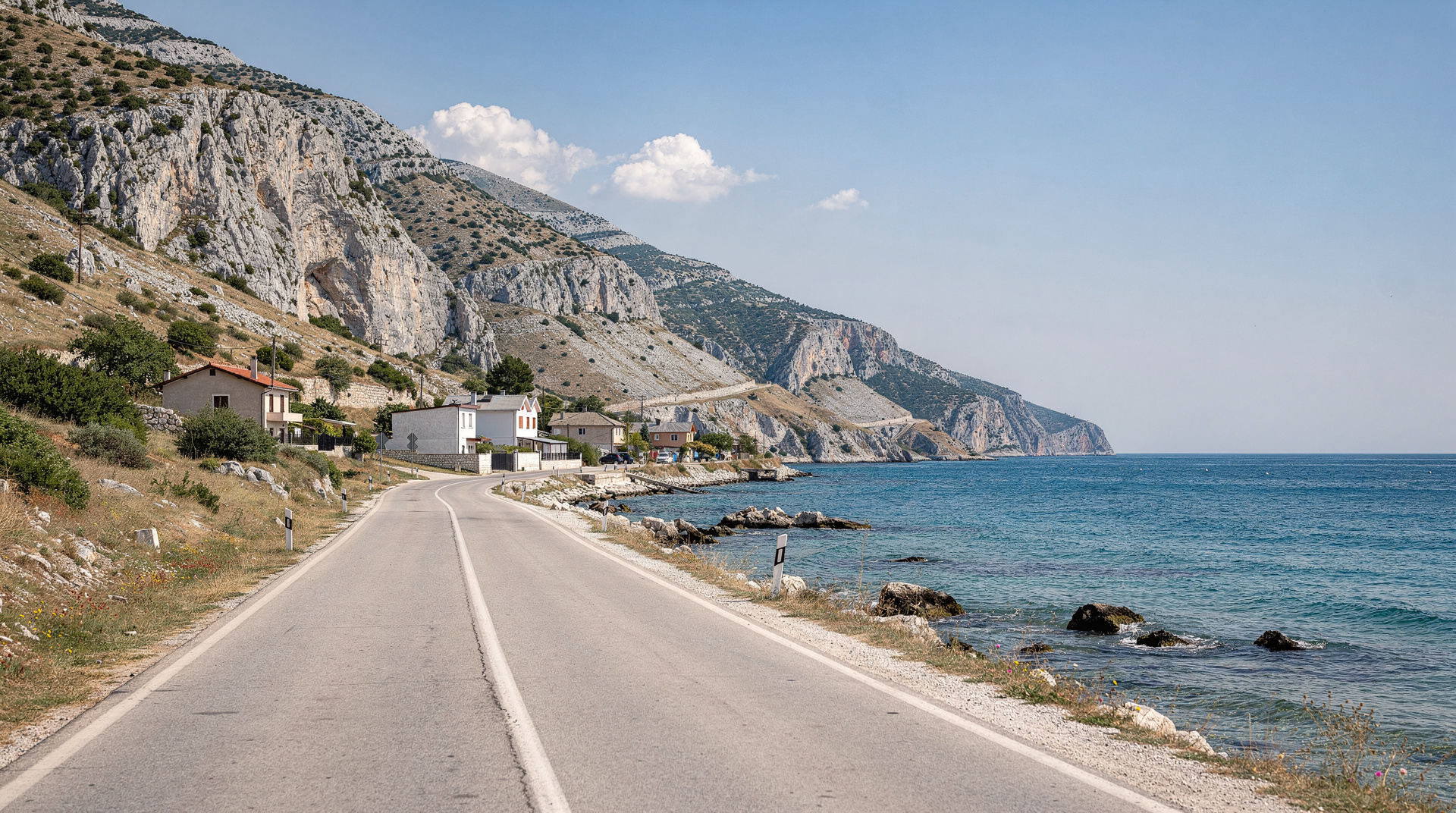
The standard route follows the D8 coastal road north before turning inland at Neum and crossing into Bosnia. Total driving time to Mostar is 2h30 to 3 hours depending on border wait times — which can stretch to 45 minutes in July and August.
By tour: Most operators pick up from the Pile Gate area or major hotels. Departure times are typically 7:00–8:30am to ensure enough time in Mostar and at Kravice.
By bus: Regular intercity buses run Dubrovnik–Mostar (operated by Autoprevoz and others), taking 3 to 4 hours with a stop at the border. One-way fares run around 12–18 EUR. Check schedules at Dubrovnik bus station.
By rental car: Straightforward, but you need an extended green card insurance that covers Bosnia-Herzegovina. Check with your rental company before leaving Dubrovnik — many standard policies exclude BiH. See the guide to driving Croatia to Bosnia for details.
Best tours from Dubrovnik
The most popular option is the combined Mostar and Kravice Waterfalls day trip — a full day that gives you 3–4 hours in Mostar plus a swim stop at the falls.
Mostar and Kravice Waterfalls day trip from Dubrovnik — the classic route, group minibus format with a local English-speaking guide. Covers Stari Most, the old bazaar, lunch in Mostar, then Kravice. Returns to Dubrovnik around 8pm.
Small-group full-day Mostar tour from Dubrovnik — smaller groups (max 8–12 pax) for a more personal experience. More flexibility on timing and photo stops.
Medjugorje pilgrimage day trip from Dubrovnik — specifically designed for visitors interested in the Marian apparition site. Includes Apparition Hill and a guided walk through the village. Combines well with Medjugorje guide context.
The Neum corridor and the border crossing
This is the single most important logistical fact for anyone travelling between Dubrovnik and Split (or Mostar) by road: you cross into Bosnia-Herzegovina twice.
Neum is Bosnia’s only coastal territory — a 9 km strip of Adriatic coastline that cuts the Croatian coast in two. The E65 highway passes through it, meaning every vehicle on the Dubrovnik–Split road crosses the Bosnian border at Klek (entering BiH) and again at Zaton Doli (re-entering Croatia). Both crossings require a valid passport or EU identity card.
What to expect:
- EU, UK, US, Canadian and Australian citizens enter BiH without a visa for stays under 90 days
- Croatian kuna is not accepted in Bosnia; bring BAM or EUR (EUR is accepted at most Neum shops but at a poor rate)
- In summer (July–August), both border crossings can back up — allow 20–30 minutes extra each way
- The Pelješac bridge, which opened in 2022, now allows traffic to bypass the Neum corridor entirely via Croatian territory. Many coaches now use it. Tours departing Dubrovnik for Bosnia still cross into BiH later via a dedicated inland crossing
For the full logistical breakdown, read the Neum corridor crossing guide.
Doing it independently vs a tour
On a tour: The better choice for most travellers visiting Bosnia for the first time. Guides handle the border paperwork rhythm, explain the context of the sites you visit, and the group format is sociable. You lose flexibility — you won’t linger at Kravice as long as you’d like — but you gain efficiency.
Independently: Worth it if you want to spend a full night in Mostar (strongly recommended — the old town at night is magical and almost tourist-free), if you want to add Blagaj, Počitelj or Trebinje to your itinerary, or if you have a vehicle and want complete freedom. Costs are very manageable: Mostar accommodation runs 40–90 EUR/night, lunch at a good restaurant in the old town is around 10–15 EUR.
Hybrid: Some travellers take a guided tour one way and a bus back independently, or use transfer services that drop you at specific points rather than returning you to Dubrovnik.
What to combine with a day trip from Dubrovnik
If you have time for more than a single day trip, Dubrovnik makes an excellent base for a broader Bosnia-Croatia-Montenegro loop. Key add-ons:
- Trebinje: A quiet Herzegovinian town just 30 km from Dubrovnik, famous for its platane-lined river promenade and nearby wineries (Žilavka white, Vranac red). Barely visited but deeply rewarding. See the Trebinje destination page.
- Mostar overnight: Adds Blagaj (the Dervish tekke at the source of the Buna), Počitelj (the best-preserved Ottoman village in Herzegovina) and Kravice as a morning swim rather than a rushed afternoon stop.
- Multi-country loop: Dubrovnik → Mostar → Sarajevo → Kotor → back to Dubrovnik covers three countries in a logical circuit. See Balkans multi-country guide.
For the overland route from Dubrovnik to Sarajevo via Mostar and Konjic, see the Dubrovnik to Sarajevo route guide.
Shaping your day once you cross the border
A day trip from Dubrovnik is mostly a question of how you spend the hours after the crossing. The sensible rhythm is to treat the road as part of the experience, arrive in Mostar before the biggest groups, and keep the waterfall for the end of the day when you are ready to sit down and cool off. If you want the history behind the bridge before you stand on it, the Stari Most guide and the Mostar war history guide give the context a quick guide commentary cannot always fit in.
Take time to walk away from the main bridge approach. The streets behind the bazaar are calmer, and the stalls closer to the river are the ones most aimed at passing groups. The Mostar tourist traps guide explains what to be wary of, and the guide to the bridge divers covers the tipping custom that surprises many first-time visitors. For a sit-down meal, the best restaurants in Mostar is a better starting point than whichever terrace happens to be nearest the bridge.
Reading the trip against other gateways
Dubrovnik is not the only Croatian or Montenegrin base from which people reach Bosnia, and it helps to know how it compares. Travellers based on the Dalmatian coast further north will find the Mostar from Split guide useful, and the Split versus Dubrovnik comparison sets the two bases side by side. If your route runs through the Bay of Kotor instead, the Kotor destination page and the Bosnia from Kotor guide cover that approach. Among the coastal towns, Split and Makarska also serve as starting points, each with its own driving logic.
Planning around the season and the weather
The experience changes noticeably with the calendar. In the hot months the coast is crowded, the road is busy and the waterfall is popular, so an early start matters more than anything else you can plan. In the shoulder seasons the pace relaxes, the light over the Neretva valley is gentler, and the day feels less like a conveyor belt. The best time to visit Bosnia breaks down what each season offers, and the Kravice Waterfalls guide explains how the falls look and feel at different moments of the year. Check conditions before you go, since the swim stop depends on weather and water levels.
Travelling with children or on a tight budget
Families can make the day work, but the long hours in a vehicle deserve honest thought. Build in breaks, bring snacks and water, and keep expectations modest for the walking parts. The Bosnia with kids guide gathers practical advice for younger travellers. If cost is the main concern, the Bosnia on a budget guide shows where savings are realistic, and staying overnight in Mostar rather than rushing back is often a better use of money than a second coastal excursion.
Staying safe and respectful
Bosnia is an easy country to enjoy on a short visit, but a few habits are worth adopting from the first hour. Stay on marked paths and paved areas, particularly if you stray from the usual tourist stops, and read the landmine safety guide before any independent walking. The is Bosnia safe guide gives a broader picture. In places of worship, dress modestly and ask before photographing people. Locals are generally welcoming, and a little curiosity about the recent past is appreciated, as long as it is expressed with care.
Practical info
Best time: May–June and September–October avoid the worst summer crowds at Kravice (which can be overwhelmingly busy in August). Mostar’s old town is open year-round.
What to bring: Passport or EU ID card (required for all BiH crossings), a small amount of BAM for entry fees and coffee in Bosnia (most tours include entrance to Kravice), sunscreen and a swimsuit if visiting Kravice in warm weather.
Money: ATMs in Mostar dispense BAM. EUR is accepted at many tourist-oriented restaurants and shops in the old town but you will get a worse rate than 1:1.96. For full currency info, see the Bosnia money and currency guide.
Which option suits you
| Option | Best for | Trade-off |
|---|---|---|
| Group day tour | First-timers, no car, want context from a guide | Fixed schedule, less time at each stop |
| Small-group tour | Travellers who want a lighter crowd and flexibility | Costs somewhat more than large-group minibuses |
| Independent bus + overnight | Anyone who wants Mostar at night and extra stops (Blagaj, Počitelj) | You manage your own timing and border-crossing logistics |
| Self-drive | Travellers adding Trebinje, Blagaj or a Sarajevo loop | Requires extended green-card insurance covering BiH |
Extending beyond Mostar
A single day trip barely scratches Herzegovina. If the Dubrovnik-Mostar run leaves you wanting more, a night or two in Mostar opens up Blagaj’s dervish tekke, the Ottoman village of Počitelj, and a proper swim at Kravice rather than a rushed stop. Travellers building a longer route sometimes push on toward Sarajevo via Konjic, turning the day trip into the start of a full Bosnia itinerary — see the Bosnia 7-day itinerary for how that fits together. For those unsure whether Bosnia is worth the border-crossing hassle at all coming from the Croatian coast, the Bosnia vs Croatia guide lays out the practical differences.
Frequently asked questions about Mostar day trips from Dubrovnik
Do I need a visa to cross from Dubrovnik into Bosnia for a day trip? No — EU, UK, US, Canadian and Australian citizens can enter Bosnia and Herzegovina visa-free for stays under 90 days with a valid passport or EU ID card. No advance paperwork is needed for a single-day crossing.
Can I visit Mostar from Dubrovnik without a tour or rental car? Yes, regular intercity buses run the Dubrovnik-Mostar route in around 3-4 hours each way, though schedules are less flexible than a guided tour or self-drive and you will need to plan your own time in Mostar around the return bus.
Top experiences
Bookable activities with verified prices and instant confirmation on GetYourGuide.