Tuzla
Discover Tuzla: the Pannonian salt lakes, pedestrian old town, vibrant cafe culture and the gateway to northeast Bosnia.
Sarajevo: Old Town to Modern City Walking Tour
Quick facts
- Region
- Eastern Bosnia / Tuzla Canton
- Days needed
- Half to full day
- Currency
- BAM (1 EUR = 1.95583 KM)
- Distance from Sarajevo
- ~130 km, 1h45 by car
- Distance from Srebrenica
- ~80 km, 1h15 by car
Tuzla is Bosnia and Herzegovina’s third-largest city, with around 120,000 inhabitants in the urban area. It sits in the rolling hills of northeast Bosnia, about 130 km northeast of Sarajevo. Unlike most Bosnian cities, Tuzla is built on salt — the geological fact that has defined the city since antiquity and continues to shape its most unusual attraction today: the Pannonian Lakes (Panonska jezera), artificial saline lakes in the city centre that allow open-air salt-water swimming.
Tuzla does not feature prominently on most tourist itineraries, and there are no organised GYG tours based here. That said, it is a genuine, functioning Bosnian city with a lively pedestrian zone, strong cafe culture, and a useful transit point if you are heading toward Srebrenica or crossing into Croatia or Serbia.
| At a glance | |
|---|---|
| Where | Northeast Bosnia, ~130 km from Sarajevo, Tuzla Canton |
| Cost | Free to walk the korzo; lake sun loungers around 3-5 BAM/day; ćevapi lunch around 8-14 BAM |
| Time needed | Half a day is usually enough; a full day if combining with Srebrenica |
| Getting there | Car via M18 (~1h45-2h) or bus from Sarajevo main station (~2-2.5h) |
| Best time | May-September for the lakes; the korzo works year-round |
The Pannonian Lakes
The lakes were created deliberately in the 1980s on the site of old salt-mining subsidence craters. The salt concentration (around 14–17 grams per litre, similar to the Adriatic Sea) allows visitors to float in the water more easily than in fresh water. The main lake complex is called Panonska jezera and sits within a park in the lower part of the city.
In summer, the lake beaches are used by local families as a free or low-cost alternative to a seaside holiday — a practical consequence of Bosnia’s landlocked geography. The setting is urban rather than natural, but it is cheerful and unpretentious. Facilities include changing rooms, a café, and sun loungers for hire (around 3–5 BAM / 1.5–2.5 EUR per day).
The lakes are open from approximately May through September. Entry is free or involves a small charge depending on the season and which part of the complex you use.
Bring a towel, sandals and a change of clothes, and expect the water to leave a salty film on your skin once it dries. Rinse off afterwards if the facilities allow, and keep salt water away from your eyes. The lakes work best as a slow, mid-afternoon stop rather than a headline activity: swim, float, order a drink at the café and watch the city’s families do the same. If you have been hiking or rafting elsewhere, a lazy hour here is a pleasant change of pace from the mountain destinations covered in the hiking in Bosnia guide and the rafting in Bosnia guide.
Travelling with children? The shallow areas and the festive atmosphere make this one of the easier family stops in the country, and it pairs well with the ideas in the Bosnia with kids guide and the family activities in Bosnia guide.
The old town and pedestrian zone
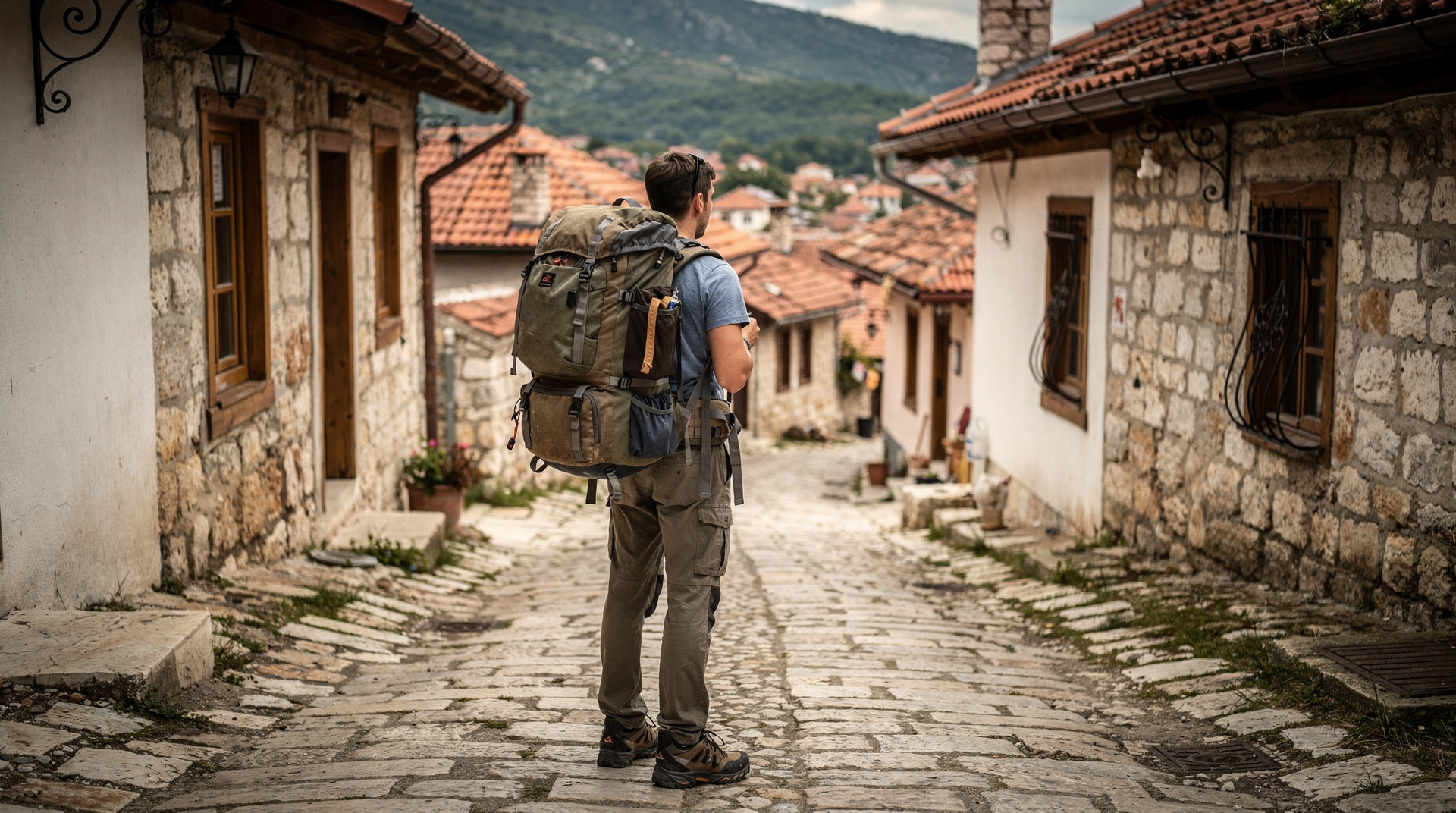
Tuzla’s compact pedestrian zone (korzo) is among the liveliest in Bosnia. The main street, Ul. JNA (Armije BiH), is lined with cafes, shops, and terrace seating. On a warm evening, the korzo fills with locals of all generations — it is the city at its most relaxed and social.
The old town area around the korzo preserves some Ottoman-era buildings, including the 16th-century Atik Mosque. The Regional Museum of Tuzla covers local history and the salt-mining heritage that shaped the city; the collection is modest but provides useful context.
One of Tuzla’s less-remarked attractions is the subsidence landscape itself. Salt has been mined from beneath the city for centuries, causing ground-level changes that are visible in the uneven streets and subsidence craters around the town. A walk with a knowledgeable local guide (bookable through the Tuzla tourist office) makes the geology tangible.
If you have already seen the Ottoman centres further south, Tuzla will feel different. The Ottoman layer here is thinner and sits alongside Austro-Hungarian and socialist-era architecture, which makes the city a useful illustration of how many rulers have shaped Bosnia. For the wider picture, the Ottoman heritage in Bosnia guide and the Bosnia history for travelers guide give helpful context, and the Yugoslav wars explained guide helps make sense of the more recent past you will notice in conversations with locals.
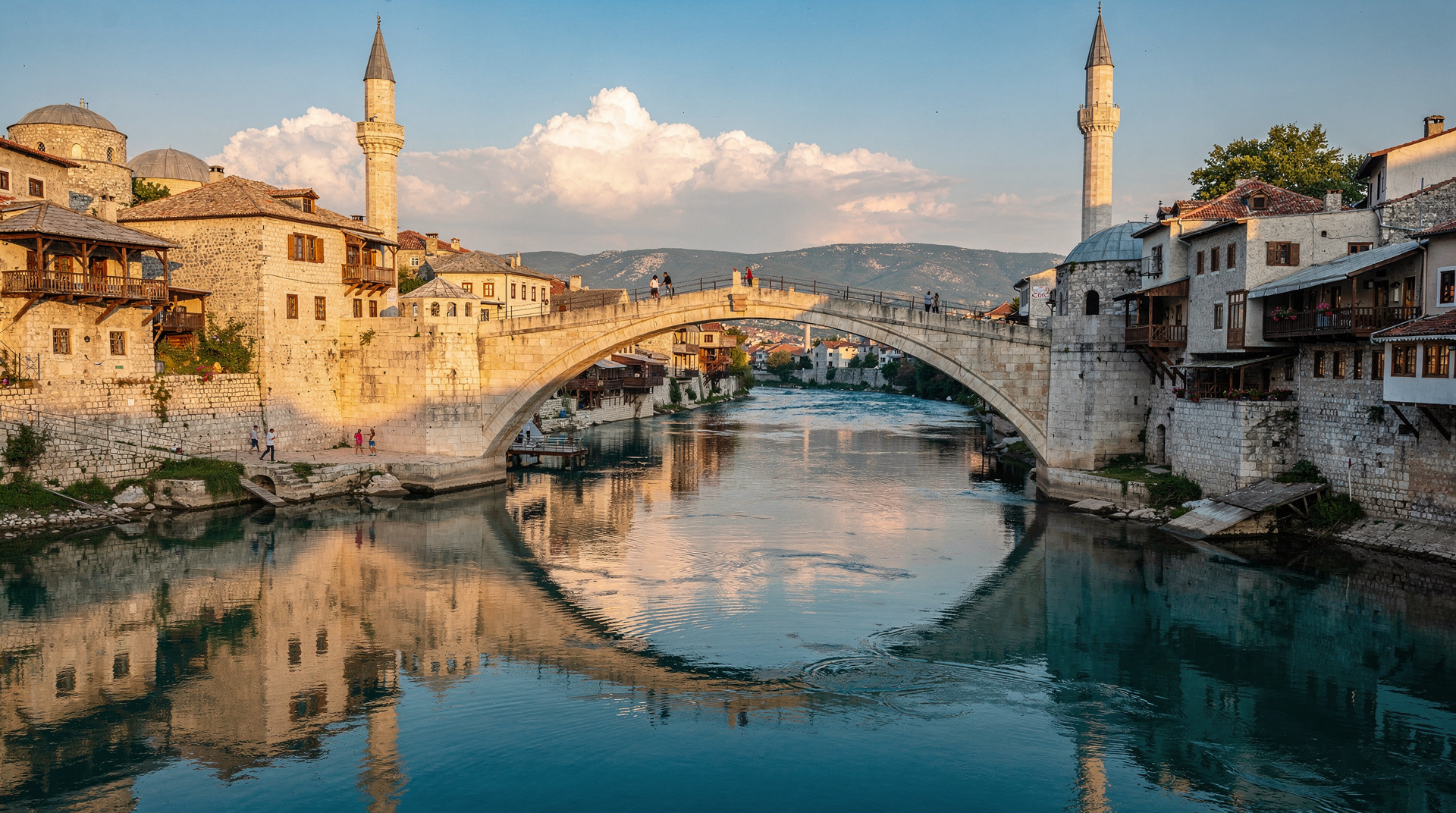
Take your time on the korzo itself. Sit at a terrace, watch the evening promenade, and let the pace of the city set your own. Tuzla is not a place to tick off sights; it is a place to understand how an ordinary Bosnian city lives, works and relaxes. Compare it with the more polished Sarajevo and the tourist-oriented Mostar and the contrast tells you a lot. If you want that contrast with a guide at your side, a guided walking tour of Sarajevo’s old town shows the capital’s heritage side before or after your time in Tuzla.
Food and drink
Tuzla’s cafe culture is its social heartbeat. Coffee is drunk slowly and in quantity; the korzo functions as an extended outdoor living room from mid-morning until midnight. A few practical suggestions:
- Ćevapi and grilled meats: Several solid traditional restaurants around the old town serve the Bosnian staples — ćevapi, pljeskavica, and roasted lamb — at prices noticeably lower than Sarajevo. Budget 8–14 BAM (4–7 EUR) per person for a main course.
- Tuzlanska pita: A local variant of the savoury pita pastry, filled with potato and onion. Look for it in the old bazaar area.
- Craft coffee: A handful of specialty coffee shops have opened in the pedestrian zone in recent years, catering to the city’s large student population (Tuzla has a significant university).
Coffee deserves a slow approach here, as everywhere in Bosnia. Order it the local way, take your time, and do not expect the bill to arrive until you ask for it. If the ritual is new to you, the Bosnian coffee culture guide explains how it works, and the Bosnian food guide and burek and pita guide cover the dishes you are likely to meet on a Tuzla menu. Pair a meal with a glass of local spirit if you like; the rakija guide is a good primer before you accept a round from a friendly host.
Getting to Tuzla
- By car from Sarajevo: 130 km northeast on the M18 road through Kladanj; allow 1 hour 45 minutes to 2 hours. The road passes through attractive hilly terrain.
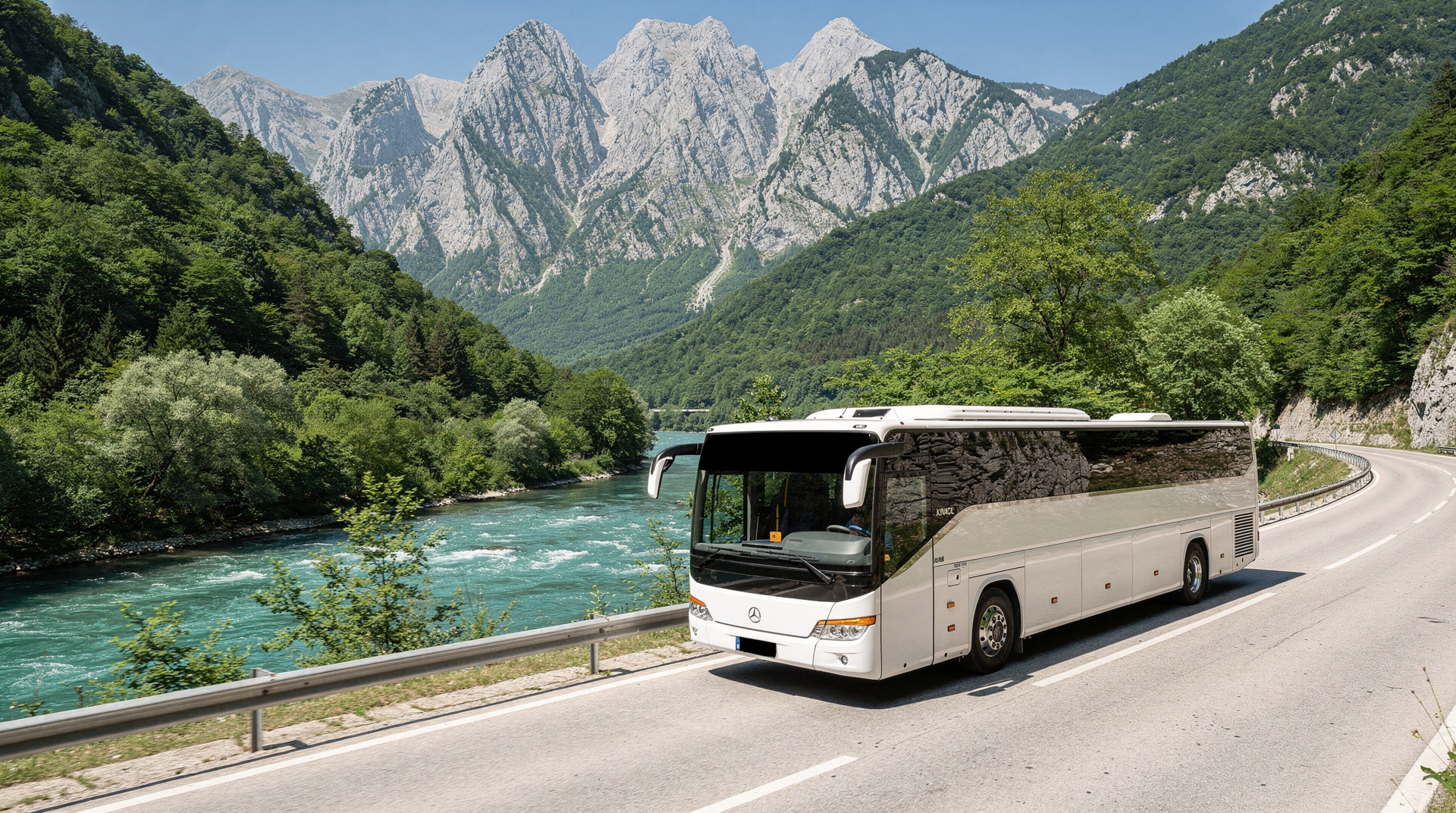
- By bus from Sarajevo: Regular departures from the main bus station; journey time 2–2.5 hours. One of the better-connected bus routes in eastern Bosnia.
- As a transit point: Tuzla airport (TZL) operates budget flights to several Western European cities, making it a potential entry point for travellers coming from abroad.
Whichever way you arrive, build in some flexibility. Mountain roads in this part of the country can be slow, and bus timetables change, so confirm departures at the station rather than relying on memory. The buses in Bosnia guide and the renting a car in Bosnia guide cover both options, and the Bosnia by public transport itinerary shows how a route without a car can be stitched together.
Combining Tuzla with Srebrenica
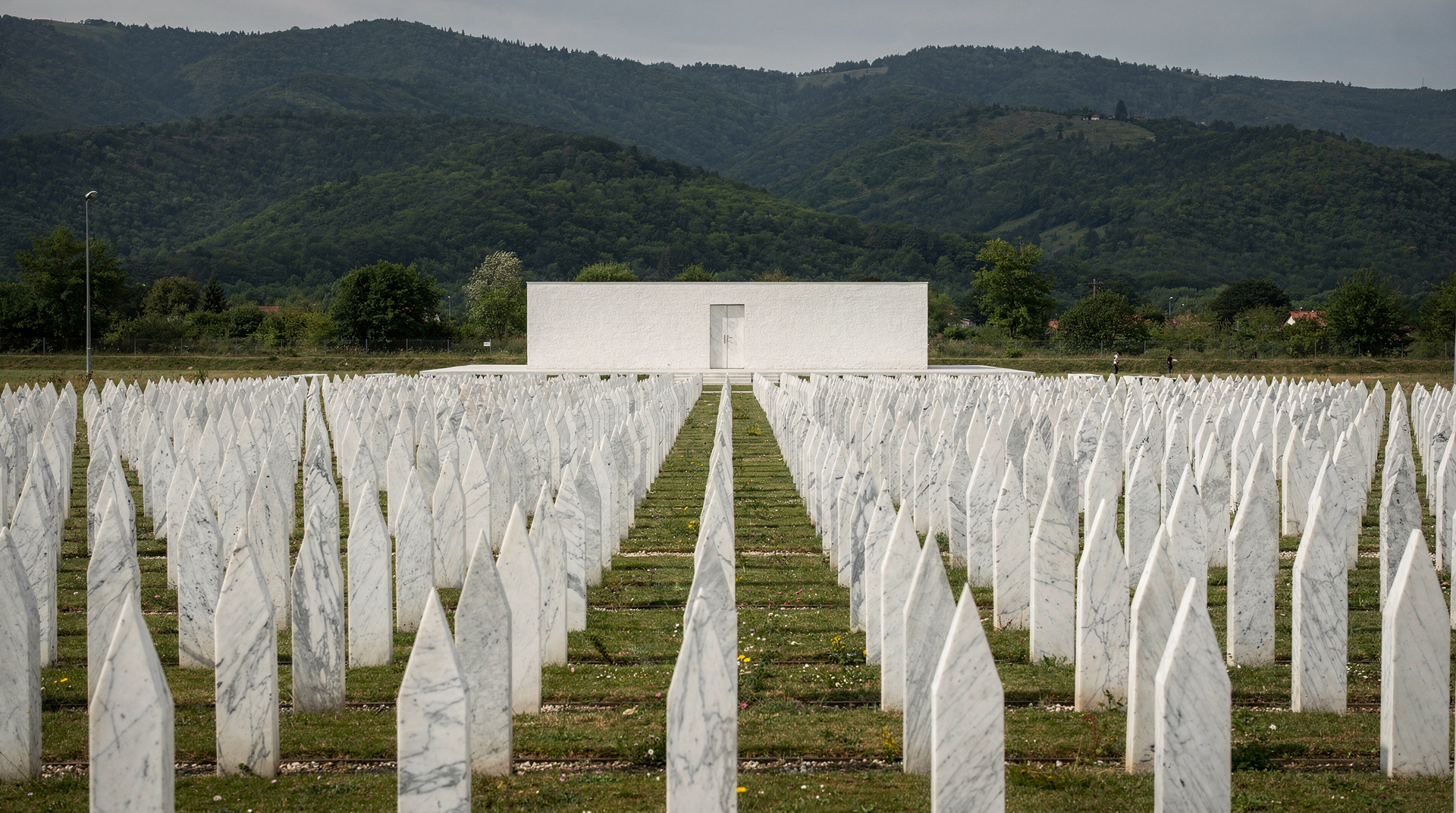
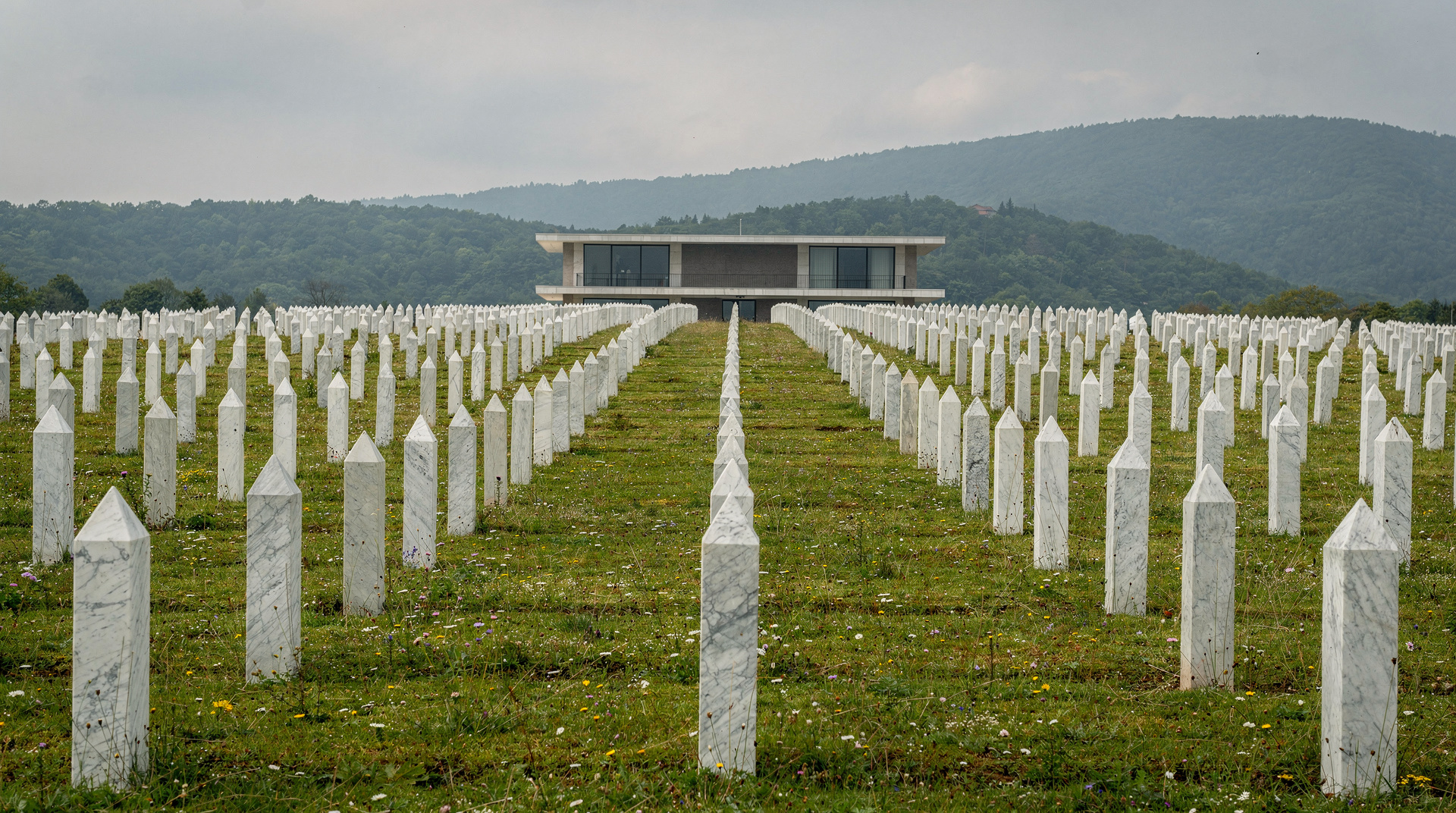
Tuzla and Srebrenica are roughly 80 km apart (about 1 hour 15 minutes by car). Many visitors heading to the Srebrenica memorial from Sarajevo pass through or near Tuzla; combining a morning in Tuzla with the afternoon at Potočari is feasible but makes for a long, emotionally heavy day. Give the Srebrenica memorial the time it deserves — it is better visited as the sole focus of a day trip rather than tagged onto another destination.
Practical information
- Best time to visit: May through September for the Pannonian Lakes and outdoor korzo life. The city is active year-round given its size.
- Currency: BAM throughout. ATMs are widely available in the city centre.
- Safety: Tuzla is a safe, everyday Bosnian city with no particular tourist-facing risks.
- What to skip: There is no need to rush between the lakes, the korzo, and the old town — Tuzla rewards a slow half-day rather than a sprint.
A relaxed half-day plan
Start with coffee on the korzo while the city wakes up, then wander the old town at an easy pace, stopping at the Atik Mosque and, if the collection interests you, the Regional Museum. Have a traditional lunch of grilled meat or pita, then head to the Pannonian Lakes in the warmer months for a swim and a rest. Return to the pedestrian zone as the evening promenade begins, and finish with a terrace dinner. Nothing in this sequence needs a reservation, and you can shorten or stretch any part of it without losing the point of the visit.
In cooler months the lakes are closed, so replace the swim with a longer museum visit, a guided walk through the subsidence landscape, or simply more time in the cafes. Winter travellers heading for the slopes can look at the skiing in Bosnia guide and the Bosnia in winter guide to see how a stop in Tuzla might fit around a trip to the mountains.
Why a provincial stop is worth making
Most visitors see Bosnia through its showpieces. A night in Tuzla gives a quieter view: students on the korzo, families at the lakes, shopkeepers who are curious about foreign visitors precisely because so few arrive. That makes conversation easy and prices modest. The Bosnia on a budget guide explains why eastern cities like this one suit tighter budgets, and the avoiding crowds in Bosnia guide shows how places like Tuzla balance a trip dominated by busier sights.
If you want to turn the stop into something longer, compare it with other regional bases such as Visoko and Višegrad, both of which also reward travellers who prefer slow, unhurried exploration. For a full overview of how to sequence several of these stops, see the Bosnia 10-day itinerary and the Bosnia 14-day grand tour.
Is Tuzla worth the detour?
If your route is limited to Sarajevo and Mostar, Tuzla is easy to skip — nothing here is unmissable in the way Baščaršija or Stari Most are. But for travellers spending more than a week in Bosnia, or specifically routing toward Srebrenica or a Croatia/Serbia border crossing, Tuzla is a worthwhile, low-effort stop that shows a side of Bosnian life most itineraries skip entirely: a functioning provincial city rather than a heritage set-piece. It also pairs naturally with wider planning in the how many days in Bosnia guide and the bosnia travel itinerary planning guide.
Where Tuzla fits on a longer route
Travellers driving between Sarajevo and destinations further north or east — including Jajce or onward toward the Croatian border — sometimes route through Tuzla as a stopover rather than a dedicated destination. Given the modest road network in this part of Bosnia, check the driving in Bosnia guide before committing to a tight schedule that includes Tuzla as a waypoint. If you would rather not drive the western leg yourself, a guided visit to Travnik and Jajce covers two of the region’s most rewarding towns without the logistics.
Frequently asked questions about Tuzla
Is Tuzla worth visiting if I only have one week in Bosnia? Probably not as a dedicated stop. With limited time, prioritise Sarajevo, Mostar and one nature destination such as Una National Park or Kravice Waterfalls. Tuzla suits travellers with two weeks or more, or those already routing toward Srebrenica.
Can you swim in the Tuzla salt lakes even if you can’t swim well? Yes — the higher salt concentration (similar to the Adriatic) makes floating easier than in fresh water, and the main lake has shallow, supervised areas. It is a popular family spot in summer.
For wider eastern Bosnia planning, see the Bosnia travel guide and the getting around Bosnia guide.