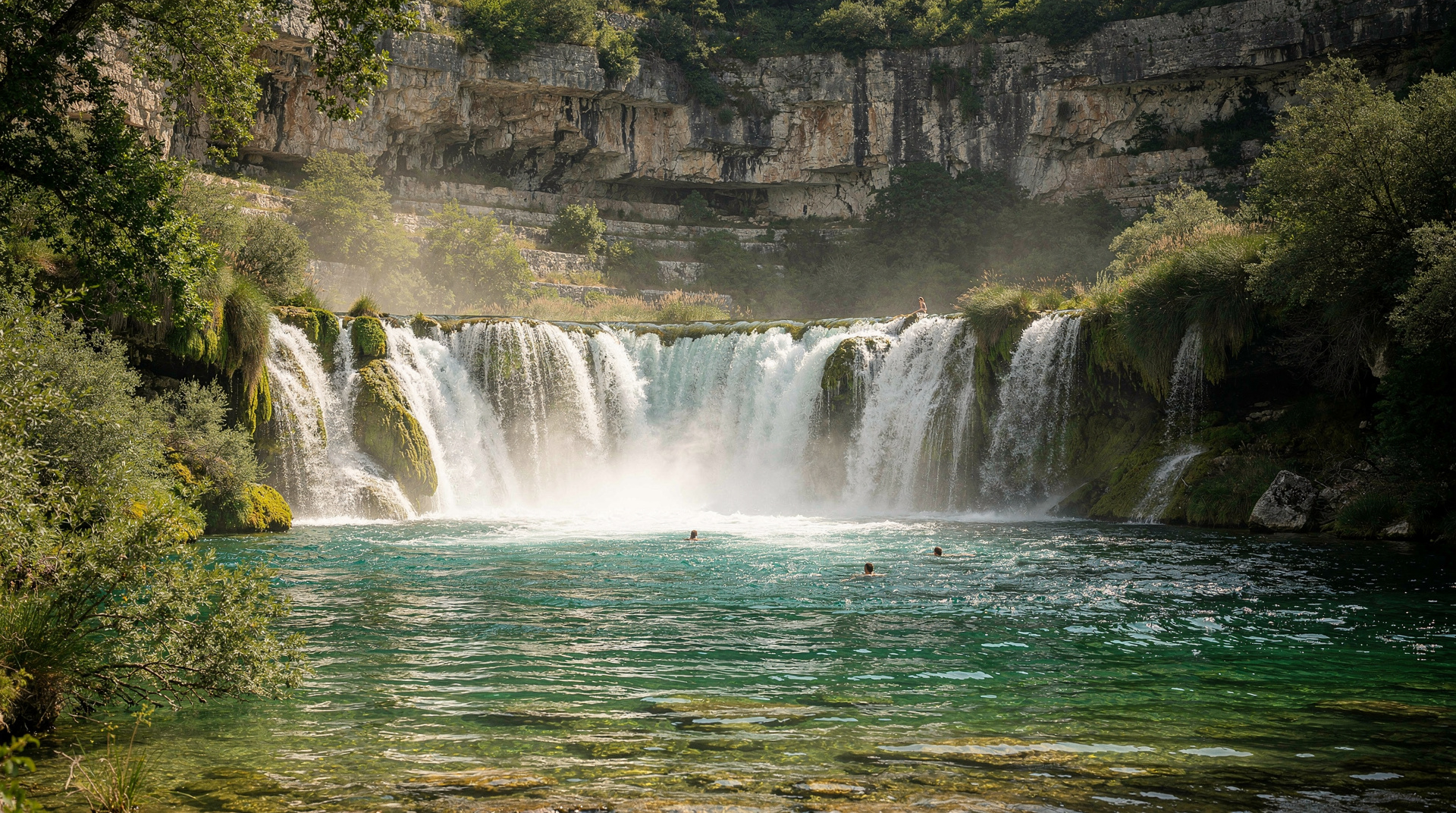
Bosnia in spring
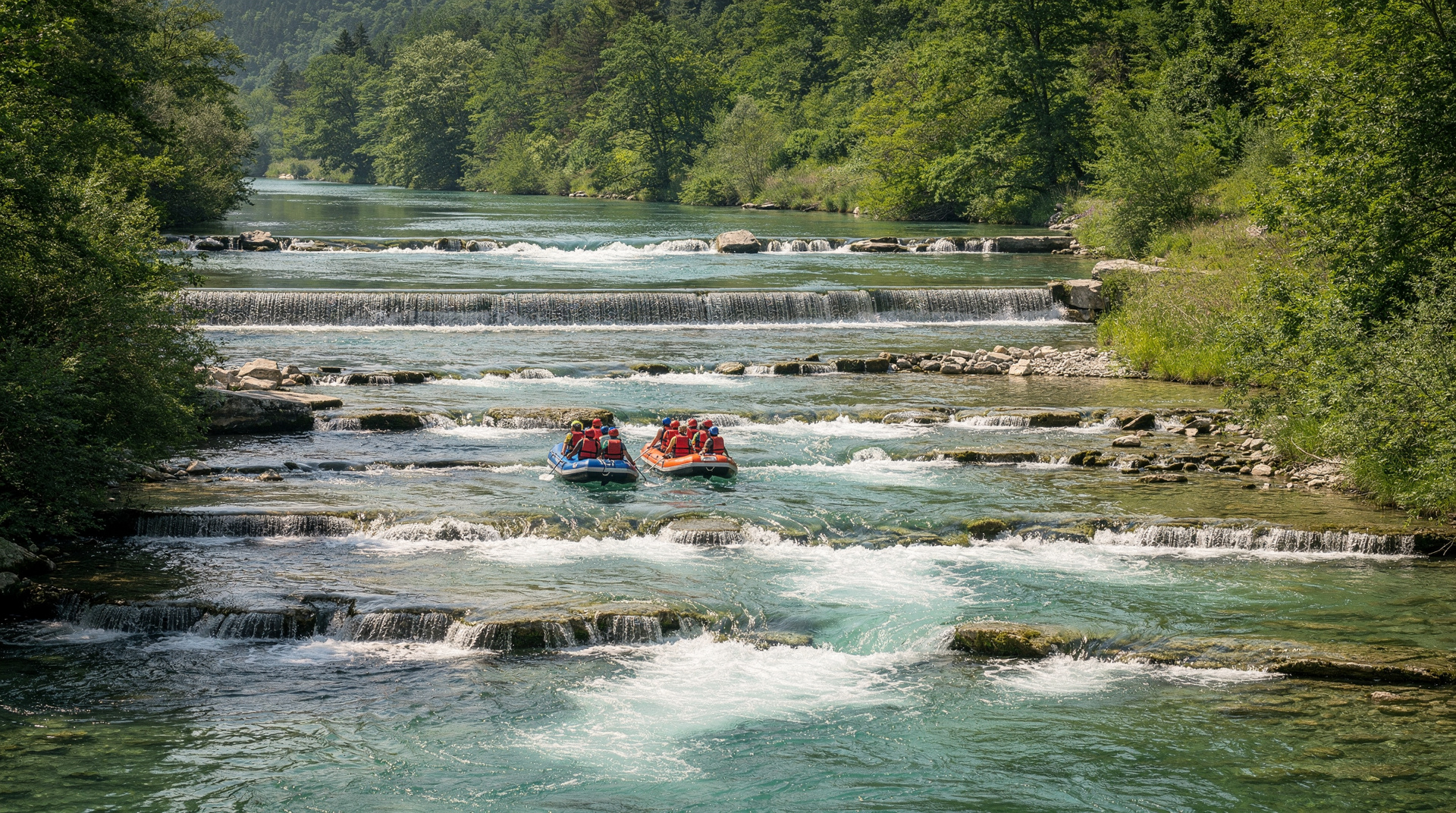
Bihać: Una National Park Guided Rafting Adventure
Is spring the best time to visit Bosnia?
Many experienced travellers say yes. May-June offers lush green landscapes, high river levels for rafting, Kravice Falls at full power, comfortable temperatures (18-25C) and significantly fewer tourists than summer. The Lukomir plateau blooms with wildflowers.
Spring is the secret season in Bosnia & Herzegovina — the time when experienced travellers quietly visit while everyone else is waiting for summer. The country turns an almost impossibly saturated green, the rivers run at their highest and most powerful, and the mountain meadows fill with wildflowers that will be gone by August. Here is what to expect if you visit in April, May or June.
| At a glance | |
|---|---|
| Best window | Mid-May to mid-June for the balance of green landscapes, warmth and low crowds |
| Weather | Around 15-20°C in April, warming to 27-30°C by late June (Sarajevo cooler than Herzegovina) |
| Cost | Shoulder-season rates on rooms and rafting trips, generally lower than July-August |
| Rafting | Peak water levels April-June — book operators a few days ahead on Neretva and Una |
| Pack | Layers and waterproof boots — April is genuinely changeable |
Spring weather
April: The most variable month. Warm days (15-20°C in Sarajevo, 18-23°C in Mostar) alternating with rain showers. Mountain passes may still be snowbound early in the month. Evenings cool quickly — pack layers. The risk of a cold snap is real in the first half of April.
May: Bosnia’s best month for many travellers. Temperatures settle at 18-25°C in Sarajevo and 22-30°C in Herzegovina. Rain is possible but generally brief. The mountains are snow-free at lower elevations (above 1,500 m, patches remain into June). The entire country is intensely green.
June: The final spring month before summer heat arrives. Temperatures climb — Sarajevo reaches 27-30°C, Herzegovina 30-35°C by late June. Crowds begin to build from mid-June as European school holidays approach. Early June still has the quality of spring — pleasant, relatively quiet, beautiful.
Rafting season peak
Spring is the most exciting time for river rafting in Bosnia. Snowmelt from the Dinaric Alps keeps river levels high and currents strong from April through June.
Neretva rafting from Konjic: The canyon section between Konjic and Jablanica runs at its most powerful in spring. Operators grade this as intermediate-advanced when the water is high — exhilarating for experienced rafters. The Neretva rafting guide covers what to expect.
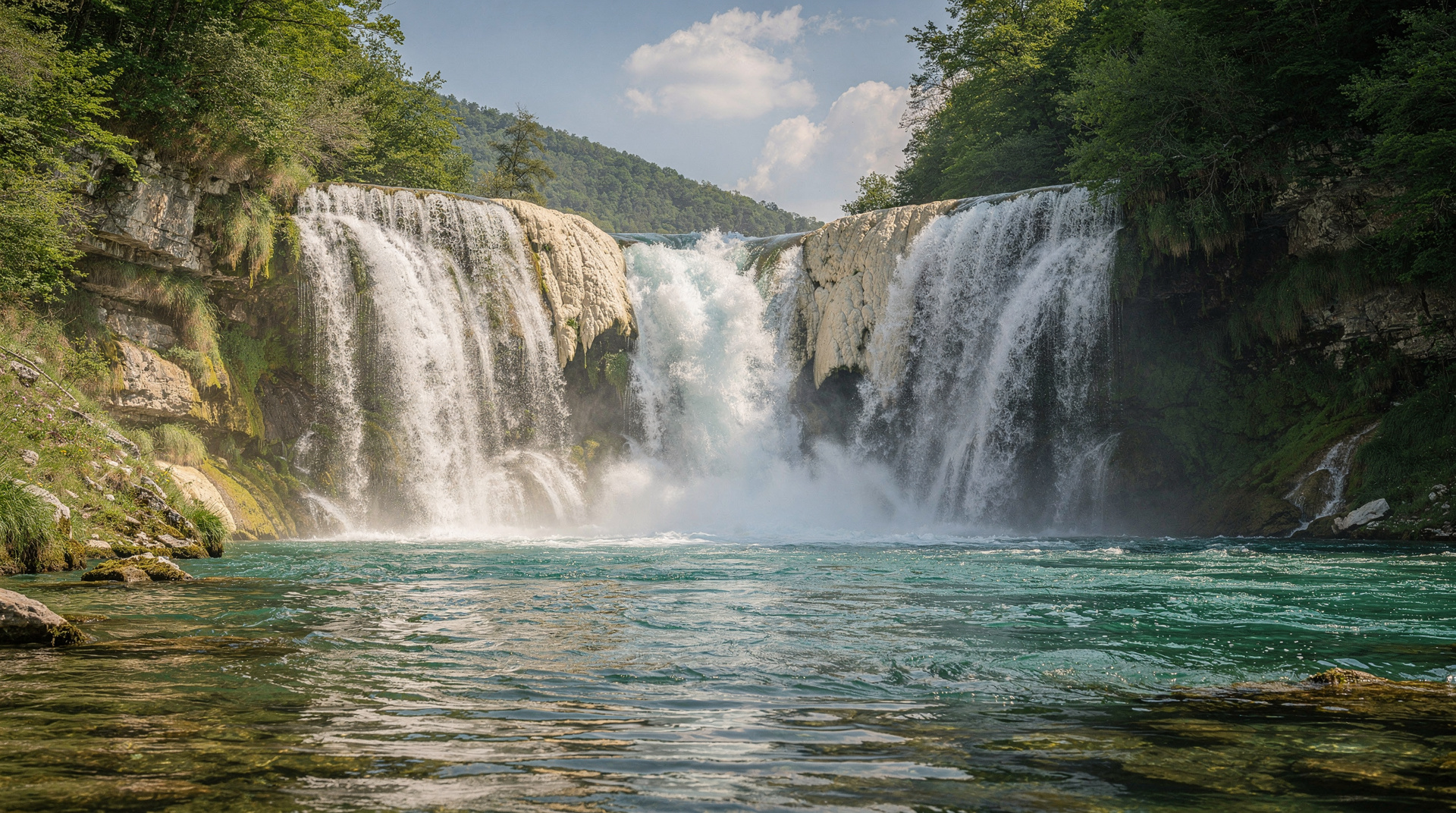
Una National Park: The Una’s famous turquoise falls and rapids are at their most dramatic in spring, fed by snowmelt from Plješevica mountain. The Una rafting guide covers grades and operators.
Bihać: Una National Park guided rafting adventureTara river: The deepest canyon in Europe (by some measures), running through Montenegro with access points from Bosnia — tours from Sarajevo typically combine an overnight stay with rafting and Maglić peak options. Spring gives the biggest water.
Safety note: Spring rafting on high water requires experienced guides and proper equipment. Do not attempt self-guided rafting on swollen rivers. All reputable operators provide helmets, dry suits (or wetsuits) and safety kayakers for high-water conditions.
Kravice Falls in spring
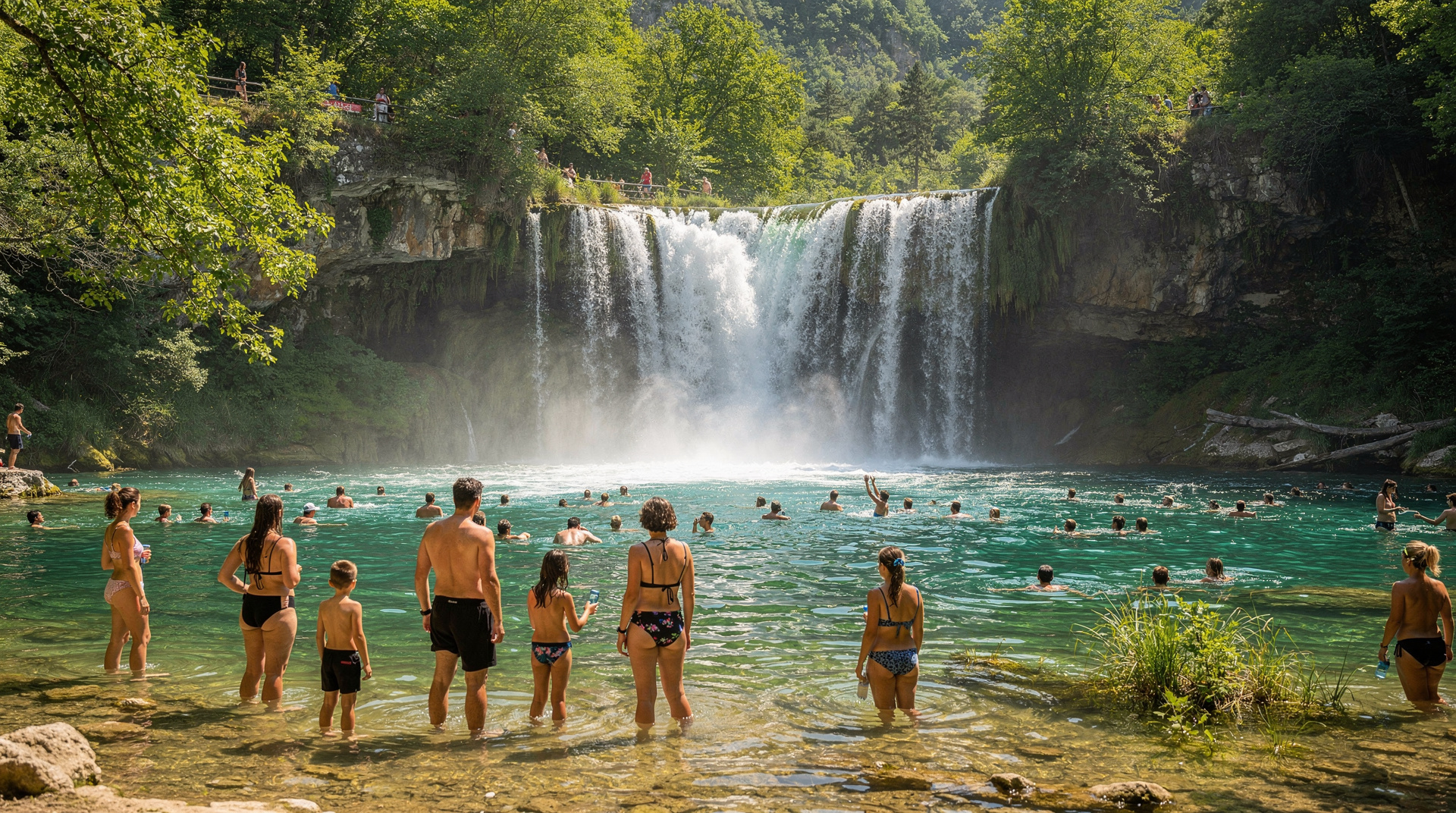
Kravice Falls in May is one of Bosnia’s great spectacles. The semicircular travertine cascade — 28 metres high and over 100 metres wide — runs at full volume, with the Trebižat River swollen from spring rains and snowmelt. The roar is audible from the car park.
The swimming pools at the base of the falls are cold (12-14°C in May — not for the faint-hearted) but entirely swimmable for those who want the experience. By contrast, July and August see the falls reduced in volume as the summer drought sets in.
Crowd comparison: A weekday in May at Kravice might have 50-100 people. A July weekend can bring 2,000. The difference is stark.
Travellers without a car can still see the falls at their best: a day tour from Sarajevo that links Mostar, Blagaj, Počitelj and the waterfalls fits neatly into a spring itinerary and leaves the mountain-road driving to someone else.
Lukomir and the highland wildflowers
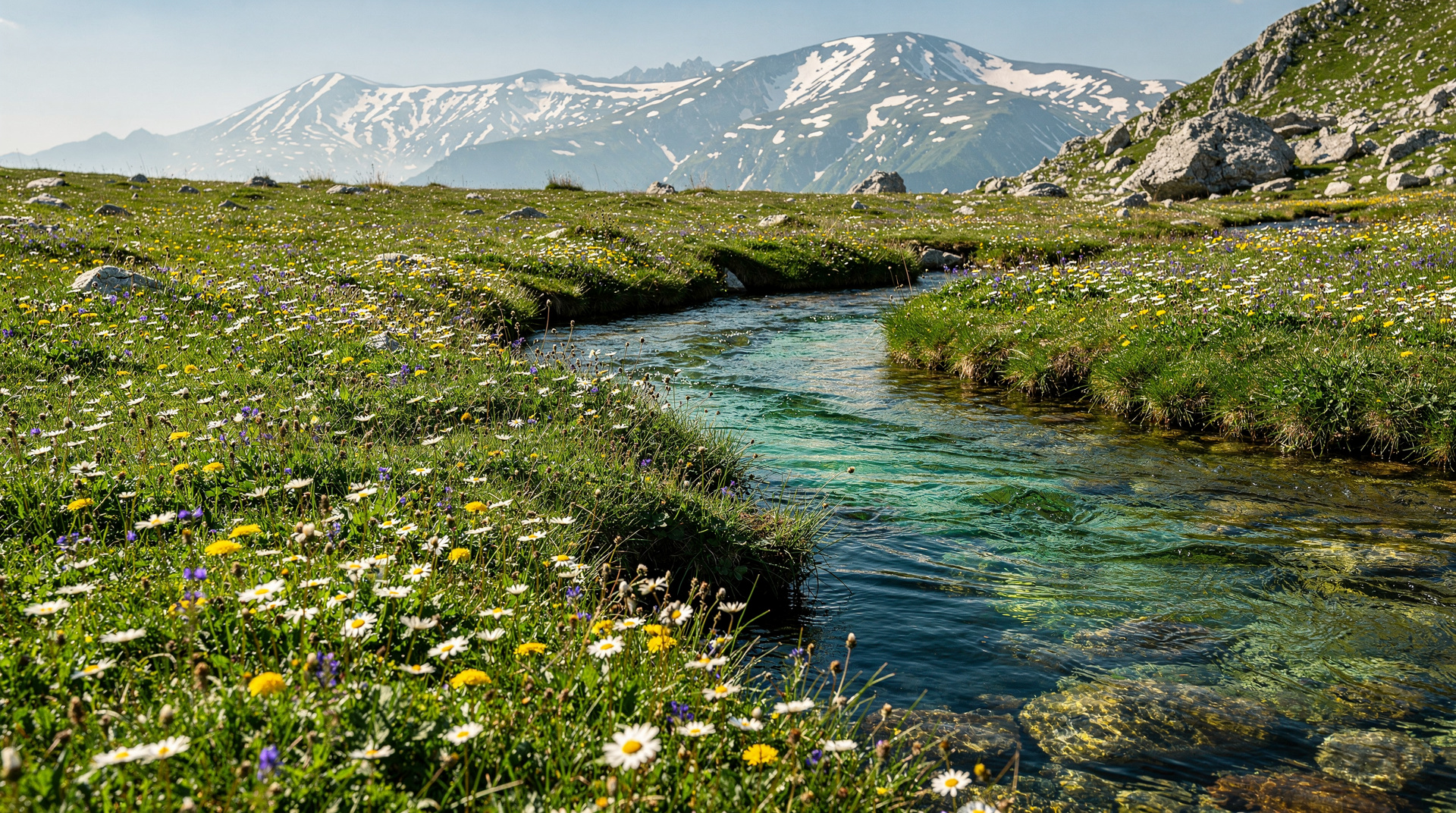
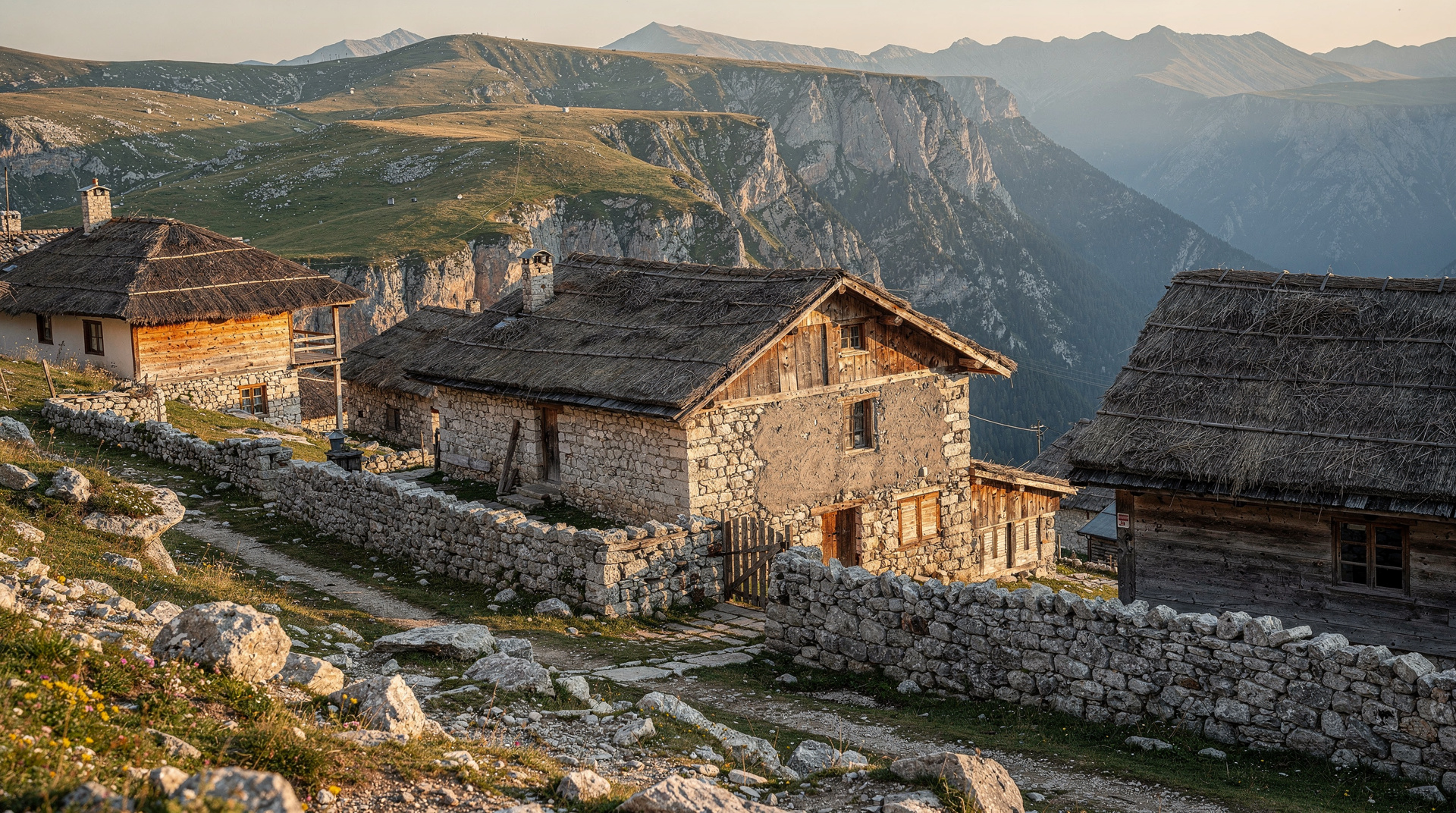
The Bjelašnica plateau, where the medieval village of Lukomir sits isolated above the rest of the world, is at its most beautiful from late May through July. The meadows are carpeted with wild orchids, mountain sage, clover and dozens of species that blanket the high karst in colour.
The Lukomir hike in late May is one of Bosnia’s best single-day experiences — not just for the village itself (one of the oldest and most remote in the Balkans) but for the walk through flower meadows with views to Prenj mountain.
Access: The road to Lukomir is passable from May onwards (it’s snowbound in winter). Guided tours from Sarajevo resume in April-May.
If you would rather not sort out transport and navigation yourself, a guided full-day walk from Sarajevo to Lukomir village takes care of both, and a local guide will know which sections of the plateau are muddy or still holding snow.
Spring in Mostar and Herzegovina
Mostar in spring is arguably at its peak. The Neretva runs high and green-blue, the old town flowers are in bloom and the terraced restaurants on the river are welcoming without summer’s crushing crowds.
Blagaj Tekke in spring: The dervish monastery at the source of the Buna River is one of Bosnia’s most atmospheric spots. In spring, the water table is high and the Buna emerges from the cliff face in a surge of green-turquoise water. The clifftop setting is covered in wildflowers.
The Herzegovina wine country around Mostar (Žilavka and Blatina grapes) begins to green up in April, with harvest not until September — but the vineyards around Mostar and Trebinje are scenic from spring.
Hiking season opens
Mountain hiking restarts in earnest from May. Key spring openings:
- Lukomir plateau trails: May–October
- Bjelašnica summit trails: from mid-May
- Maglić (2,386 m): May–October, depending on snow
- Via Dinarica sections: full season from late May
- Sutjeska Perućica primeval forest trail: open from April, at its greenest in May-June
The hiking guide for Bosnia gives a seasonal breakdown.
Spring hiking rewards a flexible mindset. Trails that are dry and easy one week can be muddy or hold lingering snow the next, so treat any plan as a first draft and keep an alternative in your pocket. The Sarajevo day hikes guide is a good source of lower-elevation options for days when the high ground is still wet, and the Bjelašnica hiking guide helps you judge how far up the mountain is realistic on a given day. For something longer and more remote, the Prenj mountain guide and the Via Dinarica guide explain how the seasons shape those routes.
Wildlife in spring
Spring is excellent for birdwatching at Hutovo Blato nature park (Herzegovina wetlands). Migratory species pass through March–May. The Hutovo Blato guide covers what to expect.
Lynx, wolves and bears inhabit Sutjeska National Park — spring is when large mammals are most active after winter. You’re unlikely to encounter them on marked trails, but the knowledge adds to the atmosphere.
Practical spring travel tips
Book accommodation for May weekends: Sarajevo accommodation fills quickly on May weekends (Labour Day holidays, school trips from across the region). Book at least 2-3 weeks ahead.
Waterproof footwear: April trails can be muddy; spring rains are frequent. Waterproof hiking boots or trail runners are worth it.
Driving mountain roads: Check conditions before driving high mountain passes in April — some remain snowbound. By mid-May most are open.
Festival calendar: Several town festivals launch in May. Sarajevo’s spring café terrace culture begins properly in May when tables spill onto the streets.
Food and daily life in spring
Spring is also a good moment to eat in Bosnia. Terraces reopen, restaurants shift to lighter, greener dishes and the pace of the cities loosens after winter. A slow lunch outdoors is as much a part of the season as any waterfall. If food is a priority, the Bosnian food guide explains what to order, the Sarajevo food tour guide suits a first day in the capital, and the Bosnian coffee culture guide is worth reading before you settle at your first café terrace. In Mostar, the best restaurants in Mostar list is handy for riverside evenings.
Getting around in spring
Public transport and rental cars both work well in spring, but the season adds a few quirks. Mountain roads can be slower after rain or late snow, and rural bus services may run on lighter schedules early in the year. If you plan to drive, the renting a car in Bosnia guide and the driving in Bosnia guide cover the practical side. If you prefer not to drive, the buses in Bosnia guide and the getting around Bosnia guide show how to link the main towns. Leave some slack in your schedule: a rain-affected day in April or early May is easier to absorb when you have not packed every hour.
Combining spring highlights into a trip
A sensible spring trip pairs one high-water experience with one slower, cultural one. Rafting or Kravice in the morning pairs naturally with a quiet afternoon in Mostar or Blagaj, while a Lukomir day suits a calmer evening back in Sarajevo. The Bosnia 7-day itinerary and the Bosnia adventure itinerary both fit the season well, and the Herzegovina weekend itinerary works for a shorter escape. Spring also suits travellers who want to see how the country looks away from the busiest summer routes; the avoiding crowds guide adds further ideas.
Spring month-by-month
| Month | Weather | Crowds | Highlight |
|---|---|---|---|
| April | Variable, 15-20°C, rain likely | Low | Waterfalls swollen, few tourists |
| May | Warm, 18-27°C, mostly dry | Low-moderate | Peak wildflowers, Kravice at full volume |
| June | Hot by late month, 27-30°C+ | Building from mid-month | Long daylight, hiking season opens fully |
Where to base yourself in spring
Sarajevo works well as a spring base — it puts the Trebević cable car, the Bjelašnica trailheads and the Sarajevo–Mostar scenic train within easy reach, and April/May café terrace culture is one of the city’s best seasonal experiences. If rafting and waterfalls are the priority, basing in Mostar for a few nights cuts driving time to Kravice, Blagaj and the Neretva put-in points. The Sarajevo–Mostar transport guide covers the scenic train and bus options between the two.
Spring respect and safety
Spring also asks for a little extra care. Fast, cold rivers deserve respect, and anyone walking in the countryside should stay on marked paths; the landmine safety guide explains why this matters, particularly when meadows tempt you off the trail. For general reassurance before you travel, see the is Bosnia safe guide. Small guesthouses are often run by families who are delighted to see the first guests of the year, so a bit of patience and a friendly greeting go a long way.
Planning a spring itinerary
A week in spring comfortably covers Sarajevo, a Mostar/Herzegovina loop and one adventure day (rafting or Lukomir). The Bosnia itinerary planning guide has route options, and the general best time to visit Bosnia guide compares spring against the other seasons in more depth. Note that skiing at Jahorina and Bjelašnica (see the skiing guide) is usually finished by April, so don’t plan a spring trip around slopes.
Frequently asked questions about Bosnia in spring
Is Bosnia in May too cold for swimming?
For rivers and waterfalls, the water is cold (12-16°C) but swimmable on warm days for the bold. The air temperature (20-27°C in May) makes it pleasant to hang around the water even if you don’t swim. Lake swimming (Jablanica Lake, Boračko Lake near Konjic) reaches swimmable temperatures by June.
Are all tourist sites open in spring?
Nearly everything is open from May. Some smaller rural guesthouses and a few outdoor activity operators don’t fully open until late April or May — check directly. The main cities and attractions are year-round.
Is there a risk of flooding in spring Bosnia?
Heavy spring rains in combination with snowmelt can cause river flooding in some years, particularly in the Una and Neretva valleys. Check local weather and travel advisories if planning travel in early April. May onward is generally safe.
How does spring compare to autumn in Bosnia?
Both are excellent. Spring has fresher green landscapes, higher waterfalls and more intense wildflower colour. Autumn (September–October) has harvest food and wine, warm-hued forests and arguably the most pleasant walking temperatures. Many regular visitors alternate between the two.
Is May or June better for a first trip to Bosnia?
May is generally the better pick for a first visit — it combines low crowds, comfortable temperatures and peak water levels at the waterfalls, without June’s building heat and school-holiday crowds toward the end of the month. Early June still carries most of May’s advantages if May doesn’t fit your schedule.
Top experiences
Bookable activities with verified prices and instant confirmation on GetYourGuide.