Bosnia in autumn
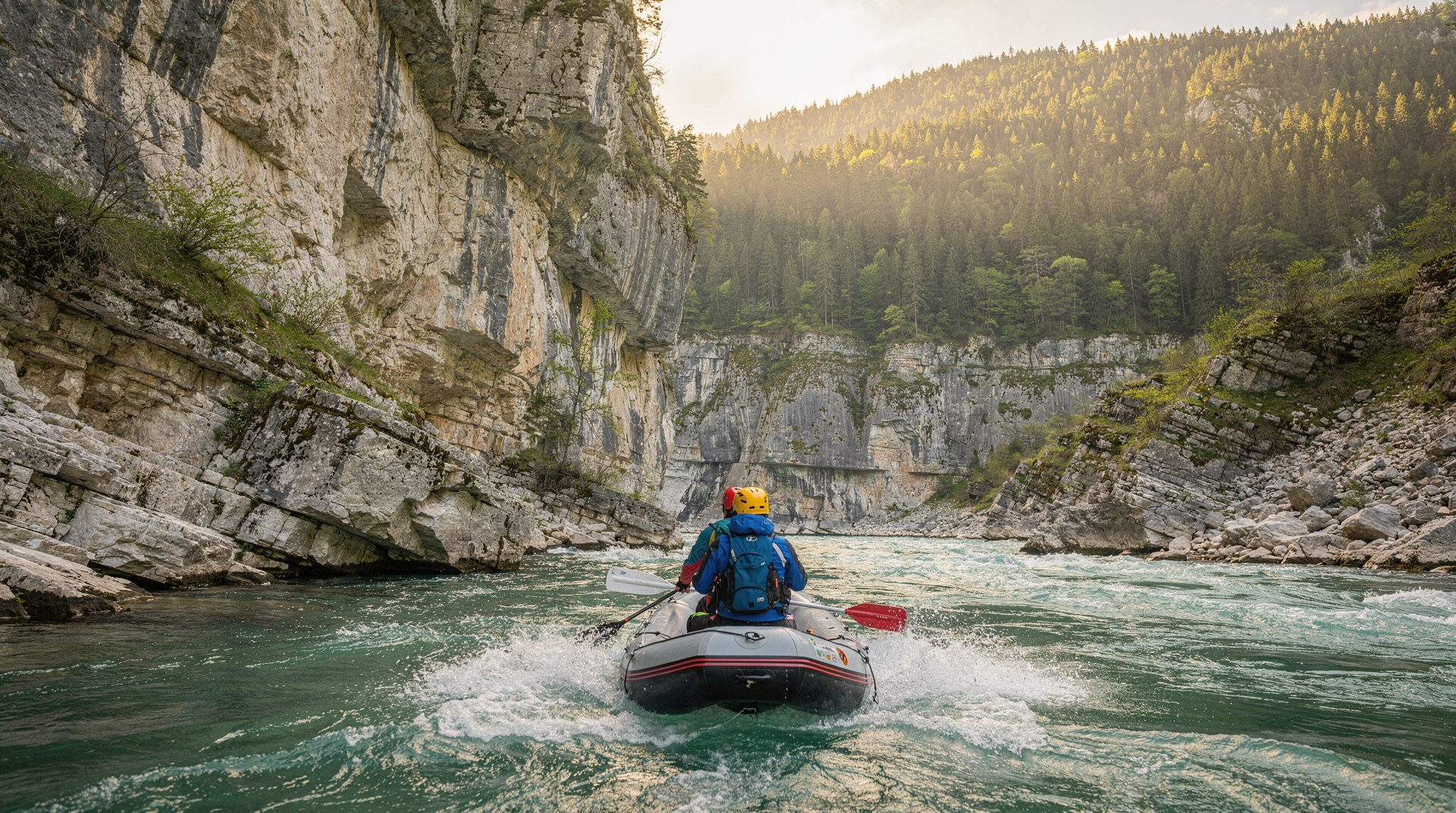
Sarajevo: Tara River Rafting Day Trip with Lunch
Is autumn a good time to visit Bosnia?
Excellent. September-October are arguably Bosnia's best months: warm but not hot, harvest season for Herzegovina wine, golden forests in Sutjeska and Zelengora, rafting still running, and a fraction of the summer crowds. October is especially beautiful.
Autumn is when Bosnia quietly reveals its best self. The summer crowds have thinned, the Herzegovina heat has broken, the forests are turning colour and the wine harvest is underway in the valleys around Mostar and Trebinje. September and October are, for many regular visitors, the definitive Bosnia season.
| At a glance | |
|---|---|
| Best for | Autumn colours, wine harvest, calmer rafting, fewer crowds |
| Sarajevo temps | Around 20-25°C in September, 12-18°C in October |
| Herzegovina temps | Around 28-32°C in September, 20-26°C in October |
| Rafting | Runs through October, calmer and warmer than spring |
| Best time within autumn | Mid-to-late September through mid-October for the best balance of warmth and colour |
Autumn month by month
| Month | Weather | Crowds | Highlights |
|---|---|---|---|
| September | Warm, often hot in Herzegovina (28-32°C); Sarajevo 20-25°C | Moderate — summer crowds thinning | Wine harvest begins, rafting still warm, good hiking |
| October | Mild, cooling (Sarajevo 12-18°C, Mostar 20-26°C) | Low, except first two weekends | Peak autumn colours in Sutjeska/Zelengora, harvest in full swing, quiet Mostar |
| November | Cool and increasingly wet (Sarajevo 5-12°C) | Very low | City sightseeing still good; mountain/rafting activities winding down |
Autumn weather by region
Sarajevo (September-October): September averages 20-25°C — warm enough for light clothing during the day but with cool evenings. October drops to 12-18°C, with shorter days and the first leaves turning on the boulevard trees. November is noticeably cooler (5-12°C) with more rain and occasional early snow at higher elevations.
Mostar and Herzegovina (September-October): September is still warm — often 28-32°C, occasionally higher. This is harvest month, with a different quality of light and heat than the punishing August. October is ideal: 20-26°C in Mostar, perfect walking weather.
Mountains (September-October): The high plateaus and peaks experience their most dramatic colour change in October. Above 1,500 m, temperatures can drop to 2-5°C at night. Early snow is possible on high peaks from late October. November is winter for mountain terrain.
Sutjeska: Bosnia’s most dramatic autumn landscape
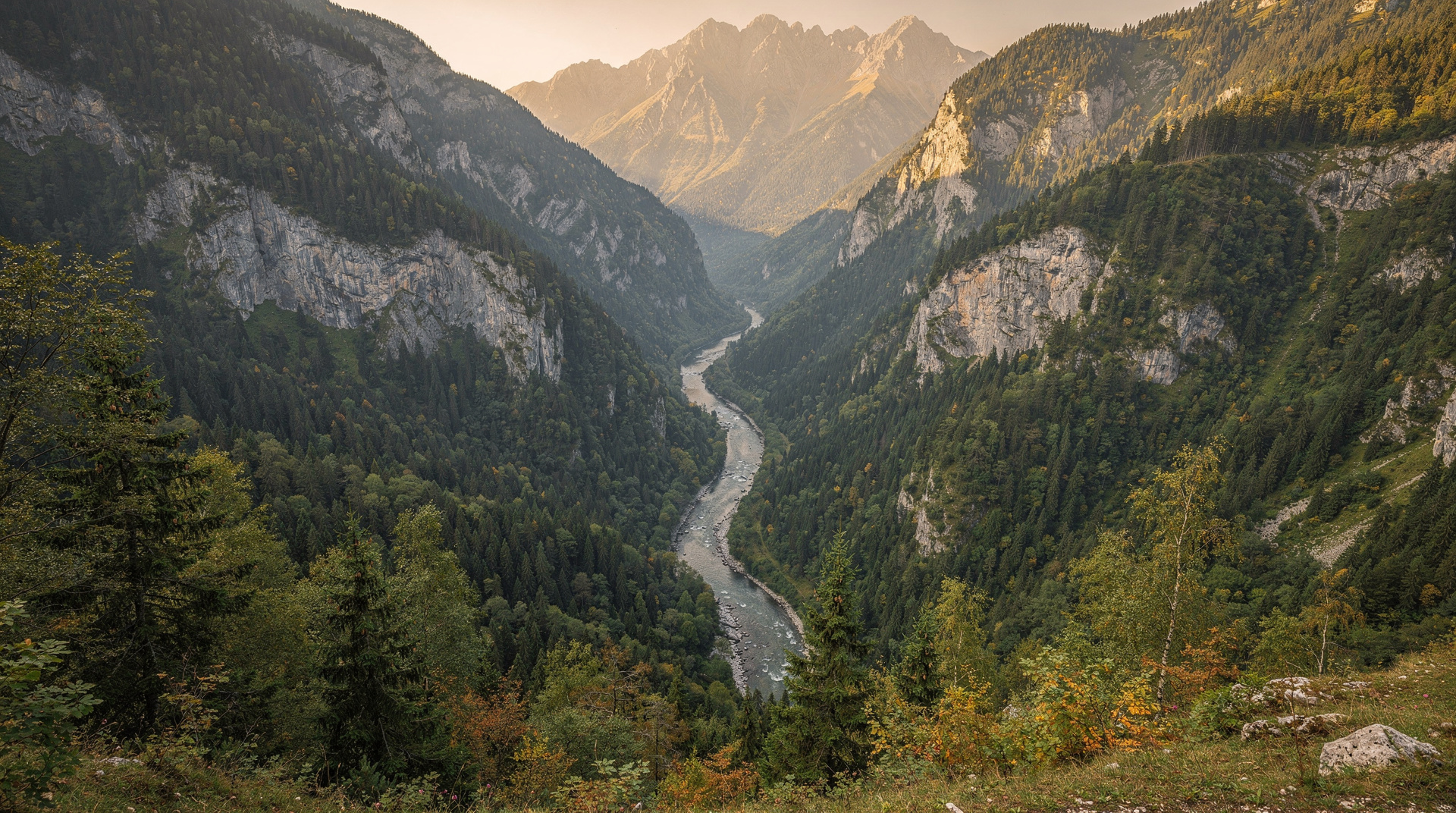
Sutjeska National Park in October is one of the most spectacular sights in the Balkans. The ancient beech forests of the Perućica primeval rainforest — one of the last stands of virgin forest in Europe — turn gold and copper, with colours amplified by the steep canyon walls.
The Tara river, which forms part of the park boundary, runs through the world’s second-deepest river canyon (after Colorado’s Grand Canyon) and the autumn light on the canyon walls is extraordinary.
Sarajevo: Tara River rafting day trip with lunchA Sutjeska visit in mid-October is genuinely memorable — combine it with the Zelengora mountain lakes for a two-day nature experience.
Herzegovina wine harvest
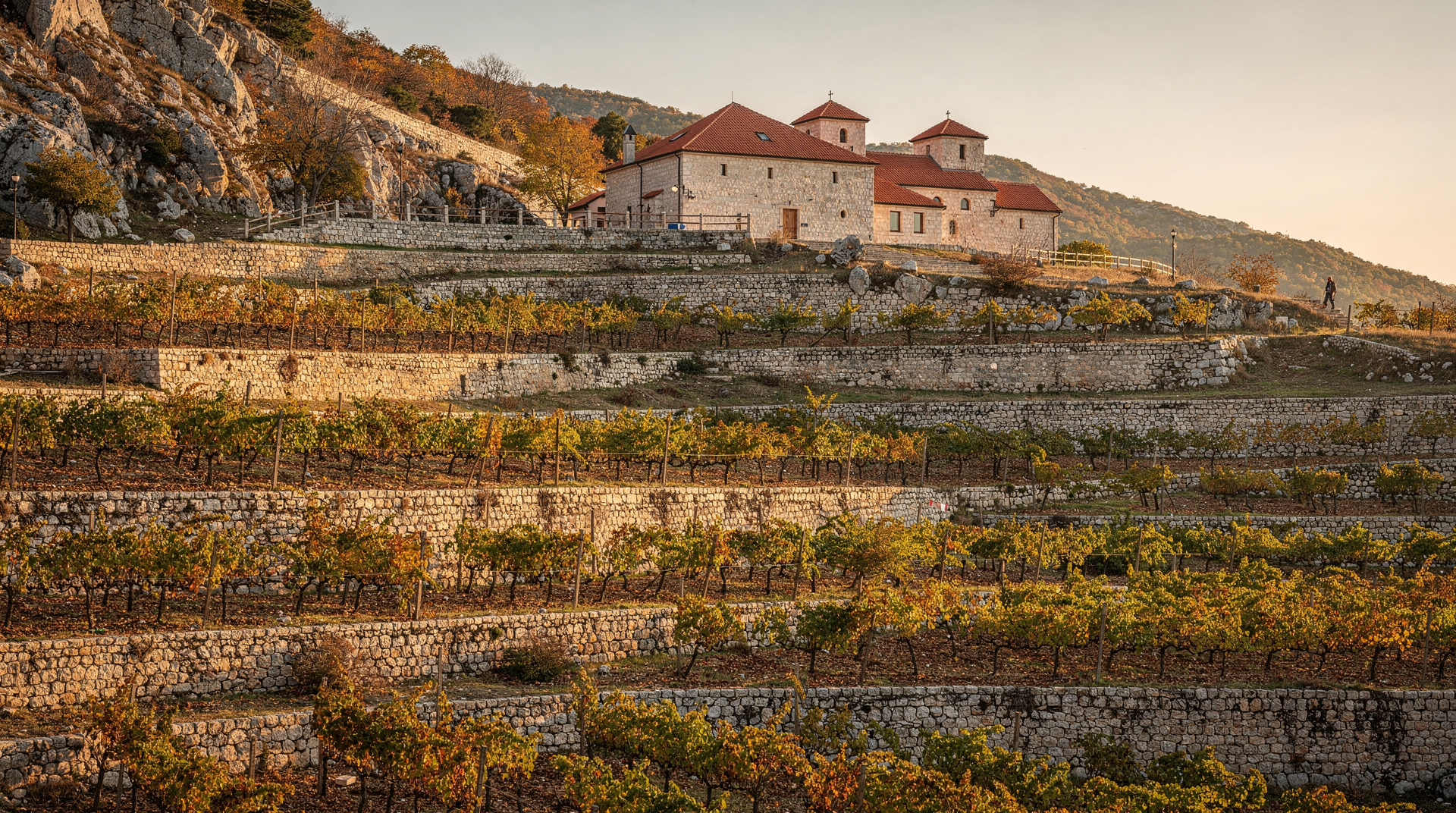
The harvest season in Herzegovina runs from September into October. The main grape varieties are indigenous:
Žilavka (white): Bosnia’s signature white grape, producing a dry, mineral wine with stone-fruit notes. Grown primarily around Mostar.
Blatina (red): Indigenous red grape producing full-bodied wines with dark fruit character. Vineyards in the Neretva valley.
Vranac: Also grown in Herzegovina, producing robust reds more associated with Montenegro.
The Herzegovina wine guide covers the main producers and the geography. Visiting in October means you may catch harvest activity at the wineries — an opportunity absent at other times of year.
Trebinje is the heartland of Bosnia’s wine culture. The Trebinje wine region guide covers the best producers in the rolling hills around this handsome small town. Day trips from Dubrovnik to Trebinje in autumn combine perfectly: harvest-season vineyards, the Hercegovačka Gračanica hilltop church and the old bridge over the Trebišnjica.
Autumn rafting: gentler and more colourful
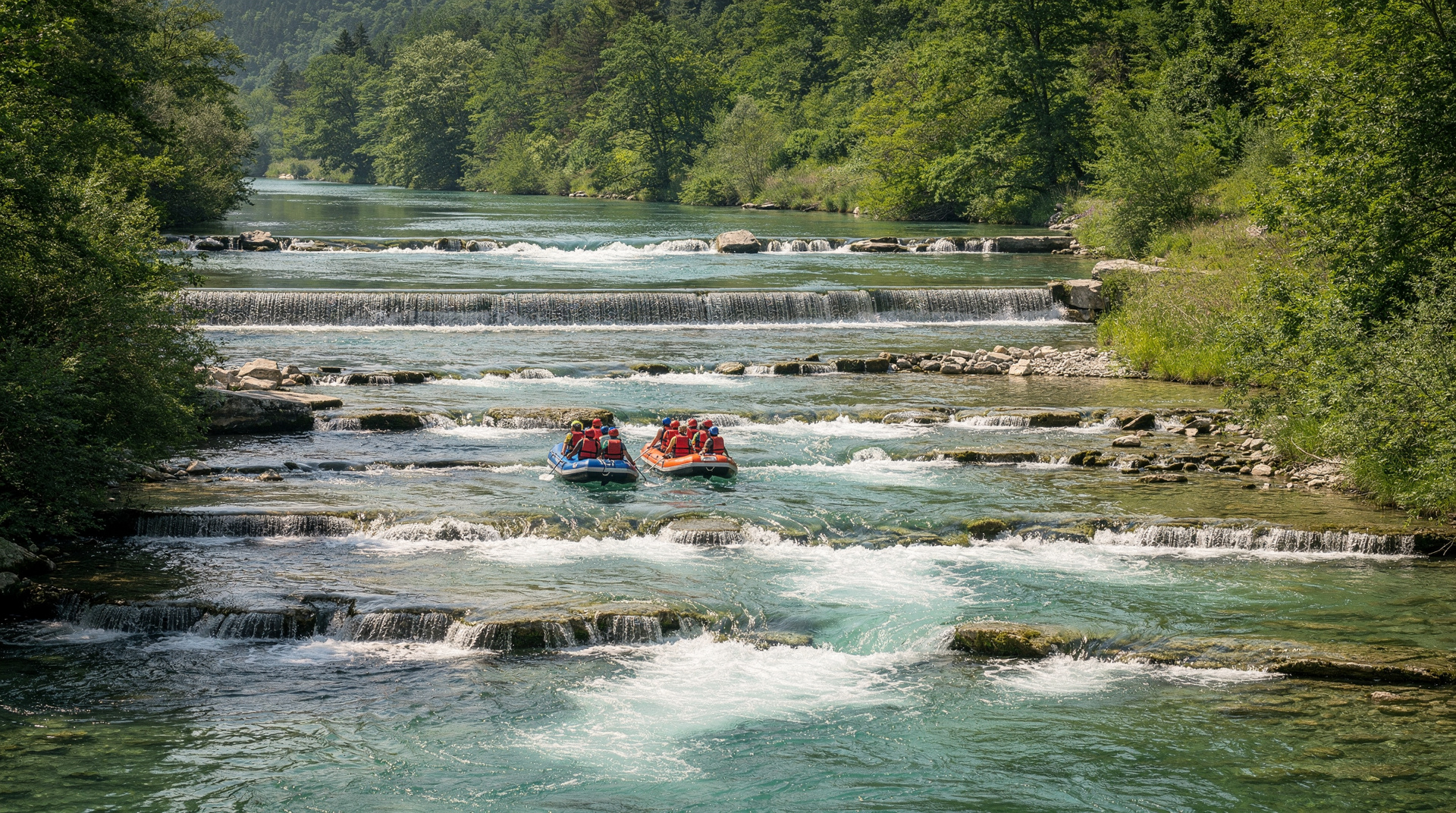
By September, the rivers that ran wild in spring have calmed. Water levels are lower but currents are still good for rafting — and the autumn colours along the canyon walls make the experience visually richer than summer.
Neretva from Konjic: September and October are excellent months for rafting this canyon. The water is warmer than spring (16-18°C) and the technical difficulty is reduced — good for mixed-ability groups and families. Book in advance as October weekend slots fill with locals making the most of the season’s end.
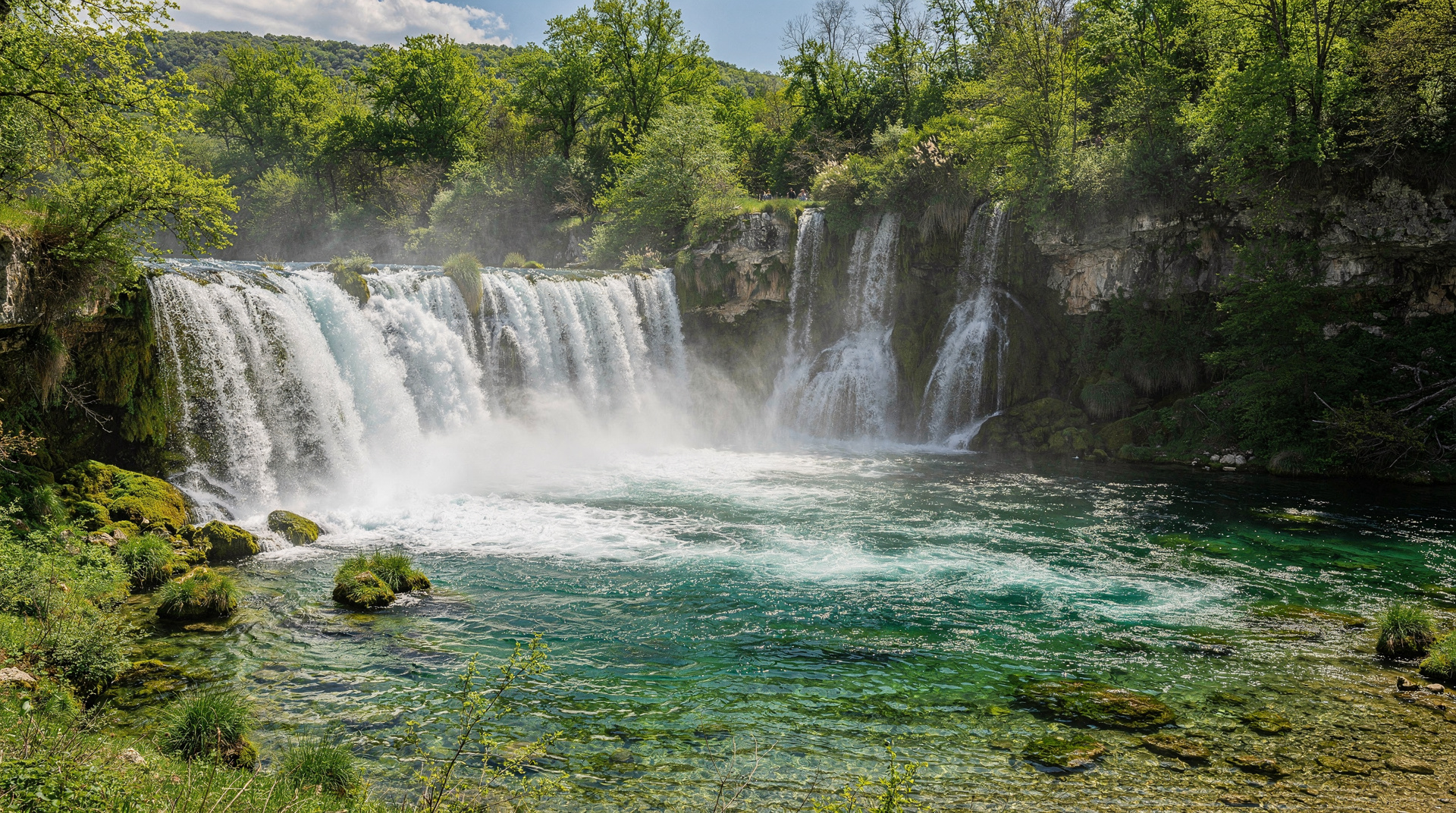
Una from Bihać: The Una valley’s beech forests are spectacular in October, making the river rafting scenery even more impressive.
If you are based in the capital, a guided Neretva rafting day with meals, starting from Sarajevo saves you arranging the transfer yourself.
The rafting guide covers all rivers and operators.
Mountain hiking in autumn
Autumn is the second hiking season after spring. Key advantages:
- Air is clear and crisp — visibility is better than hazy summer days
- Fewer hikers on trails, especially after mid-September
- Fruit and mushroom foraging season (blueberries, wild mushrooms, sloe berries) along highland trails
- Beautiful colour on beech and oak woodland trails
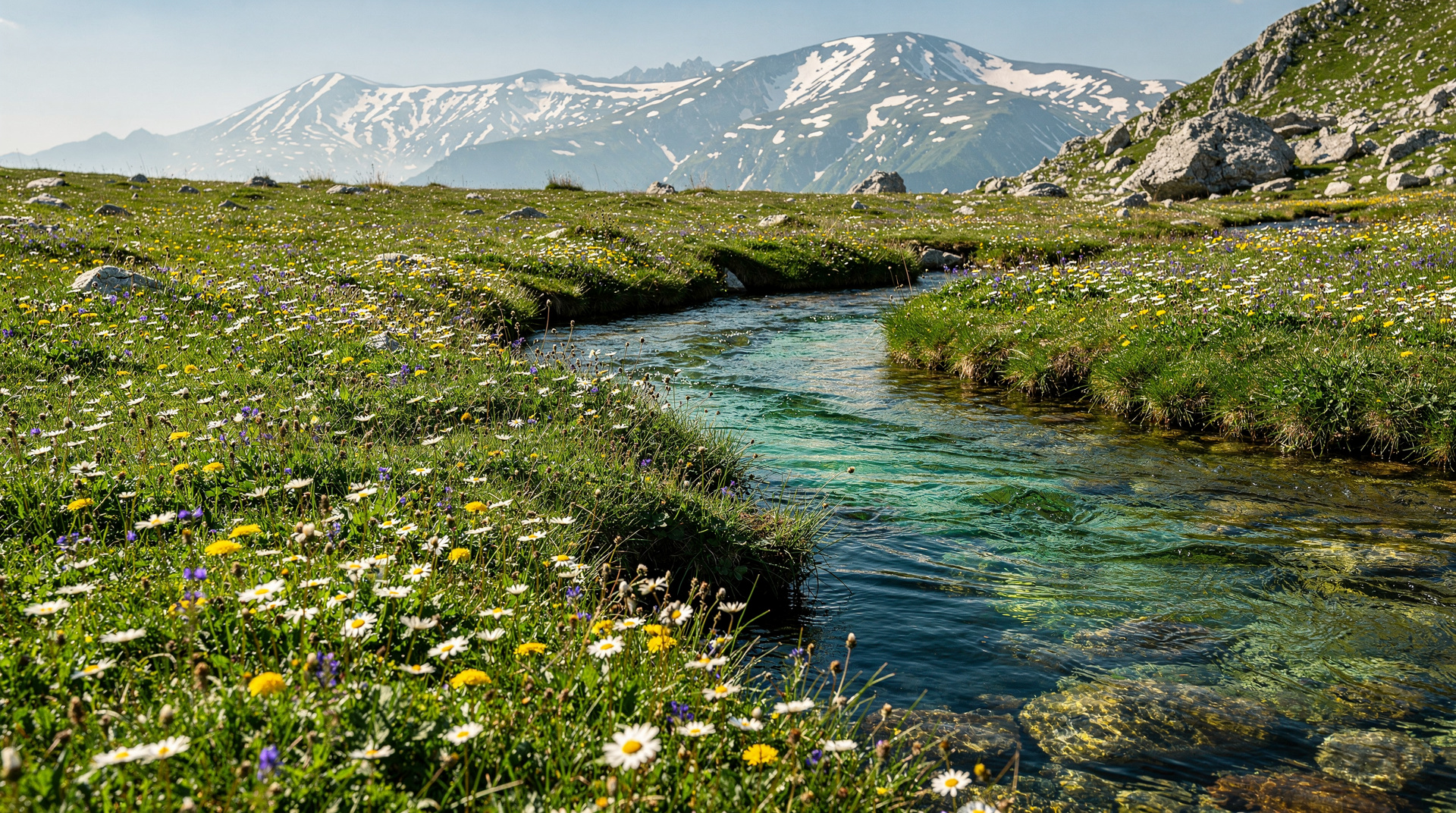
Lukomir plateau: Accessible in September-October before the first heavy snow. The plateau is amber and gold in October. Access road closes after November snow.
Via Dinarica: September is the best month for multi-day sections of the trans-Balkan trail through Bosnia — stable weather, manageable temperatures, relatively dry trails.
Maglić summit: The highest peak in Bosnia (2,386 m) is accessible until late October. The Trnovačko lake — a heart-shaped mountain lake — is at its most reflective and clear in autumn.
Autumn in Sarajevo and Mostar
Sarajevo in October is a particular pleasure. The café terraces take on a different light as the trees along the Miljacka turn amber. The city’s cultural life picks up in autumn — theatre season opens, the Sarajevo book fair runs in late October/November. Fewer tourists mean locals reclaim their favourite spots.
Mostar in September-October is transformed from its summer self. The bridge divers have gone, the restaurants are quiet enough to have an actual conversation and prices drop noticeably. This is the Mostar that residents actually experience. The late-afternoon light on Stari Most in October is warm and golden in a way that summer’s harsh midday sun never is.
Practical autumn tips
October accommodation: Sarajevo mid-week in October is easy to book and cheap. Weekends, particularly the first two weekends of October, can be busy with Bosnian and regional visitors escaping the summer heat. Still far easier than July-August.
Waterproof layer: Autumn showers arrive quickly, especially in October. A packable waterproof jacket is essential.
Sunset times: By October the sun sets around 5:30-6 PM. Plan afternoon activities accordingly — the canyon road back from Konjic or the mountain road from Lukomir should not be driven in darkness.
Driving mountain roads: October roads are generally clear, but early November snow is possible above 1,200 m. Check weather before mountain excursions from mid-October onward.
Building an autumn route
Autumn rewards a route that follows the colour and the harvest rather than a checklist of sights. A sensible shape is to start in the capital, head south toward Herzegovina while the weather is still warm, and keep the high mountains for the clearest days. The 7-day itinerary works well in this season because it leaves room to swap a day when the forecast turns, and the Sarajevo to Mostar in three days plan suits a shorter trip. If you want to give the wine country more time, the Herzegovina weekend itinerary fits neatly around the harvest.
Think in terms of weather windows. Herzegovina is the safe choice when the mountains look wet, while the high country is the reward on a clear, still morning. Keeping a flexible day or two in the middle of the trip lets you move between the two without rebooking anything. Our how many days in Bosnia guide helps you decide how much slack to build in.
Autumn in the cities, beyond the main sights
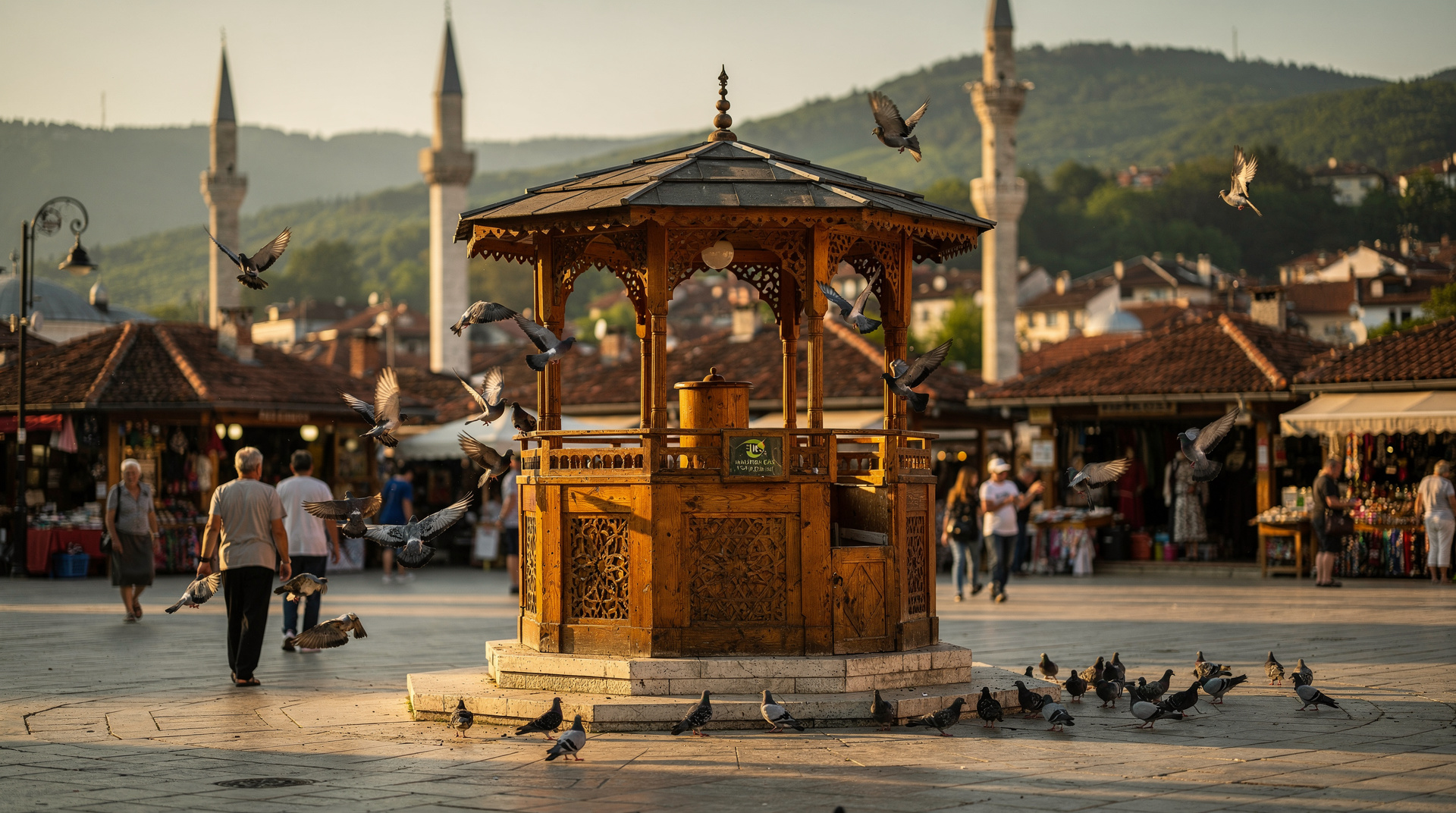
Cooler weather makes walking the best way to see Sarajevo. The old quarter of Baščaršija is far more pleasant without summer heat, and the narrow lanes feel livelier in the evening when the light drops early. Autumn is also a good moment for the indoor sights that are easy to skip in sunshine: the museums of Sarajevo reward an unhurried afternoon, and a rainy day is the ideal excuse to follow the story of the Sarajevo siege and the Tunnel of Hope. For a gentler outing on a bright day, the springs and parkland of Vrelo Bosne are lovely under turning leaves.
Autumn evenings call for slow food. A long meal of ćevapi, a warm burek or pita from a bakery, or a coffee at length in the style described in the Bosnian coffee culture guide all feel more natural once the air cools. If you are choosing where to eat, the best restaurants in Sarajevo and the best restaurants in Mostar are good starting points, and the quieter season means you can often walk in without planning ahead.
Getting around in autumn
Autumn is a comfortable season for travel logistics. Roads are busy mainly at weekends, and the lack of summer queues makes border-adjacent routes easier. If you are coming from the coast, the Dubrovnik to Sarajevo route and the Neum corridor crossing guide explain what to expect, and the driving in Bosnia guide covers road conditions and habits worth knowing before you set out on mountain roads. Those without a car can lean on the Sarajevo to Mostar transport guide, which lays out the options between the two main bases.
Allow more margin than you would in summer. Shorter days, early darkness and sudden showers all argue for starting earlier and finishing sooner. A relaxed pace is part of the appeal of the season, so resist the urge to pack in too many stops.
What to pack and how to dress
Autumn in Bosnia is a season of layers. A light base layer, a warm mid-layer and a waterproof shell cover most days, from a bright afternoon in Mostar to a cold dawn on a high plateau. Sturdy shoes with good grip matter more than in summer, because leaf litter and damp ground make forest and canyon paths slippery. If you plan to hike, stay on marked paths at all times and read the landmine safety guide first. For trail ideas, the hiking in Bosnia guide and the best day hikes from Sarajevo give a range of options that suit different levels.
A small daypack with a warm hat, a thin pair of gloves and a spare dry layer is a modest addition that can save a day out in the hills. Bring a head torch if there is any chance you will be out near dusk.
Planning around crowds and cost
One of autumn’s quiet pleasures is how much easier everything feels once the peak season fades. If you want to go further in avoiding the busiest spots, the avoiding the crowds guide suggests ways to see the headline places at calmer times of day. For travellers watching their spending, the Bosnia on a budget guide fits well with a season when rooms and restaurant tables are easier to find. And if you are still deciding when to go at all, the sister guides to Bosnia in spring and Bosnia in winter show how the other shoulder and low seasons compare.
Frequently asked questions about Bosnia in autumn
Is October the best month to visit Bosnia?
For many experienced travellers, yes. October combines good weather (especially September-October), spectacular autumn colours, wine harvest season, manageable crowds and some of the best hiking weather. May-June is equally recommended, but October has a quality of light and a calmness that many visitors find superior.
Are tour operators still running in October?
Yes. Most guided tours — Sarajevo war history, Mostar day trips, rafting, hiking — operate through October. Some mountain hiking operators close after the first snowfall. Check directly with operators for November onwards.
What food is in season in autumn Bosnia?
Autumn brings excellent mushroom dishes (pečurke) to restaurant menus in Sarajevo. The Herzegovina harvest yields fresh grapes, figs and pomegranates in the lowland markets. Lamb from highland meadows is at its best in early autumn. The Bosnian food guide covers what to eat by season.
Can I see autumn colours in Bosnia without a car?
Sarajevo’s city parks and river banks are accessible by tram. For the more dramatic mountain and canyon colours (Sutjeska, Lukomir, Zelengora), a car or guided tour is necessary. The bus guide covers public transport options from Sarajevo.
Autumn day trips that work especially well
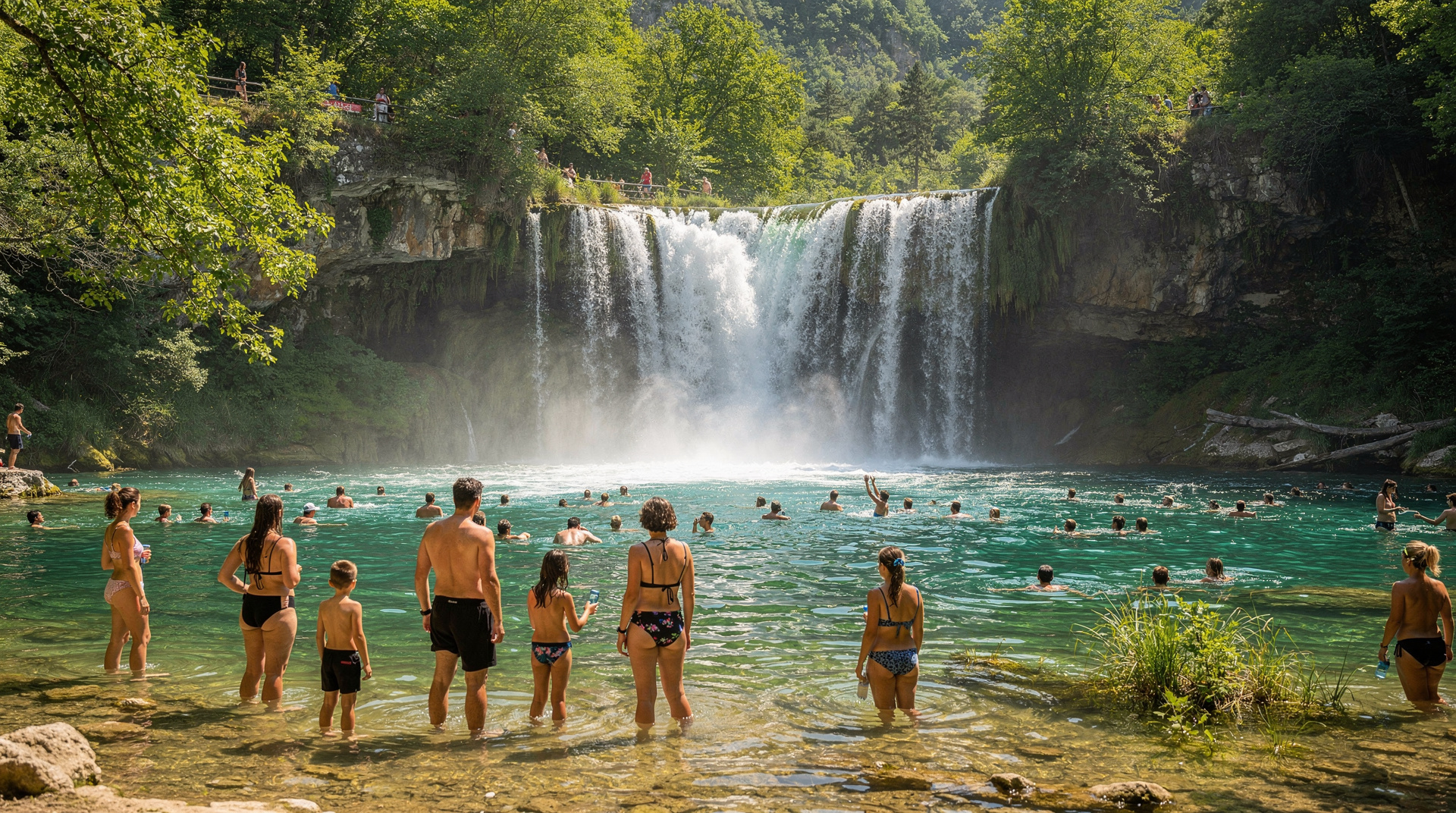
A handful of day trips are noticeably better in autumn than in high summer. The Jajce and Pliva day trip combines the waterfall in the town centre with the Pliva lakes, both more atmospheric under autumn light and free of the summer swimming crowds. If you are staying on the Croatian coast, a guided day trip to Mostar from Dubrovnik is an easy way to see Herzegovina in softer autumn light. A loop through Konjic for Tito’s bunker and gentler autumn rafting on the Neretva makes a satisfying full day from Sarajevo or Mostar. For hikers, the window before the first snow is also the best time to attempt the Lukomir village hike or a visit to Bjelašnica, both far less crowded than their summer weekends.
If you’re weighing autumn against other seasons, the best time to visit Bosnia guide compares all four seasons side by side, and our autumn colours in Sutjeska trip report gives a first-hand account of an October visit to the national park.
Top experiences
Bookable activities with verified prices and instant confirmation on GetYourGuide.