Sarajevo airport guide
Sarajevo: Old Town to Modern City Walking Tour
How do I get from Sarajevo Airport to the city centre?
A taxi takes 15-25 minutes and costs 15-25 BAM (€8-13). Trolleybus line 103 runs directly to the city centre for 2.20 BAM. Car rentals are available at the terminal. There is no direct rail link.
Sarajevo International Airport (SJJ) is the main gateway to Bosnia & Herzegovina. It is a compact, manageable airport — nothing like a major European hub — but it handles a reasonable number of direct connections from Western Europe and the Middle East. This guide covers everything from arriving and clearing customs to getting into the city and picking up your rental car.
| At a glance | |
|---|---|
| Where | Butmir, ~6-8 km southwest of Baščaršija |
| To city centre | Taxi ~15-25 min (15-25 BAM) / Trolleybus 103 ~30-40 min (2.20 BAM) |
| Currency | Convertible Mark (BAM) — ATMs in arrivals give the best rate |
| Visa | Most EU/UK/US/Canada/Australia passports: visa-free up to 90 days |
| Best arrival window | Daytime flights — trolleybus stops running around 11 PM |
Sarajevo Airport at a glance
IATA code: SJJ
Full name: Sarajevo International Airport (Međunarodni aerodrom Sarajevo)
Location: Butmir, 6-8 km southwest of the old town
Terminal: Single terminal building
Annual passengers: approximately 1.3-1.5 million (pre-2026 figures)
The airport underwent significant renovations in recent years and functions well for its size. The arrivals hall, departures, baggage reclaim and car rental desks are all on one level, which makes navigation easy even if you are arriving late at night or with young children.
Airlines and routes
Sarajevo has direct connections to most major European hubs. Regular airlines serving SJJ include:
- Austrian Airlines: Vienna (connecting hub for intercontinental routes)
- Turkish Airlines: Istanbul (useful connection point for Asia, Middle East, Americas)
- Lufthansa: Frankfurt (via Vienna partnerships)
- Swiss: Zurich (seasonal)
- Wizz Air: multiple European cities including London Luton, Vienna, Cologne, Amsterdam
- Ryanair: seasonal routes to London Stansted and several European cities
- FlyBosnia: charter and regional services
If you cannot find a direct flight, Vienna (VIE) is the closest major hub with excellent onward connections to Sarajevo. Istanbul (IST) is the best option from the Americas, Asia or the Gulf.
Getting from Sarajevo Airport to the city centre
Trolleybus line 103
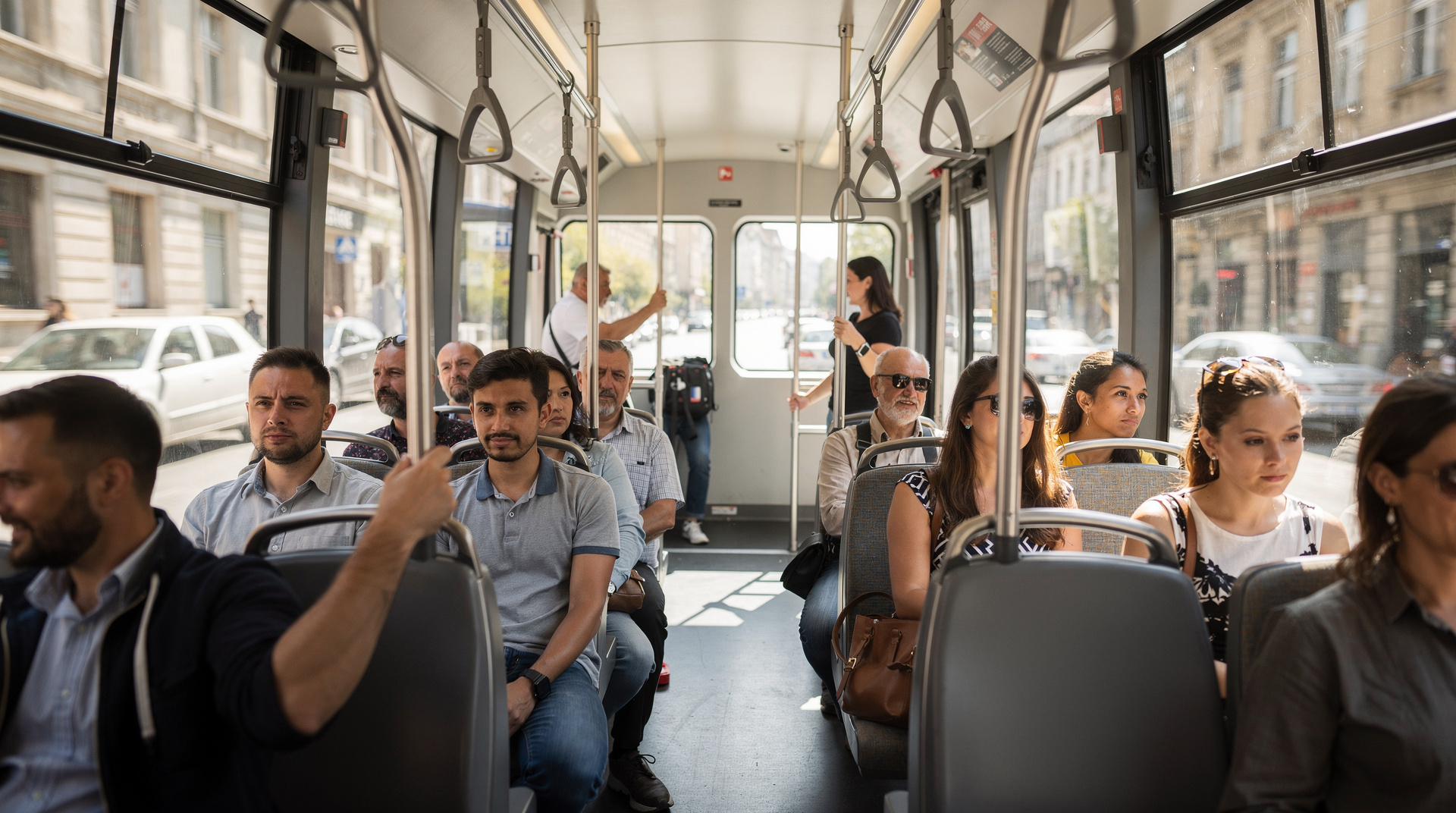
The most economical option. Trolleybus 103 runs from the airport through the city to Baščaršija (old town) and onwards to Ilidža. The journey to the old town takes about 30-40 minutes. Frequency is roughly every 20-30 minutes from early morning to around 11 PM.
Cost: 2.20 BAM per journey. Buy a ticket from the kiosk at the bus stop or pay the driver (exact change appreciated). The stop is a short walk from the terminal exit.
Practical note: Trolleybus 103 is reliable and used by locals and savvy travellers alike. The downside is that it does not accommodate large luggage easily during rush hour, and stops at several points before the old town.
Taxi
Taxis are the most convenient option for arrivals with luggage, families or late-night arrivals. Official taxis wait outside the arrivals exit.
Cost: 15-25 BAM (€8-13) to the city centre, depending on traffic and exact destination. The meter should always be running — if a driver quotes a flat fee that seems high, use a different cab.
Tip: Yellow “Radio Taxi” vehicles are the most regulated. Apps like Bolt operate in Sarajevo and can be booked from arrivals.
Journey time: 15-25 minutes without traffic; 30-45 minutes during morning rush (7-9 AM) or evening rush (4-7 PM).
Car rental
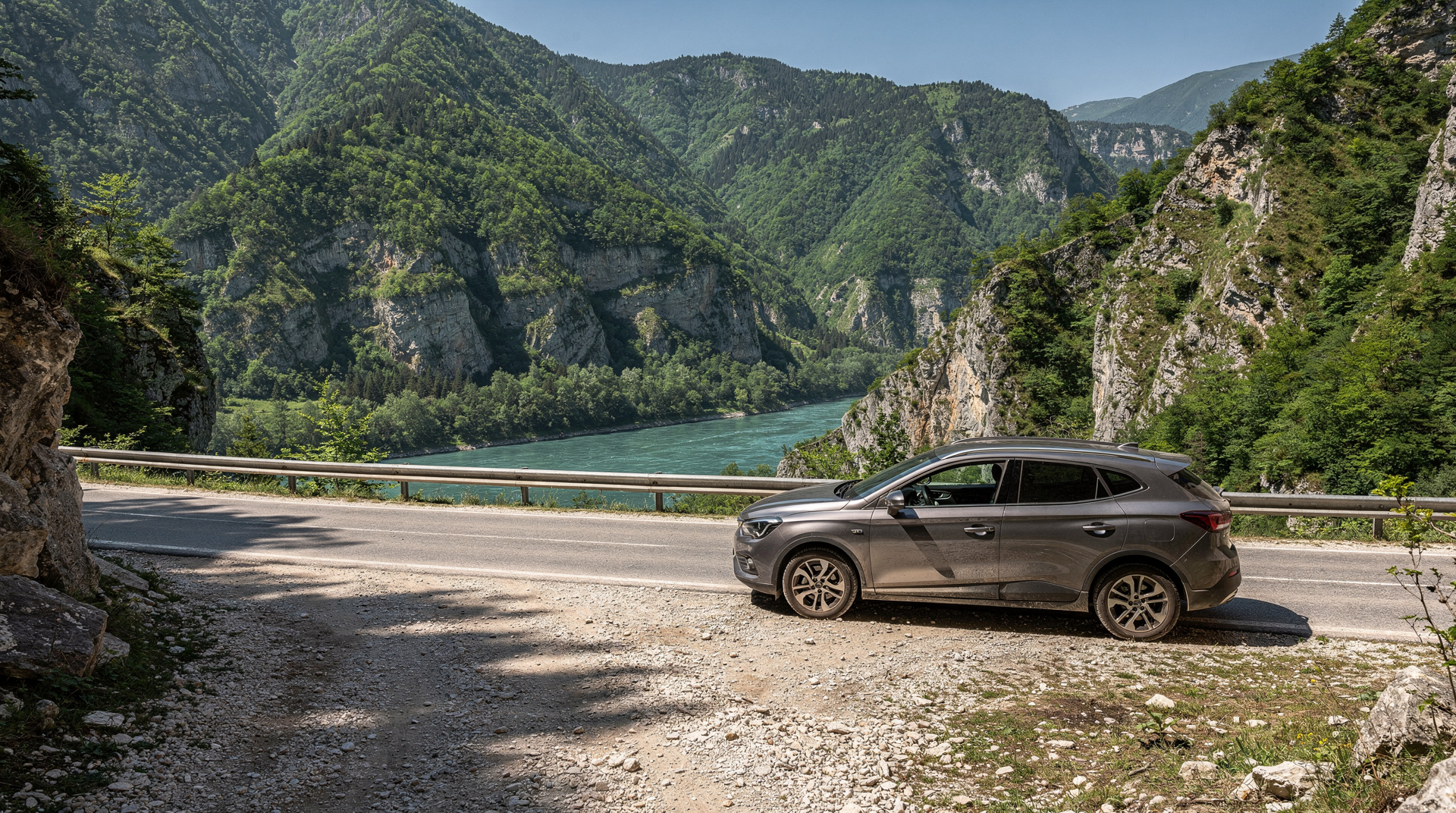
All major international rental companies have desks in the arrivals hall: Hertz, Avis, Europcar, Sixt and local operator Oryx Car. This is the easiest and most convenient pickup point if you plan to drive during your trip.
If you are continuing directly to Mostar, Jajce or another destination after arriving, picking up at the airport saves a trip into the city. See the renting a car in Bosnia guide for full details on insurance, green cards and road conditions.
Private transfer
Pre-booked private transfers are available through local agencies and the car rental desks. Prices start at around 30-40 BAM (€15-20) for a saloon car. For groups or those with connecting day trips, this can be competitive.
Airport facilities
The terminal is compact but well-equipped for a mid-size regional airport:
- ATMs: In arrivals — withdraw BAM here as rates are better than exchange desks
- Currency exchange (mjenjaonica): Available but rates are less favourable than city centre exchange offices
- Café and snacks: Ground floor before and after security
- Duty-free: Small duty-free shop airside
- Wi-Fi: Free throughout the terminal
- Left luggage: Small left-luggage facility near arrivals
- Pharmacy: In the terminal building
There are no large restaurants or hotel connections at the airport itself. If you have a long layover, Sarajevo is close enough to visit the old town and return in a few hours.
Security and check-in tips
Arrive at least 90 minutes before departure for international flights. The terminal is not large, but security queues can build up, especially in summer. For Schengen-area flights (Austrian, Swiss, Lufthansa codeshares), the queues are typically shorter.
Bosnia is not in the EU or Schengen area. Non-EU visitors will be stamped in and out at passport control. Keep your entry stamp — you may need to show it at departure.
Customs and entry
Citizens of the EU, UK, USA, Canada, Australia, New Zealand and many other countries can enter Bosnia without a visa for stays up to 90 days. Check the current rules for your nationality before travel, as they do change. Bosnia’s visa rules are summarised in the safety and entry guide.
On arrival, declare cash above €10,000 (or equivalent). There are no particularly onerous entry requirements for most Western travellers — just passport/ID and a standard form if required.
Sarajevo Airport and war history
Butmir, where the airport sits, is historically significant. During the 1992-1995 Siege of Sarajevo, the airport runway was the dividing line between besieged city and the outside world. The tunnel dug beneath the runway by Bosnian forces — known as the Tunnel of Hope (Tunel spasenja) — was the only lifeline for supplies and people entering and leaving the besieged city.
The tunnel exit is just a few kilometres from the current terminal. Many visitors visiting Sarajevo Airport make a detour to see the Tunnel of Hope Museum on their way into the city — it adds only 10-15 minutes and provides powerful context for the city you are about to explore.
Connecting to the rest of Bosnia
Sarajevo Airport is the starting point for most overland itineraries. From the city centre you can reach:
- Mostar: 2h30 by bus or car, or by scenic seasonal train
- Jajce: 2h30-3h by car, ~3h by bus
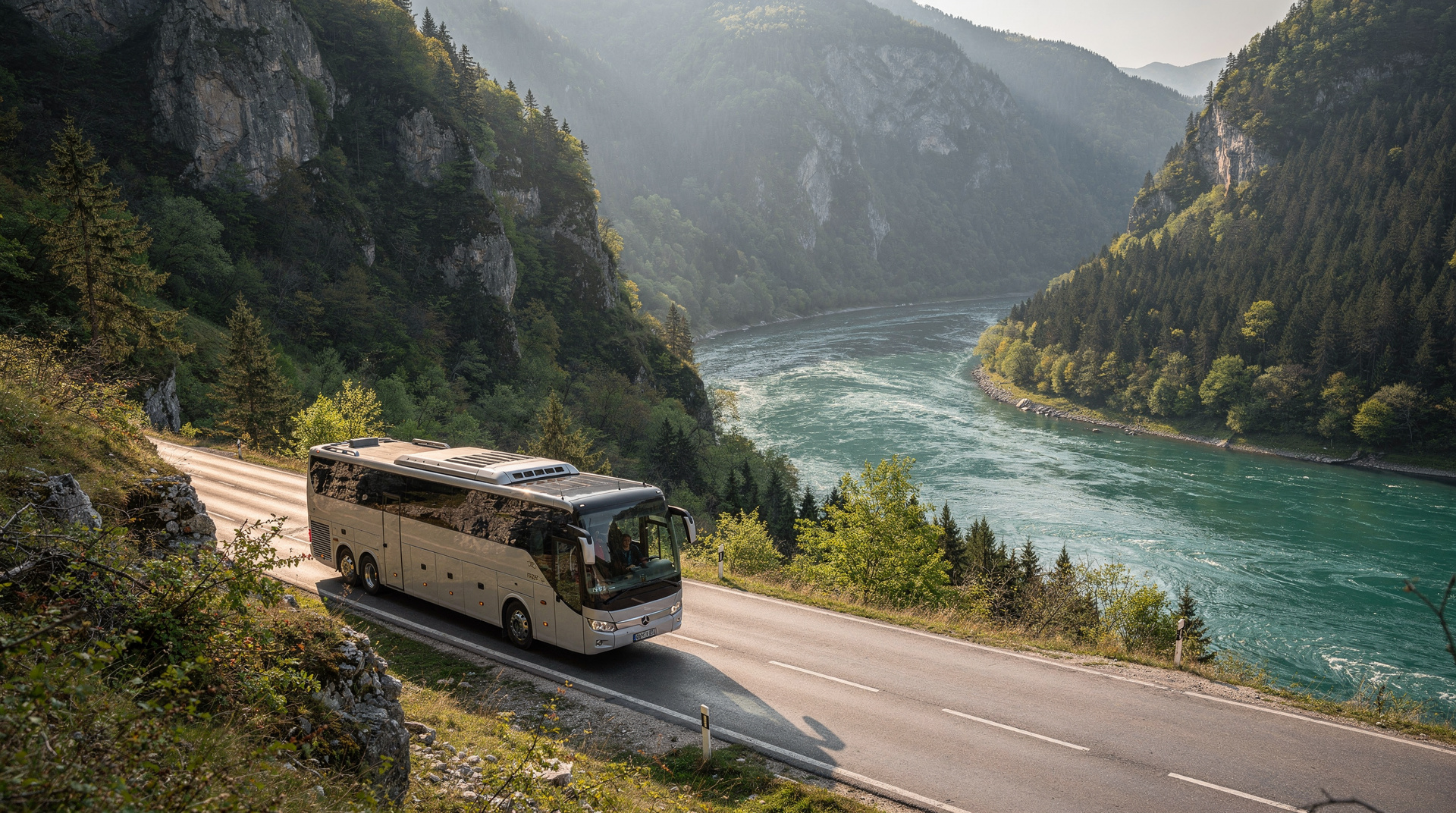
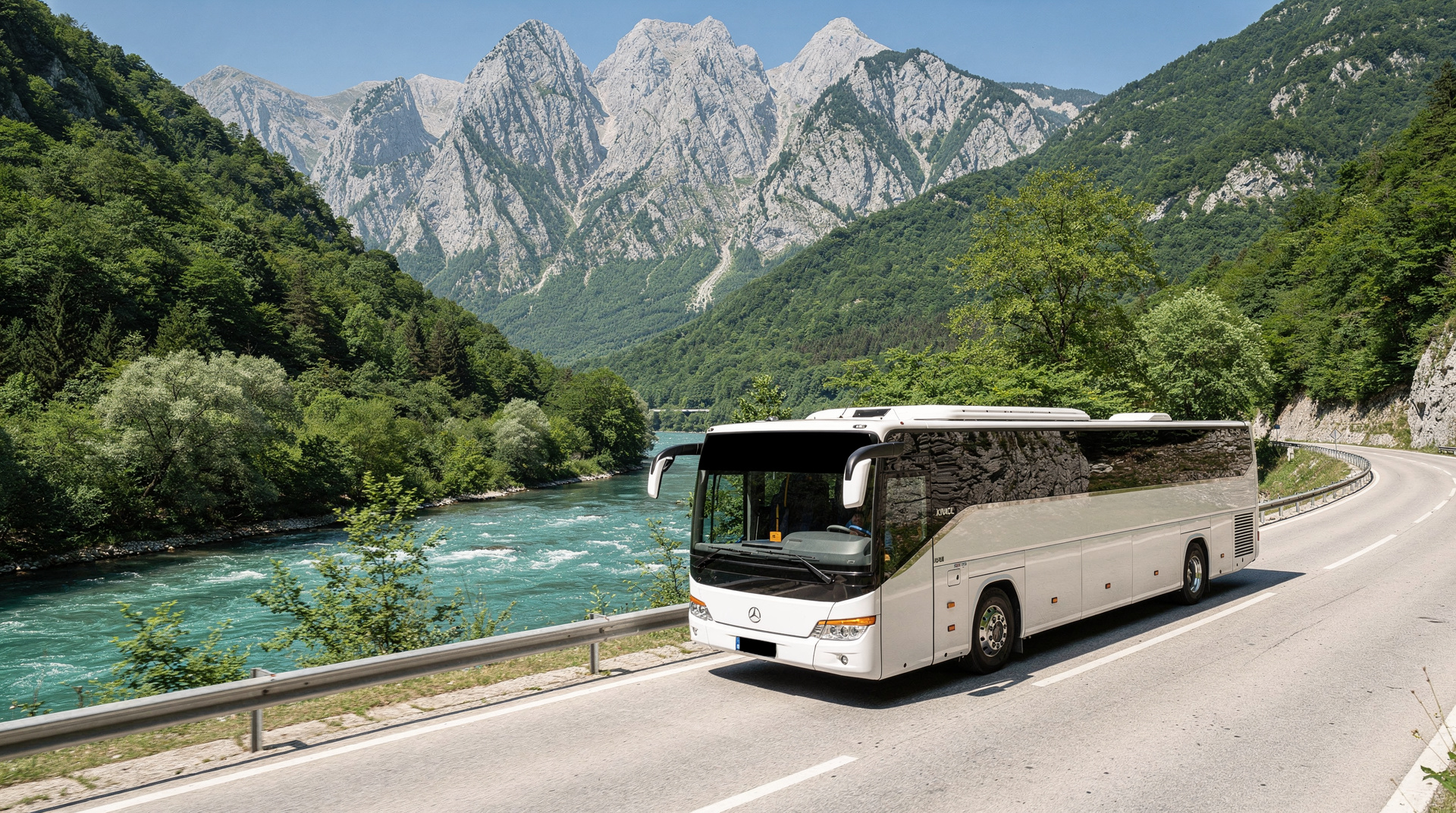
- Mostar via Konjic: 2h30, spectacular Neretva canyon drive
- Srebrenica: 3h by car, all-day by bus with change
The getting around Bosnia guide gives a full overview of transport from Sarajevo to all major destinations.
Frequently asked questions about Sarajevo Airport
Is Sarajevo Airport modern and well-organised?
For its size, yes. The terminal is compact and logical. Queue times at immigration can vary but are rarely extreme. English is spoken by most airport staff.
Is there a shuttle bus from the airport?
The trolleybus 103 is the official public shuttle connection. There is no dedicated airport shuttle service separate from the city trolleybus.
Can I get a SIM card at Sarajevo Airport?
Local SIM cards are available at the airport. Main operators are BH Telecom, m:tel and HT Eronet. Data plans are affordable — a tourist SIM with several gigabytes of data typically costs 5-15 BAM.
What is the currency at Sarajevo Airport shops?
The Bosnian Convertible Mark (BAM). Euros may be accepted in some shops, but you will receive change in BAM at the fixed rate (1 EUR = 1.95583 BAM). Using BAM is always cleaner.
Is there a direct train from Sarajevo Airport to the city?
No. There is no rail connection to Sarajevo Airport. The trolleybus and taxi are the standard options.
Your first hours after landing
Arriving in a new country is easier when you decide a few things before you reach the terminal. Know where you are sleeping, how you will pay for the first coffee and what you want to see first. The airport is small, so you will be outside quickly, and the city rewards a calm start rather than a rushed one.
If you have a few hours before check-in, leave your bag at your accommodation if the host allows it and head straight to the old town. The Baščaršija guide explains how the old bazaar is laid out, and the wider Sarajevo destination page shows how the neighbourhoods connect. A slow first coffee is the best introduction to local rhythm; the Bosnian coffee culture guide explains the ritual so you do not feel lost at the table.
For your first meal, keep it simple and local. The best restaurants in Sarajevo list and the burek and pita guide are both good starting points after a long travel day, and neither requires a reservation or much planning.
Money matters are easy to settle early. The Bosnia money and currency guide covers cards, cash and the fixed euro rate, which helps you decide how much to withdraw at the arrivals ATM. Taking a modest amount of BAM at the airport is usually enough to cover the transfer and a first meal.
If this is your first visit, the blog post on first time in Sarajevo gives a personal view of what the first day feels like. Travellers with more time can slot the arrival day into the Sarajevo 4-day deep dive.
Staying safe and avoiding hassle on arrival
Sarajevo is a welcoming city, and the airport is not a place where visitors typically run into serious trouble. Still, any arrival point attracts a few opportunists, and tired travellers are easy targets. The simplest protection is to decide your transfer in advance, keep your phone charged for a ride app, and walk past anyone offering a deal inside the hall.
The Bosnia scams to avoid guide and the Sarajevo tourist traps guide describe the usual patterns, and they are worth a read on the flight. For a broader picture of the country, is Bosnia safe answers the questions most first-time visitors ask. Nothing here should put you off; it is mostly about being unhurried and checking the meter.
Planning what comes after Sarajevo
Many travellers treat the airport as the first stop of a longer loop. Before you commit to a route, it helps to know how much time you have and when you are travelling. The best time to visit Bosnia page explains how the seasons change what is open and how crowded the main sights feel, and how many days in Bosnia helps you size the trip.
If you prefer set routes, the 7-day Bosnia itinerary starts in the capital and moves outward. Those who want to stay close can look at the best day trips from Sarajevo, many of which are easy to reach from the same neighbourhoods near the old town.
Travellers without a car should read the Bosnia by public transport itinerary, which shows how far buses and trains can take you. Those who do plan to drive will find the driving in Bosnia guide useful before collecting the keys at the airport desk. Mostar is the most common next stop, and the Mostar destination page is a good place to start when choosing between a day trip and an overnight stay.
Booking a guided introduction for your first day
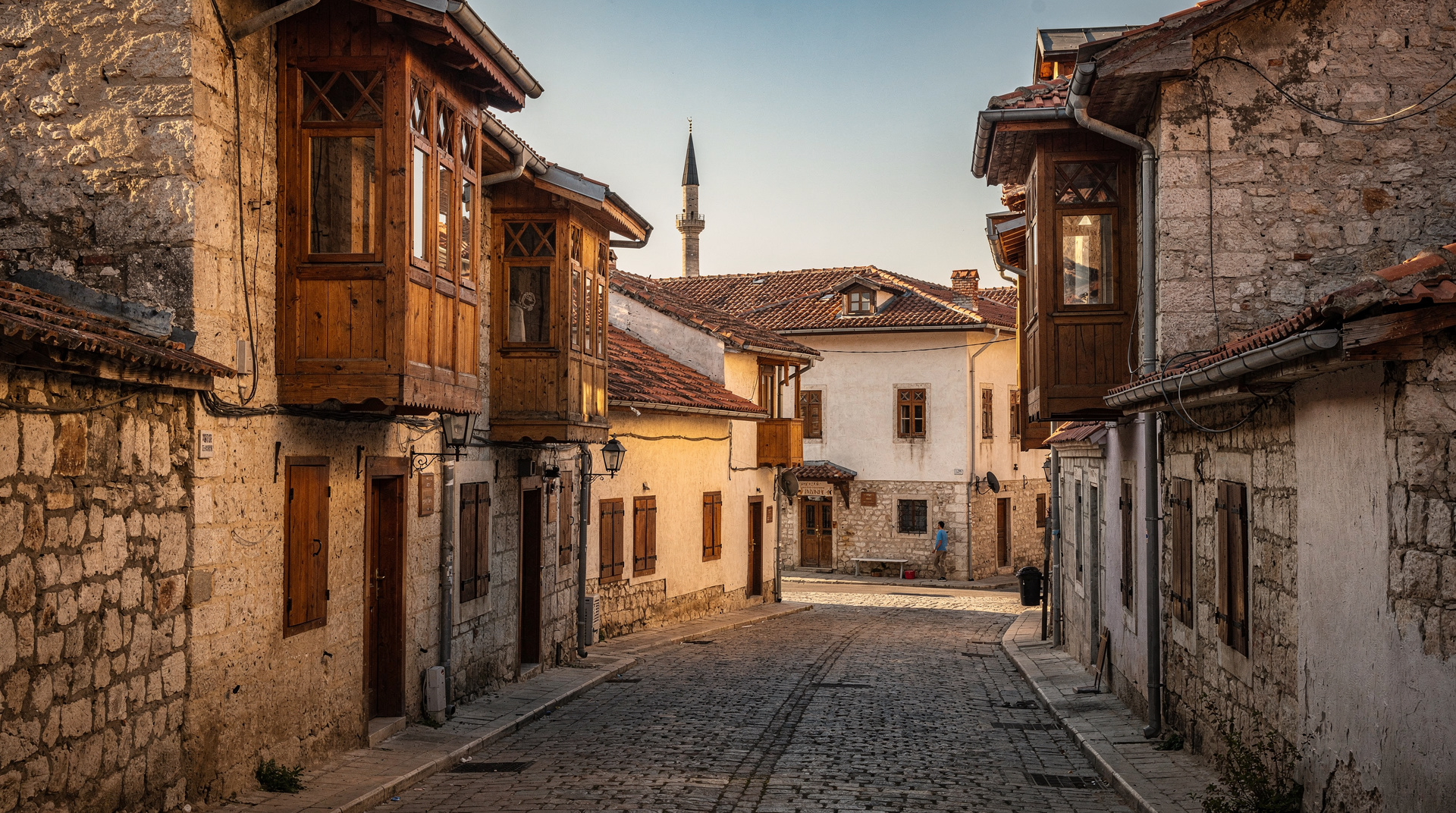
If you land with only a day or two in the capital, a guide can make the first hours far more productive than wandering alone. Many visitors book a walking tour of the old town with a local guide for the afternoon of arrival, once bags are dropped, because it gives the layout of the centre and its history in one sitting.
Those who would rather see more in a single stretch can look at a full-day tour covering history, tradition, the war years and local food. Travellers who prefer to set the pace, or who are arriving as a family or small group, may find a private tour with a local guide easier to fit around flight times. Check availability and meeting points when you book, and leave a comfortable margin after landing in case your flight runs late.
Comparing the transfer options
| Option | Cost | Time | Best for |
|---|---|---|---|
| Trolleybus 103 | ~2.20 BAM | 30-40 min | Solo travellers, light luggage, daytime |
| Taxi (metered) | ~15-25 BAM | 15-25 min | Families, late arrivals, luggage |
| Private transfer | ~30-40 BAM | 15-25 min | Groups, pre-booked comfort |
| Rental car pickup | Varies by company | N/A | Onward travel to Mostar, Jajce or elsewhere same day |
If your flight lands after 11 PM, budget for a taxi — the trolleybus stops running and there is little else on offer at that hour. See the Sarajevo public transport guide for the wider network once you are in the city, and the Sarajevo to Mostar transport guide if you are heading onward the same day.
Top experiences
Bookable activities with verified prices and instant confirmation on GetYourGuide.