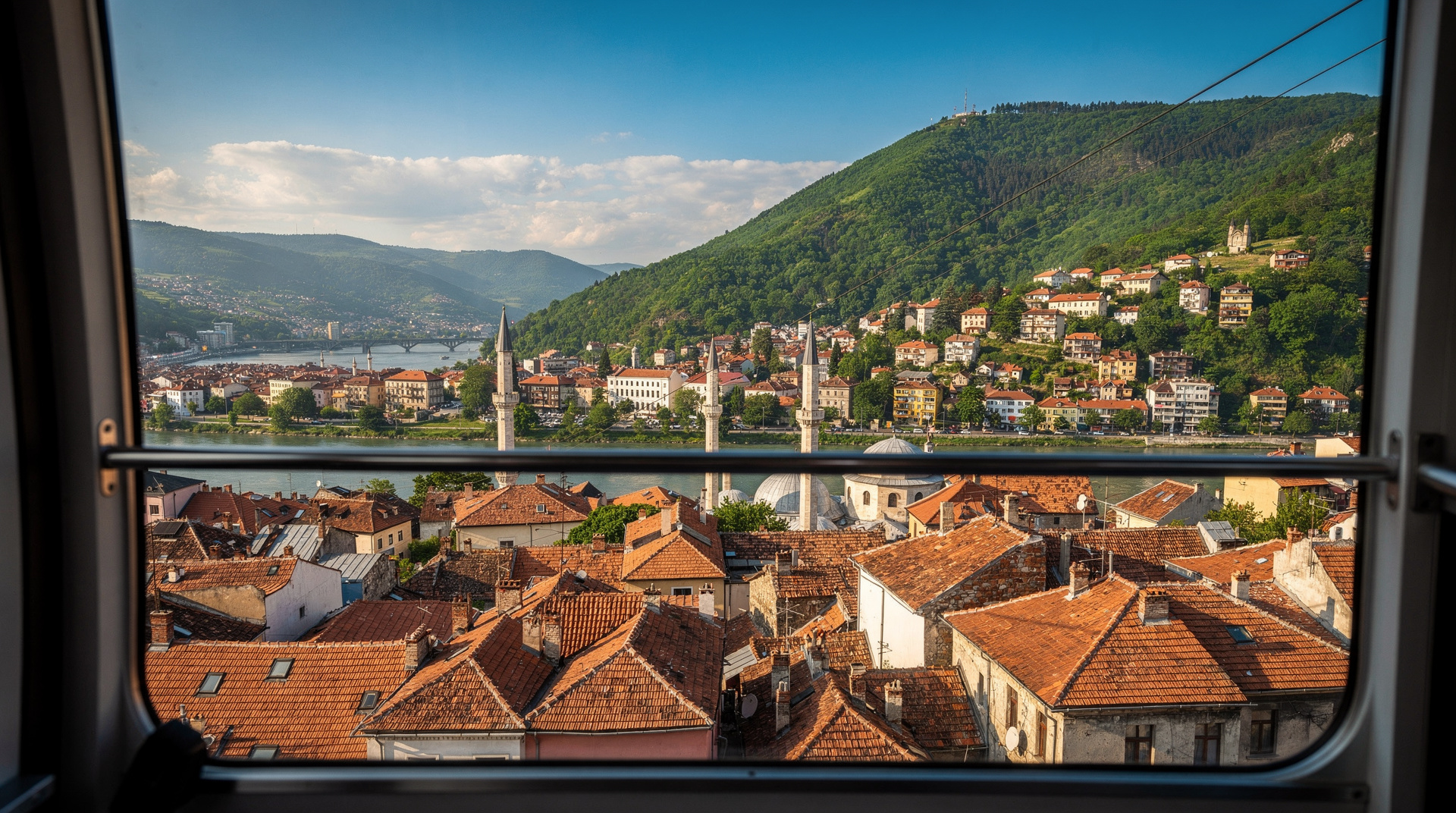
Bosnia on a budget — a real cost breakdown
Bosnia is exceptional value. That is almost universally agreed upon by people who have been, and it still surprises people when they see their first receipt. A good lunch for 6 BAM. A bed in a solid guesthouse for 35 BAM. Coffee for 2 BAM. Beer for 3 BAM.
For reference: 1 EUR = approximately 1.956 BAM (fixed peg, will not change). All prices below are from a November trip and treated here as a starting reference point — expect some drift with inflation.
| Where | Sarajevo, Mostar, and the routes between them |
| Cost | Roughly 55–80 BAM/day budget, 145–195 BAM/day mid-range, per person |
| Time needed | A realistic budget trip is 7–10 days to cover Sarajevo, Mostar, and one or two smaller stops |
| Getting there | Intercity buses for the main route; a rental car opens up Trebinje, Bihać, and Lukomir |
| Best time | Shoulder season (April–May, September–October) for lower accommodation demand and better weather than either extreme |
The currency and how to handle it
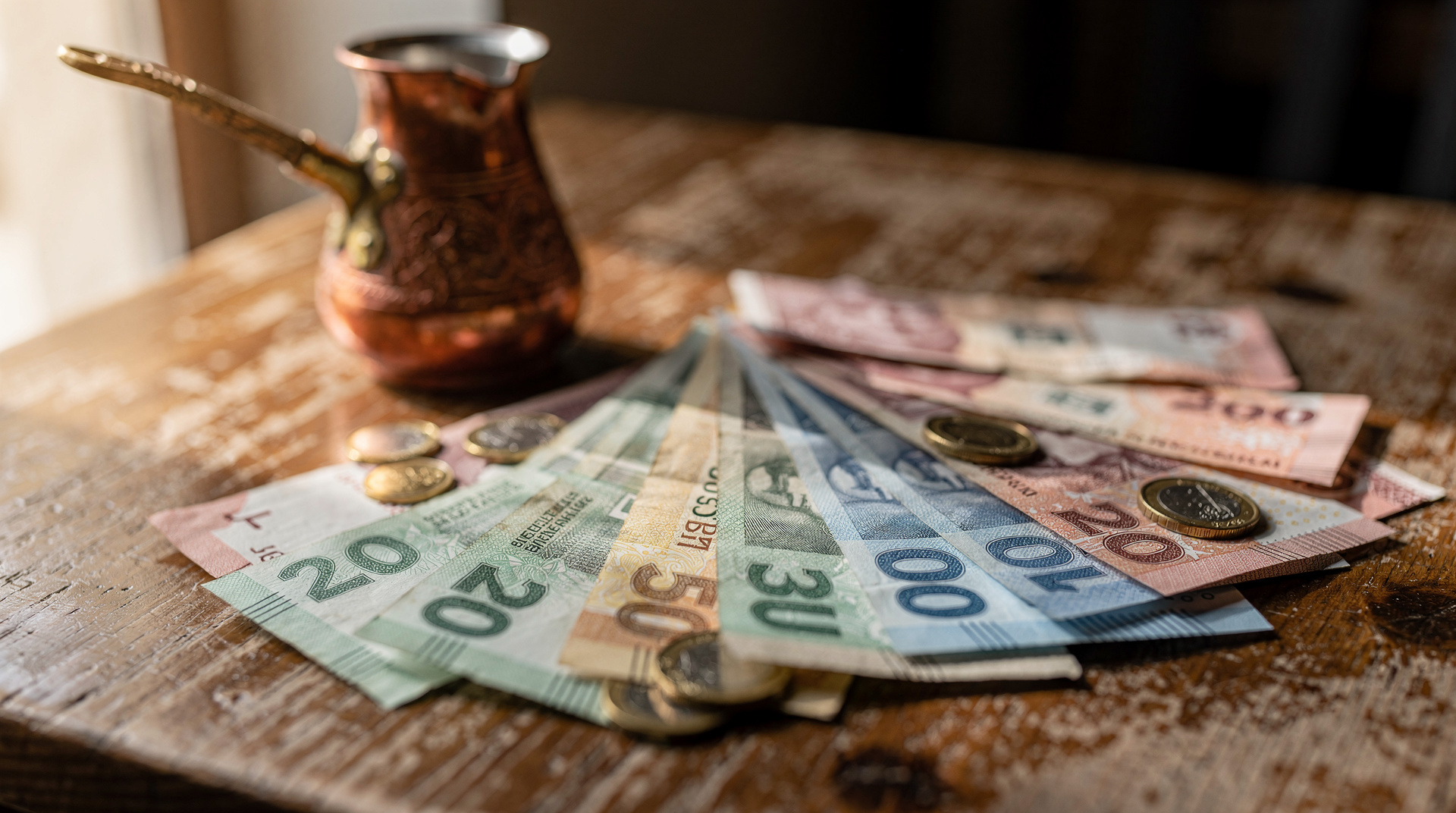
Bosnia uses the Bosnian Convertible Mark (BAM, sometimes written KM). It is pegged permanently to the euro. EUR is sometimes accepted in tourist areas but usually at a worse-than-actual rate.
ATMs are widely available in Sarajevo and Mostar and in most larger towns. Smaller villages may have nothing — carry cash when heading off the main routes.
Cards are accepted at most hotels and increasingly at restaurants in cities. Street food, bus tickets, and market purchases require cash. Budget about 50–70 BAM in cash per day for incidentals.
The Bosnia money and currency guide has more detail on ATM reliability, fees, and tipping customs.
Accommodation: what you get at each level
Budget (20–45 BAM / 10–23 EUR per person): Hostel dorms in Sarajevo and Mostar. Quality varies but the best ones are genuinely good — private rooms available at some. Breakfast sometimes included.
Mid-range guesthouses (60–100 BAM / 31–51 EUR per double): Small family-run pensions and apartments, usually well-located. This is the sweet spot for most travellers. You get a clean, comfortable private room, often with a host who can help plan your days.
Upper mid-range hotels (100–180 BAM / 51–92 EUR per double): A step up in amenities. In Sarajevo, this buys you something genuinely nice near the old town.
Luxury: Limited options in Bosnia but improving. Expect to pay 200 BAM+ for the best properties.
The Sarajevo where to stay guide and Mostar where to stay guide give specific neighbourhood and accommodation recommendations.
Food: where the savings are
Bosnian food is hearty, cheap, and good. The most budget-friendly meals:
Ćevapi: Bosnia’s national dish — minced meat sausages in somun flatbread. A full portion (10 ćevapi with bread, onion, and kajmak) costs 6–9 BAM at a traditional čevabdžinica. This is typically enough for one person as a main meal.
Burek: Flaky pastry from bakeries (pekara). A large portion is 3–4 BAM. These are everywhere and excellent for breakfast or a snack.
Market lunches: The Markale market in Sarajevo and the covered markets in other towns have prepared food stalls. Expect to pay 5–8 BAM for a full cooked meal.
Restaurants: A full sit-down meal (main, drink) at a non-tourist restaurant runs 12–18 BAM per person. Tourist-facing spots on the main Baščaršija drag charge 20–25 BAM and are not noticeably better.
Alcohol: Domestic beer (Sarajevsko, Nektar, Preminger) costs 3–4 BAM at a kafana. Wine by the glass is 4–6 BAM. Rakija shots are 2–3 BAM and typically strong.
Daily food budget: 25–40 BAM (13–20 EUR) with no real effort. Below 25 BAM is achievable if you eat at bakeries and market stalls.
Transport: buses vs car
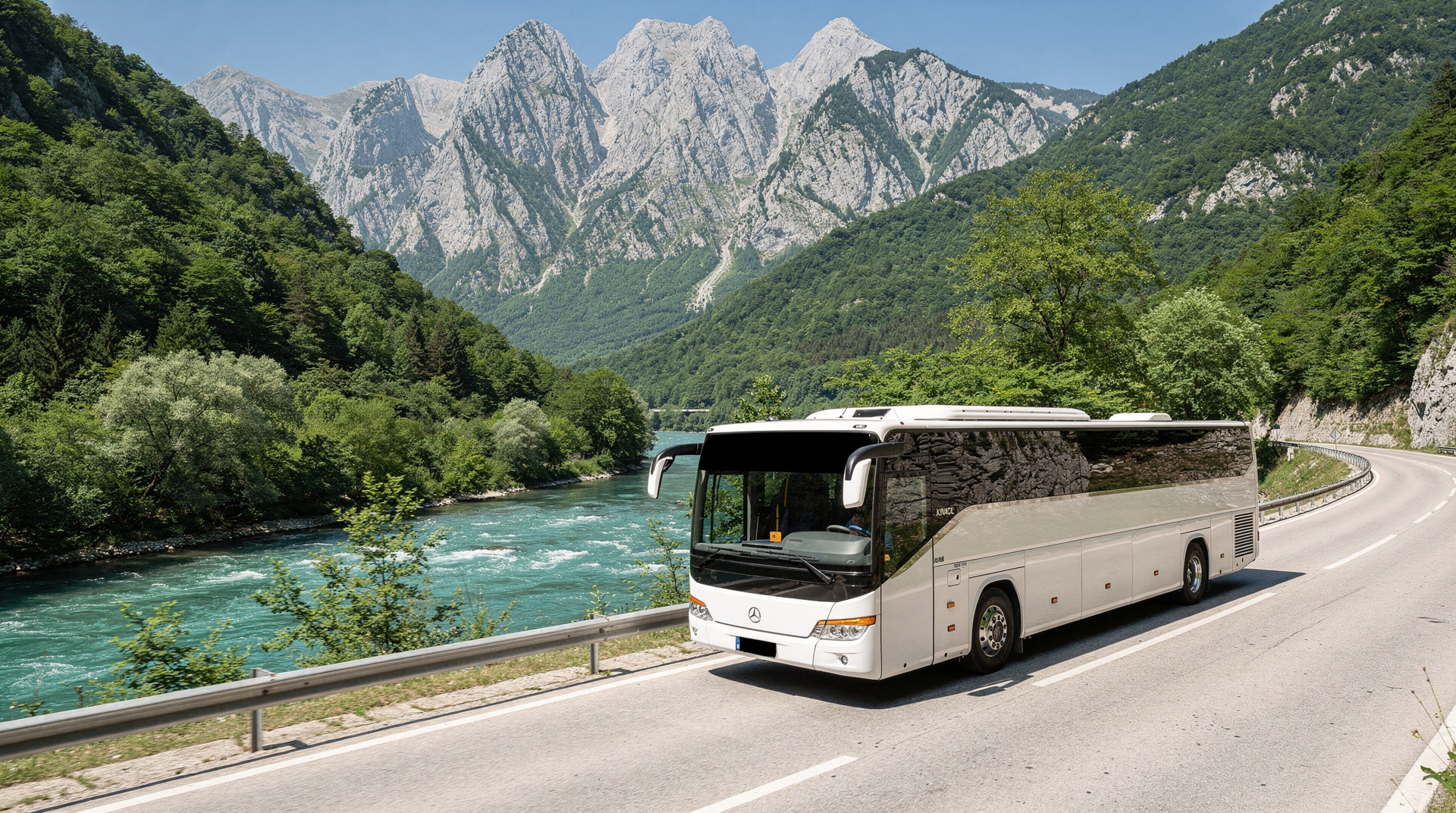
Buses: Bosnia has a functional intercity bus network. Sarajevo to Mostar costs about 16–18 BAM one-way (~90 minutes to 2.5 hours depending on service). Sarajevo to Jajce around 12–15 BAM. Schedules are available at the main bus terminals; no universal online booking — buy at the station or ask your accommodation.
Car rental: For anywhere off the main bus routes — Trebinje, Bihać, Sutjeska, Lukomir — a car is necessary. Rental prices are lower than Western Europe but not dramatically so. Budget 45–60 EUR/day for a small manual car from a local agency. Fuel is roughly 1.80–2.00 BAM per litre (below EU average). Roads are generally good on main routes, slower on mountain routes.
Within cities: Trams in Sarajevo cost 2.20 BAM per ride with a prepaid card. Taxis are metered and cheap — 10–15 BAM across the city centre. Bolt (ride-hailing) works in Sarajevo.
The buses in Bosnia guide and renting a car in Bosnia guide cover logistics in more detail.
Tours and entry fees
Some key entry costs:
- Tunnel of Hope Museum: approximately 20 BAM (entry only; add 25–35 EUR for a guided war tour)
- Tito’s Bunker (ARK D-0): approximately 25 BAM
- National Museum Sarajevo: 10 BAM
- War Childhood Museum: 10 BAM
- Kravice Falls: 20 BAM entry (included in most tour prices)
- Blagaj Tekija: fee paid at the door (check the current price)
Guided tours range from around 20–40 EUR for a city walking tour to 60–80 EUR for full-day tours. In a country this cheap, tours represent good value — a local guide adds context that independent exploration can’t fully replicate.
Two kinds of tour are worth pricing before you decide. If your route starts on the coast, a organised crossing such as a day trip to Mostar from Dubrovnik removes the need for a rental car and border logistics for that day. And if food is a priority, a Sarajevo food tour away from the main tourist street can replace a day of guessing at menus, while the war-history side of the country is covered by a day trip from Sarajevo to Srebrenica for those who want a guide rather than a bus timetable.
A realistic daily budget breakdown
Budget traveller (hostel dorm, self-catering breakfasts, cheap lunches and dinners): Accommodation: 20–25 BAM | Food: 20–30 BAM | Transport: 5–10 BAM | Activities: 10–15 BAM Total: 55–80 BAM per day (28–41 EUR)
Mid-range (guesthouse, two full restaurant meals, some tours): Accommodation: 70–90 BAM | Food: 40–55 BAM | Transport: 15–20 BAM | Activities: 20–30 BAM Total: 145–195 BAM per day (74–100 EUR)
Mid-range with car: Add roughly 60–80 BAM (31–41 EUR) per day for car hire and fuel.
These figures are for a solo traveller; couples sharing accommodation can reduce per-person costs significantly.
Where not to waste money
- Tourist restaurants on Ferhadija street in Sarajevo charge 30–40% more than one block away
- “Official” taxis outside the airport may quote unlicensed flat rates; use Bolt or ask your hotel to arrange transport
- Souvenir shops around Stari Most in Mostar price for first-time tourists; the shops in the back lanes are cheaper for the same items
- Guided tours are good value — but comparison of operators matters, as quality varies
The Bosnia scams guide has broader coverage of where to be careful.
The bottom line
Bosnia is genuine value: not budget-hack cheap but legitimately affordable in a way that means you can spend well and still spend far less than you would in Croatia, Slovenia, or Western Europe. The country rewards careful travel — going slightly off route, eating where locals eat, taking public buses, doing tours that actually need guides (war history, Tunnel, Tito’s Bunker) while doing the simpler things independently.
You don’t need a large budget for Bosnia. You need time.
How Bosnia compares to its neighbours
If you’re weighing Bosnia against a Croatia or Montenegro leg on the same trip, the gap is real. Coastal Croatia and Dubrovnik-adjacent towns like Kotor or Split run noticeably higher on accommodation and restaurant prices, especially in summer. The Bosnia vs Croatia guide breaks the comparison down category by category, and the Bosnia vs the Balkans post covers the wider region. Practically, this means a route like Dubrovnik to Sarajevo or Split to Sarajevo is worth structuring so the more expensive coastal nights are kept short and the Bosnian legs longer.
Stretching the budget further
A few extra levers beyond the daily breakdown above:
- Slow down. Fewer, longer stays cut per-day accommodation search time and let you use weekly guesthouse rates where they exist.
- Mix bus and car. Use buses for the Sarajevo–Mostar corridor (see the getting around Bosnia guide) and rent a car only for the days you need Trebinje, Lukomir, or the Una region — full-trip car hire adds up fast.
- Pick tours selectively. The Sarajevo war tour guide and Tito’s Bunker visit genuinely benefit from a guide’s context; a Baščaršija walk or Mostar old town visit does not need one.
- Plan around how many days in Bosnia before booking accommodation — an itinerary that’s too rushed forces more taxis and pricier convenience meals.
Where the savings come from on the ground
The biggest gains rarely come from skipping things; they come from small habits. Eat your biggest meal at a plain čevabdžinica or a bakery rather than a terrace with a view, and save the sit-down dinner for one evening you will remember. The ćevapi in Sarajevo guide, the burek and pita guide and the Bosnian food guide show what to order and where the local crowd goes. If you want a guided introduction rather than trial and error, the Sarajevo food tour guide explains what a tasting walk covers. For the drinks side, the Bosnian coffee culture guide and the rakija guide are useful before you order.
Sightseeing can also be stitched together cheaply. Much of Sarajevo is a walking city, and the Sarajevo public transport guide covers the cases where a tram makes sense. Day trips are where costs can creep up, so compare the best day trips from Sarajevo with the best day trips from Mostar and pick the ones that fit your days rather than ticking off everything. If you are heading out of town on foot, the best day hikes from Sarajevo cost little beyond the journey itself.
Planning a whole trip around a budget
Sequence matters as much as price. A compact route such as the Sarajevo and Mostar in 3 days itinerary keeps transport short, while the Bosnia 7-day itinerary leaves room for a smaller stop or two. If you plan to avoid renting a car altogether, the Bosnia by public transport itinerary shows how far buses can take you. Travellers who want trip-report context from other visitors will find it in the week in Bosnia trip report and the 2026 planning post, and anyone travelling alone should read the solo travel in Bosnia post, since shared rooms and shared rides are where a solo budget tends to stretch furthest. Finally, the best time to visit Bosnia is worth checking before you lock dates, because the season you pick shapes both demand and what is open.
Frequently asked questions about Bosnia on a budget — a real cost breakdown
Is Bosnia cheaper than Croatia and Montenegro? Yes, noticeably — accommodation, restaurant meals, and guided tours all tend to run lower in Bosnia than in coastal Croatia or Montenegro’s main towns, which is why many travellers structure trips with longer stays in Bosnia and shorter coastal add-ons.
Do I need cash in BAM, or can I get by on cards and euros? Carry BAM cash for buses, markets, and rural areas — cards work in most city hotels and restaurants, but euros are only accepted informally and usually at a worse rate than an ATM withdrawal.
Top experiences
Bookable activities with verified prices and instant confirmation on GetYourGuide.