Bosnia scams to avoid
Sarajevo: Old Town to Modern City Walking Tour
Are there common scams targeting tourists in Bosnia & Herzegovina?
Bosnia has very low levels of tourist-targeted scams compared to most European destinations. The main issues are taxi overcharging (no meter), unfair currency exchange rates, and occasionally inflated prices for tours booked on the street. All are easily avoided with basic awareness.
At a glance
| Risk level | Low compared to most European tourist destinations |
| Main issues | Taxi overcharging, currency exchange margins, street tour touts |
| Typical loss if caught out | Around 10-30 EUR per incident — rarely more |
| Where it happens most | Sarajevo and Mostar airports/bus stations, Baščaršija, Stari Most |
| Best defence | Pre-book transport and tours, always confirm the taxi meter |
Bosnia & Herzegovina is not a high-scam destination. Compared to major European tourism hubs — Istanbul, Prague, Rome, Barcelona — the frequency and severity of tourist-targeting scams is genuinely low. Bosnian culture places high value on hospitality (gostoprimstvo), and the vast majority of interactions with locals are warm and honest.
That said, every tourism economy generates a fringe that exploits unfamiliar visitors. Here is an honest, comprehensive guide to the situations worth knowing about — so you can navigate them calmly rather than defensively.
Taxi overcharging — the most common irritant
Taxis in Sarajevo, Mostar and Banja Luka are metered and, on the meter, very cheap by European standards. The scam is simple: drivers near airports, bus stations and tourist hubs sometimes do not activate the meter and quote a flat rate instead.
Typical examples:
- Sarajevo airport to city centre: fair metered fare ~12-18 BAM (6-9 EUR). Unlicensed flat quote: 30-50 EUR.
- Mostar bus station to old town: fair metered fare ~5-7 BAM. Street quote: 10-15 BAM.
- Sarajevo bus station to Baščaršija: fair metered fare ~8-12 BAM. Station tout quote: 15-25 BAM.
How to handle it: Always check that the meter is on when you get in. If a driver refuses, get out. Hailing licensed taxis from the street (yellow plates, company branding, visible meter) is generally safer than using taxis that approach you. In Sarajevo, Bolt (rideshare app) is available and priced fairly.
Currency exchange: getting a fair rate
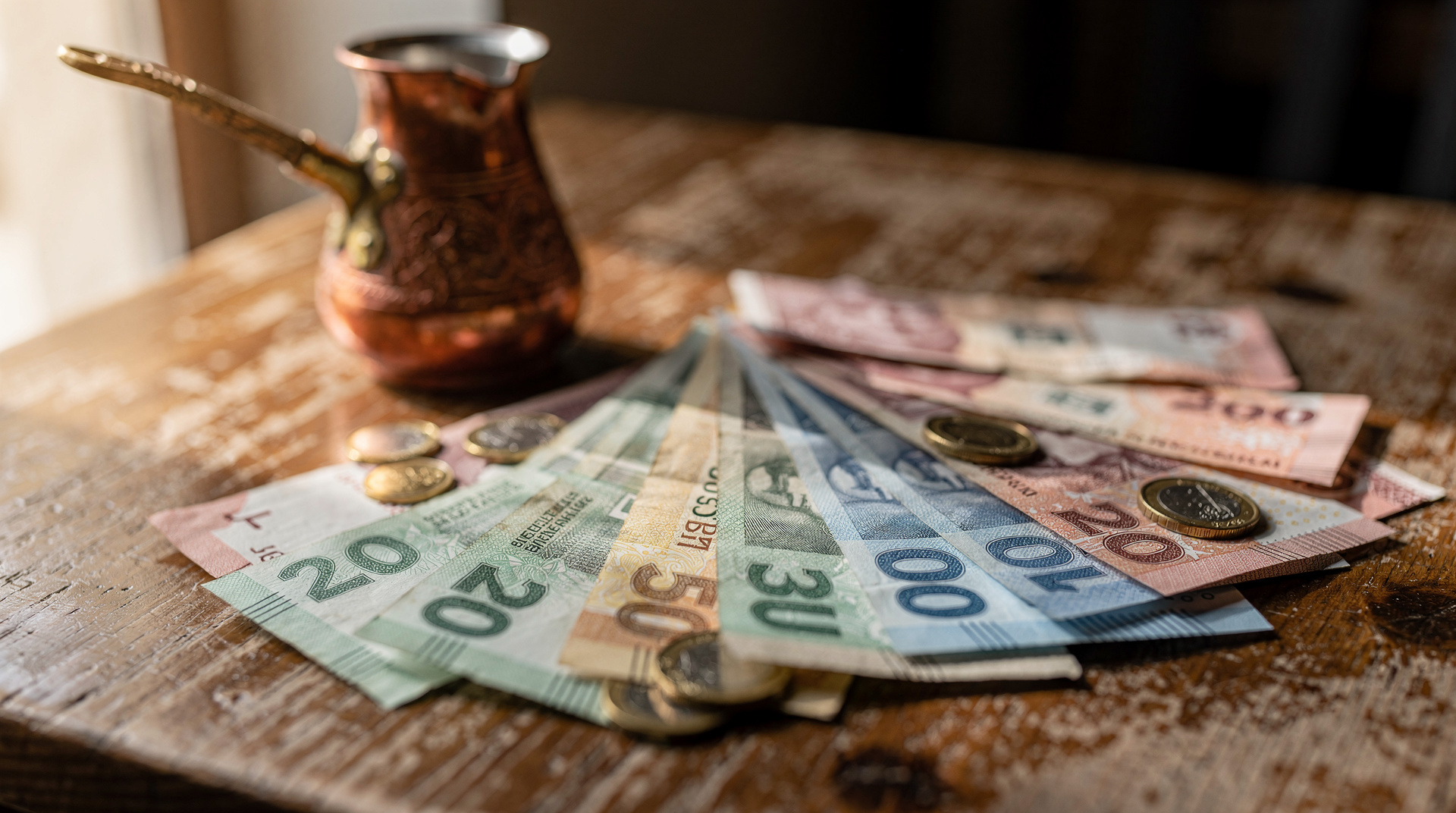
The Bosnian Convertible Mark (BAM/KM) is pegged to the euro at exactly 1 EUR = 1.95583 BAM. This rate never changes. Any exchange booth offering significantly more or less should be treated with caution.
Specific situations to watch:
- Hidden commissions: some booths advertise “0% commission” but apply a less favourable exchange rate that effectively builds in their margin. Check the actual amount you will receive before handing over money.
- Rounding errors: for small exchanges, rounding to the nearest unit should be in your favour, not the booth’s.
- Euros at tourist businesses: restaurants, hotels and shops in tourist areas sometimes accept euros — legally permissible — but apply an unfavourable rate (often 1:1.8 instead of 1:1.95). Always pay in BAM if you have it.
How to handle it: Use bank ATMs (bankomat) for the best rate. Raiffeisen, UniCredit and Intesa Sanpaolo have ATMs across Bosnia. Check your card’s foreign transaction fees. Carry some BAM for rural areas and small restaurants. For more detail, see the Bosnia money and currency guide.
Street tour touts: separating good from poor
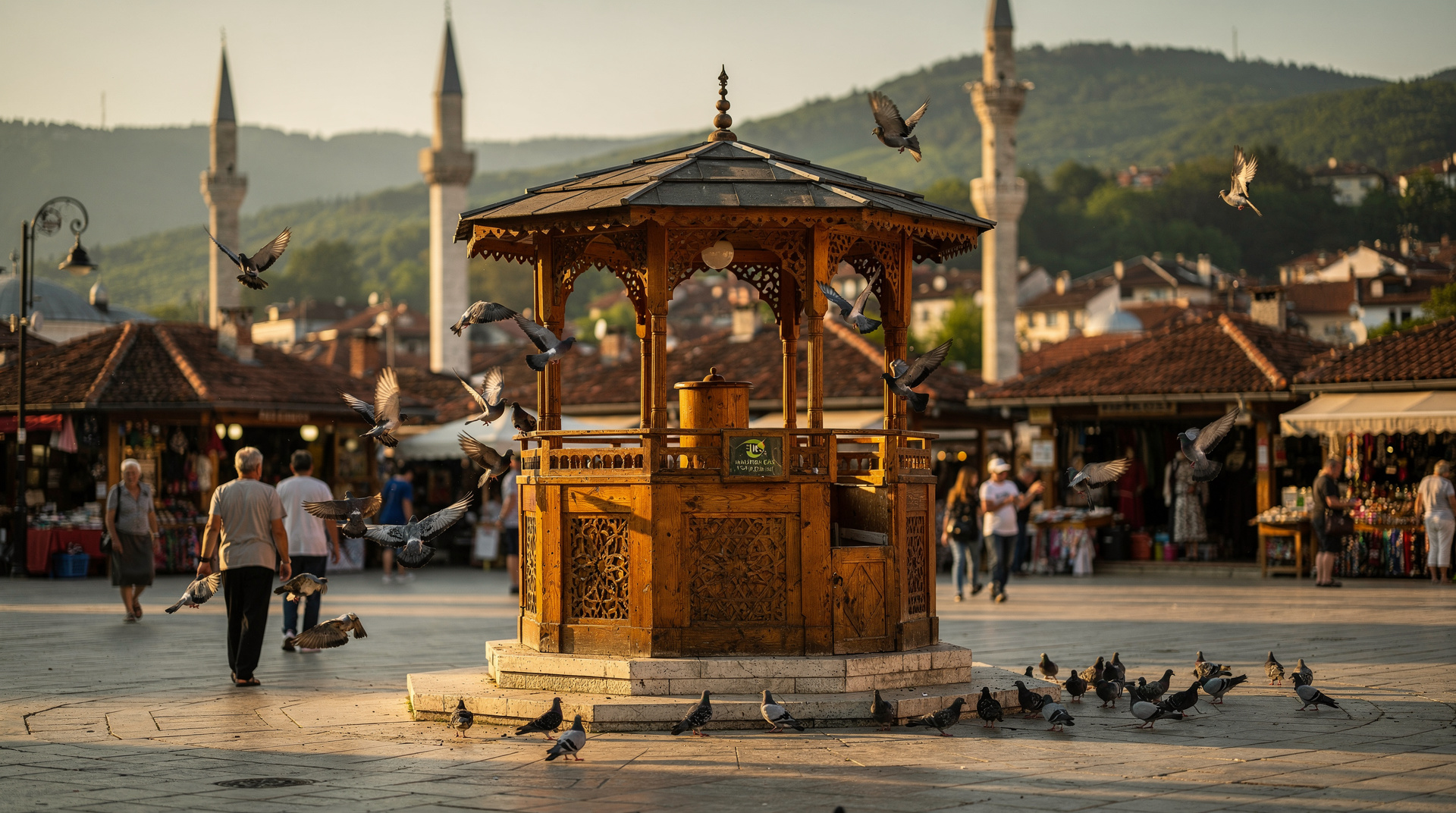
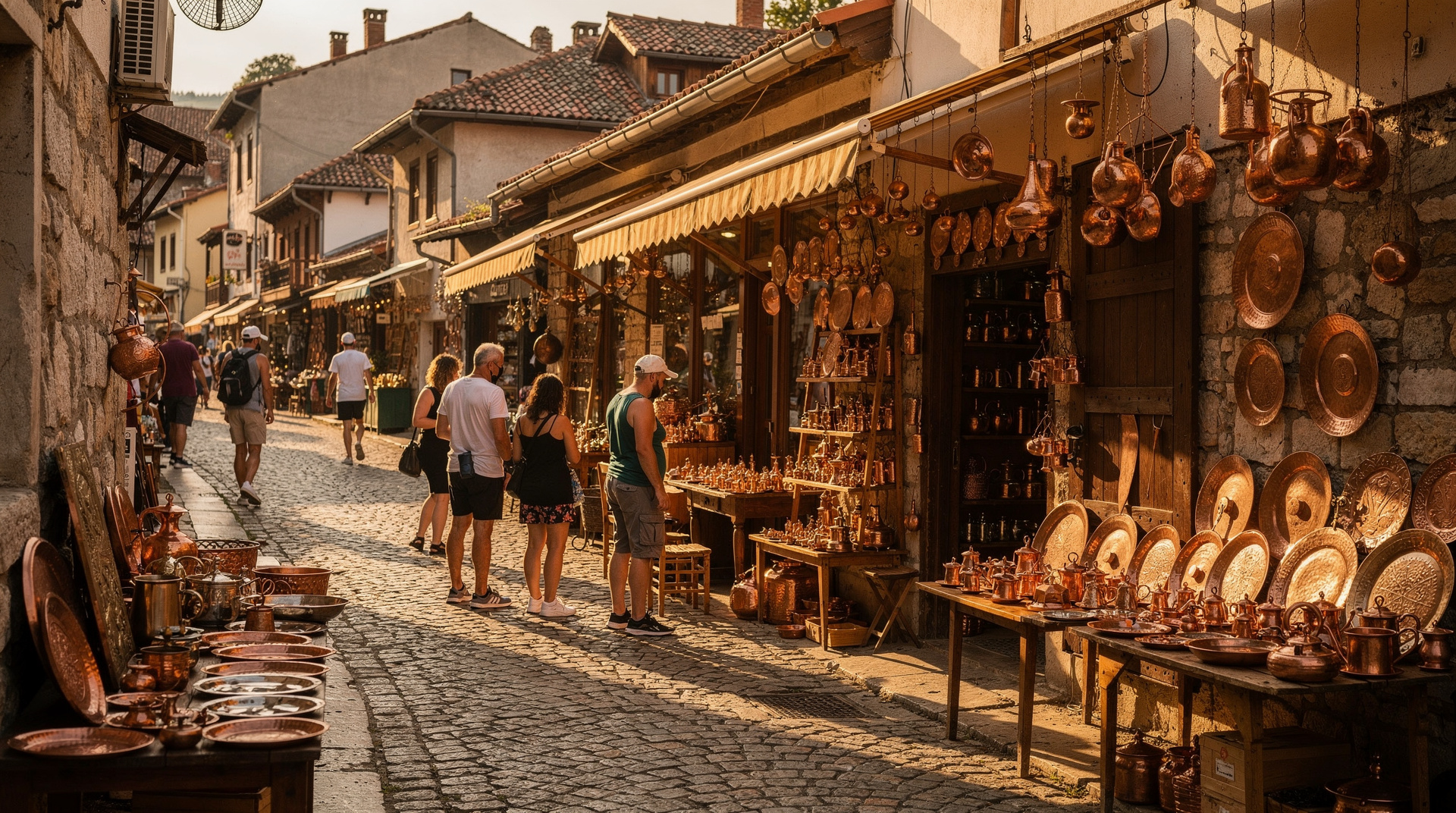
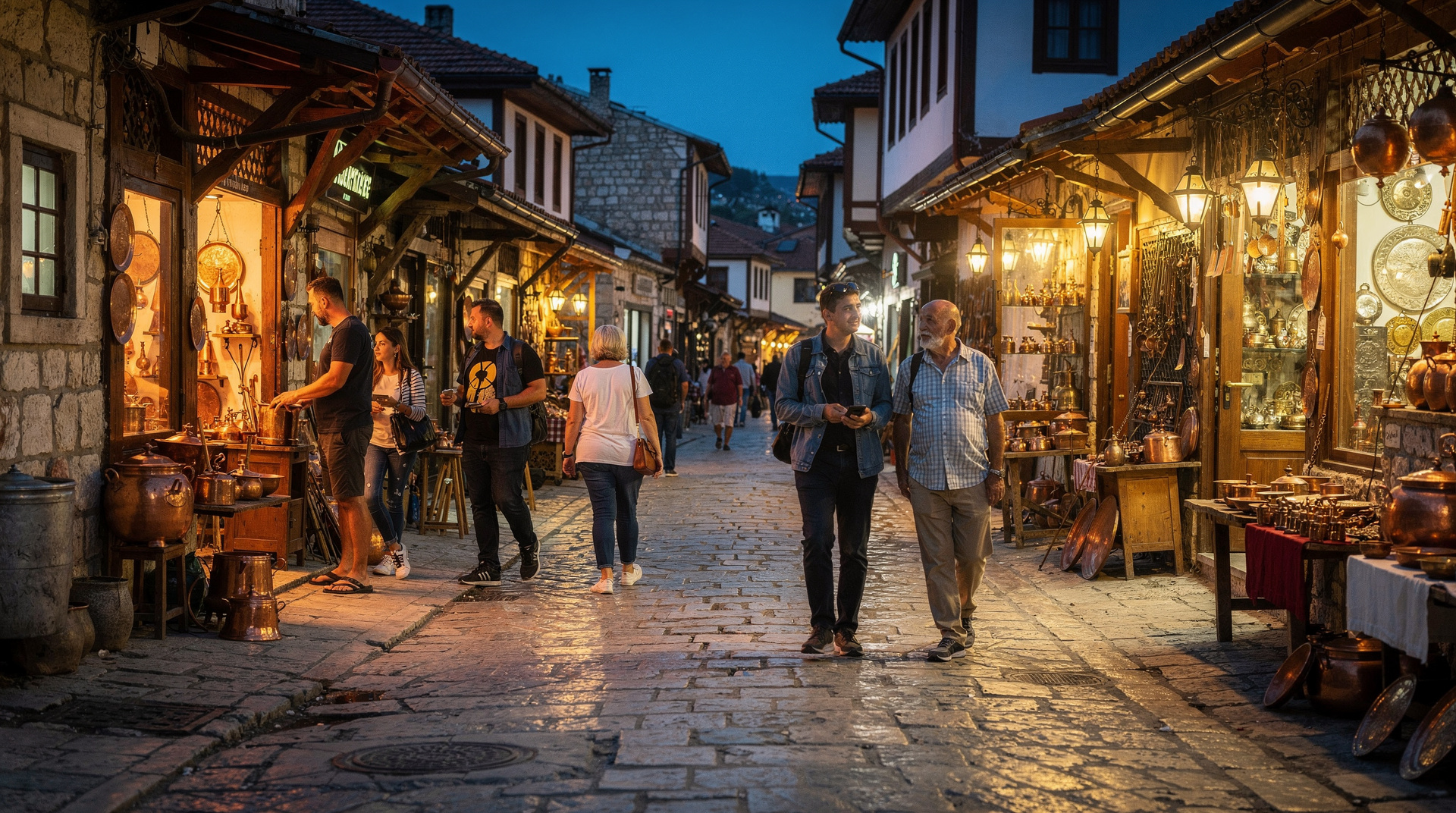
Walking tour touts cluster around Baščaršija in Sarajevo and Stari Most in Mostar, particularly in summer. Not all are bad — some are genuinely knowledgeable, passionate locals who run honest tours. The problem is you cannot tell from a pitch on the street.
Issues to watch for:
- Tours described as “3 hours” that end in 45-60 minutes
- Upward price revision at the end (“group discount only applies to 4+ people”)
- Promising war history depth but spending most time at shopping stops
How to handle it: Pre-book through a verified platform. This eliminates the uncertainty while keeping your money flowing to legitimate local operators. The Sarajevo war tour guide and Mostar tourist traps guide both include curated operator recommendations.
If you simply want an orientation without negotiating on the street, a walking tour of the old town with a local guide booked in advance gives you a fixed meeting point, a clear description of what is included and reviews from earlier travellers.
Accommodation: booking platforms vs. direct
Accommodation in Bosnia is generally priced fairly. However, a small number of guesthouses in tourist areas — particularly in old-town Mostar — quote one price for walk-ins and a higher price when they see luggage or realise the visitor has no local contacts. This is uncommon but worth knowing.
How to handle it: Book accommodation in advance via Booking.com, Airbnb or the property’s own website. Printed or screen-confirmed booking provides a clear reference point if any price dispute arises on check-in.
”Guided” Tunnel of Hope experiences
The Tunnel of Hope museum at Butmir is genuine and well worth visiting. Some private guides, however, charge significantly for driving you there (a simple 20-minute taxi ride) and providing minimal additional context during the visit, packaging it as an “exclusive experience.” The price can reach 40-60 EUR for something that costs 20 BAM to do independently plus a taxi.
How to handle it: Visit independently by taxi (agree the metered fare both ways, or ask the driver to wait) or book a reputable guided war tour that covers the tunnel alongside multiple meaningful historical stops. See the Sarajevo siege and tunnel guide.
Bridge diver tipping pressure in Mostar
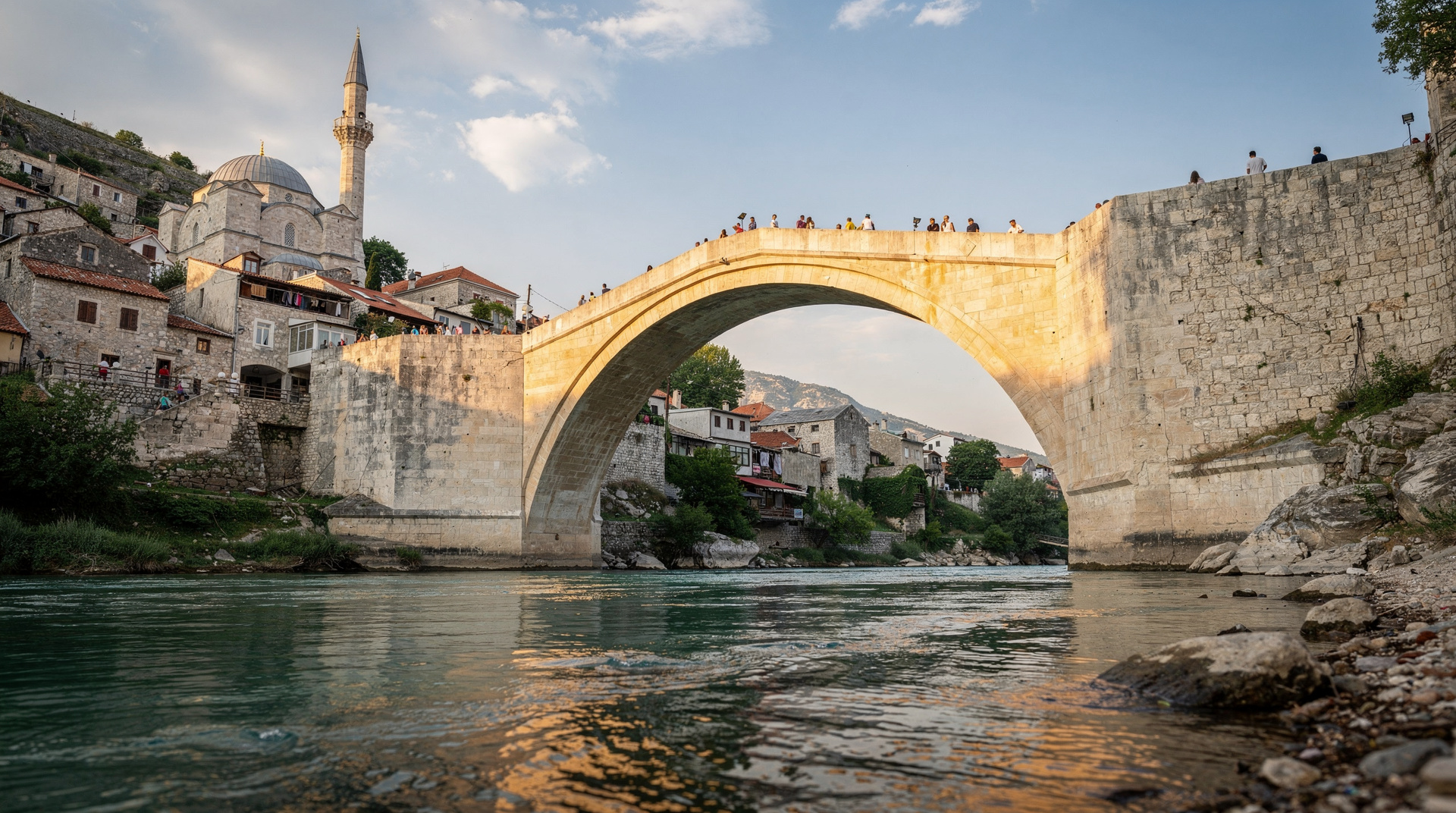
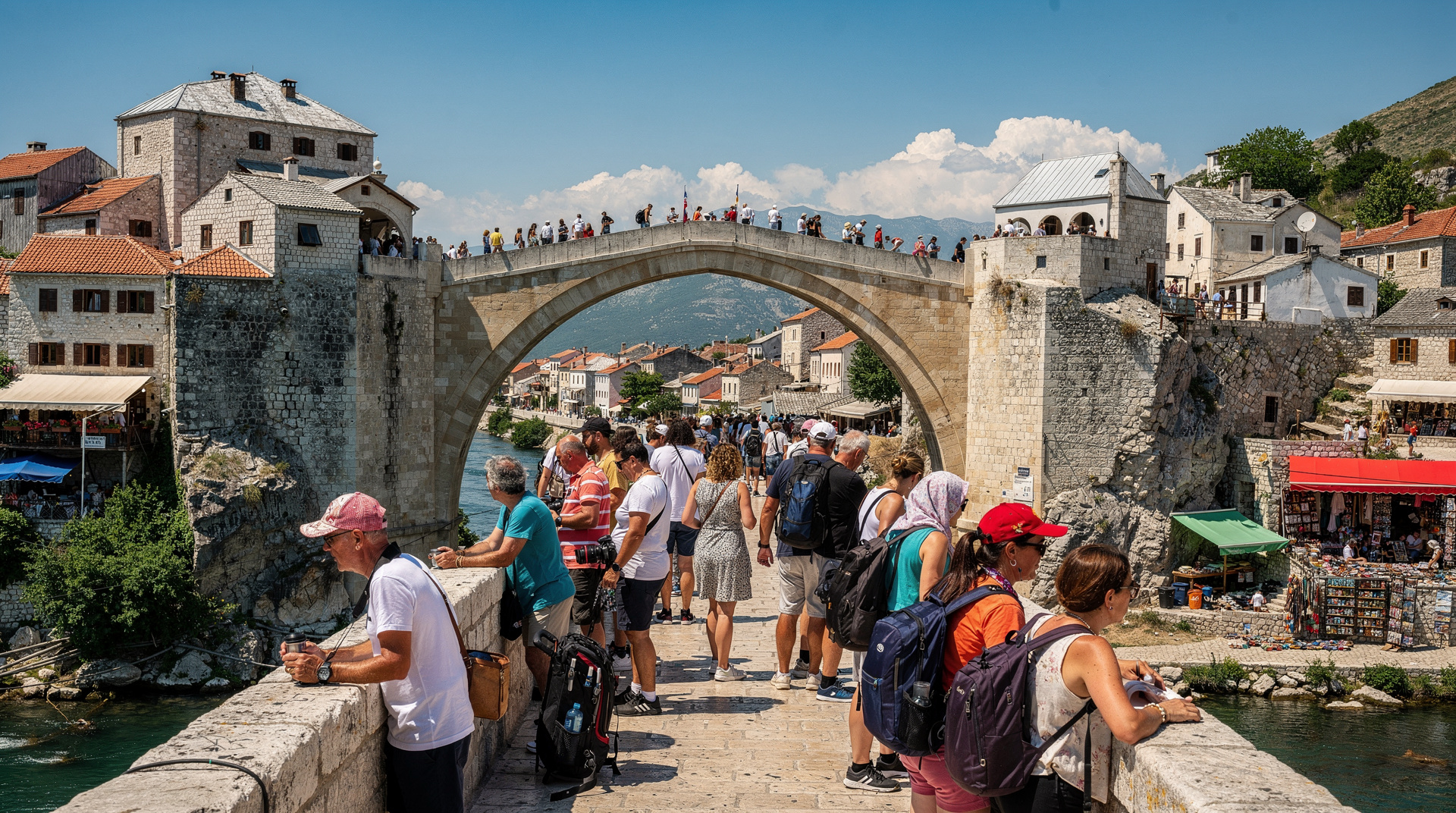
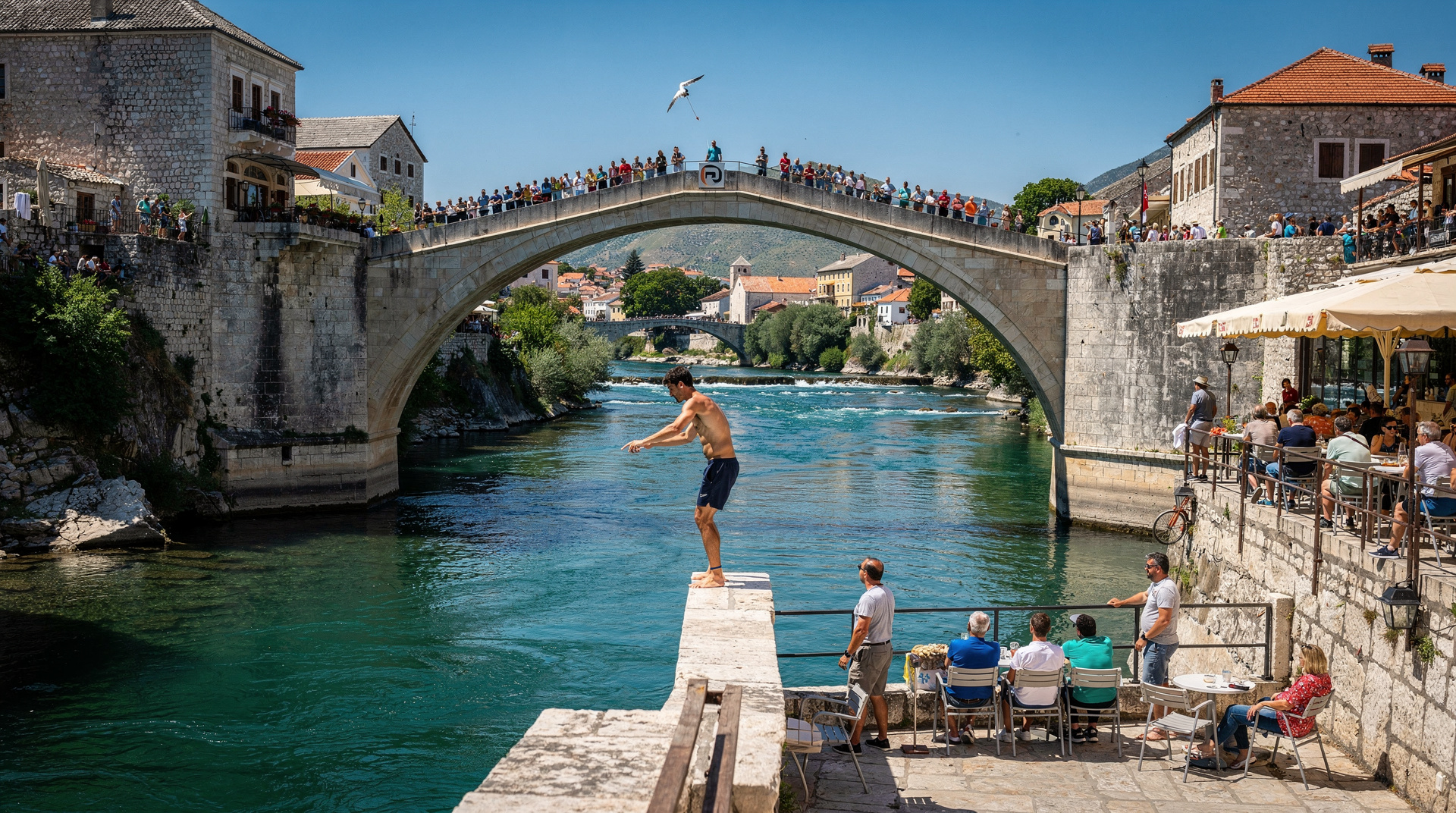
The bridge divers at Stari Most in Mostar operate on a tip-collection system. A diver announces he will jump once enough money has been pooled; an associate approaches every visitor to collect contributions. The social pressure can feel coercive, particularly when visitors do not understand what is happening.
How to handle it: A small tip (1-2 EUR) is entirely reasonable if you want to watch. Declining politely by shaking your head is also fine. The divers have been part of Mostar’s culture for centuries; the pressure-collection system is a more recent commercial overlay. See the bridge divers honest guide for full context.
Landmines: the most serious safety issue
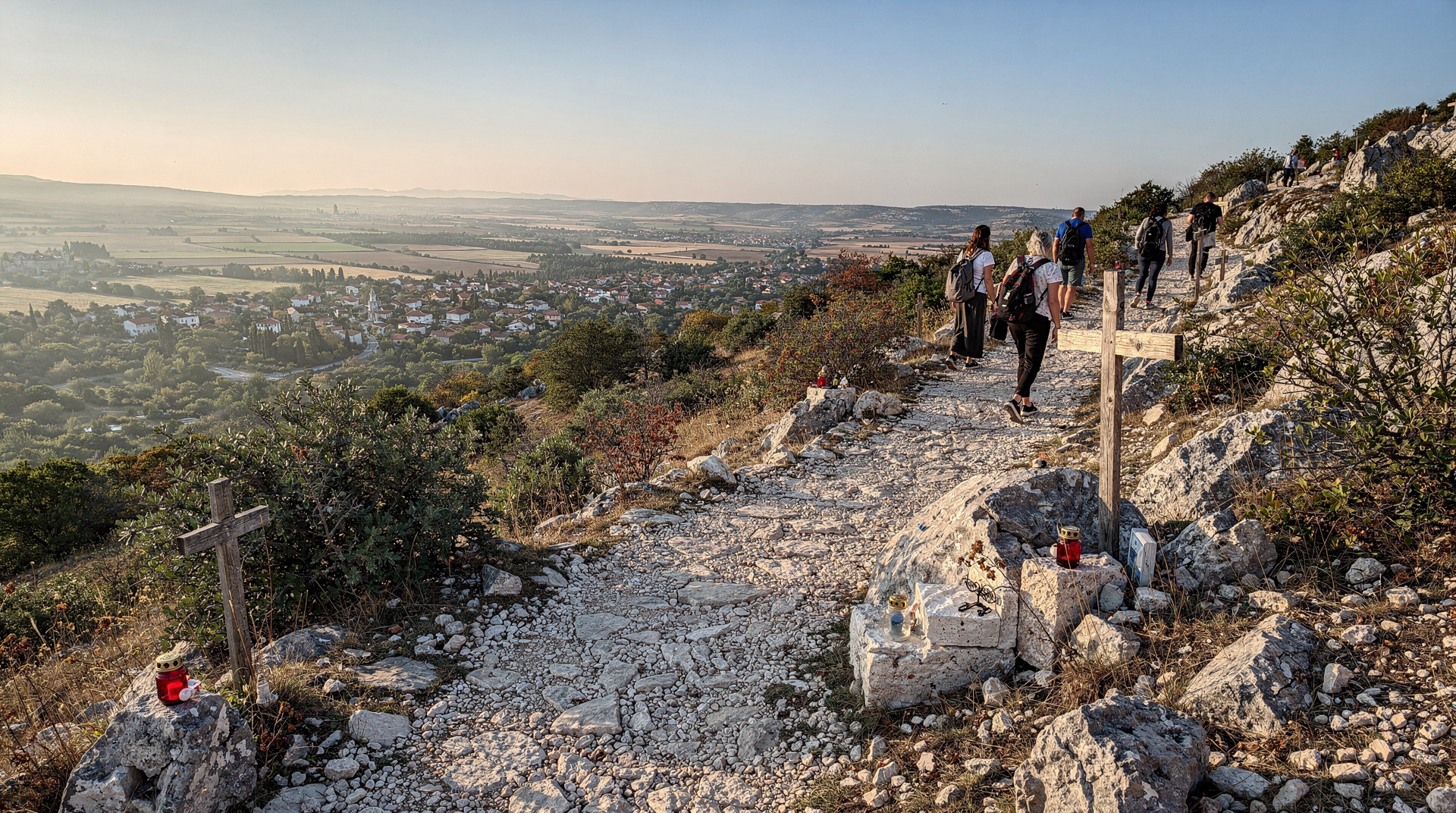
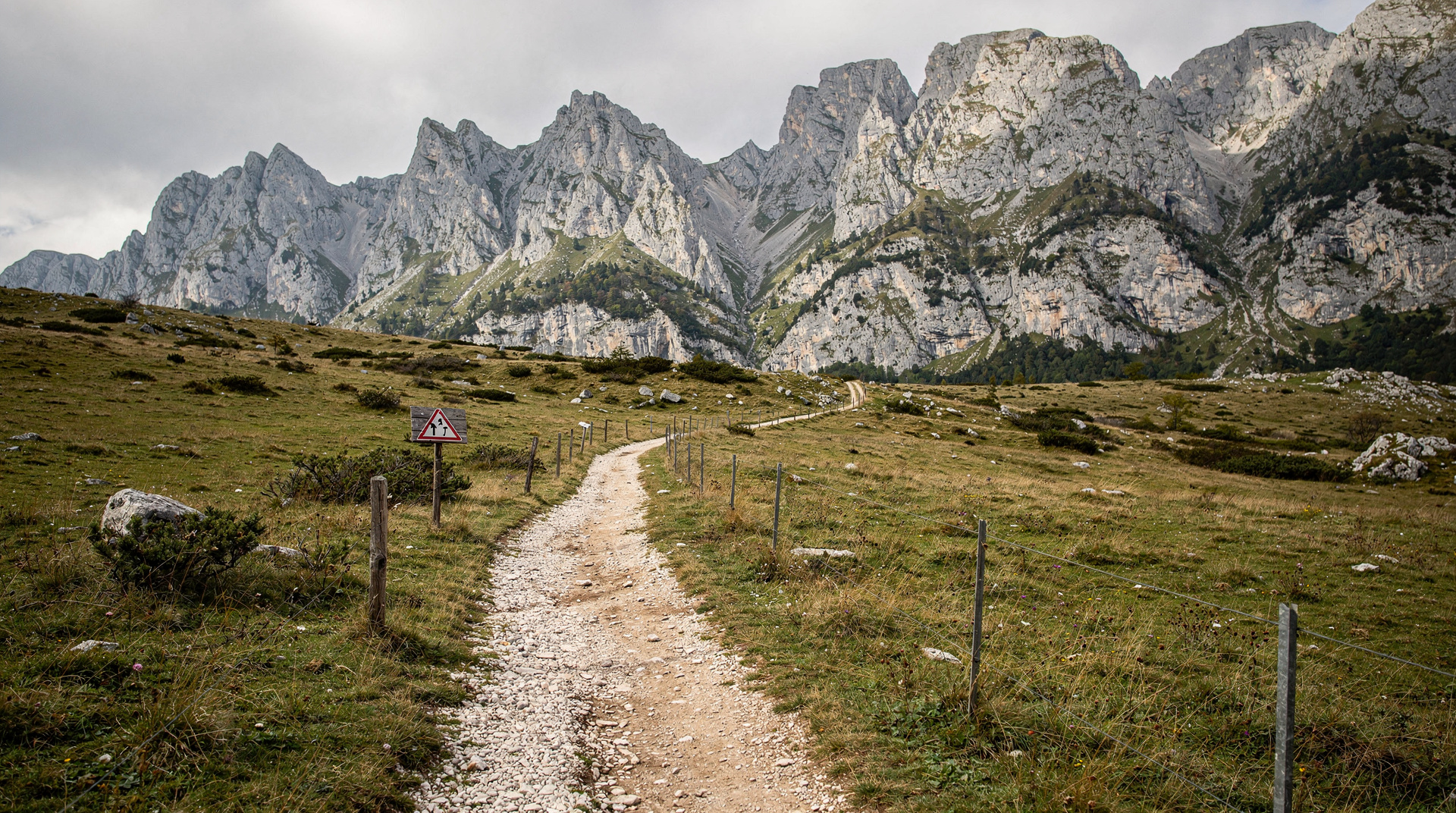
The most important safety awareness for Bosnia is not a scam but a genuine physical hazard: unexploded landmines remain in parts of rural and mountain Bosnia, a legacy of the 1992-1995 war. They are not present in cities or along well-maintained tourist routes, but they are a real risk if you venture off marked paths in rural, forested or highland areas.
How to handle it: Stay on marked trails and roads at all times when outside cities. Do not enter abandoned buildings in rural areas. Look for and respect “MINE” warning signs (typically red triangles). See the landmine safety guide for the full picture — this is essential reading before any hiking or mountain excursion in Bosnia.
A realistic perspective
Bosnia receives around 1.5 million international tourists per year — a fraction of neighbouring Croatia. The tourist infrastructure is still maturing, which means less slick marketing, fewer tourist traps, and more genuine human encounters than you find in heavily saturated destinations. Most visitors leave commenting on how friendly and honest they found Bosnians to be.
The situations described above affect a minority of visitors. They are worth knowing about — and now you do. For city-specific trap guides, see Sarajevo tourist traps and Mostar tourist traps.
SIM cards, ATMs and other minor traps
A few smaller situations catch first-time visitors off guard, none of them dangerous:
- Dynamic currency conversion at ATMs: when withdrawing cash, the ATM may ask if you want to be charged in your home currency instead of BAM. Always choose BAM — the “convert now” option applies a poor exchange rate on top of your bank’s own fee.
- SIM card overselling: kiosks at Sarajevo airport sometimes push a more expensive tourist SIM than necessary. A basic prepaid SIM from BH Telecom or m:tel in town covers most short trips for a fraction of the airport price.
- “Guide” approaches at Sarajevo’s Latin Bridge: informal guides sometimes offer unsolicited history explanations at the assassination site and expect a tip. Polite decline is completely acceptable — the Franz Ferdinand assassination guide covers the full story for free.
Reporting a problem
If you feel you have been significantly overcharged or mistreated, Bosnian tourism authorities and most accommodation hosts are genuinely responsive. Note the taxi’s plate number or the vendor’s name, mention it to your host or hotel, and — for anything serious — contact the tourist police line available in Sarajevo. In practice, most disputes are resolved on the spot by simply and calmly declining to pay an unagreed price.
Arriving without friction: transport habits that protect you
Most of the situations on this page start in the first hour after you arrive, when you are tired, carrying luggage and unsure of local prices. A little preparation before landing or stepping off the bus changes the whole dynamic. Read the Sarajevo airport guide before you fly in, so you already know your options for getting into town, and keep the Sarajevo public transport guide handy for the days after.
For longer hops between cities, the buses in Bosnia guide and the Sarajevo to Mostar transport guide explain how the official services work, which makes it easy to spot someone offering an “express private transfer” that is really just an overpriced lift. If you would rather have full control, the getting around Bosnia guide compares your options side by side.
Confidence is your best protection. Walk past anyone who approaches you inside the arrivals hall, head to the official taxi rank or your pre-arranged pickup, and never feel obliged to explain yourself. A calm “no, thank you” is understood everywhere.
Driving and renting a car
Visitors who hire a car are rarely targeted by scams, but a few habits keep small problems from growing. Photograph the vehicle on pickup, keep every piece of paperwork, and ask exactly what the insurance covers before you sign. The renting a car in Bosnia guide walks through the questions worth asking, and the driving in Bosnia guide covers road conditions and local driving habits.
If you are coming from Croatia, the driving from Croatia to Bosnia guide explains the paperwork at the border, and the Neum corridor crossing guide shows how to handle the short stretch of Bosnian coast without confusion. Being prepared at a border crossing is the simplest way to avoid anyone offering to “help” with documents for a fee.
If you are ever stopped and asked to pay on the spot for something you do not understand, stay polite, ask for an official receipt and note the details. Genuine fines come with paperwork.
Food, drink and restaurant bills
Restaurant bills in Bosnia are honest far more often than not, and most owners are proud of their hospitality. The one habit worth keeping is to check the menu prices before you order, particularly in the busiest stretches of Baščaršija and around the old bridge in Mostar, where a seat with a view can cost more than a side street a few steps away.
Ask whether a starter placed on your table unprompted is complimentary or charged. Bread and small extras are sometimes added to the bill, and it is perfectly normal to ask. If you want to eat well without second-guessing, the best restaurants in Sarajevo and best restaurants in Mostar lists are a reliable starting point, and the Bosnian food guide helps you recognise the classics so you know what a fair order looks like.
Coffee culture deserves a mention too: the Bosnian coffee culture guide explains the ritual, so you will not mistake a long, unhurried service for a trap. Nobody is rushing you out; lingering is the point.
Booking tours and day trips safely
Day trips are where a little research pays off most. Whether you are heading out from Sarajevo or Mostar, compare what is included, check the pickup point and read recent reviews. The best day trips from Sarajevo and best day trips from Mostar guides describe what a good outing looks like, so a vague street pitch stands out immediately.
Crossing the border for a day trip is common, and the Mostar from Dubrovnik guide and Mostar from Split guide explain what to expect from organised excursions. For anything involving water or mountains, see the rafting in Bosnia guide and the hiking in Bosnia guide, and choose an operator who is clearly licensed and insured. Safety equipment is not the place to save money.
If you are based on the Croatian coast, an organised day trip from Dubrovnik to Mostar removes the question of unofficial drivers and border paperwork. Travellers starting in Sarajevo can look at a guided tour of Mostar and Herzegovina from Sarajevo, where pickup, route and inclusions are written down before you pay.
Spotting the pattern behind most tricks
Almost every incident described on this page follows the same shape: an unsolicited offer, a vague price, and a little time pressure. When all three appear together, slow down. Ask for the price in writing or on a phone screen, take a moment, and compare with what you have read here. Legitimate businesses are comfortable with questions; those who bristle at them are telling you something.
It also helps to keep your expectations of the whole country in proportion. The is Bosnia safe guide puts the real risks in context, and the Bosnia on a budget guide shows how to spend sensibly without feeling like a target. Finally, the avoiding crowds guide points out that quieter times and quieter streets also mean fewer opportunists.
Frequently asked questions about Bosnia scams to avoid
Is Bosnia safe for tourists from a crime perspective?
What is the currency exchange scam in Bosnia?
How do I avoid overcharging by taxi drivers in Bosnia?
Are free walking tours in Sarajevo actually free?
Are organised GYG tours safe and reliable in Bosnia?
Top experiences
Bookable activities with verified prices and instant confirmation on GetYourGuide.