Bosnia 14-day grand tour
Sarajevo: Old Town to Modern City Walking Tour
Two weeks is the minimum to do Bosnia & Herzegovina justice — to venture beyond the Sarajevo–Mostar express and spend real time in the country’s forgotten northwest, the dramatic east and the wine-soaked deep south. This grand tour covers all six regions, roughly 1,600 km of driving, and finishes with an optional ferry or flight from Trebinje or Dubrovnik.
| At a glance | |
|---|---|
| Regions covered | Sarajevo, central Bosnia, Krajina (Banja Luka, Bihać), the east, Sutjeska, Herzegovina |
| Time needed | 14 days, roughly 1,600 km of driving |
| Getting around | Rental car essential — public transport cannot cover this route in two weeks |
| Cost | Mid-range, around 70–110 EUR/day per person |
| Best time | May–June or September–October; avoid deep winter on the mountain passes |
Days 1–3: Sarajevo — history, food and mountain air
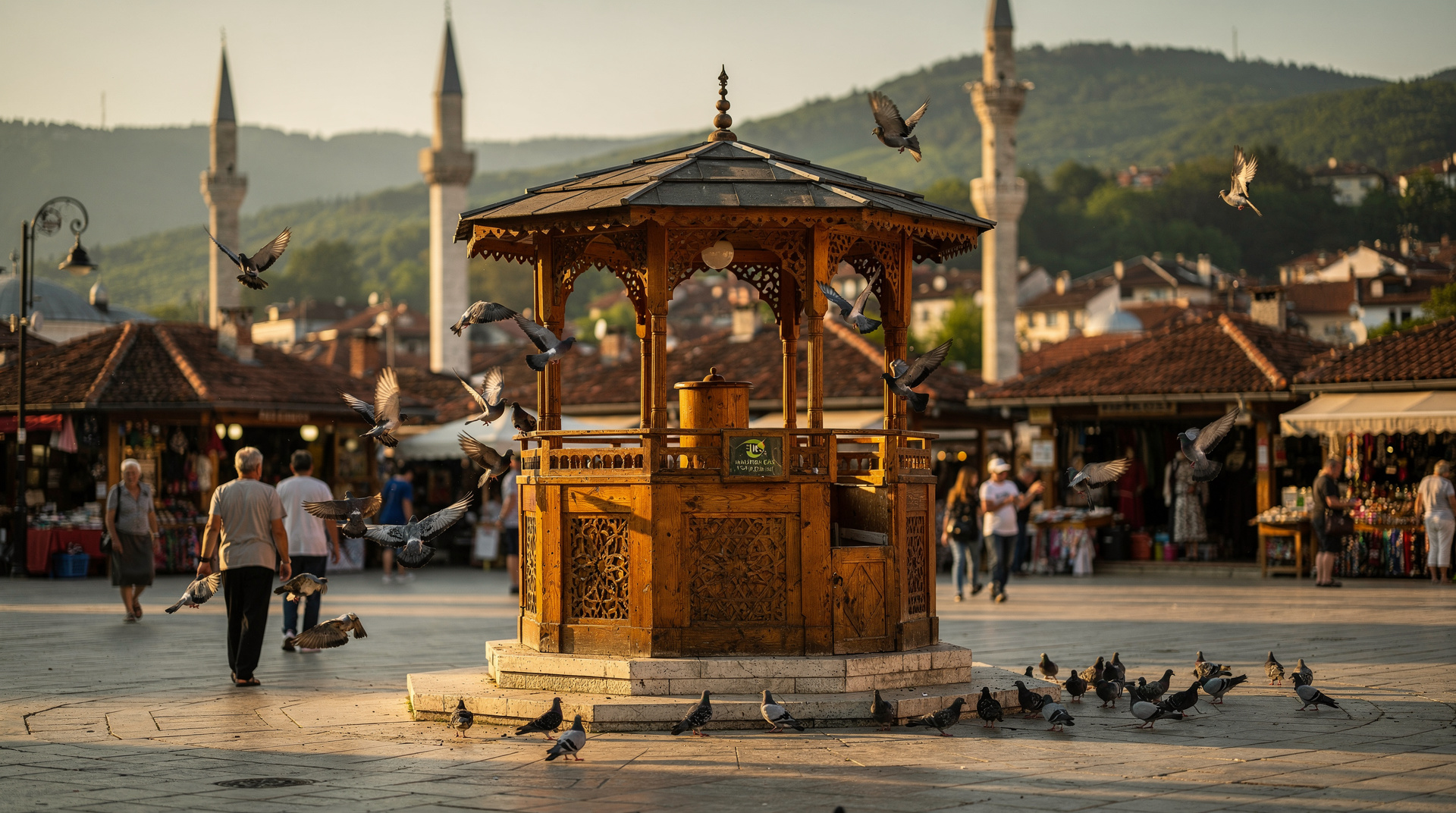
Three days in Sarajevo let you peel back its extraordinary layers. Day one is the Ottoman quarter: Baščaršija, the Gazi Husrev-beg Mosque, the Bezistan covered market and a Bosnian coffee ceremony in one of the wooden-fronted kafanas. Take an evening Old Town walking tour to understand the palimpsest of four empires compressed into a handful of streets.
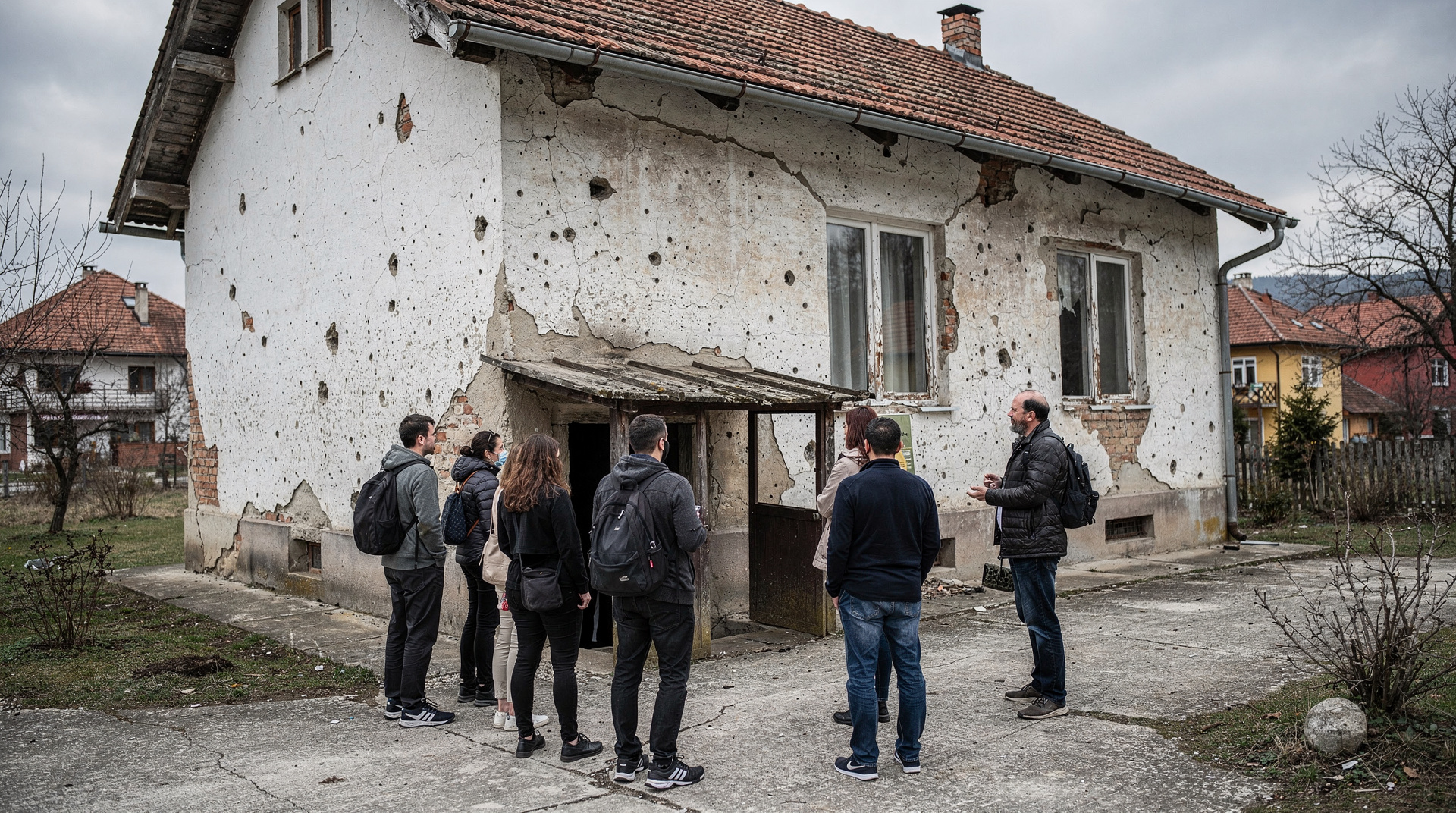
Day two: war history. The Tunnel of Hope Museum in Butmir, Sniper Alley, the hilltop Jewish Cemetery — the largest in Europe after Salonika — and the War Childhood Museum in the New Town. This is not light tourism; it is educational. The Bosnian War and Fall of Yugoslavia tour offers one of the most lucid guides to these events.
Day three: the mountains around Sarajevo. The Trebević cable car deposits you on a ridge above the city with views to the snow-capped Bjelašnica range; bobsled track from the 1984 Winter Olympics slowly returns to forest. Alternatively, book a half-day hike to Lukomir, Bosnia’s highest inhabited village at 1,469 metres, accessible from late May to October.
Days 4–5: Central Bosnia — Travnik and Jajce
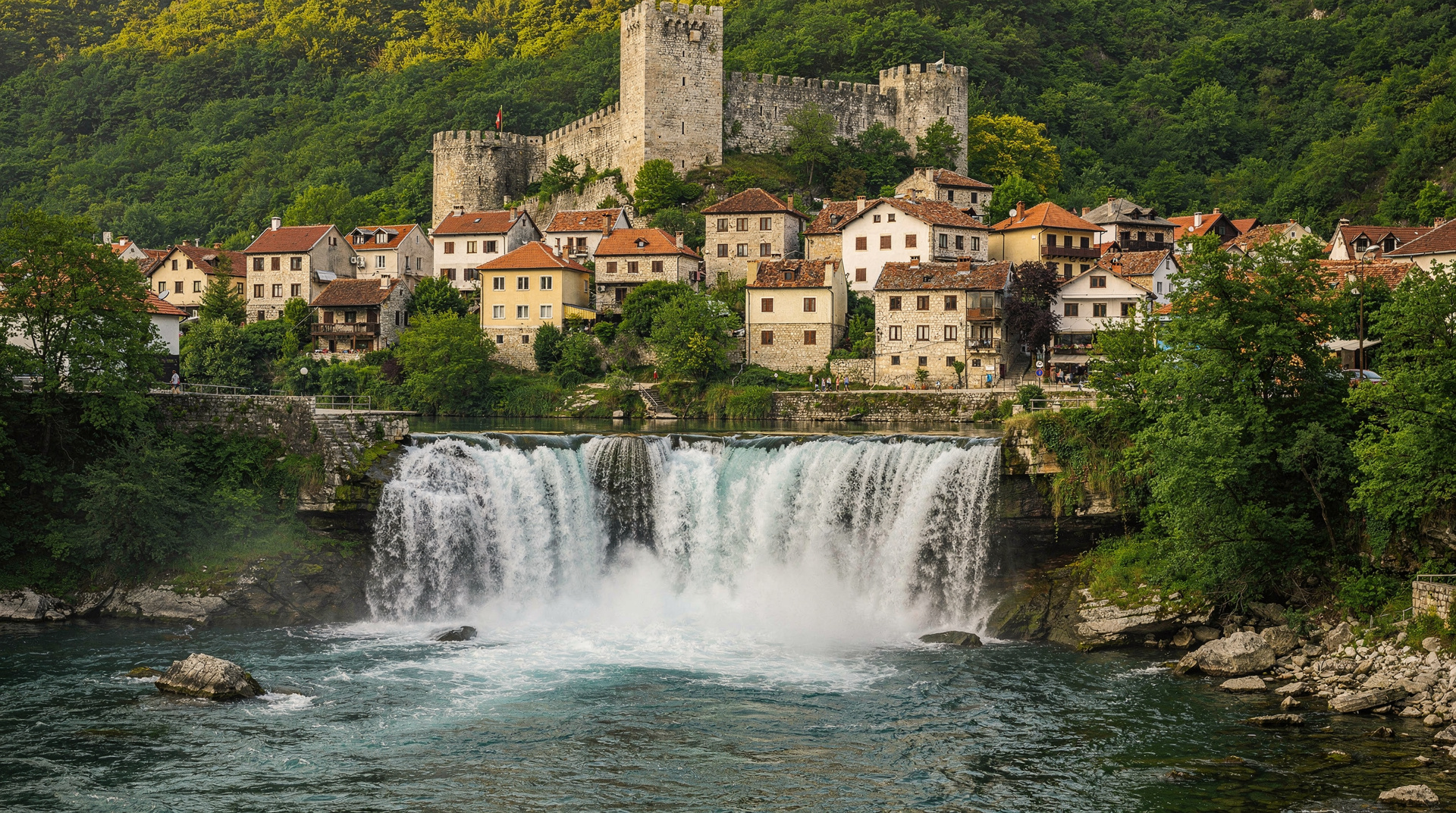
Drive 90 km north-west to Travnik (~1 h 20 min), walled Ottoman city and birthplace of Ivo Andrić. The colourful clock tower, the Many-coloured Mosque and the fortress above town deserve two hours. Continue 40 km to Jajce: the royal capital of medieval Bosnia, where the last Bosnian king was crowned and where, in 1943, Tito’s AVNOJ assembly proclaimed socialist Yugoslavia. The in-town Pliva waterfall and the nearby watermills on the Pliva Lakes are the photogenic highlights.
The Jajce, Travnik and Pliva tour covers both towns in a long day if you prefer not to self-drive. Overnight in Jajce; budget guesthouses from 75 BAM (~38 EUR) per double.
Day 6: Jajce to Banja Luka — the Republika Srpska capital
Two hours north-west brings you to Banja Luka, Bosnia’s second city and capital of Republika Srpska. Much of it was destroyed in the 1969 earthquake and rebuilt brutally, but the riverside promenade (Kej) flanked by the Ottoman Ferhat Pasha Mosque is genuinely attractive. The Kastel fortress on the Vrbas river bend dates to Roman times. The city is livelier than its reputation suggests: good restaurants, a thriving café culture and a student population give it an energy missing from the tourist trail.
Days 7–8: Bihać and Una National Park
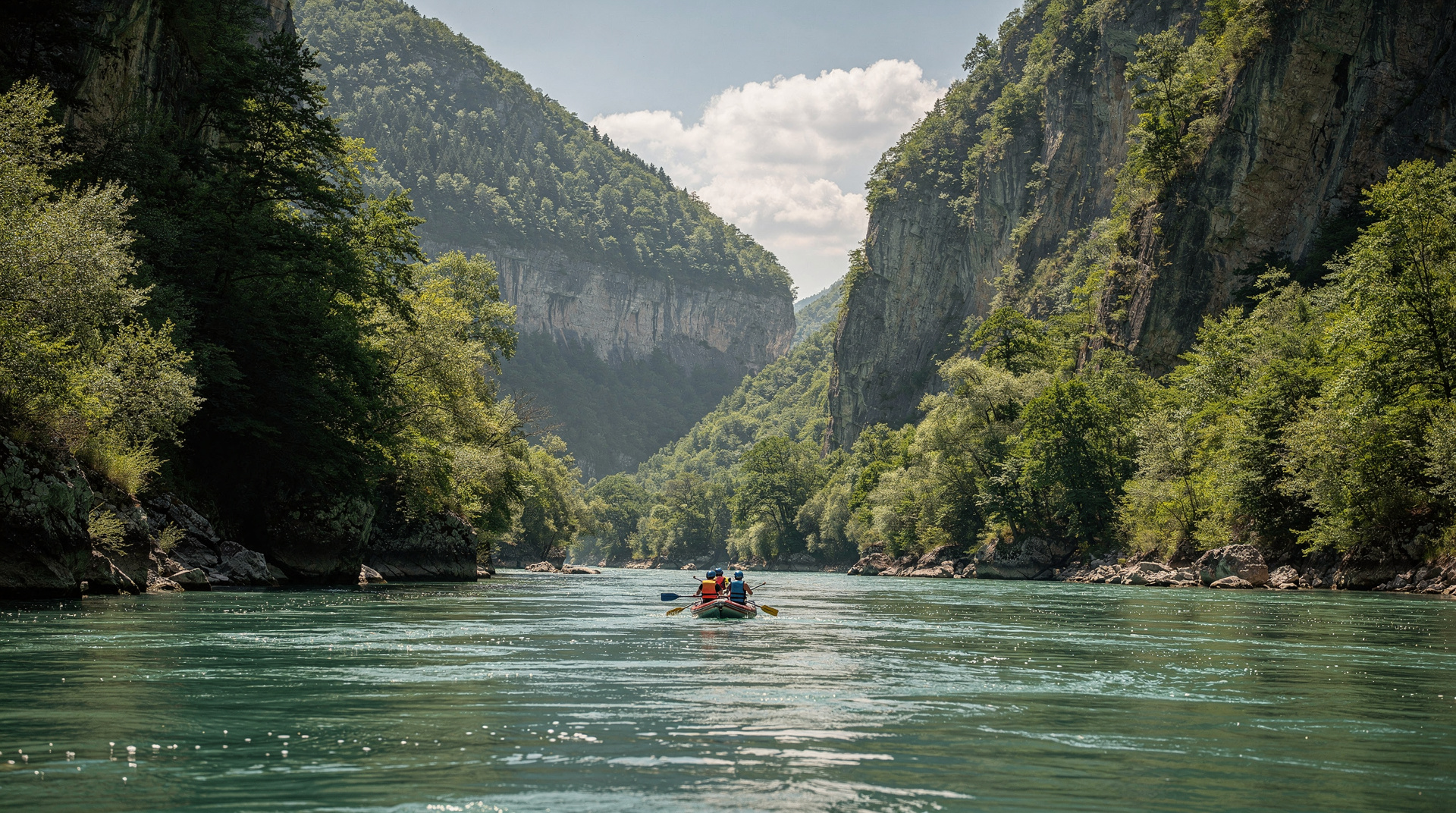
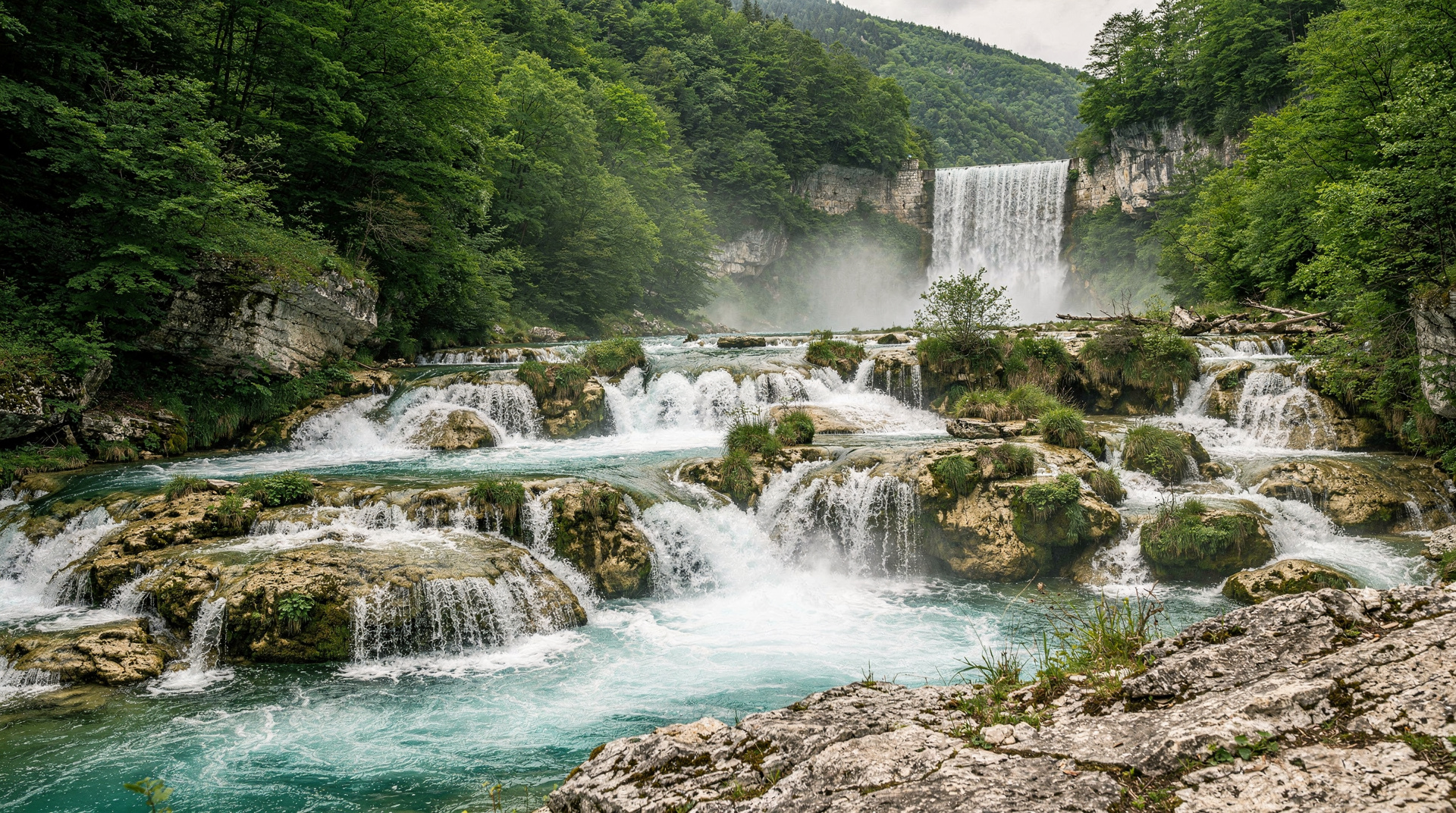
From Banja Luka it is 1 h 40 min south-west to Bihać. The Una river around Bihać is arguably the most beautiful in the Balkans — a sequence of turquoise channels, travertine cascades and forested gorges. Una National Park contains Štrbački Buk, a 25-metre travertine waterfall on the Croatian–Bosnian border that is quieter and more spectacular than Kravice. Rafting is the centrepiece activity: the Una National Park guided rafting adventure takes you through the park’s best whitewater from April to October.
Day eight can be extended with kayaking or stand-up paddleboarding on the calmer lower Una, or a day trip to Kulen Vakuf village for its medieval tower.
Border note: Una NP straddles Bosnia and Croatia. Carry your passport even for day hikes near the river.
Day 9: Bihać to Sarajevo — the long way round
This is a full driving day: 260 km and about 4 hours via Ključ, Jajce and the Neretva valley. Break at the Ključ fortress if time allows. Alternatively, if you have already overnighted in Jajce, cut the distance by returning via Travnik and the M5.
Day 10: Sarajevo to Višegrad
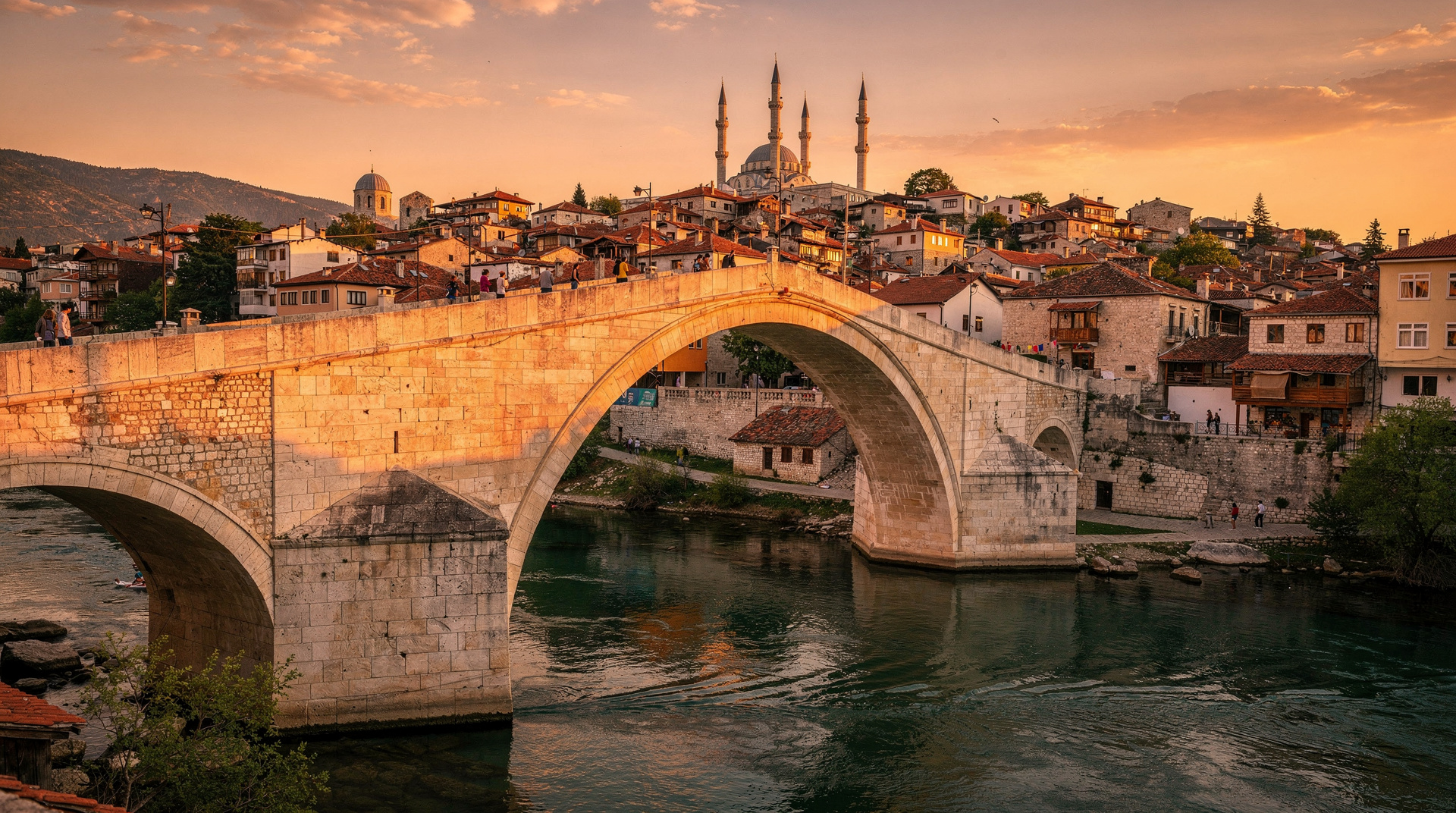
Head east into Višegrad (2 h 30 min on the M20). The Ottoman bridge over the Drina, designed by Mimar Sinan in the 1570s, is the UNESCO centrepiece of a town that has had a complicated post-war history. Andrićgrad — the faux-historical town built on an island in the Drina — is divisive but interesting. The nearby Šargan Eight narrow-gauge railway across the border in Serbia is a popular excursion if you have a day to spare.
Day 11: Sutjeska National Park — Bosnia’s wild heart
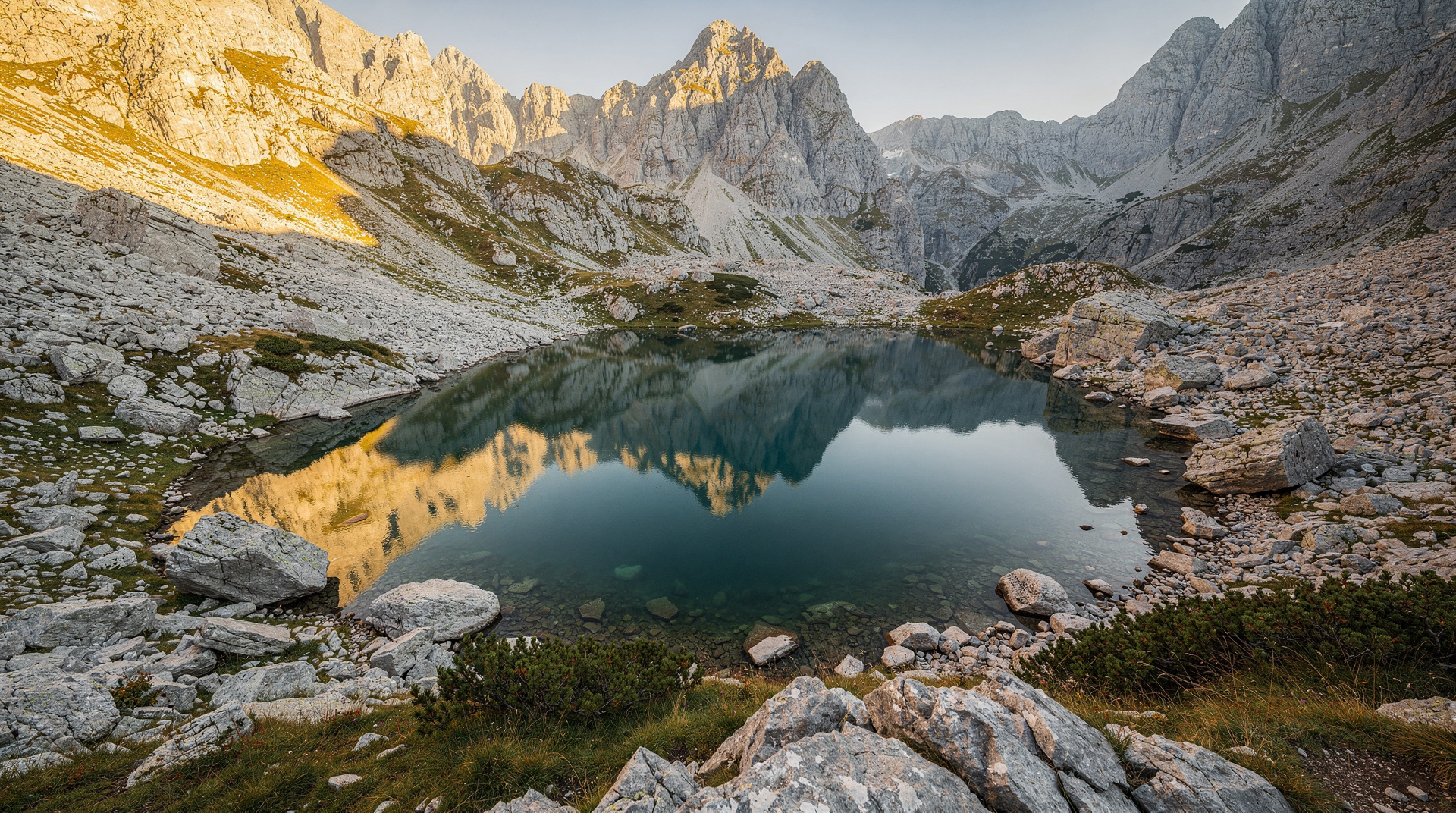
Drive south from Višegrad through Foča (1 h 45 min) to the Tjentište valley in Sutjeska National Park. Sutjeska is home to Perućica, one of only two surviving primeval forests in Europe — old-growth beech, hornbeam and silver fir that have never been commercially felled. The WWII memorial complex at Tjentište commemorates a 1943 partisan battle; the sculptural centrepiece by Miodrag Živković is one of the finest examples of Yugoslav memorial architecture. Overnight in Tjentište in the park’s basic bungalows (reserve ahead in summer).
Day 12: Konjic and Tito’s Bunker
The Neretva canyon road north from Foča to Konjic is spectacular (~2 h). Konjic’s covered wooden bridge spans a particularly photogenic stretch of the bright green river. The absolute must-see is ARK D-0, Tito’s nuclear bunker carved 280 metres into the Zlatar mountain, a vast complex of bedrooms, command centres and communication rooms declassified after Yugoslavia’s dissolution. Admission is ~30 BAM and tours run several times daily in summer. In the afternoon, consider a half-day Neretva rafting run from Konjic (April–October).
Days 13–14: Mostar and Herzegovina
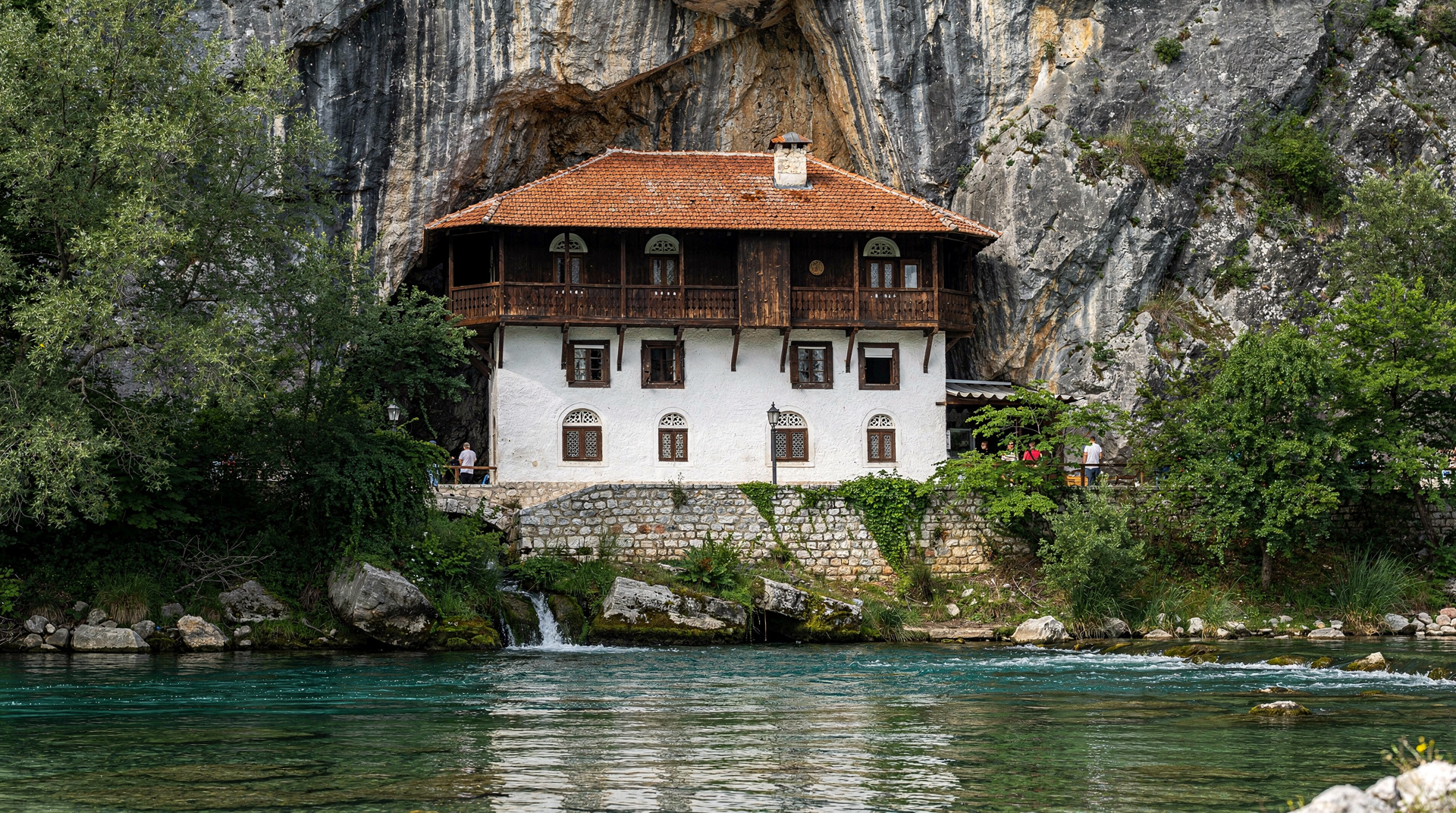
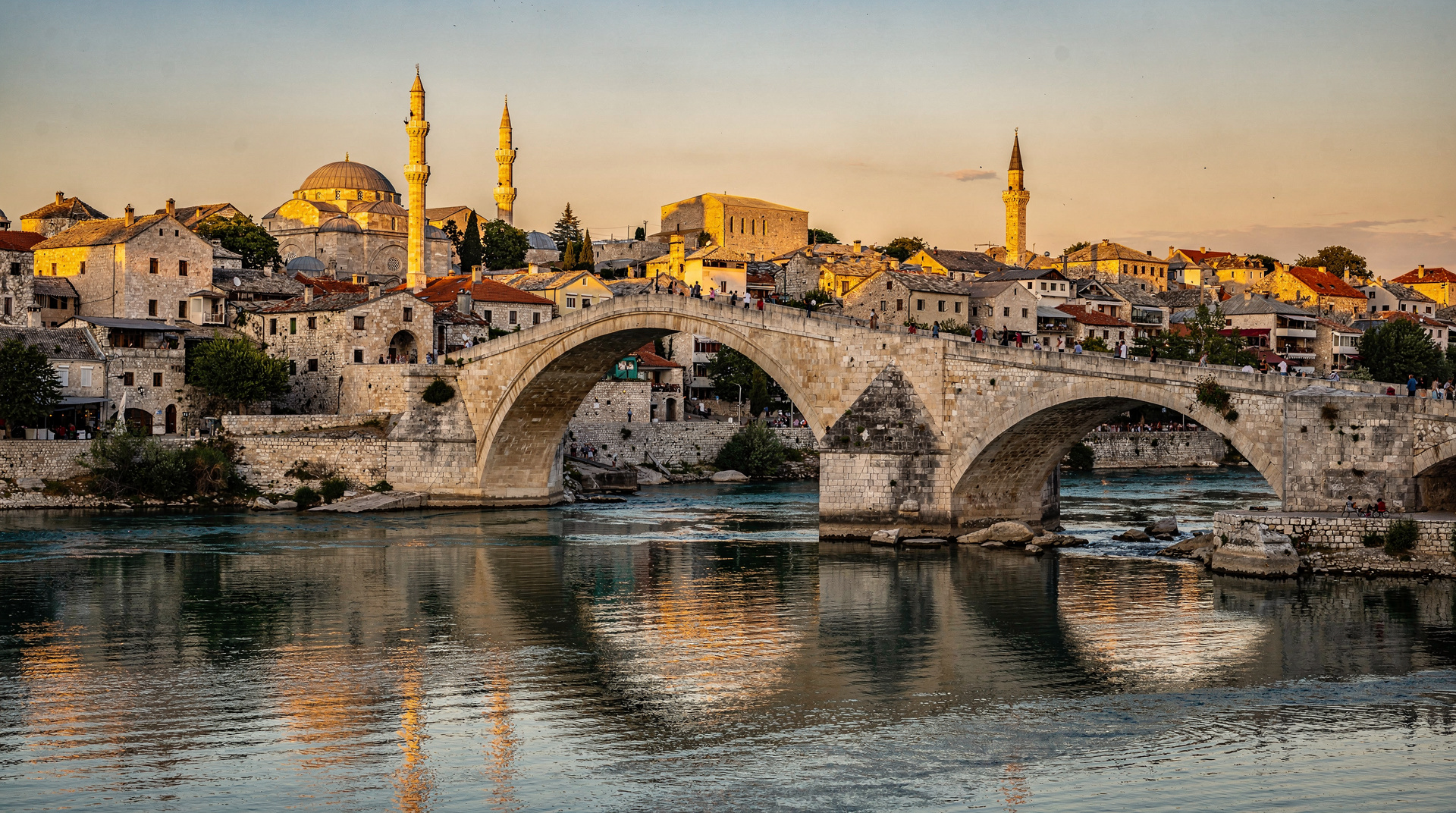
Fifty minutes south on the M17 brings you into Mostar, and the Neretva canyon drives you in style. Two full days here allow a proper exploration of the old town and its surroundings. Day 13: walk Stari Most at dawn before the tour groups arrive, visit the War Photo exhibition in the old town and join a guided tour to Blagaj, Počitelj and Kravice Waterfalls. The Blagaj Tekija dervish monastery is one of Bosnia’s most evocative sites — a 16th-century lodge built into a cliff face above the turquoise spring-source of the Buna.
Day 14: drive south to Trebinje (1 h 15 min) for wine tasting in the Popovo Polje vineyards and a final evening on the terrace of the stari grad before heading to either Dubrovnik airport (30 min) or back to Sarajevo (3 h).
Practical notes
Driving distances: Total route is roughly 1,600 km over 14 days — manageable at 100–140 km per driving day with stops.
Car rental: A compact automatic from Sarajevo airport costs approximately 40–60 EUR/day in shoulder season. Notify the agency of any border crossings (Croatia via Neum and Una NP border area). Fuel costs about 2.70 BAM/litre (~1.38 EUR).
Season: May–June and September–October are ideal. July–August works but Mostar and Kravice are very crowded midday, and the Herzegovinian heat (35°C+) can be punishing. Sutjeska and Bihać are cooler.
Money: Mix of ATM cash and cards. In remote areas (Tjentište, Kulen Vakuf) you need BAM cash. Budget ~70–110 EUR/day per person for mid-range travel (accommodation, food, entrance fees and petrol).
Mines: Stick to marked paths in all mountain and rural areas away from established towns — wartime landmine contamination remains in some rural zones, particularly in eastern Bosnia.
Two-week route summary
| Days | Region | Focus |
|---|---|---|
| 1–3 | Sarajevo | Old town, war history, Trebević/Bjelašnica |
| 4–5 | Central Bosnia | Travnik, Jajce |
| 6 | Banja Luka | Republika Srpska capital, Kastel fortress |
| 7–8 | Bihać / Una NP | Rafting, Štrbački Buk |
| 9 | Transfer | Long drive back toward Sarajevo |
| 10 | Višegrad | Drina bridge, Andrićgrad |
| 11 | Sutjeska NP | Perućica forest, Tjentište memorial |
| 12 | Konjic | Tito’s Bunker, Neretva rafting |
| 13–14 | Mostar & Trebinje | Old bridge, Blagaj, wine country |
Why go this deep instead of a shorter loop?
The extra week compared to the Bosnia 10-day itinerary buys you the entire northwest — Banja Luka and Una National Park — which most visitors never see because it sits off the Sarajevo–Mostar axis. If rafting and canyon scenery matter more to you than ticking off every region, the more focused Bosnia adventure itinerary covers Una and Sutjeska in a tighter 8-day loop. For context on how Bosnia compares to its more famous neighbour before committing two weeks, see Bosnia vs Croatia.
Regional character differences
Banja Luka and the Krajina feel distinctly different from Sarajevo and Herzegovina — flatter terrain, a more Central European pace, and far fewer tourists. Bihać and Una National Park, by contrast, are increasingly on the radar of rafting enthusiasts specifically; see the Una National Park guide and Una river rafting Bihać guide for planning details this itinerary only summarises. The east (Višegrad, Sutjeska) is the most rugged and least developed stretch — the hiking in Bosnia guide and Sutjeska National Park guide are worth reading before day 11.
Frequently asked questions about Bosnia 14-day grand tour
Is two weeks too long for Bosnia? Not if you want to see the Krajina and the east as well as the classic Sarajevo–Mostar route. Bosnia is small on the map but slow to drive due to mountain roads, so 14 days does not feel padded — most travellers who do this route say it is the right length rather than too long.
Which part of this itinerary can I cut if I only have 10 days? Drop Banja Luka and Bihać (days 6–9) and go straight from Jajce to Višegrad — that turns this into a route close to the standard Bosnia 10-day itinerary, keeping Sutjeska, Konjic and Herzegovina intact.
Top experiences
Bookable activities with verified prices and instant confirmation on GetYourGuide.