A week in Bosnia — an honest trip report
This is a straight account of a week in Bosnia — September, a rental car, no fixed plan beyond the broad route. I’m writing it as I’d want to have read it before going: with honest notes on what worked, what didn’t, and what it actually cost.
At a glance
| Where | Sarajevo, Konjic, Mostar, Blagaj, Kravice, Trebinje |
| Cost | Around 705 EUR for 7 days, one person, with a rental car |
| Time needed | 7 days, a car recommended for this exact route |
| Getting there | Fly into Sarajevo, rent a car on arrival |
| Best time | September — warm enough for rafting, crowds thinning |
The route
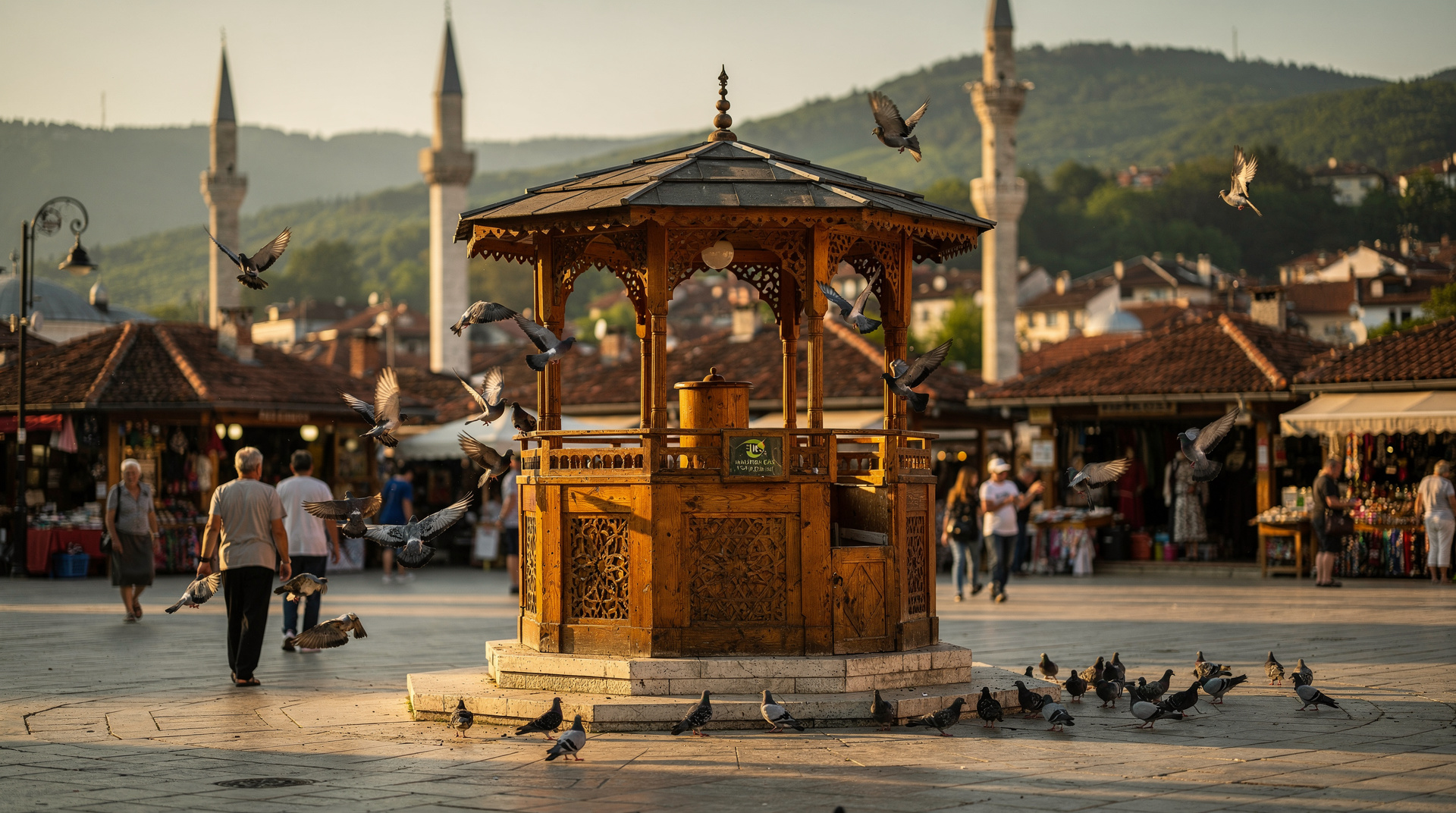
Days 1–3: Sarajevo. Base at a guesthouse in Baščaršija (70 BAM/night for a double, roughly 36 EUR).
Day 4: Konjic and Tito’s Bunker. Day trip from Sarajevo, drove south along the Neretva canyon.
Day 5: Neretva rafting from Konjic. Stayed one night in Konjic.
Days 6–7: Mostar, Blagaj, Kravice. Drove south, stayed two nights in Mostar old town.
Bonus half-day: Trebinje. Quick eastward detour on the way back, worth it.
Total distance driven: roughly 350 kilometres. Total time: seven days.
If you are still deciding where to sleep, the Sarajevo where to stay guide and the Mostar where to stay guide cover the neighbourhoods I would weigh up. For the bigger picture of the country, the Bosnia travel guide is the place to start.
Sarajevo: days one through three
I had three full days in Sarajevo and used them well. Day one was orientation: walked from Baščaršija west along Ferhadija, found the invisible cultural boundary where Ottoman gives way to Austro-Hungarian, had lunch at a small čevabdžinica on a side street (ćevapi with somun and an ayran, 8 BAM total), then climbed the old fortress above Baščaršija for the view.
Day two I spent more deliberately. Booked a war history and Tunnel of Hope tour in the morning — three hours, small group, local guide who had been a teenager during the siege. This was the best single thing I did in Bosnia. The Tunnel is physically underwhelming (40 metres of the original 800 remain accessible) but the context the guide provided made it profoundly affecting. Cost: around 30–35 EUR per person.
Day three: the War Childhood Museum (10 BAM, well worth it), lunch at Sarajevo Brewing Company (odd name for a restaurant; the food is solid), then an afternoon at the National Museum which has a genuinely good collection including the Sarajevo Haggadah on display in a dedicated room.
Evening ritual: coffee in Baščaršija at dusk, watching the markets pack up, buying a few pieces of hammered copperware to take home. If the coffee itself interests you, the Bosnian coffee culture guide explains how it is served and why nobody rushes it, and the Baščaršija guide maps out the old quarter around it.
Food was a quiet pleasure of these three days. The ćevapi guide for Sarajevo and the list of best restaurants in Sarajevo will point you to better tables than the ones with menus in six languages on the pavement. If you want a first-person account of the city alone, my first time in Sarajevo post goes deeper on the neighbourhood feel, and the Sarajevo siege remembered piece is worth reading before the war-history tour.
Daily spend in Sarajevo, excluding accommodation: roughly 50–65 BAM (25–33 EUR) including meals, entry fees, and coffee. The city rewards people who don’t eat at the obvious tourist spots.
Konjic: Tito’s Bunker and the canyon
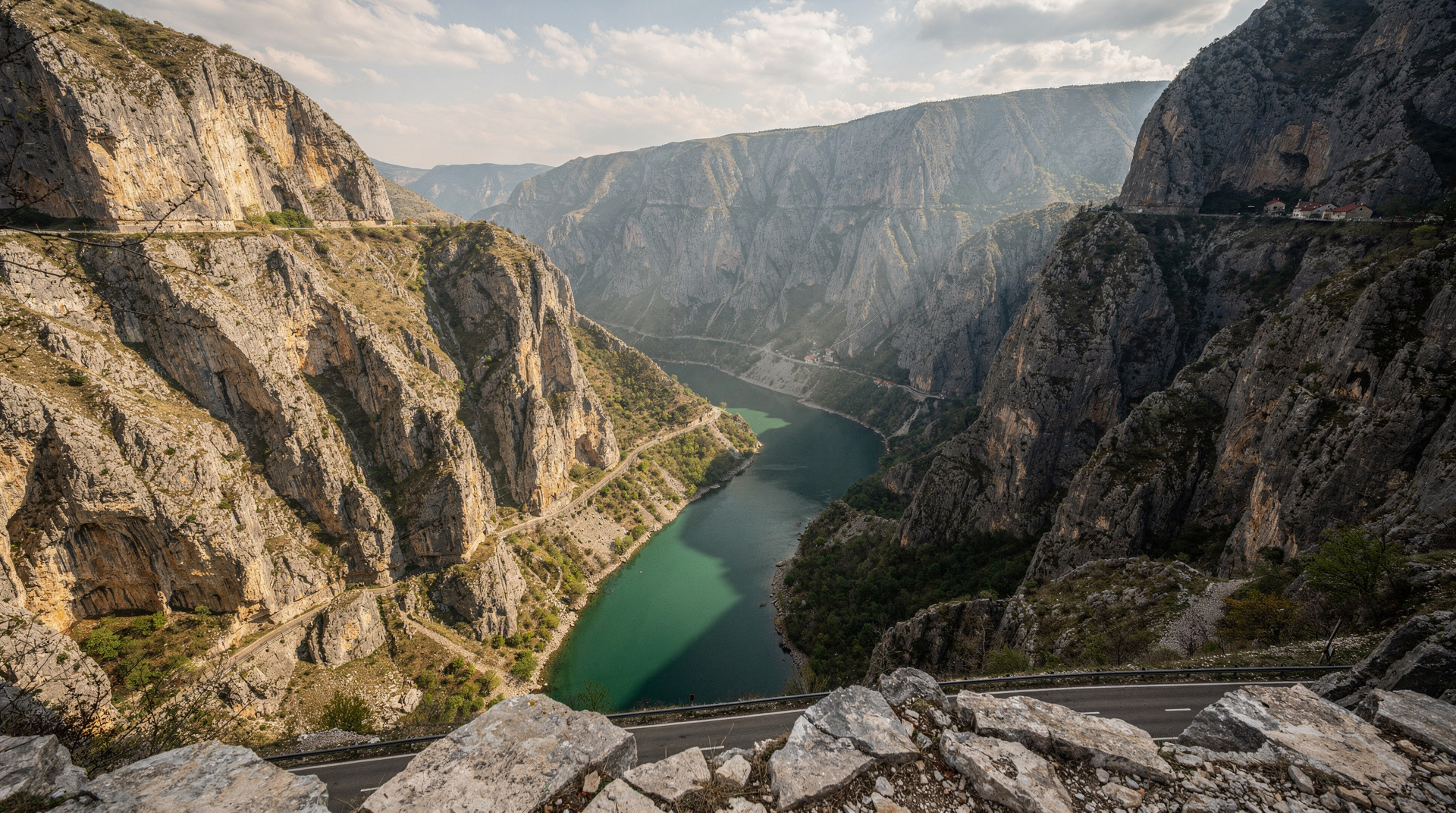
The drive from Sarajevo south to Konjic takes about an hour along the Neretva canyon — a beautiful road. Mountains above, the river below, occasional tunnels.
Tito’s Bunker (ARK D-0) is extraordinary. A Cold War nuclear shelter buried under a hillside south of Konjic, built in total secrecy over 26 years and kept classified until 1992. The full tour takes 90 minutes and covers something like 6,000 square metres of corridors, briefing rooms, and apartments designed to house the Yugoslav leadership after a nuclear strike. Tickets were around 25 BAM at the time; book ahead, especially on weekends. Travellers without a car can combine the bunker with Mostar on a guided day tour covering the bunker and the old town of Mostar.
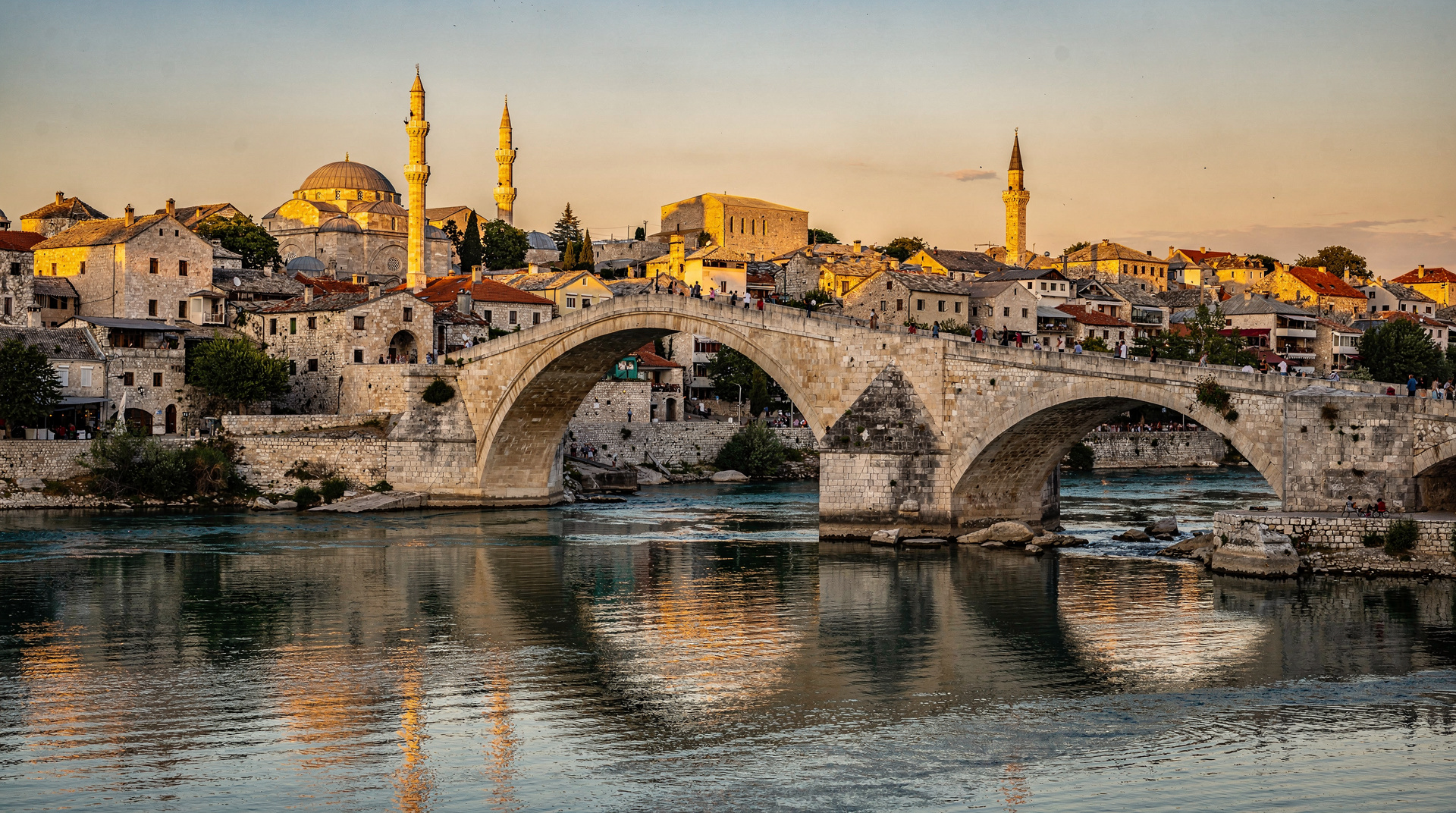
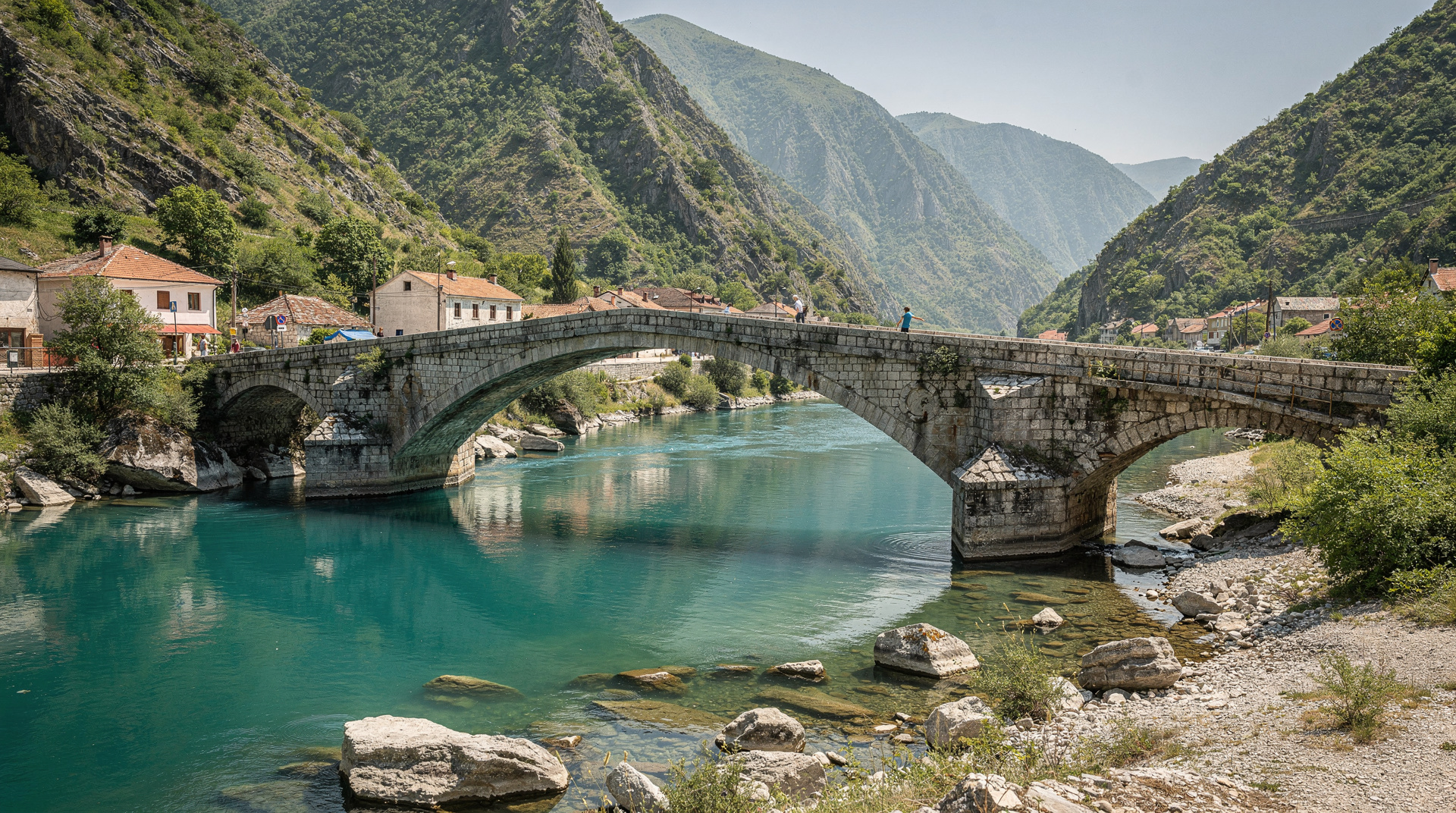
Back in Konjic itself, the old stone bridge over the Neretva is genuinely pretty and much less crowded than anything in Mostar. Good trout at the restaurants on the riverbank. I stayed the night in a small pension (55 BAM) and woke to fog on the river.
Rafting the Neretva
Day five was the rafting day. The Neretva rafting from Konjic runs a 22-kilometre section of the river through the canyon — rapids up to grade III–IV, depending on water levels. September is ideal: levels are manageable but there’s still enough water for good runs.
I went with a local operator out of Konjic. The trip was a full day including a lunch break at a riverside camp. Total cost: around 60 EUR with lunch included.
The canyon is genuinely spectacular — sheer limestone walls, green water, the old bridge of Konjic visible at the end. I’d never rafted before. I’d recommend it regardless.
If you would rather not sort out an operator yourself, you can book a guided rafting run on the Neretva from Konjic in advance and simply turn up on the day.
A note on September timing: water temperatures are still comfortable (15–17°C), the crowds from August have thinned, and the canyon walls start showing early autumn colour on the higher slopes.
Mostar and Herzegovina
The drive from Konjic to Mostar takes about 50 minutes. I arrived mid-afternoon, found my accommodation (a small family pension on the east bank, 75 BAM), and walked directly to Stari Most.
Here is the honest assessment: at 4pm in September, the Old Bridge approaches are busy but manageable. Earlier in the day (before 11am or after 4pm) is better. July and August are allegedly oppressive — 30-40 BAR coaches of day-trippers from the coast, shoulder-to-shoulder on the bridge itself.
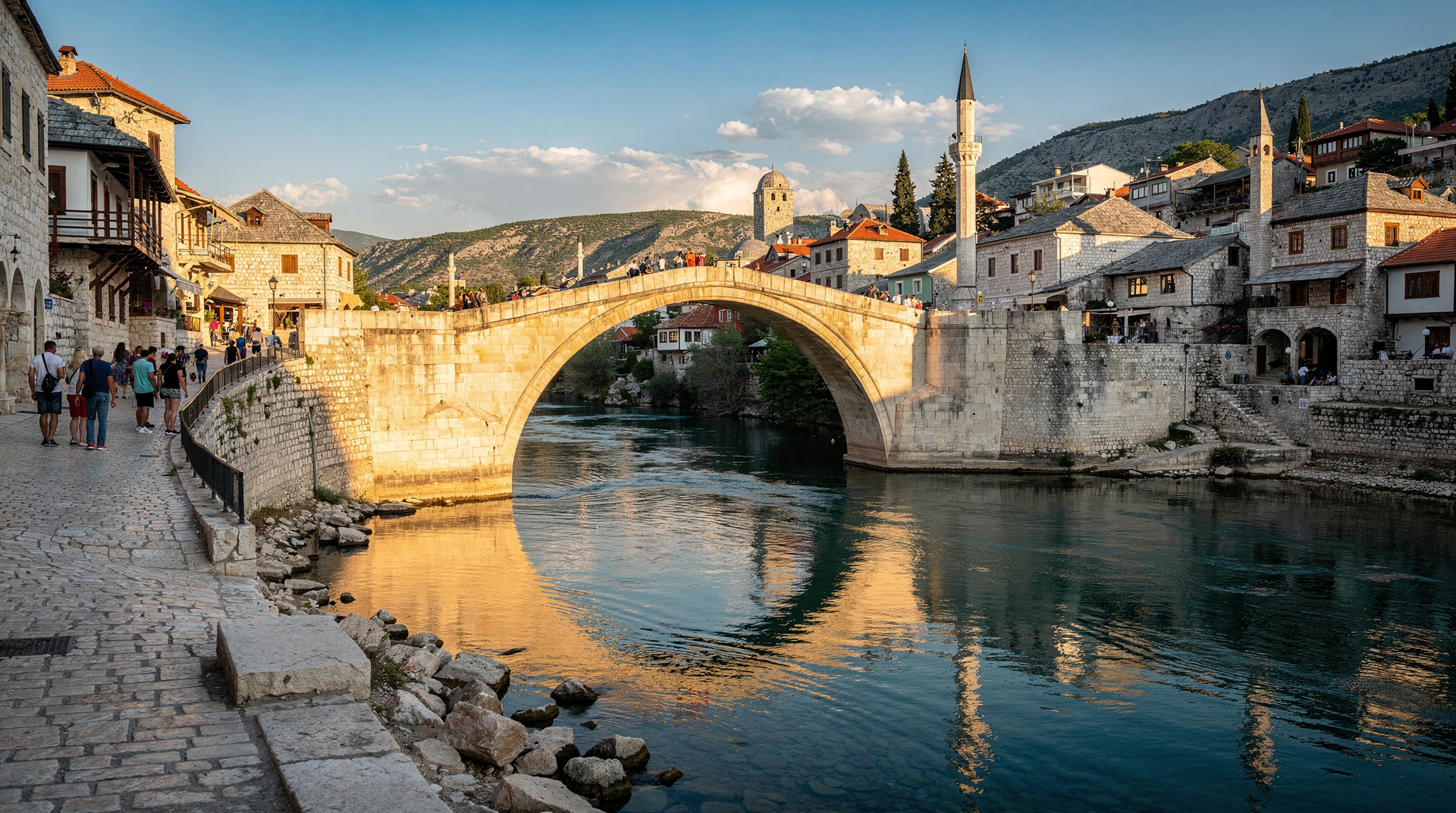
Even with the crowds, Stari Most is astonishing. The limestone arch, the green Neretva below, the minarets on both sides. I walked it, walked back, and then walked out of the tourist zone to find a café with a view of the bridge from a distance. That turned out to be the best view.
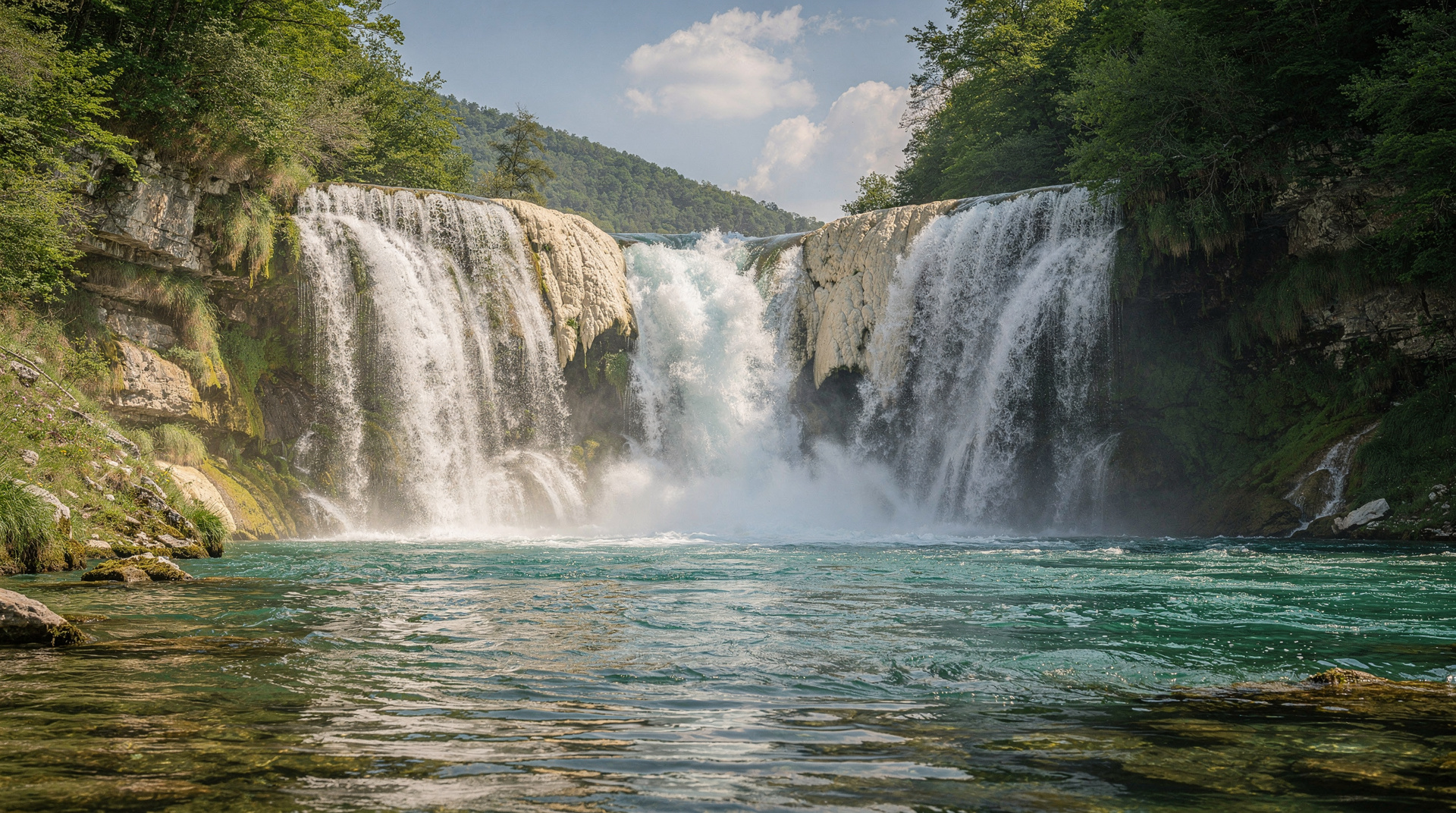
Day two from Mostar: drove north to Blagaj (the Tekija dervish monastery at the source of the Buna spring — genuinely beautiful, one of the highlights of the trip), then south to Kravice Waterfalls. Kravice in September is calmer than summer — fewer people, you can actually find a spot on the natural beach below the falls. Entry is a few BAM.
Anyone without wheels can cover the same ground on an organised day trip from Sarajevo to Mostar, Blagaj, Počitelj and Kravice, which saves the driving.
For context on the Blagaj Tekija, the source spring emerges from a cave at the base of a cliff, and the monastery sits directly over it. Even with other visitors, the setting is extraordinary.
Two longer reads help if you want to plan this day properly: the Stari Most guide for the bridge and its history, and the Kravice Waterfalls guide for the practicalities of the falls. My own Mostar old bridge story is the more personal version of the same place.
Trebinje: the surprise of the trip
I almost skipped Trebinje. It’s a detour east from Mostar on the way back, requiring either a loop or a backtrack. I went anyway, and it was one of the best decisions of the trip.
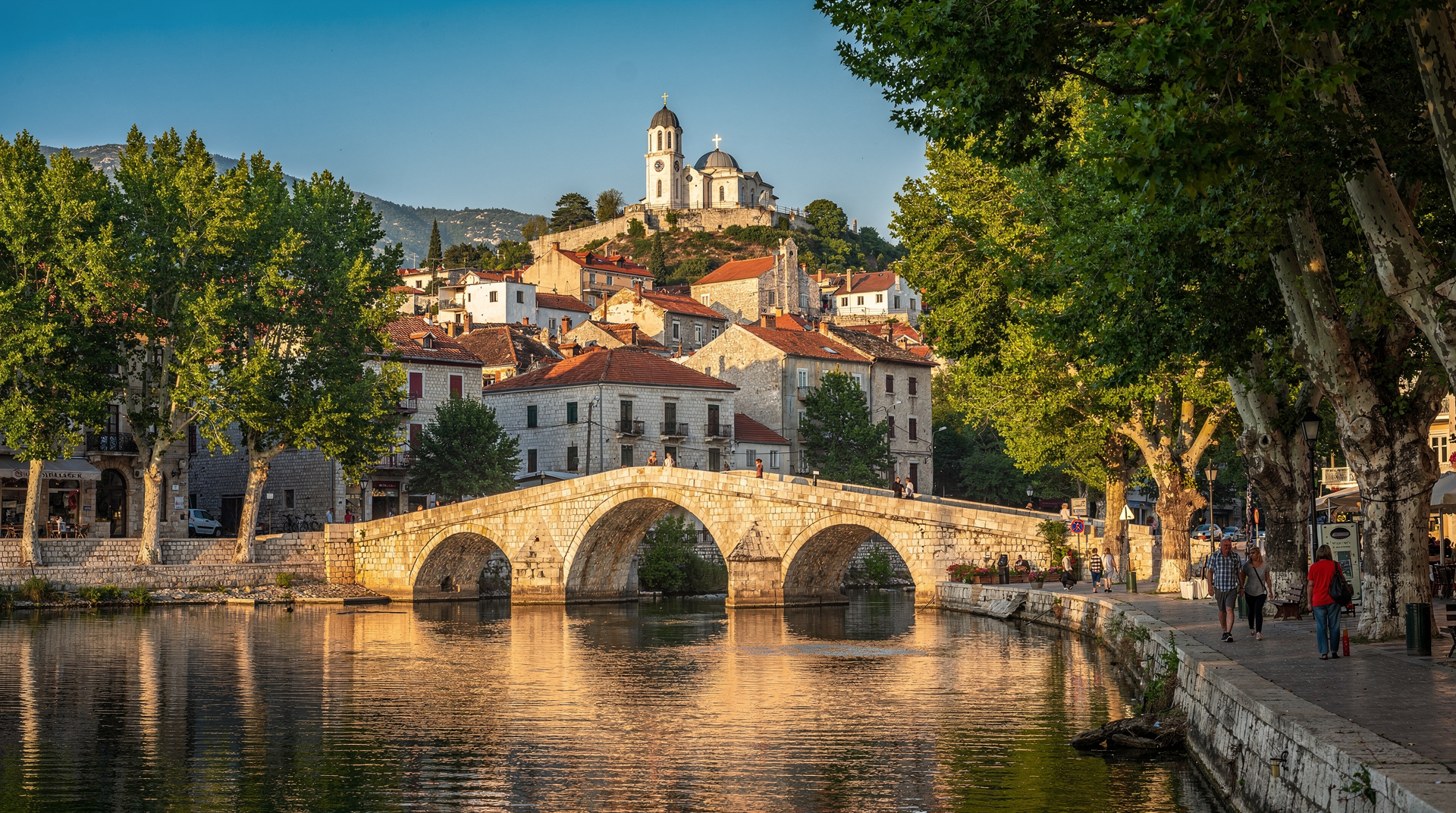
Trebinje is a small, unhurried southern Herzegovinian town near the Montenegrin border. A beautiful old town (Stari Grad) surrounded by river walls, outdoor cafés on a central square shaded by huge plane trees, a wine-producing region (Žilavka white wine, excellent) and — on the hill above — Hercegovačka Gračanica, a small Serbian Orthodox church modelled on the famous Gračanica Monastery in Kosovo.
I spent four hours here, which wasn’t enough. Add it to any southern Bosnia itinerary.
What I would do with more time: sit longer on the square, taste more of the local wine, and walk up to the church without watching the clock. The Trebinje wine region guide and the page on Hercegovačka Gračanica cover both in detail, and the blog post Trebinje, the other Herzegovina tells the story of a longer stay.
What it cost: a summary
| Category | Total (7 days) |
|---|---|
| Accommodation (6 nights) | ~370 BAM (189 EUR) |
| Food and drink | ~280 BAM (143 EUR) |
| Entry fees and tours | ~200 BAM (102 EUR) |
| Fuel | ~120 BAM (61 EUR) |
| Car rental | 210 EUR (booked in advance) |
| Total | ~705 EUR |
That works out to roughly 100 EUR per day for one person with a car. Mid-range comfort, not budget roughing-it, not luxury.
The biggest levers on that total are the car and the accommodation. Anyone willing to trade comfort for savings should read Bosnia on a budget, and the Bosnia money and currency guide explains how to handle cash and prices in marks. My separate Bosnia budget trip report shows what a tighter version of a trip looks like.
Lessons learned
Don’t underestimate driving times. The roads are good between the main cities, but the mountain routes are slow. Sarajevo to Konjic is fine; Sarajevo to Bihać in the north would take most of a day.
Book the Tunnel and Tito’s Bunker ahead. Both are timed entry and both sold out on peak dates.
Mostar is best early or late. The day-trip coaches arrive around 10–11am and leave around 4pm. The city at dusk, when the coaches have gone, is genuinely lovely.
September is excellent. Warm enough for swimming and rafting, cool enough for hiking, less crowded than August, the colours starting to shift.
The Bosnia 7-day itinerary and planning guide go deeper on route options. But if you’re here reading a trip report, you probably don’t need more convincing.
What I’d do differently
Looking back, I’d have given Trebinje a full day rather than an afternoon detour — it was the one stop that felt genuinely rushed. I’d also have booked the Mostar bridge divers experience in advance rather than hoping to catch one spontaneously; divers only jump when there’s a paying crowd gathered, and I missed it twice before finally seeing one on the third attempt. And I’d budget an extra night in Sarajevo — three days felt full but not indulgent, and a fourth would have let me do the Trebević cable car I skipped.
Was a rental car worth it?
Yes, unambiguously, for this route. If you go the same way, read the guide to renting a car in Bosnia and the driving in Bosnia guide beforehand, and my Bosnia backroads driving post for a feel of the quieter roads. Timing matters too: the best time to visit Bosnia page explains why September worked so well. Sarajevo to Konjic to Mostar to Trebinje and back covers ground that buses handle poorly — infrequent departures, awkward connections through Mostar for the Trebinje leg. If you want to do a similar week without driving, the Bosnia by public transport itinerary reworks a comparable route around bus timetables, though it drops Trebinje and Kravice reachability suffers. See getting around Bosnia for the full comparison of driving versus buses.
Frequently asked questions about week in Bosnia — an honest trip report
Is one week enough to see this much of Bosnia? Yes, if you’re comfortable with a rental car and a moderate pace — this route covered roughly 350 km in 7 days without feeling rushed, except for the Trebinje half-day, which deserved more time.
Is September really the best month for this route? It worked very well: warm enough for rafting and swimming at Kravice, cool enough for comfortable hiking and city walking, and noticeably quieter than August in Mostar. See the Bosnia in autumn guide for how the shoulder season compares across the whole country.
Top experiences
Bookable activities with verified prices and instant confirmation on GetYourGuide.