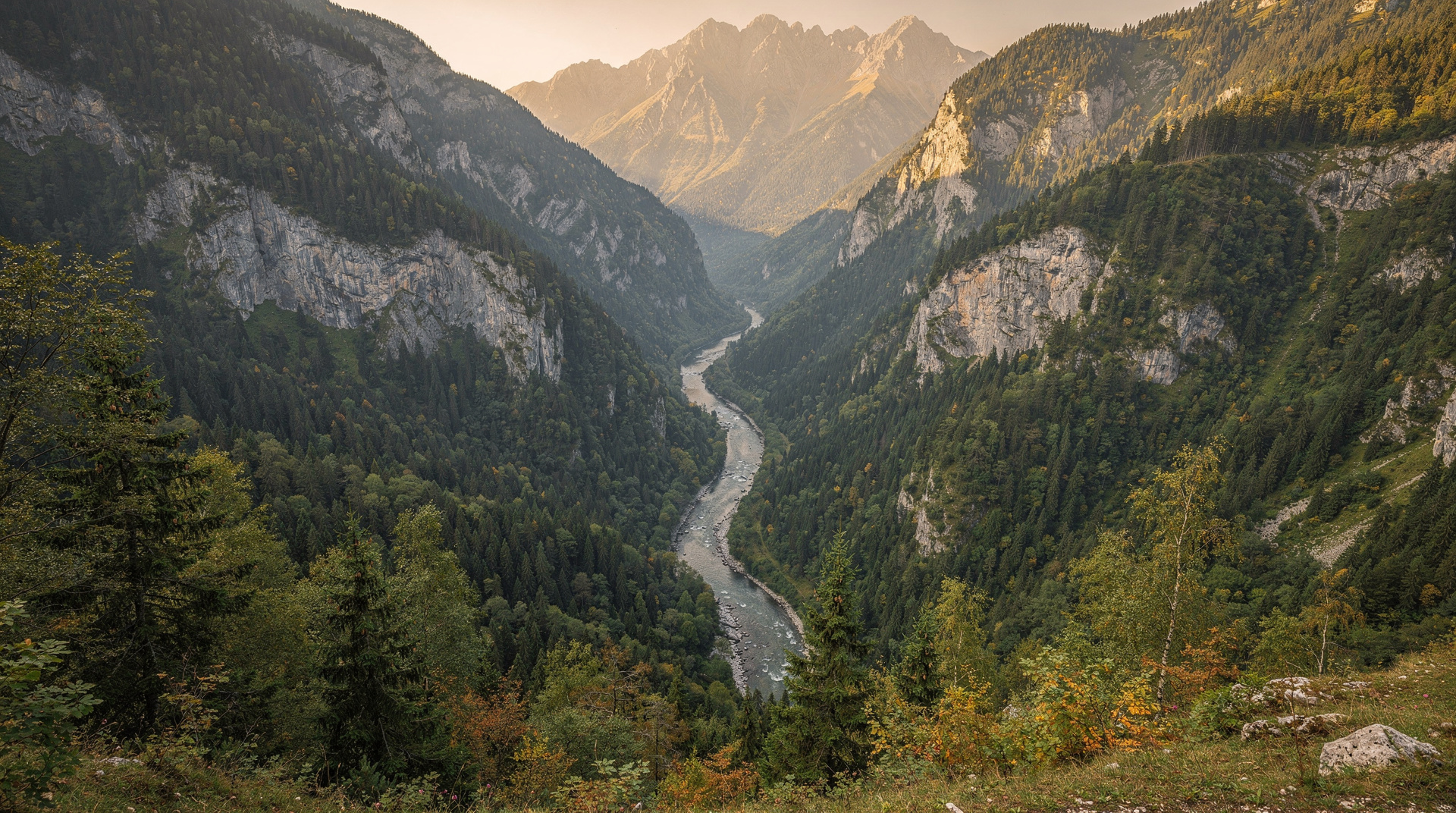
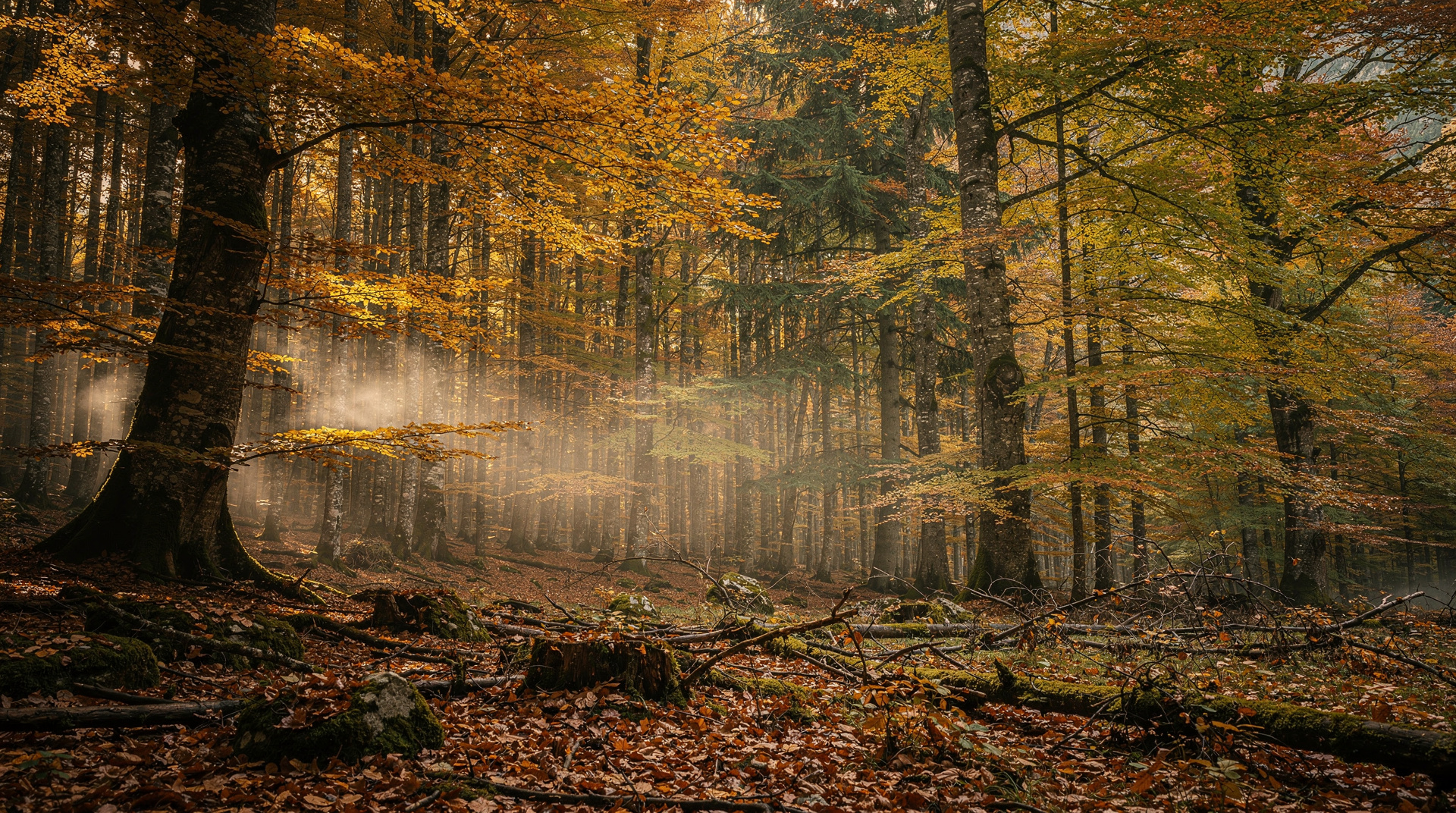
Autumn colours in Sutjeska — Bosnia's most dramatic season
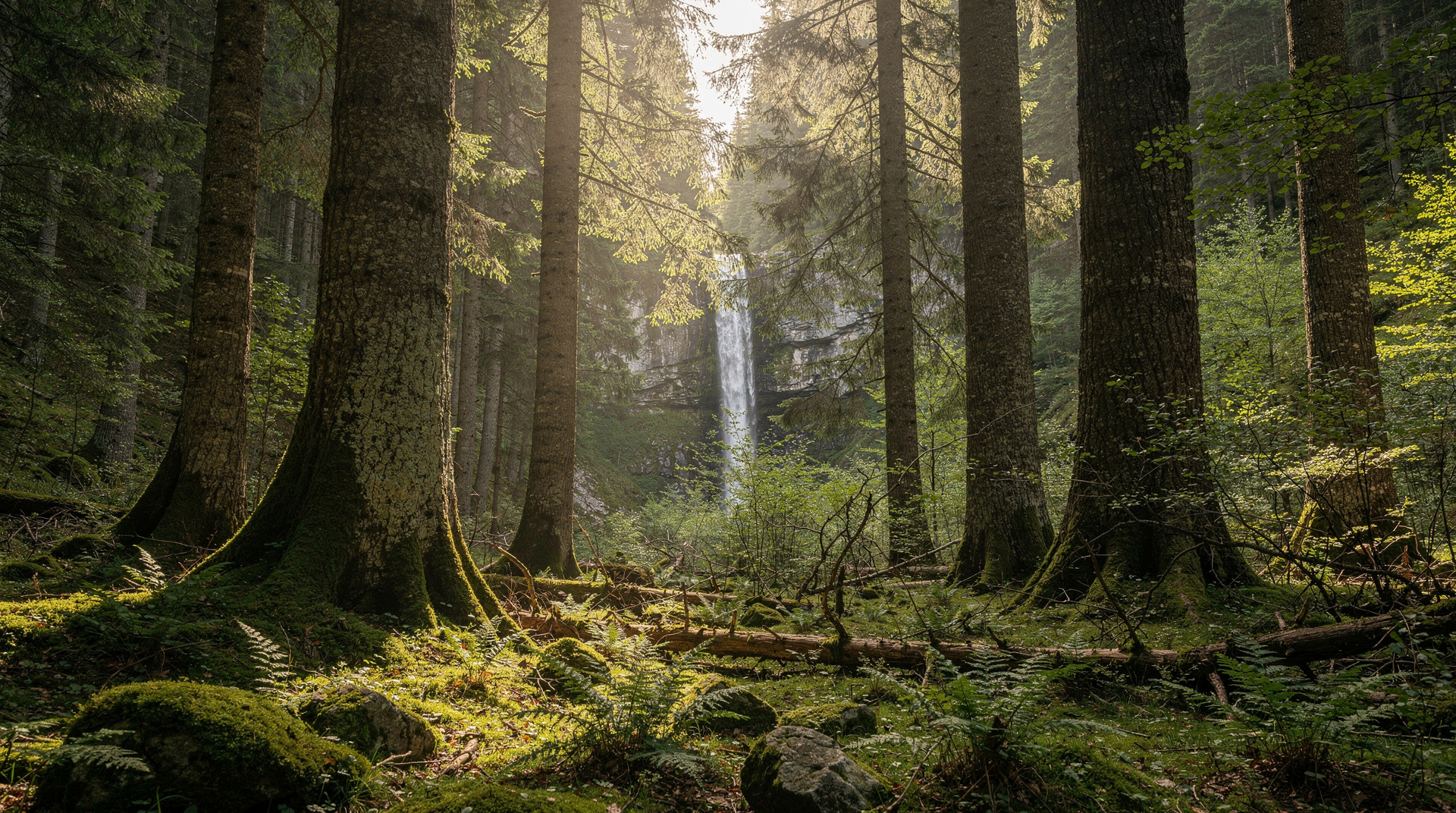
There is a beech forest in Sutjeska National Park — the Perućica primeval forest — where the trees have never been logged. The oldest beeches are 400 years old. The tallest firs reach 50 metres. The forest floor is deep in centuries of undisturbed leaf fall, and in October, the canopy above is gold and copper and dark red.
Going there in autumn is one of the best things you can do in Bosnia, and almost no one does it.
At a glance
| Where | Sutjeska National Park, eastern Bosnia, near the Montenegrin border |
| Cost | Park entry is a modest per-person fee; guided Perućica tours add extra |
| Time needed | 3–4 days for the full experience (forest, Maglić, Zelengora, Tara) |
| Getting there | 3.5–4 hours by car from Sarajevo |
| Best time | Mid to late October for peak colour |
Sutjeska in context
Sutjeska National Park is in eastern Bosnia, about 3.5 to 4 hours from Sarajevo by road. It contains Bosnia’s highest peak — Maglić, 2,386 metres — and Perućica, one of only two remaining primeval forests in Europe. The park is large (17,500 hectares), remote, and receives a fraction of the visitors that comparable parks in Slovenia or Croatia receive.
In summer, the park sees a modest stream of hikers and the occasional tour group. In October, it is almost empty. Which is why October is the right time.
The autumn light
The Perućica beech forest is extraordinary at any time, but in October — when the leaves are at peak colour and the low autumn light angles through the canopy — it is genuinely otherworldly. The understory plants catch the colour from below. The ferns have gone copper. The leaf fall adds a texture to the forest floor that summer doesn’t have.
The primeval forest is accessed by guided tours from the park headquarters at Tjentište (access to Perućica is controlled — you cannot enter independently). The trails through the forest take two to three hours. Your guide will point out the specific trees that register the forest’s age — certain beeches with trunk diameters over two metres, standing in a way that suggests deep time.
See the Perućica guide for access details and tour booking information.
Climbing Maglić
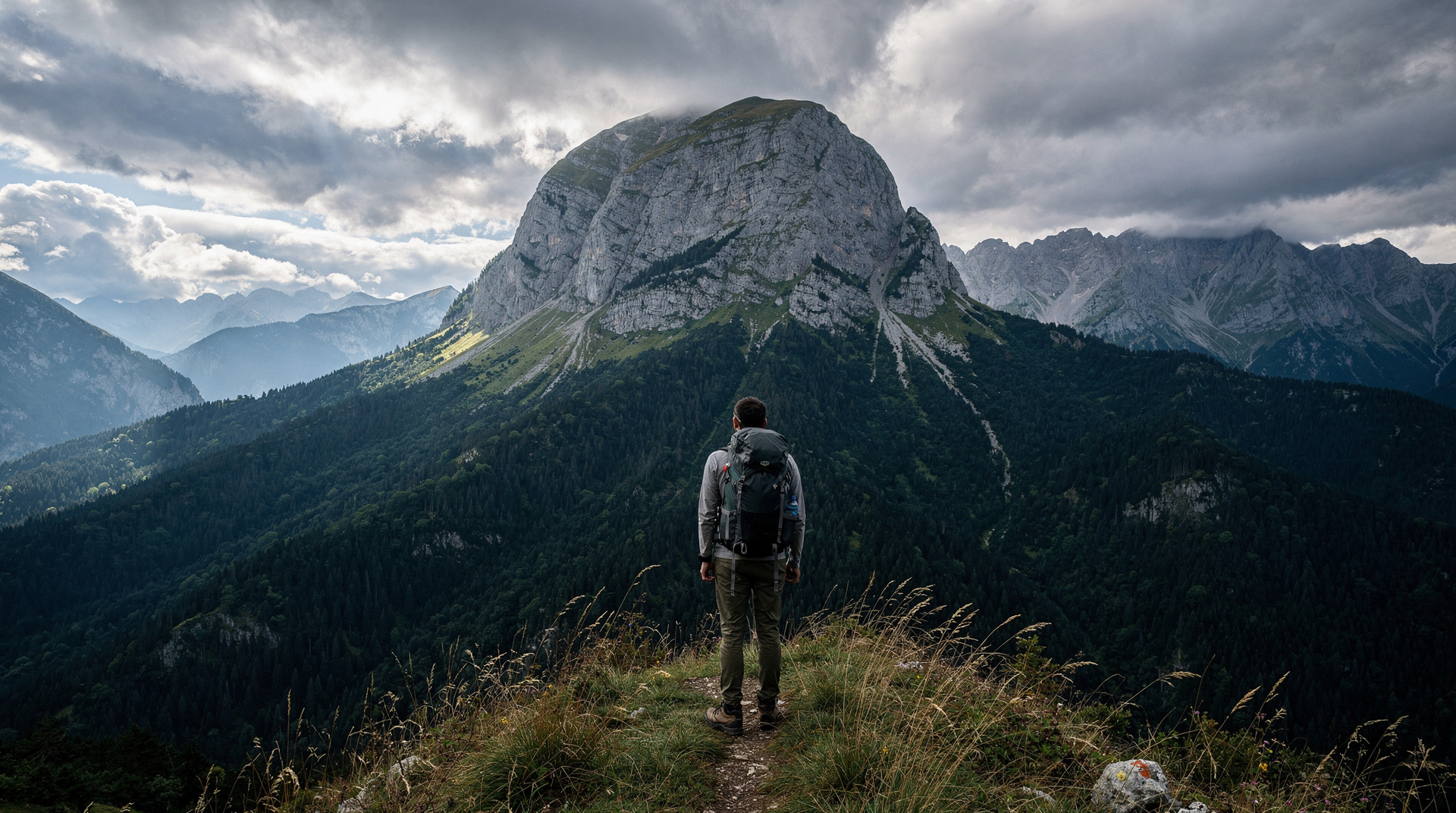
October is the last reliable month for climbing Maglić, Bosnia’s highest peak. By November, the upper mountain can carry snow and the routes become alpine in character.
The standard route from Sutjeska takes a full day: an early start from Tjentište, a steep ascent through forest and then bare karst terrain, the ridge at around 2,200 metres, and the summit. The descent involves the same route in reverse. Total hiking time is 8–10 hours; a fit walker should complete it comfortably in a day.
The views from the summit in clear October weather are exceptional: north into Bosnia, south into Montenegro (the Tara canyon is visible from the ridgeline), and on very clear days, a sweep of the Dinaric Alps.
The Zelengora plateau
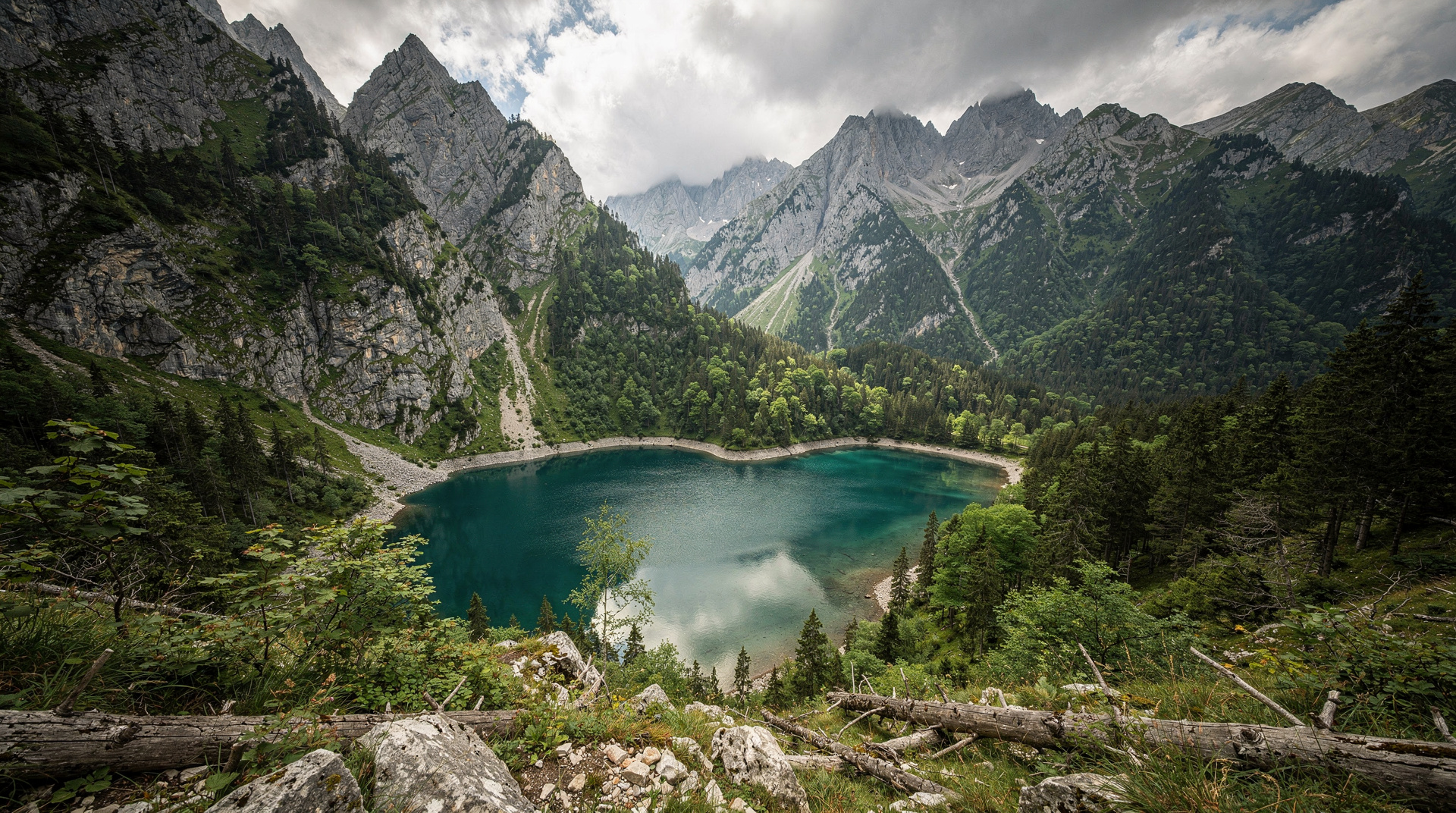
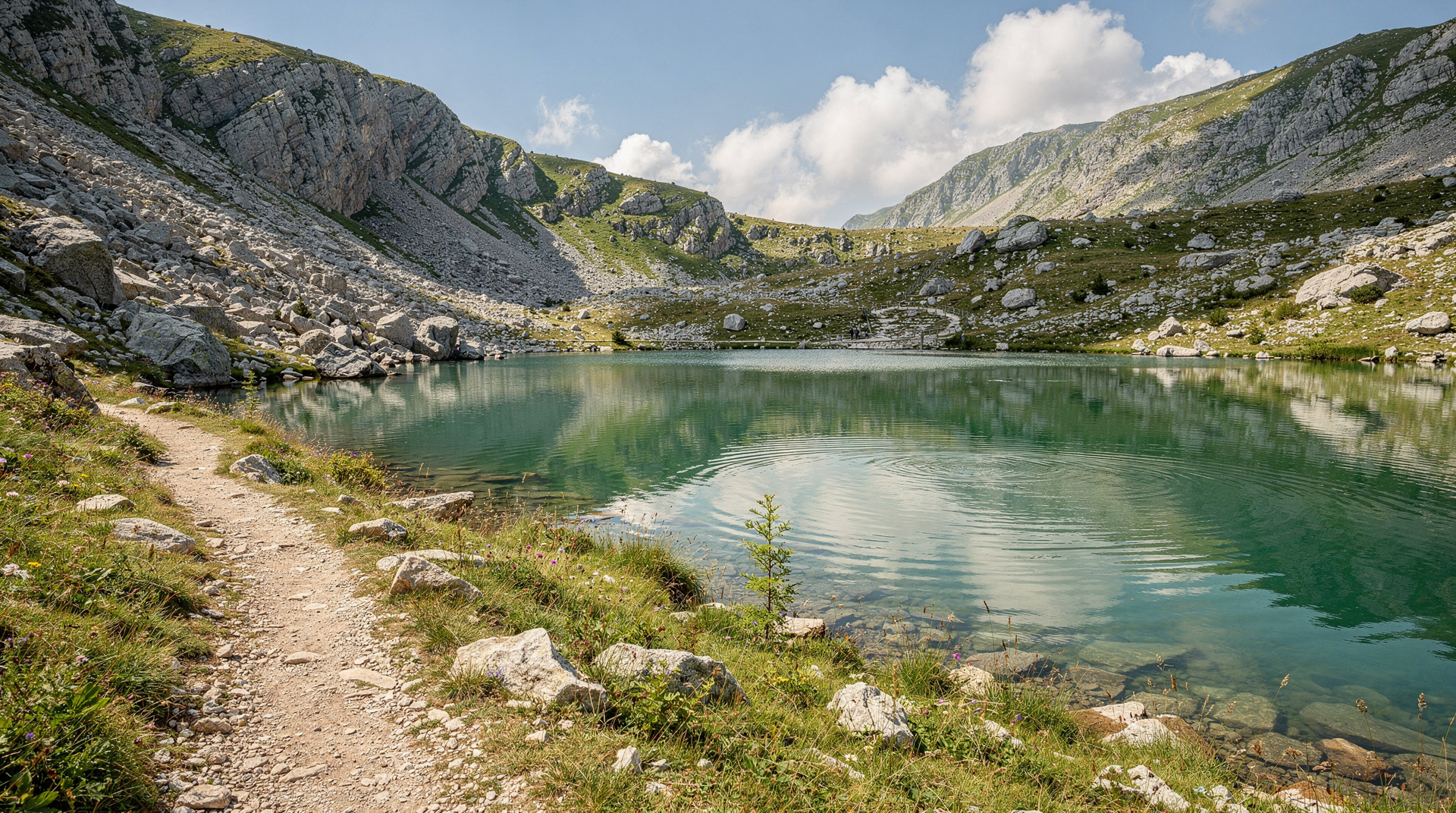
Zelengora, the plateau east of Sutjeska’s main valley, is a different landscape: an undulating high plateau dotted with glacial lakes, surrounded by beech forest. In October the beech is at full colour and the lakes reflect a sky that tends to dramatic cloud formations at this altitude.
Zelengora is a multi-day hiking destination — the full circuit of the plateau takes two to three days with camping or mountain hut accommodation. Day walks from the road that crosses the plateau are also possible.
The Zelengora guide covers the full range of options.
Tara rafting in autumn
The Tara River, which forms the border between Montenegro and Bosnia to the east of Sutjeska, is considered the finest rafting river in the Balkans — the canyon is deeper than the Grand Canyon at its maximum. Autumn rafting on the Tara is possible and good: the water is lower than in spring but the air and water temperature in September–October make it comfortable.
The Tara rafting guide covers access from Sarajevo and the canyon sections. Combining Sutjeska with Tara rafting makes a three-to-four day eastern Bosnia trip of exceptional quality.
For a ready-made version of that pairing, a Tara rafting day combined with a climb towards Maglić puts the river and the high country into a single organised outing, which is handy when time is short and the days are already getting shorter.
Pairing the colours with the history
Sutjeska is not only a landscape. The valley carries the memory of the Second World War, and walking it in the quiet of autumn gives that history room to settle. If the story interests you, the Sutjeska National Park guide explains how the park is organised, and Bosnia history for travelers puts the wider story in order. Many visitors find that the stillness of an empty valley makes the monuments hit harder than they do in summer.
Planning the road in and out
Because a car is essentially necessary, the drive is part of the trip. Our driving in Bosnia guide covers road habits and what to expect on mountain routes, and renting a car in Bosnia is worth reading before you collect keys. If you would rather not drive at all, getting around Bosnia and the buses in Bosnia guide show how limited the alternatives are, which is why a guided option from Sarajevo is attractive for some travellers. For a longer loop, the Bosnia adventure itinerary shows how a Sutjeska stay can sit alongside rafting and hiking elsewhere in the country.
Other autumn trips worth knowing about
Sutjeska is the wildest autumn option, not the only one. Hikers who want something closer to the capital can look at the best day hikes from Sarajevo, and the Bosnia hiking guide gives a country-wide picture of trails and seasons. The Via Dinarica guide is the place to start if the long-distance idea appeals, and our Via Dinarica thru-hike diary shows what that looks like on the ground. For another view of the high country, read about the best viewpoints in Bosnia, or the story of Lukomir, the last highland village.
Practical considerations for October
Weather: October in Sutjeska means unpredictable mountain weather. Morning fog in the valleys, clear midday on the peaks, possibility of afternoon showers. Layers and waterproofs are essential. Check conditions before ascending Maglić — the summit route is exposed.
If you would rather leave the logistics to someone else, a guided climb of Maglić with a visit to Trnovačko Lake takes care of the early start and the route-finding, and a private day tour from Sarajevo into the park suits travellers without a car who still want a taste of the forest and the valley.
Accommodation: The Hotel Mladost at Tjentište is the main base — basic, clean, functional. Book ahead in early October; it is the only accommodation in the park. Some visitors day-trip from Foča (an hour’s drive) or from Sarajevo (long but possible).
Access: A car is essentially necessary. The road into the park is asphalt throughout. The track to Zelengora from the main road is rougher — suitable for standard cars in dry conditions.
Guided options: Private tours from Sarajevo to Sutjeska run year-round. For Perućica specifically, you must use a park guide. For Maglić, a guide is recommended but not required for experienced mountain walkers.
The honest note on timing
The autumn colour peak in Sutjeska depends on temperature patterns each year, but mid to late October is generally reliable. Early October may be too early for peak colour in the valley; early November risks the first snow on the plateau.
The Bosnia in autumn guide provides seasonal context for planning across the whole country. Sutjeska is the single best argument for visiting Bosnia in October.
Whatever you decide, read the best time to visit Bosnia guide to see how October fits the rest of the year, and keep the is Bosnia safe and landmine safety pages in mind: stay on marked trails in remote mountain country.
How October compares to summer in Sutjeska
| Aspect | Summer (Jun–Aug) | October |
|---|---|---|
| Perućica forest | Green, lush, humid | Gold and copper canopy, cool air |
| Crowds | Modest but present | Nearly empty |
| Maglić climb | Reliable conditions, warm | Last reliable window before snow |
| Tara rafting | Higher water, warmer | Lower water, still comfortable |
| Accommodation | Book ahead in peak weeks | Easier to find, still limited |
Combining Sutjeska with the rest of eastern Bosnia
Sutjeska sits close enough to Trebinje and the Herzegovina wine region that an ambitious itinerary could combine both, though the driving adds up — allow a full travel day between them. More realistically, pair Sutjeska with a Tara rafting day and treat it as a standalone 3–4 day trip from Sarajevo, or fold it into the Bosnia war history itinerary if the Sutjeska Battle’s WWII history (the park is named for the 1943 battle) interests you alongside the natural scenery.
Frequently asked questions about Autumn colours in Sutjeska — Bosnia’s most dramatic season
Can I visit the Perućica forest without a guide? No. Access to Perućica is controlled by the national park, and you must join a guided tour from the Tjentište headquarters — see the Perućica primeval forest guide for booking details.
Is Sutjeska worth visiting if I only have a few days in eastern Bosnia? Yes, even a single overnight focused on the Perućica forest tour is worthwhile, but 2–3 days lets you add either the Maglić climb or a Tara rafting day, which is where the trip really opens up.
Top experiences
Bookable activities with verified prices and instant confirmation on GetYourGuide.