Mostar day trips from Split
Split is the best Dalmatian base for Bosnia day trips. Mostar is 2h30 away — book a guided tour or go independently via the Ploče–Metković border crossing.
Mostar and Kravice Waterfalls Full-Day Tour from Split
Quick facts
- Distance to Mostar
- ~110 km (2h–2h30 drive)
- Border crossing
- Ploče / Metković (no Neum corridor)
- Documents needed
- Passport or EU ID card
- Currency in Bosnia
- BAM (1 EUR = 1.95583 KM)
Split is the liveliest city on the Dalmatian coast and one of the best launching points for Bosnia. At around 110 km from Mostar, it is slightly further than Dubrovnik but benefits from a simpler border crossing — no Neum corridor complications — and an equally rich tour infrastructure. Whether you are spending a week in Split or just passing through, a day trip to Mostar and the Kravice Waterfalls is one of the most rewarding things you can add to an Adriatic itinerary.
| At a glance | |
|---|---|
| Where | Split, Croatia — around 110 km / 2-2h30 drive from Mostar |
| Cost | Tours from around 55-75 EUR; bus fares around 10-15 EUR one-way |
| Time needed | A full day (12+ hours if doing it as a single day trip) |
| Getting there | Guided tour, public bus, or self-drive via the Ploče-Metković border |
| Best time | May-June and September-October for cooler, quieter conditions |
Why do a Bosnia day trip from Split
No Neum corridor. The Split–Mostar route crosses into Bosnia at a single inland border point (Ploče or Metković area), avoiding the double-crossing that complicates the Dubrovnik–Mostar drive. This makes planning simpler and border waits shorter.
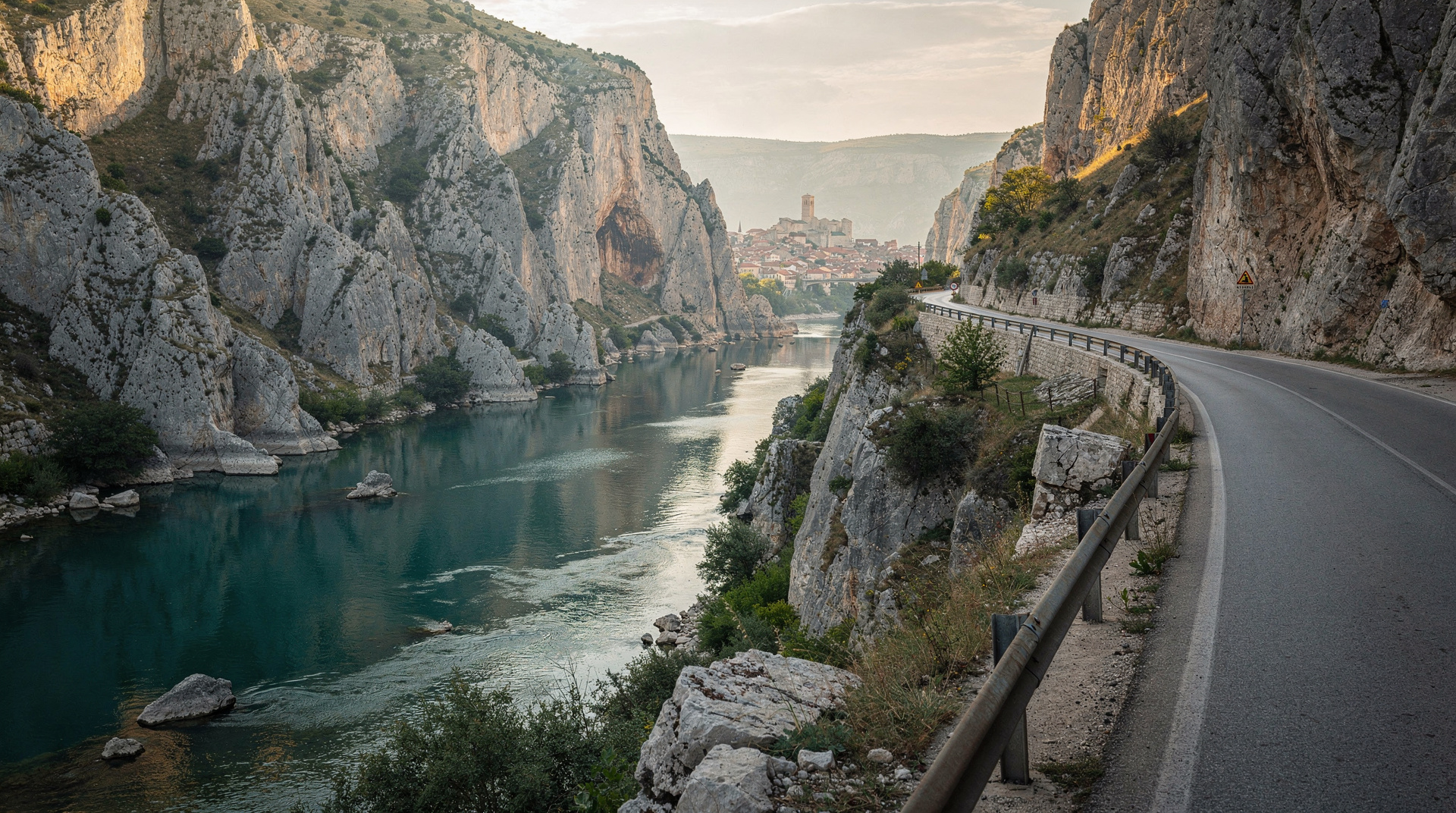
Flexibility on the route. From Split, you can combine Mostar with Medjugorje, Blagaj, Počitelj or even Kravice in a single full day without feeling rushed. The road via the Neretva valley is fast and well-maintained.
Joint coverage with Trogir. Split and Trogir (28 km away) are treated as one departure zone by most tour operators. Many tours pick up from both cities, giving you extra flexibility.
Strong independent travel infrastructure. Regular buses run Split–Mostar several times a day, making it easy to go independently without a car.
How to get to Mostar from Split
By tour: Departures are typically from the Riva seafront (Split harbour) or from designated pickup points. Most tours leave at 7:00–8:30am to maximise time in Bosnia. The standard drive from Split to Mostar takes 2 to 2h30 hours.
By bus: Several daily buses run Split–Mostar (operated by carriers including Autoprevoz and Globtour). Journey time is approximately 3 hours including the border stop. Fares are around 10–15 EUR one-way. The Split bus station is a 15-minute walk east of Diocletian’s Palace.
By rental car: The most flexible option. The route via the D8 coastal road south then east via Ploče is straightforward. Make sure your rental car insurance includes Bosnia (green card extension required for most Croatian rental agreements). See driving Croatia to Bosnia.
Best tours from Split
Mostar and Kravice Waterfalls full-day tour from Split — the most popular option. A full day covering Stari Most, the old bazaar, a traditional lunch in Mostar, then the afternoon at Kravice Falls for a swim. Returns to Split around 8–9pm.
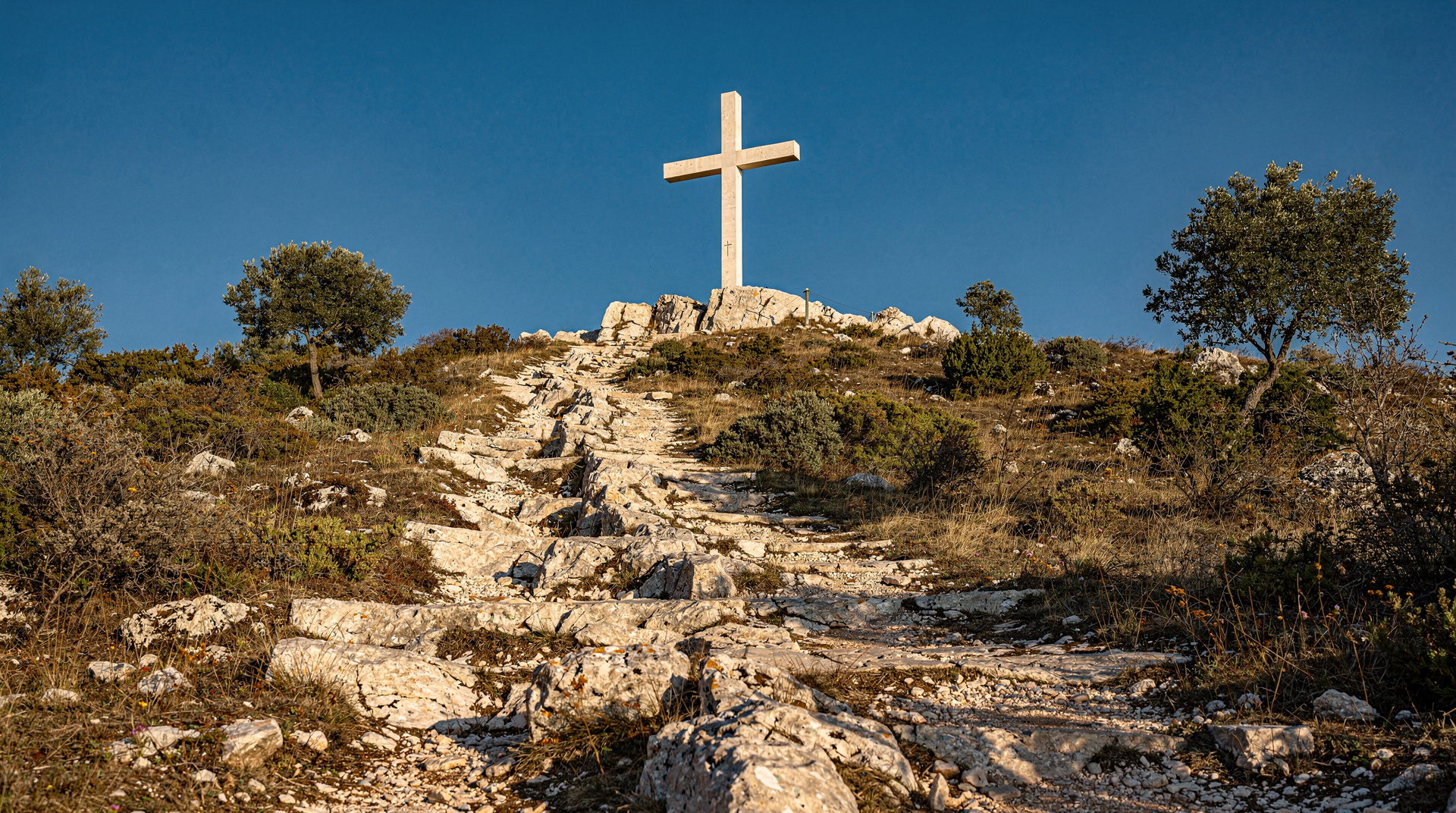
Mostar and Medjugorje small-group day tour from Split and Trogir — for those who want to combine the old bridge with the pilgrimage site at Medjugorje. Works well for travellers with a religious interest; also useful as an introduction to Herzegovinian geography.
Both tours include hotel pickup from the central Split area. Trogir pickups are also available on the second tour — useful if you are based there (see Trogir destination page).
The border crossing — simpler than Dubrovnik
Unlike the Dubrovnik–Mostar route, the Split–Mostar road does not pass through the Neum corridor. You cross into Bosnia-Herzegovina once, at the Ploče–Metković border area, and that is it.
What to bring:
- Passport or EU identity card (mandatory for all BiH crossings)
- No visa required for EU, EEA, UK, US, Canadian or Australian passport holders (stays up to 90 days)
- Some BAM for small purchases in Bosnia. ATMs in Mostar are plentiful
Border waits are generally shorter here than at the Neum coastal crossings. In peak summer, allow 15–20 minutes; out of season, the crossing is typically under 5 minutes.
For travellers curious about the Neum coastal route (relevant if you are continuing south to Dubrovnik), the Neum corridor crossing guide explains exactly what to expect.
What to see once you are in Bosnia
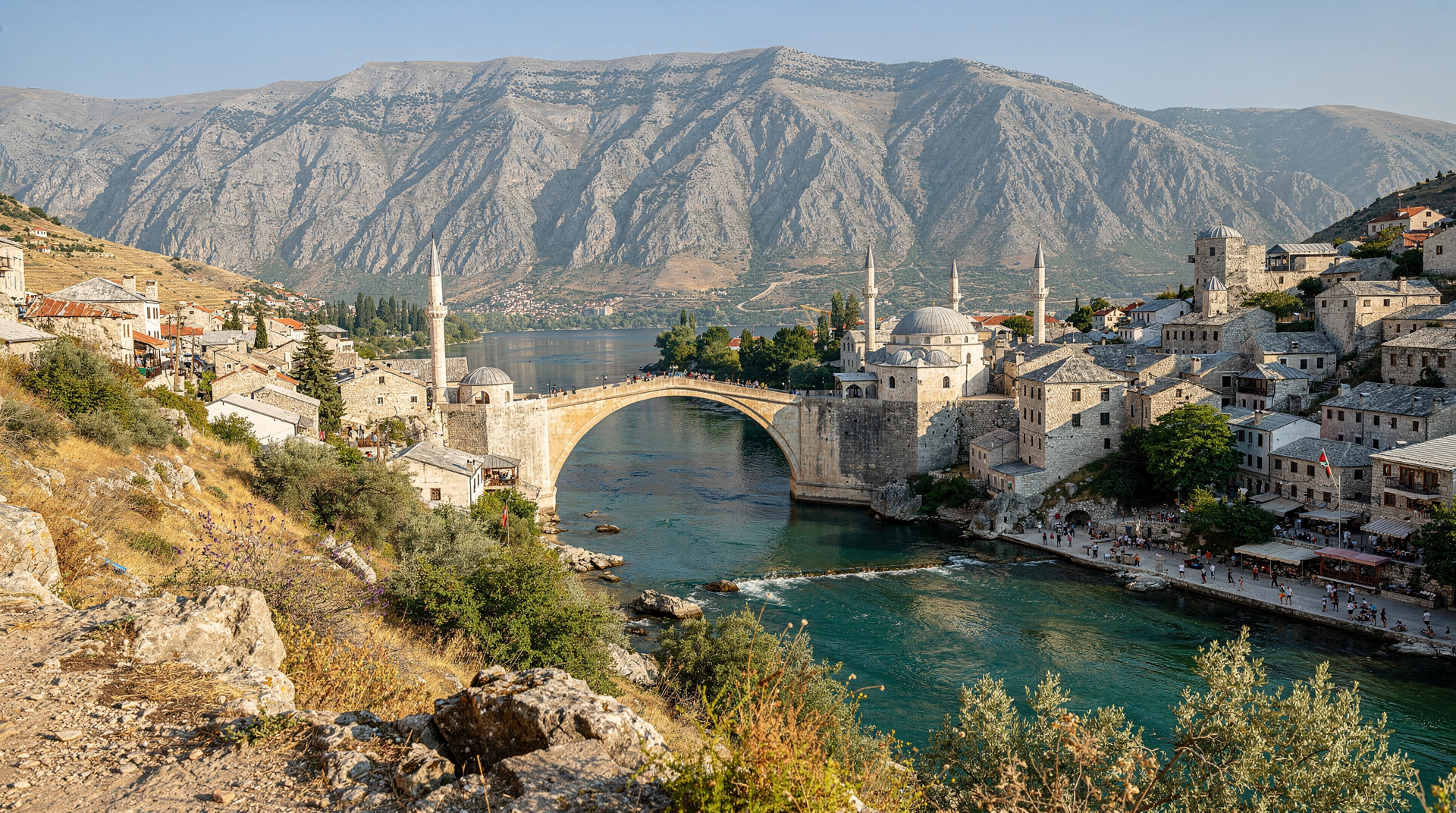
Mostar is the obvious centrepiece. The Stari Most (Old Bridge), rebuilt in 2004 after being destroyed in the 1993 war, is one of the most beautiful bridges in Europe. Plan to: walk the slippery cobblestones of the old bazaar, climb the Koski Mehmed-Pasha Mosque minaret for the best bridge view, and watch the professional divers — but note they will ask for tips before jumping. For honest advice on avoiding the tourist traps here, see Mostar tourist traps.
Kravice Waterfalls are a series of cascades on the Trebižat River, about 40 km southwest of Mostar. The pool at the base is emerald-green and perfect for swimming from late spring to September. Entry is around 20 BAM (10 EUR). In July and August it gets very crowded by early afternoon — tours that depart Split early have a better chance of arriving before the rush.
Blagaj is a 20-minute drive from Mostar: a 16th-century Dervish tekke (monastery) built into a cliff at the source of the Buna river. Hauntingly beautiful and undervisited. See the Blagaj destination page.
Počitelj is a fortified Ottoman hilltop village on the Neretva, roughly between Mostar and the Croatian border. 30 minutes exploring the towers and mosque is enough; it is easy to add as a stop on the way back. See Počitelj.
Doing it independently vs a tour
On a tour: The pragmatic choice for a first visit. Guides explain the war history context that makes Mostar comprehensible, handle border logistics, and the full-day format is efficient. The main limitation is that you share your pace with others — less time at Kravice if the group is slow in Mostar.
Independently: Strongly recommended for anyone who wants to stay overnight in Mostar, extend into the Herzegovina countryside, or combine with Sarajevo. The bus is cheap and simple, and Mostar’s old town is compact enough to navigate without a guide. A night in Mostar costs 40–80 EUR at a good pension.
Multi-day loop from Split: The ideal Bosnia itinerary from Split might be: day 1 arrive Mostar, explore afternoon and evening (magical when the day-trippers leave); day 2 Blagaj + Počitelj + Kravice at a relaxed pace; day 3 either back to Split or continue to Sarajevo (2h30 by car, 3h by bus). See Herzegovina weekend itinerary.
Shaping the day once you cross the border
A good Bosnia day from Split is built around one clear priority rather than a checklist. If Mostar is the reason you are going, give it the longest block of the day and treat everything else as a bonus. If the waterfalls are what you want, protect that time and accept a shorter walk through the old town. Trying to give every stop equal weight is what makes the day feel rushed.
Many travellers like to start with Mostar in the morning, when the bazaar lanes are quieter and the light on the bridge is soft, then move on to the countryside after lunch. The war history of the city is easier to absorb early in the day, before heat and fatigue set in. The Mostar war history guide and the Stari Most guide give useful background to read on the bus or the night before, so that the bridge means more than a photograph.
Lunch is part of the experience, not a pause in it. Bosnian grilled meats, pita and strong coffee are all worth trying; the Bosnian food guide and the Bosnian coffee culture guide explain what to order and how the coffee ritual works, so you are not left pointing at a menu. For a sit-down meal in the city, see the best restaurants in Mostar.
If you have the energy for one more stop, choose between Blagaj and Počitelj rather than trying to fit both. Blagaj rewards slower visitors who like quiet water and cliff scenery; Počitelj suits those who prefer a short climb and a panoramic view. The longer Blagaj tekke guide and the Počitelj village guide will help you decide, and the wider Herzegovina day trip guide shows how these places fit together.
Practical habits that make the day easier
Carry a light bag, a refillable bottle and a swimsuit if you plan to reach the waterfalls. Comfortable shoes matter more than anything else in Mostar, where the old cobblestones are polished smooth and become slippery. Keep your passport or ID card somewhere easy to reach, since you may be asked for it more than once during the day.
Keep small BAM notes for coffee, toilets and entry fees, and treat card payment as a convenience rather than a given outside the main tourist streets. Mobile data can behave unpredictably near the border, so download an offline map before you leave Split. For general safety and common sense on the ground, the Bosnia scams to avoid guide is a short, practical read, and the is Bosnia safe guide answers the questions most first-time visitors have.
If you are travelling with children or older relatives, think about how much time is spent seated in a vehicle. A longer, slower day with fewer stops is usually better than a packed one. The Bosnia with kids guide has ideas for keeping younger travellers comfortable.
Choosing the right style of trip for you
Some visitors want certainty: a fixed pickup, a guide, and no decisions to make. Others want to wander, linger over coffee and leave when they feel like it. Both are valid, and the right answer depends on how much you enjoy planning and how much you value being able to change your mind. Reading a few firsthand accounts helps; the Mostar old bridge story is a personal take on the city that gives a feel for what a visit is like beyond the guidebook facts.
If your trip is part of a longer route through the Balkans, the Croatia and Bosnia two-week itinerary shows how a Split-based excursion can fit into a bigger plan. For a broader sense of how Bosnia compares with its neighbour, the Bosnia vs Croatia guide is worth a look, and travellers heading onward to the capital can read the Split to Sarajevo route guide.
Practical info
Best time: May–June and September–October for manageable crowds and warm (not oppressive) temperatures. Kravice is unpleasant in August midday heat with hundreds of visitors. Mostar is open and beautiful year-round.
Money in Bosnia: BAM is the only local currency. 1 EUR = 1.95583 BAM (fixed peg). ATMs in Mostar dispense BAM. EUR is accepted at some tourist places but at a worse rate. Full details at Bosnia money and currency guide.
Language: Bosnian/Croatian/Serbian. English is widely spoken by anyone working in tourism in Mostar.
Split vs Dubrovnik as a Bosnia base
Both Adriatic cities work well as a base for Mostar, but the trade-offs differ. Split’s border crossing is simpler (one crossing, no Neum corridor), and the drive is broadly similar in length once you allow for the Dubrovnik route’s second border stop. Dubrovnik is closer to Kotor and Montenegro if you are continuing that way; Split is better positioned if you are heading north toward Zagreb or flying home from a bigger airport. For a full side-by-side comparison see the Bosnia from Split guide and Split vs Dubrovnik for Mostar guide.
| Factor | From Split | From Dubrovnik |
|---|---|---|
| Distance to Mostar | ~110 km | ~140 km |
| Drive time | 2h-2h30 | 2h30-3h |
| Border crossings | 1 (Ploče/Metković) | 2 (Neum corridor) |
| Bus frequency | Several daily | Fewer daily departures |
| Good for combining with | Trogir, continuing north | Kotor, Montenegro |
If you want more than a day trip
A single day from Split covers the highlights but moves fast — often 6-7 hours on the road out of a 12-13 hour day. If you have the flexibility, splitting the visit across two days by staying one night in Mostar gives noticeably more breathing room: you get the old bridge lit up at dusk with the day-trippers gone, and a relaxed morning at Blagaj or Kravice before the tour buses arrive. The Sarajevo-Mostar 3 days itinerary is a good template if you want to extend further into Bosnia rather than doubling back to the coast.
Frequently asked questions about Mostar day trips from Split
Do I need a visa to cross from Croatia into Bosnia for a day trip? No visa is required for EU, EEA, UK, US, Canadian or Australian passport holders for stays up to 90 days. A valid passport or EU identity card is mandatory at the border regardless of nationality.
Is it cheaper to do the trip independently by bus than on a tour? Yes, generally. A return bus fare runs roughly 20-30 EUR versus 55-75 EUR for a guided tour, but you lose the guide’s historical context, door-to-door transport, and the efficiency of a planned multi-stop itinerary — worth weighing against the savings.
Top experiences
Bookable activities with verified prices and instant confirmation on GetYourGuide.